This individual is a guest contributor. MEI is not able to assist with contact requests.
Jean-Pierre Cassarino holds a professorship at the Robert Schuman Center for Advanced Studies (RSCAS/European University Institute, Florence) where he directs the Return migration and Development Platform (http://rsc.eui.eu/RDP/). He is also research associate at the Tunis-based Institut de Recherche sur le Maghreb Contemporain (IRMC). Since the mid-1990s, he has published extensively on international migration, particularly on return migration and has carried out numerous field surveys investigating returnees’ manifold patterns of reintegration. Selected publications include: (ed.) Unbalanced Reciprocities: Cooperation on Readmission in the Euro-Mediterranean Area, The Middle East Institute Press, Washington, 2010; (ed.) “Conditions of Modern Return Migrants”, International Journal on Multicultural Societies, Vol. 10, Issue 2, UNESCO, Paris, 2008; (ed.) Return Migrants to the Maghreb Countries: Reintegration and development challenges, RSCAS, European University Institute, Florence, 2008; Tunisian New Entrepreneurs and their Past Experiences of Migration in Europe: Networks, Resource Mobilisation, and Hidden Disaffection. Ashgate Publishers, Aldershot, 2000. Email: [email protected]
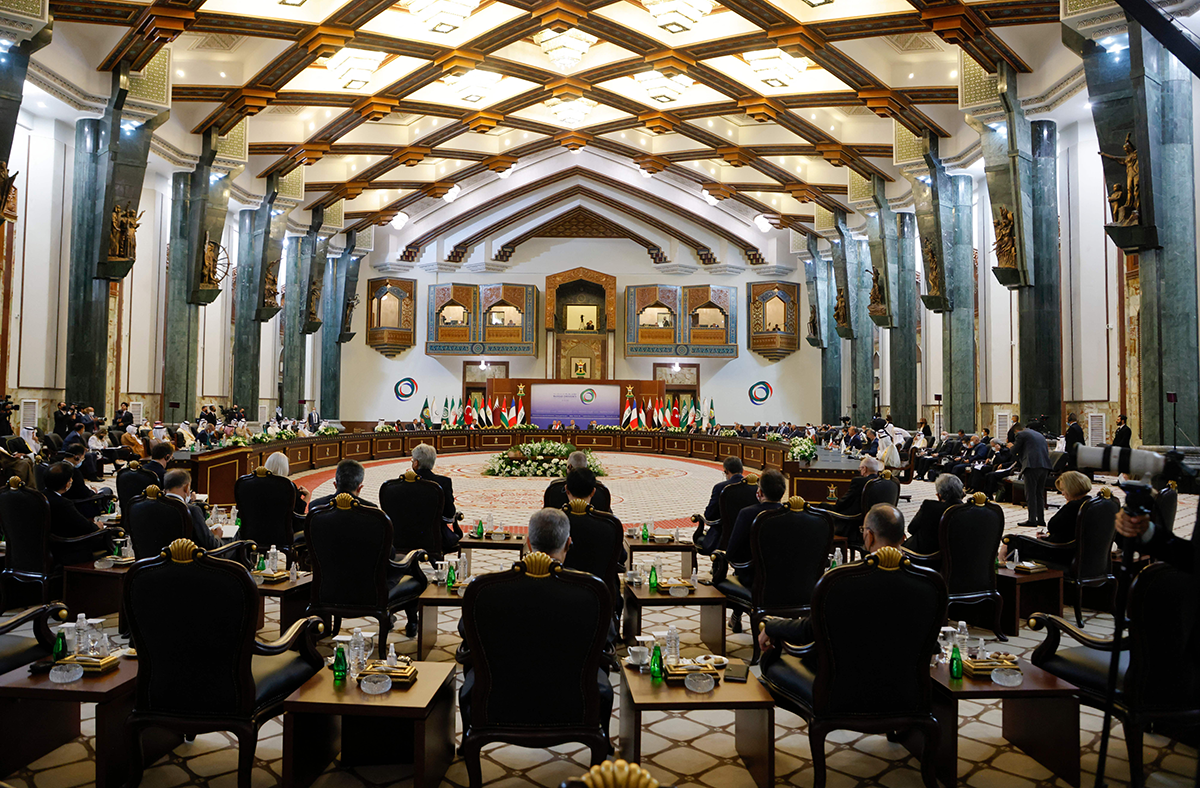
Putting Diplomacy First in the Middle East: Creating Incentives for De-Escalation
The Middle East is undergoing a historic transformation with unprecedented opportunities to build new relationships, de-escalate tensions, and foster conditions for stronger integration. At the same time, the region remains on edge because of ongoing tensions in Yemen, Syria, Iraq, and other conflict zones, a civil war that broke out recently in Sudan, along with the overarching challenges presented by fraught relations between Iran, Israel, and several Arab Gulf countries — with the longer-term implications of the still-fragile Iranian-Saudi rapprochement yet to be fully assessed.
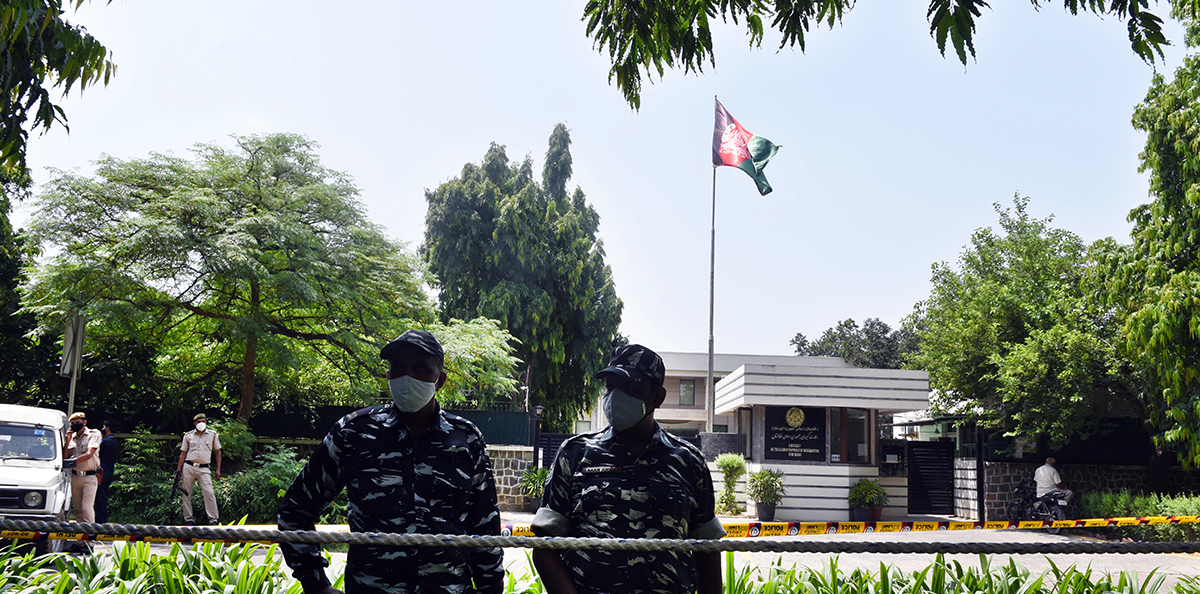
India-Taliban relations: A careful balancing act, driven by pragmatism
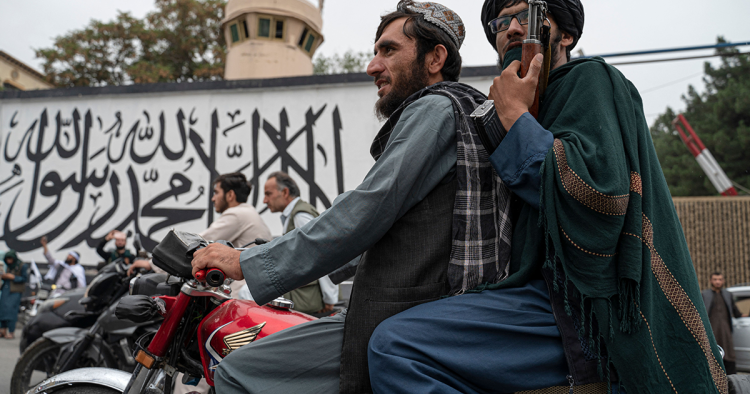
An ongoing power struggle for the position of ambassador at the Afghan embassy in New Delhi underlines India’s diplomatic quandary about the nature of its engagement with the Taliban regime in Afghanistan.
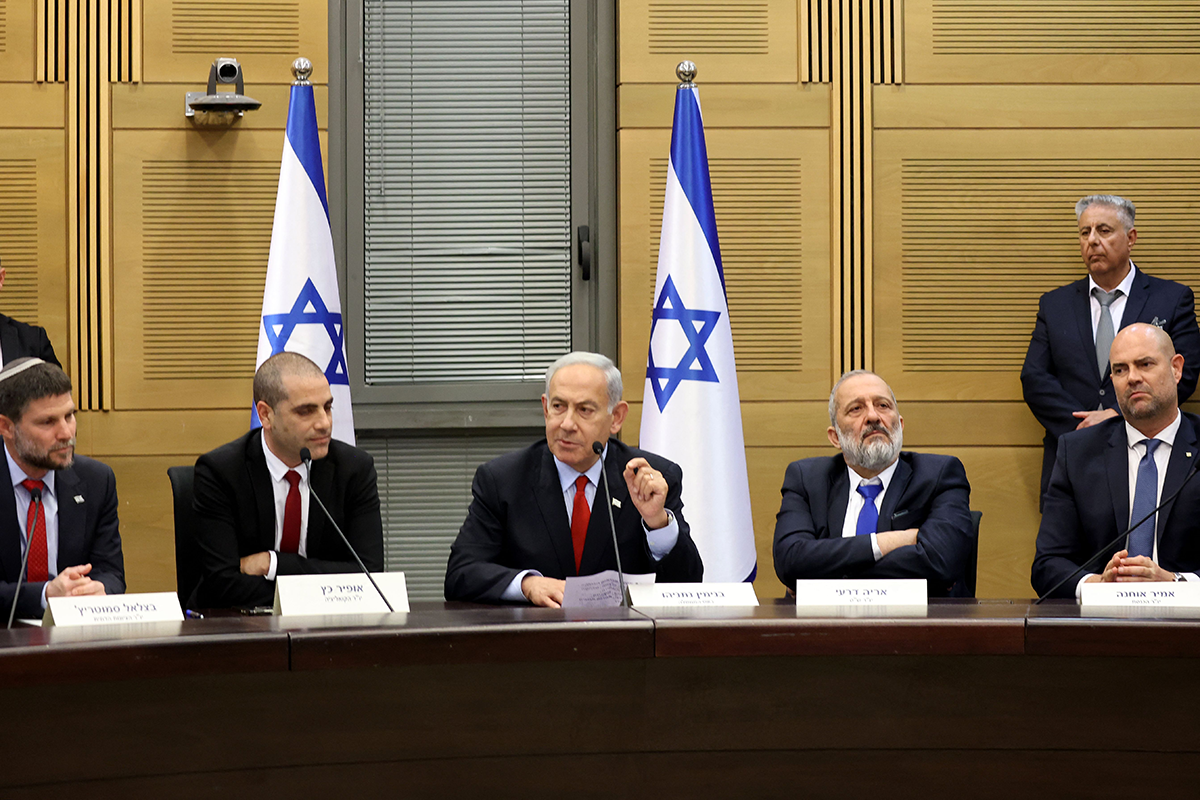
The Slowing Down of Israel-Arab Relations Under the Netanyahu Government
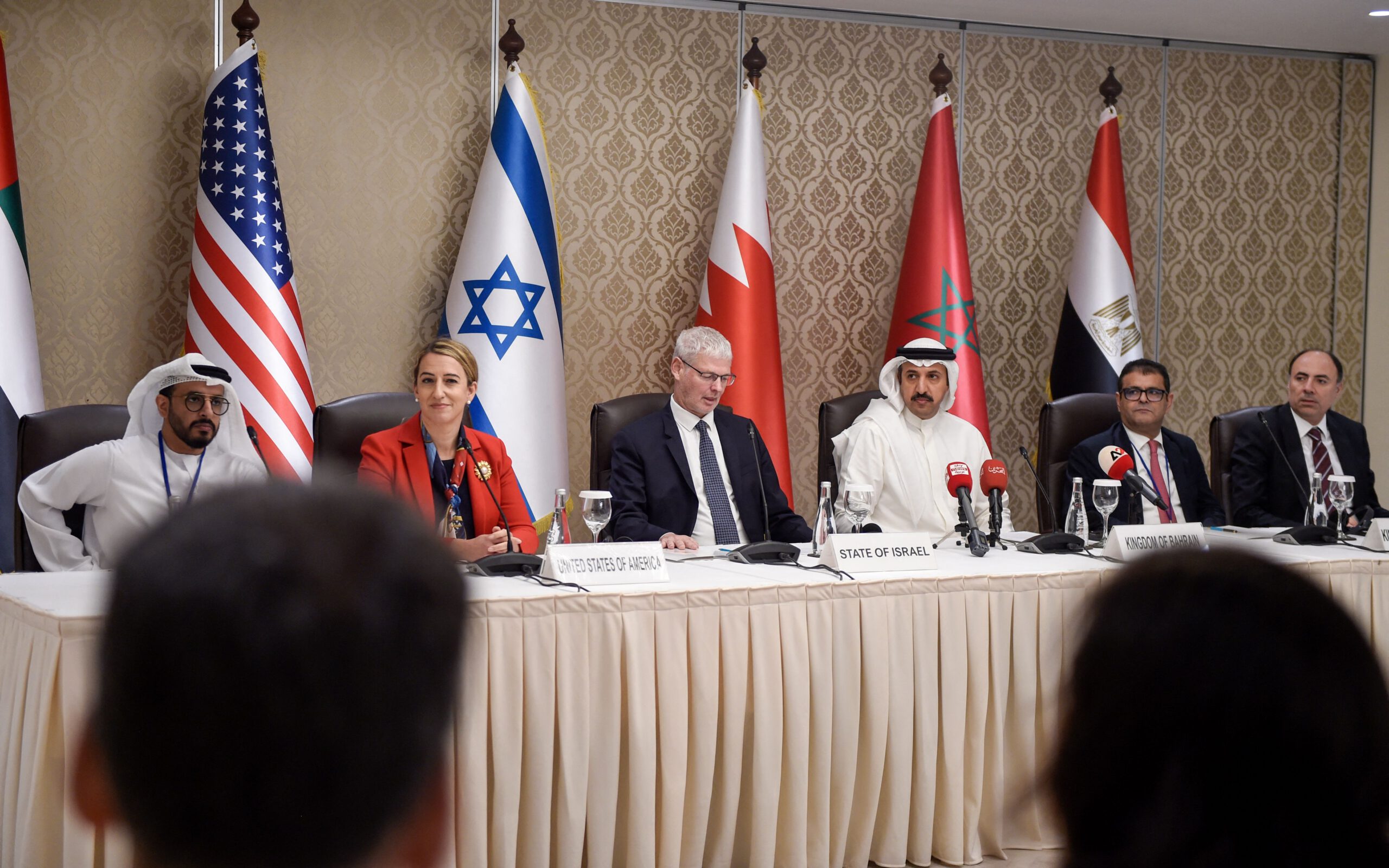
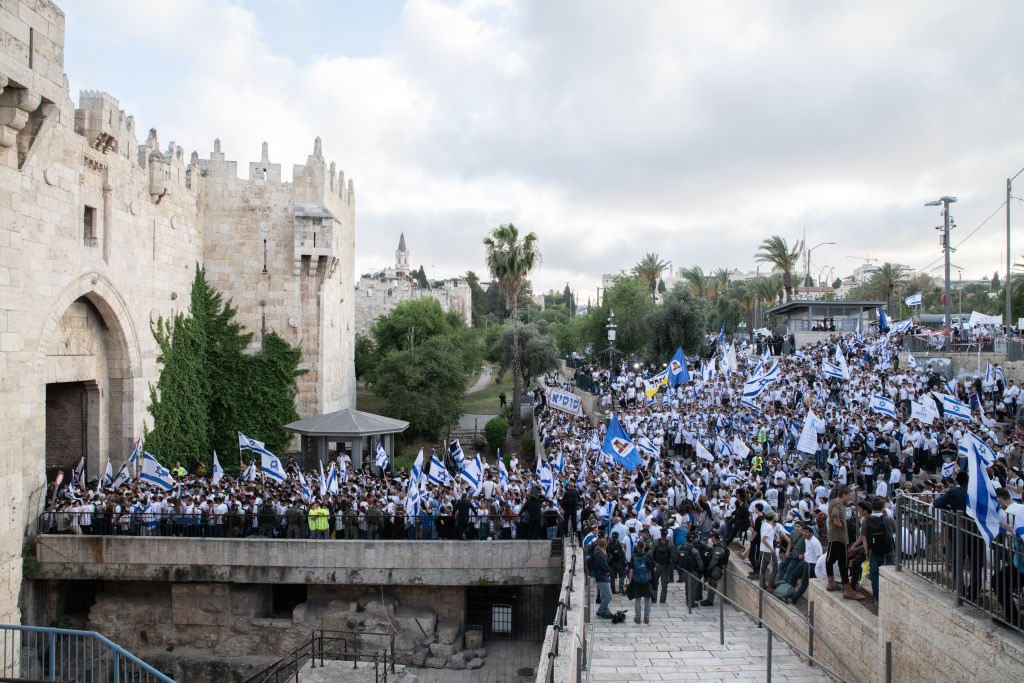
Dynamics between Israel and the Arab world have taken a turn for the worse in the first few months of the new Israeli government. The positive momentum in Israel-Arab relations, which Prime Minister Netanyahu himself was key in generating through the signing of the Abraham Accords and which picked up pace during the Bennett-Lapid government that followed, has slowed down. Only limited progress may be feasible under the current government, but conditions for positive change do exist and include marginalizing Israeli extremists, avoiding a flare-up with the Palestinians, reducing the domestic turmoil in Israel, and ensuring the effective involvement of the U.S. and the EU.
War as a catalyst for greater Black Sea-Gulf interconnectivity
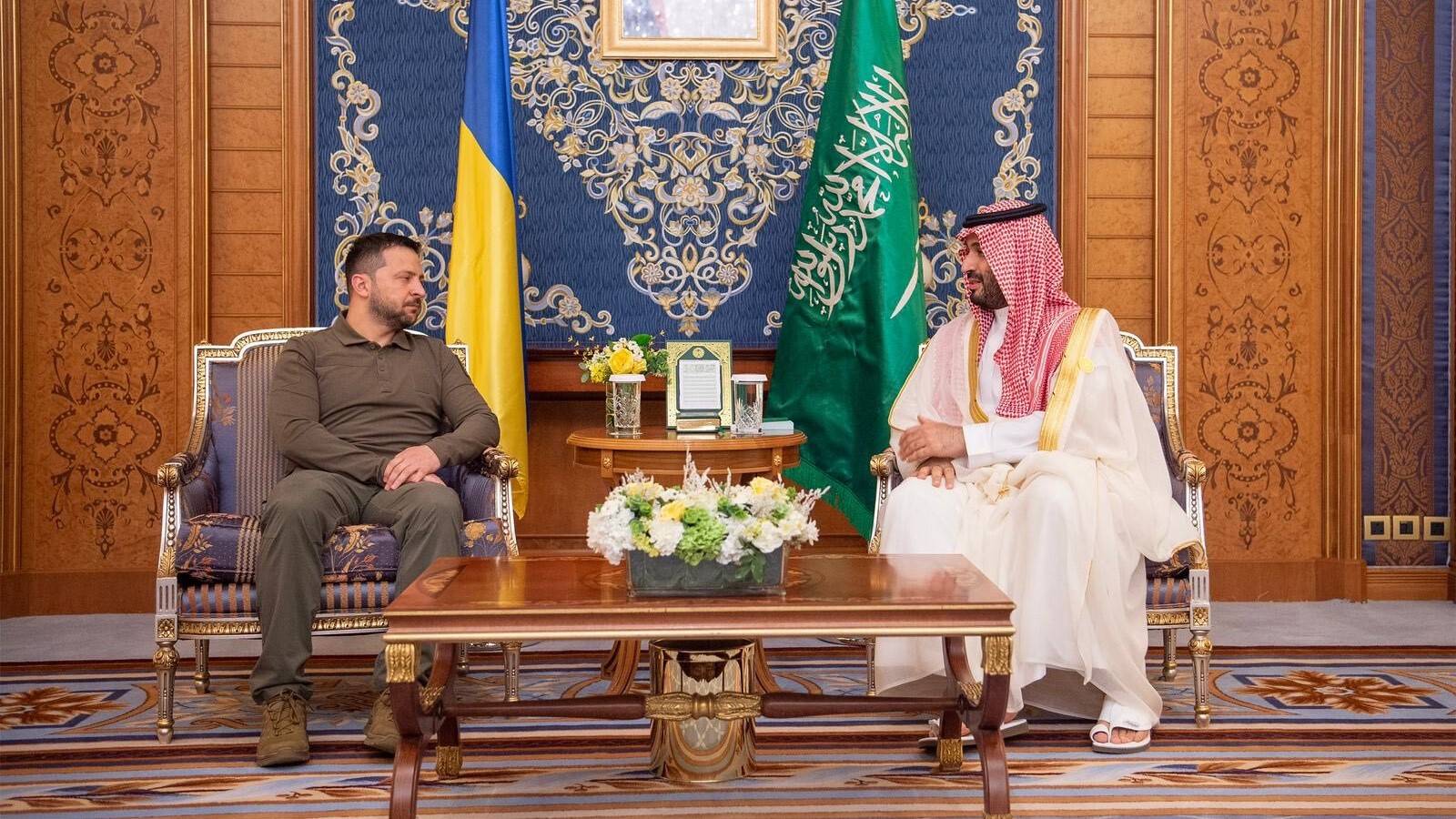
Russia’s full-scale invasion of Ukraine has destabilized and distressed the entire Black Sea neighborhood. Yet despite the war, or perhaps because of it, strategically important foreign direct investments into Black Sea littoral countries, including from the Gulf, have endured or even grown.
The United States should diplomatically recognize Afghanistan’s Taliban government. That’s not easy for us to say as a former Afghan ambassador and former CIA regional counterterrorism chief. Doing so will be perceived as a painful betrayal to many, but the alternative—allowing Afghanistan’s dangerous descent into a hermit kingdom and forsaking the insight and means to influence or shape events—would mean more dire consequences for all.
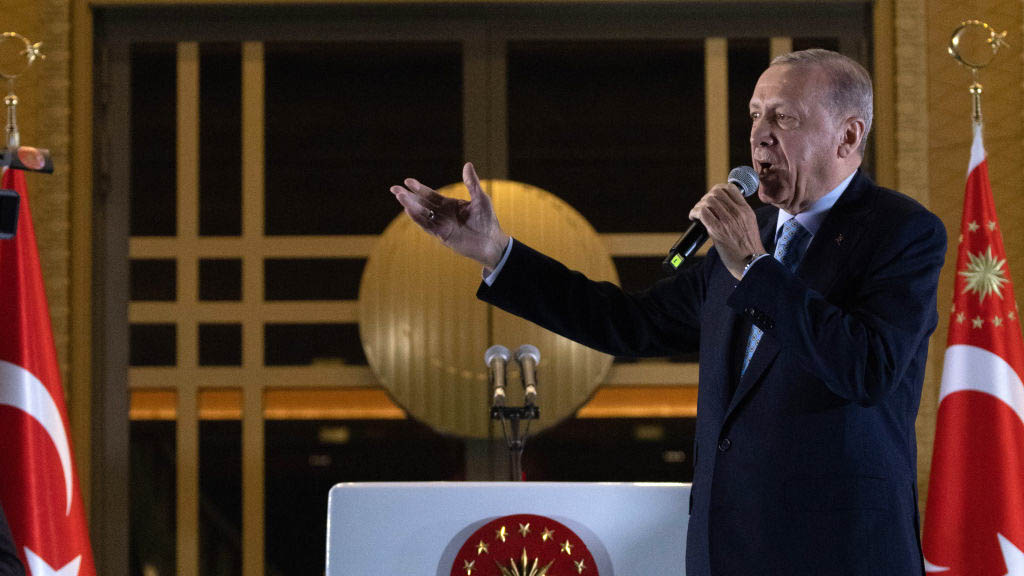
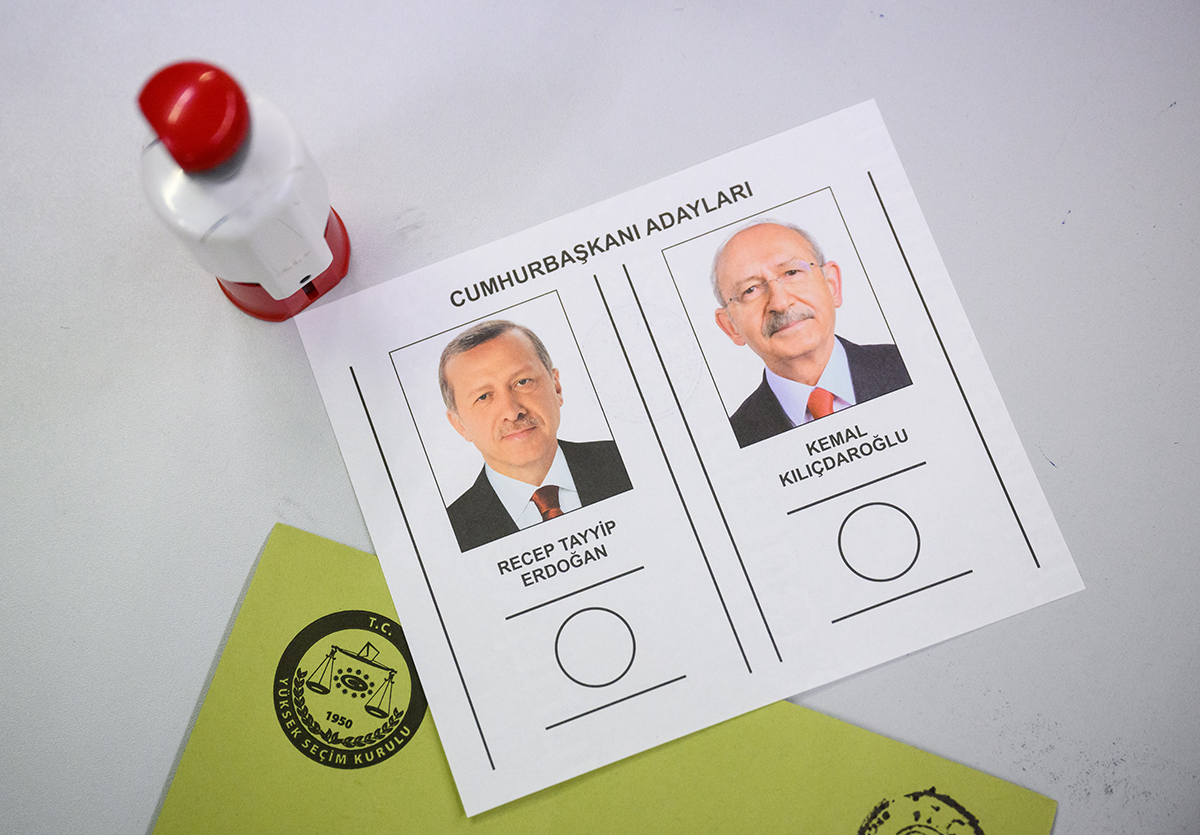
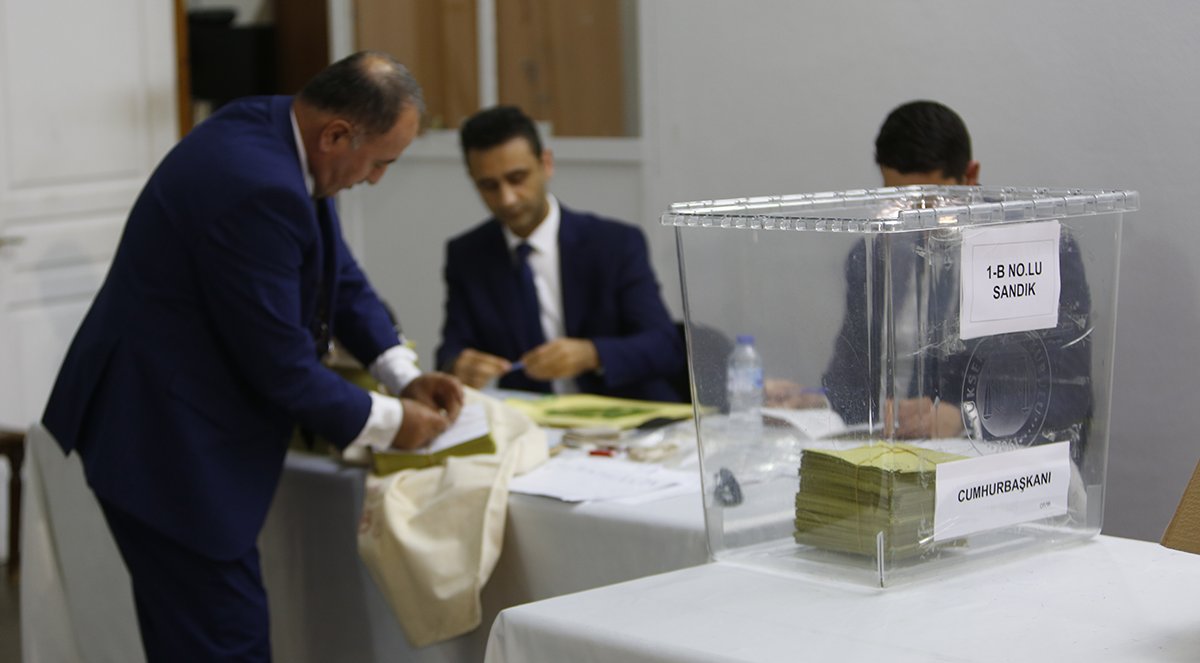
To analyze the crossroads Turkey faces in the 2023 elections, it could prove useful to “look back from the alternative futures” and explore how the possible outcomes might play out. What could it look like if we look back from 2030 to another victory by Erdoğan? And how might have the last seven years played out had the opposition won?
In an era of Middle East détente, how should the US and Israel respond?
Both Washington and Jerusalem welcome any reduction in regional tensions and prospects for a more stable, secure, and prosperous environment. However, there is a risk for U.S. and Israeli policy priorities, such as that regional de-escalation will reduce pressure on Tehran to negotiate on issues of concern, especially its nuclear weapons program.
The technical is geopolitical: Expanding US-UAE relations through AI
With AI development disproportionate attention is given to the world’s technological heavyweights, the U.S. and China, as they seek an innovative edge in their great power competition. But Gulf states like the UAE are also moving rapidly to invest in and adopt AI, with significant implications for bilateral relations. The momentum in both the U.S. and the UAE can be leveraged by anchoring further ideas for political, diplomatic, and military cooperation in the technical evolution of AI.
Turkish Election Watch: Preparing for a presidential run-off
This week on Turkish Election Watch: The May 14 election results, the race to the right ahead of the May 28 run-off and Oğan’s endorsement of Erdoğan, and a closer look at the nature of the election.
The failure of partner-led, US-enabled policy in the Horn of Africa: The case study of Somalia
Rather than addressing the critical gaps in Somalia’s security, President Hassan Sheikh has chosen to prioritize nation-building over state-building, diverting scarce resources needed to stabilize areas liberated from al-Shabaab. The Biden administration has enabled President Sheikh’s nation-building project through its partner-led, U.S.-enabled approach.