Jean-Pierre Cassarino holds a professorship at the Robert Schuman Center for Advanced Studies (RSCAS/European University Institute, Florence) where he directs the Return migration and Development Platform (http://rsc.eui.eu/RDP/). He is also research associate at the Tunis-based Institut de Recherche sur le Maghreb Contemporain (IRMC). Since the mid-1990s, he has published extensively on international migration, particularly on return migration and has carried out numerous field surveys investigating returnees’ manifold patterns of reintegration. Selected publications include: (ed.) Unbalanced Reciprocities: Cooperation on Readmission in the Euro-Mediterranean Area, The Middle East Institute Press, Washington, 2010; (ed.) “Conditions of Modern Return Migrants”, International Journal on Multicultural Societies, Vol. 10, Issue 2, UNESCO, Paris, 2008; (ed.) Return Migrants to the Maghreb Countries: Reintegration and development challenges, RSCAS, European University Institute, Florence, 2008; Tunisian New Entrepreneurs and their Past Experiences of Migration in Europe: Networks, Resource Mobilisation, and Hidden Disaffection. Ashgate Publishers, Aldershot, 2000. Email: [email protected]
The Latest from Jean-Pierre Cassarino
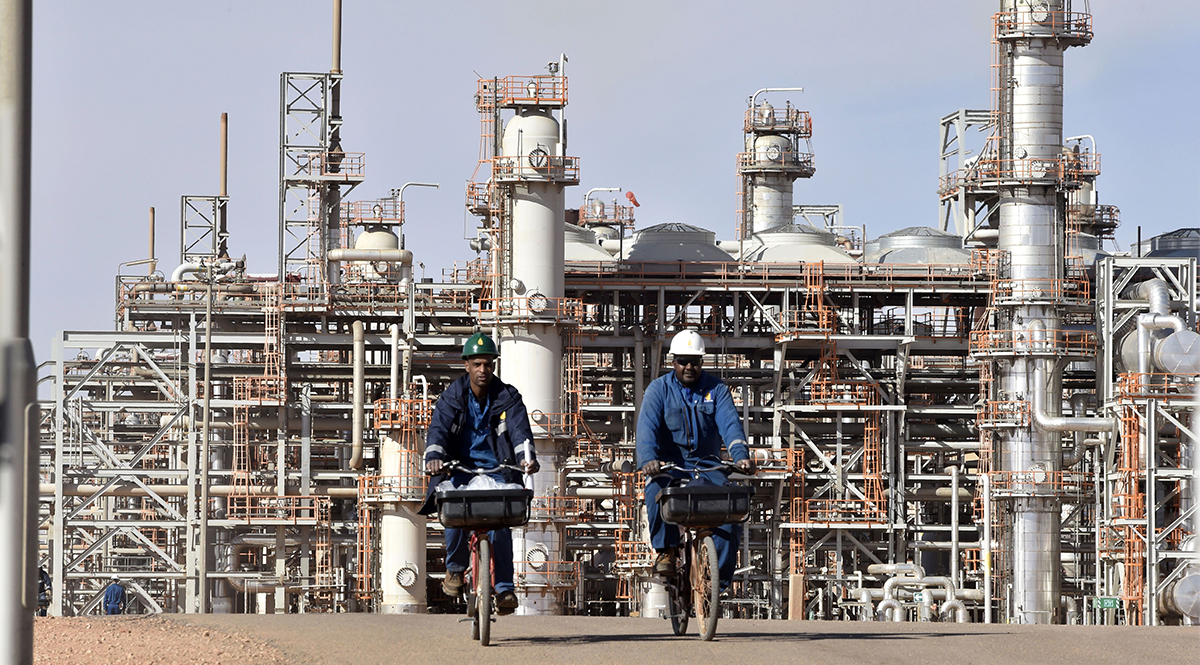
Given capacity constraints, Algeria is no quick fix for Europe’s Russian gas concerns
While Europe might be ready for more Algerian gas as it looks to diversify its suppliers, Algeria’s current production capacity limits its ability to substantially increase export volumes to Europe. As of now, any meaningful increases in Algerian production will require years of exploration and development and more crucially, further energy industry reforms to attract new investment.

يسلط المعرض الرقمي لمكتبة عمان الضوء على أعمال سعد الله ونوس والمجلات السورية النادرة
غيّر سعد الله ونوس المسرح السوري تغييرا جذريا بأعماله الوجودية وغالبا السياسية منها. كما حفز ايضا، في مجلة الحياة المسرحية، نقاشات غنية عن التعريف على مواضيع تشمل الفن، السياسة، ومستقبل المسرح العربي. اعرف المزيد عن أعماله المعروضة في المعرض الإفتراضي لمكتبة عمان بمعهد الشرق الأوسط

Oman Library Digital Exhibition Highlights the Work of Sa‘dallah Wannous and Rare Syrian Journals
Sa’dallah Wannous revolutionized the Syrian stage with his existential, and often political, work. In the journal al-Ḥayāh al-Masraḥīyah he fostered discussions on art, politics and the future of Arab theater. Learn more about the Oman Library’s Digital Exhibition on his work.
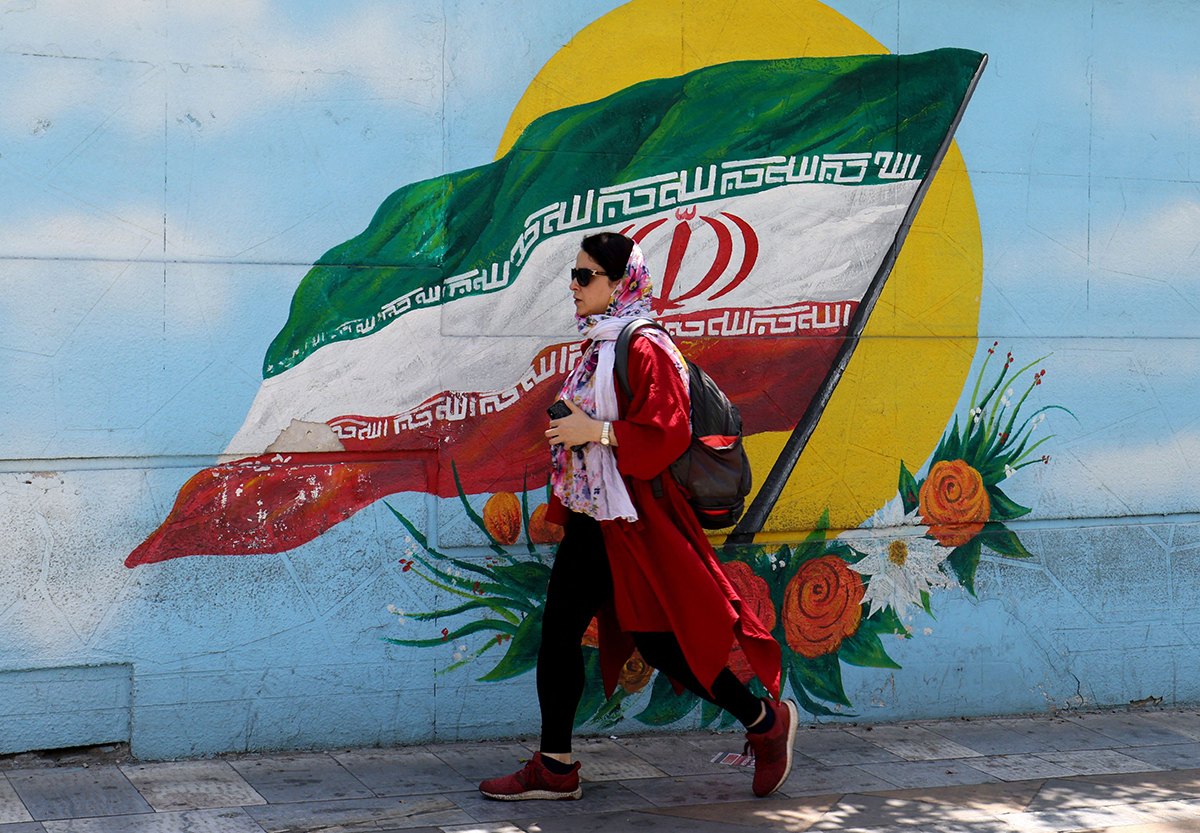
Can women bring about a new revolution in Iran?
Iranian women both within the country and in the diaspora are working together to usher in real social and political change in Iran. Women-led grassroots organizations are leading an effort to promote democracy and human rights through a collaborative, non-ideological approach.

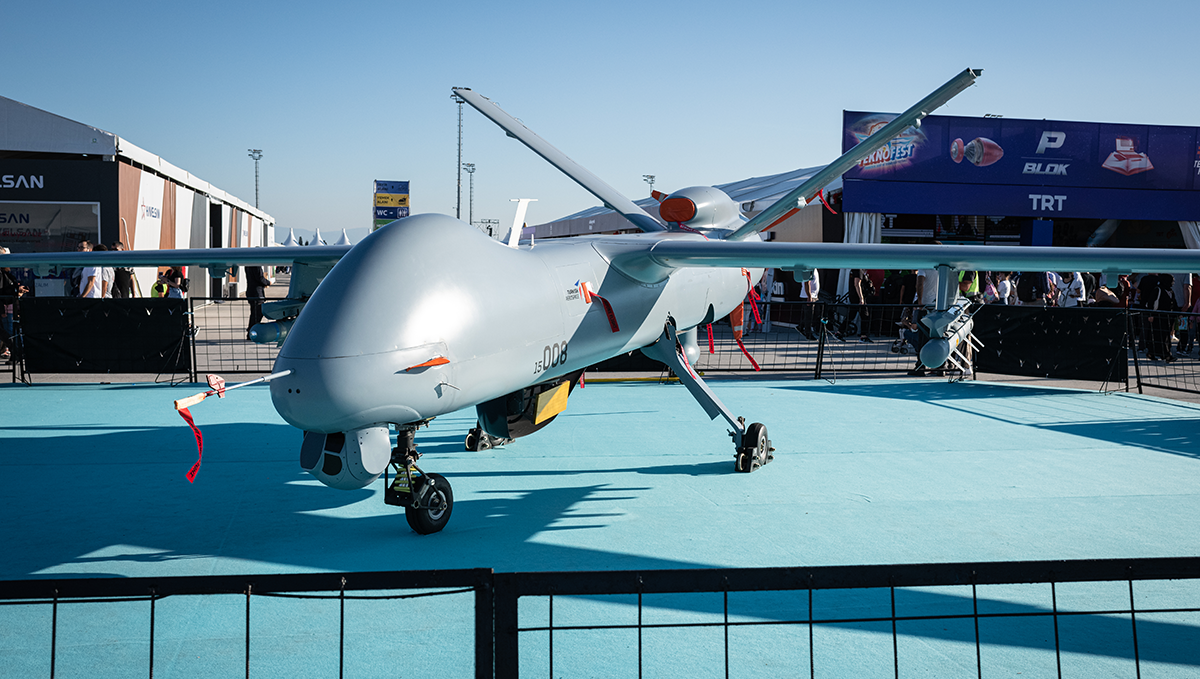
Drones are re-engineering the geopolitics of the Middle East
The Middle East is experiencing a seismic shift in its geopolitics: the dawn of the era of drones. From Syria to Libya and from Yemen to Iraq, UAVs have altered the dynamics on the battlefield. Agile and affordable, drones aren’t just a menace to remote conflict zones, but also to states far removed from theaters of war.
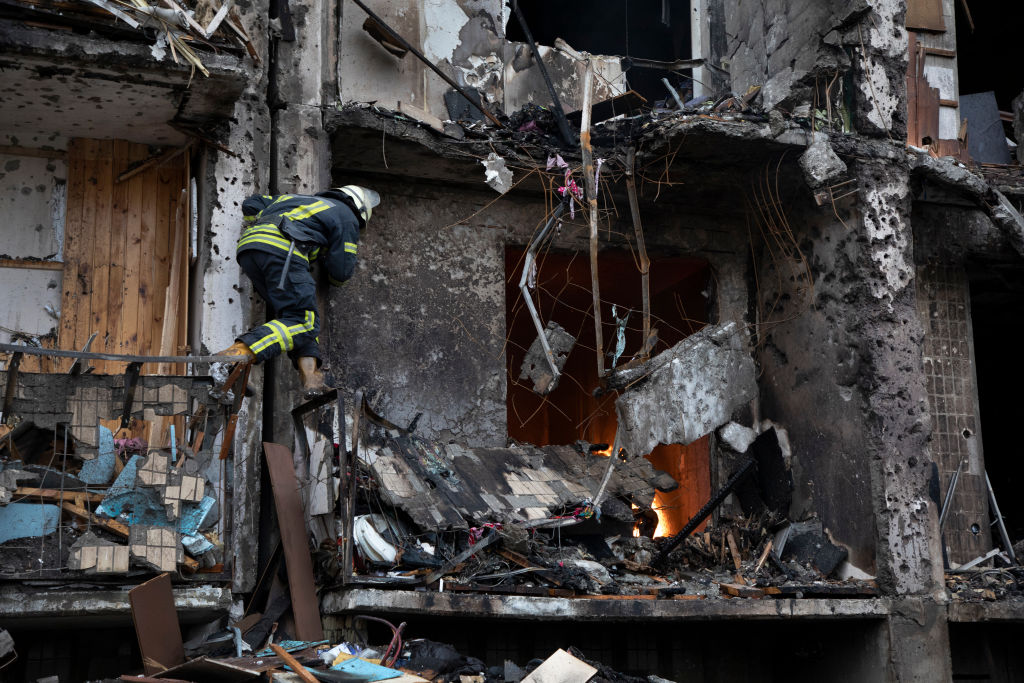
Sanctions won’t move Putin — we must bolster Ukraine’s air defenses
Attempts at deterrence by sanctions have failed. The question now is: Does the West expect sanctions to change Russian President Vladimir Putin’s actions? We think not — and the world should have given up years ago on expecting them to dissuade him.

Monday Briefing: An important lesson for U.S. policy on Iran from Russia’s war against Ukraine
اقرأ تقرير MEI الأسبوعي الذي يتضمن تحليلات الخبراء للتطورات الإقليمية الرئيسية للأسبوع المقبل.
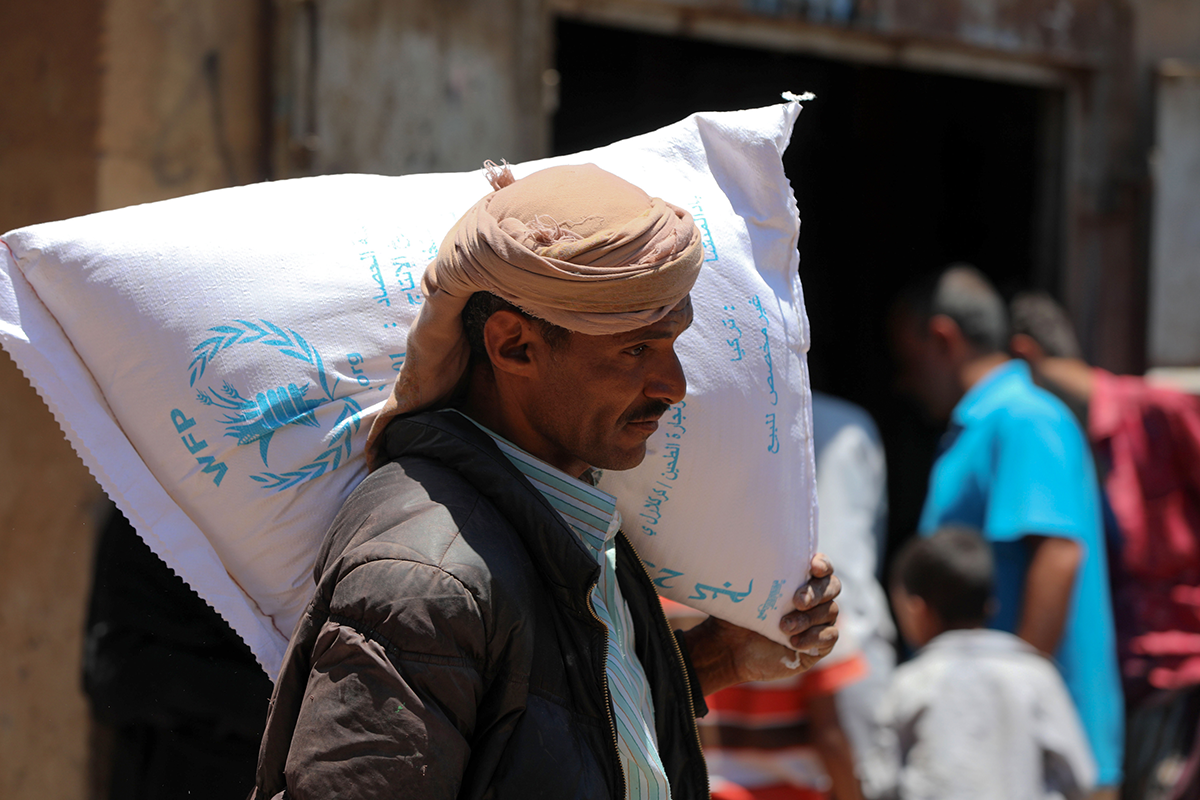
Compounded stress: The impact of the war in Ukraine on the Middle East and North Africa
The rapid evolution of the war in Ukraine and its horrendous humanitarian consequences caught many of us by surprise. The effects of the crisis will materially — although heterogeneously — impact MENA economies, and, sadly, can have a compounding negative effect on food security and welfare across the region.
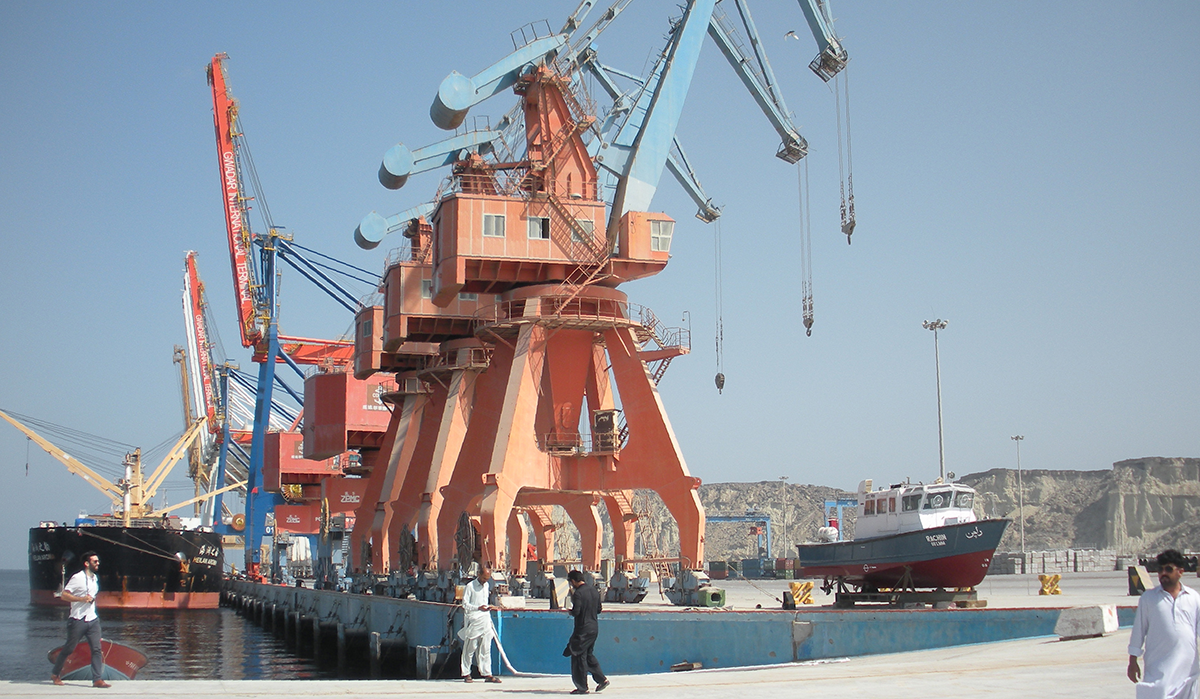
Connecting Beijing’s global infrastructure: The PEACE Cable in the Middle East and North Africa
One of the most ambitious elements of China’s Digital Silk Road is the Pakistan & East Africa Connecting Europe (PEACE) fiber-optic cable. China has long expressed its ambition to connect the greater Middle East, Africa, and Europe with Chinese fiber optics in order to expand its presence in the region, and Beijing now boasts strategic infrastructure assets in geopolitical hotspots, such as the Pakistani port of Gwadar.

Lebanon in crisis
Randa Slim and Amb. Edward Gabriel discuss the daunting trifecta of economic, financial, and political crises Lebanon currently faces and what they anticipate for the country’s future.
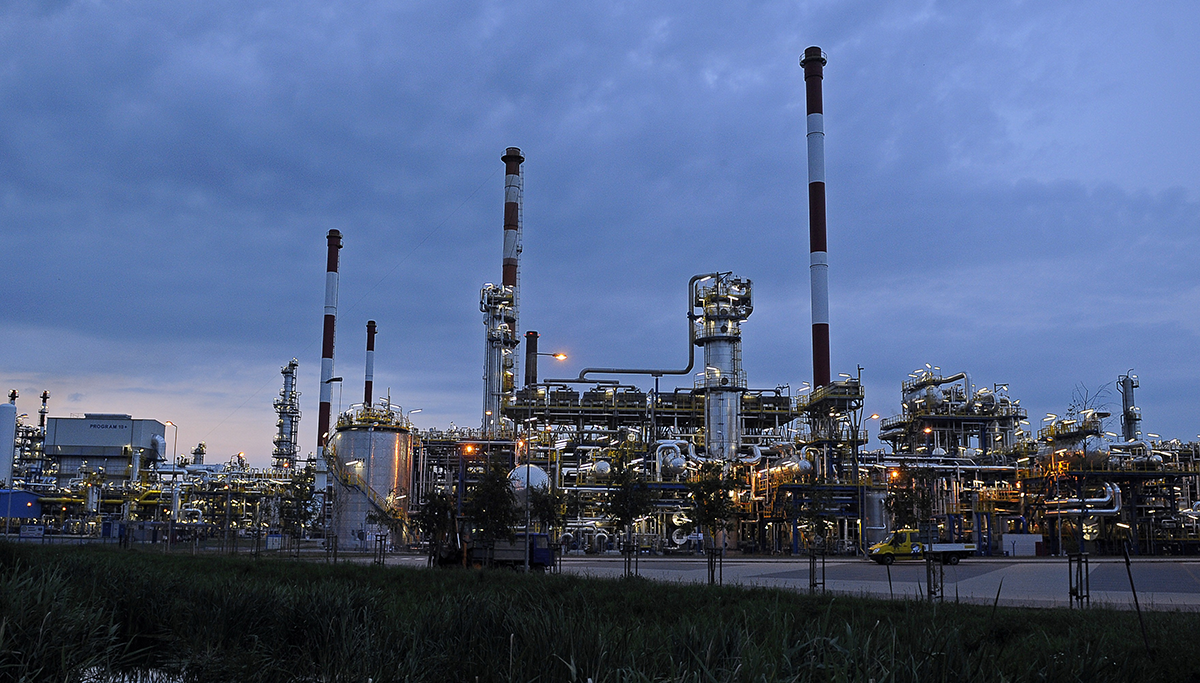
How will the war in Ukraine affect Gulf oil producers?
Although Western countries have managed to limit Moscow’s capacity to export oil, the Arab Gulf monarchies are unlikely to be able to benefit in the near term. This may change in the long run, however.
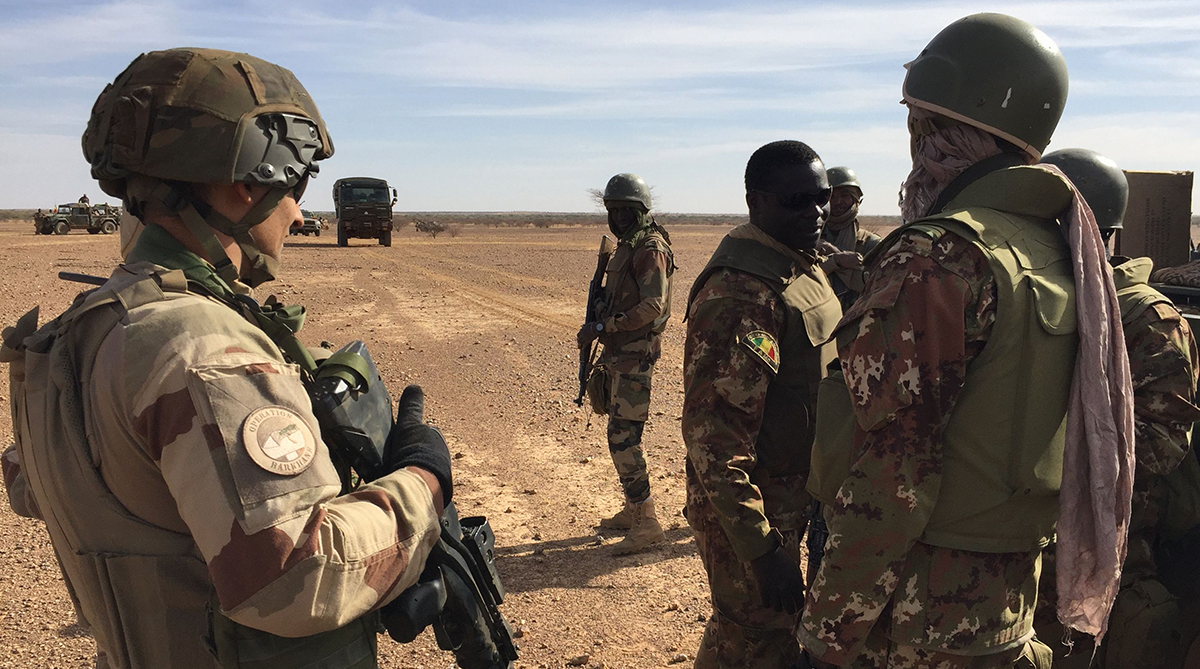
What now for French operations in the Sahel?
On Feb. 17, French President Emmanuel Macron announced the coming withdrawal of French armed forces from Mali. The decision put an end to nine years of French military intervention in the West African country.
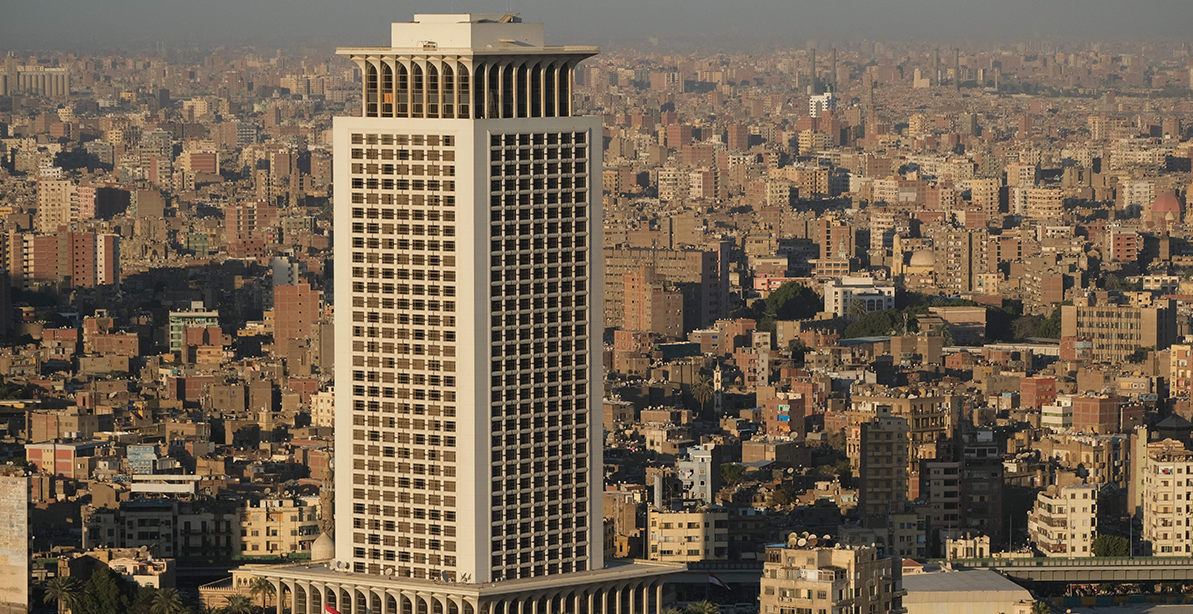
Getting complicated in a hurry: The implications for Egypt of Russia’s invasion of Ukraine
A week after Russia invaded Ukraine, the economic and political ramifications for Egypt have evolved more rapidly, and comprehensively, than its policymakers would have wished.



