This individual is a guest contributor. MEI is not able to assist with contact requests.
Jean-Pierre Cassarino holds a professorship at the Robert Schuman Center for Advanced Studies (RSCAS/European University Institute, Florence) where he directs the Return migration and Development Platform (http://rsc.eui.eu/RDP/). He is also research associate at the Tunis-based Institut de Recherche sur le Maghreb Contemporain (IRMC). Since the mid-1990s, he has published extensively on international migration, particularly on return migration and has carried out numerous field surveys investigating returnees’ manifold patterns of reintegration. Selected publications include: (ed.) Unbalanced Reciprocities: Cooperation on Readmission in the Euro-Mediterranean Area, The Middle East Institute Press, Washington, 2010; (ed.) “Conditions of Modern Return Migrants”, International Journal on Multicultural Societies, Vol. 10, Issue 2, UNESCO, Paris, 2008; (ed.) Return Migrants to the Maghreb Countries: Reintegration and development challenges, RSCAS, European University Institute, Florence, 2008; Tunisian New Entrepreneurs and their Past Experiences of Migration in Europe: Networks, Resource Mobilisation, and Hidden Disaffection. Ashgate Publishers, Aldershot, 2000. Email: [email protected]
The new wave of normalization in Turkey’s Middle East foreign policy
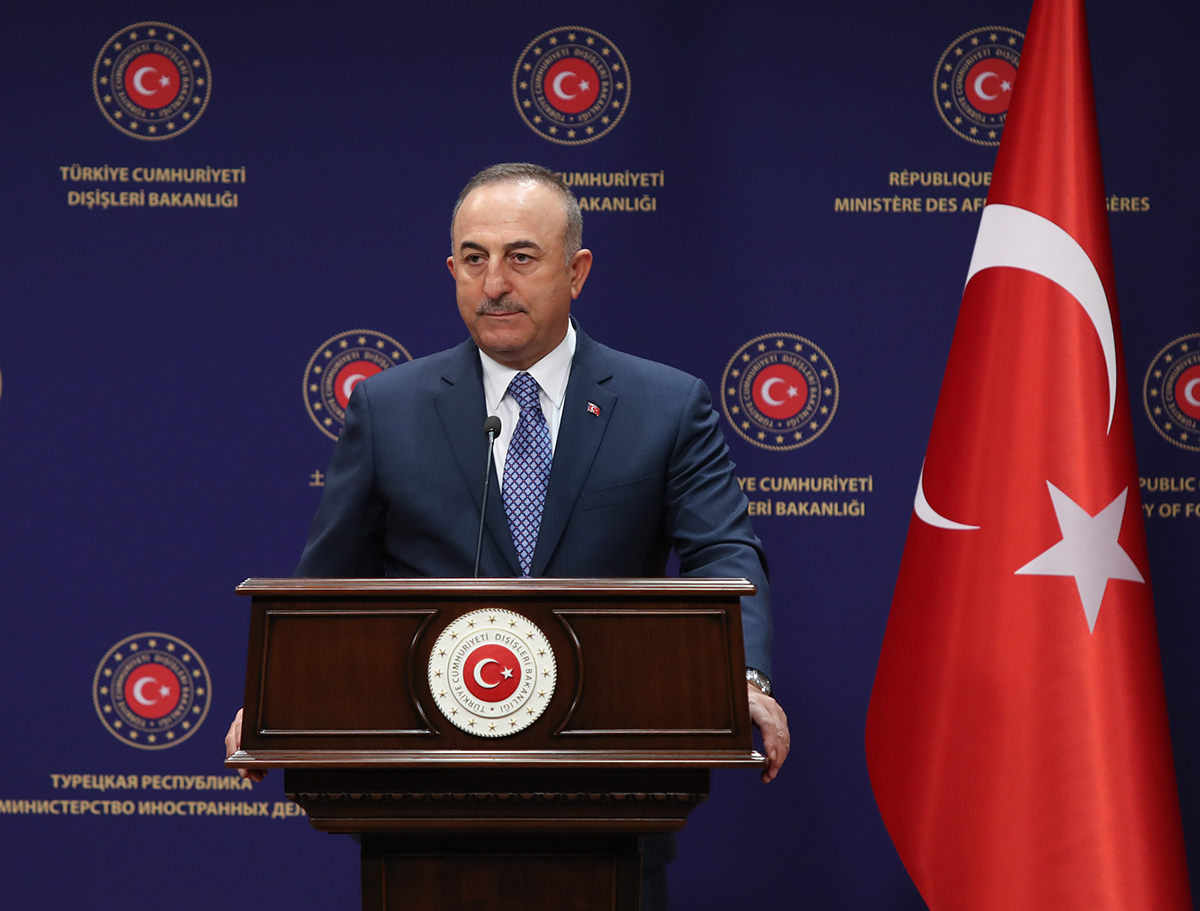
In the past several weeks, news has been coming out of Ankara regularly about normalization in relations with countries with which Turkey has had problematic relationships for some time.
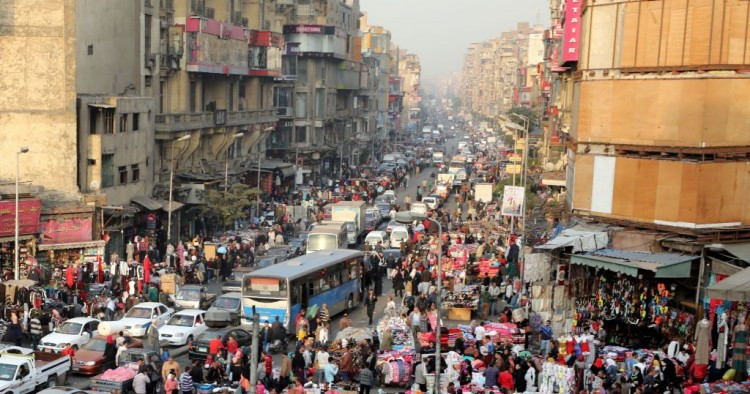
The Biden administration should play a key role in building a stronger Egypt where human-rights abuses are both rare and addressed by pushing back against the potential for any new regime.
Ukraine is an intractable problem, made worse by a lack of strategy
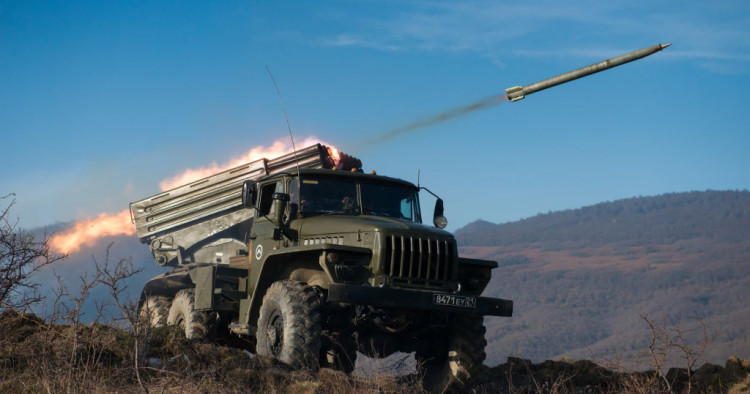
There are three clear steps the Biden administration must take if it hopes to de-escalate the crisis with Russia in Eastern Europe without being drawn into conflict. First, recognize that the Normandy Format has failed. Second, take the lead on peace negotiations with Russia. And third, shape a strategy for the Black Sea region.
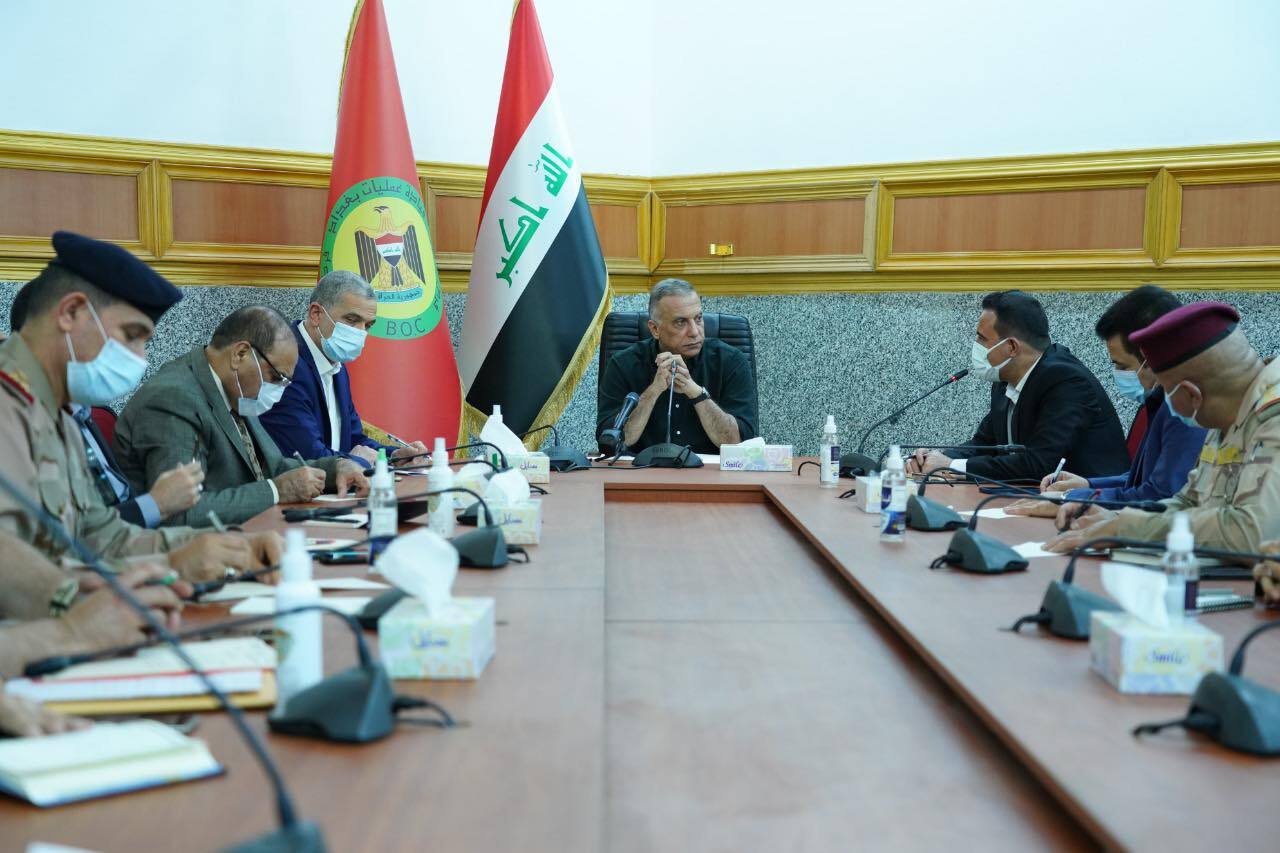
The Roadblocks to a Regional Security Dialogue in the Middle East
It’s easy to see why there’s an enduring attraction for a regional security dialogue in the Middle East. Countries in the region face shared and borderless challenges — including terrorism, insurgency, environmental safety, arms races, cybersecurity, maritime piracy, and the proliferation of weapons of mass destruction — that can be dealt with more effectively through multilateral measures.
Making sense of the Iran-China strategic agreement
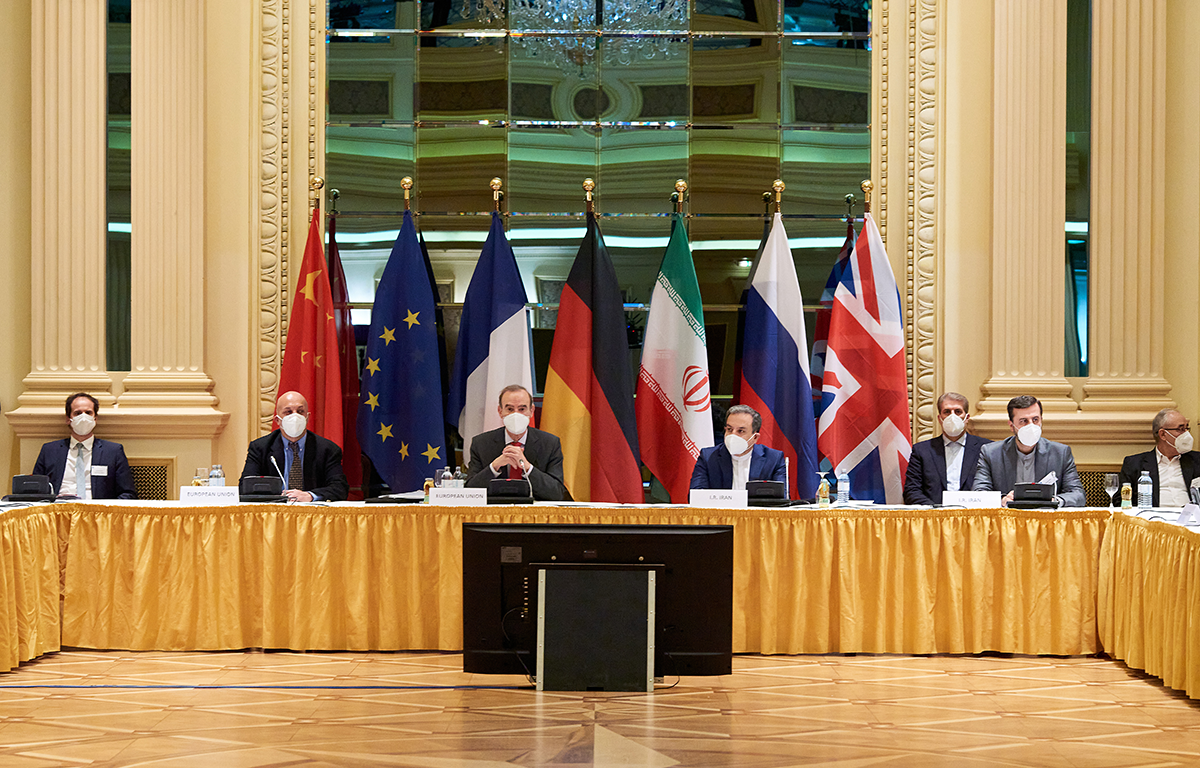
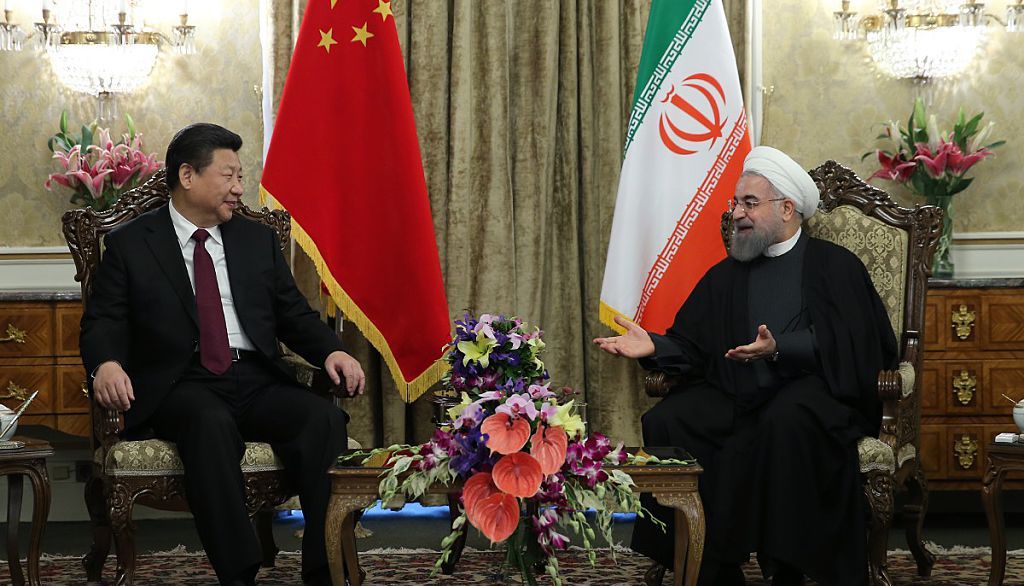
The 25-year agreement between Iran and China that made headlines this past month is far from new. It was first announced in 2016 during a state visit by President Xi Jinping to Tehran, at a time when sanctions on Iran were being lifted as part of the 2015 nuclear deal. Chinese and Iranian officials have been working out the details of the deal ever since as part of a slow process of consultation and negotiations. The timing of the latest announcement about the agreement is, therefore, less about developments in relations between Beijing and Tehran and more about the fast-deteriorating relations between Beijing and Washington. China is looking to identify areas where it can cultivate leverage, and Iran is a prime opportunity.
حلقة 14: آراء من واشنطن – محادثات سعودية-إيرانية في العراق
في هذه الحلقة من ‘آراء من واشنطن’، يستعرض إبراهيم الأصيل رأي لأليكس فاتانكا حول المحادثات السعودية-الإيرانية في العراق واحتمال تحسّن العلاقات بين البلدين، وكيف تنظر كل من الدولتين للصراع في اليمن
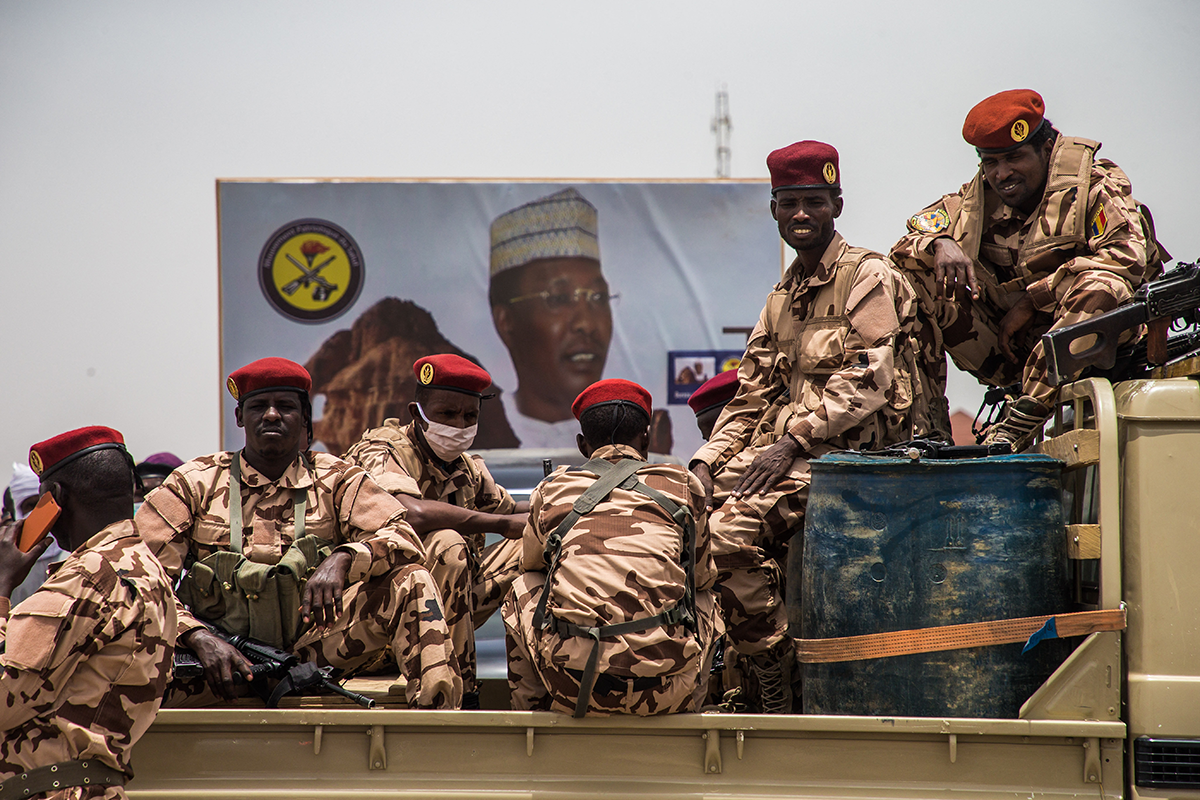
What does the transition in Chad mean for Middle Eastern regional powers?
On April 20, Chadian President Idriss Déby was killed by Front for Change and Concord in Chad (FACT) rebels in the country’s northwestern Tibesti region. The sudden death of Déby, who seized power in Chad via a military coup in December 1990 and was re-elected on April 11 with 79.3% of the vote, risks plunging Chad into a state of prolonged instability.
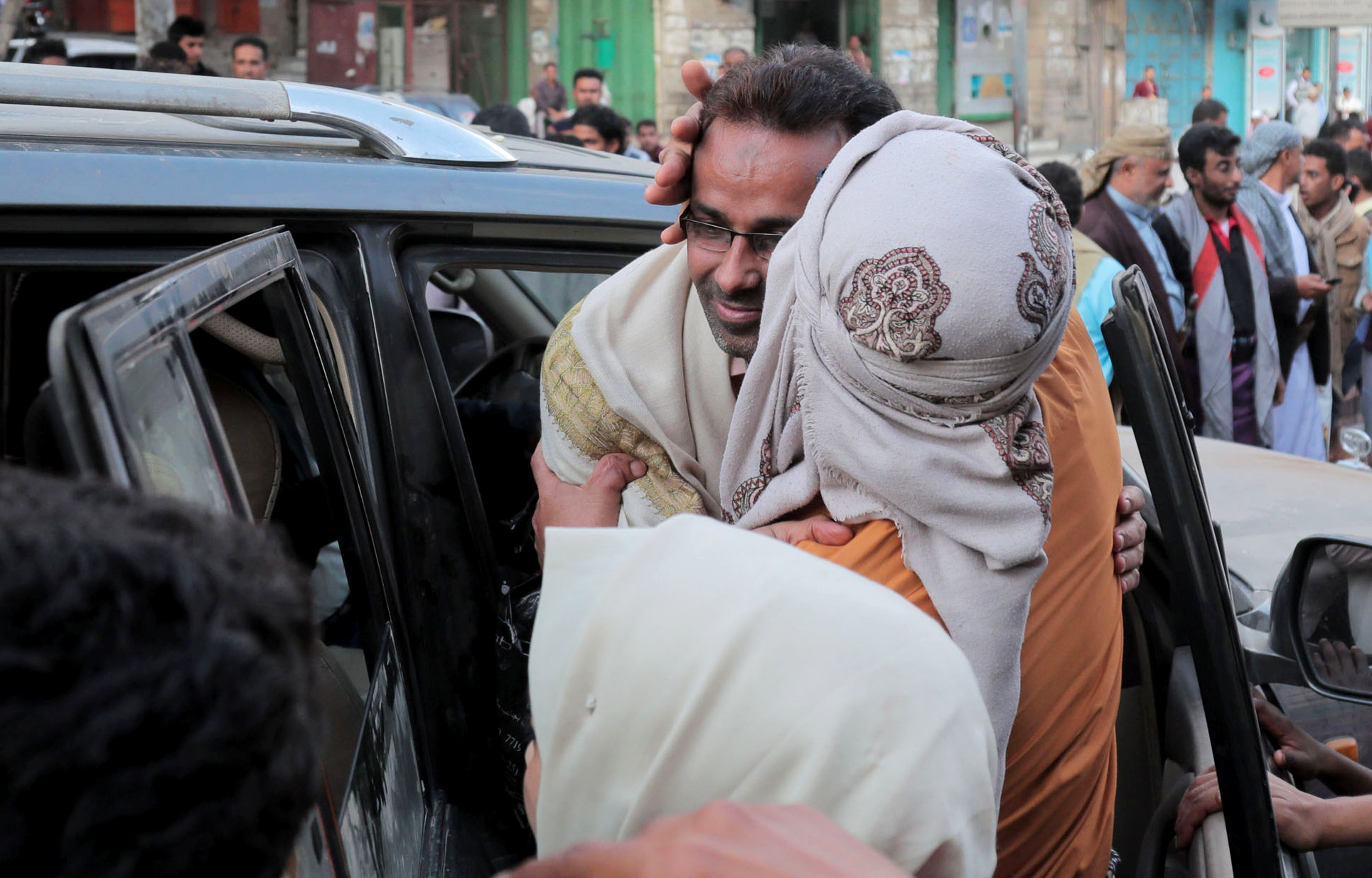
Peacebuilding in the Time of War: Tribal Cease-fire and De-escalation Mechanisms in Yemen
As the current U.N.-led political negotiations between the Yemeni government and the Houthis seem to have hit a dead end, there has been growing interest in exploring the role tribal leaders and local tribes can play in ending Yemen’s conflict. The role of Yemeni tribes, however, remains largely misunderstood, and the authority of tribal leaders and the influence of tribes on national political decision making are often overestimated. This report looks into the possibilities and limitations of tribal mediation on de-escalation and cease-fire. It argues that while the tribes developed relatively effective mechanisms to limit the spread of violence into their areas, there are major limitations to their ability to mediate the national-level and political conflict.
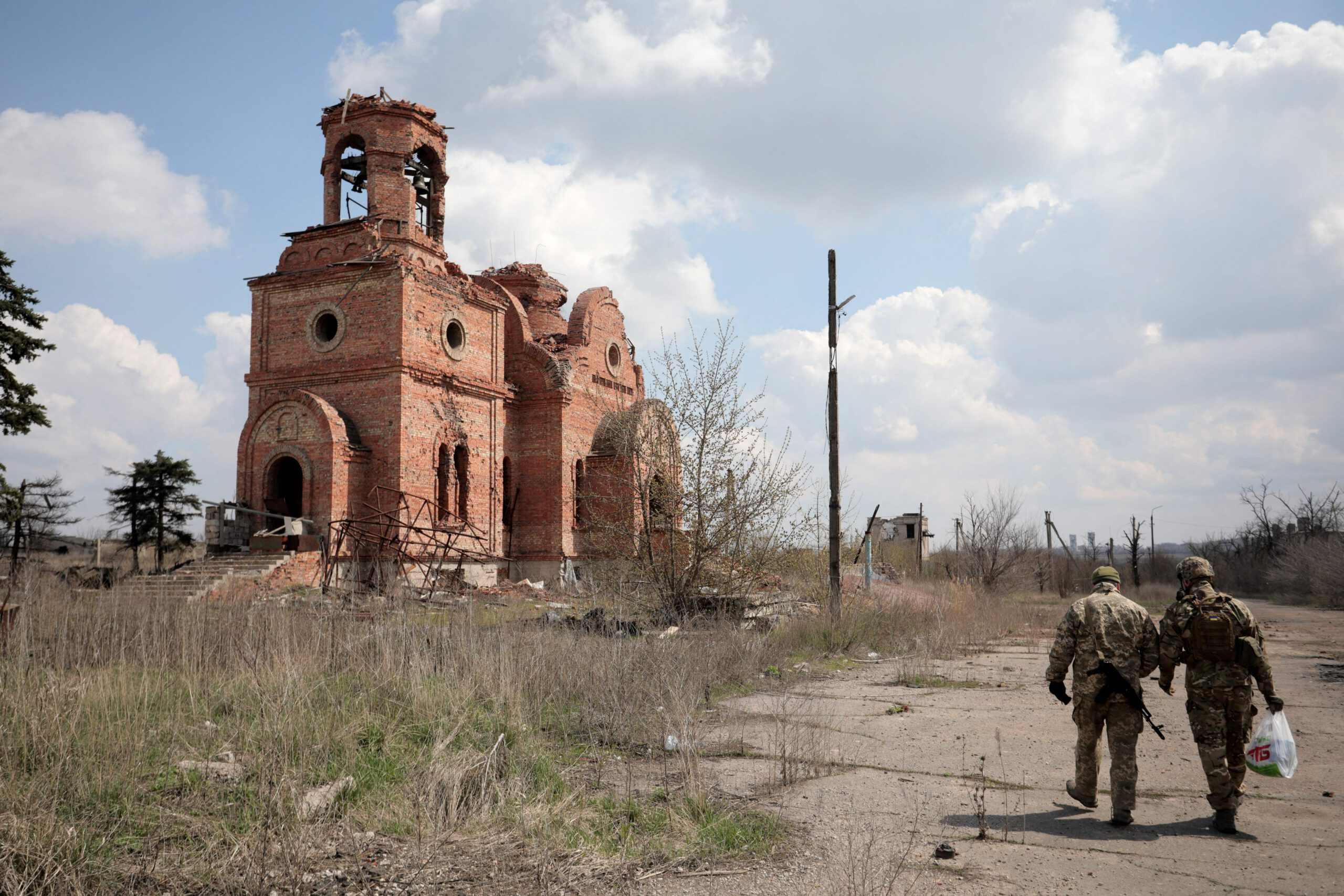
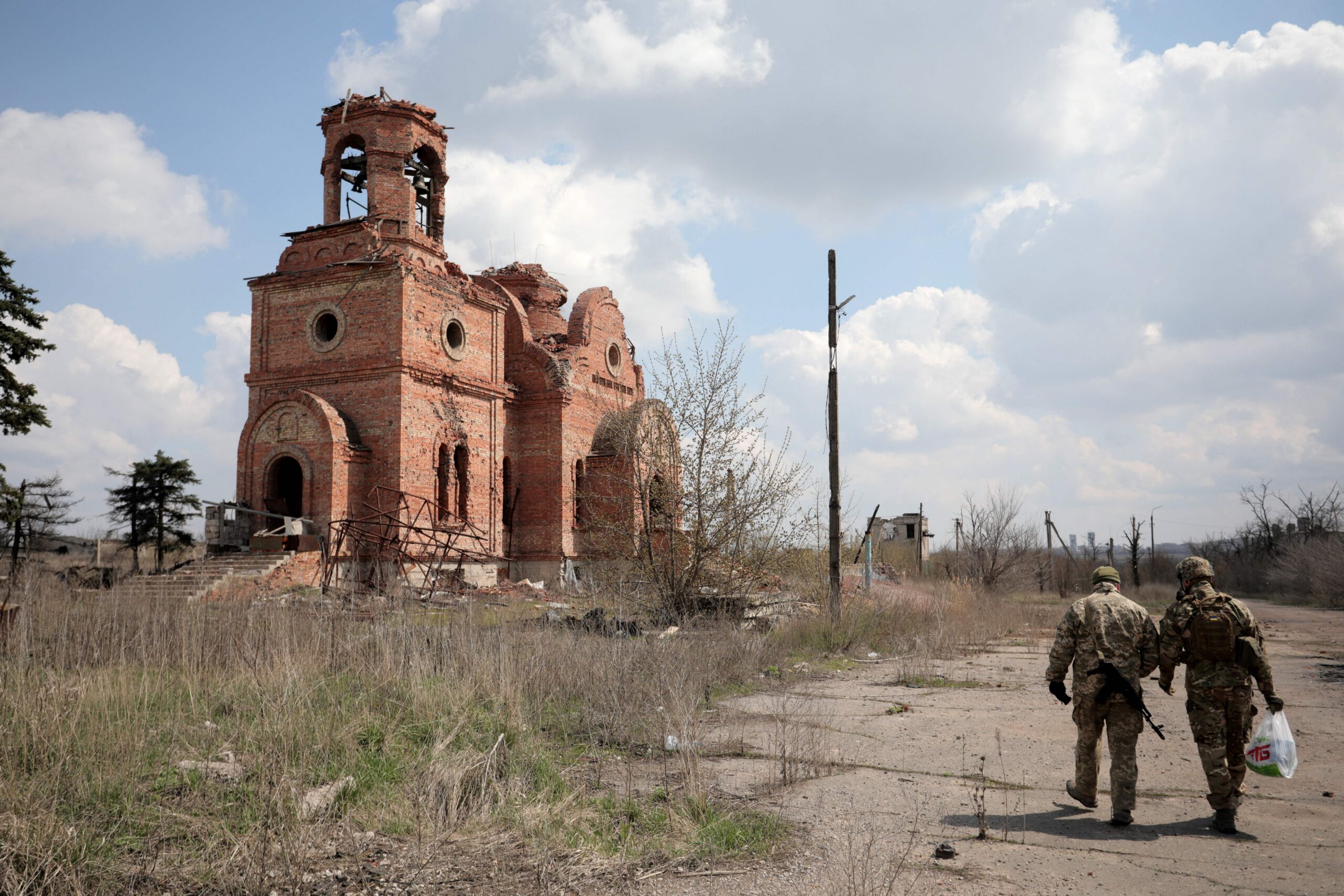
It looks like 1939 in Kyiv. Is Ukraine this century’s Poland?
Up until late on Tuesday, April 13, Russia seemed poised to invade Ukraine. An eleventh hour phone call between U.S. President Joe Biden and Russia’s President Vladimir Putin – and a non-specific agreement between the two to hold a bilateral summit – seems to have halted Moscow’s military for now. But an expanding presence of Russian troops on the border with Ukraine in the Eastern Donbas region and Crimea continues. Concurrently, the Black Sea is turning into a Russian lake due to a buildup of Russian naval power. This has more than one observer asking just how soon a full-scale invasion of Ukraine could become reality – and what follows next from such a conflict.
Marvin Weinbaum and David Sedney join host Alistair Taylor to discuss the recently announced U.S. military withdrawal from Afghanistan and what it means for the country, the U.S., and the region as a whole.
Necessity or luxury?: Environmental sustainability and economic growth in MENA
The Middle East and North Africa (MENA) region is grappling with many challenges on several fronts. Air pollution, water scarcity, and climate change in general are some of the serious challenges facing the MENA economies and residents that have been overshadowed by energy, security, and political debates surrounding the region. Nonetheless, considering their significant negative impact on the economic development of the MENA countries, inclusive, sustainable, and stable economic growth will require timely and effective solutions for the region’s environmental challenges.