This individual is a guest contributor. MEI is not able to assist with contact requests.
Jean-Pierre Cassarino holds a professorship at the Robert Schuman Center for Advanced Studies (RSCAS/European University Institute, Florence) where he directs the Return migration and Development Platform (http://rsc.eui.eu/RDP/). He is also research associate at the Tunis-based Institut de Recherche sur le Maghreb Contemporain (IRMC). Since the mid-1990s, he has published extensively on international migration, particularly on return migration and has carried out numerous field surveys investigating returnees’ manifold patterns of reintegration. Selected publications include: (ed.) Unbalanced Reciprocities: Cooperation on Readmission in the Euro-Mediterranean Area, The Middle East Institute Press, Washington, 2010; (ed.) “Conditions of Modern Return Migrants”, International Journal on Multicultural Societies, Vol. 10, Issue 2, UNESCO, Paris, 2008; (ed.) Return Migrants to the Maghreb Countries: Reintegration and development challenges, RSCAS, European University Institute, Florence, 2008; Tunisian New Entrepreneurs and their Past Experiences of Migration in Europe: Networks, Resource Mobilisation, and Hidden Disaffection. Ashgate Publishers, Aldershot, 2000. Email: [email protected]
MEI Futures Conference paints challenging picture for the Middle East
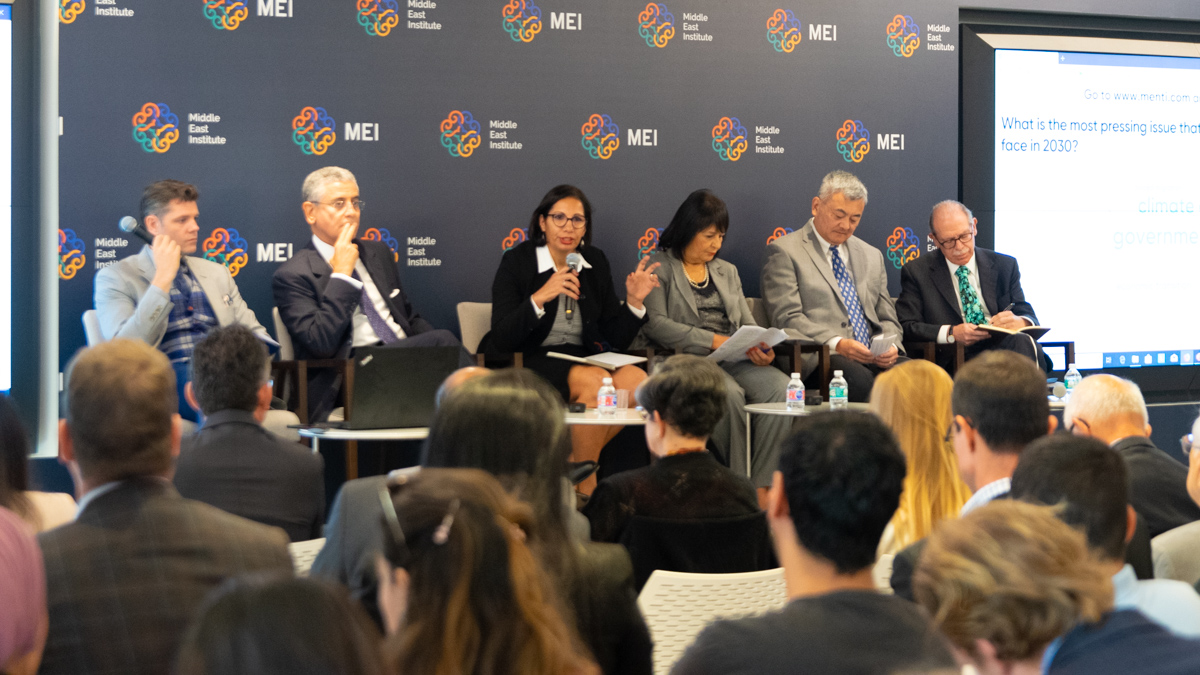
As part of our Grand Opening week, MEI hosted a conference intended to identify and, if possible, address the critical challenges confronting the Middle East through the year 2030. The aim was to explore some of the bounds of strategic foresight about our topic: the Middle East and North Africa (MENA) region over the period 2020-30.
The Syria Study Group gets the problem right, but falls short on solutions
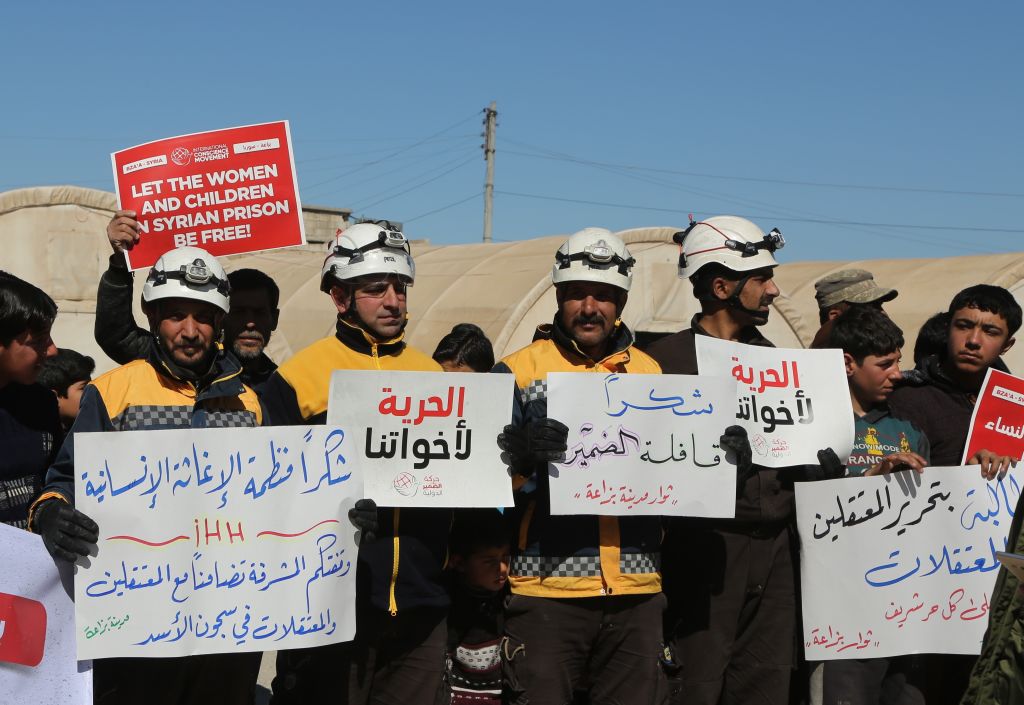
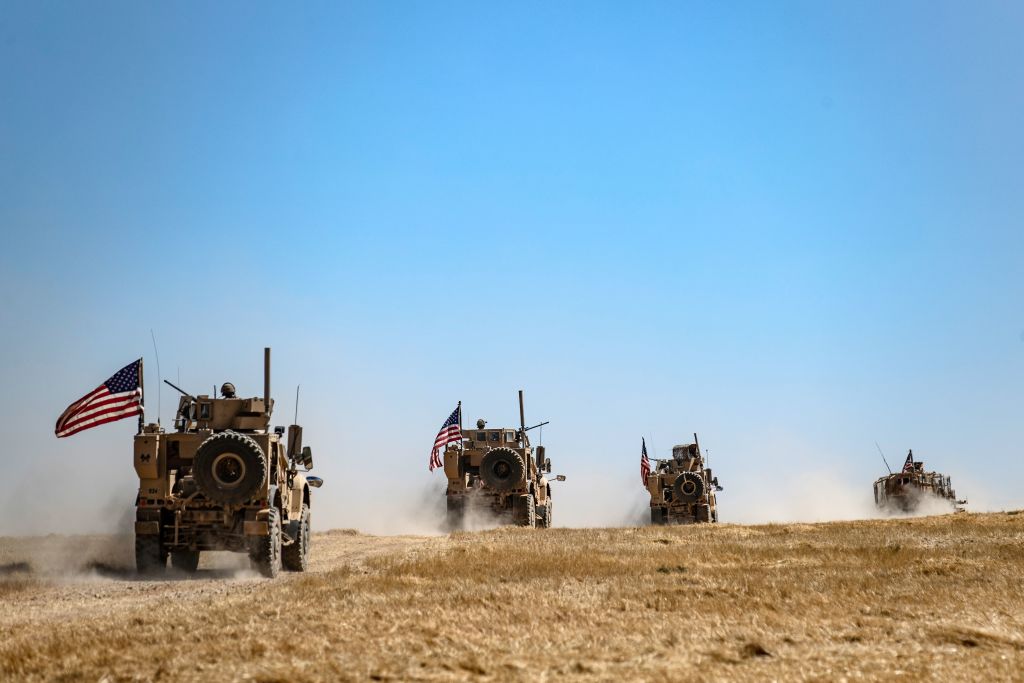
In its final report, the congressionally-mandated Syria Study Group (SSG) provided a bleak but wholly realistic assessment of the state of the crisis in Syria. When it comes to policy prescriptions, however, the SSG falls short. Despite clearly identifying the “means and ends” gap as one of two core problems with U.S. policy in Syria, the “recommendations” suggested by the SSG differ little, if at all, from those already in place.
The UN deliberately (albeit mistakenly) accorded sovereignty to post-Gadhafi Libya’s economic institutions
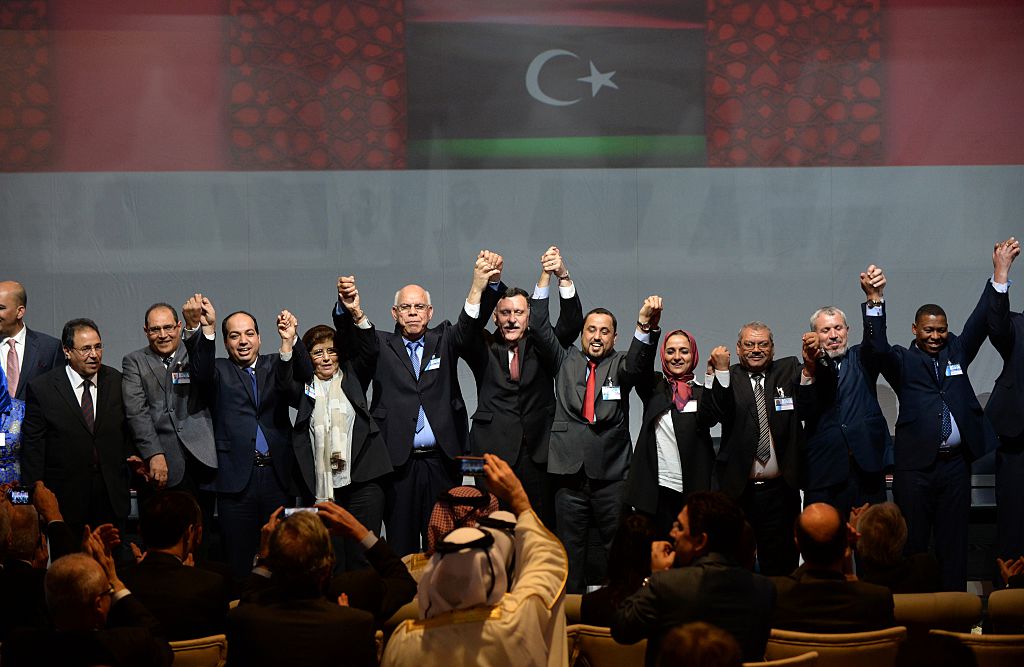
The crux of today’s Libya problem in international foreign policy lies in an underappreciated UN misstep in the most important international treaty concerning Libya, the 2015 Skhirat Agreement, and the decision to vest sovereignty in the heads of independent and semi-independent sub-state institutions like the Central Bank of Libya. The negative implications of this decision must now be addressed and it is time to move onto something new, after Skhirat.
Iraq’s current public service regime is struggling to deliver on desperately needed services in part due to the issue of establishing a functioning federal state system across the country. Far more attention needs to be devoted to institutions and how those operating within them can deliver those services. One way to do this is to decentralize service provision to the governorates not incorporated into a region. However, this process has been hampered by administration, fiscal, and political issues. Identifying these and seeking solutions to resolve them will be key. This paper addresses the decentralization process, specifically focusing on the issues surrounding the governorates not incorporated into a region, as per Law 21.
What’s next after the sudden death of the Afghan peace process?
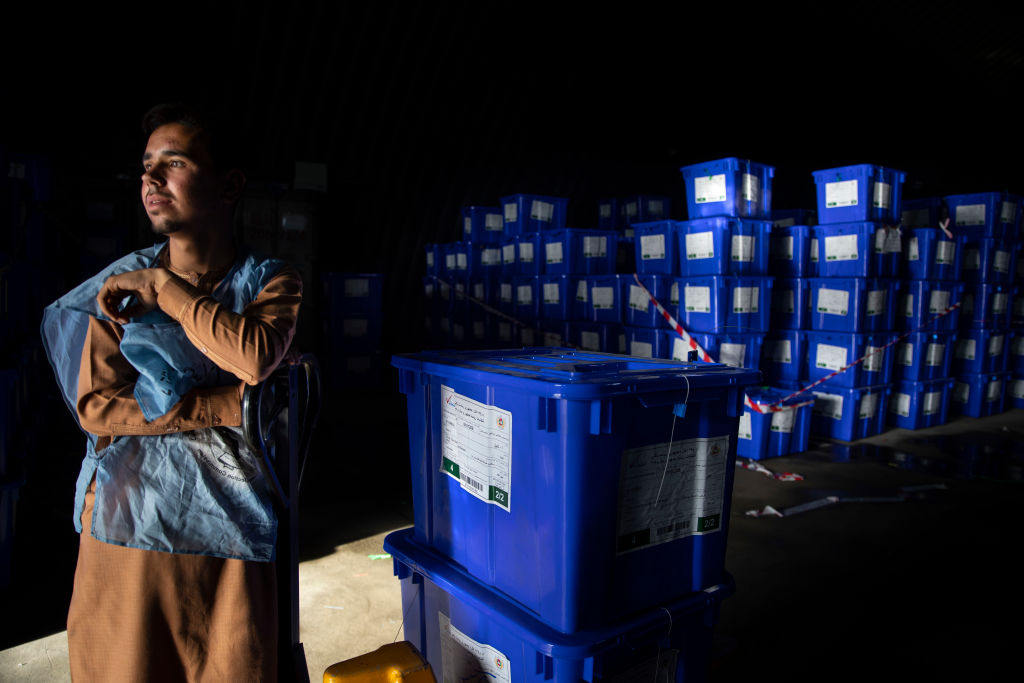
In the end, it all fell apart rather quickly. Instead of a long-awaited announcement about the details of a U.S.-Afghan Taliban peace deal, on Sept. 7 President Donald Trump tweeted that the talks were off, adding shortly afterwards that the Afghan peace process was “dead.” Only days earlier, Washington’s special representative for Afghanistan, Zalmay Khalilzad, had announced a draft agreement had been reached after nine rounds of gruelling negotiations.
What does the Saudi oil facility attack mean for Russia?
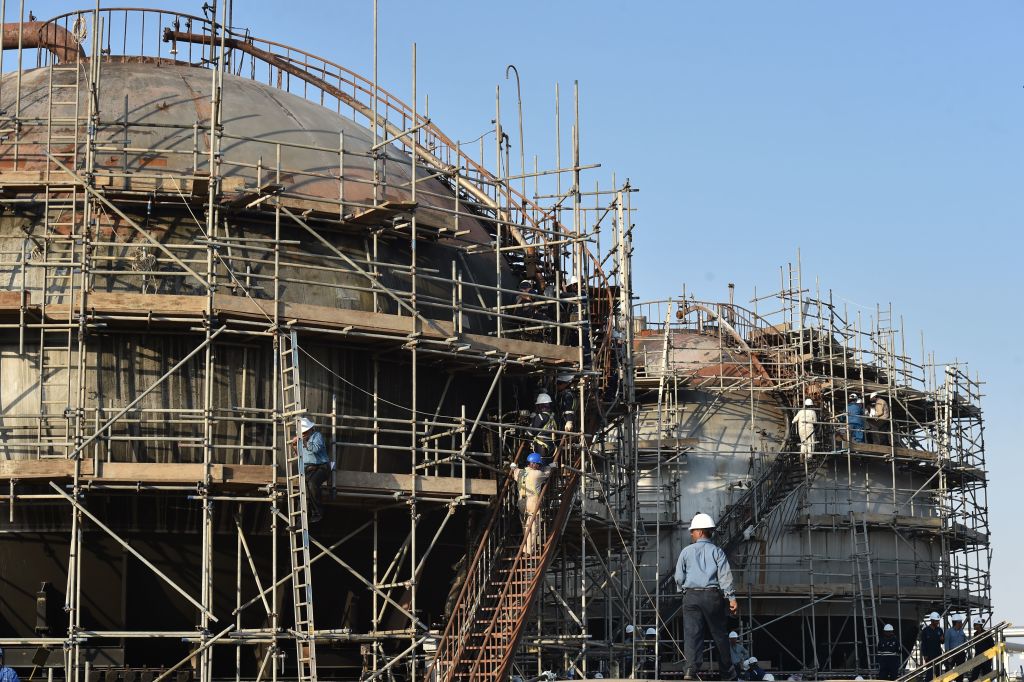
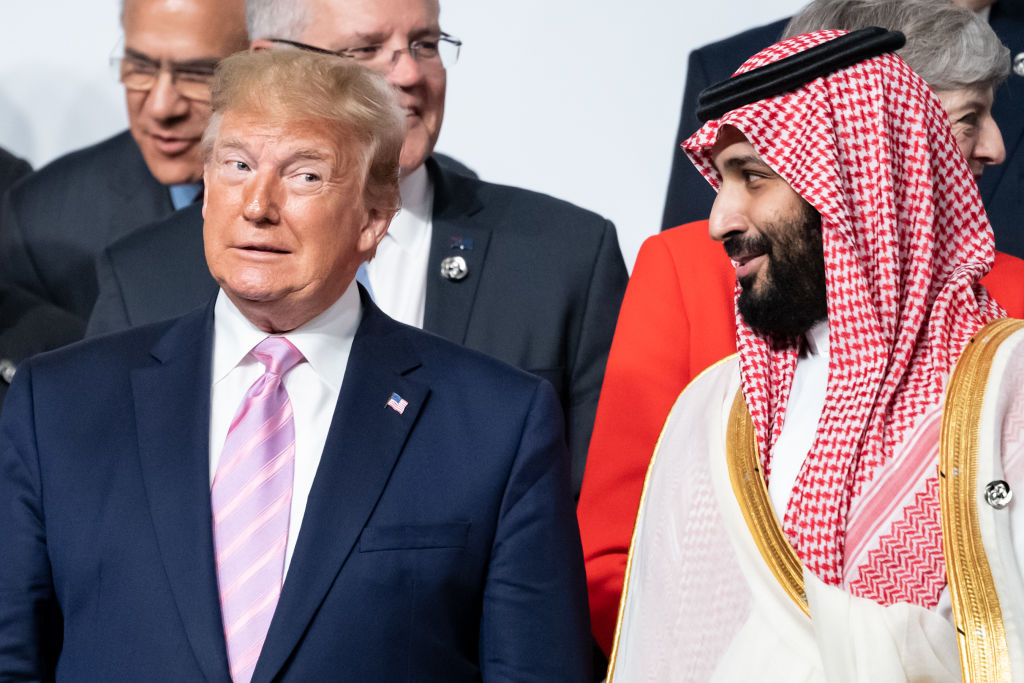
The Sept. 14 attack on key Saudi oil facilities, which knocked out over half of the kingdom’s oil production, has signaled a significant change in approach toward regional and global security. It’s clear that things won’t be the same again. But what does it mean for Russia?
The attack reduced Saudi oil production by 5.7 million barrels per day (bpd), leading to a sharp rise in global oil prices of nearly 20%. Although this was a very important development from an energy and economic perspective, we should not underestimate the political and security ramifications either. The entire paradigm of a secure Gulf under the protection of the U.S. military umbrella has been undermined.
The de-Islamification of Public Space and Sinicization of Ethnic Politics in Xi’s China
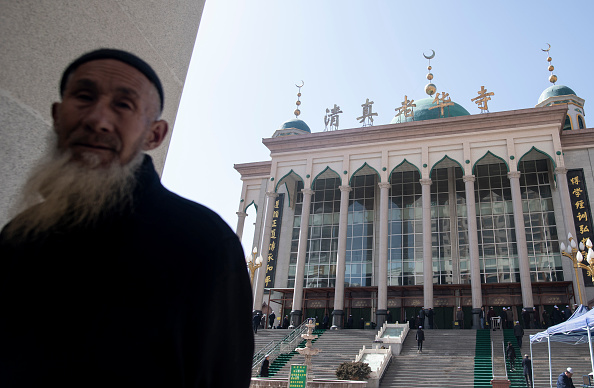
Over the past two years, local law enforcement in Hui communities throughout China have made efforts to remove Islamic identity from public spaces. This article shows that these restrictions are part of a broader centralizing effort by the Chinese party-state to emphasize conformity with a vision of Chineseness centered on Han culture, and scrutiny of those ethnic or religious practices that might be deemed “threatening.”
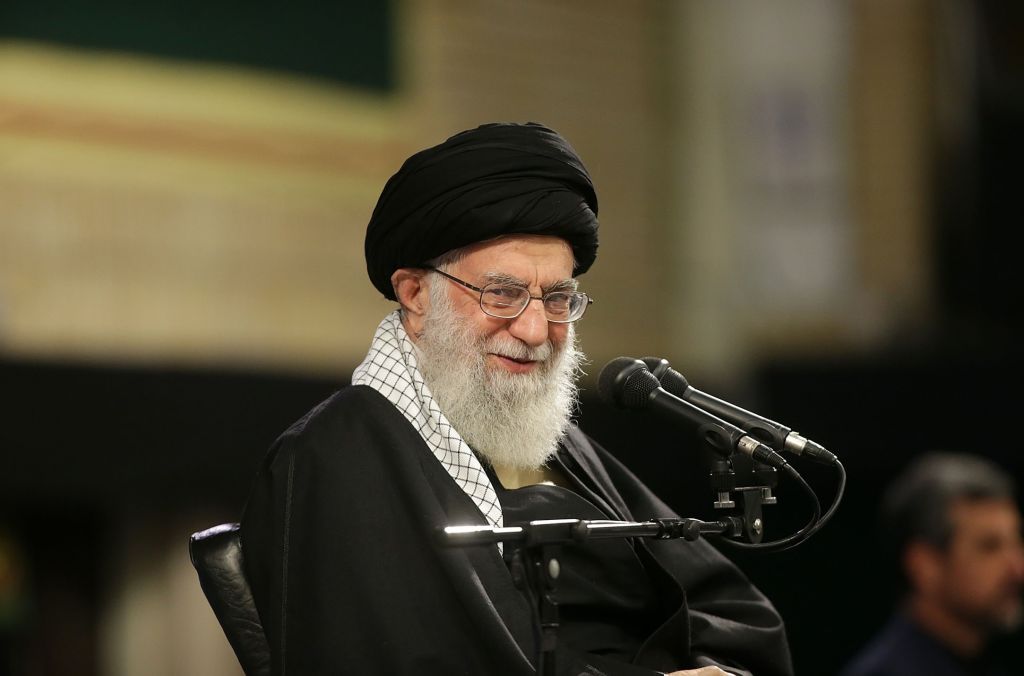
Why Iran’s leadership is opposed to US negotiations despite pressure
The unprecedented attack on critical Saudi oil infrastructure in Abqaiq and Khurais on Sept. 14 came just days after U.S. President Donald Trump’s dismissal of hawkish National Security Advisor John Bolton had opened a narrow window of diplomacy for Iran-U.S. negotiations to deescalate spiraling tensions.
Pakistan’s tricky balancing act between Saudi Arabia and Iran
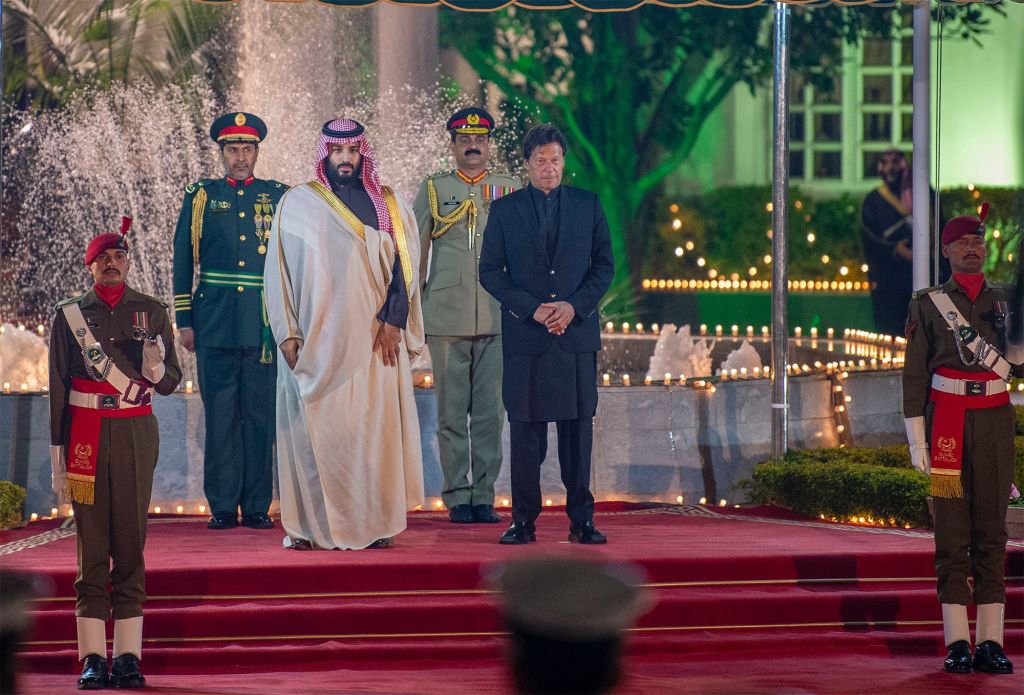
The Sept. 14 attack on Saudi Arabia’s Abqaiq oil processing plant has put Pakistan in a place it never wanted to be: possibly forced to choose between Saudi Arabia and Iran.
Erdogan pins his hopes on a meeting with Trump at UNGA
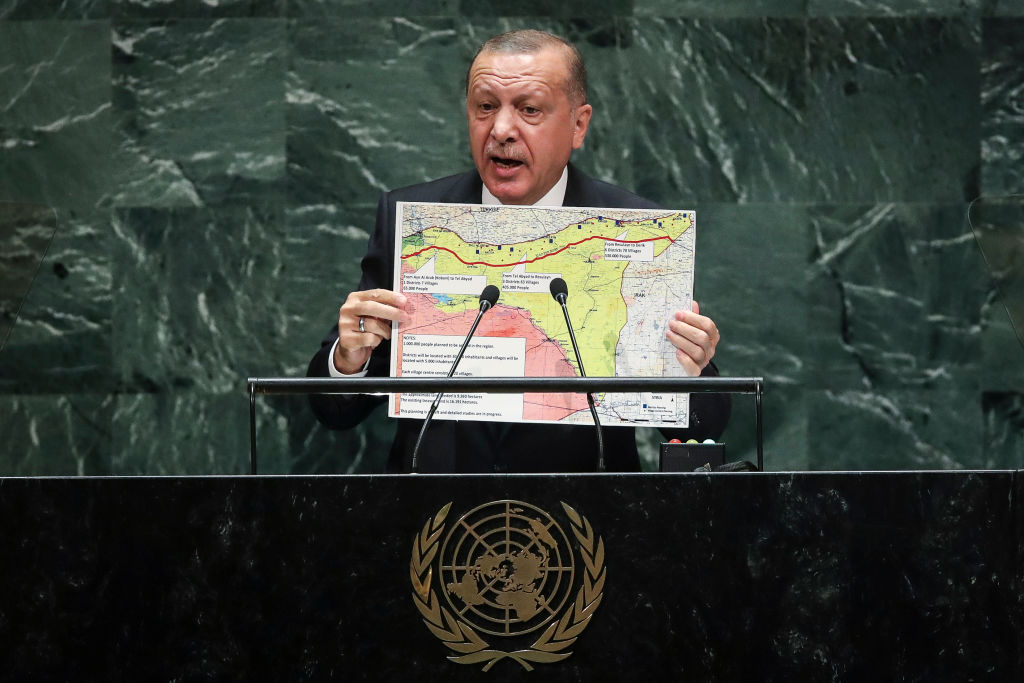
The Turkey-U.S. relationship has been going through one of the most difficult periods in its history. Yet, Turkish President Recep Tayyip Erdogan is still hopeful. He has put all his eggs in President Trump’s basket and thinks it will pay off. He pinned his hopes on a meeting with Trump on the sidelines of the UNGA to iron out differences.
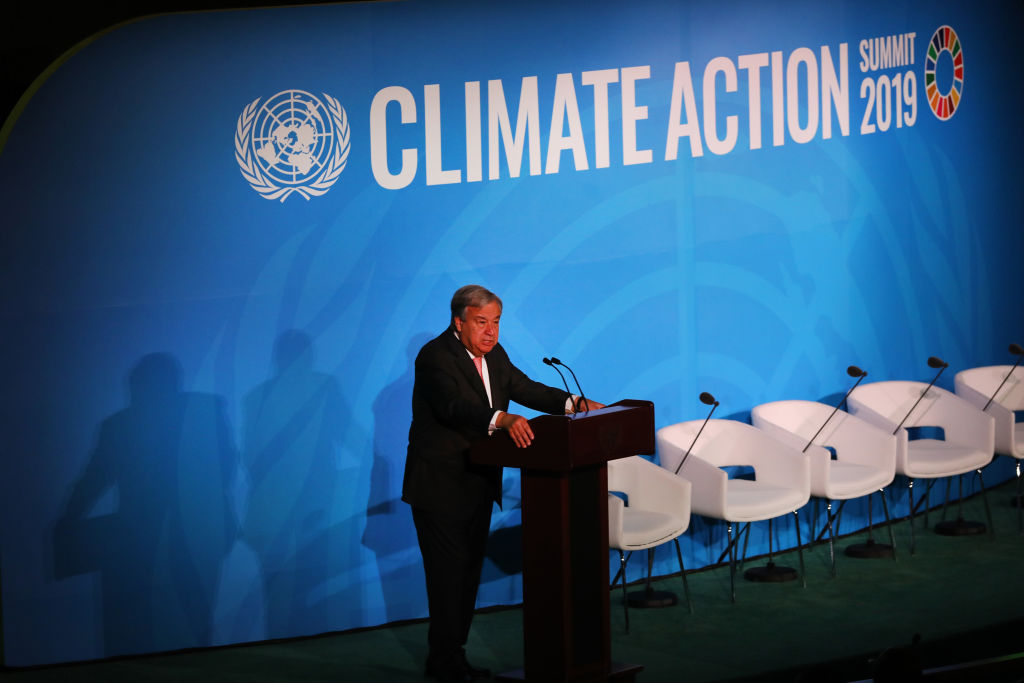
UN Summits Week puts a spotlight on climate change
This week heads of state and government are gathered in New York for the UN Summits Week, during which five key summits are taking place to urge action on major challenges that continue to undermine human security globally.
Iranian President Hassan Rouhani and Foreign Minister Javad Zarif do not expect to meet with senior U.S. officials in New York this week. For that to happen, President Donald Trump has to first lift the sanctions on Iran, and that is an unlikely scenario.