Jean-Pierre Cassarino holds a professorship at the Robert Schuman Center for Advanced Studies (RSCAS/European University Institute, Florence) where he directs the Return migration and Development Platform (http://rsc.eui.eu/RDP/). He is also research associate at the Tunis-based Institut de Recherche sur le Maghreb Contemporain (IRMC). Since the mid-1990s, he has published extensively on international migration, particularly on return migration and has carried out numerous field surveys investigating returnees’ manifold patterns of reintegration. Selected publications include: (ed.) Unbalanced Reciprocities: Cooperation on Readmission in the Euro-Mediterranean Area, The Middle East Institute Press, Washington, 2010; (ed.) “Conditions of Modern Return Migrants”, International Journal on Multicultural Societies, Vol. 10, Issue 2, UNESCO, Paris, 2008; (ed.) Return Migrants to the Maghreb Countries: Reintegration and development challenges, RSCAS, European University Institute, Florence, 2008; Tunisian New Entrepreneurs and their Past Experiences of Migration in Europe: Networks, Resource Mobilisation, and Hidden Disaffection. Ashgate Publishers, Aldershot, 2000. Email: [email protected]
The Latest from Jean-Pierre Cassarino
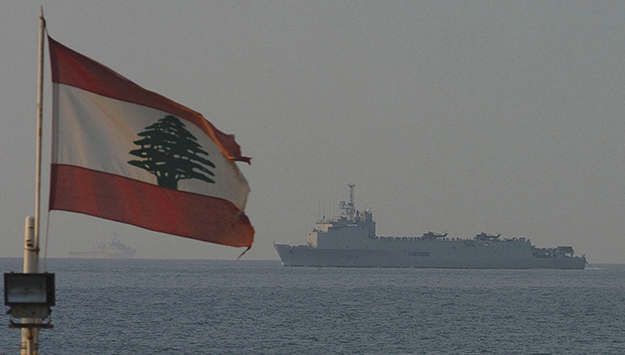
Why cutting military aid to Lebanon would be a mistake
Read the full article on the American Interest.
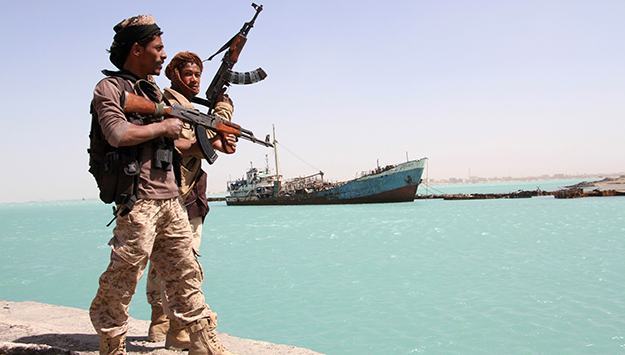
Houthi attack in strategic shipping lane could undermine oil markets
Saudi Arabia temporarily halted all oil shipments through the Bab al-Mandab strait on Wednesday, Jul. 25, after two of its very large crude carriers were attacked by Houthi rebels. According to Saudi and Yemeni officials, the attack was launched from the besieged port city of Hodeida.
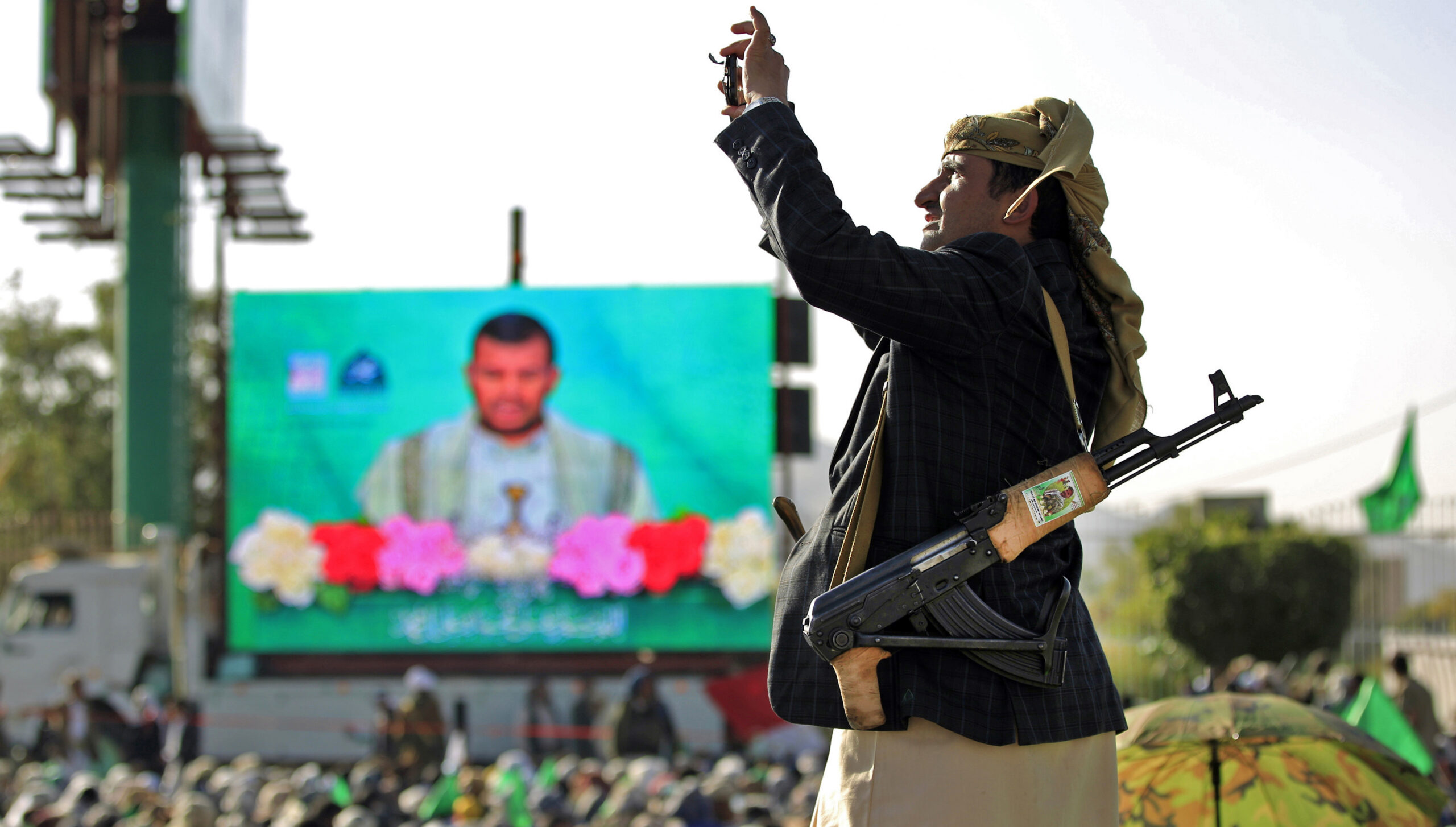
How is jihadi militancy in Yemen evolving?
Regional conflict and internal chaos have allowed militant jihadi groups to rise and flourish in Yemen. This paper analyzes two of the most prominent such groups, al-Qaeda in the Arabian Peninsula (AQAP) and the Islamic State in Yemen (ISY), by scrutinizing the factors that led to their respective ascents and examining the challenges and pressures that have caused their respective declines.
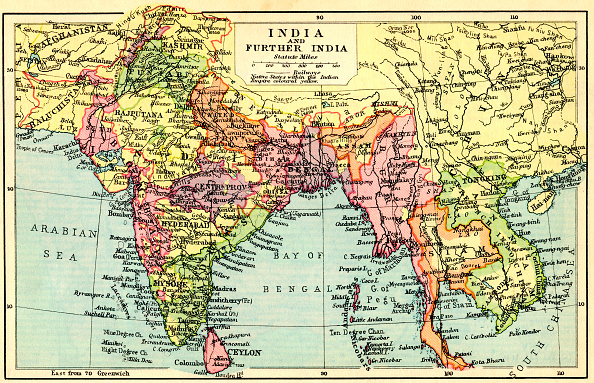
Anti-India Sentiments in South Asia: Terrorist Recruitment Narratives
India’s strategic choices in South Asia have prompted it to interfere in the domestic affairs of some of its neighbors. As a result, India has become a part of domestic politics of most of its neighboring states where anti-India sentiment is often used to bolster the nationalist credentials of various political formations. Importantly, such sentiments have been leveraged by Jihadist groups — especially those operating in Pakistan and Bangladesh — to shore up support for themselves.
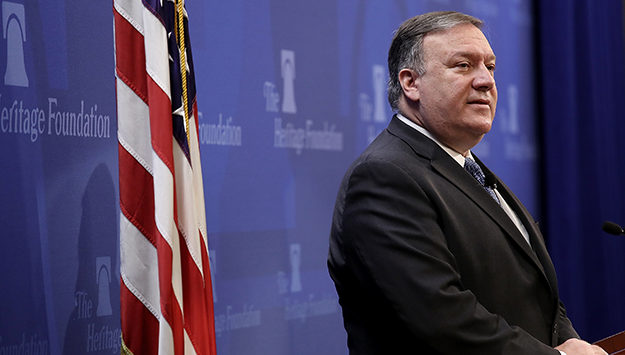
Trump’s Iran gamble
In this week’s Monday Briefing, MEI experts provide analysis on Secretary Pompeo’s speech on Iran, Erdogan’s decision to lift Turkey’s state of emergency, the cease-fire in Gaza, Iran’s continued threat in Syria, Trump’s tweets on Iran, and Vice President Dostum’s return to Afghanistan.
Trump’s Iran gamble
Alex Vatanka, Senior Fellow @AlexVatanka
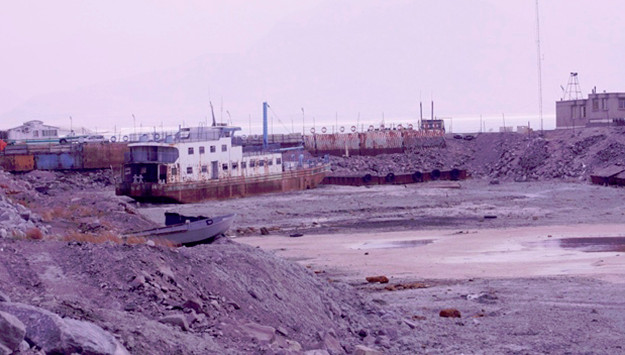
Iran and Afghanistan at loggerheads over water
Tension between Iran and neighboring Afghanistan over water rights has reached new heights as declining rainfall, prolonged droughts, and mismanagement of water resources have severely affected agricultural production, food security and availability of drinking water in both countries. Tehran has warned of retaliatory actions if Kabul does not allow sufficient water into Iran’s water-stressed southeastern region, while Afghan officials accuse Iran’s Revolutionary Guards of aiding Taliban militants to sabotage dam projects in southern and western Afghanistan.
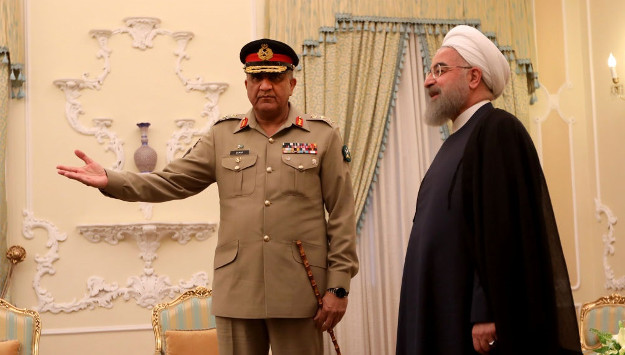
Iran and Pakistan agree to bolster defense ties and jointly produce military hardware
Iran and Pakistan have agreed to boost defense ties, enhance cooperation on border security and regional issues, and jointly manufacture military hardware, Iranian and Pakistan media reported. The agreements came during a high-level visit to Pakistan this week by an Iranian military delegation led by Chief of Staff of the Armed Forces Mohammad Hossein Bagheri.

Can the Hodeidah offensive open the door to dialogue?
With the Saudi-led coalition’s offensive operations against the strategic port and city of Hodeidah stalled, eyes are now on UN Special Envoy Martin Griffiths as he attempts to negotiate a political resolution. Fatima al-Asrar, senior analyst at the Arabia Foundation, and Sama’a al-Hamdani, director of the Yemen Cultural Institute for Heritage and the Arts, join guest host Gerald Feierstein to assess the state of the four-year-old Yemen conflict and its impact on the Yemeni people.
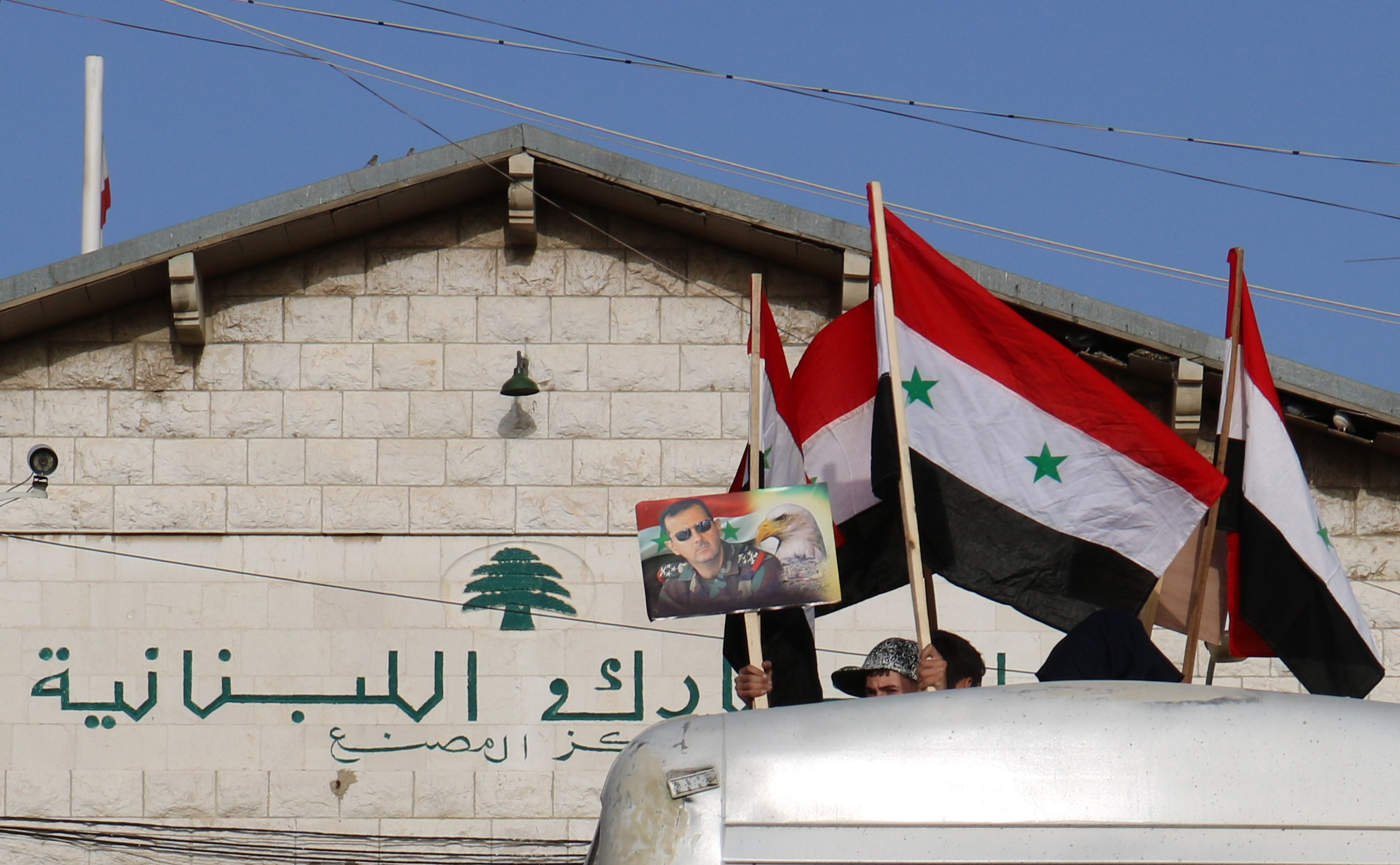
The Sectarian Dimension of the Syrian Civil War and Lebanese-Syrian Relations
The eruption of conflict between the Syrian regime and the armed opposition exacerbated the political and sectarian divisions within the Lebanese government, causing it to sever relations with Damascus and dissociate itself from the war. Nevertheless, the Lebanese government eventually was forced to coordinate with the Assad regime in order to manage the refugee crisis and other spillover effects of the conflict. Beirut’s dealings with Damascus reflect the overarching aim of mitigating the impact of the war on the relations between the Lebanese Sunni and Shiite communities.
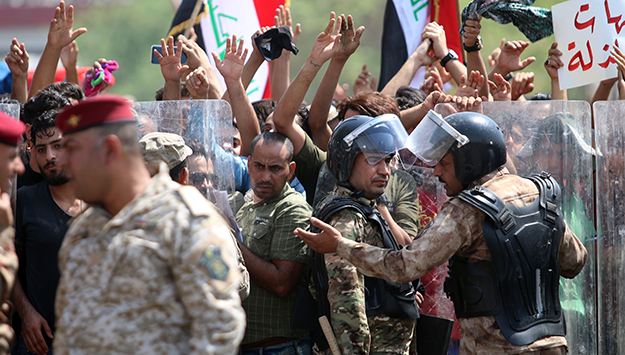
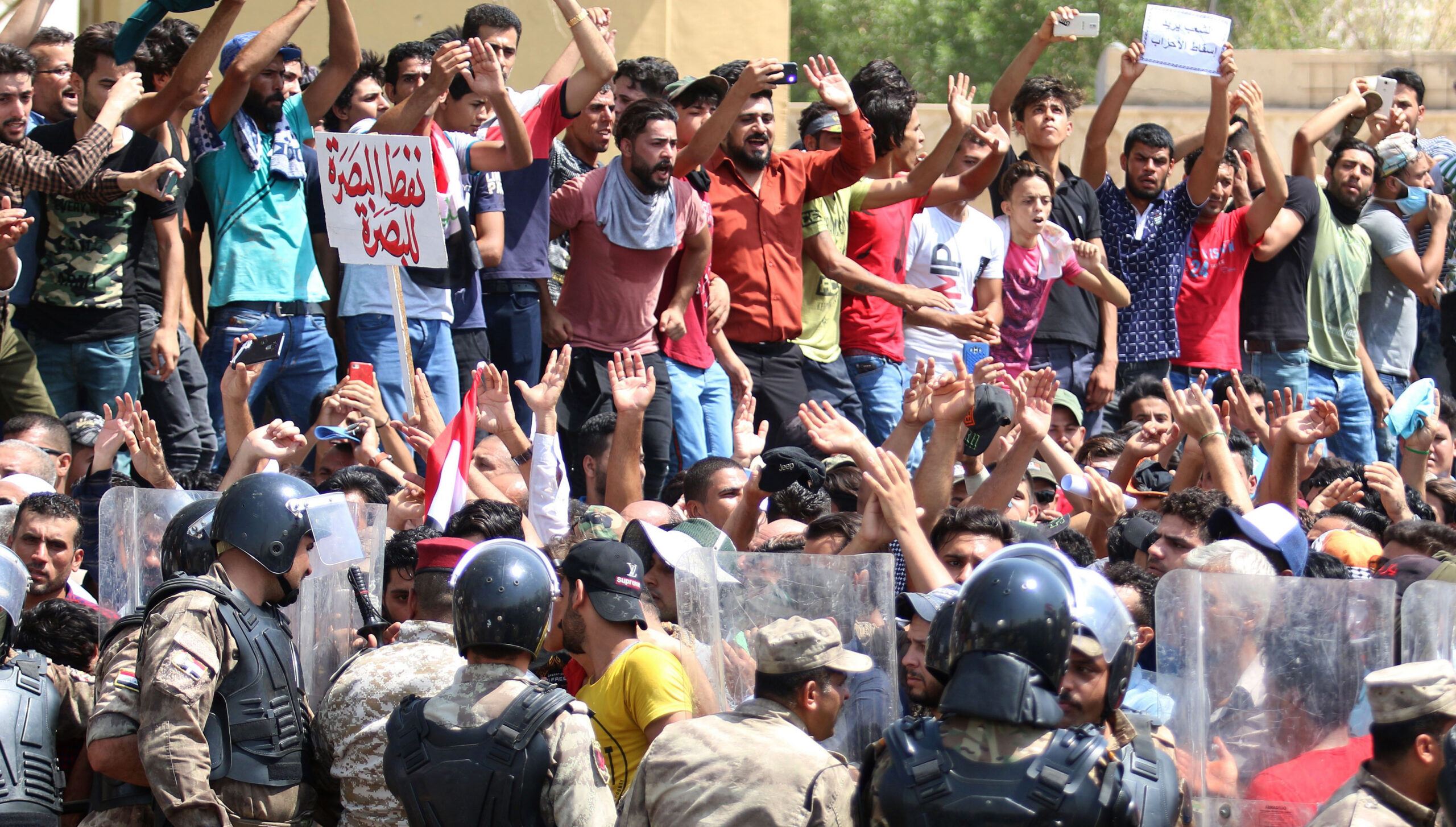
As protests roil Iraq, political elite seeks scapegoat
Sectarianism in the Middle East and Asia
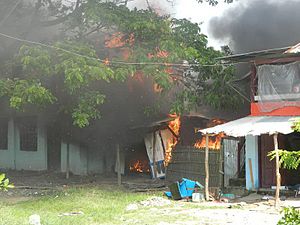
Sectarian-based conflicts — or at any rate, spasms of intercommunal violence characterized as such — are certainly not new. Nor is Iraq or, for that matter, the Middle East as a whole, the only locus of conflict depicted as being sectarian in nature, as the disturbing events in Burma/Myanmar, as well as in the Central African Repubic (CAR) and Nigeria clearly illustrate. With increasing frequency, media accounts of the civil war in Syria describe it in sectarian terms and report that the violence there has inflamed “sectarian tension” throughout the Gulf and beyond.
The energy implications of the Gulf crisis
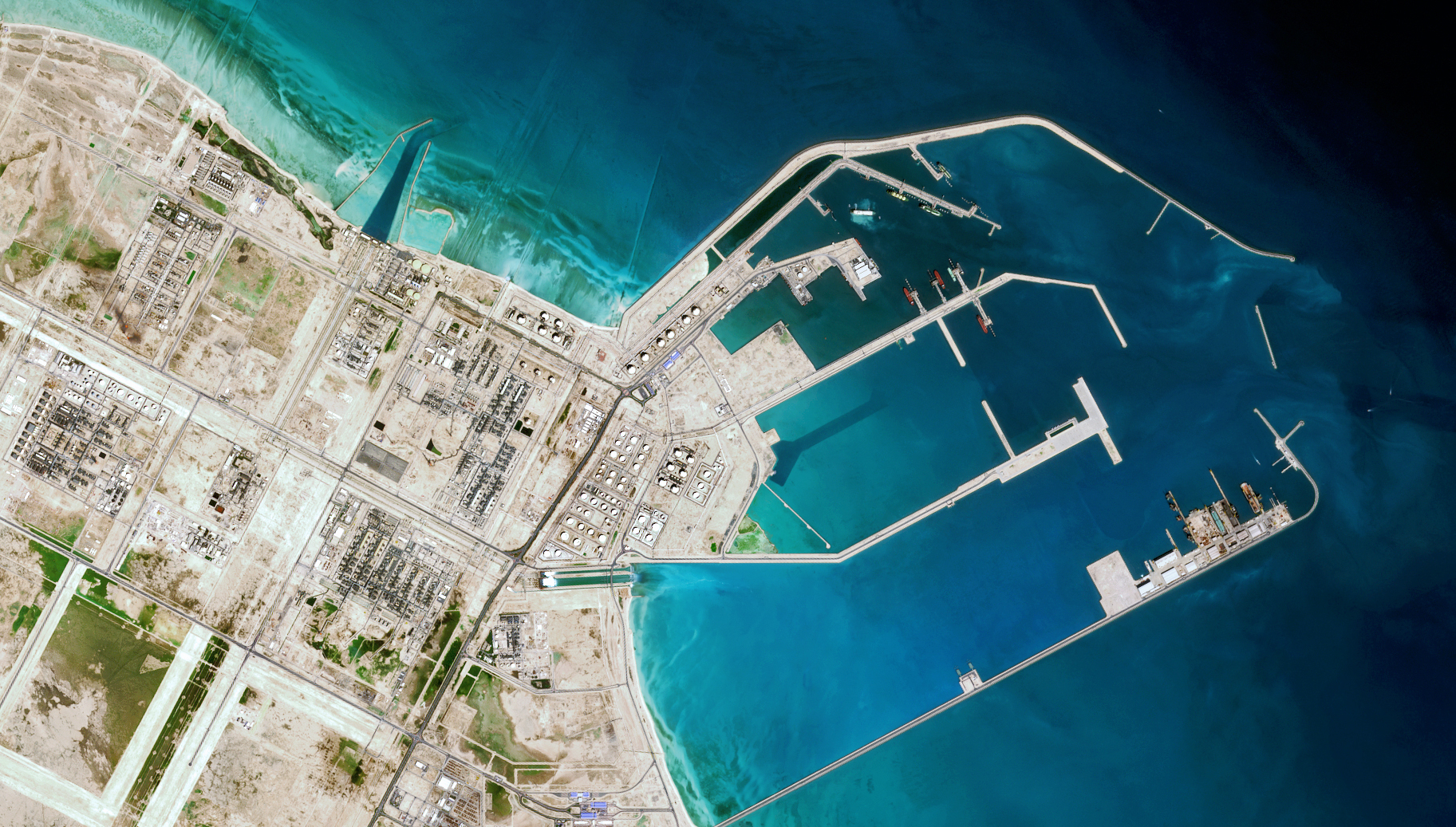
Even though energy production and exports are the lifeblood of all Arab states in the Gulf, the present crisis between Qatar on the one hand and Saudi Arabia, the United Arab Emirates, Bahrain, and Egypt on the other has had very little influence on the economics of oil and gas either internationally or within the region. However, the countries involved have a lot to gain from a resolution of the conflict, particularly if it leads to greater energy market integration.