This individual is a guest contributor. MEI is not able to assist with contact requests.
Jean-Pierre Cassarino holds a professorship at the Robert Schuman Center for Advanced Studies (RSCAS/European University Institute, Florence) where he directs the Return migration and Development Platform (http://rsc.eui.eu/RDP/). He is also research associate at the Tunis-based Institut de Recherche sur le Maghreb Contemporain (IRMC). Since the mid-1990s, he has published extensively on international migration, particularly on return migration and has carried out numerous field surveys investigating returnees’ manifold patterns of reintegration. Selected publications include: (ed.) Unbalanced Reciprocities: Cooperation on Readmission in the Euro-Mediterranean Area, The Middle East Institute Press, Washington, 2010; (ed.) “Conditions of Modern Return Migrants”, International Journal on Multicultural Societies, Vol. 10, Issue 2, UNESCO, Paris, 2008; (ed.) Return Migrants to the Maghreb Countries: Reintegration and development challenges, RSCAS, European University Institute, Florence, 2008; Tunisian New Entrepreneurs and their Past Experiences of Migration in Europe: Networks, Resource Mobilisation, and Hidden Disaffection. Ashgate Publishers, Aldershot, 2000. Email: [email protected]
Rethinking Democracy Ep. 4: China's Growing Presence in the Middle East with F. Gregory Gause and Jon Alterman
China has made significant inroads in the Middle East through diplomacy, trade, investment, and infrastructure projects. Beijing advertises the benefits of its authoritarian development model and presents itself as a responsible alternative to the United States. What does this mean for MENA autocracies? Gregory Gause and Jon Alterman join Gonul Tol to discuss China’s growing presence in the Middle East.
رد فعل سريع للدفاع: إسرائيل توسع أهدافها الحربية لتحييد حزب الله
In the latest installment of the Defense Rapid Reaction series, experts from MEI’s Defense & Security Program provide their views on the likely evolution of the Israeli-Hezbollah war, the potential for the conflict to draw in outside actors, as well as the impact of the war on global terrorist recruitment and appeal for extremist activities.
Hezbollah and Iran’s calculus as the conflict with Israel heats up
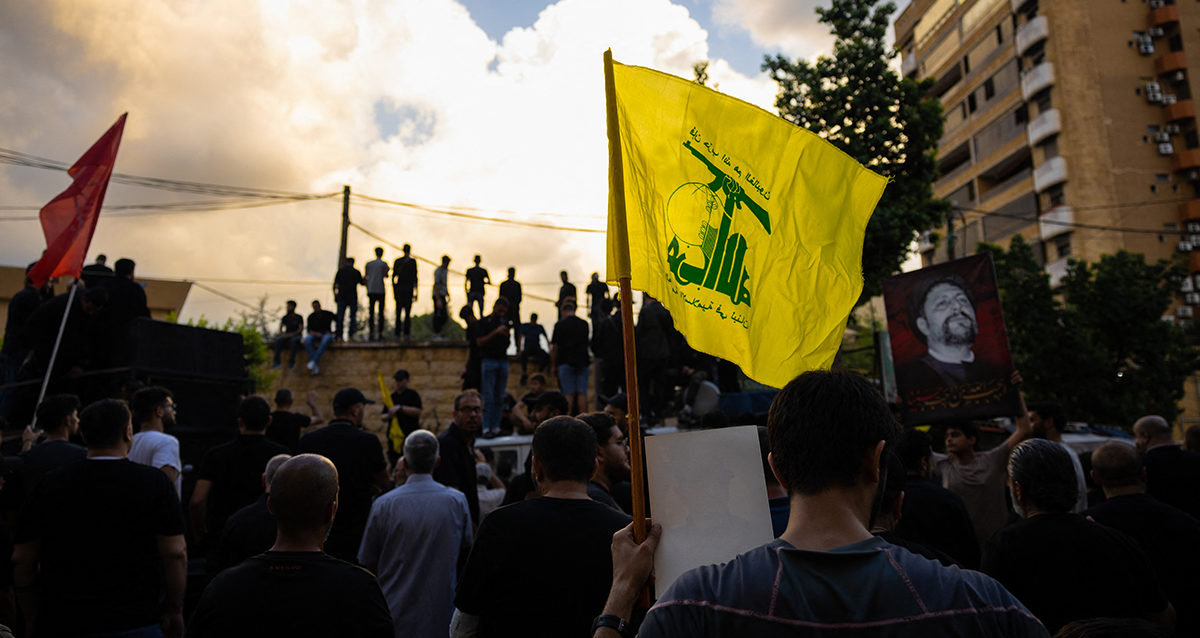
The deadly, back-to-back pager/two-way radio attacks against Hezbollah, which killed dozens and wounded thousands of its operatives, undoubtedly signaled a new phase in the intense cross-border exchanges between the group and Israel.
In a high-risk move, Israel ramps up escalation against Hezbollah
Over the past few days, the conflict between Israel and Hezbollah has entered a precarious new phase, with Israel carrying out both unconventional attacks and heavy airstrikes against the Iran-backed Lebanese militant group, while Hezbollah has responded with an increase in retaliatory fire.
Navigating the shadows: Afghanistan’s terrorism landscape three years after the US withdrawal and its international implications
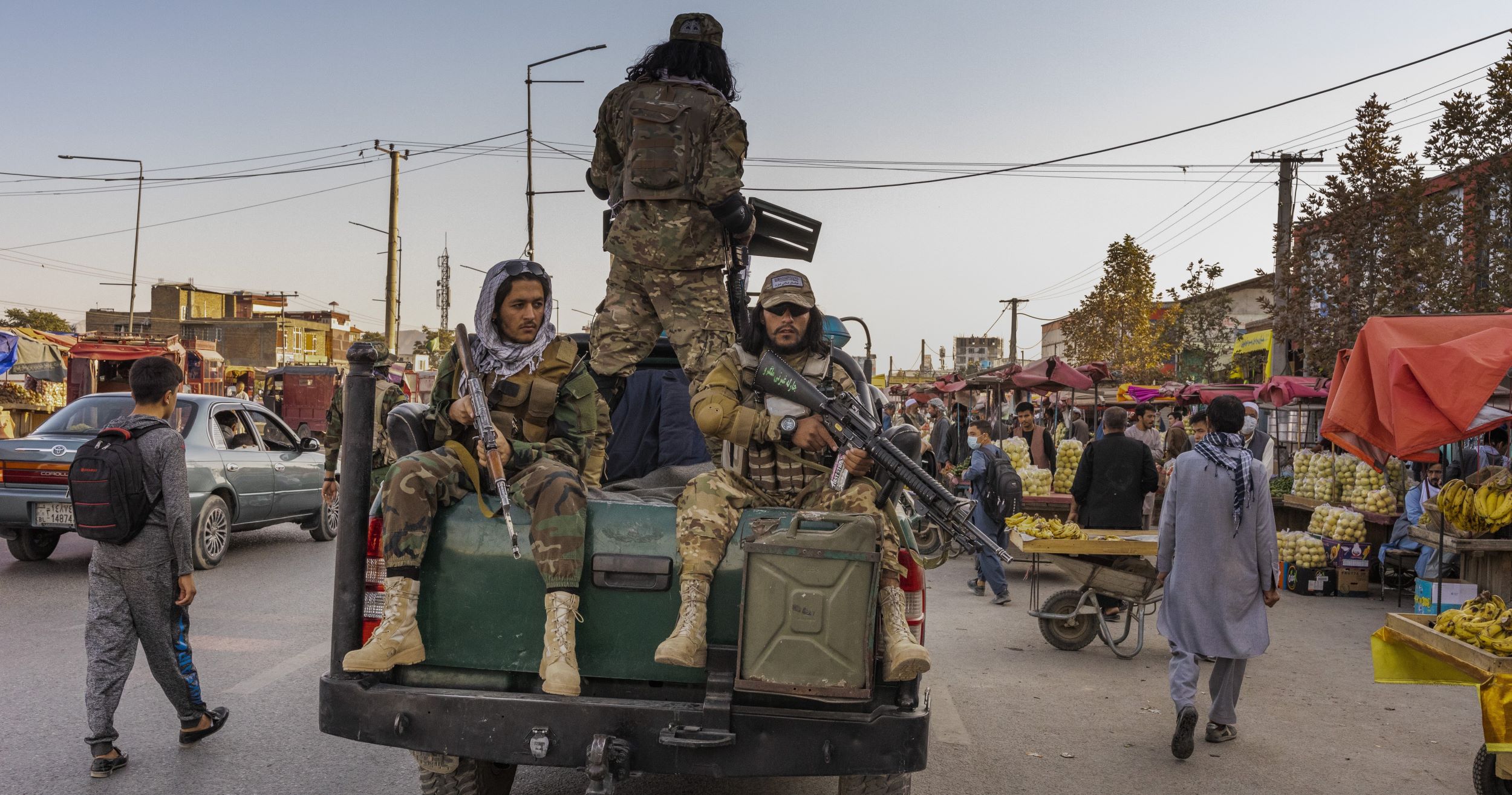
Three years since the US and allied withdrawal from Afghanistan, the facts on the ground challenge some more optimistic depictions of the Taliban’s counterterrorism cooperation with the US, al-Qaeda’s reemergence, or the capacity of ISKP to direct external attacks that could threaten American interests.
المرشحون المستبعدون والمعارضة المهمشة قبل الانتخابات الرئاسية التونسية
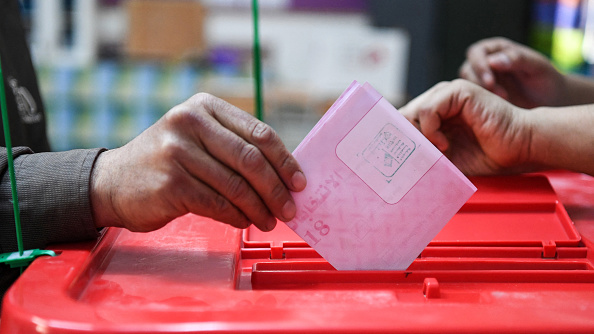
قبل أن يدلي الناخبون التونسيون بأصواتهم في الانتخابات الرئاسية في 6 أكتوبر/تشرين الأول، كانت المؤسسات الحكومية قد أدلت برأيها بالفعل. فقد قامت أجهزة الأمن والسلطات القضائية والهيئة العليا المستقلة للانتخابات (ISIE) إما بعرقلة أو منع أكثر من عشرة مرشحين محتملين من الترشح. ومن بين المرشحين الثلاثة المؤهلين الذين وافقت عليهم ISIE رسمياً، لم يبق خارج السجن سوى الرئيس قيس سعيد وزهير مغزاوي، أحد مؤيدي سعيد السابقين. تم اعتقال المرشح عياشي زامل في 6 سبتمبر. حاول العديد من المرشحين المحتملين الآخرين الترشح من السجن أو تم سجنهم بتهمة انتهاك تقني لقوانين الانتخابات. من خلال تقييد قائمة المرشحين المحتملين فعليًا إلى اثنين، تبنّت مؤسسات الدولة دورها الأبوي والتحديثي التاريخي تجاه مواطنين لا يثقون بها.
As the U.S. leaves Iraq, it can’t leave the door open for ISIS
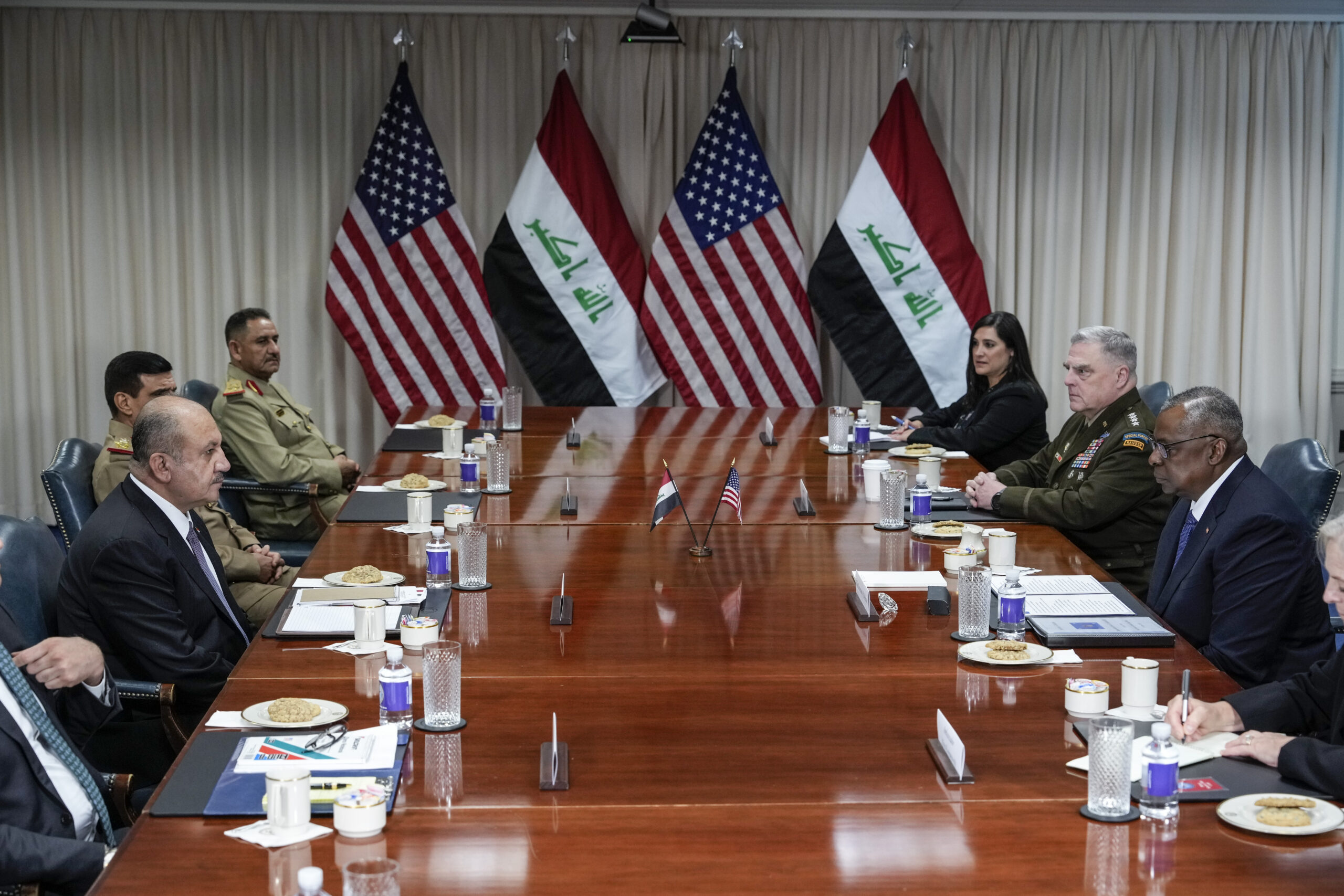
After more than six months of talks, the United States and Iraq look set to announce a significant agreement stipulating that the U.S.-led anti-Islamic State coalition will withdraw entirely from the country over the next two years.
Shiraz Maher – Co-Director of the International Centre for the Study of Radicalisation (ICSR) – and Charles Lister – Director of MEI’s Syria and Countering Terrorism and Extremism Programs – speak to MEI Editor in Chief Alistair Taylor about ISIS and the detainee dilemma. What is the international community to do with the tens of thousands of foreign ISIS detainees and their families, including children, held in makeshift facilities in northeastern Syria under the control of the Syrian Democratic Forces?
التغيير والاستمرارية في سياسة الاتحاد الأوروبي الخارجية في منطقة الشرق الأوسط وشمال أفريقيا: ما يمكن توقعه من الدورة السياسية الجديدة في بروكسل
في أروقة السلطة في بروكسل، من الشائع سماع أن منصب الممثل الأعلى للاتحاد الأوروبي للشؤون الخارجية والسياسة الأمنية هو مهمة مستحيلة. وقد يصبح الأمر أكثر صعوبة بالنسبة لرئيسة الوزراء الإستونية المنتهية ولايتها كاجا كالاس، التي من المقرر أن تخلف الإسباني جوزيب بوريل كرئيسة للسياسة الخارجية للاتحاد الأوروبي في الأسابيع المقبلة.