This individual is a guest contributor. MEI is not able to assist with contact requests.
Jean-Pierre Cassarino holds a professorship at the Robert Schuman Center for Advanced Studies (RSCAS/European University Institute, Florence) where he directs the Return migration and Development Platform (http://rsc.eui.eu/RDP/). He is also research associate at the Tunis-based Institut de Recherche sur le Maghreb Contemporain (IRMC). Since the mid-1990s, he has published extensively on international migration, particularly on return migration and has carried out numerous field surveys investigating returnees’ manifold patterns of reintegration. Selected publications include: (ed.) Unbalanced Reciprocities: Cooperation on Readmission in the Euro-Mediterranean Area, The Middle East Institute Press, Washington, 2010; (ed.) “Conditions of Modern Return Migrants”, International Journal on Multicultural Societies, Vol. 10, Issue 2, UNESCO, Paris, 2008; (ed.) Return Migrants to the Maghreb Countries: Reintegration and development challenges, RSCAS, European University Institute, Florence, 2008; Tunisian New Entrepreneurs and their Past Experiences of Migration in Europe: Networks, Resource Mobilisation, and Hidden Disaffection. Ashgate Publishers, Aldershot, 2000. Email: [email protected]
Elections in the Islamic Republic are highly restricted and engineered to produce the veneer of political representation. And yet, there is significant symbolism around heightened absurdities of holding elections in Iran that the vast opposition to the Islamist rule could have utilized if it had any gameplan.
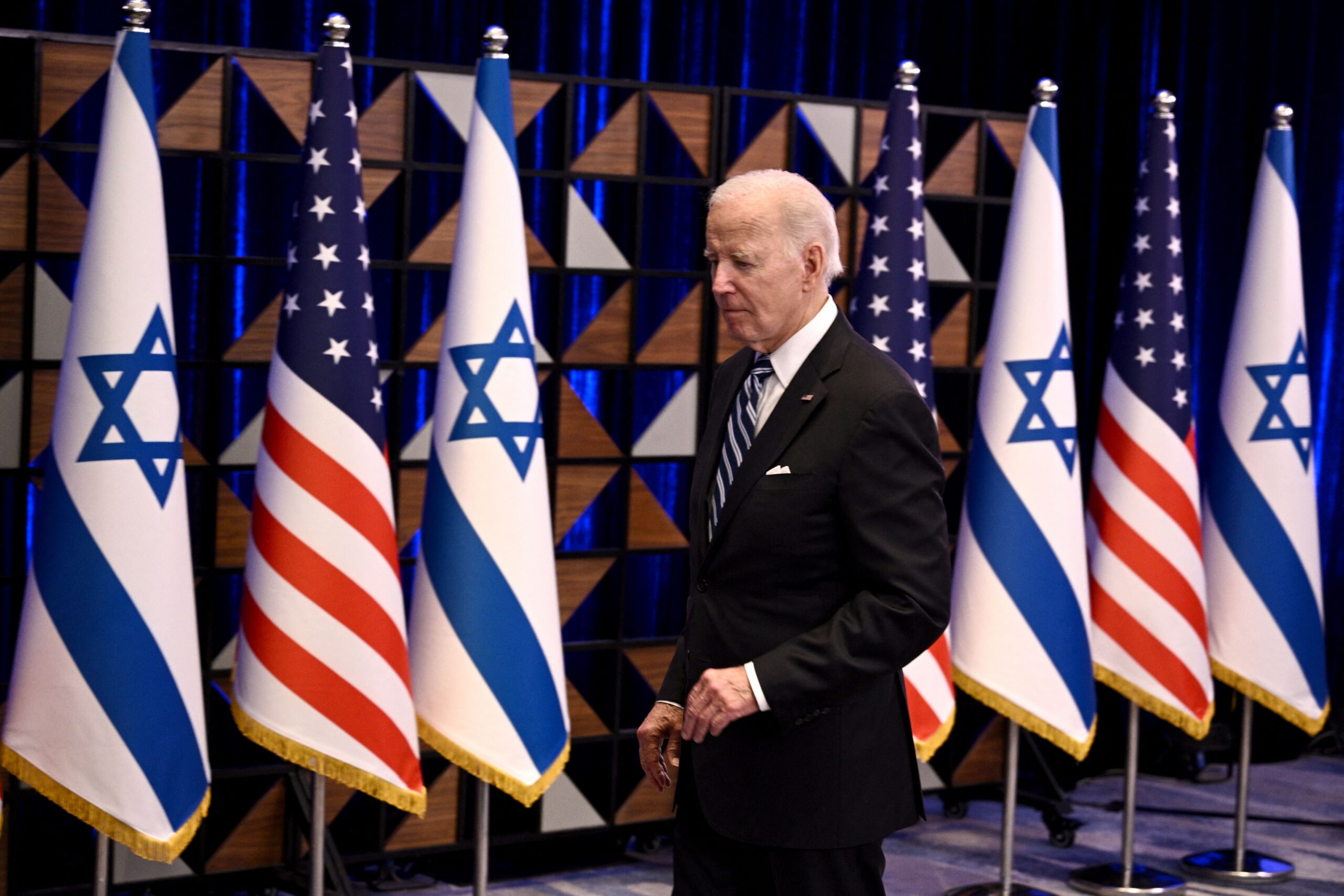
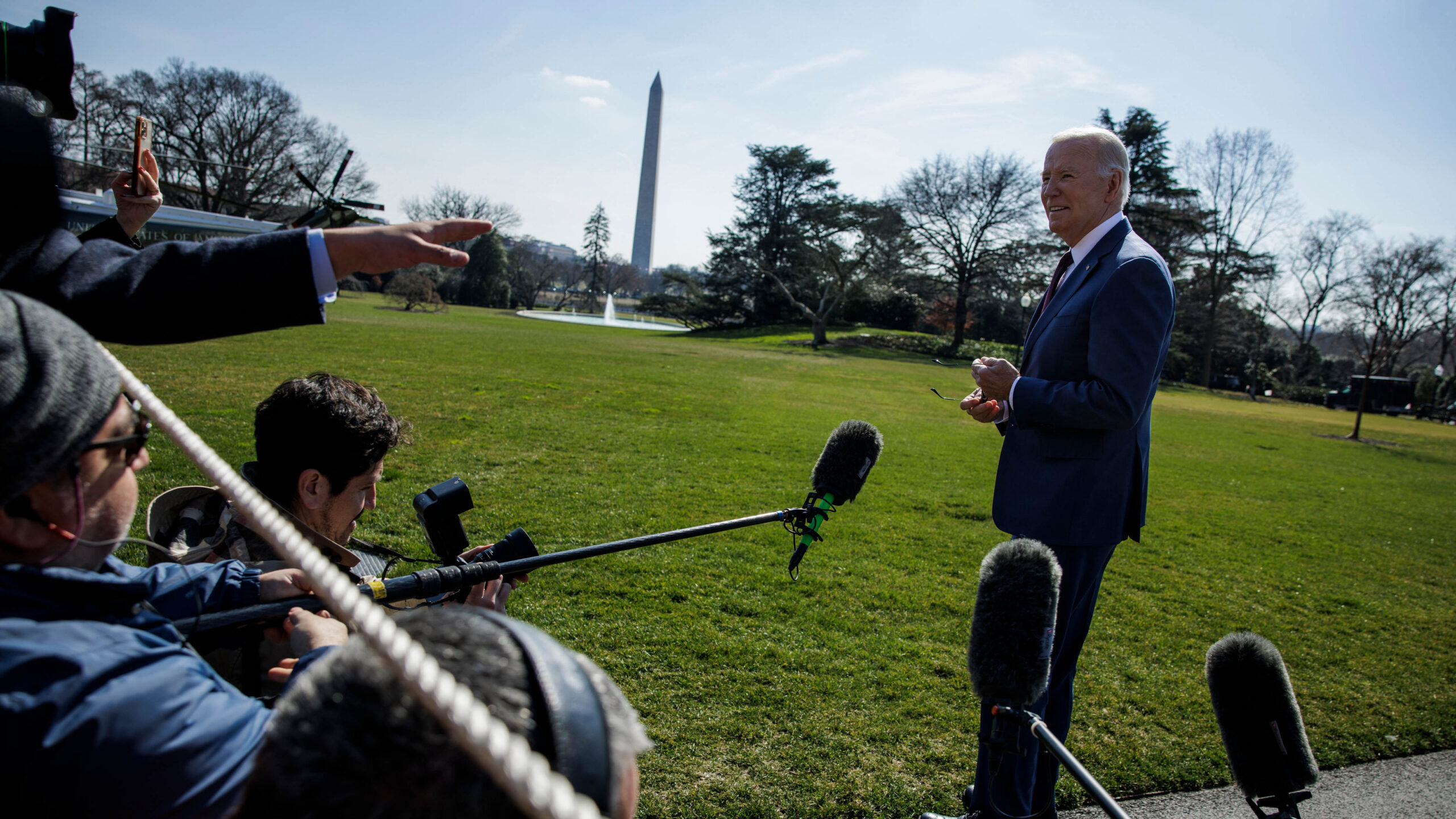
On 13 December 2023, following discussions with Israeli Prime Minister Benjamin Netanyahu on Israel’s military campaign in Gaza, US President Joe Biden rejected congressional calls to stop or condition US military assistance to the Jewish state.
“We’re not going to do a damn thing other than protect Israel in the process. Not a single thing,” he said at the time.
A month earlier, Vice President Kamala Harris said the United States “(was) not going to create any conditions on the support (it) was giving Israel to defend itself.”
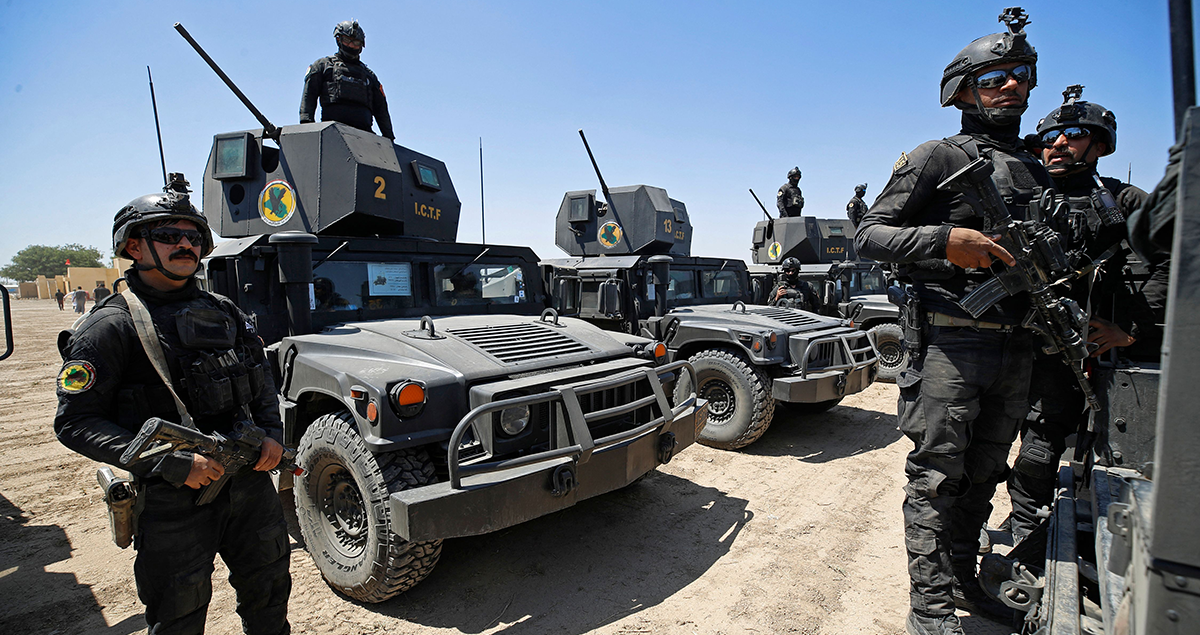
Maintaining the best thing the US built in Iraq: Continued support to the Iraqi Counterterrorism Service
As the US engages in a dialogue with the Iraqi government over the future of the coalition forces combating the Islamic State, Washington must ensure a continued relationship between the US Special Operations Forces and the Iraqi Counterterrorism Service.
“Exporting its internal problems”: Understanding Iran’s January missile salvos against its neighbors
In mid-January, with the war in Gaza continuing to rage on, Iran launched a series of surprise missile attacks on its immediate neighbors Iraq, Syria, and Pakistan over two days. Taken together, these attacks illustrate that the Islamic Republic puts regime survival above national interest in its foreign policy calculations, which undermines its efforts to engender solidarity and good relations with other Muslim-majority states in the region.
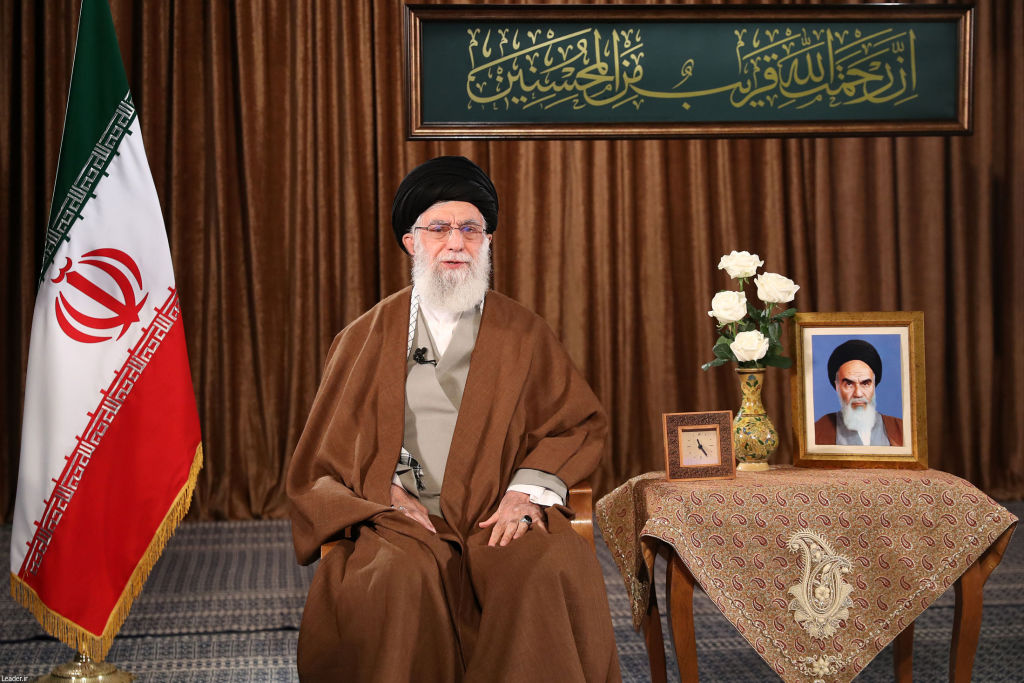
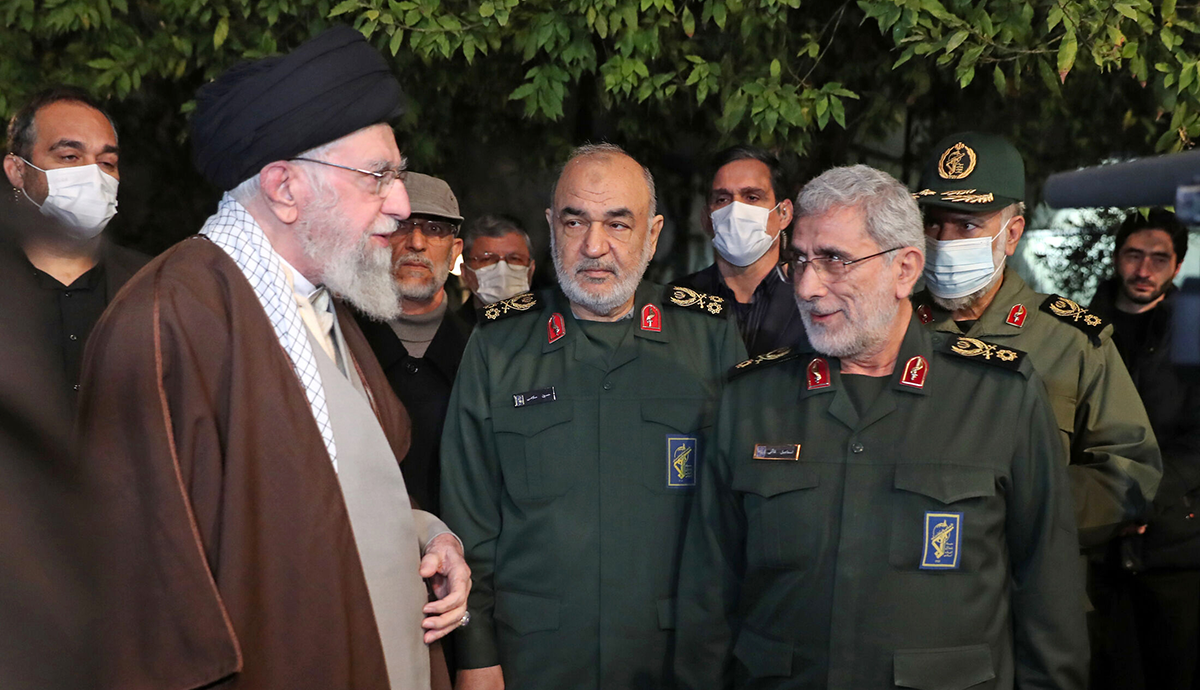
Moving to a post-Khamenei era: The role of the IRGC and the clergy
The IRGC and the clerical establishment are Ayatollah Ali Khamenei’s most significant instruments of power. This piece explores the relative influence of these two entities throughout the Khamenei era and beyond, with a particular focus on the potential changes that might occur to their position and standing after the conclusion of his leadership.
Africa-to-Europe value chains: How nearshoring can mitigate Europe’s migration crisis and aid energy transition
Africa-to-Europe value chains in manufacturing and agri-food production can mitigate factors driving current migration patterns by employing Africans in local value-added production and boosting African GDP growth, reorienting Africa-Europe relations towards mutual economic benefit and dignity.
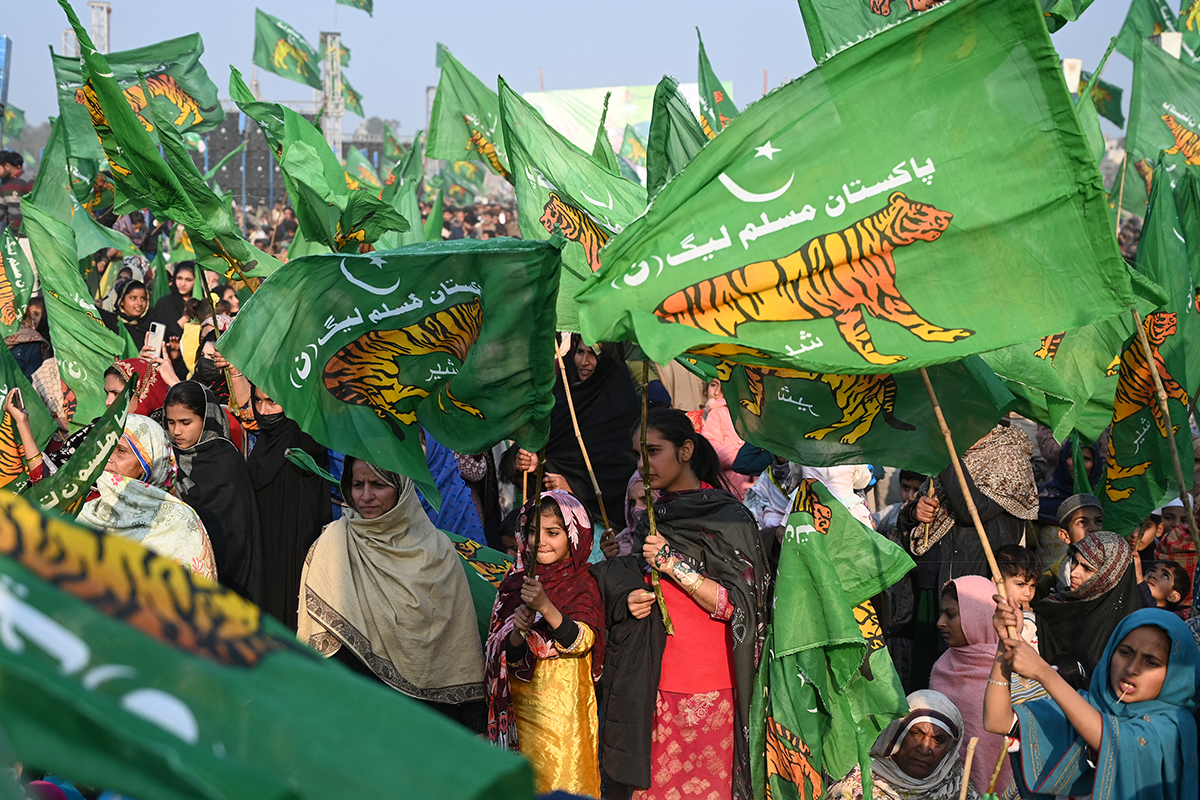
On this week’s episode Tamkinet Karim, Syed Mohammad Ali, and Alistair Taylor discuss the results of Pakistan’s Feb. 8 elections and where things might be headed moving forward. Over the past two years, Pakistan has gone through a particularly turbulent period, following the removal of Imran Khan’s government in a no-confidence vote in April 2022 — a time marked by political instability, intense polarization, a worsening economic crisis, and growing threats to internal security.
The Biden Administration’s National Cybersecurity Strategy: Opportunities and Challenges
The Biden administration’s National Cybersecurity Strategy, published in March 2023, outlines how the White House plans on defending America’s digital ecosystem from malicious threat actors. The document defines key priorities for shaping a global cyber landscape that is more resilient and secure, but the administration will face obstacles and challenges while putting its plan into action. Overcoming these obstacles will require it to devise flexible, sustainable, and realistic policies at home and establish robust cyber coalitions and trade frameworks with allies and partners abroad.
Contrary to what many political observers predicted, Pakistan’s general election on Feb. 8 delivered many surprises and ushered in an even higher level of political uncertainty than what already prevailed. And with the current formation of the new coalition government, an end to political volatility doesn’t seem to be in sight.
The Political Economy of Climate Governance in Afghanistan: An Analysis of the Context and Challenges
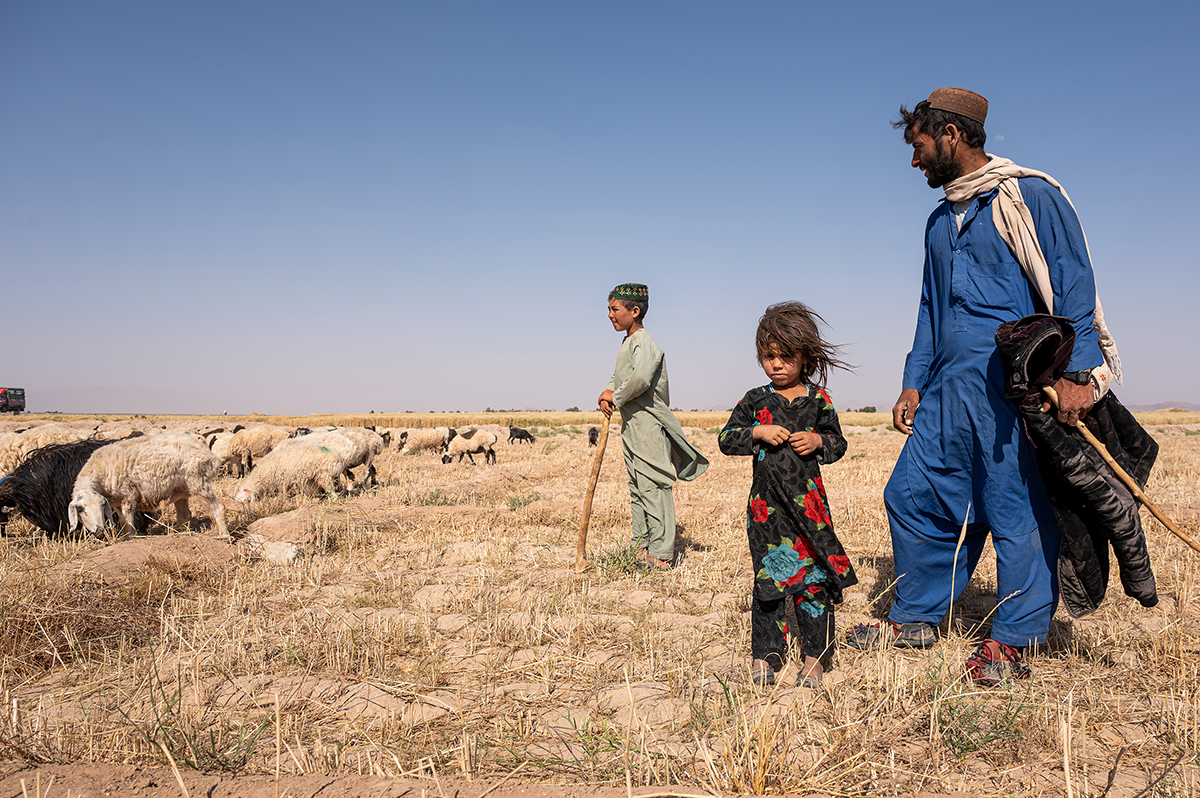
Even though it is one of the world’s lowest emitters of greenhouse gases, Afghanistan is among the 10 countries most vulnerable to climate change and severe weather conditions. Recent economic and humanitarian challenges, compounded by a political crisis of legitimacy and governance, exacerbate the situation, limiting the country’s ability to mitigate climate-induced fragility and build long-term resilience.
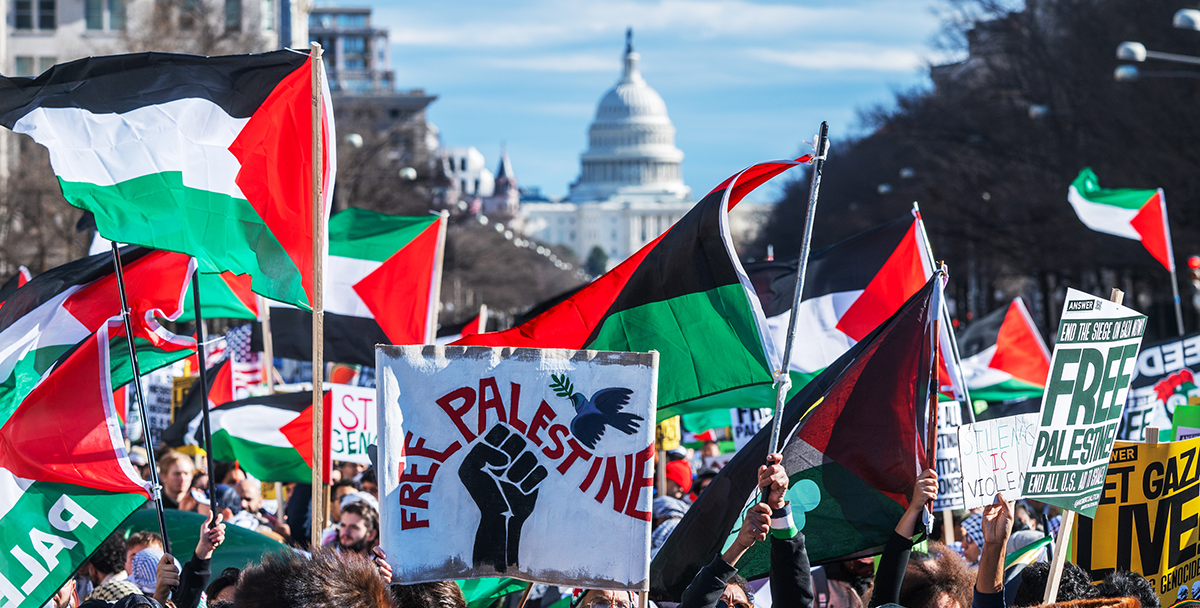
The ongoing catastrophe in Gaza is driving a surge in sympathy for Palestinians in the Western world that could mark a turning point in how the Israeli-Palestinian conflict is engaged with moving forward. Changing attitudes among younger generations are primarily responsible for this shift, driven in part by a post-Black Lives Matter outlook and narrative that has simplified and distilled the conflict.