This individual is a guest contributor. MEI is not able to assist with contact requests.
Jean-Pierre Cassarino holds a professorship at the Robert Schuman Center for Advanced Studies (RSCAS/European University Institute, Florence) where he directs the Return migration and Development Platform (http://rsc.eui.eu/RDP/). He is also research associate at the Tunis-based Institut de Recherche sur le Maghreb Contemporain (IRMC). Since the mid-1990s, he has published extensively on international migration, particularly on return migration and has carried out numerous field surveys investigating returnees’ manifold patterns of reintegration. Selected publications include: (ed.) Unbalanced Reciprocities: Cooperation on Readmission in the Euro-Mediterranean Area, The Middle East Institute Press, Washington, 2010; (ed.) “Conditions of Modern Return Migrants”, International Journal on Multicultural Societies, Vol. 10, Issue 2, UNESCO, Paris, 2008; (ed.) Return Migrants to the Maghreb Countries: Reintegration and development challenges, RSCAS, European University Institute, Florence, 2008; Tunisian New Entrepreneurs and their Past Experiences of Migration in Europe: Networks, Resource Mobilisation, and Hidden Disaffection. Ashgate Publishers, Aldershot, 2000. Email: [email protected]
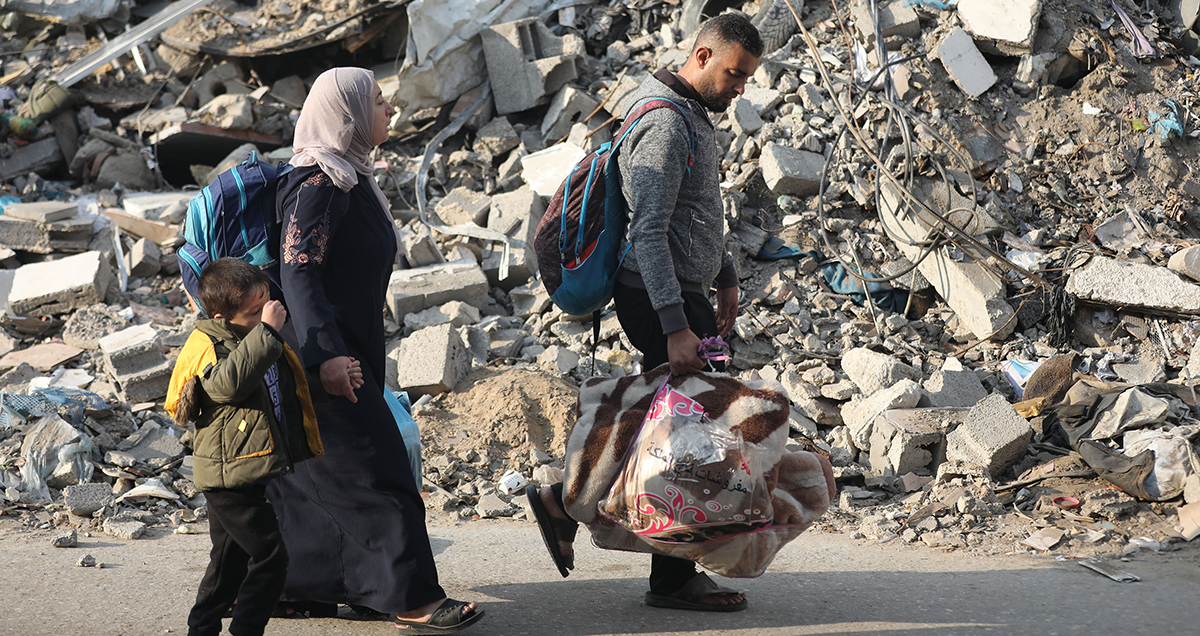
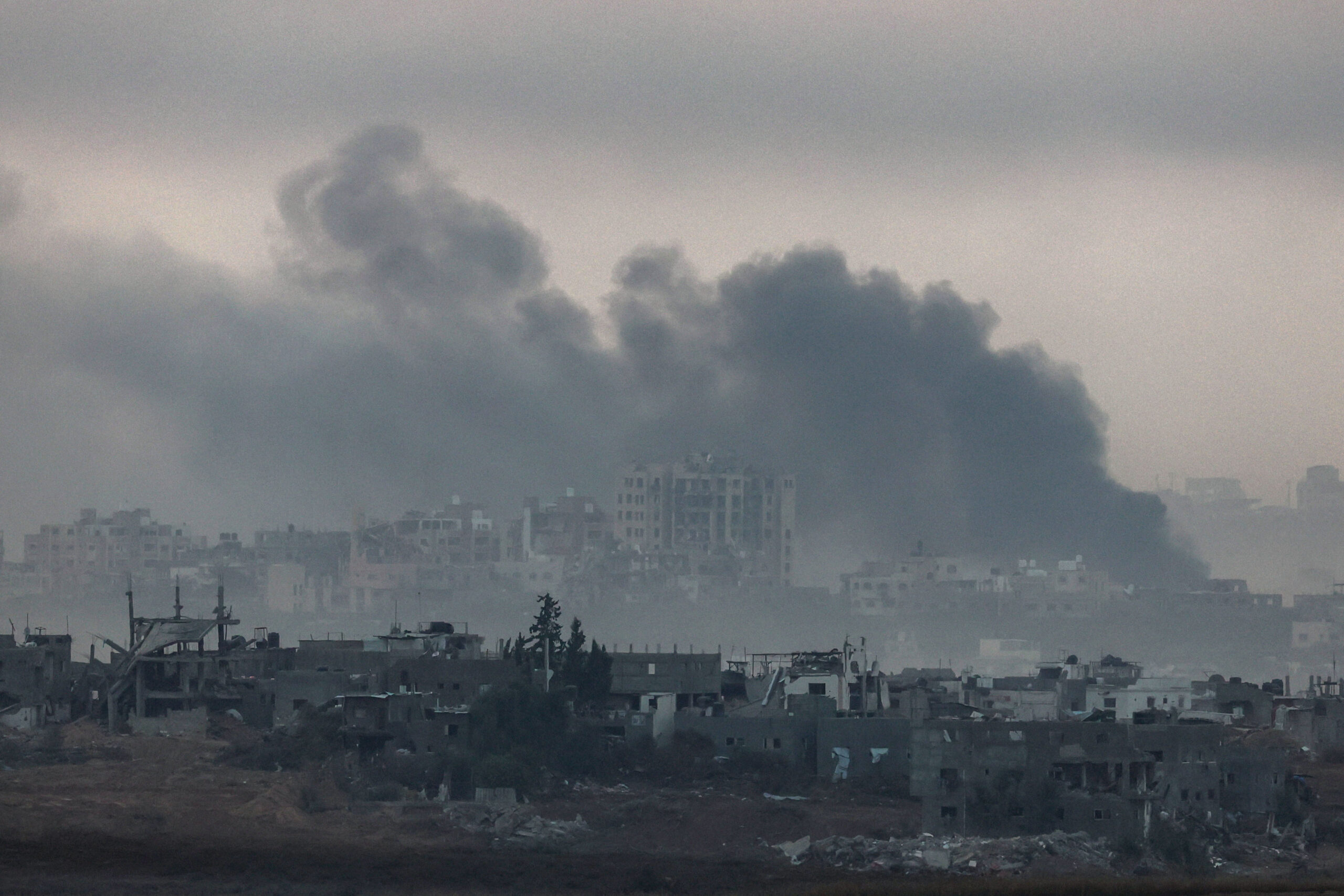
The international community is focused on “the day after” in Gaza, built on the comforting but illusory assumption that Oct. 7 never happened. In contrast, Israel and Hamas alike are engaged in a zero-sum contest to build a new system created out of blood and fire. When we consider the options for Gaza, the most instructive point of departure is the day before — that is, the evolution of Israeli occupation policies in the half century since the June 1967 war.
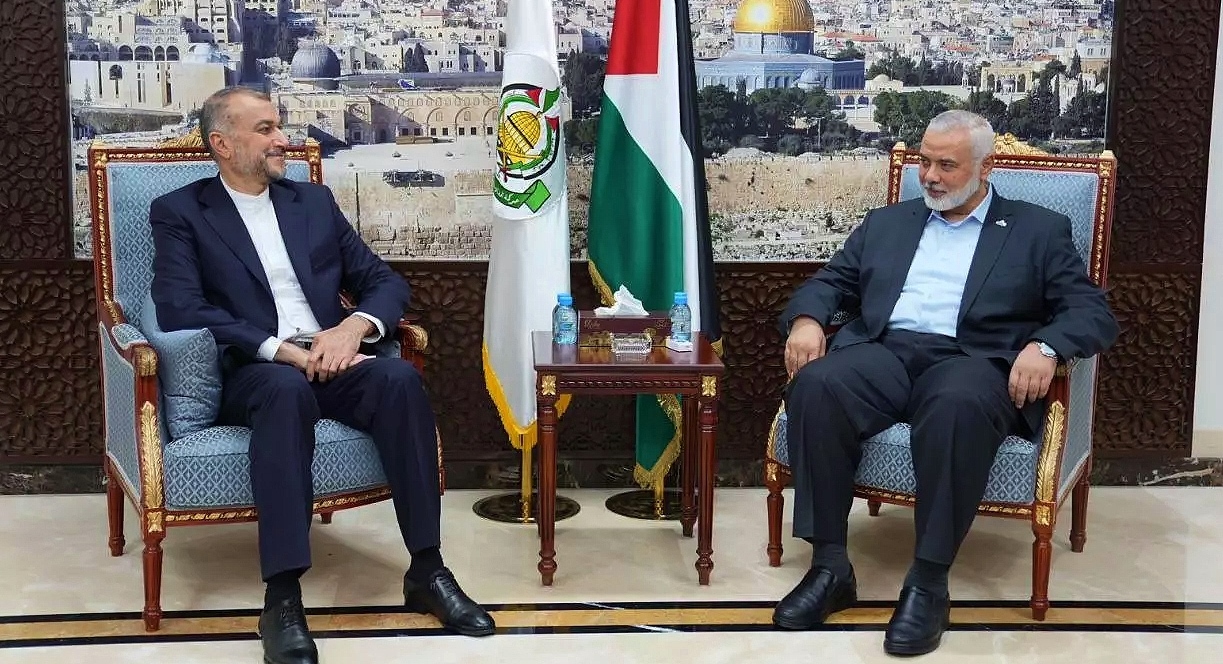
An Israeli-Palestinian peace process would present Iran with a difficult choice
The Israel-Hamas war provides Tehran with a meaningful opportunity to fundamentally shift its position toward Israel. Should a peace process follow this latest war, Iran will have a hard choice to make – double-down on upholding its Axis of Resistance against Israel, or look for ways to work with the majority in the region that seek a feasible political settlement to the Israeli-Palestinian conflict.
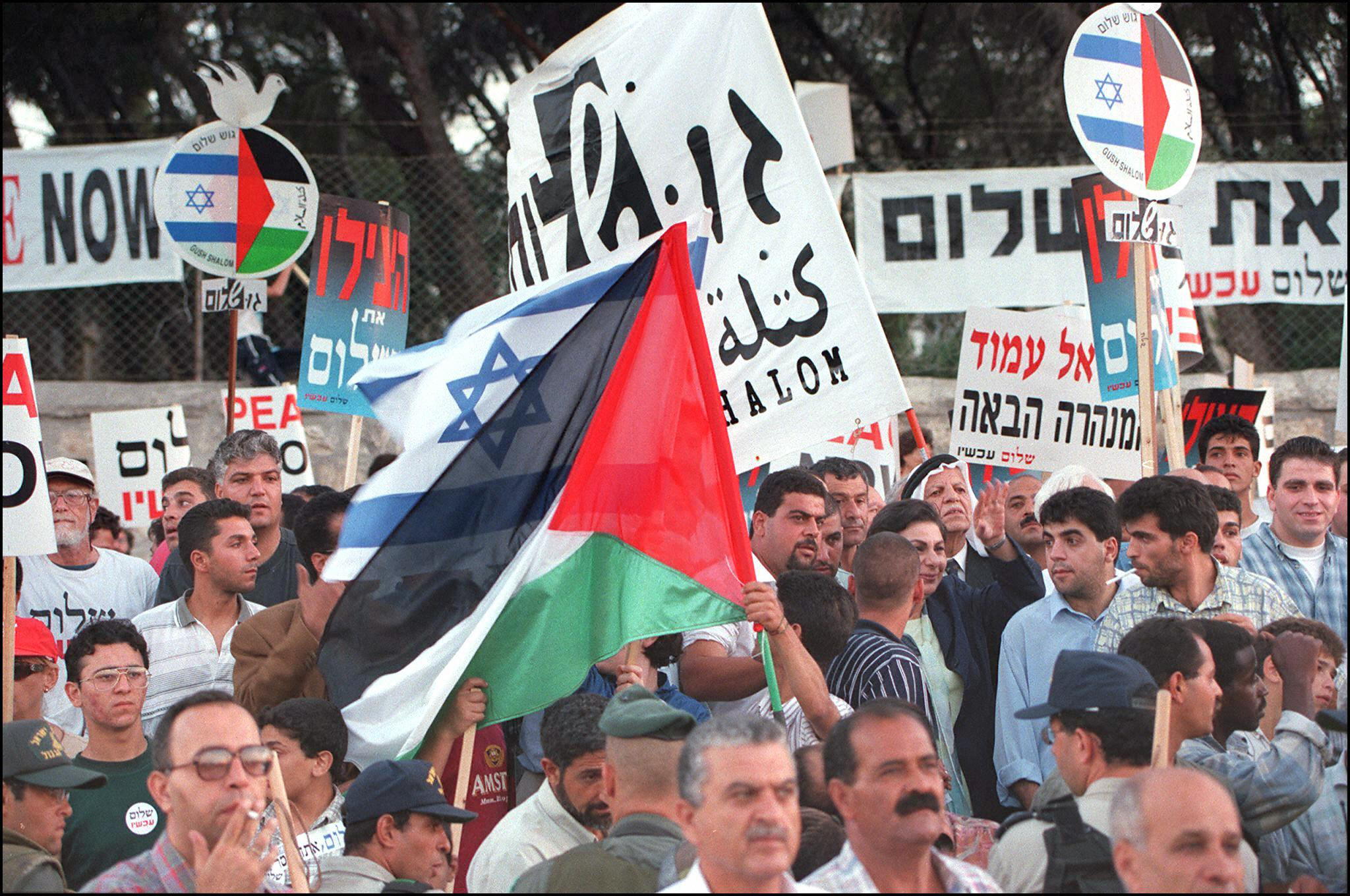
Expert Views: How do we restart the Middle East peace process?
What would it take to start a new Israeli-Palestinian peace process that could actually have the prospect for enduring success? MEI has asked a group of regional and U.S. experts to weigh in.
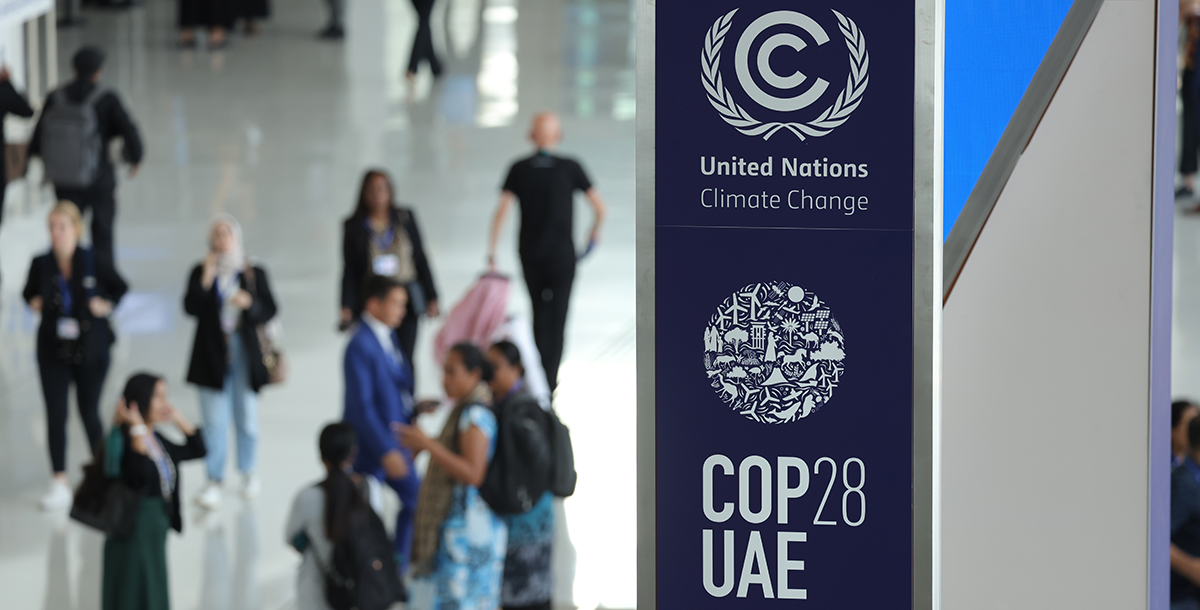
The Future of Climate Change Mitigation in the Middle East and North Africa
Future global warming scenarios indicate the 1.5°C target laid out under the 2015 Paris Agreement is at risk, with some projections suggest a median global warming of as much as 2.8°C by 2100. Bridging the gap between emissions and mitigation necessitates immediate, comprehensive, and far-reaching strategies in energy, cities, transportation, demand mitigation, and carbon removal. Urgent and coordinated global action is imperative to address the escalating climate crisis. The 2023 U.N. Climate Change Conference meeting in Dubai serves as a critical juncture to assess progress, address gaps in mitigation efforts, and translate net-zero goals into impactful climate action.
Charting the climate course: Concrete outcomes and expectations from COP28
COP28 in Dubai carries a weighty set of expectations as the international community grapples with the urgent need to address the escalating climate crisis. It is anticipated to be a pivotal moment in the collective effort to mitigate climate change and adapt to its impacts.
In the aftermath of the brutal Hamas terror attack Oct. 7, Israel has launched a ground invasion aimed at “eliminating Hamas.” Many of Israel’s Western allies have expressed concern about this operation given the lack of a clear plan for what will happen in Gaza after Hamas is eliminated. Prime Minister Benjamin Netanyahu said yesterday that “Israel will, for an indefinite period will have the overall security responsibility” of Gaza. President Joe Biden even said publicly on 60 Minutes that the reoccupation of Gaza would be a “big mistake.”
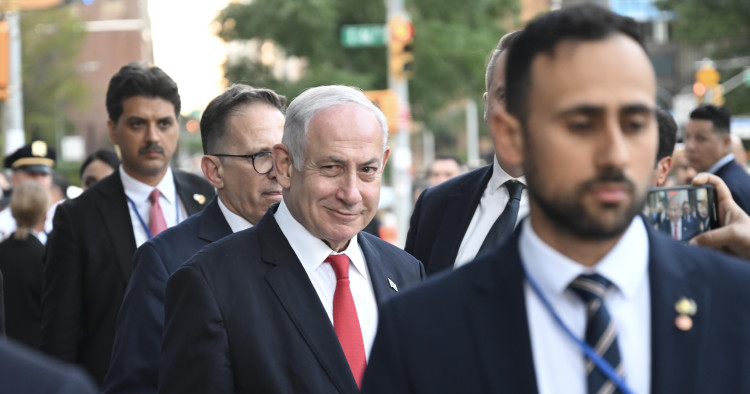
How Netanyahu could beat the odds and stay in power
There has been much speculation that the military and intelligence failure to prevent the Hamas terror attack on Oct. 7 (which became known in Israel as the “Black Shabbat”) means that Israeli Prime Minister Benjamin Netanyahu’s days in office are numbered.
But Netanyahu is signaling that he will not step down without a fight. He is preparing the ground for blaming military officials for the failure and continuing to promote the overhaul of the judiciary, which was at the center of the political debate in Israel in the months before Hamas’s attack.
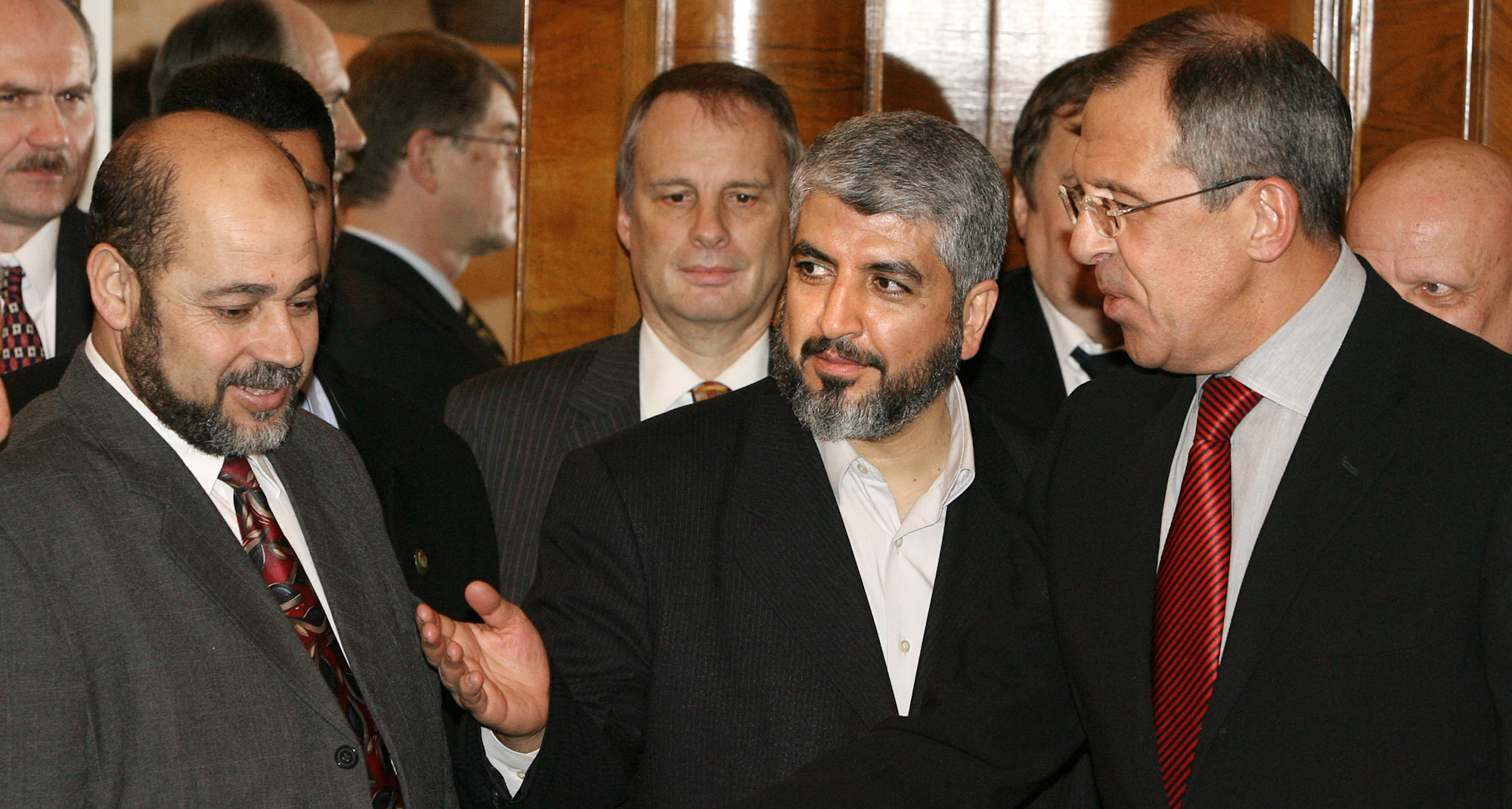
Essential questions about the Russia-Hamas link: The evidence and its implications
As the war in Gaza continues to unfold, essential questions about Russian and Iranian support for Hamas remain. They include whether Russia played any role in providing support to Hamas ahead of its Oct. 7 attack on Israel. Evidence available from foreign-language publications in Russian, Persian, Arabic, and Hebrew, as well as those in English, provides provocative leads, which, if accurate, have serious potential implications.
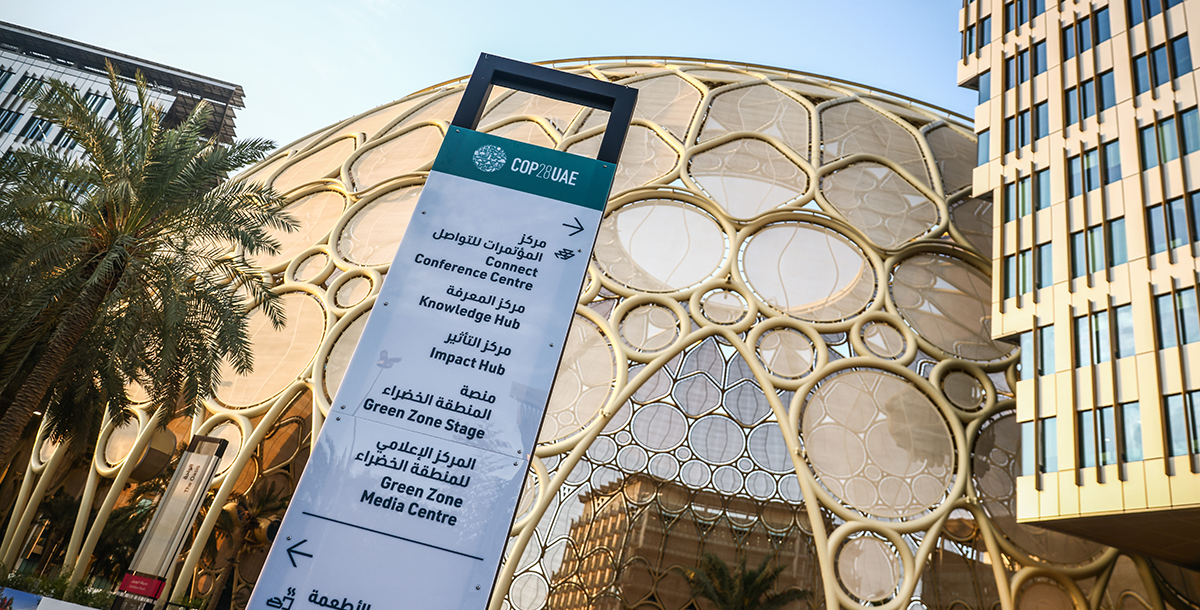
With COP28 set to kick off later this week at Expo City, Dubai, in the United Arab Emirates, MEI’s Mohammed Mahmoud takes a closer look at five key questions that will influence the course and outcomes of the proceedings.