Dr. Karam Shaar is a political economist and non-resident senior fellow at Newlines Institute. In addition to his work at Newlines, Dr. Shaar is a consultant on Syria’s political economy and an establishing partner at the Observatory of Political and Economic Networks. His work focuses on macroeconomics, aid economics, sanctions, energy, actor mapping, and illicit economies. He previously was a non-resident scholar at the Middle East Institute, the research director of the Operations and Policy Center, a senior analyst at the New Zealand Treasury, and a senior lecturer on Middle East politics. Karam’s work on Syria has been published in the Middle East Institute, Foreign Policy, the Carnegie Foundation, The Guardian, the Brookings Institution, and the Center for Strategic and International Studies. He’s a frequent media contributor and has been interviewed, quoted, or hosted by The Washington Post, CNN, the Sunday Times, Aljazeera, BBC, The New York Times, Chatham House, the Brookings Institution, University of Oxford, and the United Nations, among others. For more information, please visit www.karamshaar.com.
The Latest from Karam Shaar
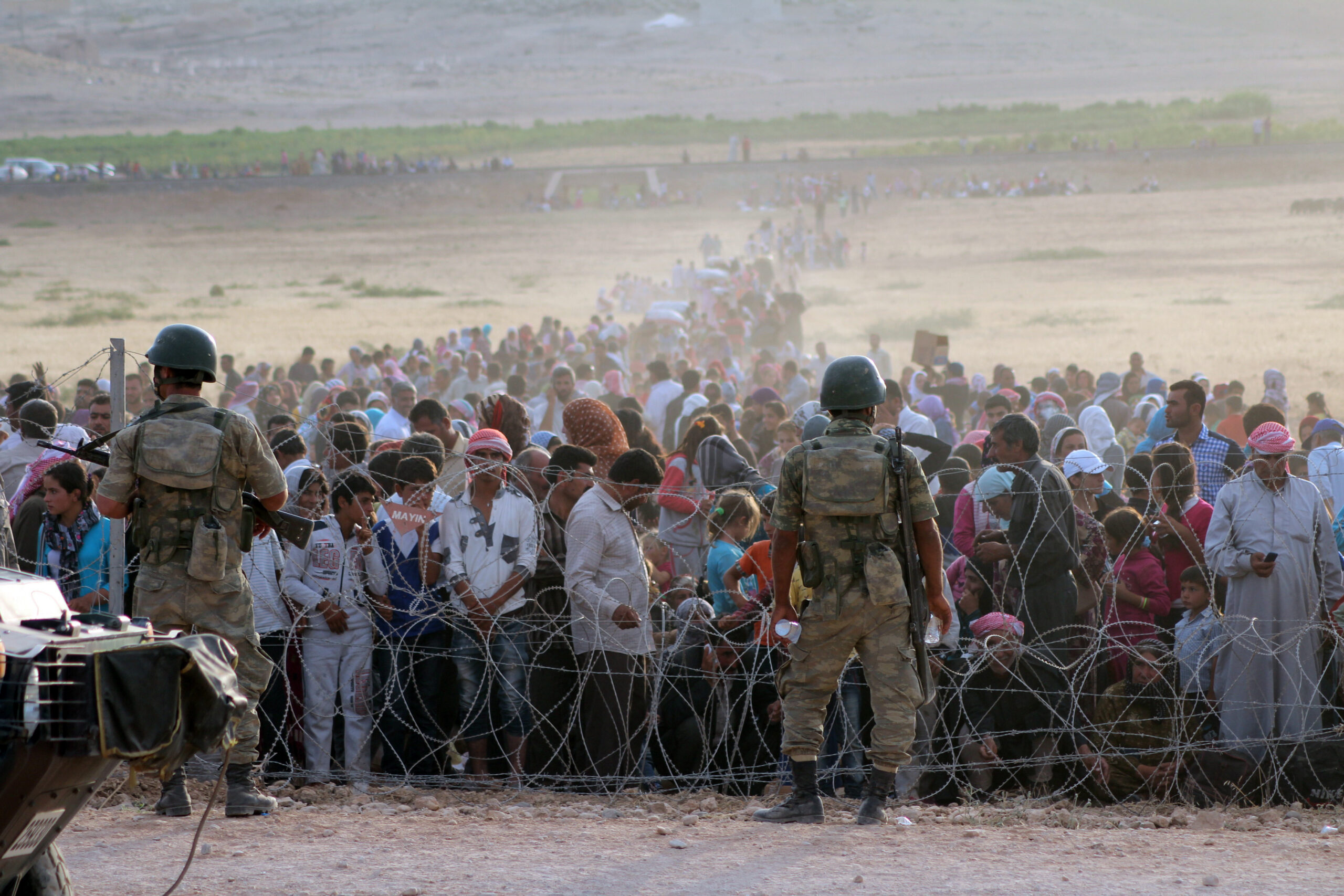
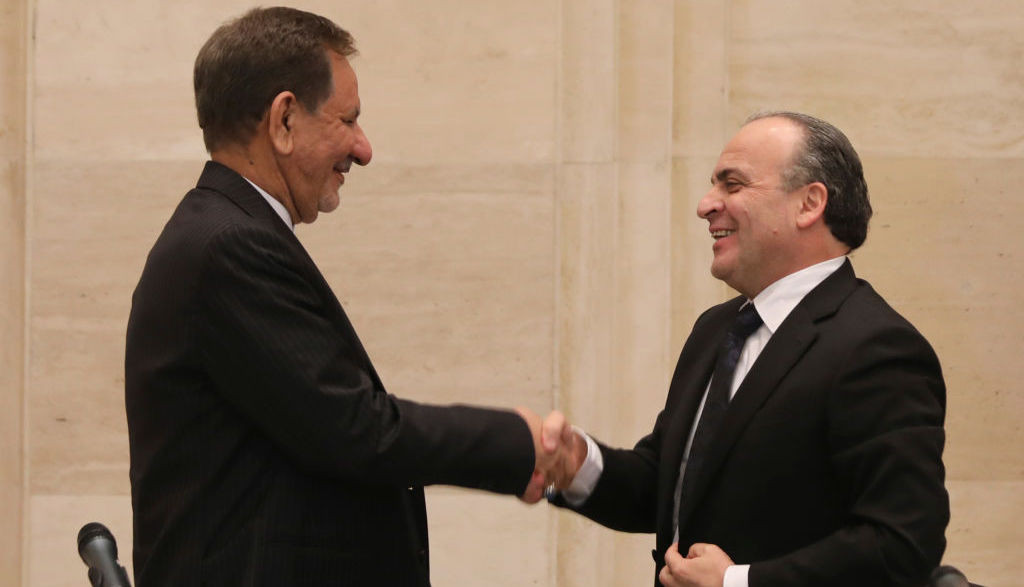
Investing in Syria: “Photo ops” outweigh real change
As in other countries, not all announced investments come to fruition. But the ratio in Syria is particularly staggering. Of the 118 projects approved by the Syrian Investment Agency in 2018, only 46 percent have taken any serious steps toward implementation as of early 2020.
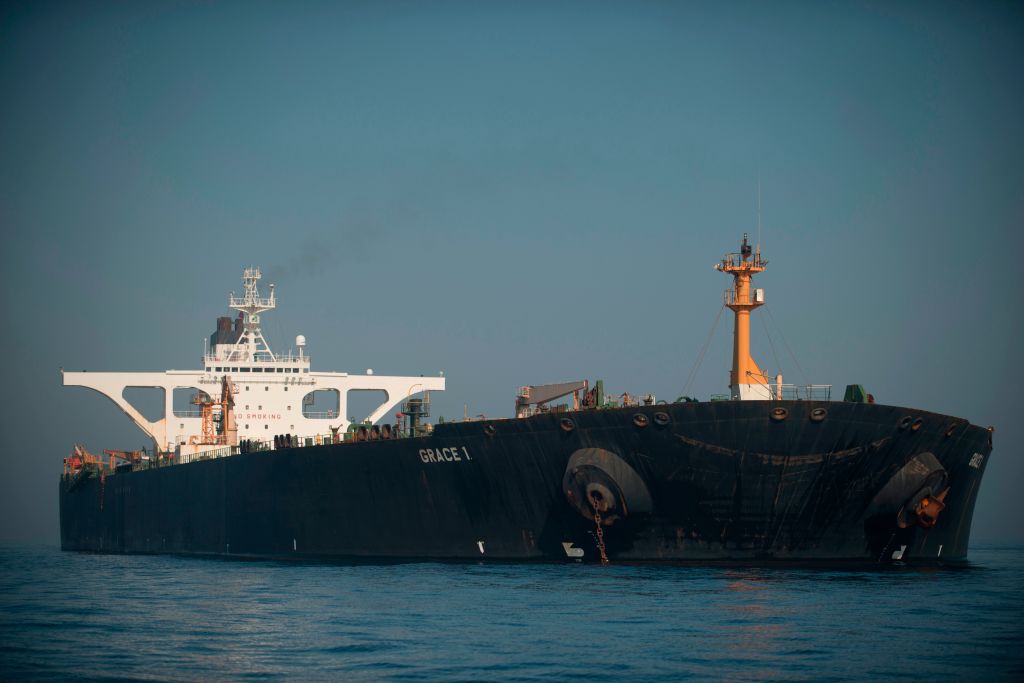
The Syrian Oil Crisis: Causes, Possible Responses, and Implications
Unlike most other goods, the inflation-adjusted prices of oil and oil derivatives actually became cheaper in the years after the Syrian uprising and the loss of most of the country’s oil fields. Iran stepped in to fill the gap by shipping oil by sea through the Suez Canal. In recent months, however, these shipments seem to have ground to a halt, crippling regime-controlled areas. This paper examines several competing explanations for the slowdown in Iranian oil shipments, explores a range of possible responses for the Assad regime, and takes a closer look at the implications for the regime, its allies, and regular Syrians.



