This individual is a guest contributor. MEI is not able to assist with contact requests.
Nabil Mohsen is an Intern at the Middle East Institute’s Oman Library. He is a determined learner who enjoys his studies in politics and is interested in Islamic history, architecture, and ceramics.
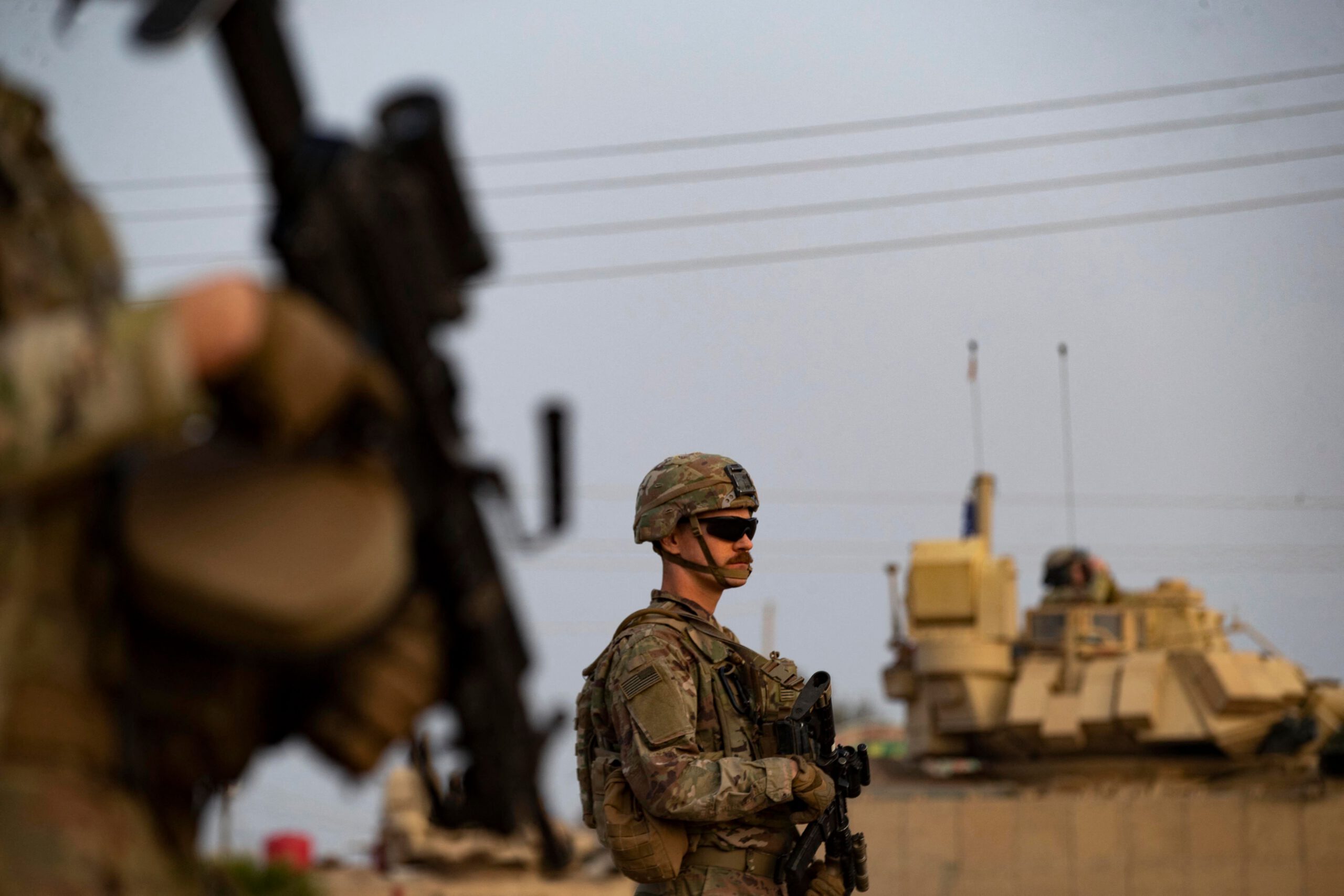
The U.S. administration is tacitly contributing to growing acceptance and re-normalization of Syrian President Bashar al-Assad, the 21st century’s most notorious war criminal, putting in jeopardy the continuation of our counter-terrorism mission in Syria. Assad is toasting his survival on the ashes of his victims — but within the small community of optimistic actors in Syria, ISIS is sitting pretty comfortably too.
Decarbonization and Political Transformation in Iraq: The Impact on Politics, Society and Regional Relations
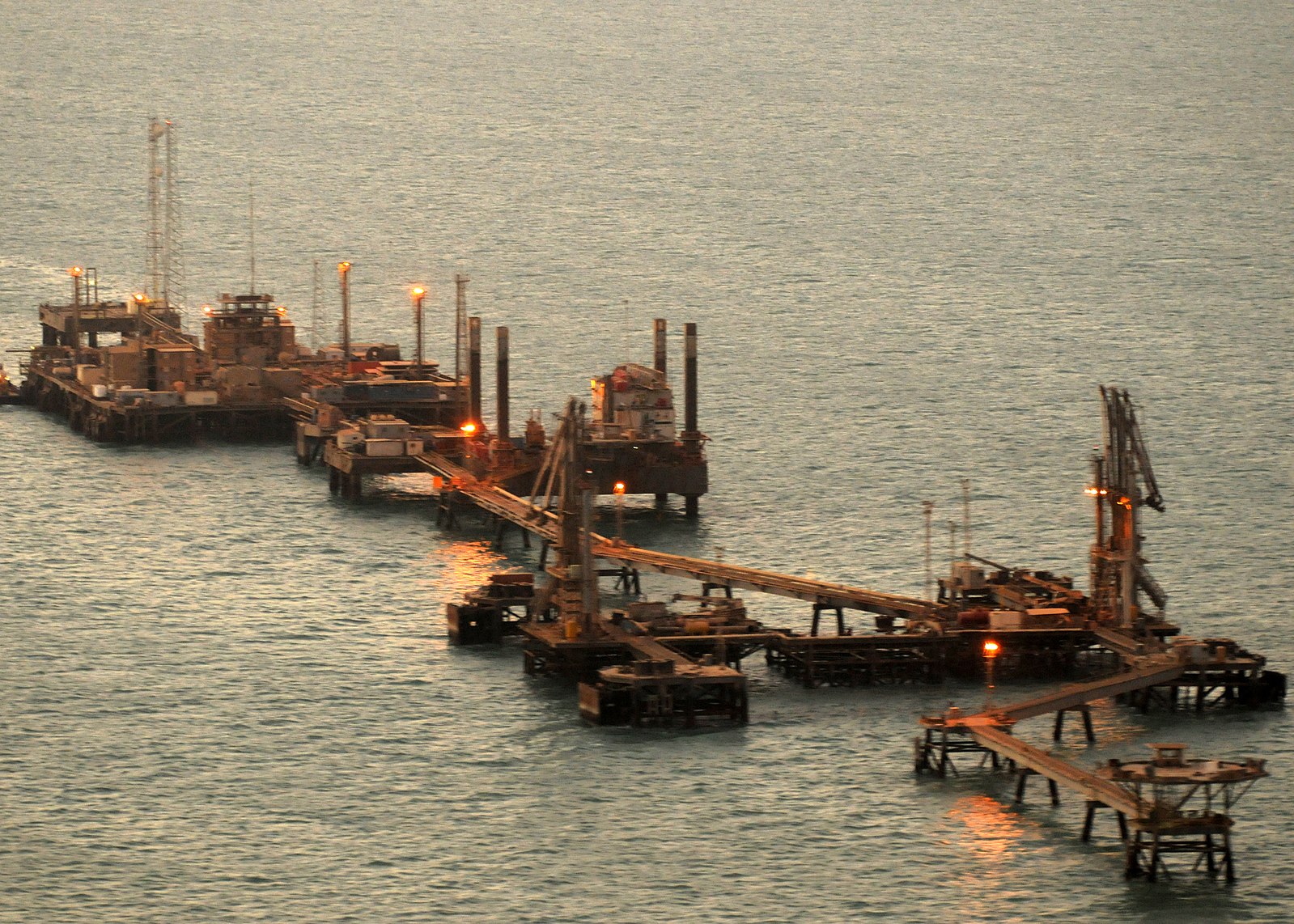
What happens when a petrostate loses its oil rents? While the oil market continues to go through boom-and-bust cycles, cases such as Iraq provide evidence of how the rapid loss of oil revenues—traumatic decarbonization—may affect the politics and stability of these petrostates. In Iraq, multiple shocks to oil revenues from 2014 through 2020 fundamentally altered the organization and concentration of political power in Iraq with destabilizing and democratic consequences.
The IRGC’s enmity toward Israel is an aberration in Iranian history
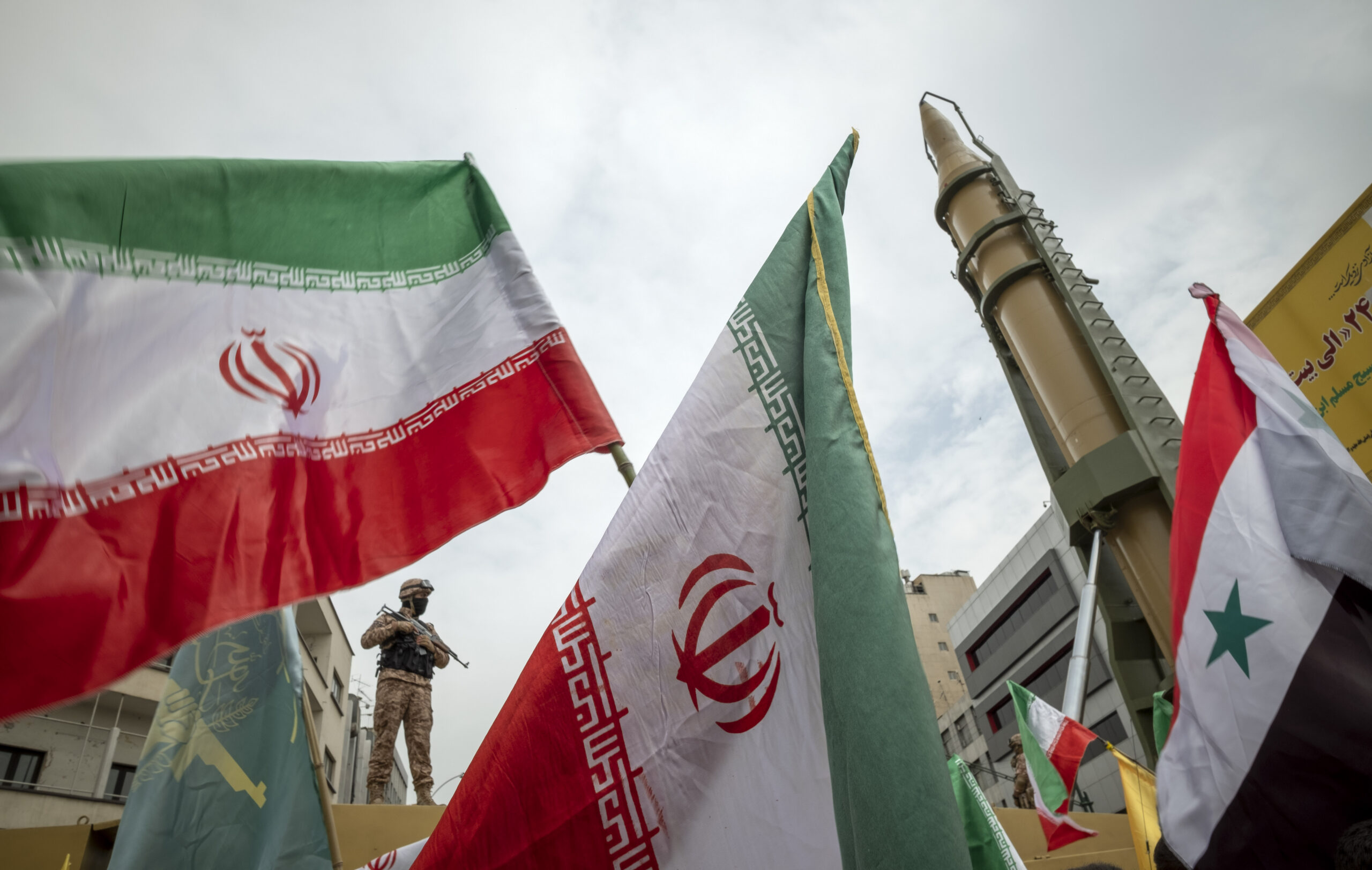
Iran’s Islamic Revolutionary Guard Corps (IRGC) is at its core an ideological army, not a national one, and its notorious enmity toward Israel is an aberration in Iranian history. But many Israelis to this day think Iran could be a natural partner as long as the country gave up its pursuit of ideologically driven regional dominance, disavow calls for the destruction of Israel, and were instead to again allow the regular army, the Artesh, to pursue Iranian national interests.
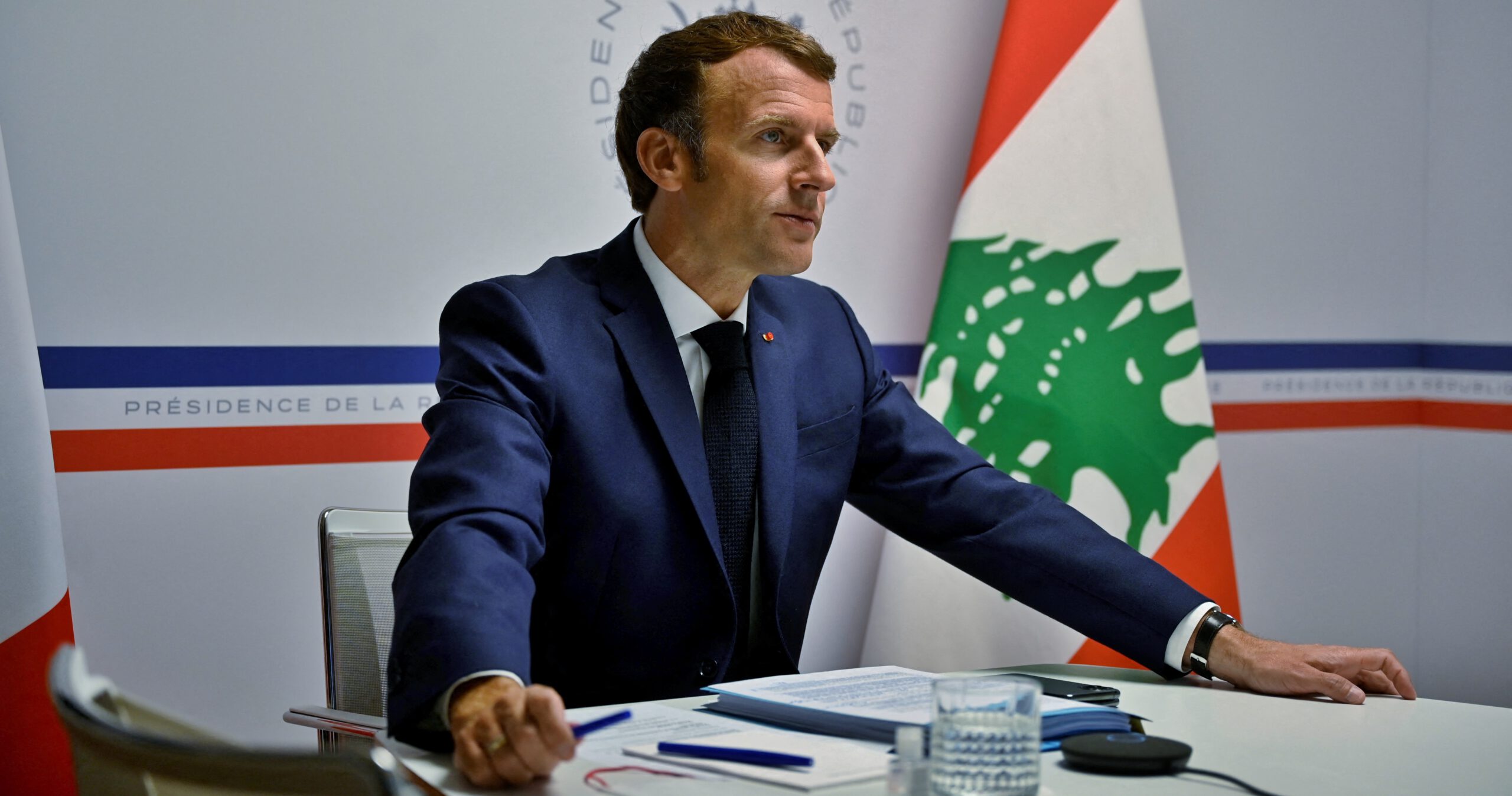
Lebanon is on the verge of complete collapse, and if Washington is serious about preventing not just another failed state but a growing normalization of unchecked authoritarianism in the Middle East, it must stop outsourcing leadership on Lebanon to France.
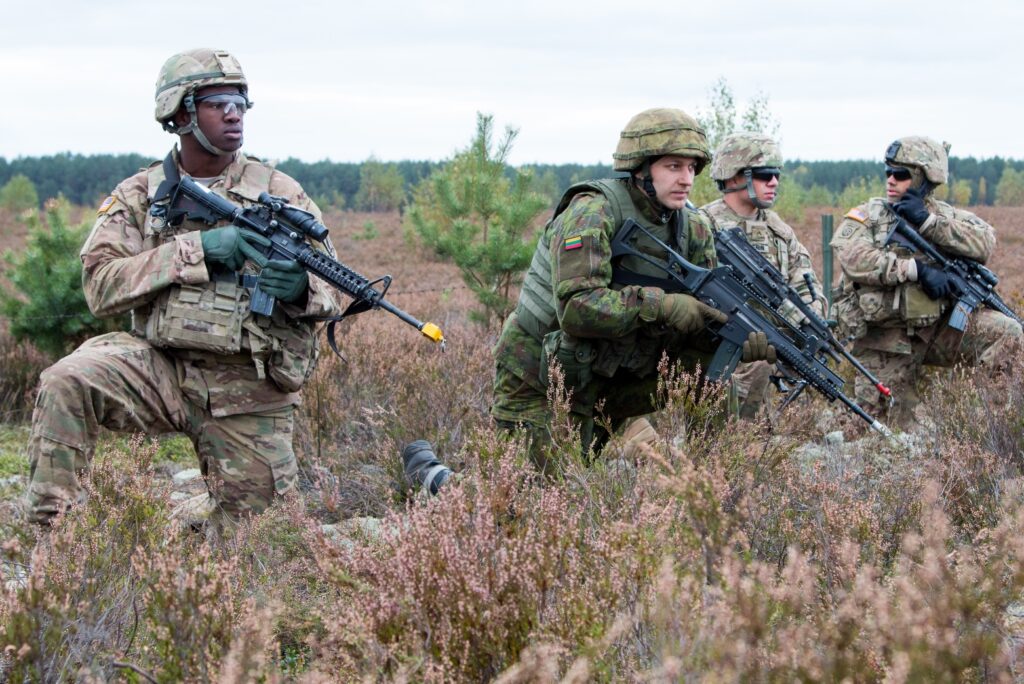
U.S. Security Cooperation Deserves A Fair Evaluation
Security cooperation has been a critical pillar of U.S. statecraft for decades. However, the enterprise has gotten a bad reputation since the beginning of the 21st century because of the costly misadventures in Afghanistan, Iraq, Syria, and elsewhere. But perhaps the problem is that we are not evaluating it the right way.
As fighting in Sudan rages, Russia’s primary goal is to ensure authoritarian rule
Although Russia has vested interests in the Burhan-Hemedti conflict, it is unlikely to actively pursue a blanket destabilization strategy in Sudan. Instead, it is likely to balance close ties with both warring parties and continue actively opposing a democratic transition in Sudan.
المؤسسات الحكومية الجديدة في تونس، الشرعية، ومستقبل التحول السياسي
أجرى الرئيس التونسي قيس سعيد إصلاحات في هيكل الحكومة التونسية، مما أثار مخاوف من تراجع الديمقراطية في هذا البلد الشمال أفريقي. وسط الاضطرابات الاقتصادية المستمرة وتفاقم مشكلة الهجرة، يتساءل الكثيرون عما إذا كان لا يزال من الممكن الحفاظ على الديمقراطية في تونس. تنضم شيراز أربي وليليا بليز إلى انتصار فقير، مديرة برنامج شمال إفريقيا والساحل في معهد الشرق الأوسط، لمناقشة الوضع السياسي الحالي ومستقبل تونس.
The Turkish Elections and the Future of Northwest Syria: Scenarios and Policy Implications
The Syrian conflict has had a major impact on Turkey’s internal political discourse, with much of the discussion centering around the conflict itself, Turkey’s role in northern Syria, and the refugee crisis. This paper employs a scenario analysis methodology to explore potential outcomes that may impact Northwestern Syria following the upcoming Turkish presidential and parliamentary elections on May 14.
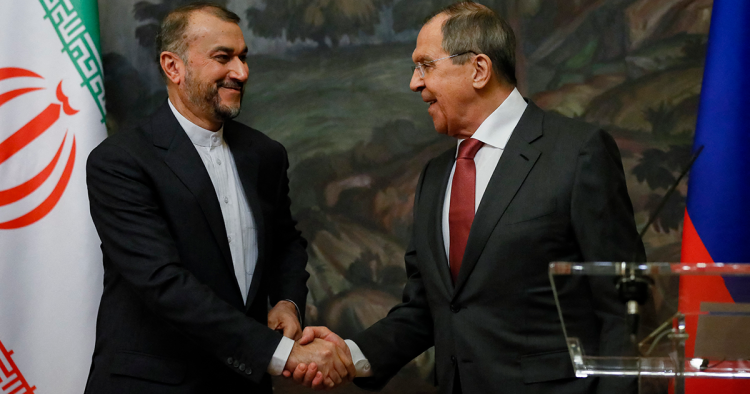
One of Russian President Vladimir Putin’s special envoys keeps visiting Iran. Igor Levitin, Putin’s advisor, has visited Tehran twice in 2023, totaling five visits in the last six months. During his latest visit, Levitin met with top Iranian figures, including Mohammad Mokhber, first vice president and top economic coordinator, and Ali Shamkhani, secretary of the Supreme National Security Council.
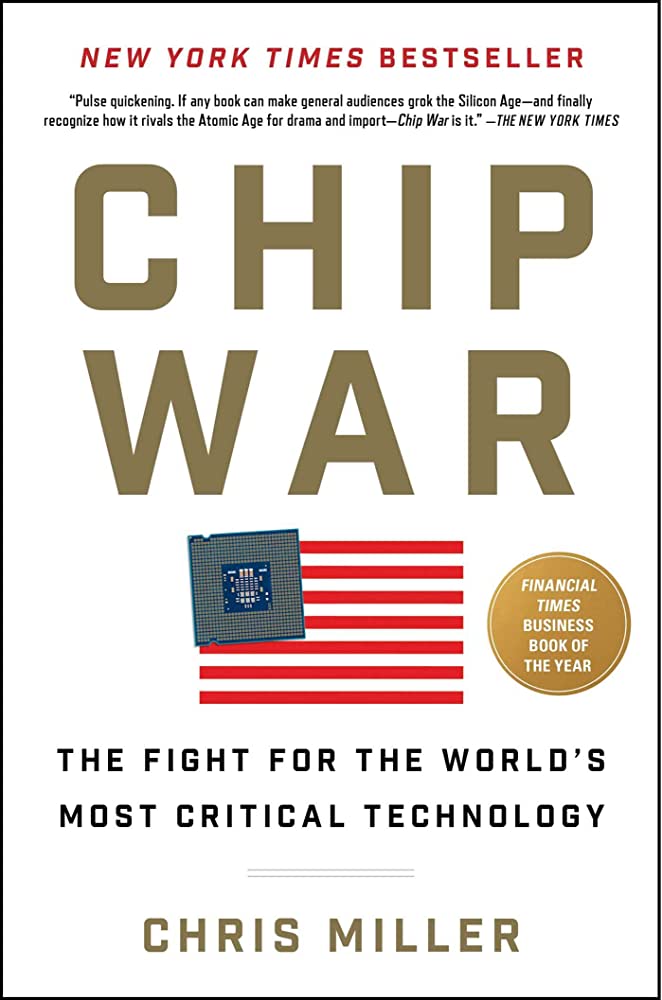
The 2023 National Cybersecurity Strategy: How Does America Think About Cyberspace?
The Biden administration’s National Cybersecurity Strategy, released on March 2, 2023, revamped the U.S. approach to cyberspace and underlined the ways in which the government aims to build a more resilient, defensible, and values-aligned cyberspace. What does the strategy mean and what opportunities might it present for U.S. partners and allies in the Middle East?
تركزت جميع النزاعات التاريخية والحديثة في الشرق الأوسط حول الاعتبارات الإقليمية الكلاسيكية المتعلقة بفقدان الأراضي أو استعادتها. وللخروج من هذه الدوامة، كان من الضروري الابتعاد عن أحد الأسباب الجذرية الرئيسية للنزاع: الجغرافيا. وقد تكون التغيرات الحالية في المنطقة، التي تتميز بتوجه كبير نحو تخفيف حدة التوتر واستعداد متزايد للانفصال بشكل دوري عن الحلفاء التقليديين، مؤشرات على حدوث تحول جذري عميق نحو "السياسة الكمومية".
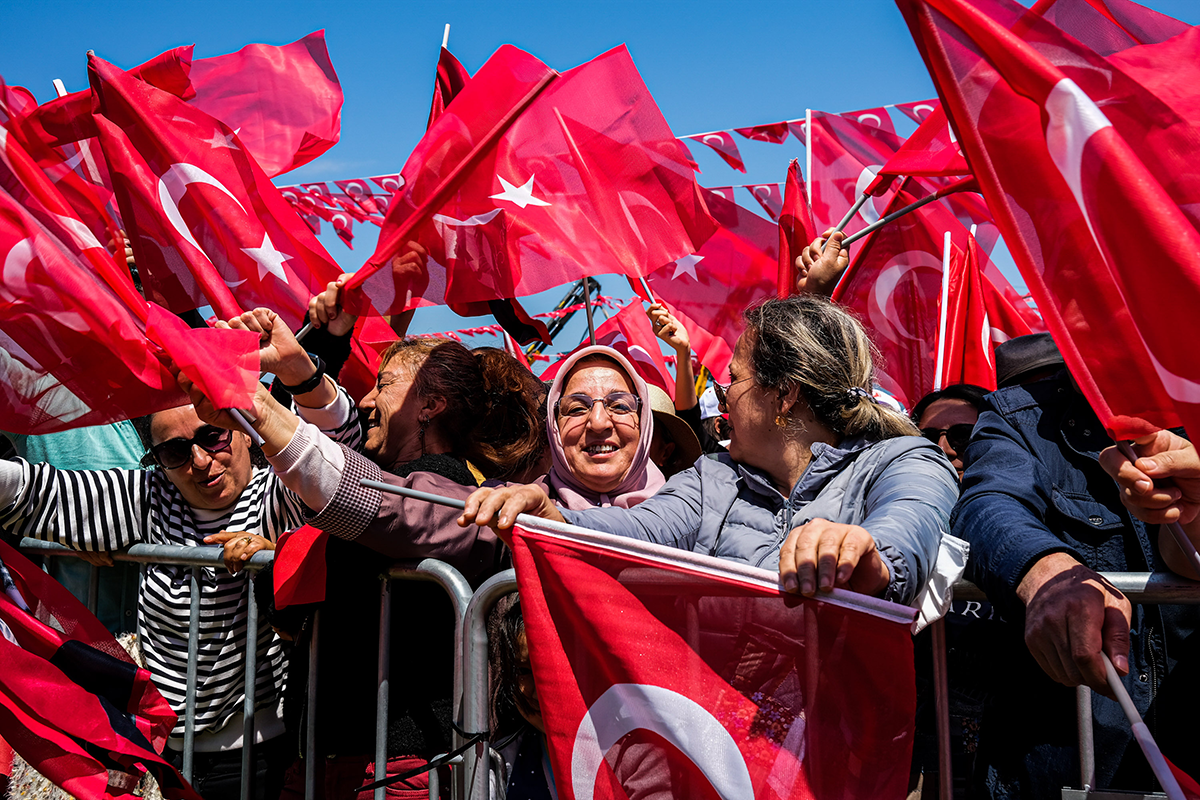
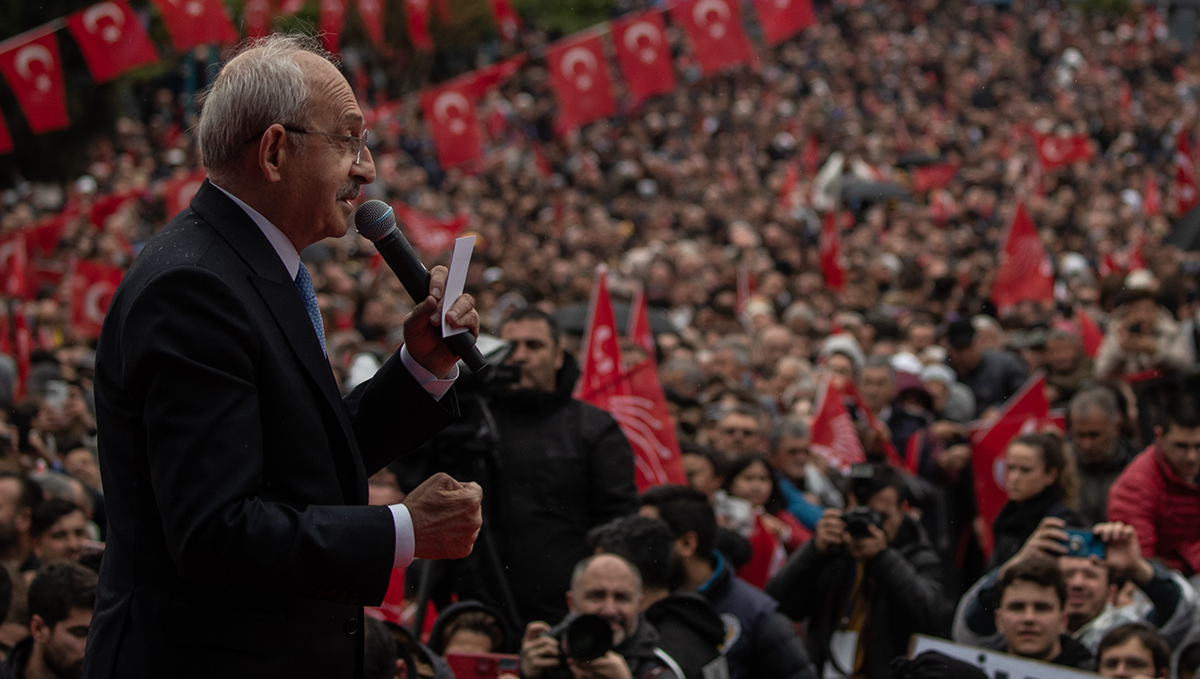
Catch up with the latest developments about Turkey’s May elections with weekly updates from MEI’s Turkey Program. In this week’s installment of Turkish Election Watch: Erdoğan falls ill, Kılıçdaroğlu rallies in an AKP stronghold, Erdoğan dials up the culture war, concerns grow over election security, and what the polls tell us.