This individual is a guest contributor. MEI is not able to assist with contact requests.
Nabil Mohsen is an Intern at the Middle East Institute’s Oman Library. He is a determined learner who enjoys his studies in politics and is interested in Islamic history, architecture, and ceramics.
In a room at the old Mosul Museum, a young Moslawi singer closes his eyes in a moment of rapture. Singing next to the museum’s modernist 1974 incarnation still being restored after ISIS’s pillage of it treasures, his voice lifts the hearts of listeners.
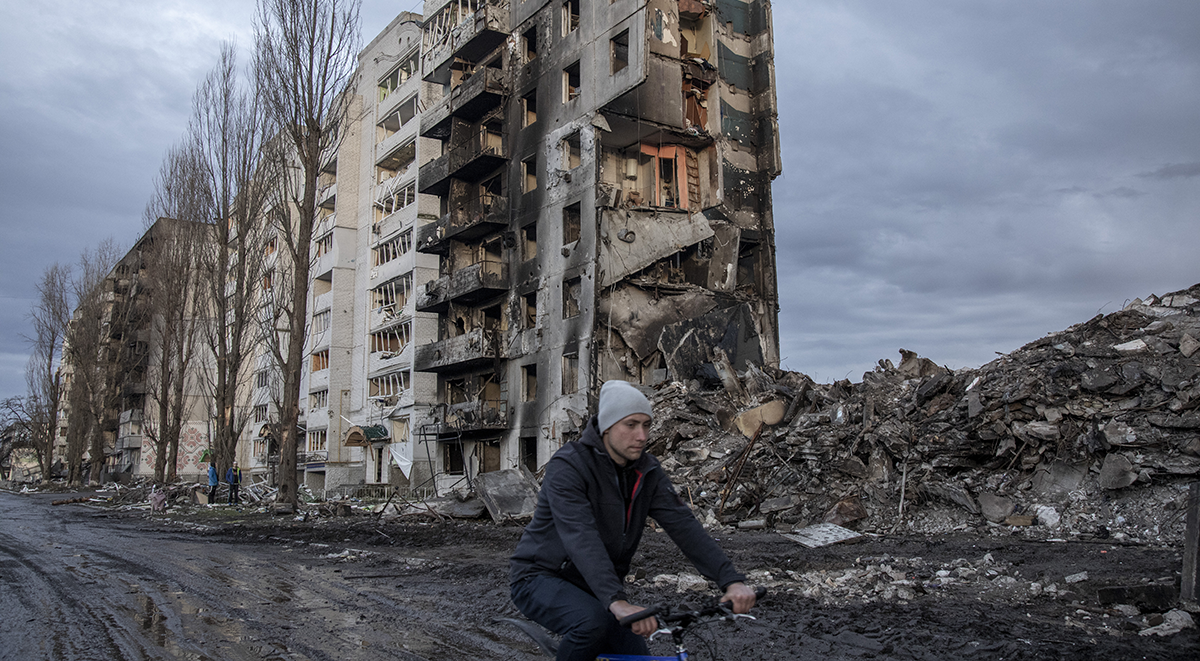
What can the Syrian civil war tell us about the war in Ukraine?
The conflict in Syria may reveal what is likely to unfold as the war in Ukraine continues. The nature of the conflict, the presence of foreign fighters, and the refugee crisis that came to characterize the Syrian civil war may portend what is to come in Ukraine.
Iran-Africa relations under Raisi: Salvaging ties with the continent
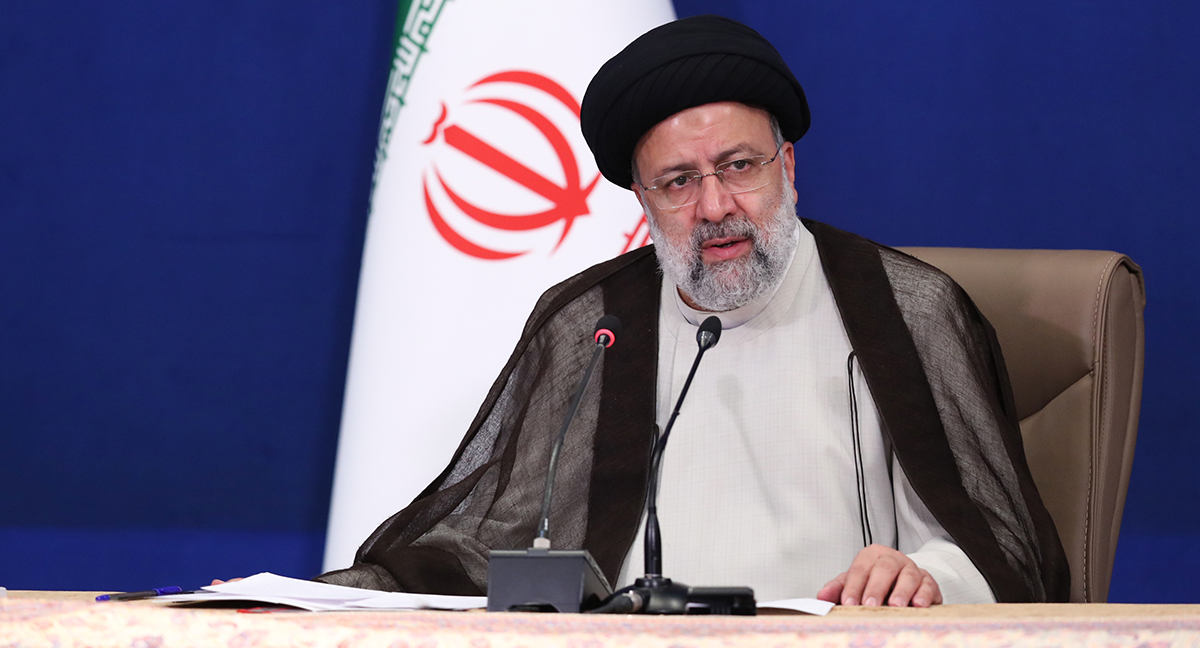
Since the beginning of his presidency, Raisi has called for increasing cooperation with Africa. Contrary to popular perception, this is not part of a hegemonic project to further expand Iranian influence in Africa. Rather, it constitutes an effort to reset relations with the continent after his predecessor spent eight years neglecting it.
Host Alistair Taylor speaks with Khaled Elgindy and Lara Friedman about the release of their recently completed 2022 congressional briefing series on Israel and Palestine: Hot topics in Congress. The eight-part webinar series features an array of Palestinian and Israeli voices, weighing in on some of the most pressing and timely Israel/Palestine-related topics in Congress.
Understanding Algerian unemployment policies beyond rent redistribution
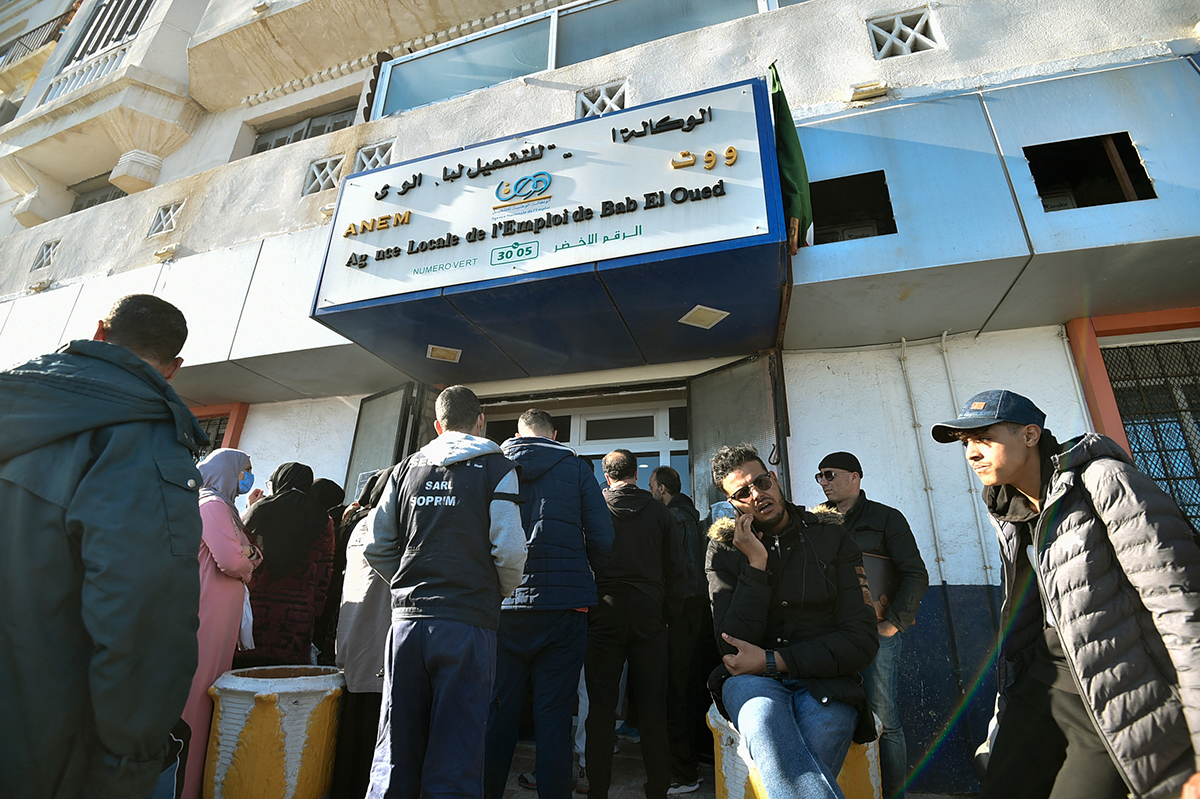
In February 2022, Algerian President Abdelmadjid Tebboune announced a new unemployment benefit for first-time jobseekers aged 19 to 40. On March 28, 580,000 young Algerians received their first $90 monthly payment. Though many young people have rushed to the offices of the National Employment Agency (ANEM) to register for the new benefit, potential problems have already cropped up.
The Yemen government reorganizes, but will it open the door to end the conflict?
At the conclusion of a week of Yemeni-Yemeni internal deliberations hosted by the Gulf Cooperation Council (GCC) in Riyadh, the government of Abdo Rabo Mansour Hadi announced sweeping changes meant to clear away obstacles to cooperation among the anti-Houthi forces in the country and, perhaps, open the door to negotiations to end the civil war now in its eighth year.
تعكس المنشورات السياسية التي تحتفظ بها مكتبة عمان لحظة مفصلية في التاريخ اليمني، في الوقت الذي خضعت فيه اليمن لإصلاح اجتماعي وسياسي كبير ناتج عن الوحدة اليمنية في مايو ١٩٩٠، والتي وحدت شمال اليمن وجنوبه.
Political Ephemera Serves as Unique Window Into 1990s Yemen
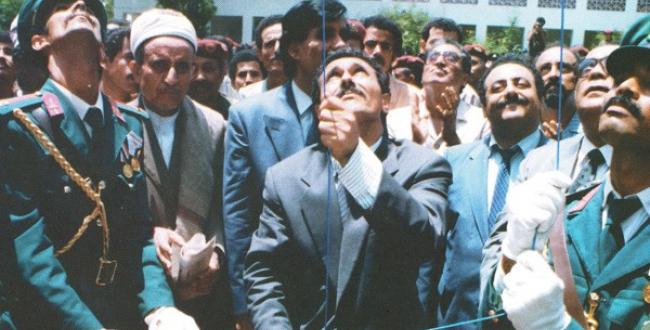
The collection of political documents held by the Oman Library reflects a watershed moment in Yemeni history, at a time when Yemen underwent substantial social and political reform as a result of Yemeni unification in May 1990, which merged North and South Yemen.
Saudi Arabia’s international natural gas aspirations
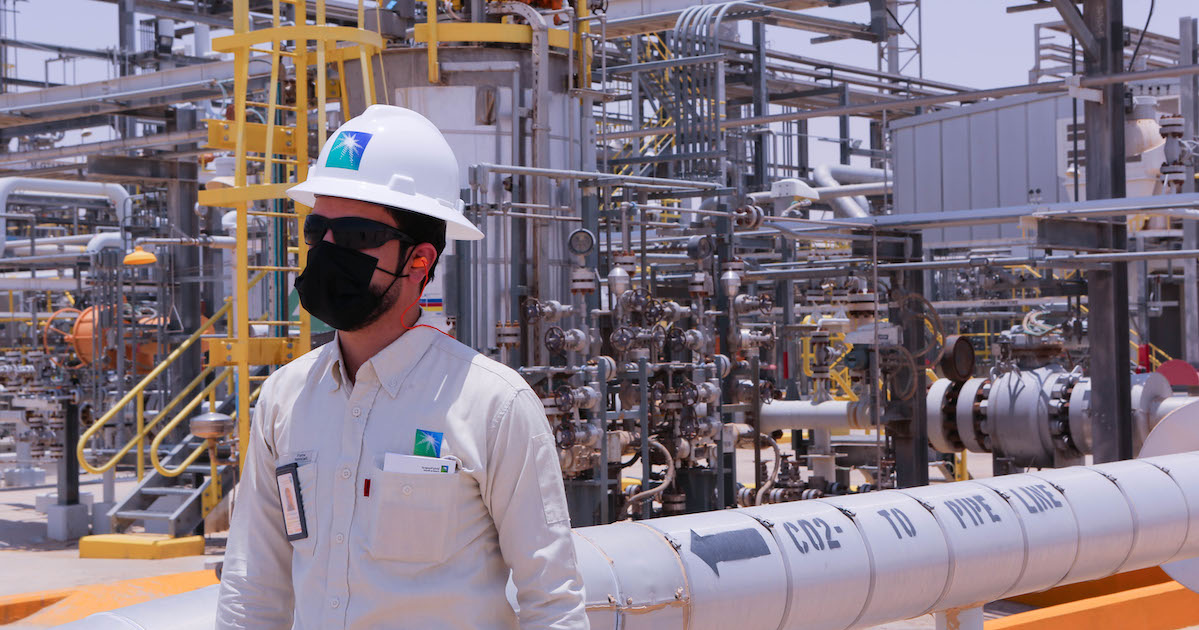
Saudi Aramco seeks to enter the global gas business again. The company aims to build new business opportunities in the hydrogen and CCS sectors utilizing forecasted new domestic gas production. Its main challenges are long-term consistent commodity-cycle-insulated investment and domestic gas resources.
Jordan is walking a diplomatic tightrope on Russia’s invasion of Ukraine
In spite of Jordan’s close ties to the United States and Europe, Amman has found itself walking a diplomatic tightrope in the wake of Russia’s invasion of neighboring Ukraine in late February.