This individual is a guest contributor. MEI is not able to assist with contact requests.
Nabil Mohsen is an Intern at the Middle East Institute’s Oman Library. He is a determined learner who enjoys his studies in politics and is interested in Islamic history, architecture, and ceramics.
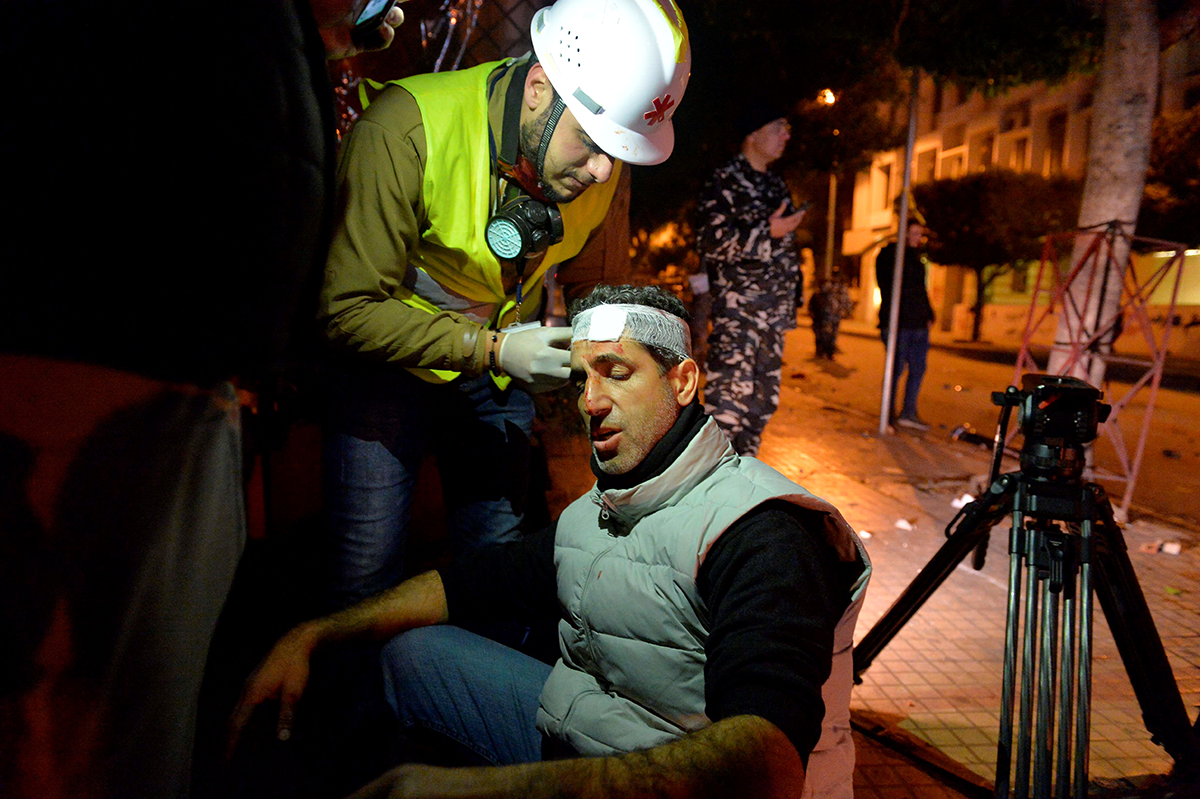
Journalists, media workers, and activists in Lebanon — especially critics of the ruling elite and established political parties — are coming under increasing threat both by private parties, with the authorities unwilling or unable to protect them, and directly by government authorities, often with impunity.
Women and COVID-19 in the Middle East: A year onward
Evidence shows that the impact of the Covid-19 pandemic on the women of the Middle East has been disastrous, as lost employment, disproportionate health and well-being, and the burden of care work have set women back in terms of political and economic gains. Where have the biggest losses been sustained, and how are activists and policymakers across the region seeking to address them? Sahar Khamis and Negar Mortazavi join guest host Eliza Campbell to discuss.
The future of Javad Zarif: A foreign asset in waiting
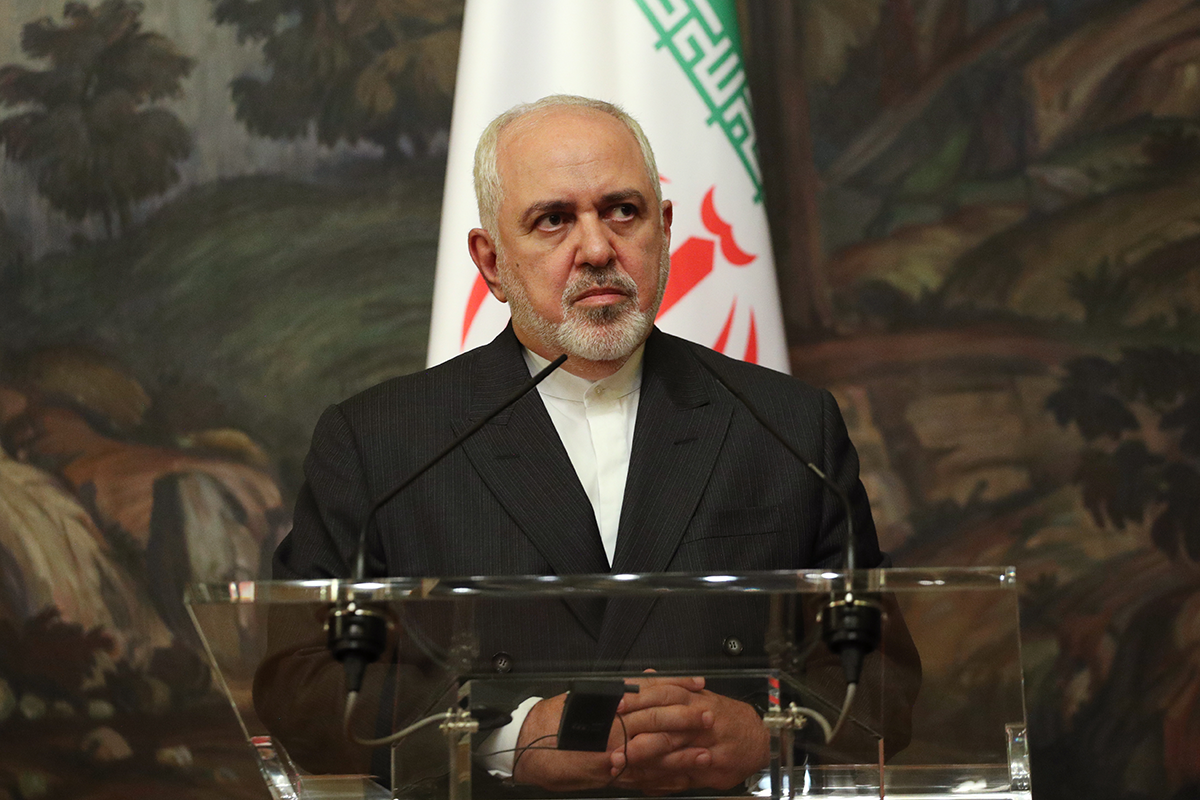
A leaked recording of Iranian Foreign Minister Mohammad Javad Zarif criticizing the role and influence of the regime’s ideological army, the Islamic Revolutionary Guard Corps (IRGC), and its late leader, Gen. Qassem Soleimani, has been making the rounds in international and Iranian media. For Zarif, the Islamic Republic’s shrewdest political mind, who once said he “ensures the details of private meetings are not disclosed,” the recording, of a three-hour interview in March with the journalist Saeed Leylaz, was extremely frank and generous in detail. The timing of the leak also appears to be key.
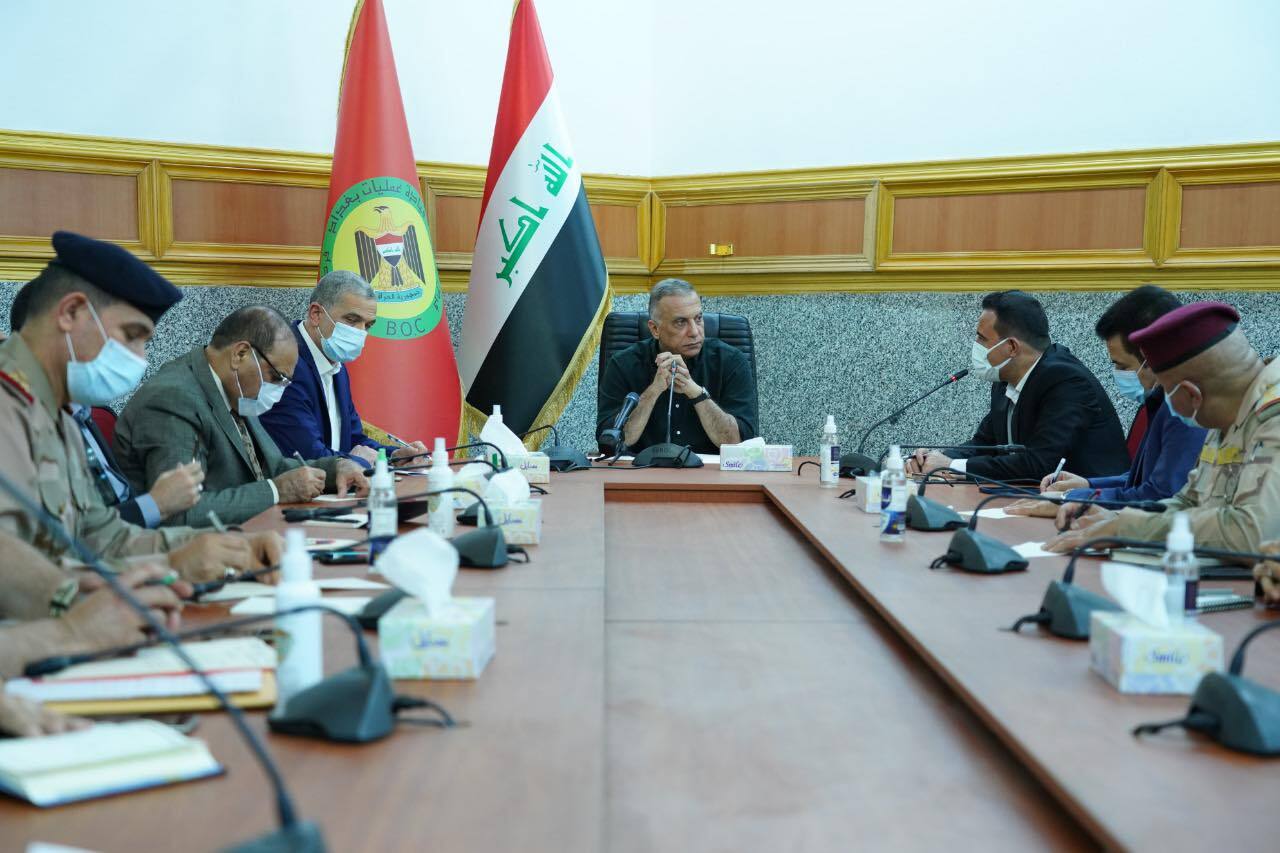
“إذا كان الاجتماع الإيراني السعودي في بغداد نتيجة دبلوماسية عراقية قديرة وذكية، فإن مأساة المستشفى هي نتيجة للفساد المستشري في الطبقة السياسية وثقافة الإفلات من العقاب”.
Iran’s pre-election social media buzz: Toward avoiding a repeat of 2020
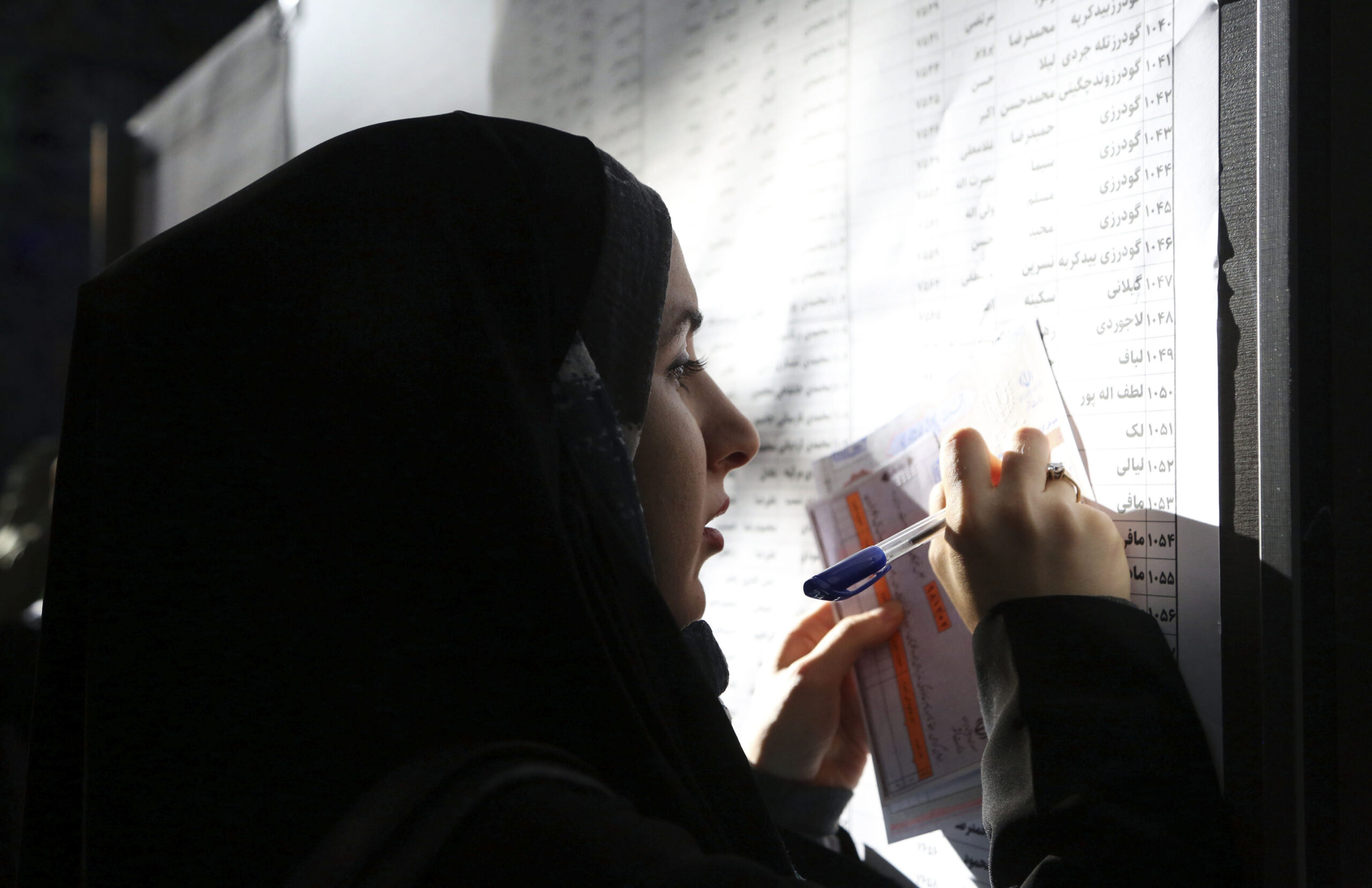
Iran’s presidential election is set to be held in less than two months, but the dynamics in the country’s domestic politics have changed significantly compared to 2017. The parliamentary elections of February 2020 saw the lowest voter turnout since the 1979 revolution, with only about 40% of Iranians casting a vote. Now, with the June presidential elections on the horizon, Tehran fears a repeat.
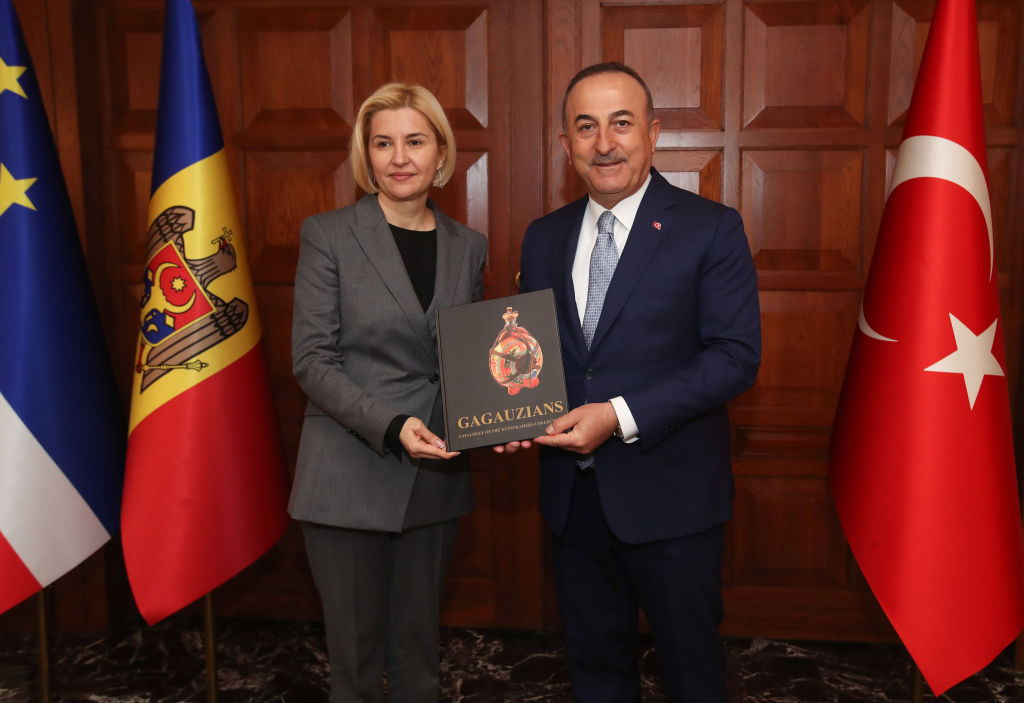
The Autonomous Territorial Unit of Gagauzia: A new focal point for Russo-Turkish competition?
Although many policymakers and commentators in the West tend to see Turkish President Recep Tayyip Erdoğan and Russian President Vladimir Putin as often working together, history shows us that the natural state of affairs between Russia and Turkey is one of competition, confrontation, and even conflict.
Recent geopolitical events remind us of this. However, there is another area to keep an eye on that serves as a historical and cultural fault line of Turkish and Russian geopolitical rivalry: the Autonomous Territorial Unit of Gagauzia located in southern Moldova.
Expert Views: The Biden administration and the Middle East: Reflecting on the first 100 days
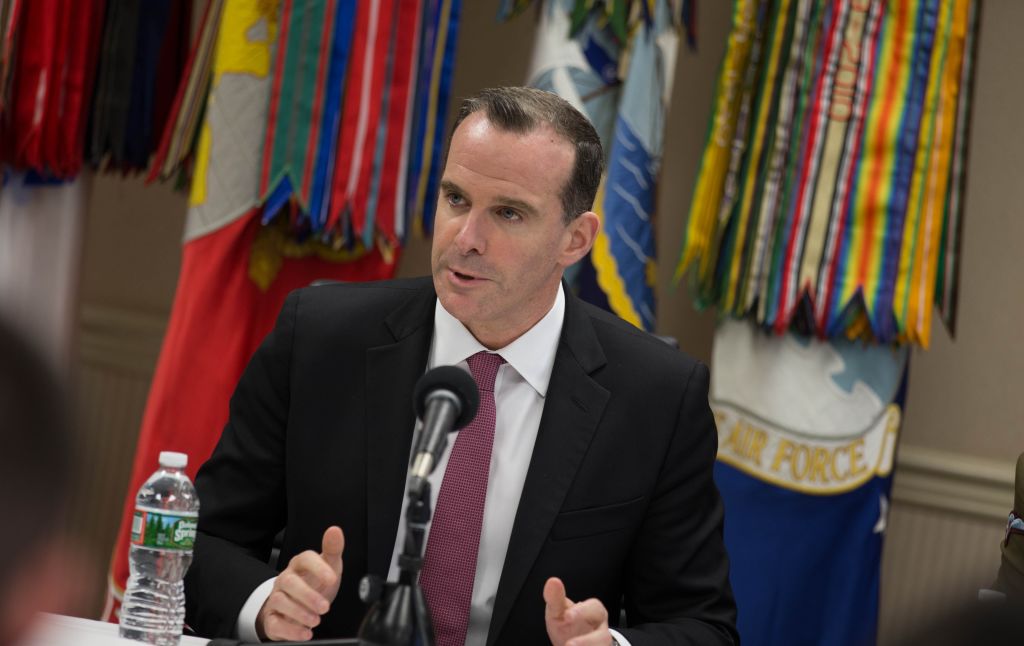
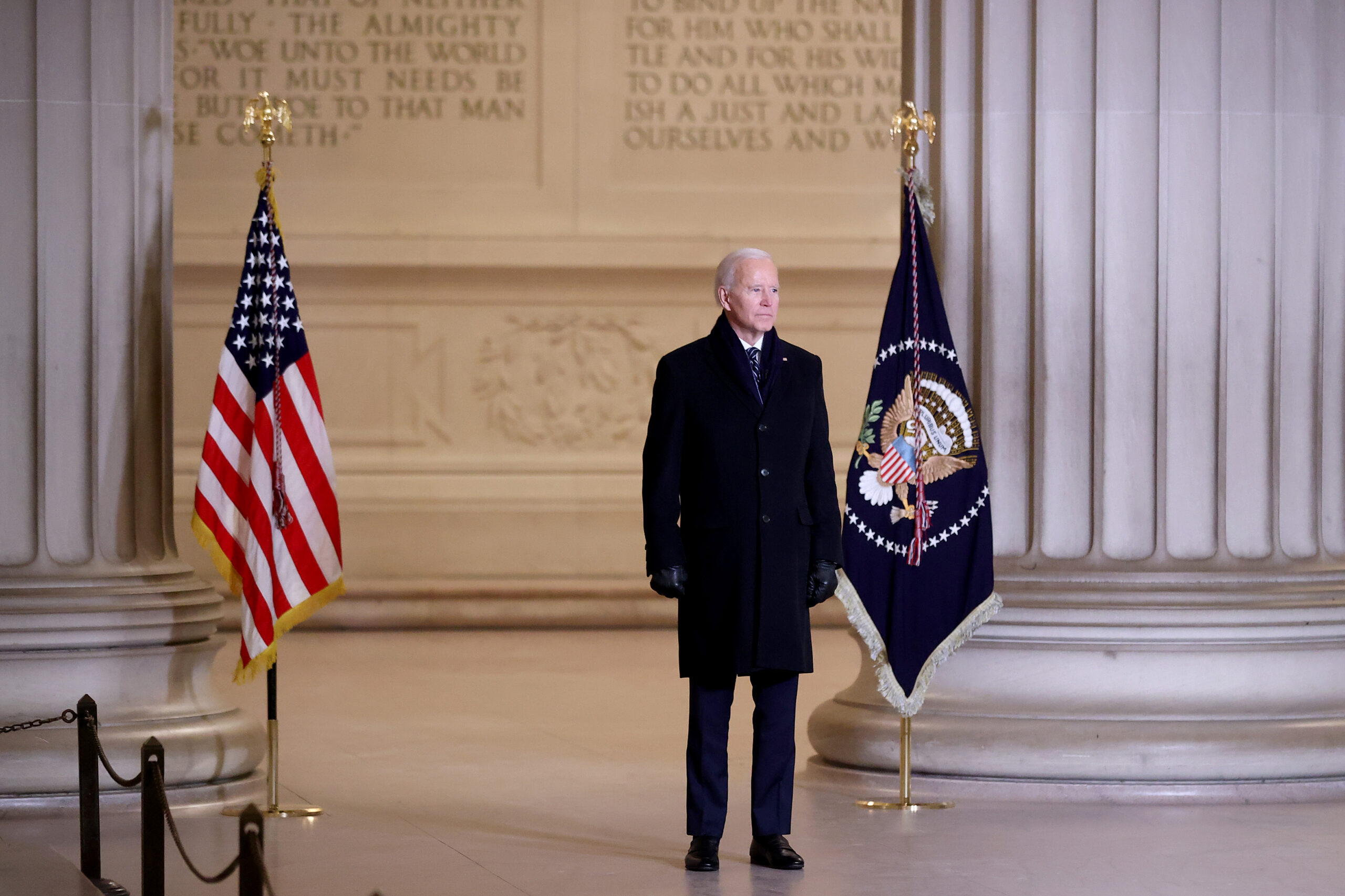
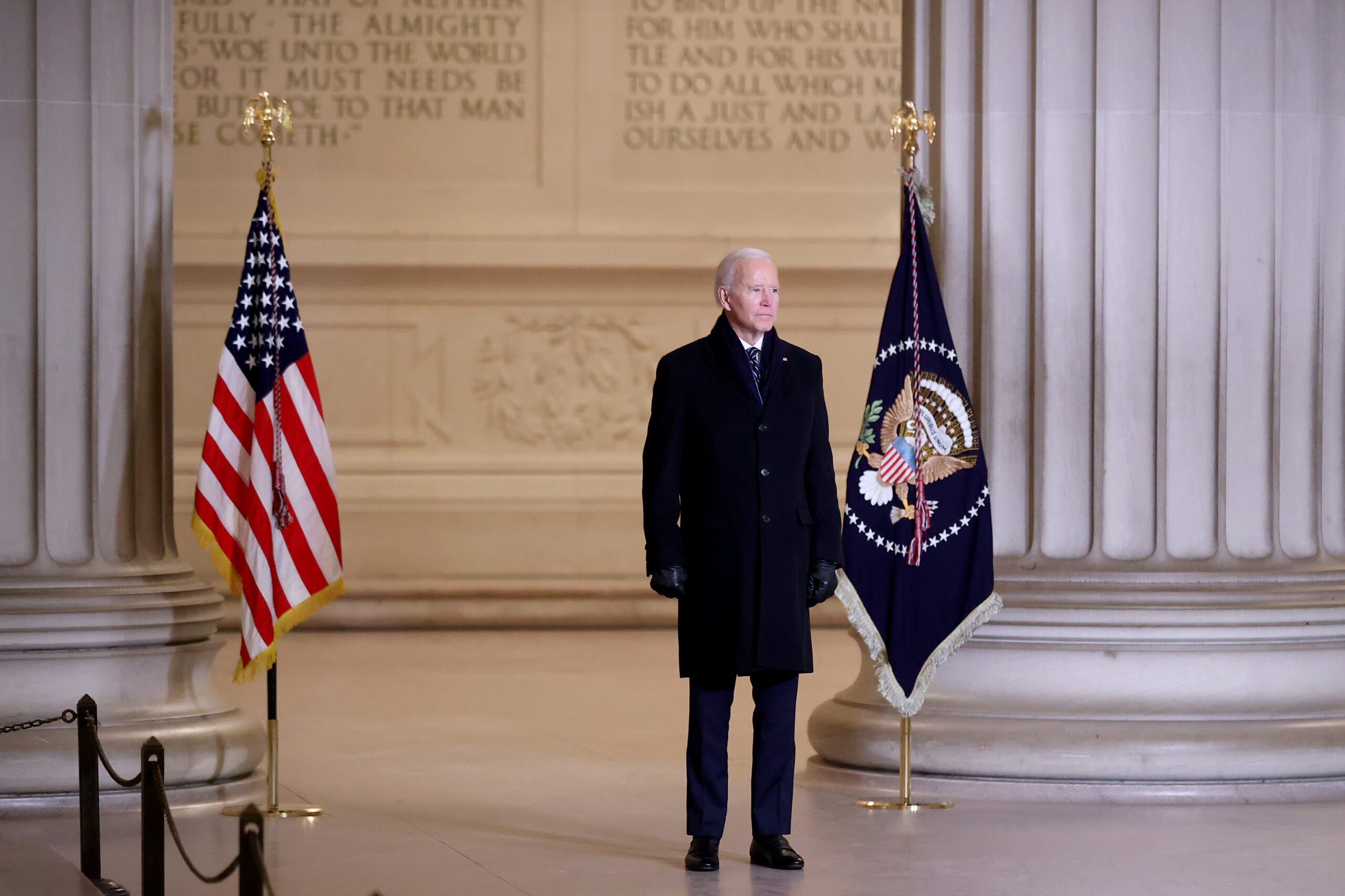
At the end of Joe Biden’s first 100 days as president of the United States, where do things stand when it comes to U.S. policy toward the Middle East and North Africa? We asked experts and scholars from across MEI to weigh in with their thoughts on the changes we’ve seen so far, the new challenges that have emerged, and what we know about the administration’s key priorities for the region.
United States partnerships with Georgia and Ukraine: Prospects for advancing military cooperation
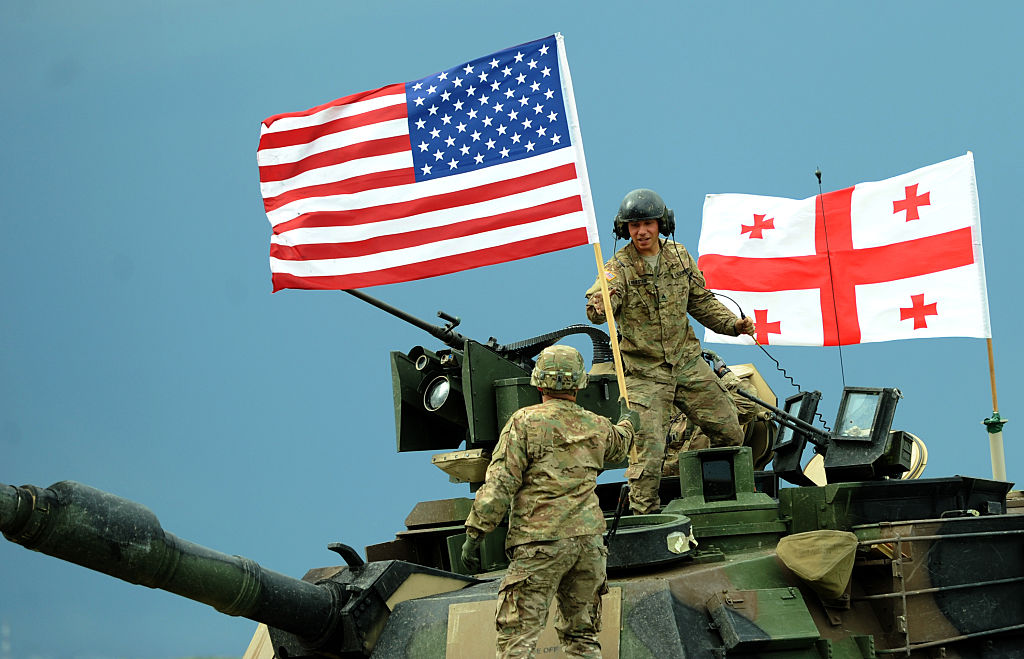
A spotlight has been cast over the Black Sea region for the past two decades. Located at the geopolitical junction of Western Europe, Russia, and the Middle East, the Black Sea littoral states have partnered with Western powers on global counterinsurgency and anti-terrorism efforts. Simultaneously, the Black Sea region continues to face insecurities triggered by enduring great power competition. The importance of stability in the Black Sea region has long been recognized by the West.
The unfolding struggle for political survival in Lebanon
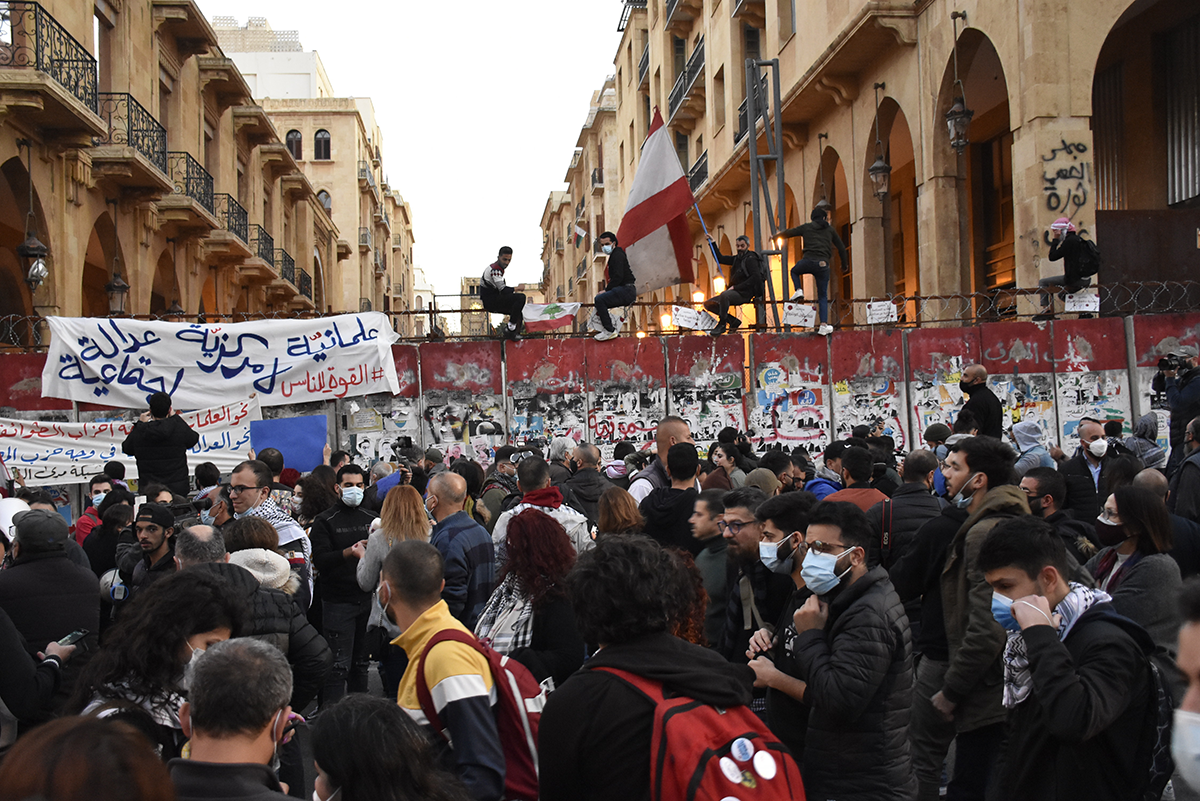
Lebanon’s political leaders are getting deeper into trouble, and they know it. This does not make them any less dangerous. Recurring skirmishes over cabinet formation — namely those referencing constitutional powers, cabinet size, sectarian representation, and ministerial allocation — continue to dominate the public discourse and waste precious time. They remain, however, peripheral to the central issue that establishment parties currently face: an all-out struggle for political survival at a time when tough and unapologetic decisions need to be made.
The new wave of normalization in Turkey’s Middle East foreign policy
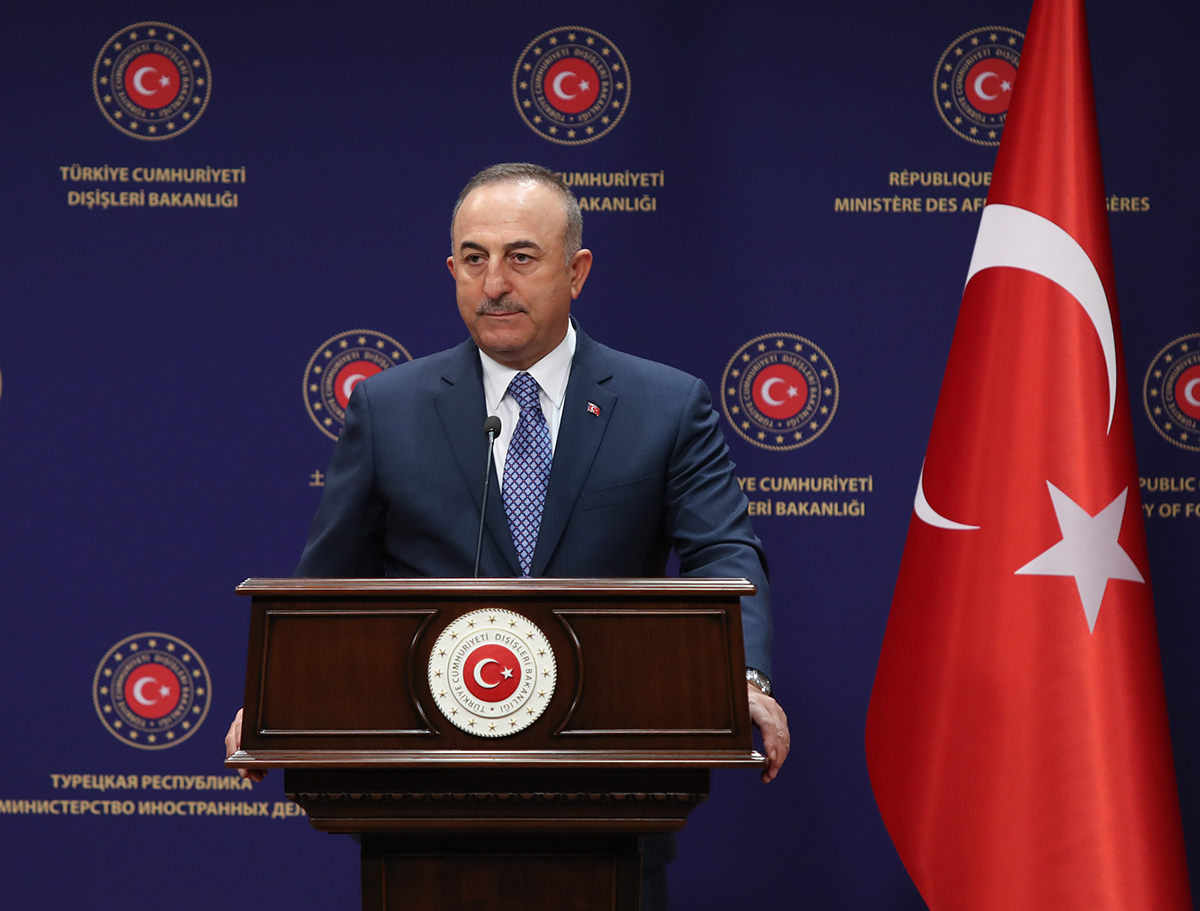
In the past several weeks, news has been coming out of Ankara regularly about normalization in relations with countries with which Turkey has had problematic relationships for some time.
The Biden administration should play a key role in building a stronger Egypt where human-rights abuses are both rare and addressed by pushing back against the potential for any new regime.