Nabil Mohsen is an Intern at the Middle East Institute’s Oman Library. He is a determined learner who enjoys his studies in politics and is interested in Islamic history, architecture, and ceramics.
The Latest from Nabil Mohsen

حلقة 23: هل يستطيع بايدن إيقاف حرب اليمن؟ — مع ندوى الدوسري
صرّح بايدن “يجب أن تنتهي هذه الحرب” ، ولكن هل هذا ممكن؟ وهل تستطيع الولايات المتحدة القيام بذلك؟ تقدّم الباحثة ندوى الدّوسري رأيها في الواقع السياسي والعسكري في اليمن اليوم، أبرز التحديات أمام الوصول إلى تسوية في اليمن، الدور الإقليمي والدولي، والروافع التي تملكها الولايات المتحدة على مختلف الأطراف في اليمن، وتوصياتها لأفضل سياسة يمكن أن تنتهجها الولايات المتحدة سواءً لإيجاد حل للصراع على المدى الطويل أو لتخفيف المعاناة الإنسانية على المدى القصير.

Conflict and Rivalry in the South Caucasus
Paul Goble, Gonul Tol, and Alex Vatanka join host Alistair Taylor to discuss the Nagorno-Karabakh conflict and the role of Russia, Turkey, and Iran in the South Caucasus.
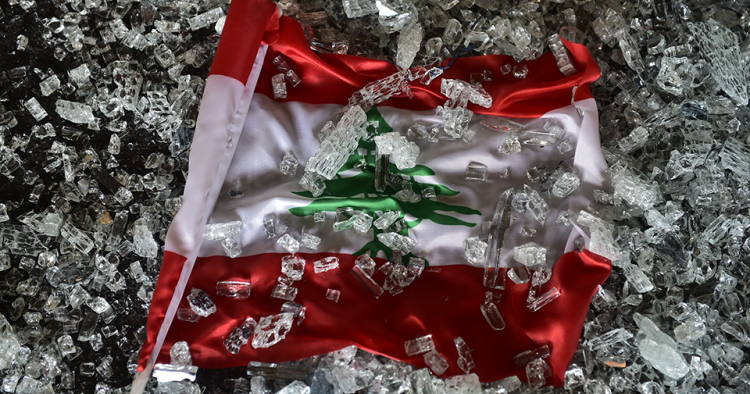
Lebanon joins a frayed Arab region
Lebanon and its citizens have endured many hardships in recent years. Two dimensions of Lebanon’s condition today are especially striking, however, and augur more difficult times ahead. First, Lebanon has become just another pauperized and increasingly militarized Arab country whose citizens rebel against state authorities. Simultaneously, the regional and international powers that once engaged in it for their own purposes seem less interested in saving it from its self-inflicted decline.
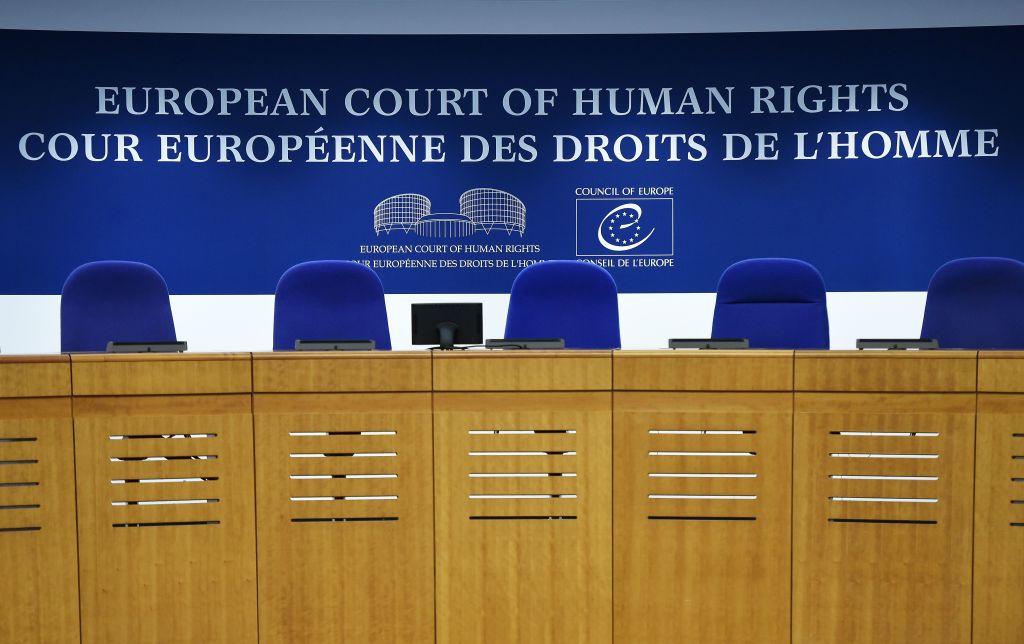
Georgia’s historic victory: Implications of the ECHR ruling
Amidst the pandemic and global economic hardships, Georgia has had an eventful beginning to the year, scoring a long-awaited victory against Russia. On 21 Jan., 2021, the European Court of Human Rights (ECHR) announced its verdict on the interstate case brought by Georgia against Russia, holding Moscow responsible for breaching six articles of the European Convention of Human Rights.
حلقة 5: آراء من واشنطن – إردوغان يقترح صياغة دستور جديد
في حلقة ‘آراء من واشنطن’ يستعرض إبراهيم الأصيل رأي لسيرين كوركماز حول مقترح إردوغان لصياغة دستور جديد والأسباب وراء ذلك والنتيجة المحتملة.
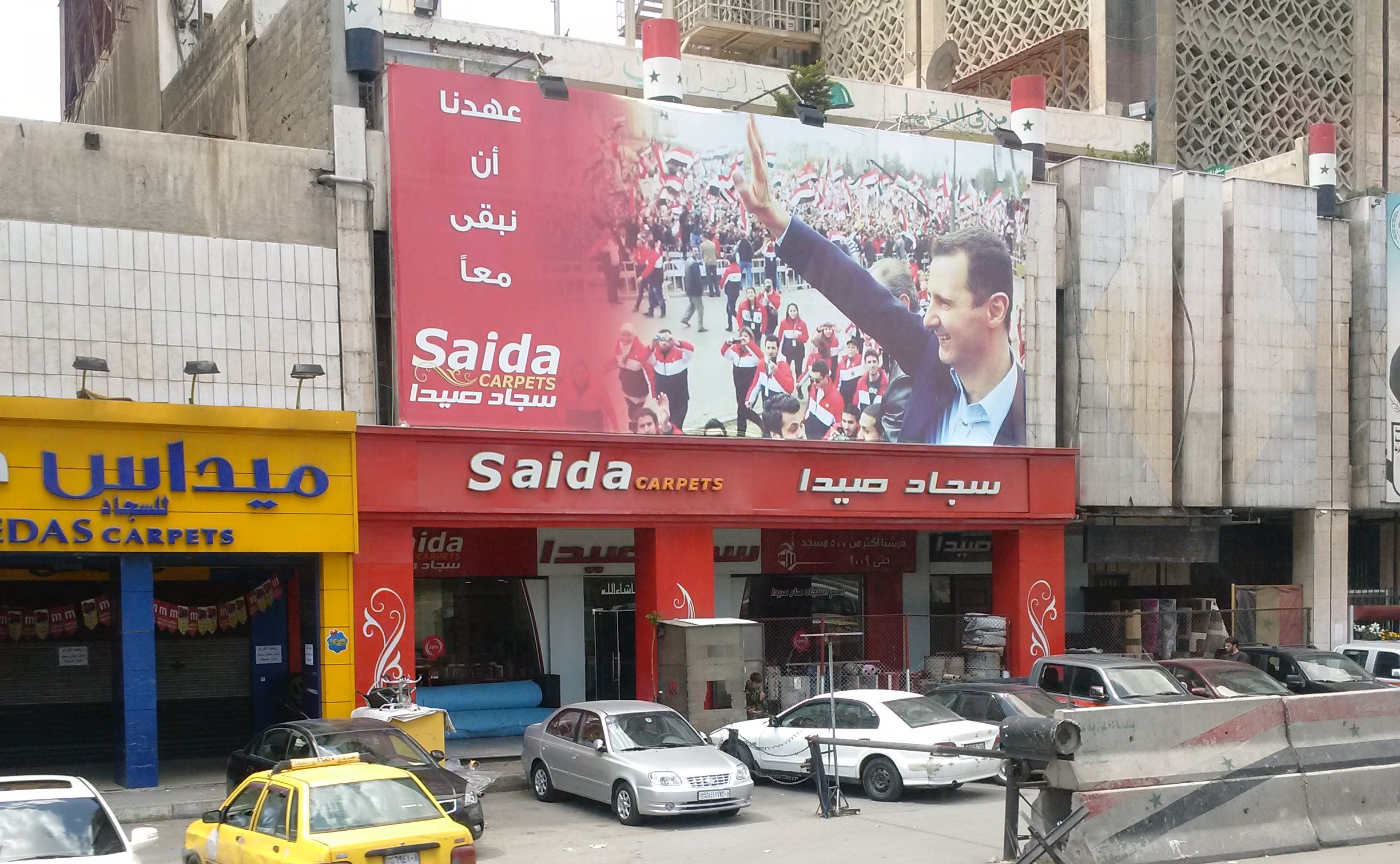
Can Syrian social cohesion survive “without Assad”?
“I have prepared the country for you for 20 years,” said Hafez al-Assad before his death in 2000, to his son Bashar. What did Hafez mean and what are the implications for the future of Syria, now that presidential elections loom once more?
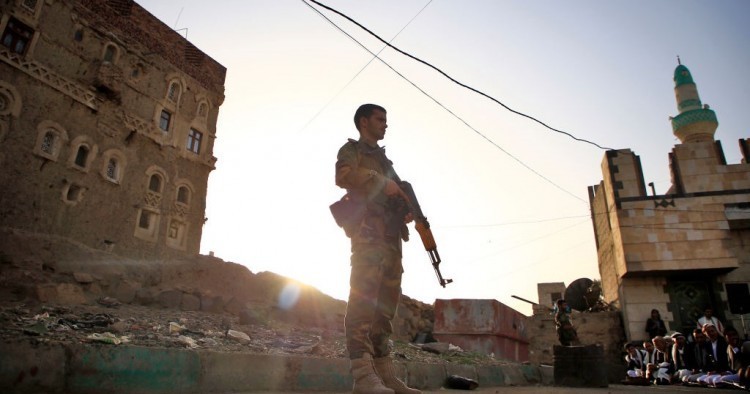
Opinion: Yemen's Arab Spring goals were lost. Here's how to bring them back
The president’s decision to end support for Saudi Arabia’s offensive operations in Yemen was certainly broadly anticipated. Nevertheless, it offers new hope for an end to more than six years of brutal conflict that has largely pitted Saudi-led coalition forces against Houthi rebels supported by Iran.

Webinar Series | Ten Years After the Arab Spring: Middle East Writers Reflect on the Arab Uprisings – Featuring Yasmine El Rashidi
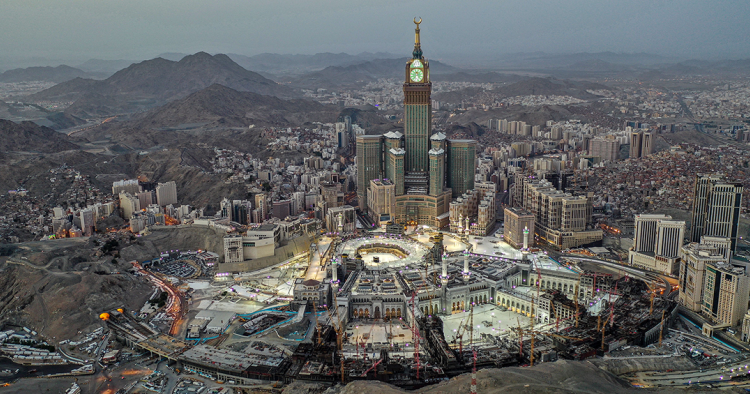
Socioeconomic Dynamics in the Gulf: A Conversation with Middle East Journal Contributors
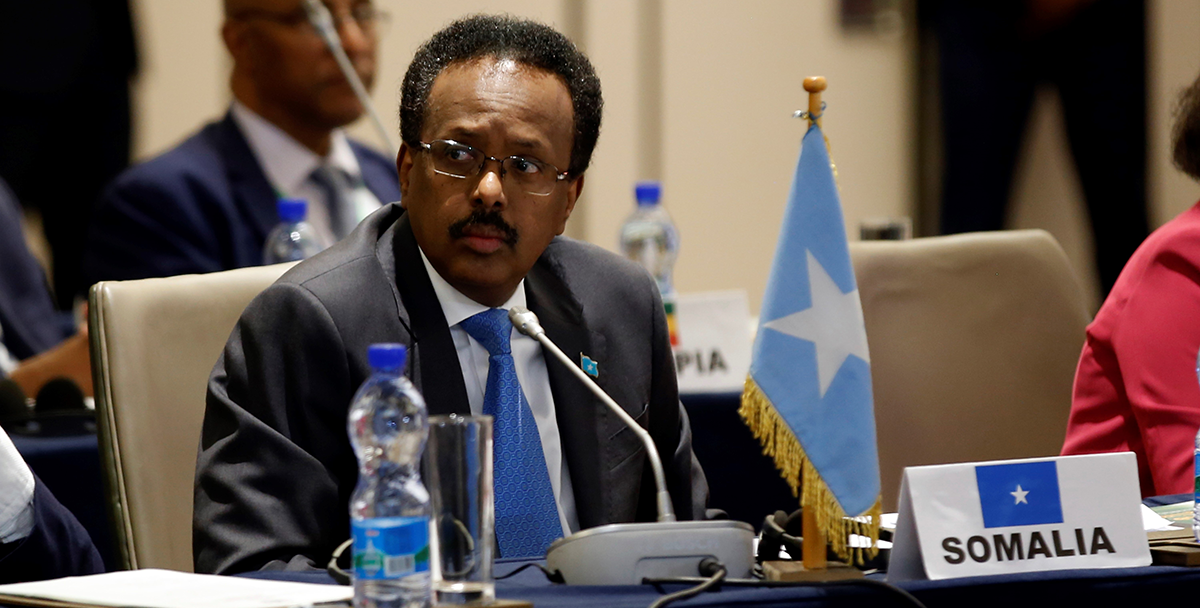
As Farmaajo digs in with Qatari backing, Somalia’s election crisis grows worse
Mohamed Abdullahi Farmaajo’s presidential term ended on Feb. 7, 2021, but he remains in office, determined to hold onto power. Backed by Qatar, the incumbent president has become increasingly dictatorial, waging wars against the country’s independent media, political opposition, and the federal member states.
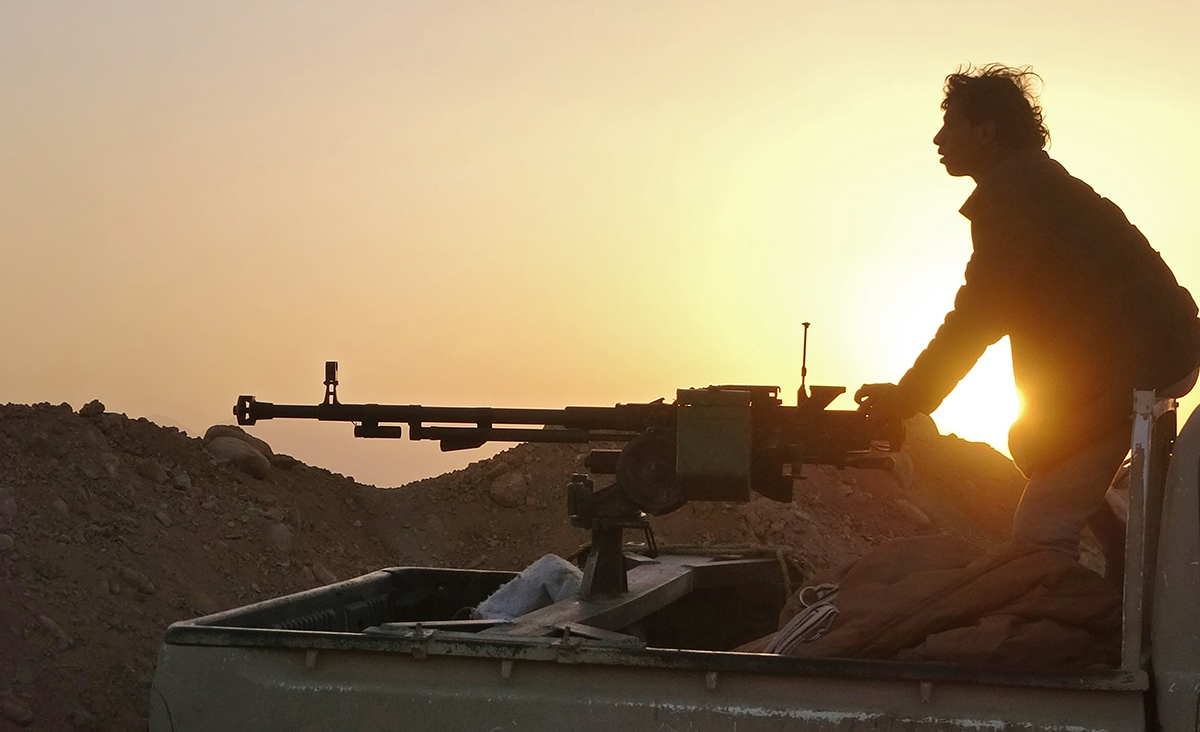
Why the “end the Yemen war” narrative is problematic
On Feb. 4, the Biden administration announced the appointment of Timothy Lenderking as the U.S. special envoy to Yemen. In a televised speech, President Joe Biden said that by appointing Lenderking, the U.S. is stepping up its diplomatic efforts to end the war in Yemen and by extension the humanitarian catastrophe the war has created. While Lenderking’s appointment is a much-needed step, the “end the Yemen war” discourse championed by Western policy analysts, diplomats, and peace advocates is highly problematic and disconnected from the reality on the ground.
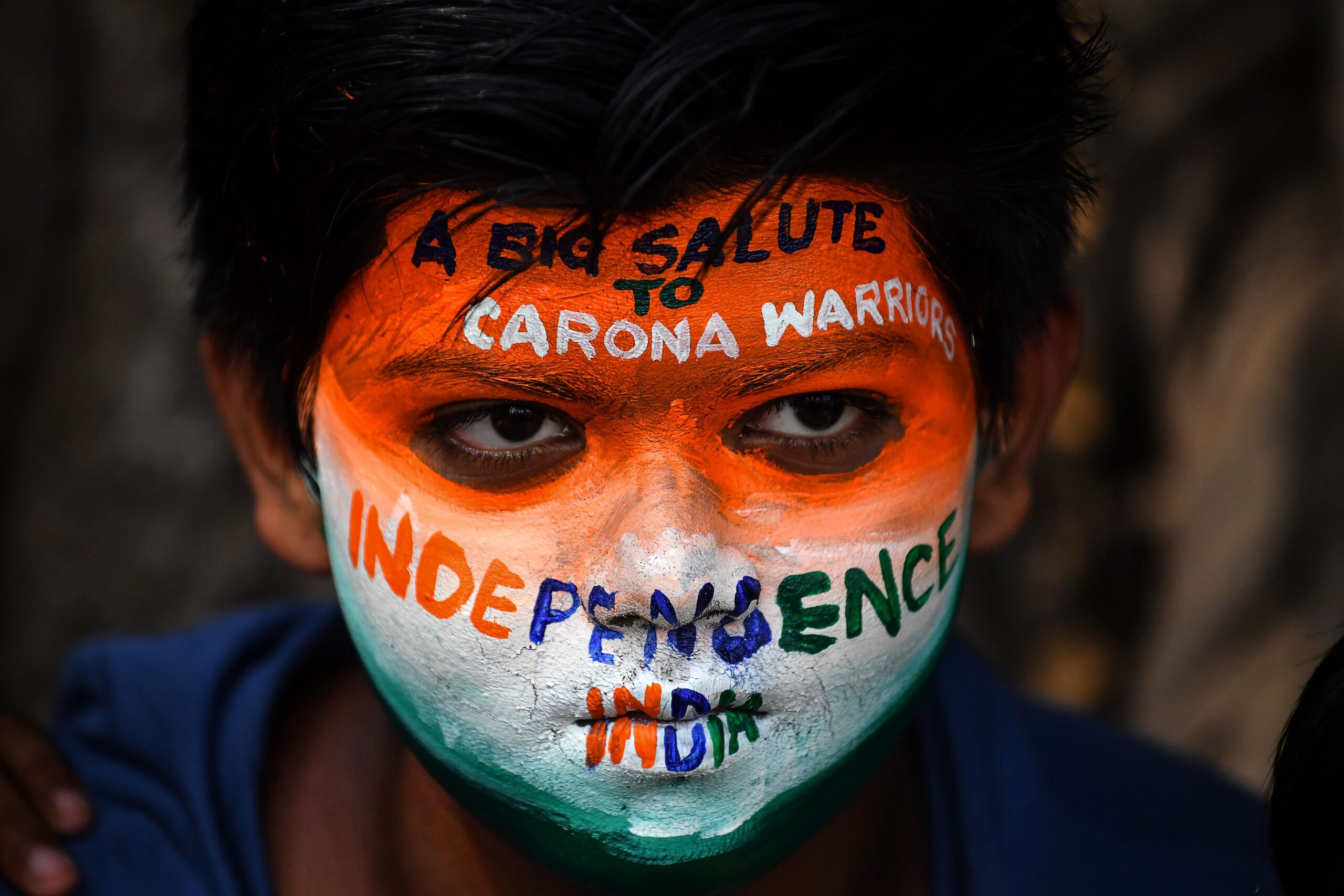
India’s Path to 10.8 Million Covid-19 Cases: Socio-Economic Impact and State Response
In a March 24, 2020 press conference in Geneva, Michael Ryan, Chief Executive Director of the WHO’s Health Emergencies Programme, remarked in a press conference in Geneva that India had “tremendous capacities” to deal with the coronavirus outbreak and that “it is exceptionally important that countries like India lead the way to show the world what can be done.” As governments continue to grapple with COVID-19, it is imperative to study which measures have been effective and which have not. This article takes a brief look at the actions the Indian government has taken to respond to the pandemic.
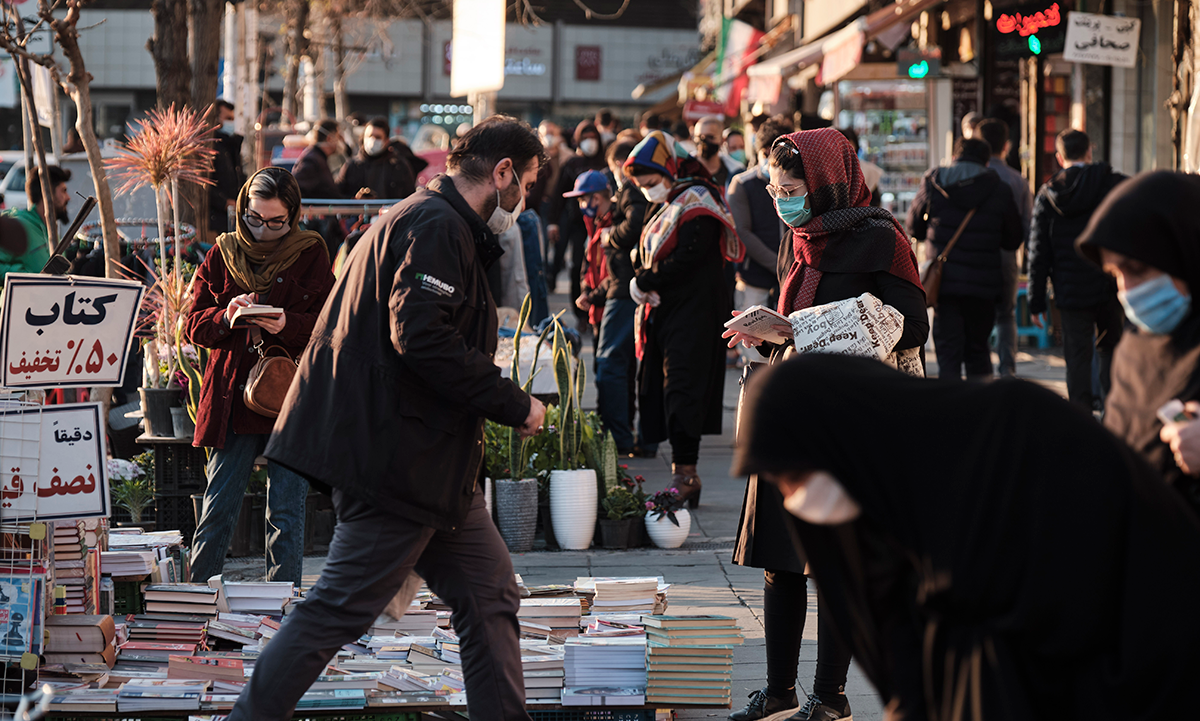
Iran’s unrealized economic potential
The news coming out of Iran does not paint a pretty picture of its economy. Economic mismanagement, widespread corruption, weak legal and institutional capacity, and unfavorable business regulations, alongside the unprecedented U.S. financial and economic sanctions and the coronavirus pandemic, have been choking the Iranian economy. However, with a population of 85 million, half under the age of 30 and highly educated, as well as a strategic location on the Persian Gulf and vast reserves of energy and other natural resources, including wind and solar energy, Iran’s economy has incredible potential waiting to be unlocked.
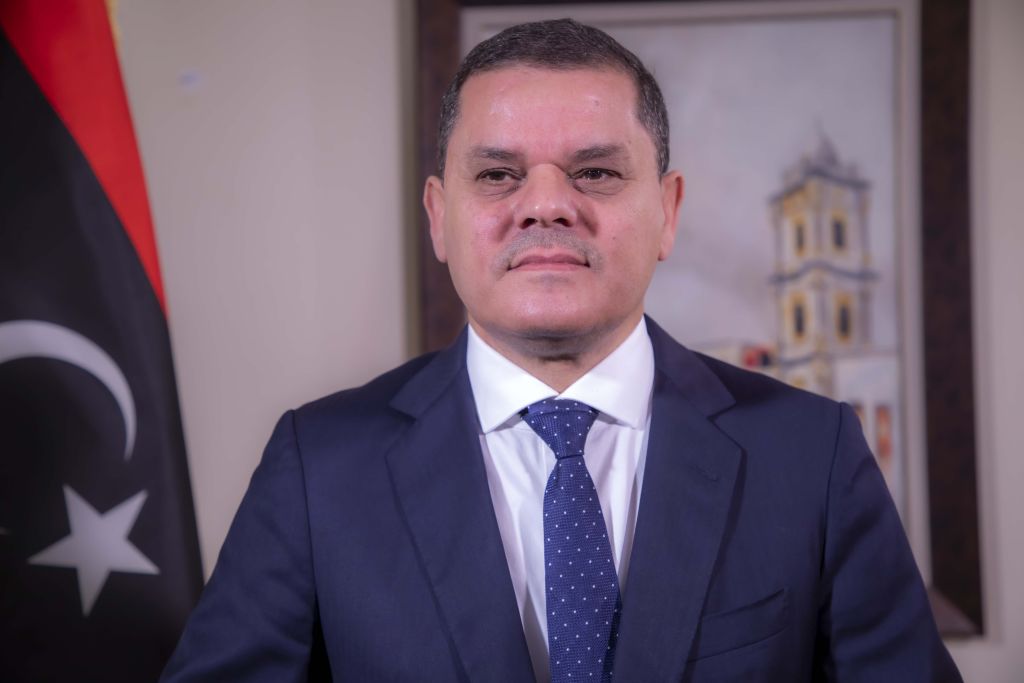
رئيس جديد للحكومة الليبية، ولكن تاريخ عائلته زاخر بالغموض والتعقيدات كمثل حال البلد نفسه
“يَدعي عبد الحميد الدبيبة أنه شعبوي وصل لمنصب سياسي لأنه أتى من خارج الأوساط السياسية، وأن مؤهلاته هي وعوده القائمة على ما أسماه تجفيف مستنقع الفساد. ولكن الحقيقة أن هذه مجرد شعارات.