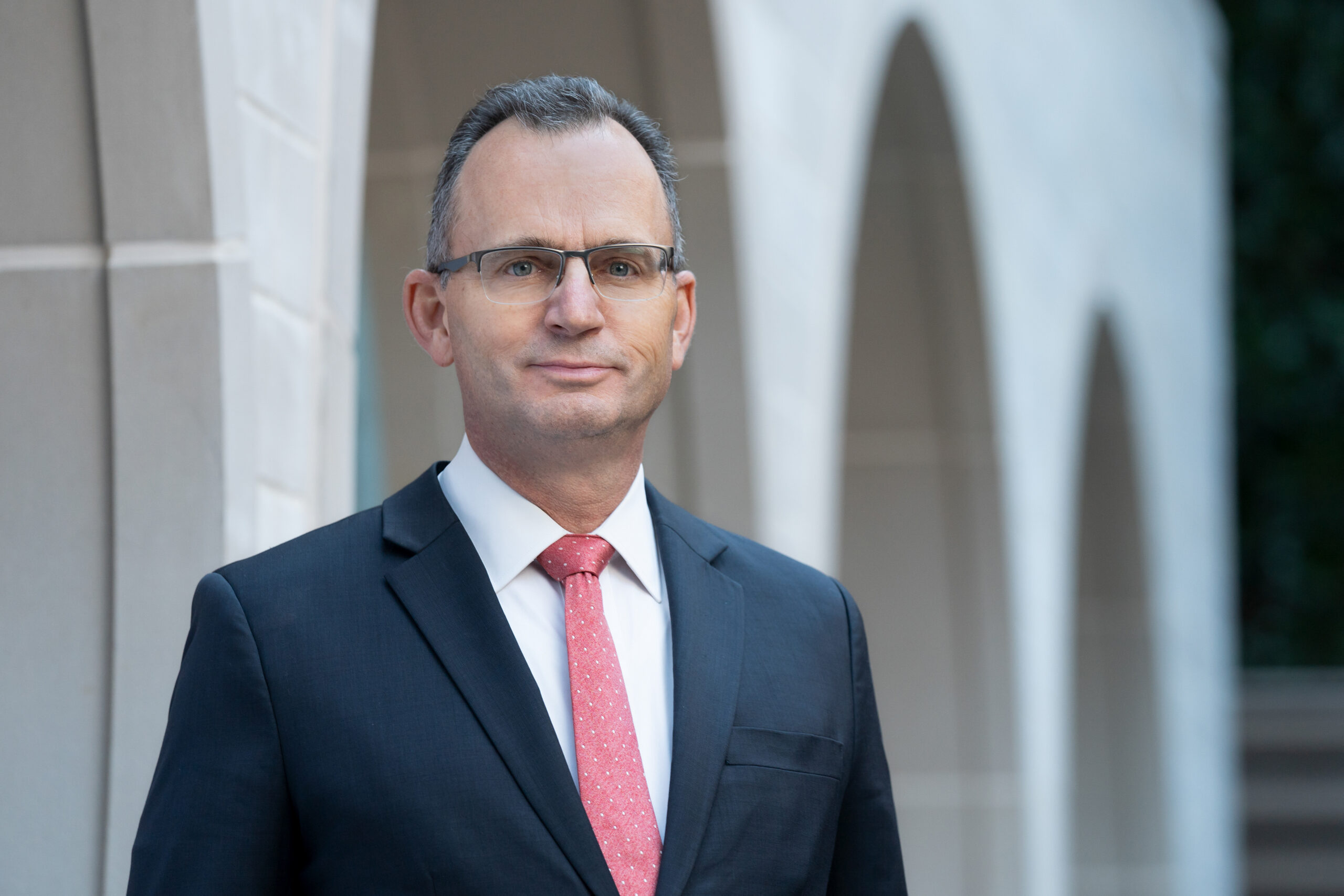
Paul Salem is a former Senior Fellow at the Middle East Institute (MEI). He previously served as MEI’s president and CEO and as vice president for international engagement. His research focuses on political change, democracy and governance, social and economic policy, as well as regional and international relations in the Middle East.
Prior to joining MEI, Dr. Salem was the founding director of the Carnegie Middle East Center in Beirut, Lebanon (2006–2013). From 1999 to 2006, he served as director of the Fares Foundation, and earlier founded and led the Lebanese Center for Policy Studies (1989–1999), Lebanon’s premier public policy think tank.
Dr. Salem is also a musician and composer of Arabic-Brazilian jazz, with his music available on iTunes. He writes regularly on his Substack blog, Thinking Middle East.
He holds a BA, MA, and PhD from Harvard University.
The Promise of Arab Youth: Gone Today, Here Tomorrow
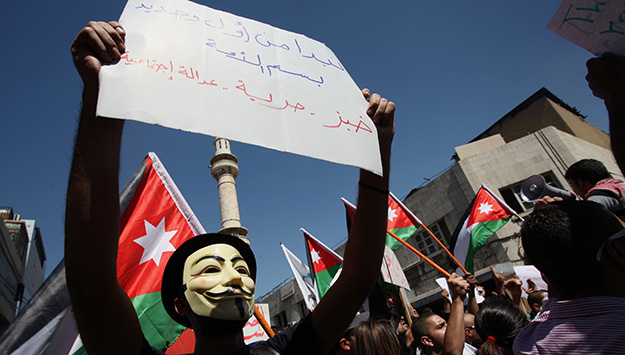
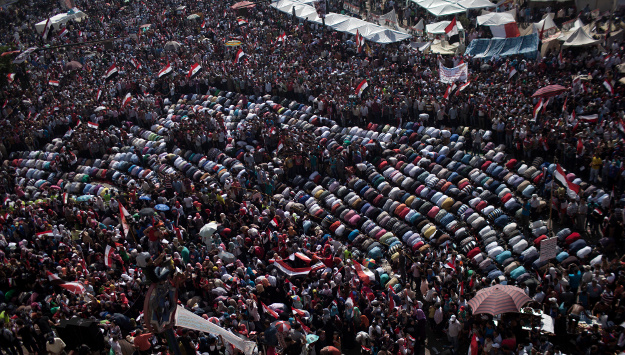
After the latest attacks in Tunisia, Kuwait, Paris, and Sinai, attention is focused once again on the threat posed by the radicalization of youth. Indeed, Arab youth do represent a threat—to the established order. They came out in their millions in 2011 to demand freedom, dignity, and jobs, and these demands will not go away. They have been pushed back out of the public space by older institutions reviving fights between state authoritarianism and dreams of a caliphate, and indeed some youth, out of frustration, will radicalize and turn to violence.
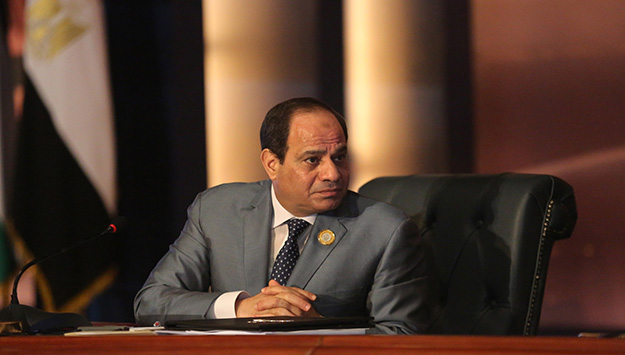
In the year since being elected to the presidency, Abdel Fattah el-Sisi has consolidated a ruling coalition, restored economic growth, and brought back considerable stability to the country after four years of turmoil. But this has come with a harsh crackdown on dissent, a decline in freedoms and human rights, and abuses by the police and judiciary. In the short term, the combination of nationalism, modest economic growth, and highlighting the war on terror is politically sustainable among a broad cross section of the population frustrated by years of uncertainty and economic decline.
In a significant New York Timesop-ed on April 20, Iranian Foreign Minister Mohammad Javad Zarif made a pitch for regional dialogue between Iran and its neighbors.
In Chapter 4 of “Rocky Harbors: Taking Stock of the Middle East in 2015,” published by the Center for Strategic & International Studies, Paul Salem chronicles and analyzes the shifting fortunes of political Islam in the region.
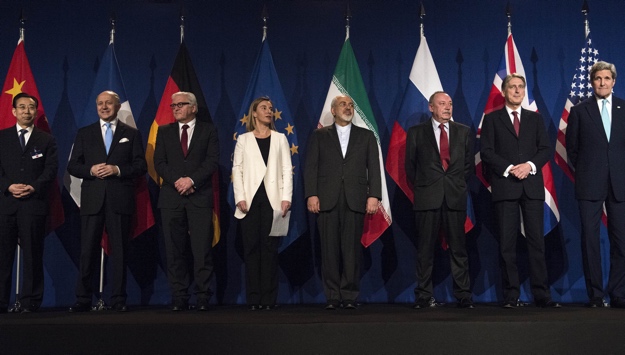
Will the Nuclear Deal Help or Harm Regional Stability?
As the United States and other world powers pursued nuclear negotiations with Iran over the past 18 months, the Middle East descended into one of the worst periods of chaos and proxy conflict in its modern history, with Iran engaged aggressively in many of the region’s hotspots. Most leaders in the region fear that a nuclear deal with Iran will abet its aggressive interventionism and lead to further geopolitical and sectarian confrontation. But could the agreement—if it is completed—also create conditions for rebuilding stability?
March 26, 2015 – Paul Salem discusses the new challenge the unfolding crisis in Yemen poses to the region, and how the Arab League and the United States are responding as the fight against ISIS continues.
The Middle East in 2015 and Beyond: Trends and Drivers
Four years after the uprisings that broke the mold of the old Middle East, 2015 promises to be another year of tumultuous change. The eruptions of 2011 unleashed decades of pent-up tensions and dysfunction in the political, socioeconomic, and cultural spheres; these dynamics will take many years, if not decades, to play themselves out and settle into new paradigms and equilibriums.
A version of this article appeared in Arabic in the Al-Hayat newspaper on Friday, October 31.
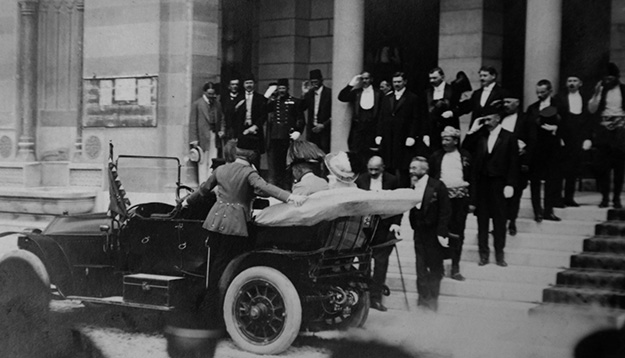
As 2014 draws to a close, it is striking to reflect on the parallels between 1914 and 2014, and to consider that the global and Middle East regional orders could be in the process of undergoing changes as profound as the changes that were unleashed in 1914.
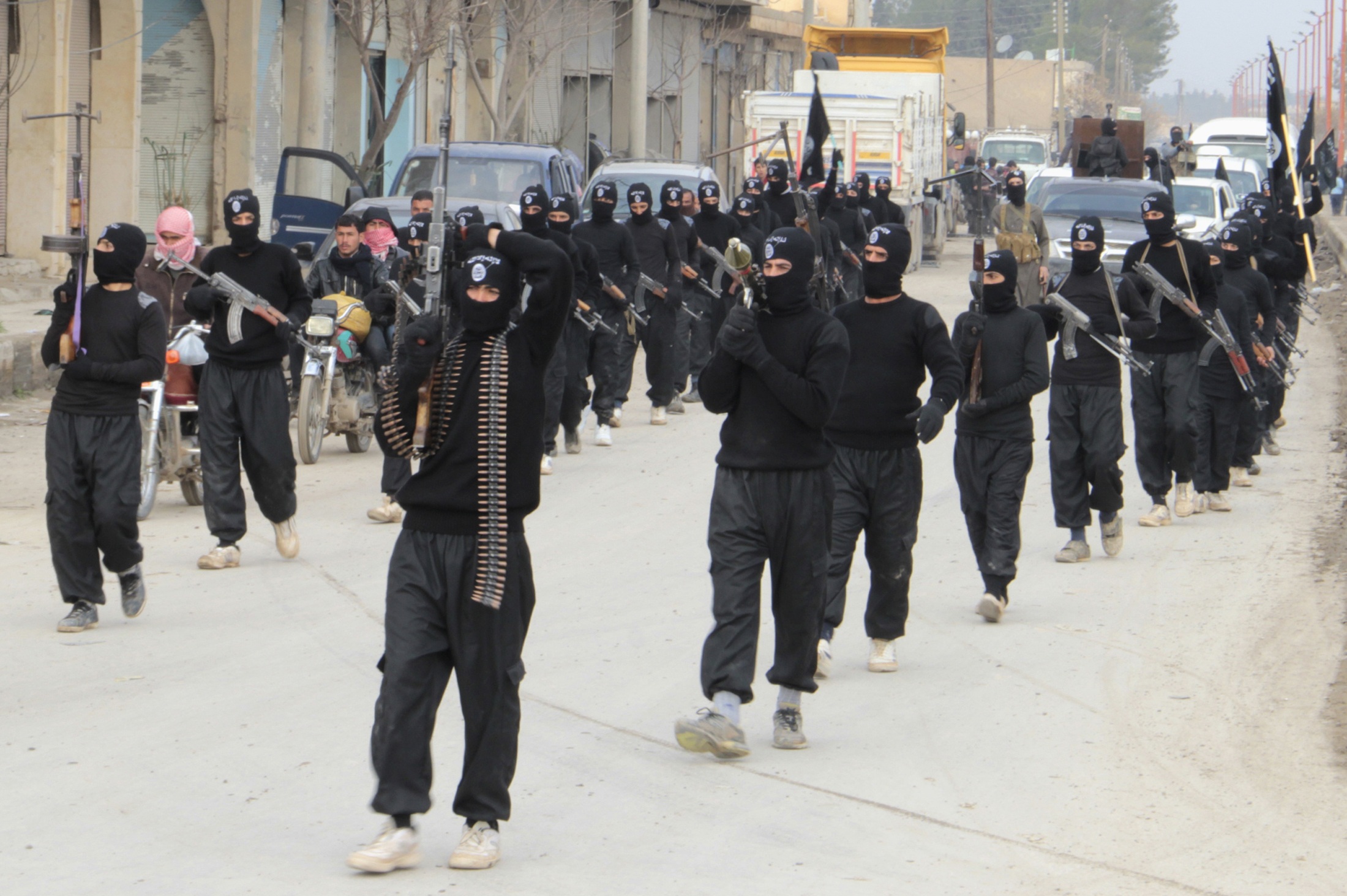
The outlines of a US strategy to roll back ISIS, or the ‘Islamic State’ as it styles itself, in Iraq have become relatively clear, even if success is uncertain.
Paul Salem, MEI’s vice president for policy and research, examines President Obama’s decision to step up US intervention against the Islamic State (also known as ISIS) in Iraq, and what it implies for broader US policy in the region, in this Expert Q&A.
How do you read the import and impact of President Obama’s recent announcements of airstrikes and humanitarian intervention in Iraq?
Egyptians have headed to the polls to elect a president for the second time since the January 2011 revolution. Field Marshal Abdul-Fattah el-Sisi is expected to win by a wide margin over the only other contender, leftist politician Hamdeen Sabahi. The magnitude of that victory, however, will have an important impact on Sisi’s electoral mandate, and many questions remain about what he plans to do with it once in power.