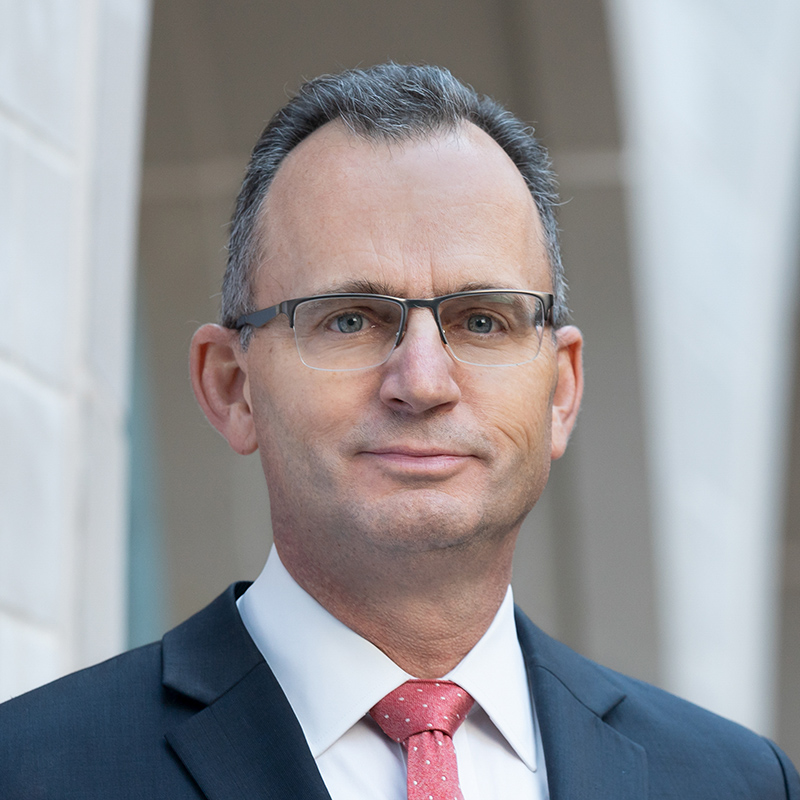
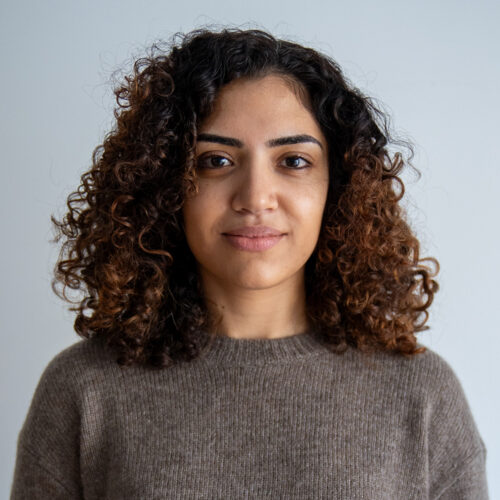
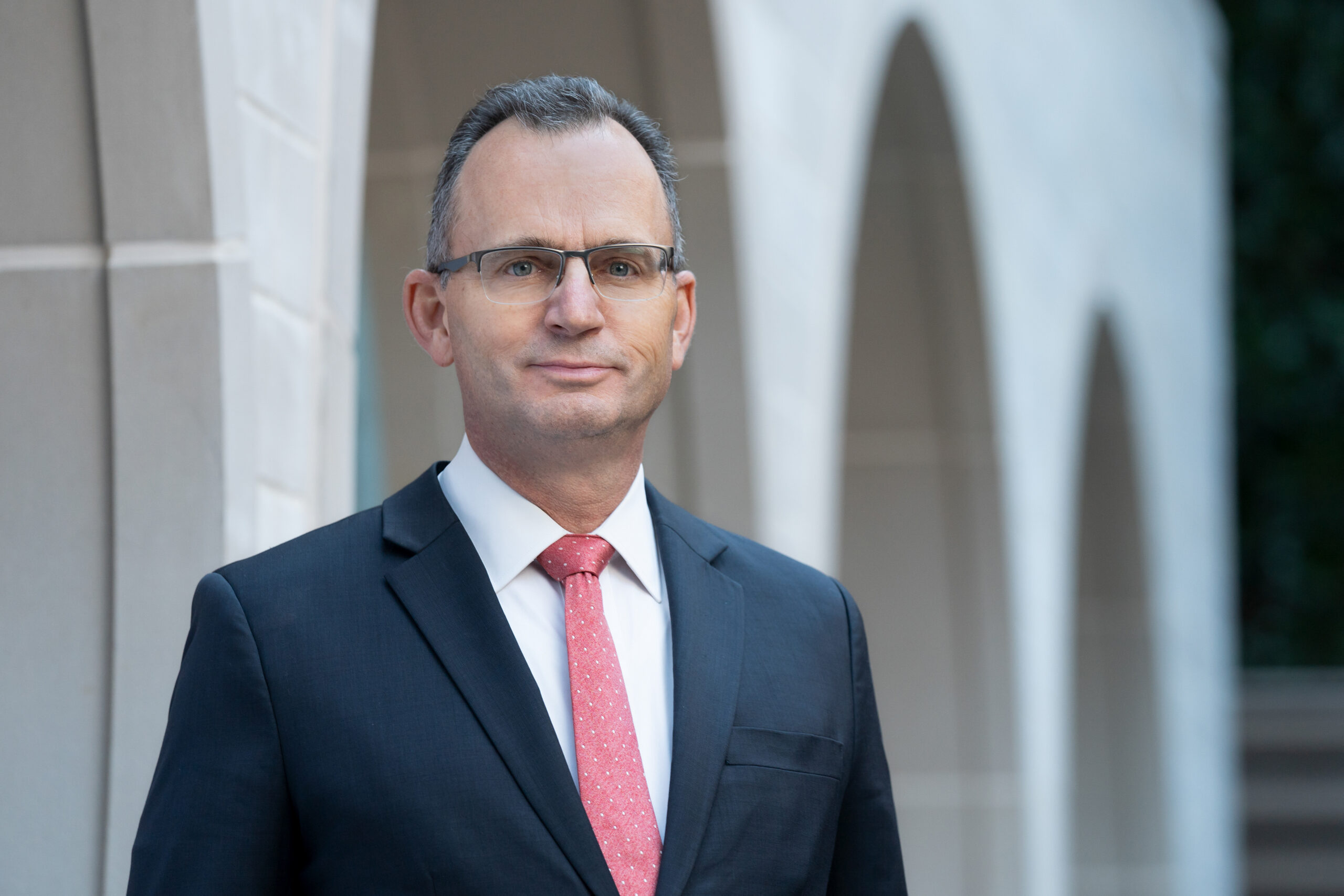
Paul Salem is a former Senior Fellow at the Middle East Institute (MEI). He previously served as MEI’s president and CEO and as vice president for international engagement. His research focuses on political change, democracy and governance, social and economic policy, as well as regional and international relations in the Middle East.
Prior to joining MEI, Dr. Salem was the founding director of the Carnegie Middle East Center in Beirut, Lebanon (2006–2013). From 1999 to 2006, he served as director of the Fares Foundation, and earlier founded and led the Lebanese Center for Policy Studies (1989–1999), Lebanon’s premier public policy think tank.
Dr. Salem is also a musician and composer of Arabic-Brazilian jazz, with his music available on iTunes. He writes regularly on his Substack blog, Thinking Middle East.
He holds a BA, MA, and PhD from Harvard University.
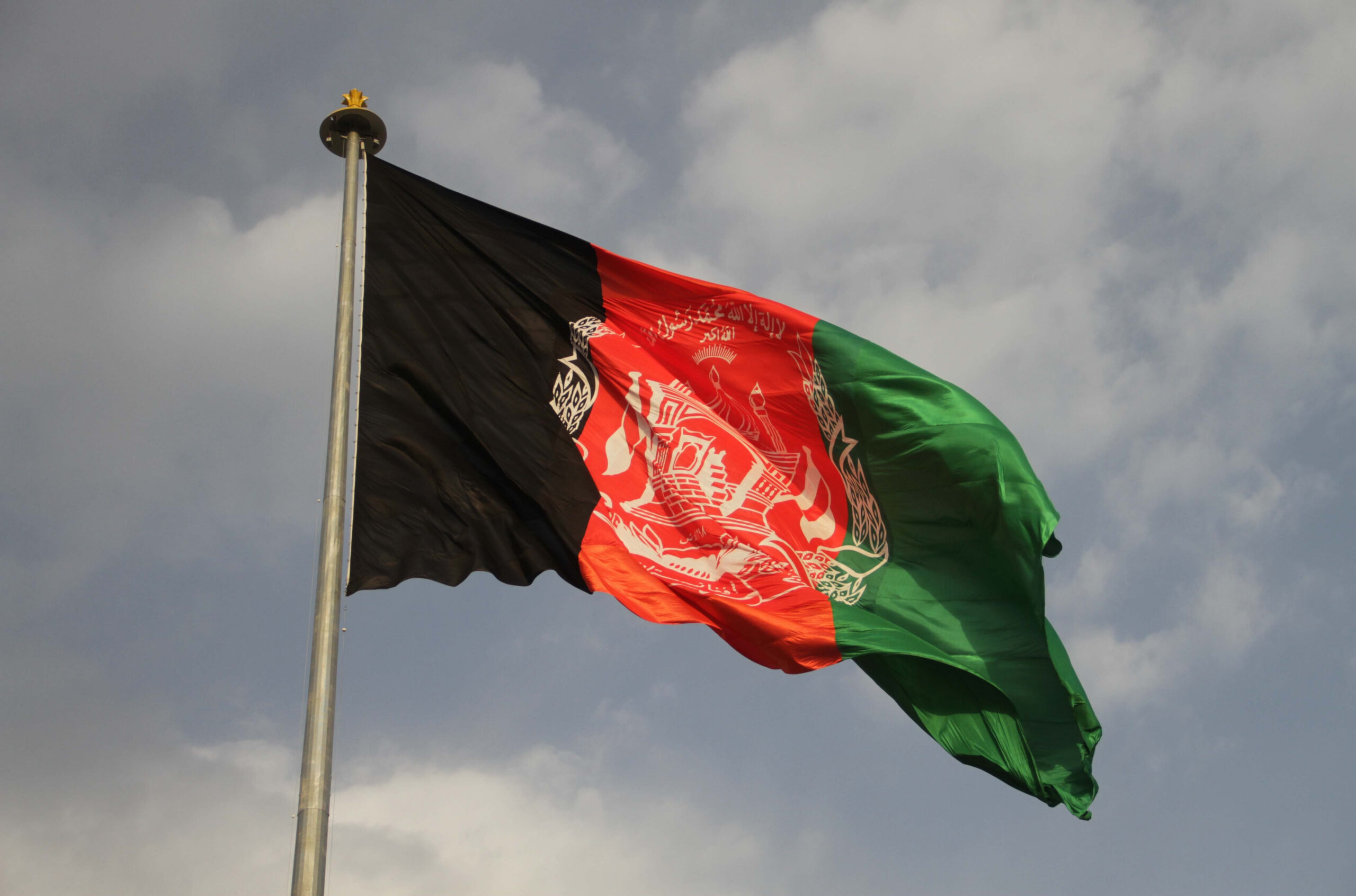
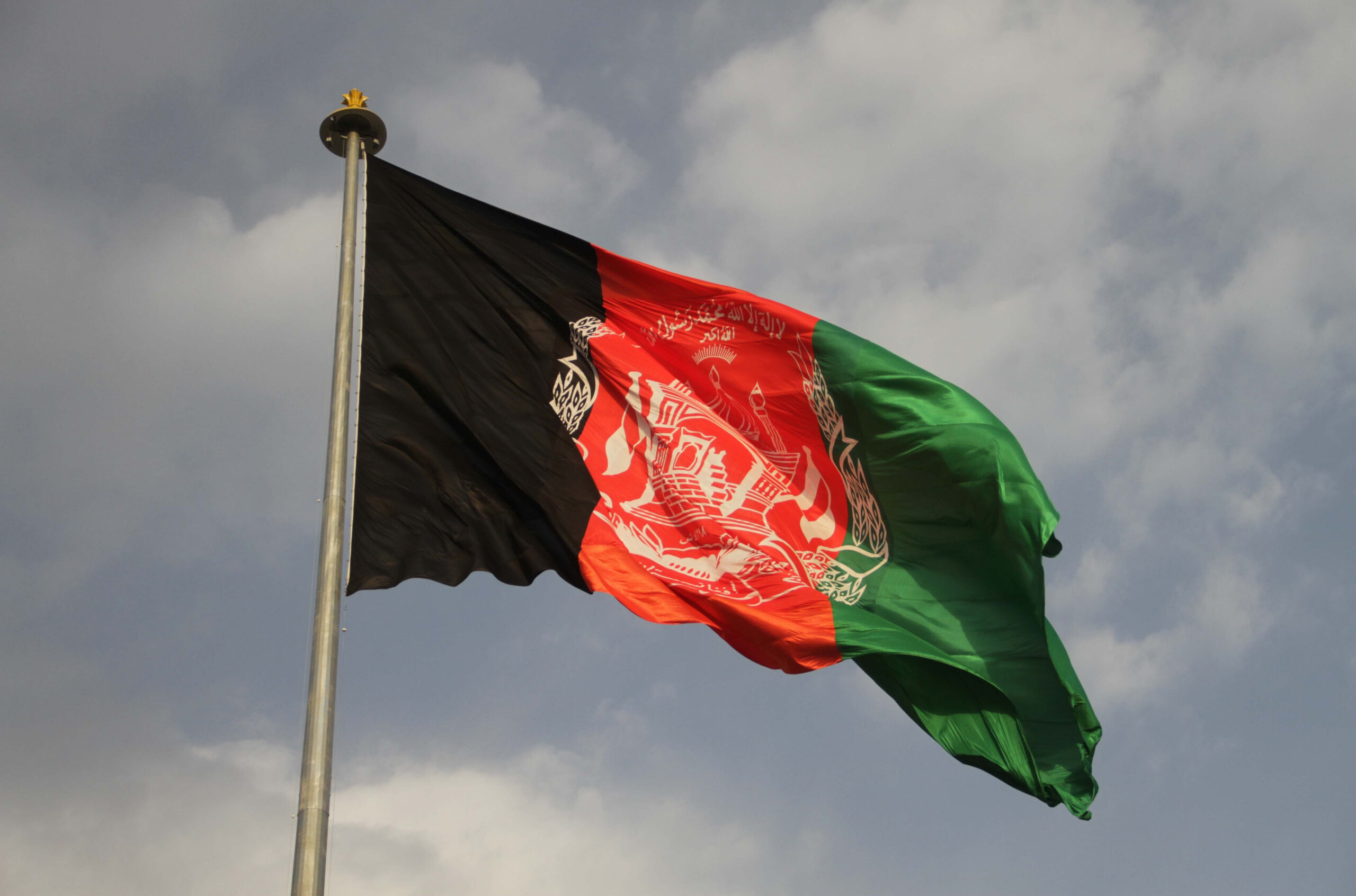
Twenty years ago, on September 11, 2001, al-Qaeda attacked New York and Washington, killing nearly 3,000 people. The terrorist attacks and their aftermath transformed U.S. policy, giving rise to the war on terror and the military intervention in Afghanistan. On the 20th anniversary of 9/11, scholars and Advisory Council members of MEI’s Countering Terrorism and Extremism Program offer their reflections.
الكارثة الأفغانية وعواقبها على الشرق الأوسط الكبير
أولًا، انتصار طالبان يمثل انتصارًا هائلًا لرواية القاعدة والحركة الجهادية الأوسع. فبعد عشرين عامًا من وقوع الهجمات على الولايات المتحدة، ها هي الولايات المتحدة تُهزَم مرة أخرى وتُجبّر على الانسحاب بشكل مُذَل. سيكون هذا الانتصار بمثابة “برهان على صحة مبدأ” التجنيد الرئيسي للحركات الجهادية المتطرفة لعقود قادمة، ويجب أن نتوقع زيادة جديدة في التجنيد والعمل الجهادي في المنطقة، وزيادة المخاطر على المصالح الأمريكية والأراضي الأمريكية. ومن ثم فعلى الولايات المتحدة العمل مع الحلفاء والشركاء في المنطقة لوقف هذا المد المحتمل.
Expert Views: The Biden administration and the Middle East: Reflecting on the first 100 days
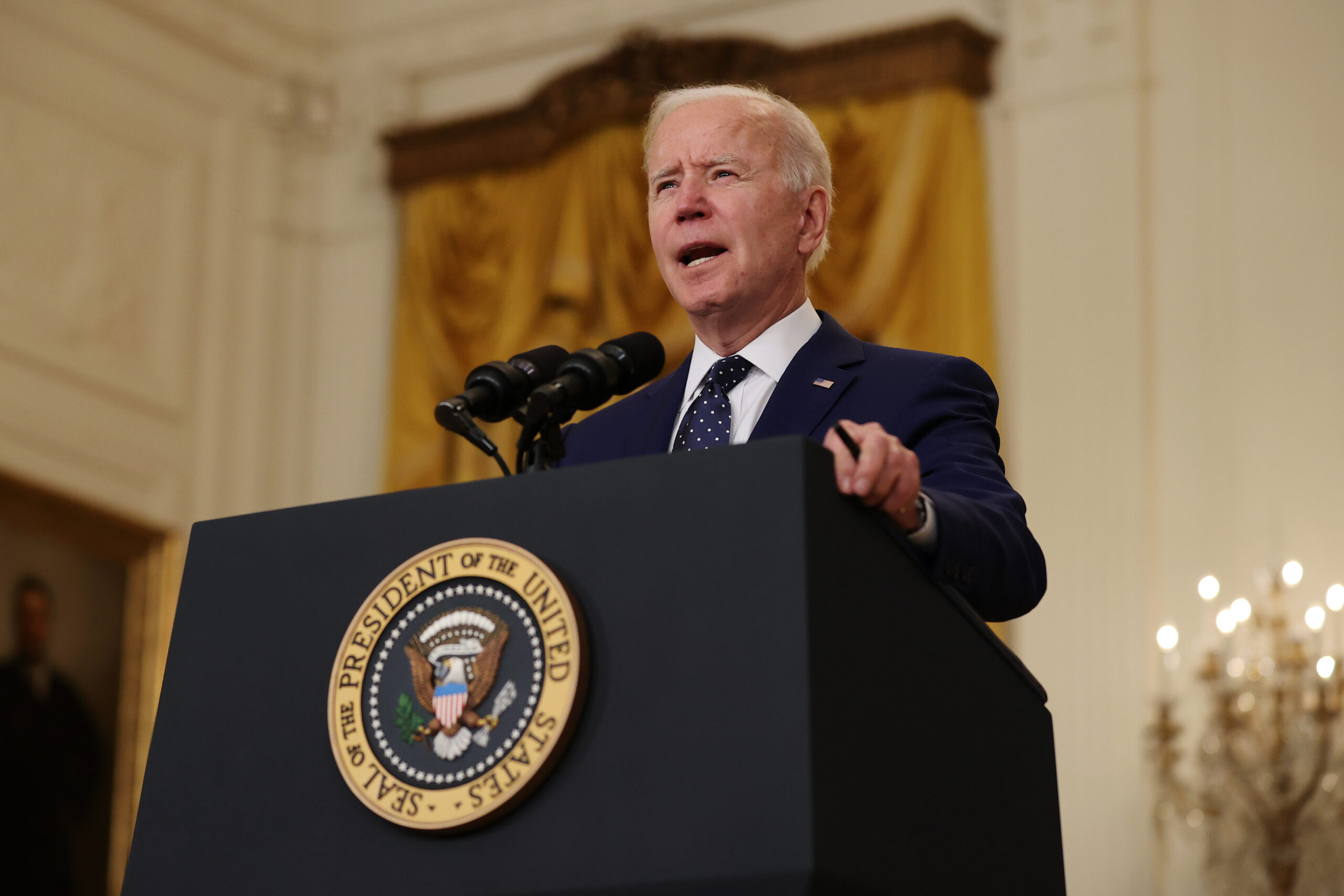
At the end of Joe Biden’s first 100 days as president of the United States, where do things stand when it comes to U.S. policy toward the Middle East and North Africa? We asked experts and scholars from across MEI to weigh in with their thoughts on the changes we’ve seen so far, the new challenges that have emerged, and what we know about the administration’s key priorities for the region.
The Biden Administration and the Middle East: Policy Recommendations for a Sustainable Way Forward
In a new policy briefing book, entitled The Biden Administration and the Middle East: Policy Recommendations for a Sustainable Way Forward, MEI scholars tackle a large number of country-specific and region-wide issue areas, laying out both the abiding U.S. interests and specific recommendations for Biden administration policies that can further U.S. interests amid a region in turmoil.
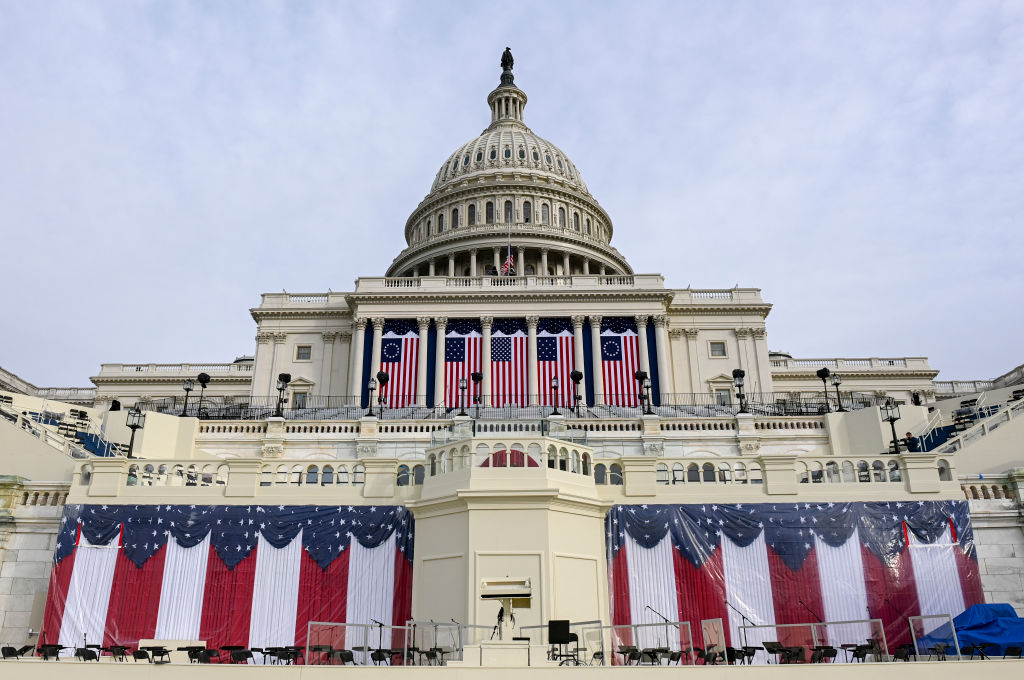
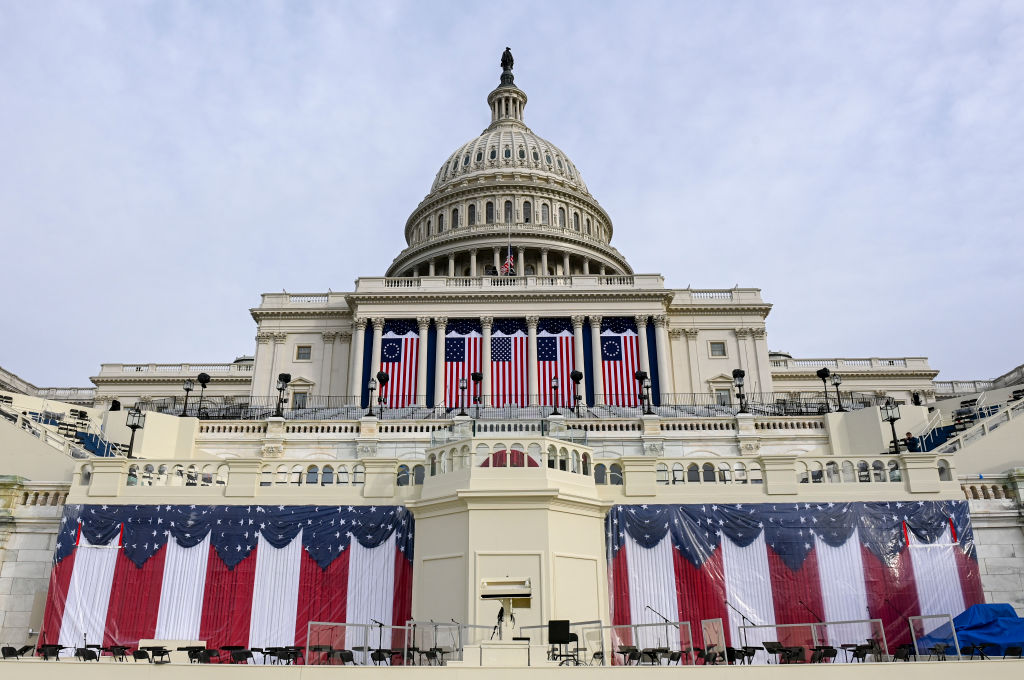
انشغل العالم بمشهد التنصيب الرئاسي في 20 يناير. ويمثل هذا اليوم أفضل وأسوأ اللحظات في تاريخ الديموقراطية الأمريكية. ففي عام 1860 انقسمت الجمهورية الأمريكية حول قضية أخلاقية حقيقية، وهي العبودية. أما في عامي 2020 و2021 كادت أمريكا أن تنقسم نتيجة تمسك رئيس فاسد متعطش للسلطة بالمنصب، رفض أن يغادر وأبى أن يخضع لإرادة الشعب. وهذه الأزمة الأخيرة قد شهدها العالم بأسره.
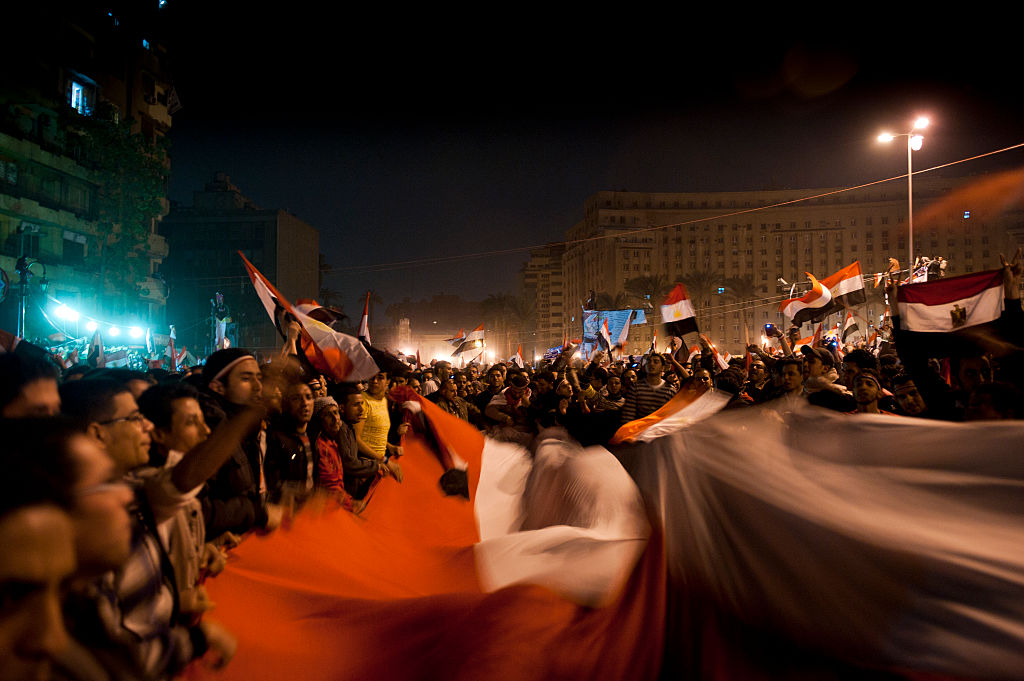
A decade on from the Arab Spring, 9 experts from across MEI offer their thoughts on what has and hasn’t changed — and what it all means for the future of the region.
A look back at the year’s most important developments with analysis from Paul Salem, Alex Vatanka, Randa Slim, Gerald Feierstein, Gonul Tol, Jonathan M. Winer, Khaled Elgindy, Marvin G. Weinbaum, Mirette F. Mabrouk, Grace Wermenbol, Syed Mohammad Ali, Robert S. Ford, and Khaldoun Khelil.
تميز عام 2020 في الشرق الأوسط بجائحة كوفيد-19، والتكلفة الاجتماعية والاقتصادية العميقة التي تتسبب فيها. والتحولات الإقليمية التي أحدثها تطبيع العلاقات بين إسرائيل وعدد من الدول العربية.
The Middle East and American Democracy’s Near-Death Experience
The fascination with the peaceful removal of leaders by a simple vote in the United States has always contrasted painfully with the inability of most Middle Eastern populations to do the same.