This individual is a guest contributor. MEI is not able to assist with contact requests.
Ragui Assaad is Professor at the Humphrey Institute of Public Affairs at the University of Minnesota. He has written extensively on labor market and youth issues in the Middle East and North Africa. The author acknowledges the able research assistance of Stefan Johansson in the preparation of this essay.
The economic impact of Turkey’s elections: Six potential scenarios
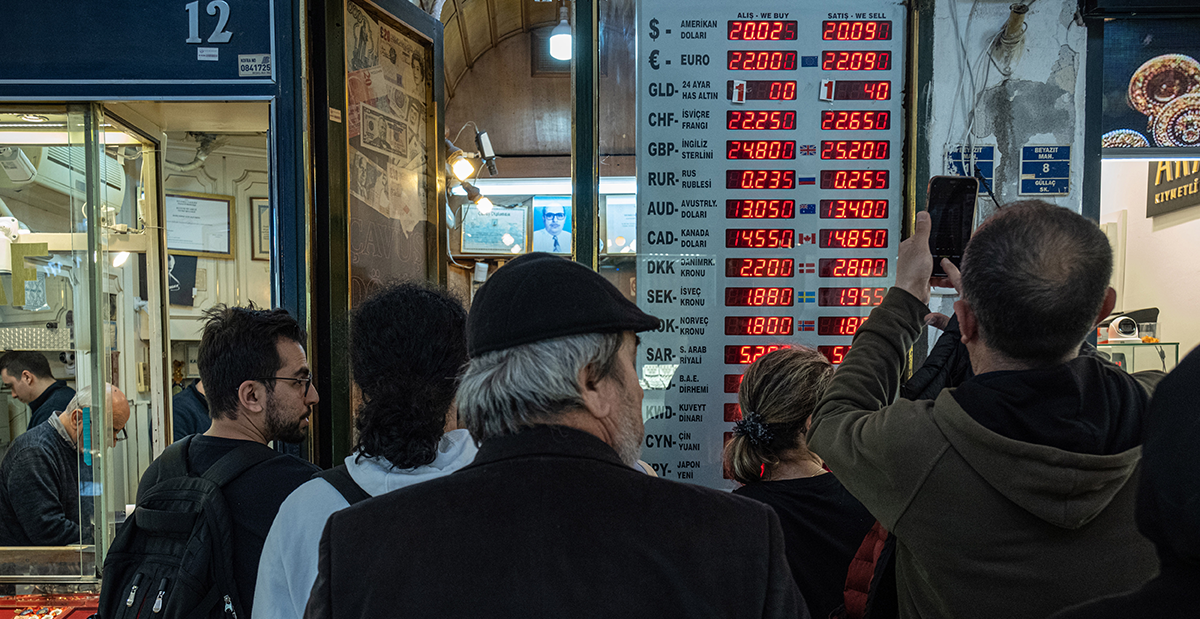
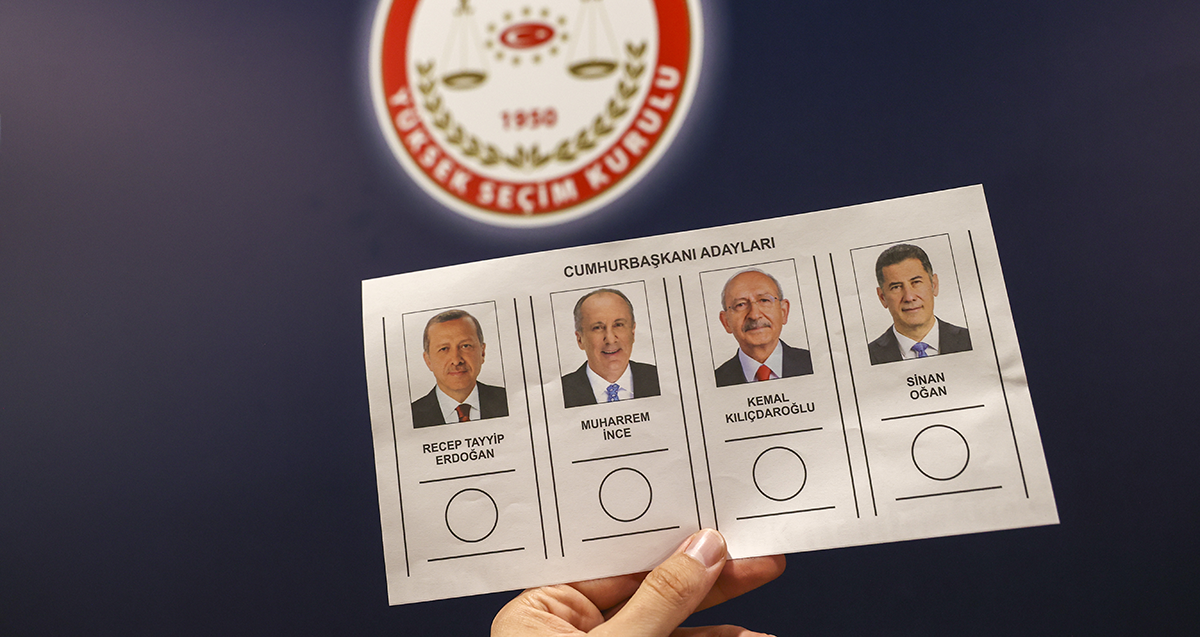
As Turkey heads to the polls for presidential and parliamentary elections this month, the consequences for its troubled economy are likely to be significant and wide-ranging. Financial stability, business confidence, purchasing power, and asset prices all depend on whether President Recep Tayyip Erdoğan’s two-decade-long rule will continue; at the same time these factors will also determine his chances for re-election. There are a number of potential election outcomes that could lead to greater uncertainty and volatility rather than clarity and stability.
If Turkish President Recep Tayyip Erdoğan and his AKP are defeated in this month’s elections, the next government, led by the CHP, will likely prove more agreeable — or at least no more difficult — on virtually every issue of importance to the United States and Turkey’s other allies in the NATO. There undoubtedly will still be areas of contention, including some of the same ones that have bedeviled the West’s relations with Turkey under Erdoğan. For reasons both ideological and economic, however, a new Turkish government would want a closer relationship with the West than Erdoğan has pursued for many years.
Assessing competing scenarios for Turkey’s parliamentary elections
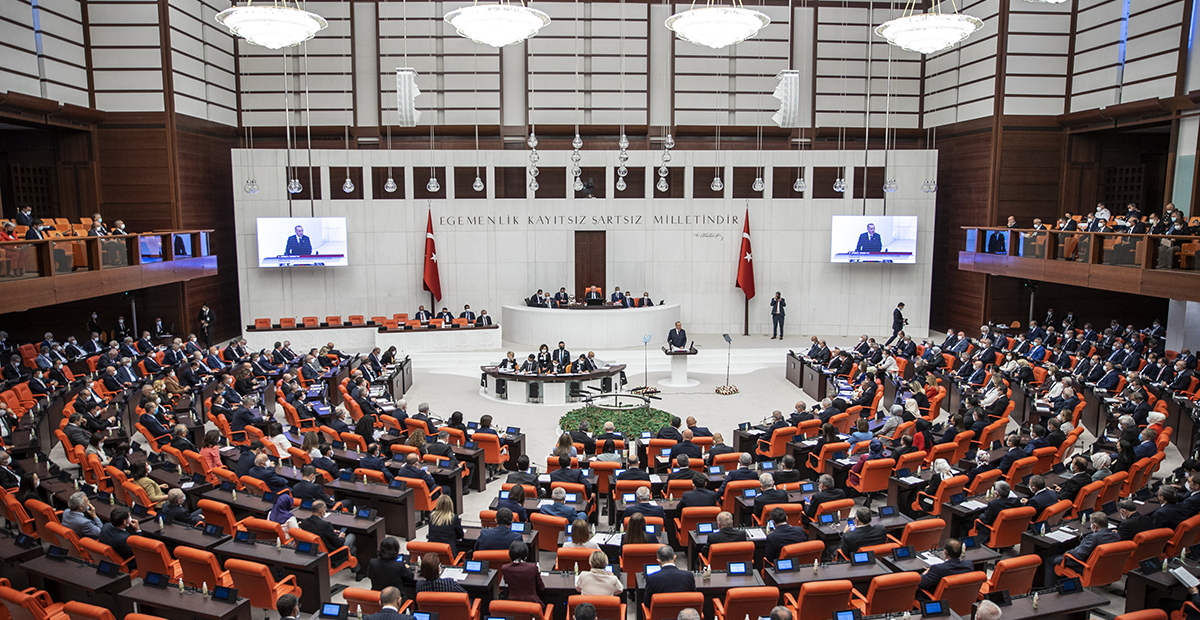
On May 14, Turkish voters are headed to the polls for twin elections — presidential and parliamentary — that are expected to shape the country’s political trajectory for years to come. While the presidential race has generated wide interest in the international media, there is little informed discussion when it comes to the parliamentary elections. Unlike the presidential elections, which quickly turned into a tight contest between President Recep Tayyip Erdoğan and the main opposition leader, Kemal Kılıçdaroğlu, the parliamentary races are more unpredictable at this point.
Polarizing populism vs. inclusive positivity: Erdoğan and Kılıçdaroğlu’s dueling campaign strategies
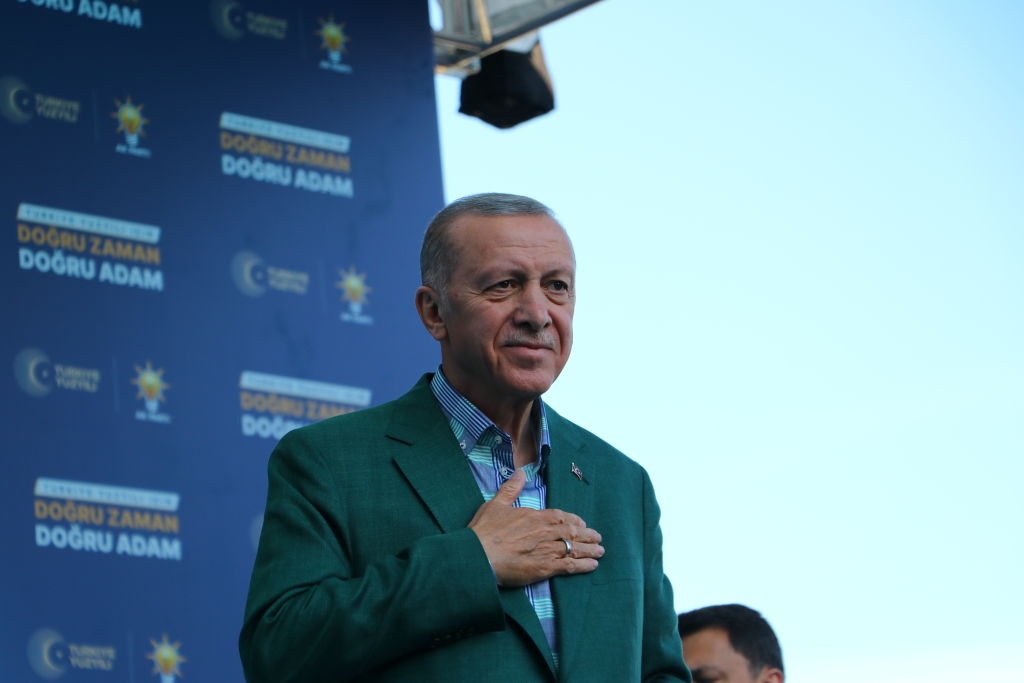
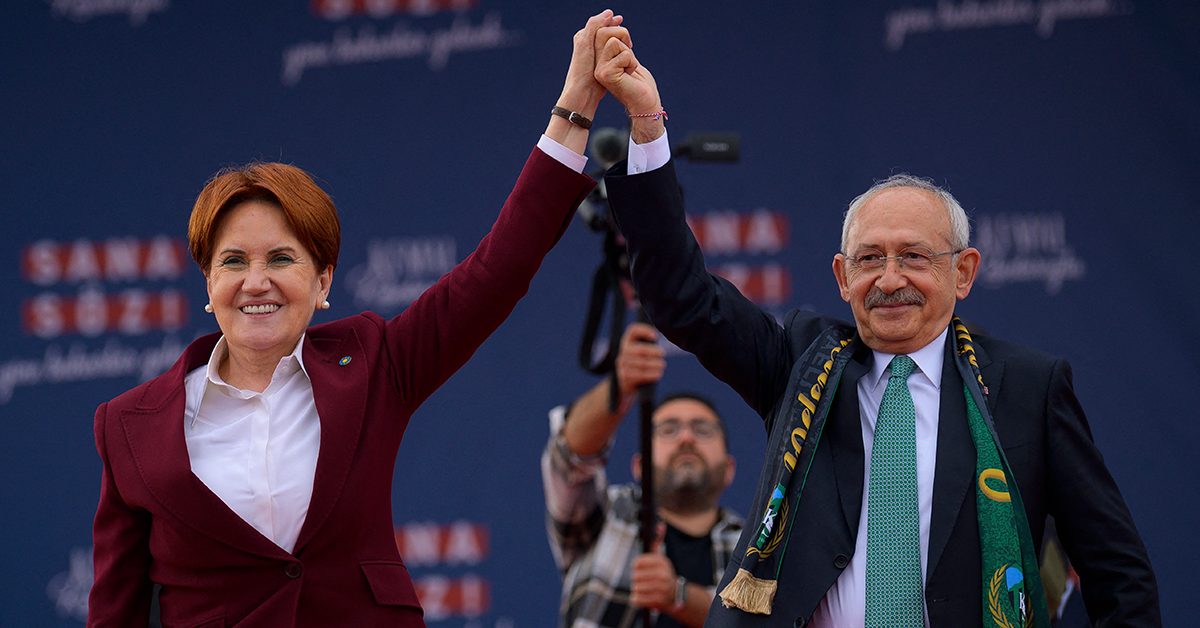
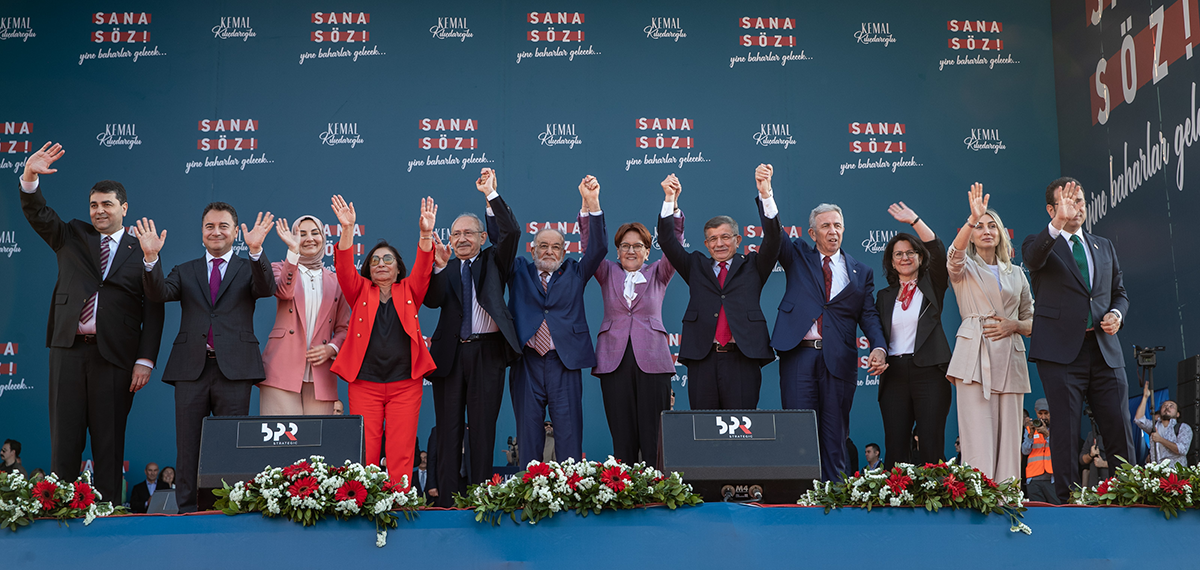
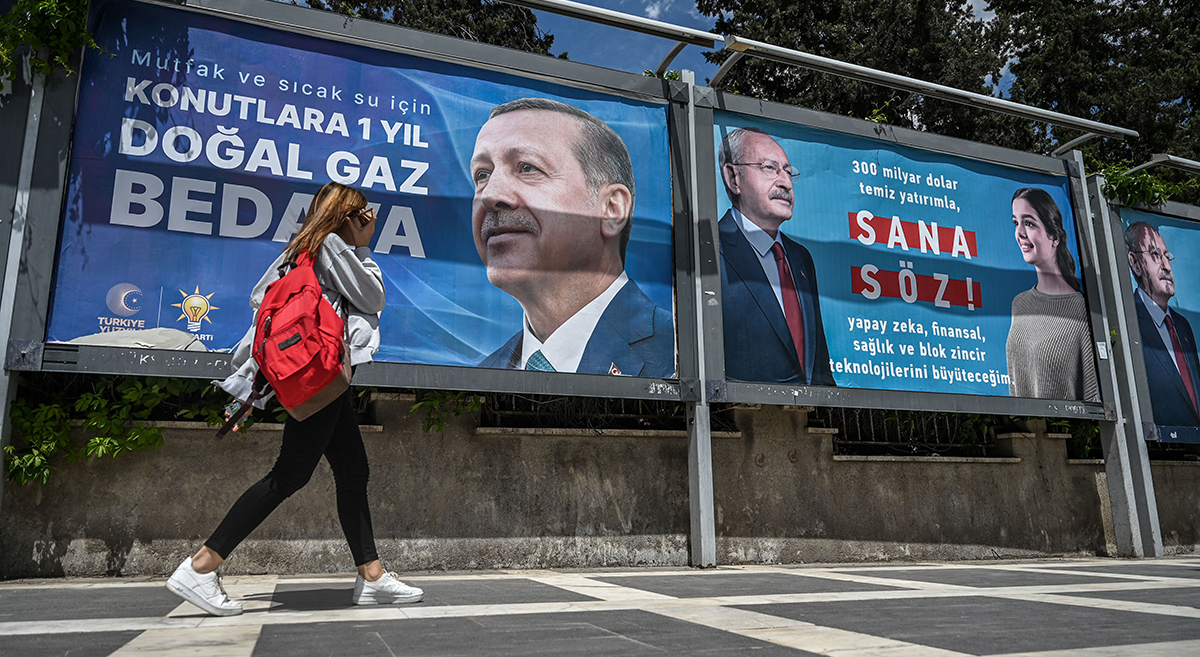
As Turkey gears up for a crucial election, the country is currently witnessing two very different political campaign styles. President Recep Tayyip Erdoğan, who is seeking re-election, is competing against Kemal Kılıçdaroğlu, the joint candidate of the Nation Alliance. The two candidates’ wildly different political and governing styles are apparent in their campaigns: President Erdoğan follows a polarizing, negative, and fear-based approach focused on energizing his base, while Kılıçdaroğlu’s campaign is dynamic, inclusive, and positive.
The dust has not yet settled ahead of Turkey’s elections
We’re only in May but it’s safe to say that 2023 has been one of the longest years in the history of Turkish politics. The main issues in the presidential and parliamentary elections on May 14 are the deteriorating economic conditions and identity politics. For the first time in two decades President Recep Tayyip Erdoğan is heading into an election not in the lead.
Turkey's 2023 Elections: Perspectives on a Critical Vote
It is a cliché for politicians to claim that an upcoming election is the most critical vote in the history of the country. In Turkey’s case, however, the presidential and parliamentary elections on May 14 are indeed the most consequential ever. The prospects for Turkey’s democratic future are at stake.
Turkish Election Watch: The Week of April 30-May 7
Catch up with the latest developments about Turkey’s May elections with weekly updates from MEI’s Turkey Program. In this week’s installment of Turkish Election Watch: more signs of opposition strength, the stoning of İmamoğlu’s campaign bus in Erzurum, Babacan’s economic role, and the ruling coalition takes off the gloves.
The U.S. administration is tacitly contributing to growing acceptance and re-normalization of Syrian President Bashar al-Assad, the 21st century’s most notorious war criminal, putting in jeopardy the continuation of our counter-terrorism mission in Syria. Assad is toasting his survival on the ashes of his victims — but within the small community of optimistic actors in Syria, ISIS is sitting pretty comfortably too.
Decarbonization and Political Transformation in Iraq: The Impact on Politics, Society and Regional Relations
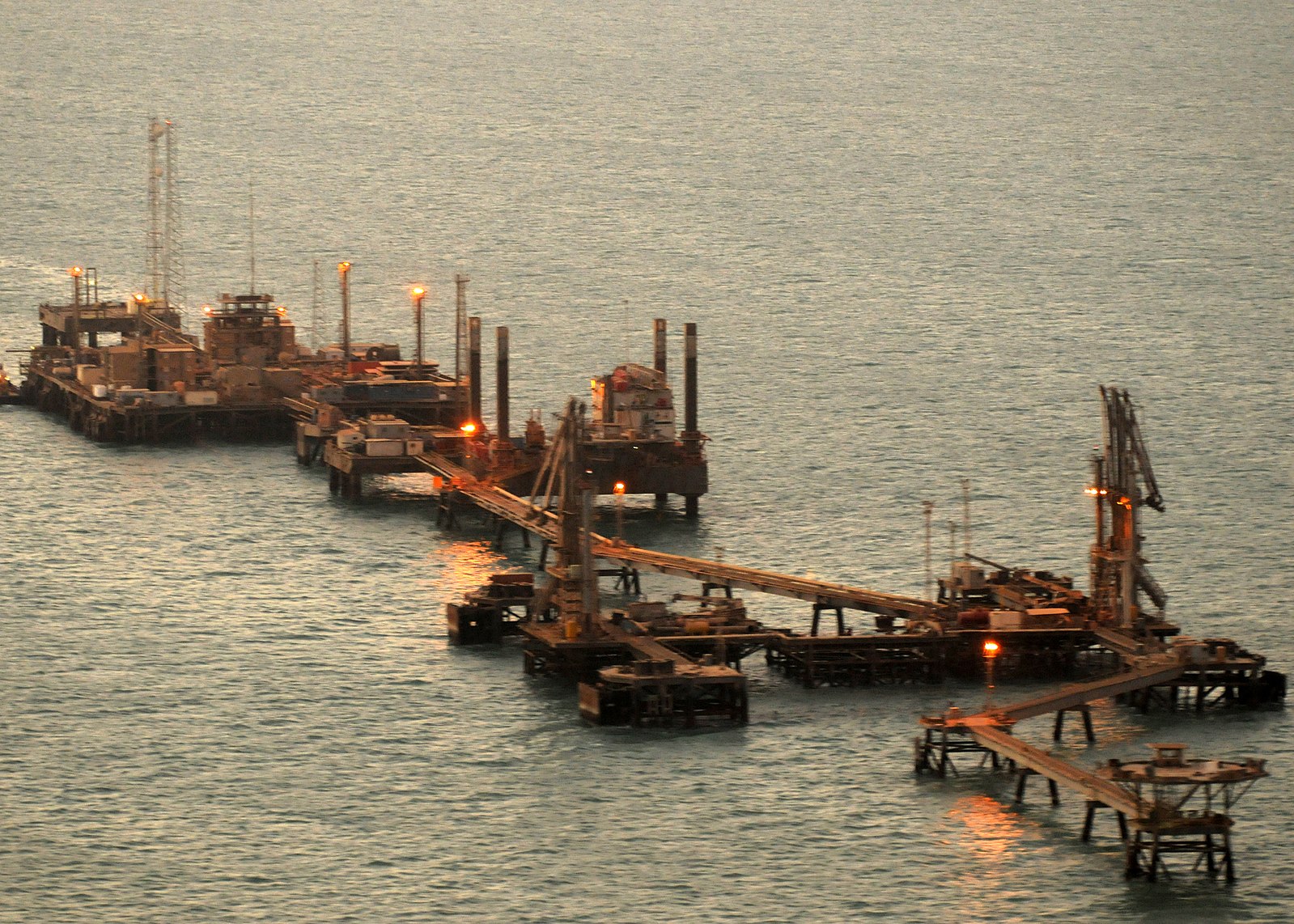
What happens when a petrostate loses its oil rents? While the oil market continues to go through boom-and-bust cycles, cases such as Iraq provide evidence of how the rapid loss of oil revenues—traumatic decarbonization—may affect the politics and stability of these petrostates. In Iraq, multiple shocks to oil revenues from 2014 through 2020 fundamentally altered the organization and concentration of political power in Iraq with destabilizing and democratic consequences.
The IRGC’s enmity toward Israel is an aberration in Iranian history
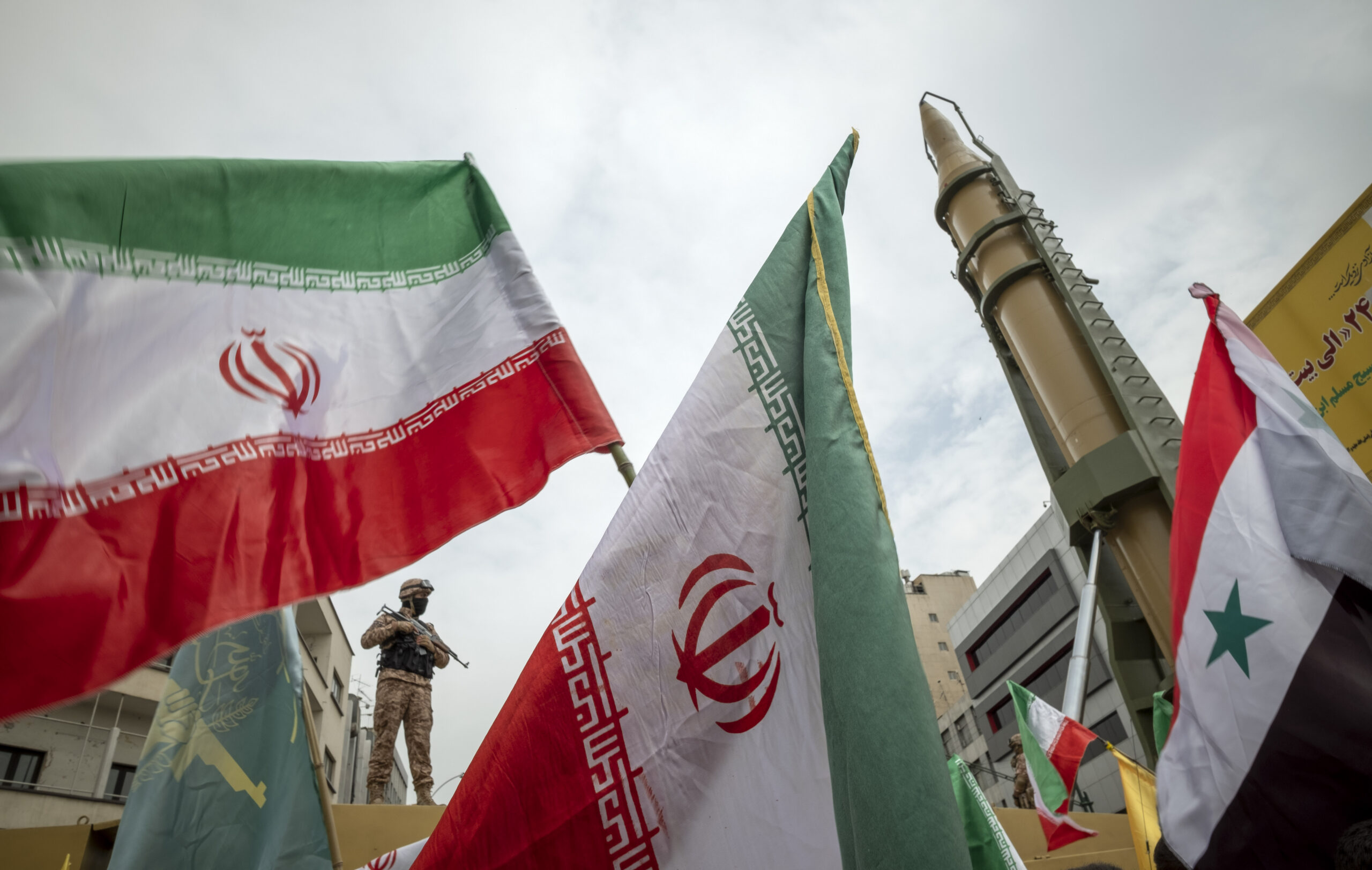
Iran’s Islamic Revolutionary Guard Corps (IRGC) is at its core an ideological army, not a national one, and its notorious enmity toward Israel is an aberration in Iranian history. But many Israelis to this day think Iran could be a natural partner as long as the country gave up its pursuit of ideologically driven regional dominance, disavow calls for the destruction of Israel, and were instead to again allow the regular army, the Artesh, to pursue Iranian national interests.
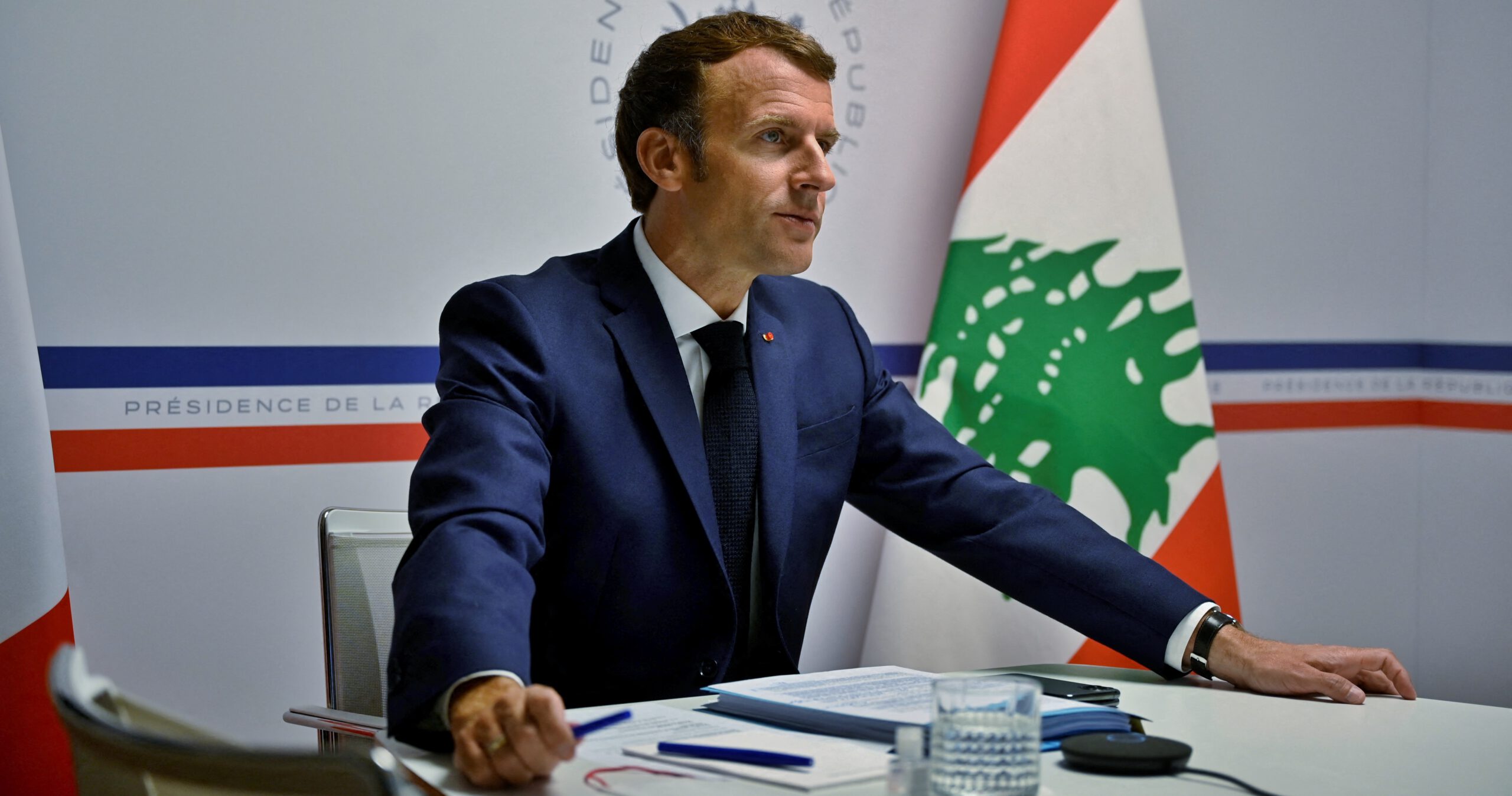
Lebanon is on the verge of complete collapse, and if Washington is serious about preventing not just another failed state but a growing normalization of unchecked authoritarianism in the Middle East, it must stop outsourcing leadership on Lebanon to France.
U.S. Security Cooperation Deserves A Fair Evaluation
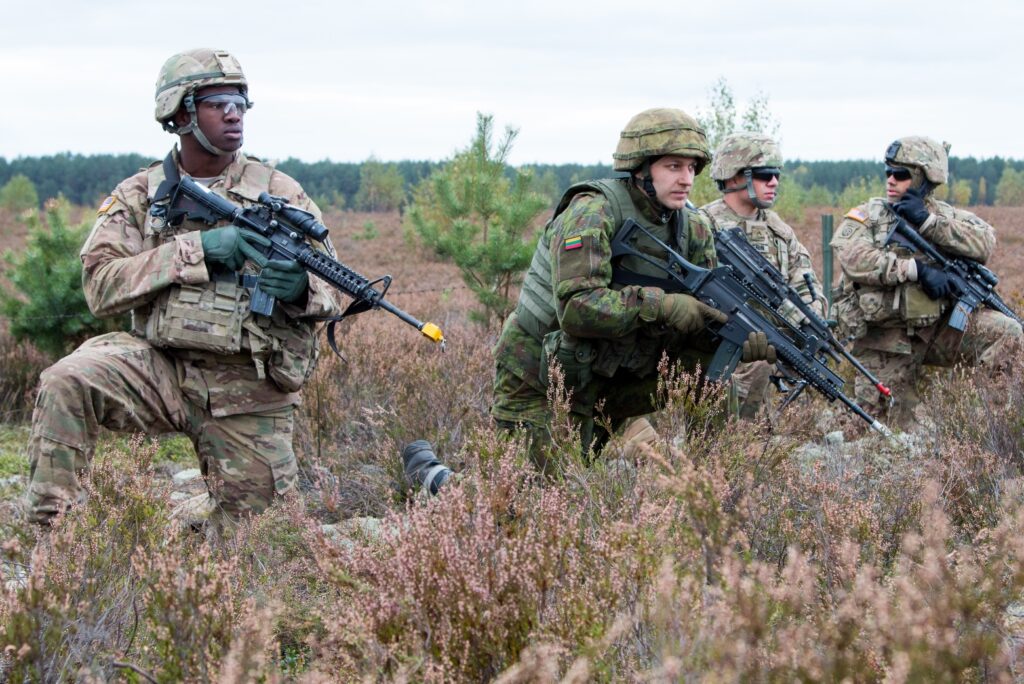
Security cooperation has been a critical pillar of U.S. statecraft for decades. However, the enterprise has gotten a bad reputation since the beginning of the 21st century because of the costly misadventures in Afghanistan, Iraq, Syria, and elsewhere. But perhaps the problem is that we are not evaluating it the right way.
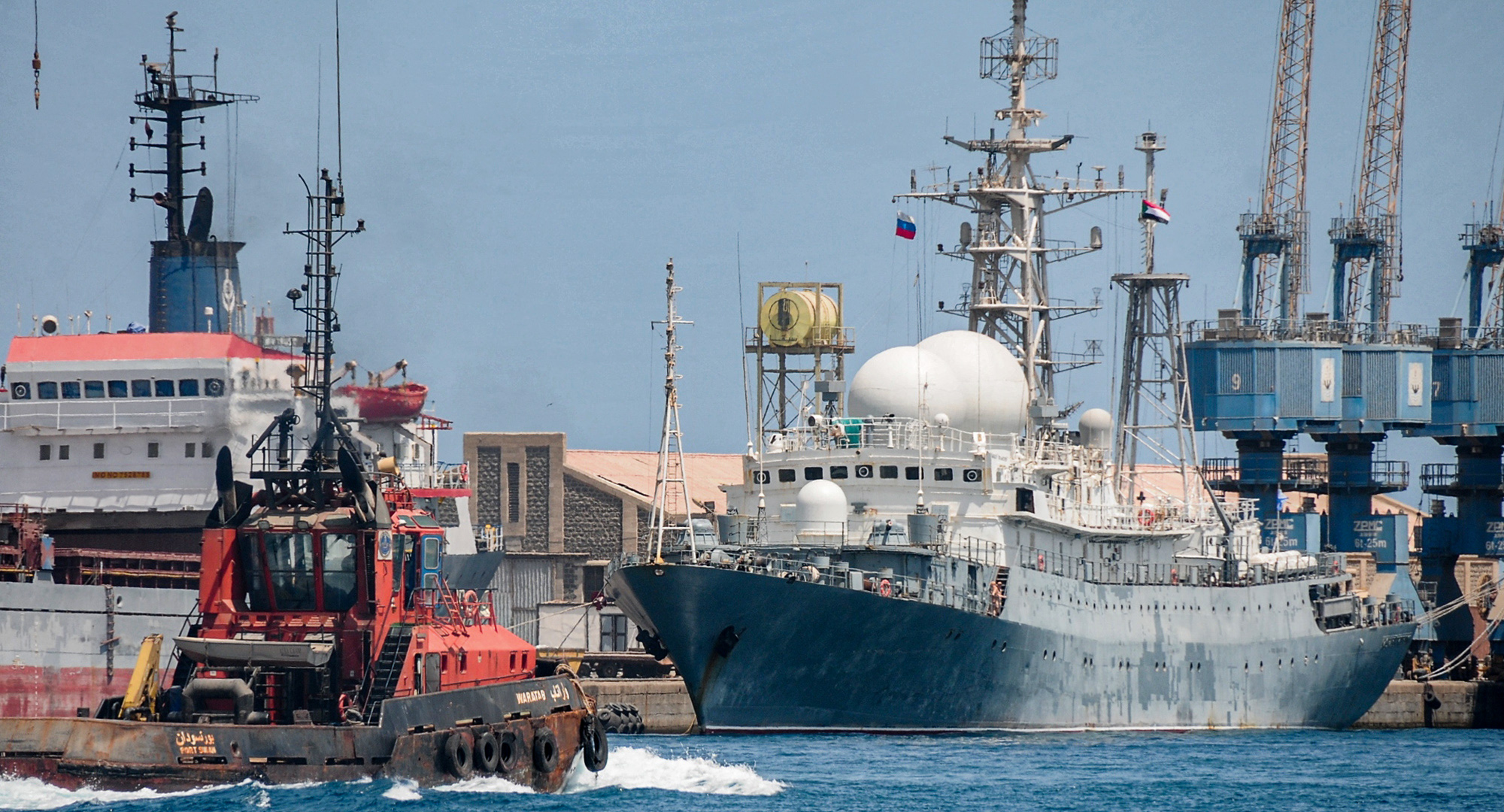
As fighting in Sudan rages, Russia’s primary goal is to ensure authoritarian rule
Although Russia has vested interests in the Burhan-Hemedti conflict, it is unlikely to actively pursue a blanket destabilization strategy in Sudan. Instead, it is likely to balance close ties with both warring parties and continue actively opposing a democratic transition in Sudan.