Ragui Assaad is Professor at the Humphrey Institute of Public Affairs at the University of Minnesota. He has written extensively on labor market and youth issues in the Middle East and North Africa. The author acknowledges the able research assistance of Stefan Johansson in the preparation of this essay.
The Latest from Ragui Assaad

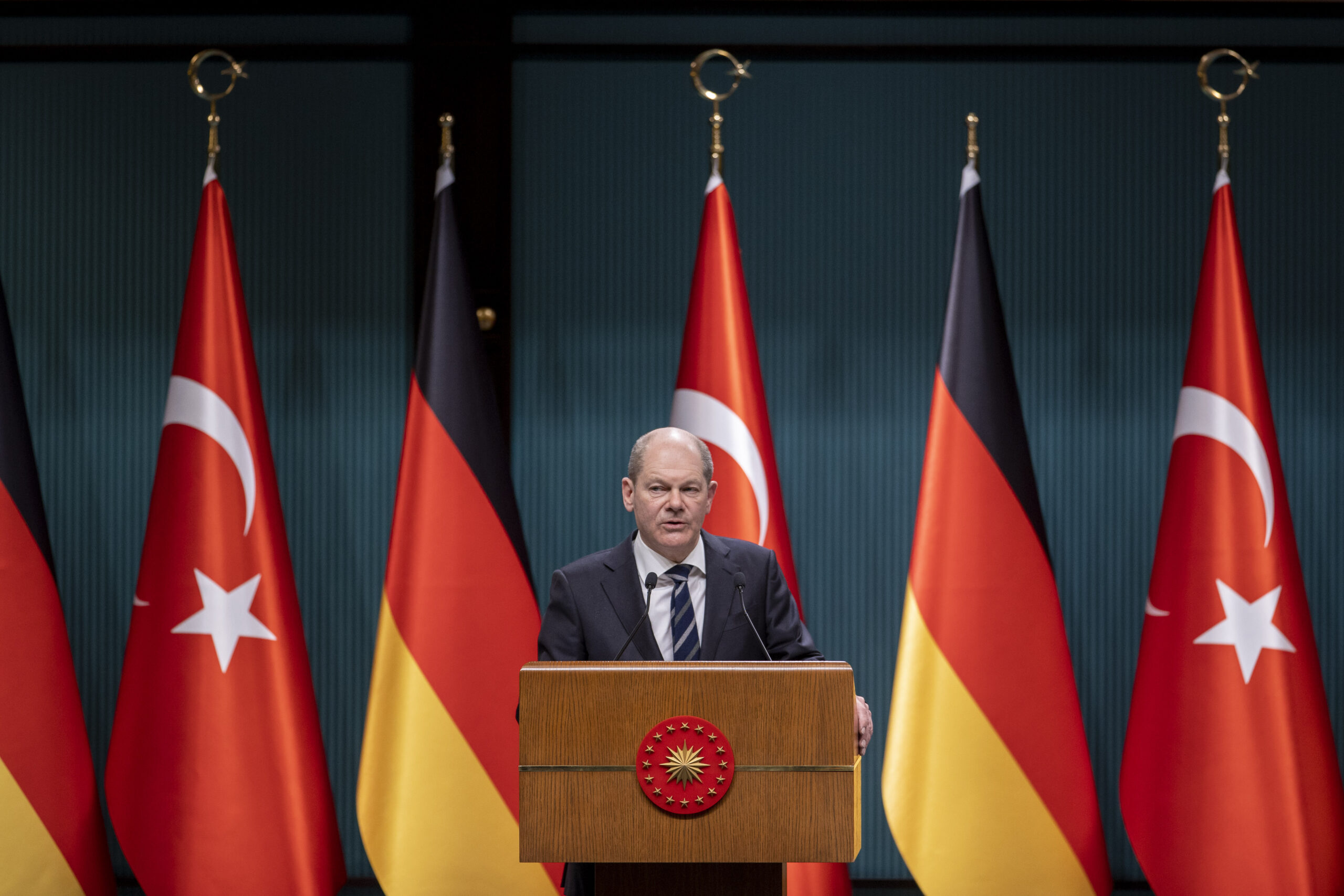
Staying the course … for now: Germany’s MENA policy under the Scholz government
After 16 years under Angela Merkel, Olaf Scholz’s assumption of Germany’s chancellorship on Dec. 8, 2021 marked a new chapter in the nation’s politics. Within the “traffic light” coalition government formed by the Social Democrats, the Free Democratic Party, and the Greens, Annalena Baerbock heads the Ministry of Foreign Affairs. Before taking office, the co-leader of Alliance 90/The Greens was known for both her welcoming attitude toward immigrants and her full-throated condemnation of human rights violations by authoritarian governments. The Middle East and North Africa (MENA) region has no shortage of the latter: According to the Economist Intelligence Unit’s Democracy Index, 17 out of the 20 countries in the region are “authoritarian” and not one is characterized as a “full democracy.” Beyond human rights, other key MENA policy issues for the new government include Iran, Turkey, ongoing conflicts in the region, and immigration. The challenges are numerous, if well-known, but how will Berlin respond? Is Germany’s policy toward MENA likely to change or remain the same under the new government?
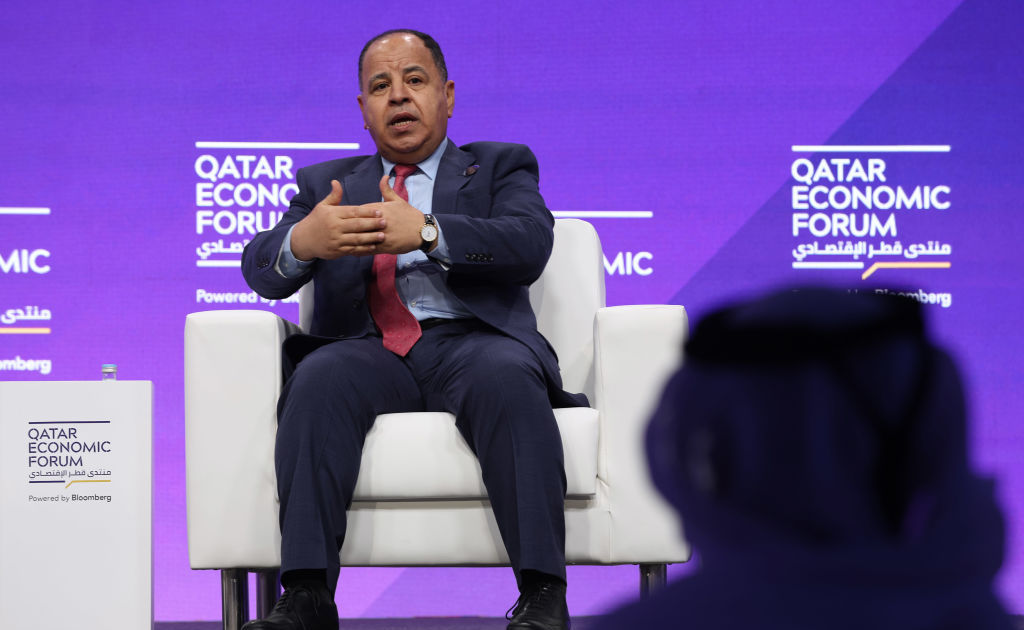
Special Briefing: Egypt's parliament strikes back on the budget
تحليل إقليمي متخصص من قبل باحثي ومساهمي معهد الشرق الأوسط.
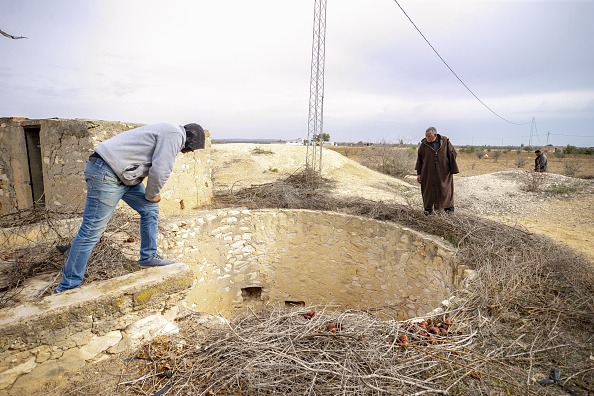
MEI-NAPI Roundtable on the Environment in Tunisia: A Youth Perspective On Challenges & Opportunities
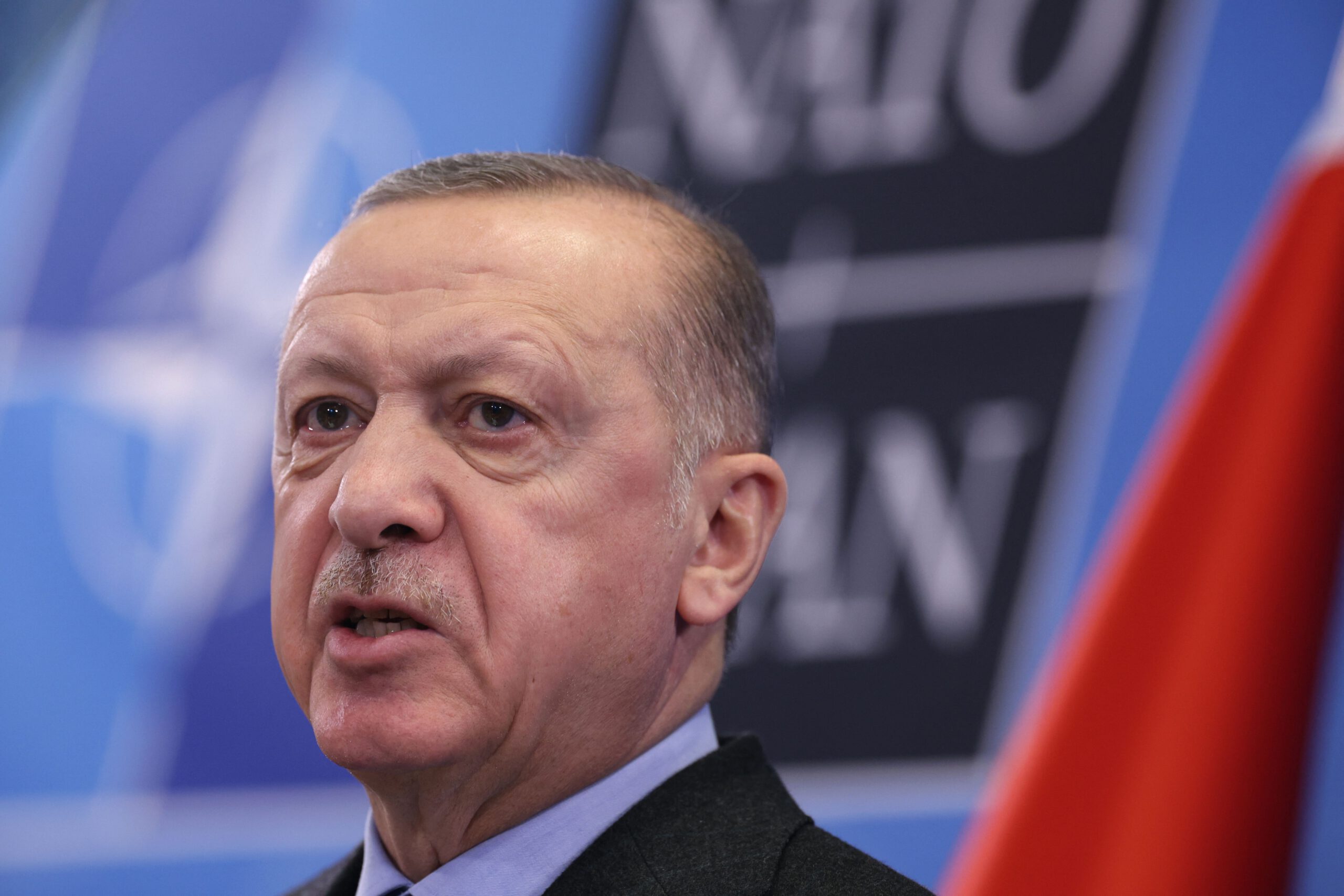
Will Erdogan’s Turkey Gain From the War in Ukraine?
The Russian invasion of Ukraine has opened up new opportunities for Turkey, but Erdogan should not overplay his hand.

Canada-Iran soccer row highlights the ongoing fight over Flight 752
The international friendly soccer match scheduled to take place between the Canadian and Iranian men’s national teams on June 5 was canceled in the face of widespread opposition from the families of the Canadians killed in the downing of Ukrainian International Airlines Flight 752 by the IRGC. The Canadian government has called the January 2020 shootdown of PS752, which killed 55 Canadian citizens and 30 permanent residents, a “national tragedy” and the decision to cancel the match should serve as a reminder that the Iranian regime has been unresponsive to the demands of the PS752 families.
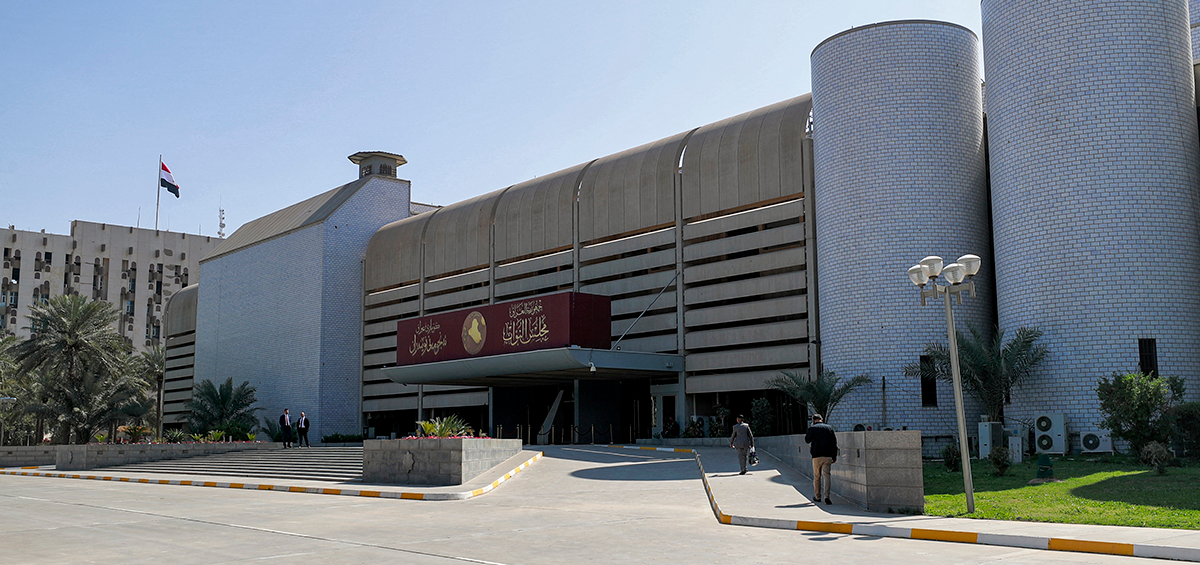
Economic Diversification and Energy Transition in Iraq and the Gulf
To identify pathways to deal with demands for economic reform and volatility in resource revenue in Iraq, in November 2021 the Middle East Institute (MEI) and Iraq Policy Group (IPG) convened a high-level workshop on the side-lines of the American University of Kurdistan’s annual Middle East Peace and Security Forum. This report provides the insights and analyses of a select group of participants, and forms part of a series of forthcoming Iraq- and Gulf-focused reports and initiatives that MEI and IPG will be convening.
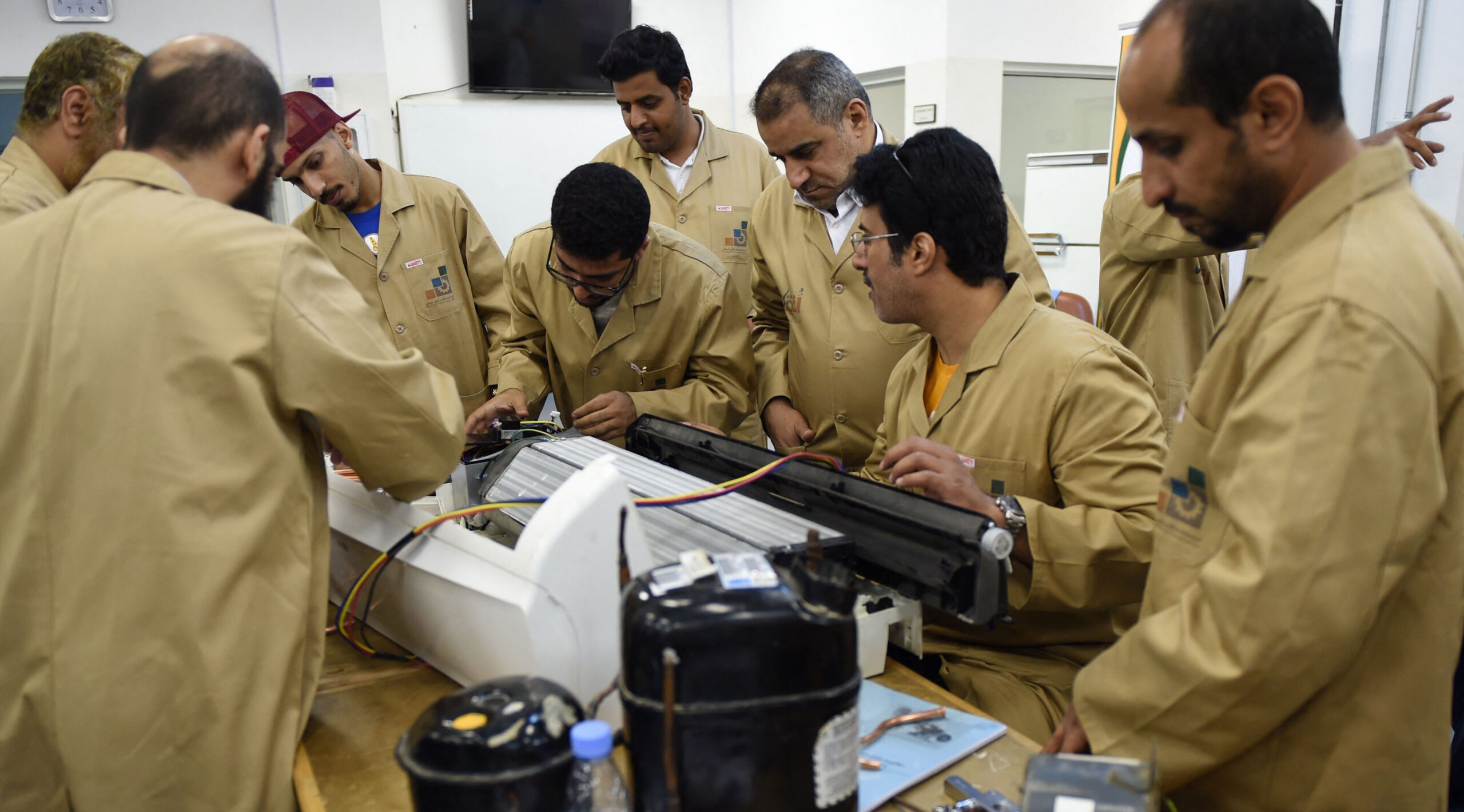
Bridging the Cost Gap: Three Labor Policies to Close the Wage Gap Between Saudi and Foreign Labor
Since the launch of Vision 2030 six years ago, Saudi Arabia has made considerable progress in reducing the labor-cost gap between national and foreign workers in the private sector. While the total unemployment rate has declined recently among nationals, it remains high at 11%. Drawing on evidence from Bahrain’s experience with labor market reform, this can be significantly reduced through policies designed to bridge the cost gap between citizens and foreign labor in the private sector.
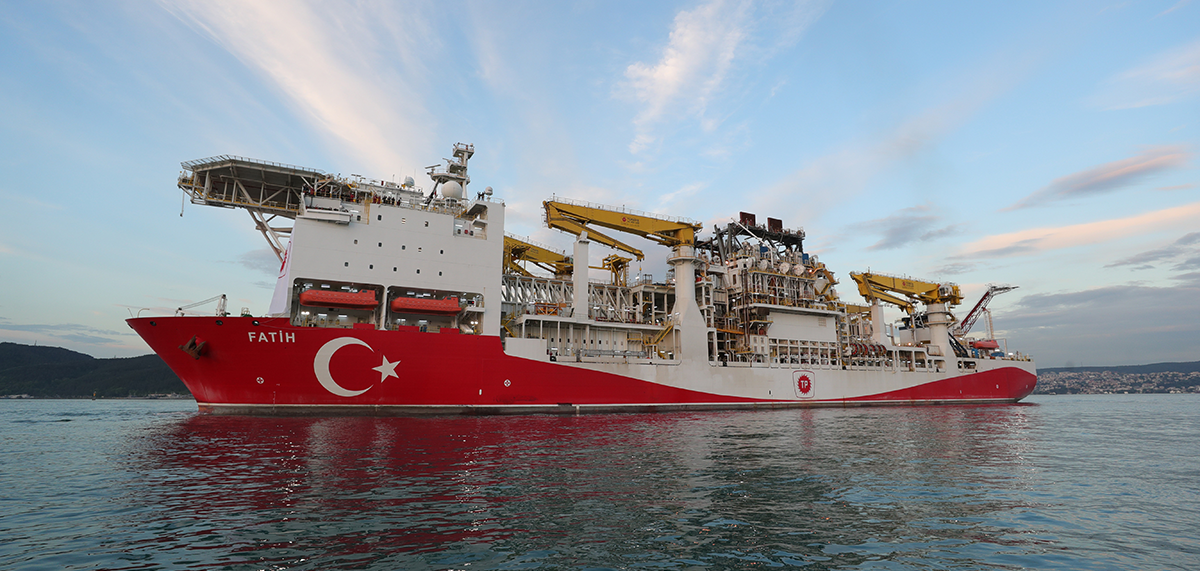
Turkey: A new emerging gas player with resources and infrastructure
With its recent deepwater exploration success in the Black Sea and prominent geographic location for interregional hydrocarbon pipelines, Turkey can play a material role in shaping the geopolitical landscape today, especially in the natural gas sector. The country will face a strategic conundrum, whether to utilize newly discovered gas resources entirely for domestic needs and thereby reduce gas imports that come with political baggage as well as foreign currency expenditures, or export gas to capture foreign revenue that Ankara desperately needs.
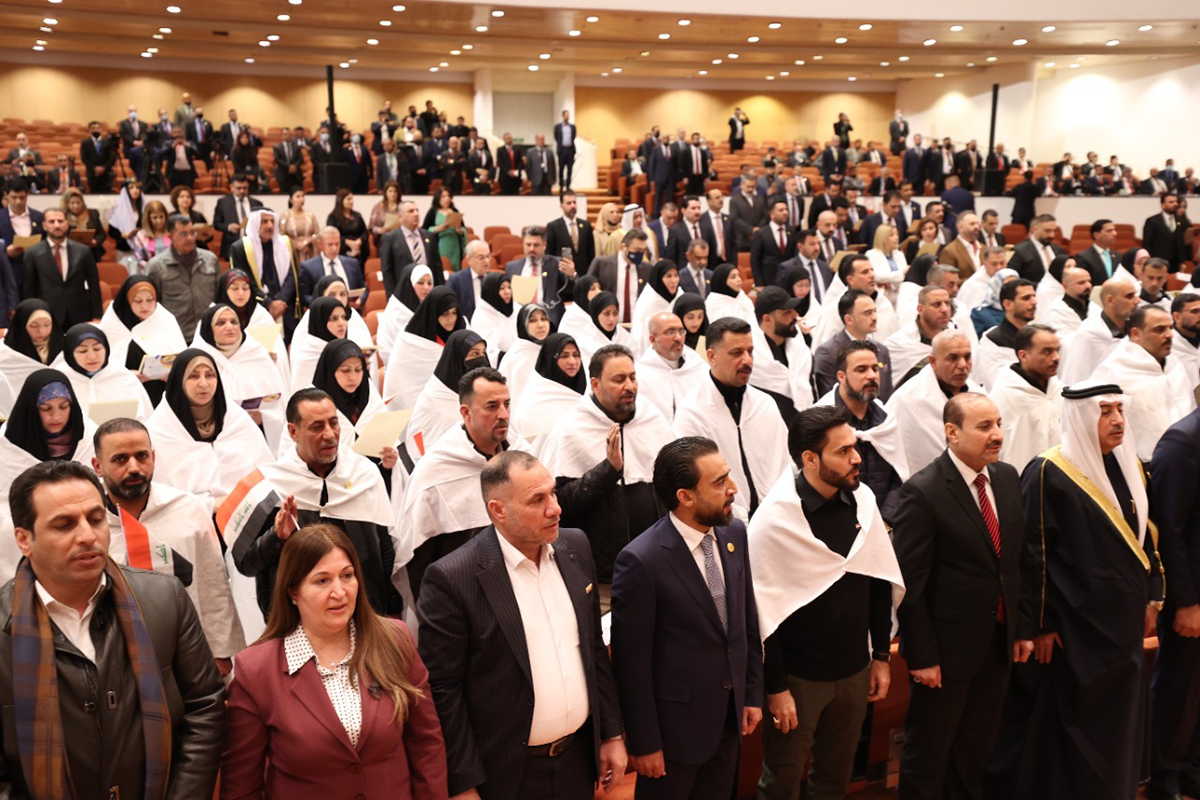
Iraq once again leaps into the void, but not before political elites secure funding
For Iraqis, two key events last week will shape the rest of this year, but hopefully not many more to come. First, on June 8 the divided parliament voted in surprising harmony to pass the so-called “Food Security and Development Bill,” a controversial piece of legislation with a $17 billion price tag. Second, this was followed, almost overnight on June 9, by a call from firebrand populist Shi’a cleric Muqtada al-Sadr to lawmakers loyal to his movement to “prepare their resignations.” On June 12, the 73 MPs of the Sadrist Movement tendered their resignations, and Iraq leapt even deeper into the void of political uncertainty.
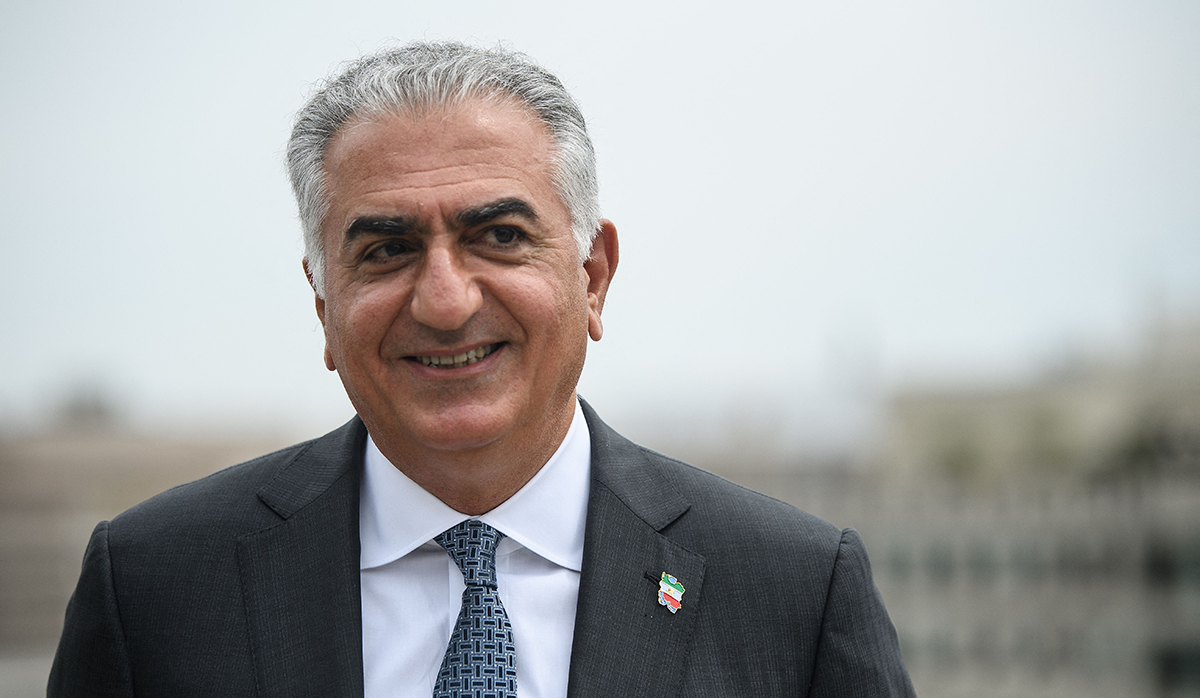
Pahlavi address highlights growing disillusionment with Iran’s leadership and the search for alternatives
The June 3 address by Reza Pahlavi, son of the last shah, to the people of Iran was bad news for Supreme Leader Ayatollah Ali Khamenei. In his live televised speech, Reza Pahlavi made several accusations against the current leadership of Iran, and judging from their reaction, it has put Iranian officials on edge.
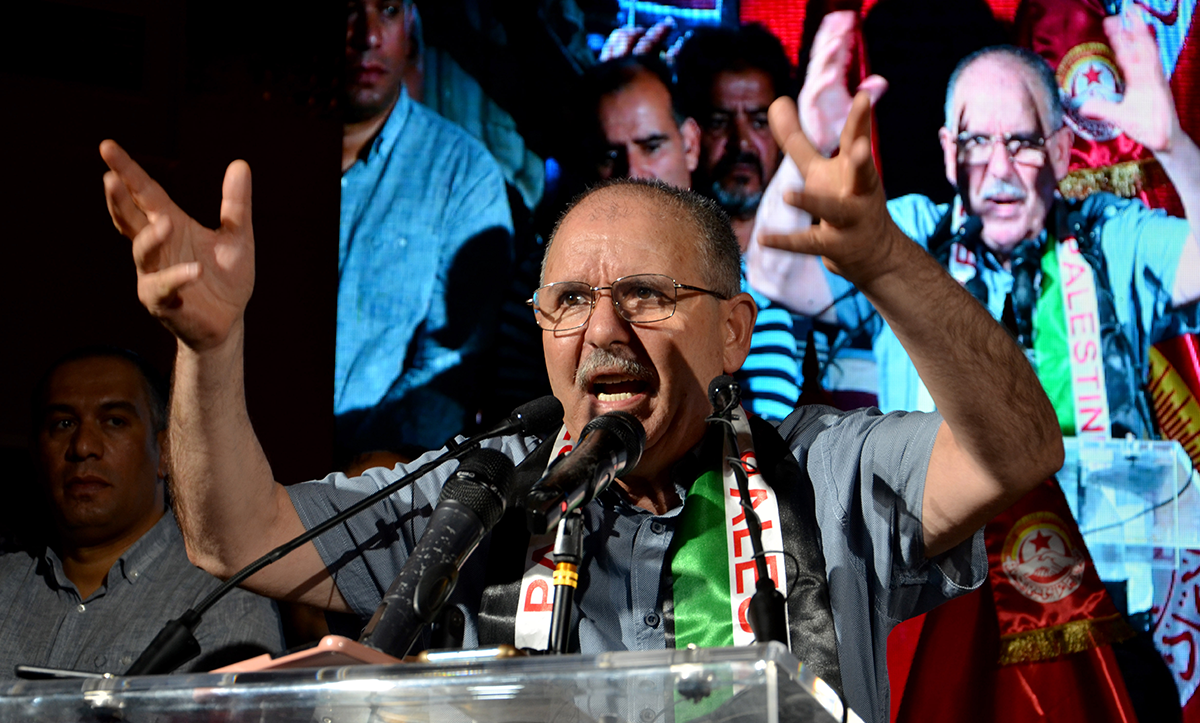
Tunisian labor confederation challenges the president
The UGTT’s strike would be the biggest challenge to President Kais Saied since he assumed full control of the Tunisian government last July.
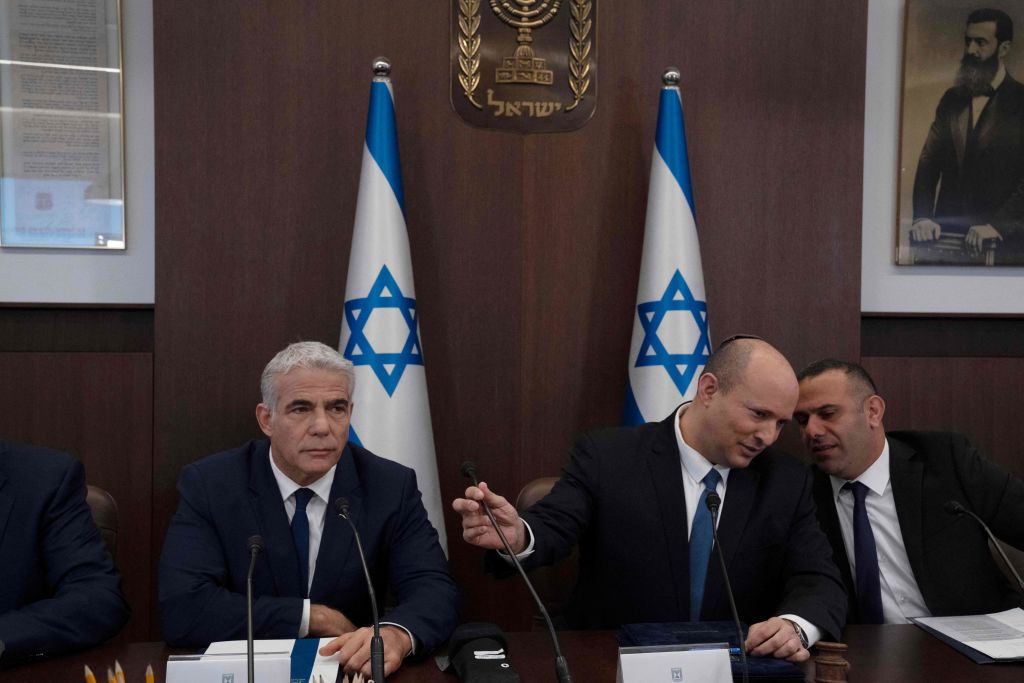
Monday Briefing: Under brutal pressure, Israel’s coalition is on the verge of crumbling
اقرأ تقرير MEI الأسبوعي الذي يتضمن تحليلات الخبراء للتطورات الإقليمية الرئيسية للأسبوع المقبل.

Looking to the skies: The growing interest in cloud seeding technology in the Gulf
In response to water shortages exacerbated by population growth and climate change, an increasing number of countries have invested in weather modification technologies over the past decade, including precipitation enhancement, or cloud seeding. The UAE has been a leader in exploring this technology within the arid Gulf region, launching a cloud seeding program in 2002.
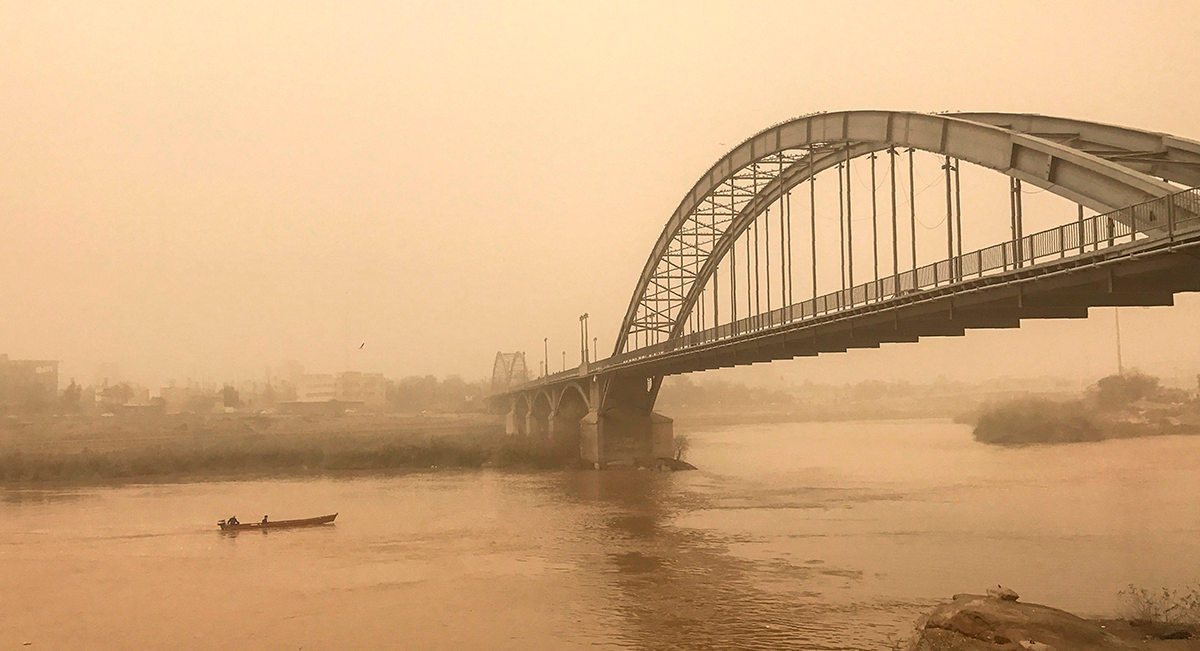
Amid dust storms and drought, Turkey and Iran are at odds over transboundary water management
Water is slowly emerging as yet another potential cause for dispute between Ankara and Tehran. As of late, the two neighboring states have been at loggerheads over a number of issues, including Syria and Iraq, where they have opposing interests. After years of quiet diplomatic juggling, the issue of transboundary water management is gradually taking center stage in the two countries’ relations, a development that could, in the medium run, have serious repercussions for regional security.