This individual is a guest contributor. MEI is not able to assist with contact requests.
Rebecca Anne Proctor is an independent journalist, editor, author, and broadcaster based in Dubai and Rome, from where she covers the Middle East and North Africa. She is the former editor-in-chief of Harper’s Bazaar Art and Harper’s Bazaar Interiors.
Hafsa Halawa, Burcu Karakas, and Lina AbiRafeh join host Alistair Taylor to discuss the ways in which the coronavirus pandemic affects women and girls in the MENA region. While the virus has affected everyone, its gendered impact has been outsized and the fallout will likely exacerbate a host of existing issues affecting everything from health and education to politics and the economy.
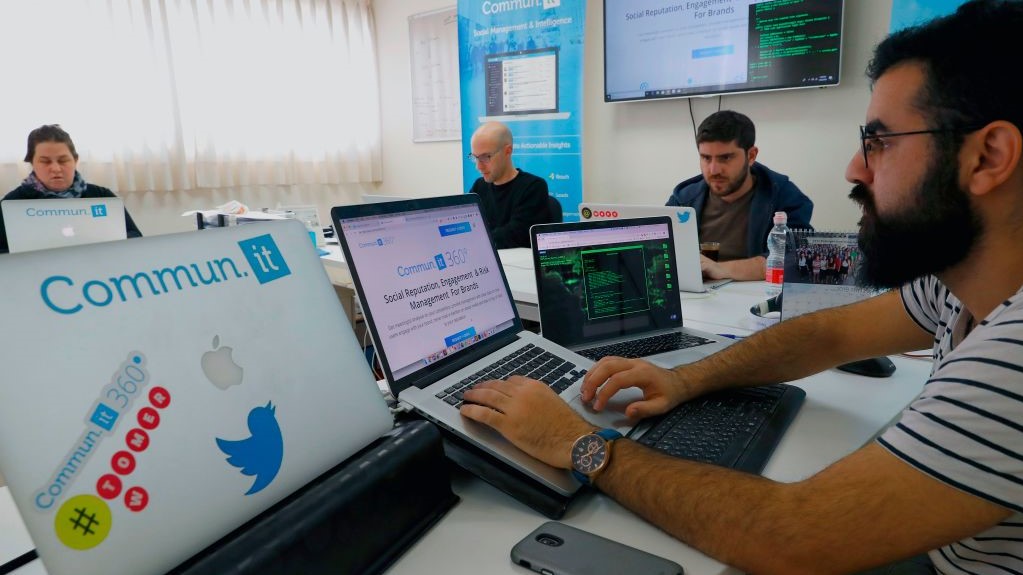
Digitization and the future of Middle East economies
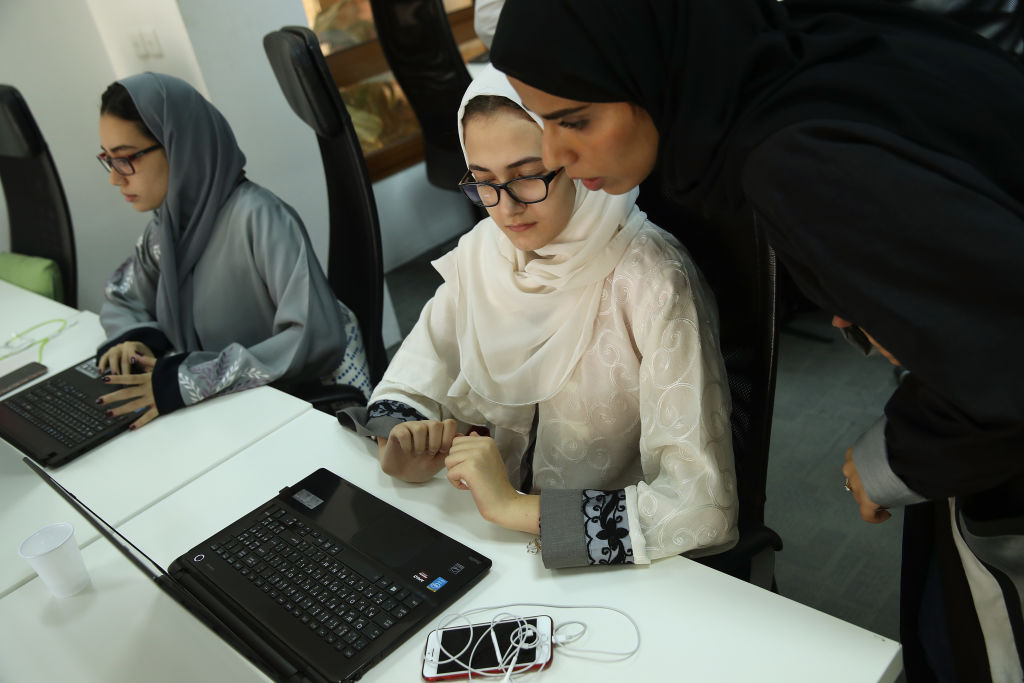
The digitization of business in the Middle East has enormous implications for the future of regional economies, as well as for education, employment, and beyond. The way this digital transition shapes the region will be influenced by the degree to which policymakers consider this shift in its context and with an eye toward the future, as the opening session of the MEI Cyber Program’s recent conference explored.
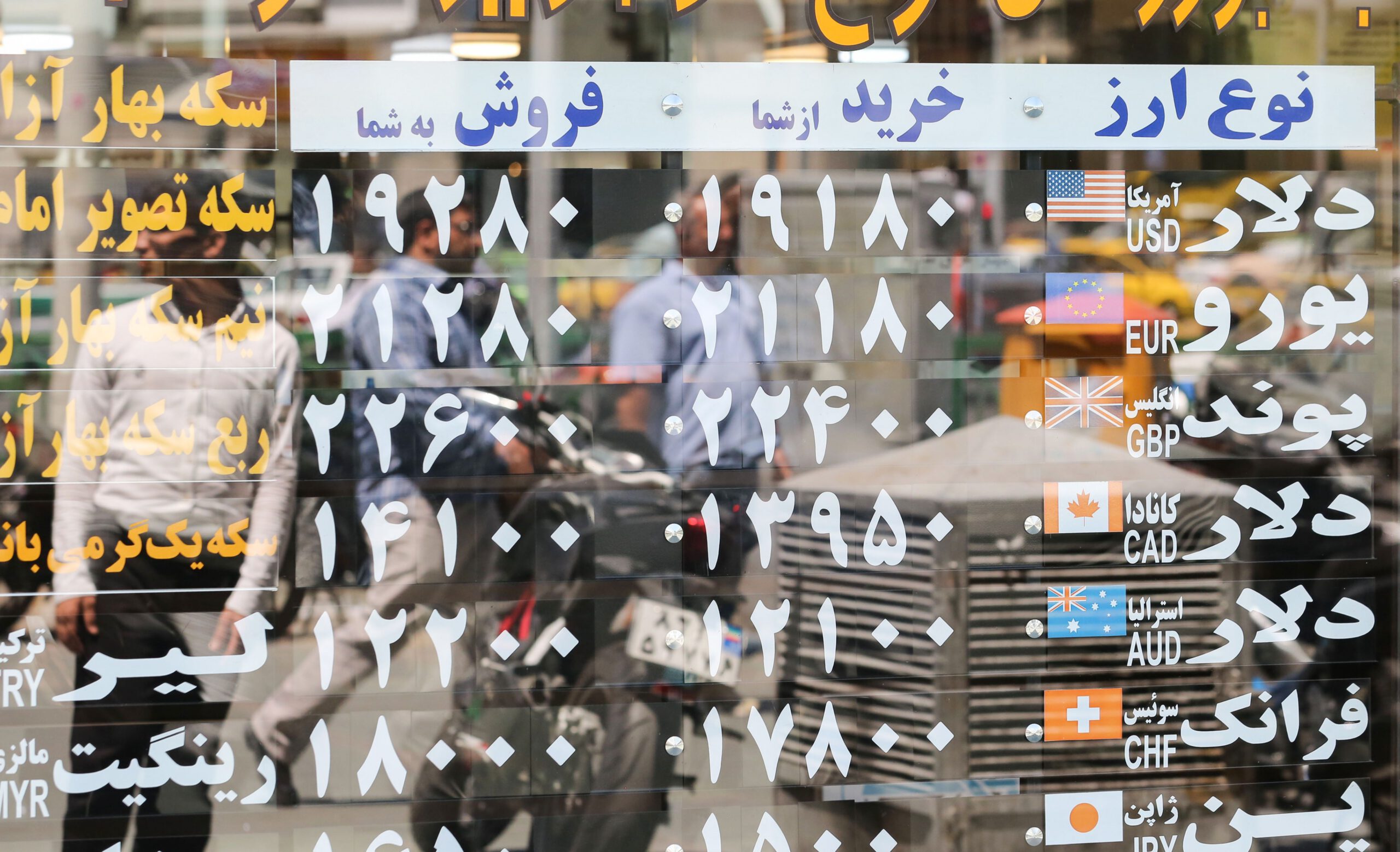
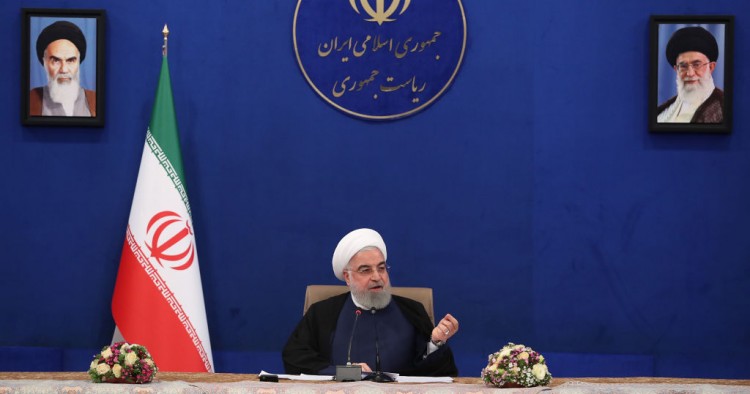
Officials in Tehran have a lot to worry about. But they are particularly irked at the speed by which Asian states have dropped Iran as a trading partner. Iran had hoped that the East would save the country’s economy from the barrage of sanctions enacted by the administration of U.S. President Donald Trump. In early 2018, at a time when Trump and his team were about to unveil the most punishing sanctions regime ever imposed on a country, Supreme Leader Ali Khamenei explicitly urged Tehran to look east for trading partners.
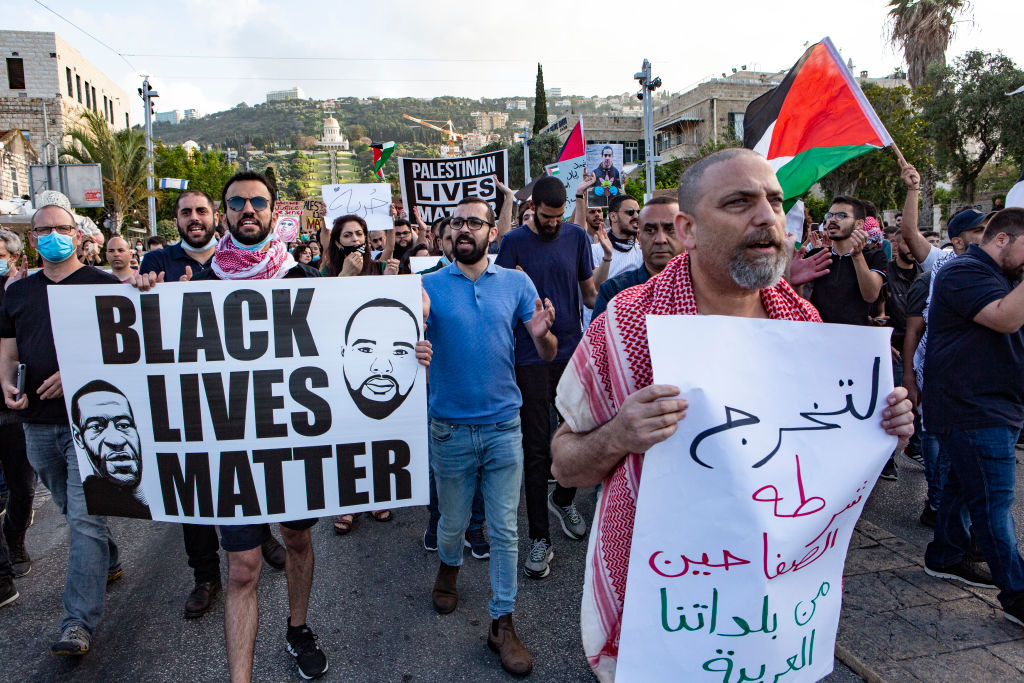
Gulf regimes may oppose annexation, but they helped bring it about
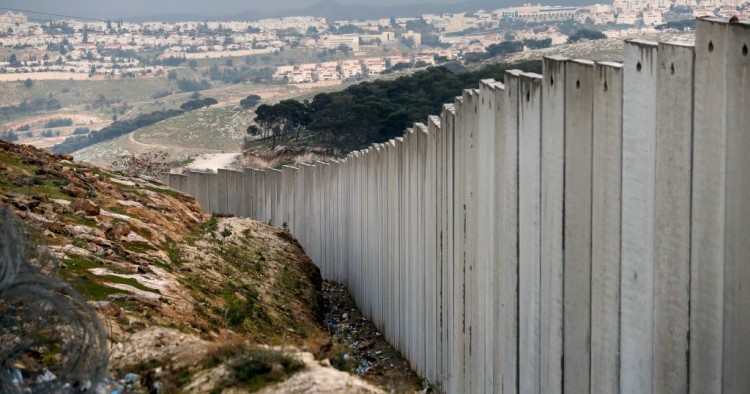
Leaders of Arab Gulf regimes now decry the attempt to implement the vision of the Israeli Right, which aims to prevent the establishment of a Palestinian state. But it is exactly the policies of the Arab Gulf regimes, through their normalization of ties with Israel at the expense of the Palestinians, that directly contributed to the rise of the Israeli Right and made this annexation more likely.
Free speech, civil society, and equity in cyberspace
From the growing impact of social media on popular movements and politics in the Middle East to the changing face of journalism and civil society online, the intersection of digital spaces with politics is one of the most critical emerging areas for examining the future of dissent, human rights, and democracy in the region. This issue was a central focus during the second panel of the MEI Cyber Program’s inaugural June conference, with experts highlighting several critical areas for consideration and examination in the years to come.
Public diplomacy and influence campaigns in the Middle East
Despite the empowering and liberating potential of new communications technologies, the growing power and influence of autocrats is undermining pressure for human rights and good governance. Authoritarian regimes have embraced new technologies and influence campaigns have become one of the many ways in which they seek to reassert their control over the media and civilians. During the third panel of the MEI Cyber Program’s inaugural June conference, experts examined the development of online manipulation campaigns and discussed how governments conduct these operations, as well as the campaigns’ dangers, limits, and the best policies to encourage free speech online in the Middle East.
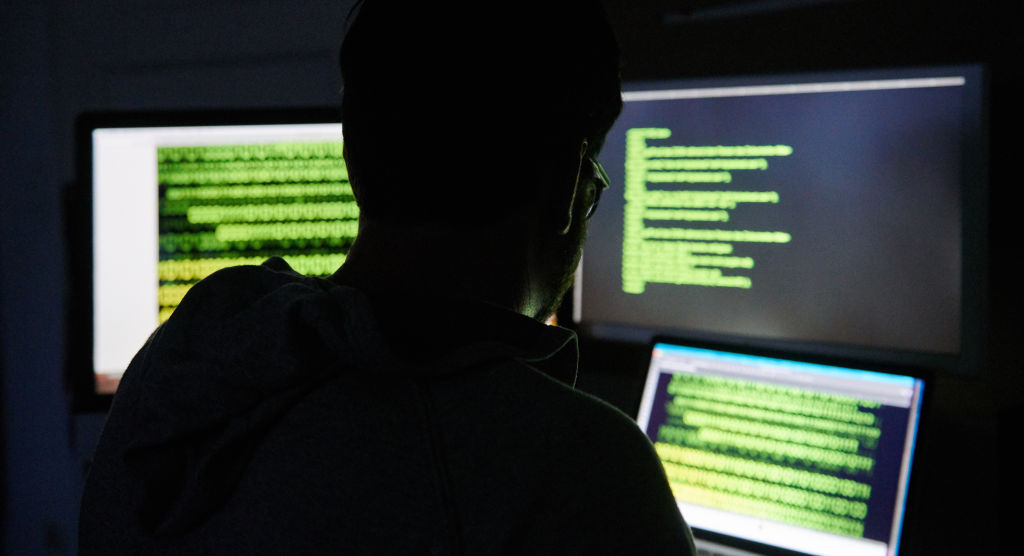
Cyber conflict in the Middle East: Considerations for the future
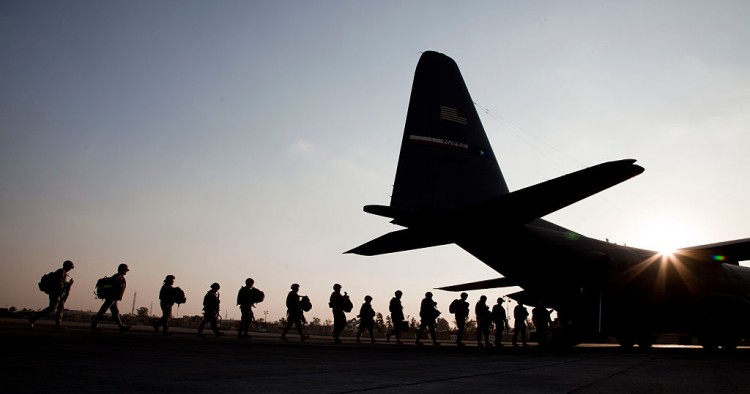
The growing role of cyber conflict in the Middle East continues to raise questions about the future of regional relations, national security, and defense. A diverse group of experts provided a close-up perspective on the region’s cyber threat landscape and its major players and tools during the fourth panel of MEI’s Cyber Program conference, shedding light on how these threats are shaped by specific regional dynamics.
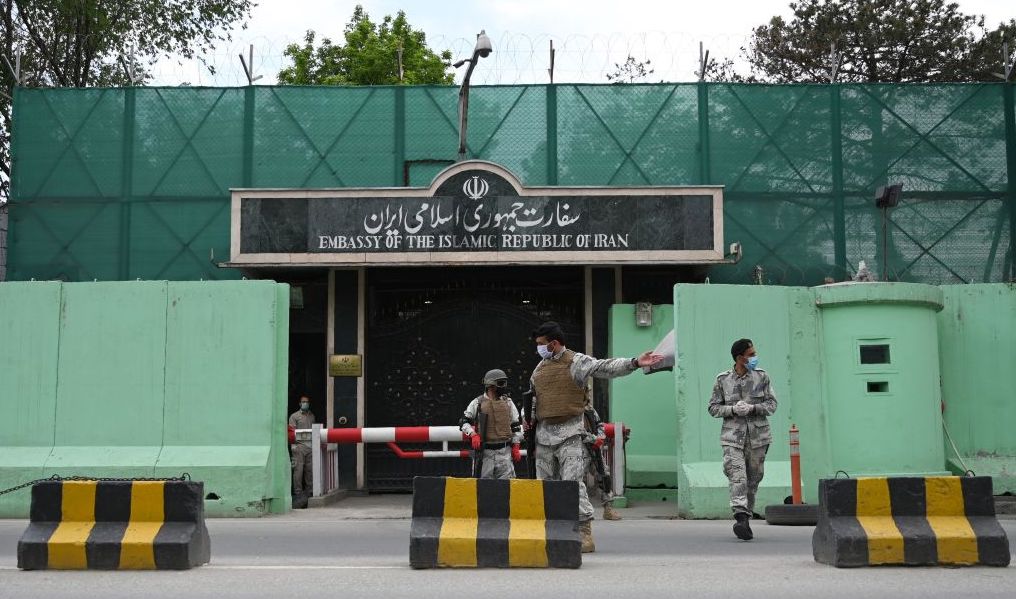
Despite strong religious and cultural ties and a long shared border, Iran has a somewhat complicated relationship with Afghanistan. Since the Soviet Union’s invasion of Afghanistan some four decades ago, Iran’s attempts to preserve its interests in conflict-ridden Afghanistan have not received much attention from the outside world, but it remains one of the most important neighboring countries for Tehran’s foreign policy.
Deradicalization Programs for SOSMA, POTA, and POCA Detainees in Malaysia
Counterterrorism strategies can be made more effective by incorporating deradicalization and rehabilitation measures. Deradicalization is a key element of Malaysia’s counterterrorism and violent extremism strategy. This article discusses the Malaysian Government’s multi-stage deradicalization process.
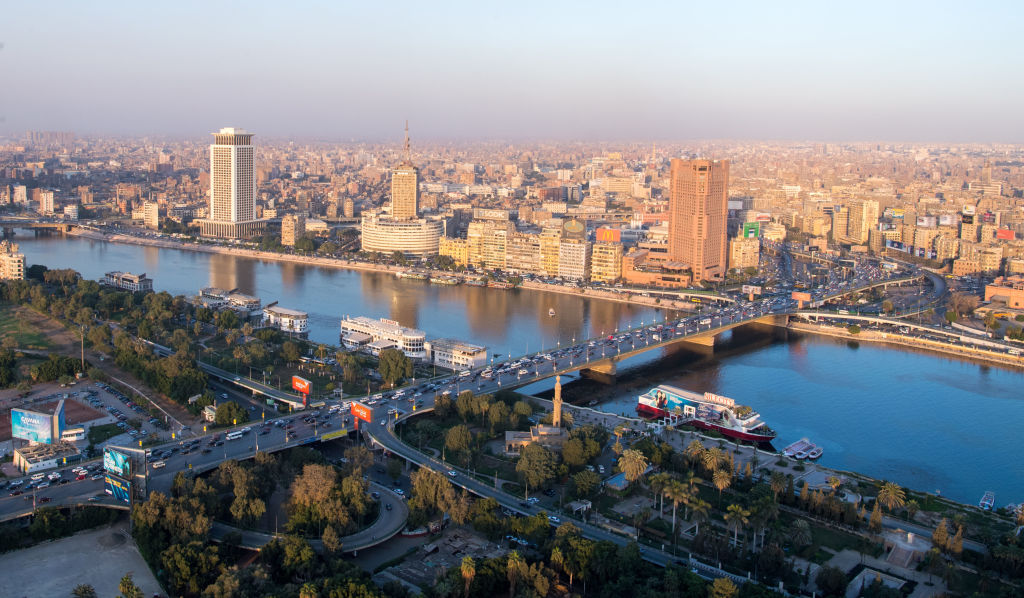
Egypt’s path forward from the pandemic’s economic fallout
Today marks almost three months of a global shutdown to curb the spread of the COVID-19 pandemic, and the Middle East and North Africa region faces a double whammy from the resulting economic fallout and the sharp decline in oil prices this spring. While Egypt is rightly focused on its short-term response to the crisis, it should take advantage of the international and regional shock caused by the pandemic to change its growth model for the longer term and implement much-needed structural reforms on a variety of fronts.
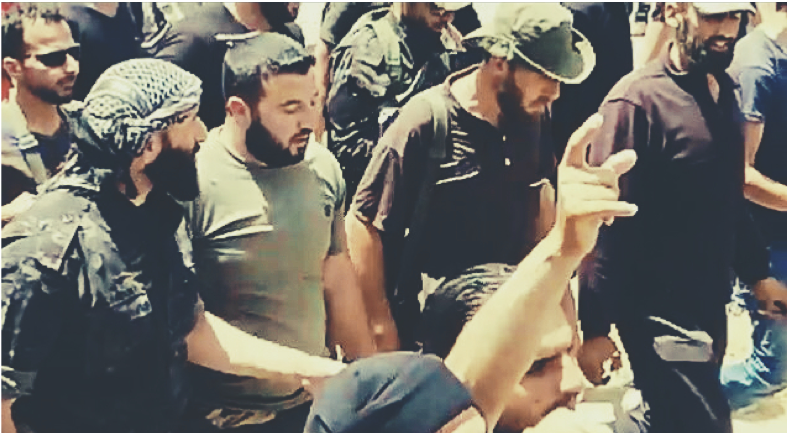
Is Ahmad al-Oda winning the “hearts and minds” of Daraa’s people?
On June 20 a bus carrying soldiers from the Eighth Brigade of the Fifth Corps, travelling from Latakia to Busra al-Sham, hit a roadside IED near the town of Kahil in eastern Daraa, leaving nine dead and 13 injured. The following day, the funeral for the nine soldiers who died in the IED attack quickly turned into the largest protest Daraa has seen since 2018, including both Eighth Brigade fighters and hundreds of civilians from several nearby areas.