This individual is a guest contributor. MEI is not able to assist with contact requests.
Rebecca Anne Proctor is an independent journalist, editor, author, and broadcaster based in Dubai and Rome, from where she covers the Middle East and North Africa. She is the former editor-in-chief of Harper’s Bazaar Art and Harper’s Bazaar Interiors.
The Middle East and its role in the global economy
Too many of the world’s economies are still struggling. Who right now can help them and in the process most help itself? We suggest it’s the Middle East, but only once the region takes on a long overdue leadership role in the global economy’s financial regulatory and development bodies.
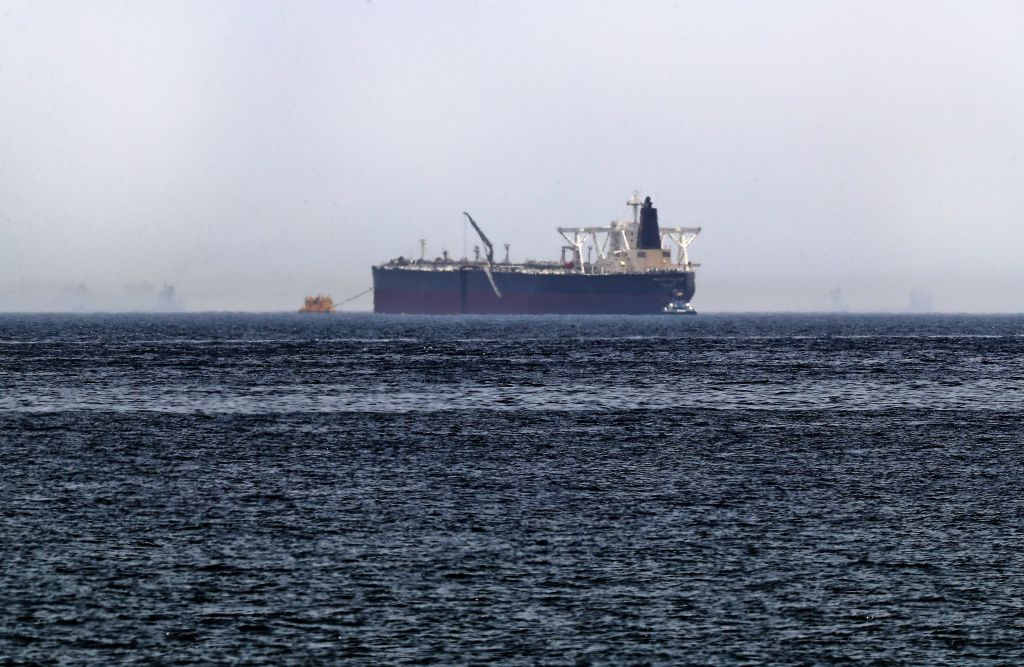
Monday Briefing: Ships sabotaged in the Gulf amid rising tensions with Iran
In this week’s Monday Briefing, MEI experts Alex Vatanka, Robert S. Ford, Jonathan M. Winer, and Gonul Tol provide analysis on recent and upcoming events including the sabotage this weekend of four ships off the coast of the UAE, the recent escalation of fighting in northwestern Syria, efforts to negotiate a ceasefire in Libya, and mounting concerns about Turkey’s economic health.
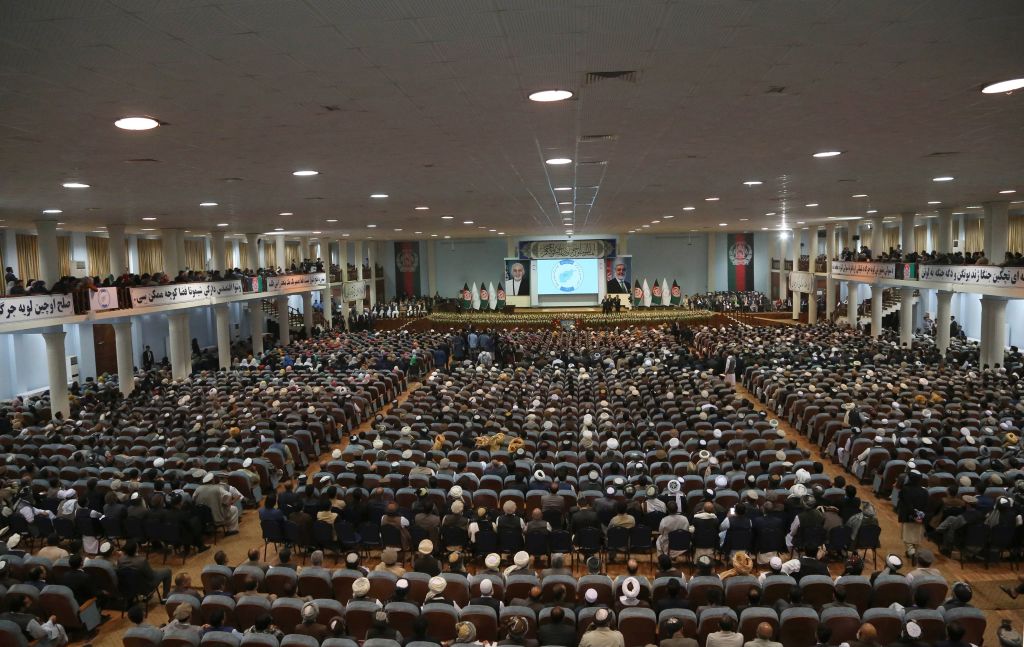
U.S. Special Representative Zalmay Khalilzad is holding talks with the Afghan Taliban to make sure the guns fall silent in Afghanistan. But getting the Taliban to agree on a ceasefire and engage in an intra-Afghan dialogue is severely testing Khalilzad’s negotiating skills; the fifth round of talks in Doha lasted for 16 days. If the intra-Afghan dimension cannot be made to work, it will likely lead to not only a more complicated political process, but also a far more dangerous one.
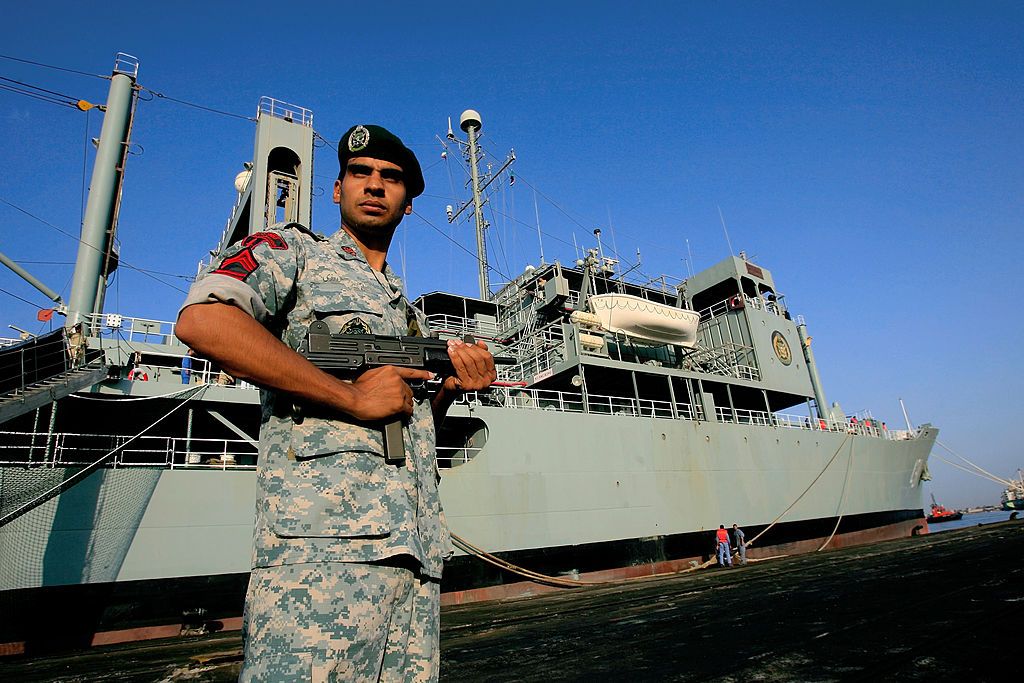
Much analysis of the geopolitical ramifications of President Omar al-Bashir’s ouster last month has focused on how Sudan fits into the larger struggle between the Middle East’s Sunni powers, but Iran is also part of the equation as well. Saudi and Emirati leaders have a number of objectives in Sudan and preventing the Islamic Republic from re-establishing a foothold in Africa is one of them. Indeed, Riyadh and Abu Dhabi are determined to ensure that Khartoum remains firmly in the anti-Iranian camp, following its realignment between 2014 and early 2016.
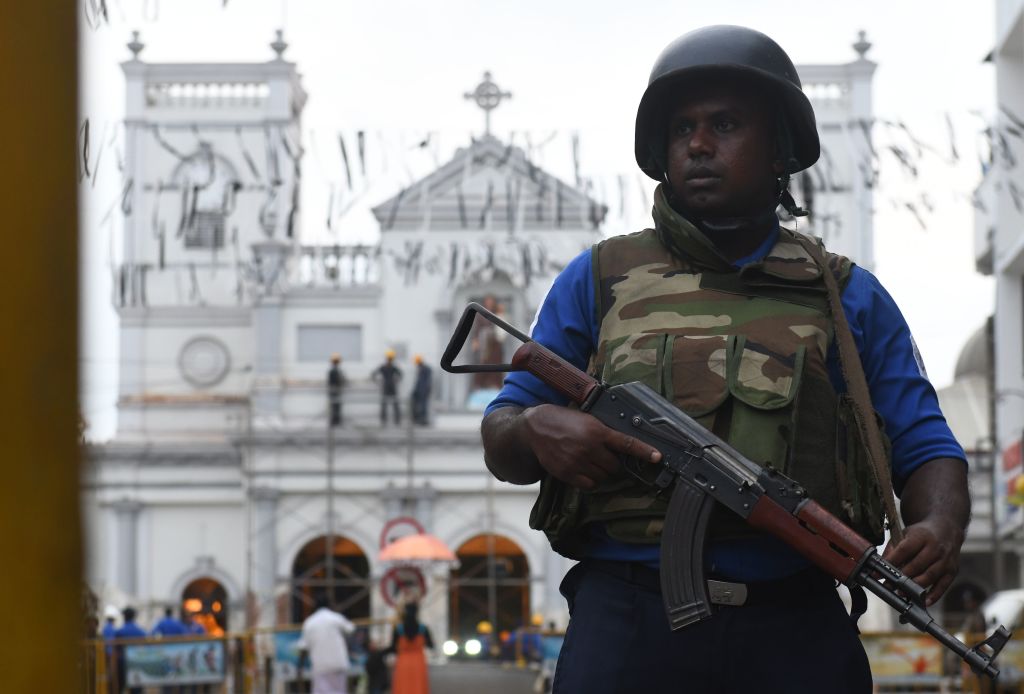
Sri Lanka’s Easter Sunday Bombings: Moving Forward
On Easter Sunday (April 21), a series of devastating terror attacks struck popular churches and high-end hotels in Sri Lanka. These tragic events rocked the nation and reverberated across Asia and beyond. This article discusses the circumstances surrounding the bombings and the authorities’ initial responses to them, and suggests ways to help reduce the risk of extremist violence in Sri Lanka.
With elections set for the fall, Tunisian voters are searching for leaders to emerge who can tackle issues of political fragmentation, long standing economic problems, growing protests, and a volatile regional environment with civil war in Libya on one side and political upheaval in Algeria on the other. Sarah Yerkes, a fellow with the Carnegie Endowment’s Middle East program, and Sharan Grewal, postdoctoral fellow at the Brookings Center for Middle East Policy, join host Alistair Taylor to discuss.
Monday Briefing: Troubled paths ahead for US and Iran
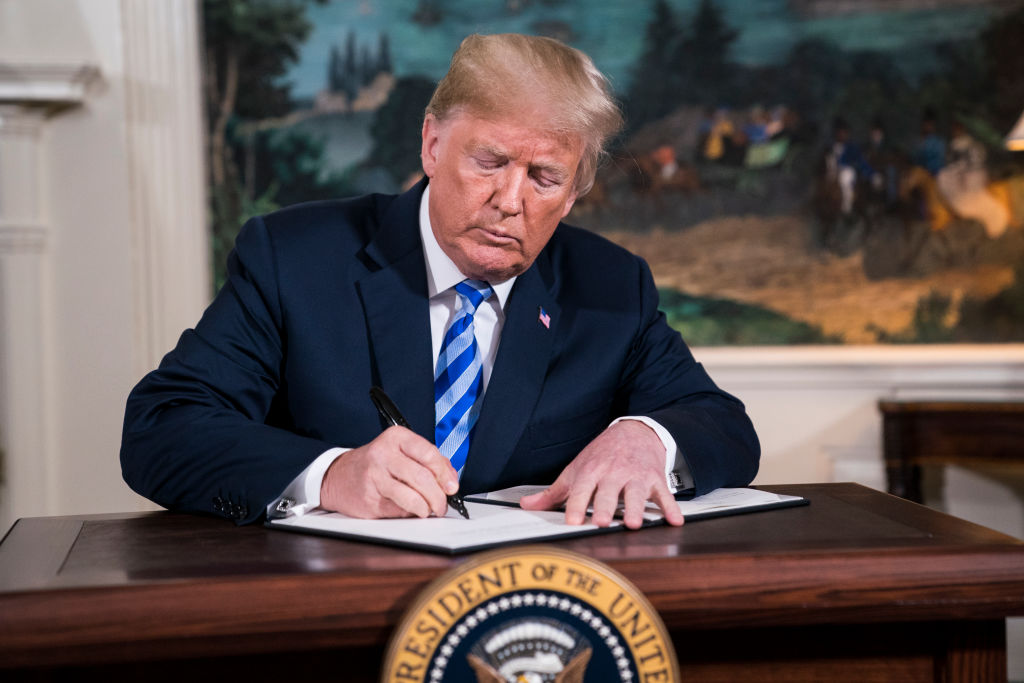
In this week’s Monday Briefing, MEI experts Paul Salem, Randa Slim, and Marvin G. Weinbaum provide analysis on recent and upcoming events including the anniversary of the US withdrawal from the Iran nuclear deal, the economic crisis in Lebanon, and ongoing peace talks in Afghanistan.
Larry Schwartz, former deputy assistant secretary in the State Department’s Bureau of Near Eastern Affairs, and Domenic DiGiovanni, vice president of Red Arch, join host Alistair Taylor to discuss the illegal theft and smuggling of cultural artifacts from the Middle East, and what regional governments and international partners can do to help preserve the region’s cultural heritage.
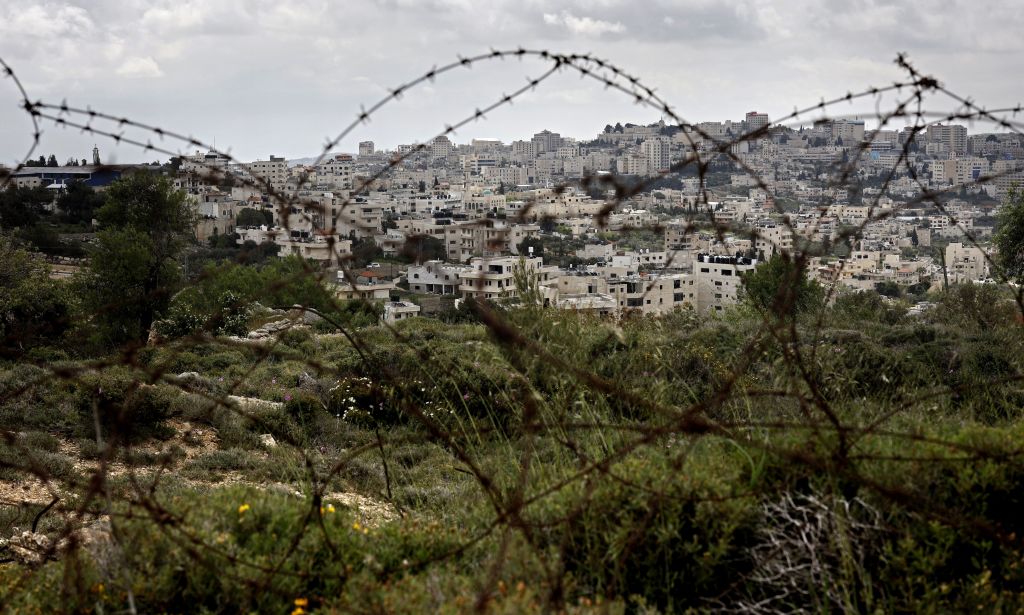
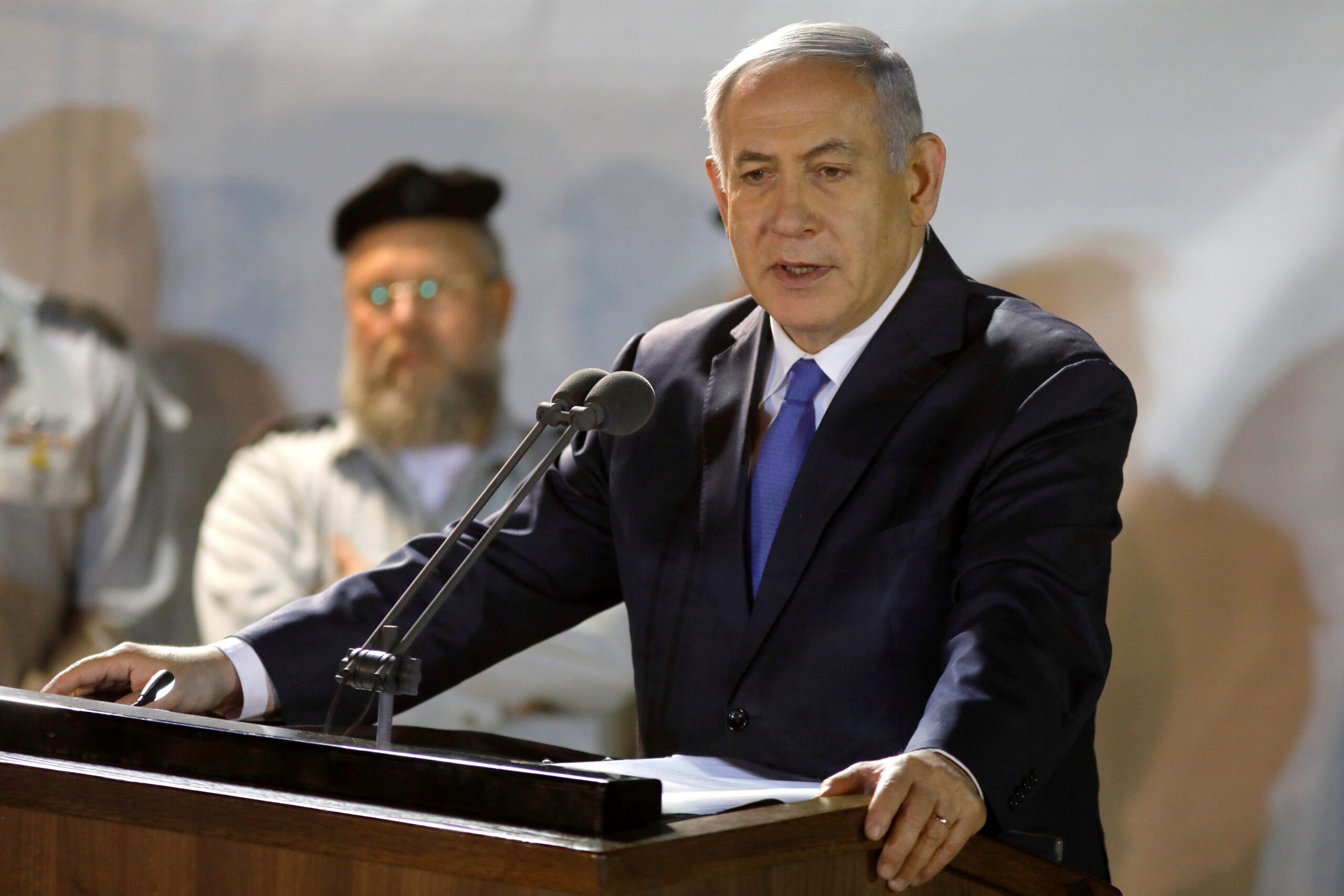
In the days before his recent election victory, Prime Minister Benjamin Netanyahu raised the prospect of Israel’s formal annexation of the West Bank settlement areas where close to half a million Israelis reside. For more than half a century Israeli governments of all parties and constellations have been enthusiastic partners in policies of occupation and settlement of territories conquered in the Arab-Israeli war of 1967.
Following a brief lull on the Israel-Syria front earlier this year, Tel Aviv has once again resorted to striking Iranian assets to its north. While a direct confrontation between the IDF and Syrian forces seems unlikely, the path forward for Israel and Syria is unclear.
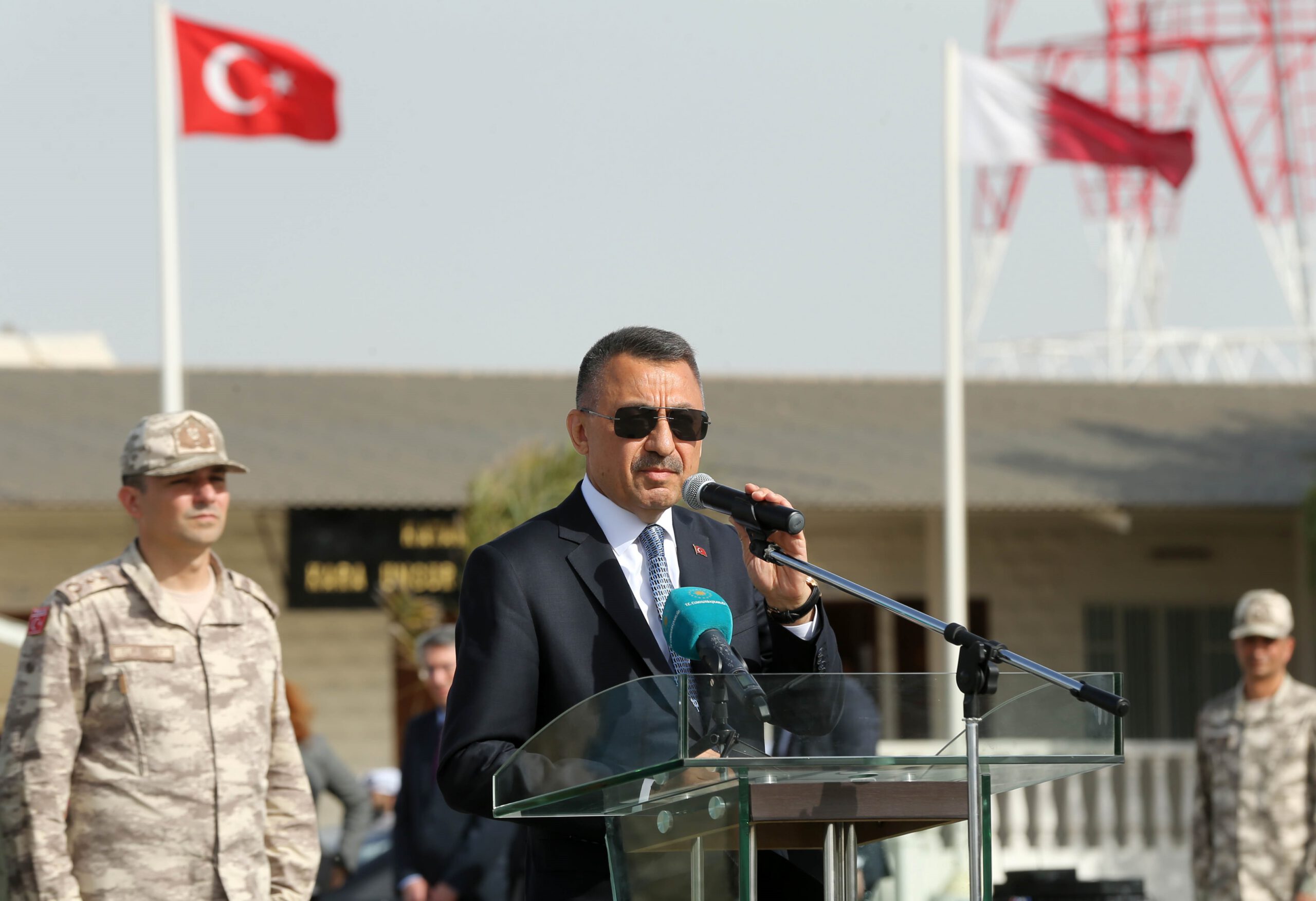
The recent arrest in Turkey of two suspects accused of spying for the United Arab Emirates highlights the growing divide between the two countries. Although the original cause of the rift – diverging views of the Muslim Brotherhood – has become less relevant in recent years, the enmity between the two nations endures.