This individual is a guest contributor. MEI is not able to assist with contact requests.
Rebecca Anne Proctor is an independent journalist, editor, author, and broadcaster based in Dubai and Rome, from where she covers the Middle East and North Africa. She is the former editor-in-chief of Harper’s Bazaar Art and Harper’s Bazaar Interiors.
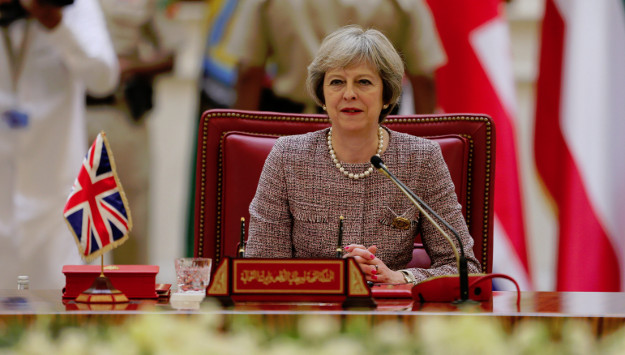
British Prime Minister Theresa May’s reiteration while visiting the United States that Iran’s “malign influence” in the Middle East has to be countered has generated swift angry reaction in Tehran.
Iranian-state media have been defending Iraj Masjedi, Tehran’s new ambassador to Baghdad. Masjedi is a member of the Qods Force, the external branch of the Islamic Revolution Guards Corps. Al-Alam, the Iranian-sponsored media outlet that is aimed at the Arabic-speaking world, quoted Iraq’s National Security Advisor, Falih al-Fayyad, to say that Masjedi is welcome in Baghdad and that “he is someone [Iraqis] know and appreciate for his past record in Iraq.”
Rights Group Reports Baha’i Students Expelled from Iranian Universities
The International Campaign for Human Rights in Iran (ICHRI) reports that at least 15 Baha’i students were expelled from Iranian universities in the past one month.
Iran Ramps Up Its Exchange Programs for the Houthis in Yemen
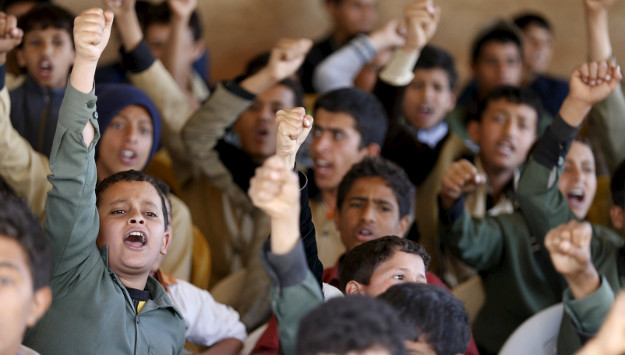
Following the Houthi takeover of Sana’a, Iran expanded its academic and cultural exchange programs in Yemen’s education sector. Iran initiated these programs in response to a Saudi-financed program to increase the number of Salafi mosques and madrassas in northern Yemen in the 1990s.
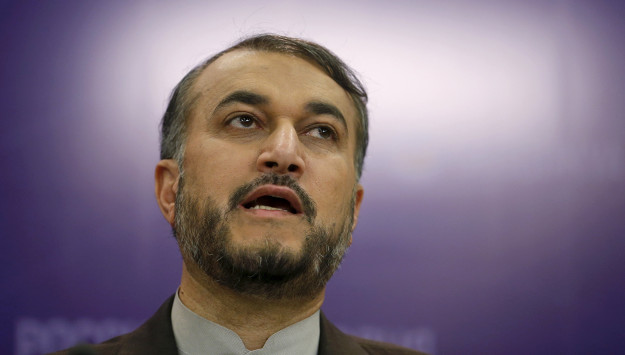
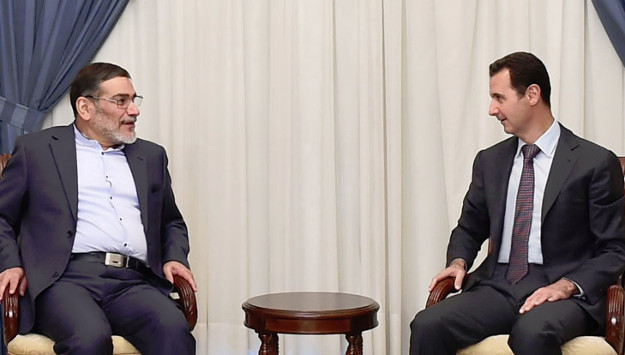
The January 26 meeting between the Syrian President Bashar al-Assad and Hossein Amir Abdollahian is another important sign that Iran’s President Hassan Rouhani has at best very little influence over Iran’s Syria’s policy. The official title of Amir Abdollahian is “Director General of International Affairs” at the Iranian parliament, the Majlis. However, this generic title given to Abdullahian is in no way a true reflection of his power in Tehran and the critical base of support he enjoys.
Rights Group Calls on Rouhani to End Imprisonment of Dual-Nationals
The International Campaign for Human Rights in Iran (ICHRI) today called on Iranian President Hassan Rouhani to “use all the powers of his office to obtain the immediate release of Nazanin
Worries in Tehran about Russia-led Syria Peace Process
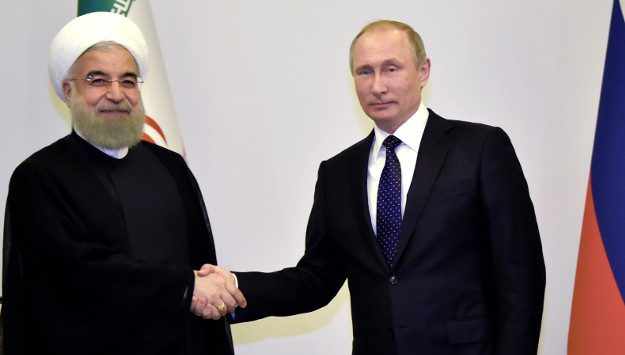
Although Russia, Iran and Turkey agreed on Tuesday to jointly monitor the fragile cessation of hostilities in Syria, tensions are escalating between Moscow and Tehran about how to move forward with both war and diplomatic efforts in the future. It is becoming more apparent that Russian and Iran have diverging interests and goals – both in the immediate and long terms – in Syria, although they have cooperated closely over the past years to prop up the embattled regime of Bashar al-Assad.
Sudanese President Accuses Iran of “Spreading Shiism” in Africa
On January 26, Sudan’s President Omar Hassan al-Bashir accused Iran of spreading its ideological and military influence throughout the Middle East and North Africa.
Despite Controversial Visa Ban, Iranians Still Give Trump a Chance
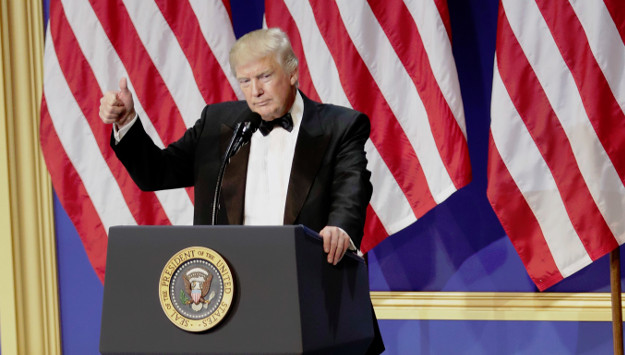
News that President Donald Trump is about to introduce a visa ban on Iranian nationals wanting to travel to the United States has been met by considerable composure in Tehran.
The Mystery of Iran’s “Strategic Depth” Policy in Syria
BBC Persian, an important independent source of news for Iranians inside Iran where media freedoms are restricted, published an article on the sensitive subject of Tehran’s endgame in the Syrian war.
The introduction of the draft in Gulf monarchies — after decades of sovereign statehood — presents an interesting puzzle. What are the reasons behind the newly implemented conscription? What broader implications does this phenomenon have for the Gulf? This essay addresses these questions.
Six Challenges to U.S.-Israel Relations under Trump
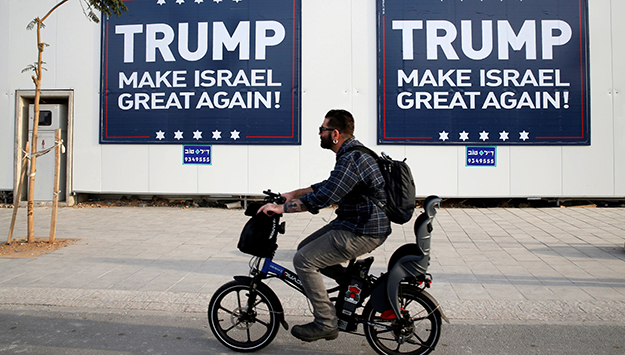
In the early 2000s, the Bush administration’s global ratings were at historic lows. There was only one allied country in which public opinion was favorable to U.S. policies—Israel. Like its citizenry, the Israeli government was strongly supportive of “the freedom agenda,” “the global war on terror,” and the need to eradicate “the axis of evil.” A decade later, President Donald Trump’s inauguration created a very similar effect, winning overwhelming governmental support and backed by a majority of Israelis.
Tehran Views GCC Overture as “Sign of Weakness,” Not Goodwill Gesture
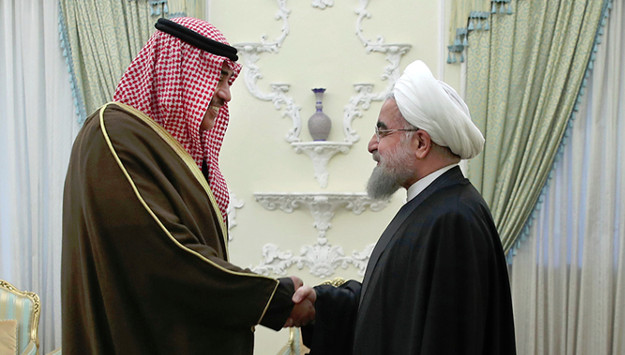
Kuwaiti Foreign Minister Sheikh Sabah Khaled al-Sabah has arrived in Tehran today to deliver a message from Gulf Cooperation Council (GCC) on a strategic dialogue between the Gulf Arab states and Iran, the Iranian and Arab media report. “Gulf states have a true desire that relations with Iran are normal and based on international law,” Sabah said on Tuesday after attending the inauguration of a NATO center in Kuwait.