This individual is a guest contributor. MEI is not able to assist with contact requests.
Rebecca Anne Proctor is an independent journalist, editor, author, and broadcaster based in Dubai and Rome, from where she covers the Middle East and North Africa. She is the former editor-in-chief of Harper’s Bazaar Art and Harper’s Bazaar Interiors.
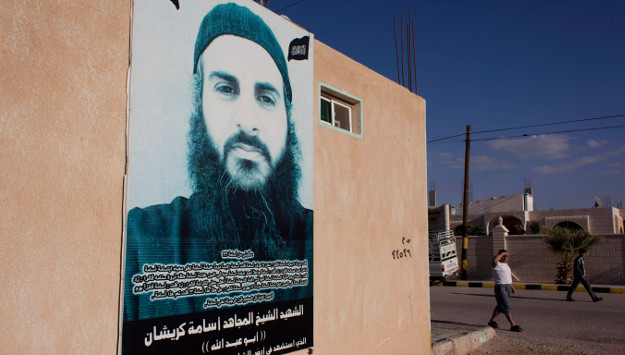
The pre-emptive security operation against a suspected ISIS-linked cell in the northern Jordanian city of Irbid earlier this month was a rude awakening. That all members of the cell were Jordanians added to public anxiety. While praise of the security forces and Jordan’s General Intelligence Department (GID) came from all sides, starting with King Abdullah himself, a sense of unease permeates throughout the kingdom. This was the first armed confrontation with ISIS, called Daesh locally, within the kingdom’s borders.
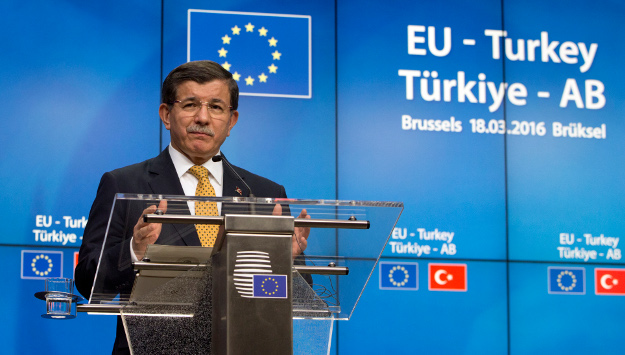
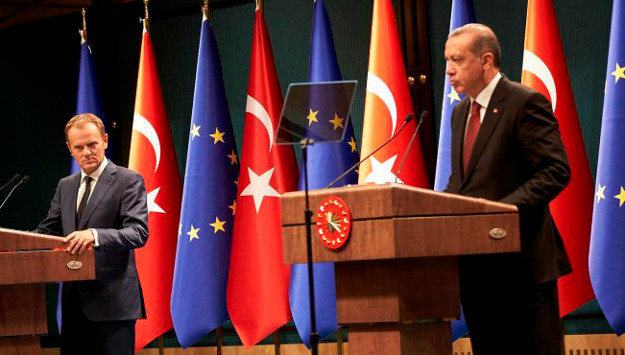
The European Union and Turkey agreed March 17 on a plan to address the Syrian refugee crisis. Under the deal any migrants arriving in Europe, starting next week, will be sent back to Turkey. Ankara, in exchange, will receive expedited aid intended to help Syrians in Turkey, as well as the promise of reignited E.U. membership talks.
Monday Briefing: Latest Analysis on Yemen, Turkey, and Syria
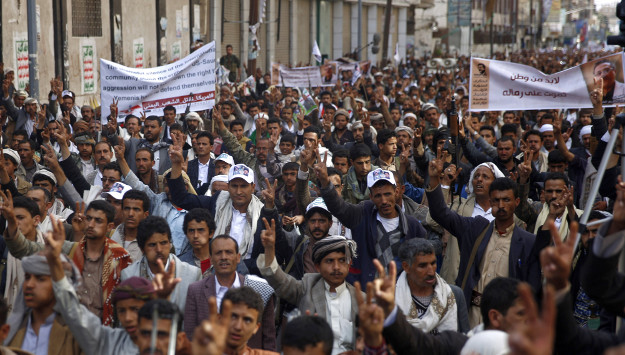
In this week’s Monday Briefing, MEI experts Charles Schmitz, Gonul Tol, Randa Slim, and Charles Lister provide analysis on recent events including the announced cease-fire between the Saudi’s and Yemen’s Houthis, the consequences of the recent terrorist attacks in Turkey and the P.Y.D’s move to declare an autonomous Kurdish zone in northeastern Syria, expectations for Secretary Kerry’s visit to Moscow this week to discuss the Syrian conflict, and the impact of the cease-fire on conditions on the ground in Syria.
Iran’s Uneasy Relationship with its Sunni Minority
The threat of militant extremism among Iran’s Sunnis is being taken very seriously in Tehran. Iranian authorities have been exerting considerable effort to stem the spread of Salafism and Wahhabism into Iran’s mainly Hanafi Sunni majority regions. One strategy that authorities are not pursuing, however, is development. Indeed, the continued underdevelopment of these regions is leaving the door open to radical Islam. Iran’s Sunnis have long struggled with poverty and discrimination, and are suspiciously viewed as the country’s fifth column.
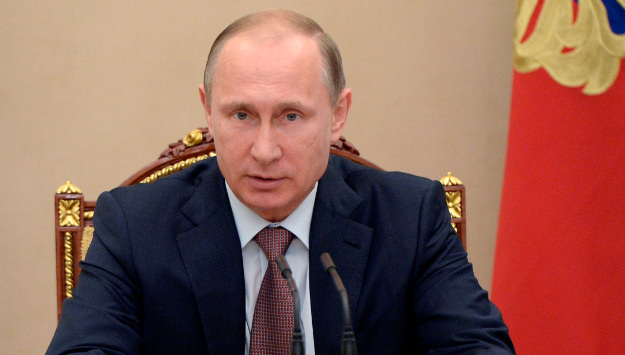
After first surprising the world by entering the fray in Syria last year, Vladimir Putin again shocked observers by announcing he was partially pulling out. On March 14, the Russian president declared his objectives “generally accomplished” and announced the withdrawal of part of his Russian military forces in Syria.
Turkey first applied for associate membership in the European Economic Community in 1959, and Europe has ever since had the upper hand in relations with Ankara. But the EU’s relationship with Turkey has been turned upside down by the Syrian refugee crisis, and the alarm it has caused in European countries.
The Syrian Refugee Crisis and Lebanon’s Endemic Deadlocks: Trading Reform for Resilience
The huge influx of Syrian refugees into Lebanon has placed an enormous strain on the country’s already fragile economy, society and politics. In absorbing this massive external shock, Lebanon has thus far displayed extraordinary community resilience. In that sense, Lebanese communities have actually something to teach the world about welcoming refugees and sharing limited resources despite social, political, and economic grievances caused by the crisis. But international donors’ promotion of the narrative of Lebanon’s resilience has come at a cost, namely the further delay of structural and political reforms that are of critical importance to the country’s future.
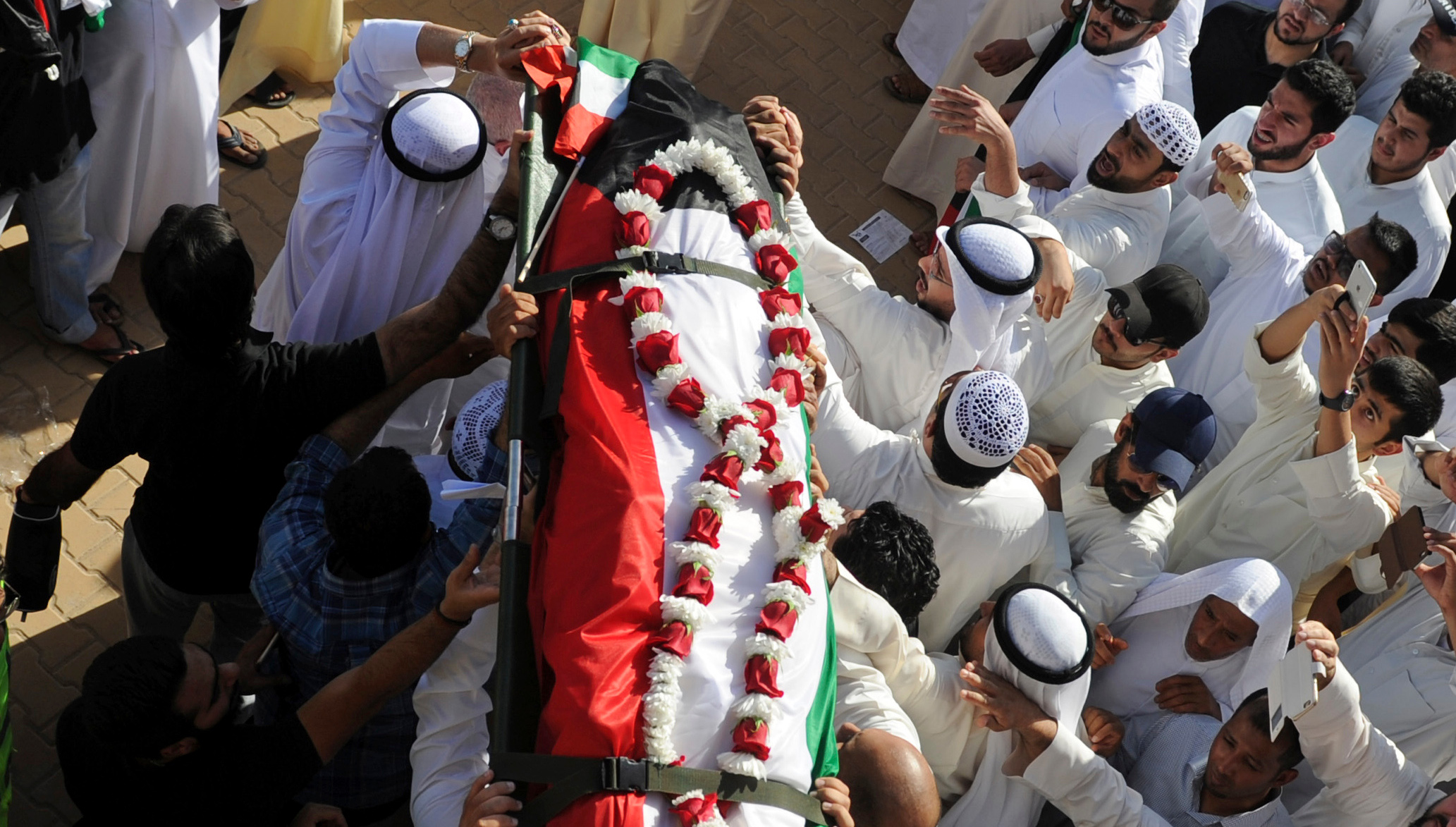
The intensifying rivalry between Saudi Arabia and Iran is raising sectarian temperatures in some smaller Gulf Cooperation Council (G.C.C.) states. Kuwait’s fractious parliament has seen growing tension and even physical confrontation between its Sunni and Shiite MPs in response to regional developments. Growing tension in Kuwait is also evident in the national media and online forums.
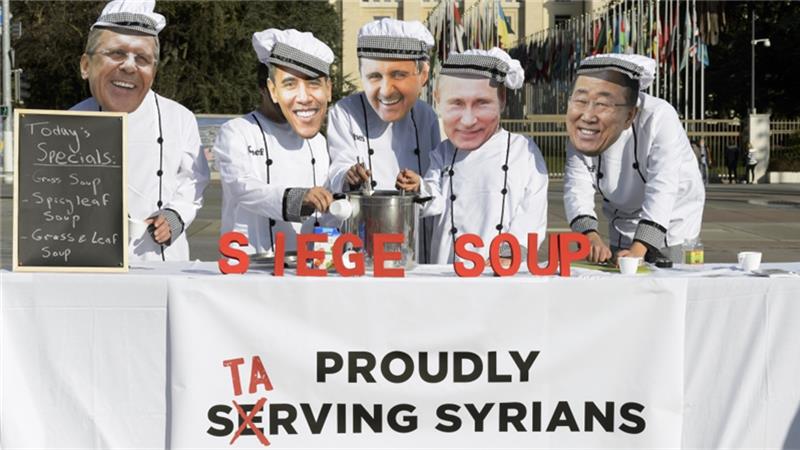
One of the positive and significant aspects of the Syria crisis is its effect on US-Russian relations. Russian President Vladimir Putin’s unexpected decision to withdraw forces from Syria is merely the latest chapter of this fast-moving engagement.
This article is the result of a recent visit by the authors to Baghdad where they met with government leaders, security officials, political party representatives from the various communities, and leaders of ten Iraqi think tanks. A version of this article appeared in the March 10 issue of the Arabic Al-Hayat newspaper.
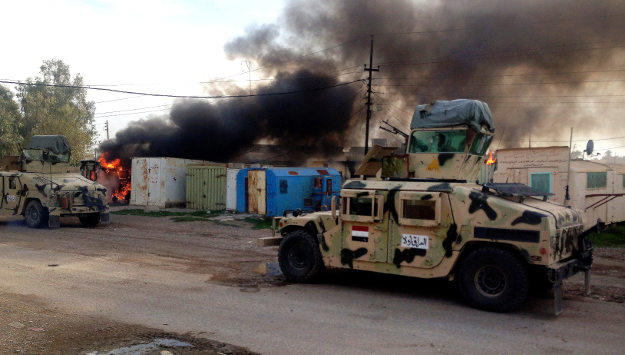
Despite deep internal divisions, a massive security threat from ISIS, and a fiscal collapse due to low oil prices, the Iraqi government is struggling to move the country forward and deserves urgent support from international and regional players.
Humanitarianism in Highly Religious Contexts: Responding to Syrian Refugees in Lebanon
This essay discusses the potential value of and impediments to the provision of assistance to refugees by local religious institutions. It explores this issue by focusing on Lebanon, highlighting the important contribution of a small NGO, the Lebanese Society for Educational and Social Development (LSESD), in mentoring and training pastors and many of the key local church leadership in how to respond to the humanitarian needs of Syrian refugees.
Randa Slim on Russia’s Decision to Partially Withdraw from Syria
Russian President Vladimir Putin surprised observers when he announced on March 14 that he is going to begin withdrawing Russian military forces from Syria. As the director of MEI’s Initiative for Track II Dialogues Randa Slim has worked extensively with all parties on the Syrian conflict, including Russian participants. She discusses the meaning of Putin’s decision with MEI Senior Editor Antoun Issa.
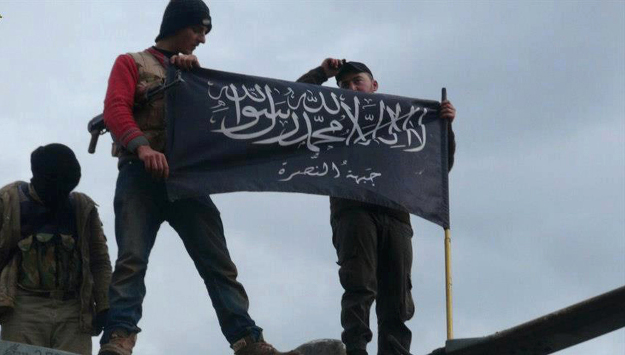
Jabhat al-Nusra Oversteps Mark with Idlib Crackdown
Ten days ago, under the relative calm of Syria’s cessation of hostilities, hundreds of civilians gathered in the Idlib town of Maarat al-Numan to celebrate the continuation of their populist revolution.
Monday Briefing: Syria Talks, Ankara Bombing, Mosul Dam, and Donald Trump
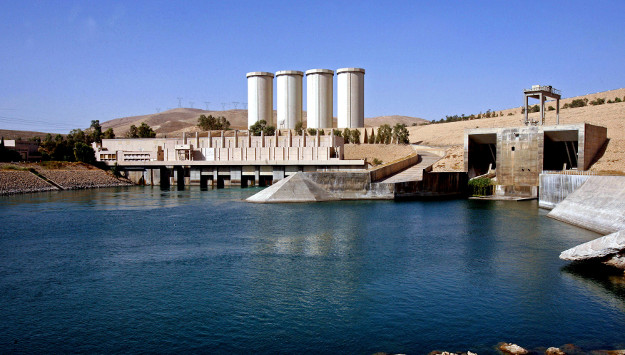
In this week’s Monday Briefing, MEI experts Charles Lister, Gonul Tol, Paul Salem, and Allen Keiswetter provide analysis on recent events including the planned Syria peace talks in Geneva, the fallout of this weekend’s bombing in Ankara on Turkey’s Kurdish issue, the urgent need for attention on the Mosul Dam, and Arab alarm at Donald Trump’s anti-Islam rhetoric.