Rebecca Anne Proctor is an independent journalist, editor, author, and broadcaster based in Dubai and Rome, from where she covers the Middle East and North Africa. She is the former editor-in-chief of Harper’s Bazaar Art and Harper’s Bazaar Interiors.
The Latest from Rebecca Anne Proctor

Asian Boat People and the Challenges of Migration Governance: A Source Country Perspective
To what extent does the boat migration phenomenon demonstrate the limits of migration governance? The purpose of this essay is to address this question by focusing on Bangladesh as a source country. There are compelling reasons for looking into the boat migration phenomenon through the lens of migration governance. Despite the growing contribution of foreign remittances to the national economy, establishing a fairer migration regime has emerged as a challenging task for Bangladesh. An analysis of the boat migration phenomenon provides an opportunity to investigate the nature of the problem and its underlying causes.
Obama's Upcoming GCC Summit: Think Outside the Box
Read the full article on The National Interest.
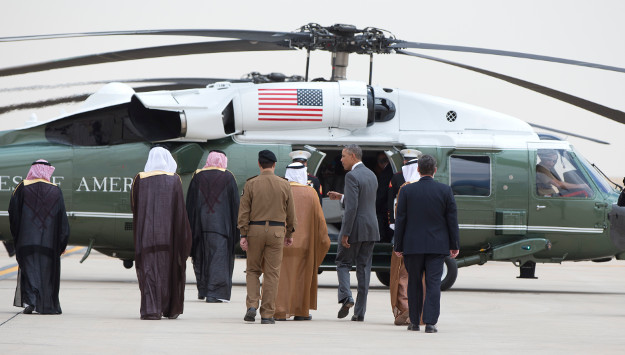
President Barack Obama’s Thursday visit to Riyadh to participate in the Gulf Cooperation Council summit comes one year after his meeting with GCC leaders in Camp David, and is an attempt to shore up an important relationship at a time when the two sides have been drifting apart over key regional issues.
Intra-Regional Trade: Potential Catalyst for Growth in the Middle East
Regional Cooperation Series
This Policy Paper is part of The Middle East Institute’s Regional Cooperation Series. Throughout 2016, MEI will be releasing several policy papers by renowned scholars and experts exploring possibilities to foster regional cooperation across an array of sectors. The purpose is to highlight the myriad benefits and opportunities associated with regional cooperation, and the high costs of the continued business-as-usual model of competition and intense rivalry.
Summary
"Nope, nope, nope": Australia's Response to the Refugees Crises in the Andaman Sea and in the Mediterranean in 2015
Australia has long prided itself on being one of the world’s premier destinations for refugees. In more recent years, however, the comparative size of Australia’s humanitarian program has declined in relation both to the country’s overall migrant intake and to Australia’s population.
The Next Administration and Recalibrating U.S.-Israeli Ties
This paper is part of a MEI scholar series titled “The Middle East and the 2016 Presidential Elections.”
Introduction
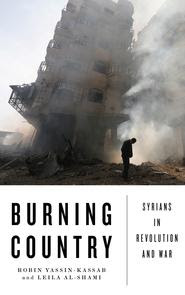

Monday Briefing: Obama's Last GCC Summit, the Doha Oil Summit, and Iraq's Cabinet Change
In this week’s Monday Briefing, MEI experts Paul Salem, Jean-François Seznec, and Robert Ford provide analysis on recent events including President Obama’s final GCC summit, the Doha oil summit, and protests over Iraq’s cabinet turmoil.
Obama’s Thursday G.C.C. Summit
Paul Salem, Vice President for Policy and Research
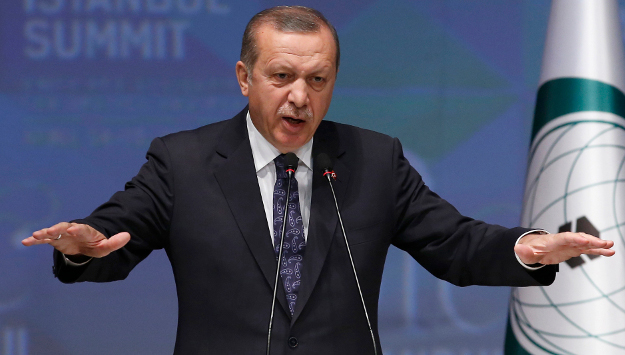
Turkey Invokes Religion to Restore Influence
Turkey’s ideologically inspired foreign policy is shifting to concentrate more directly on bolstering domestic nationalist support and highlight its regional religious identity. Ankara seeks to divert attention from its policy setbacks in Syria, as well as its internal and economic problems, while continuing to blunt U.S. efforts to crush ISIS.
A Conversation on Jerusalem and the Future of the Peace Process with Daniel Seidemann
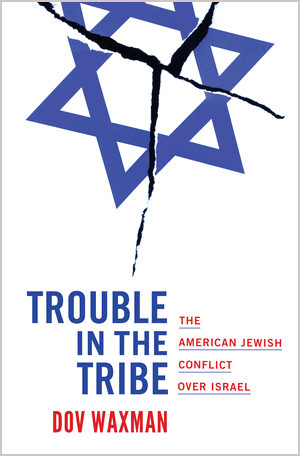
Book Talk – Trouble in the Tribe: The American Jewish Conflict over Israel

Reviving Baghdad’s College of Fine Arts
When the Mongols invaded Baghdad in 1258, they laid siege to the city’s libraries, including the famed House of Wisdom—the largest in the world at the time.
A center for Muslim, Jewish, and Christian scholars, the destruction of the library remains one of the most famous examples of cultural loss during wartime.
Nine centuries later, Iraqi-American artist Wafaa Bilal has taken the fate of the House of Wisdom as a starting point for a cultural project aimed at rebuilding the library of the Baghdad College of Fine Arts, destroyed in the aftermath of the 2003 invasion.
The Syrian Refugee Emergency: Implications for State Security and the International Humanitarian System
This essay depicts the Syrian refugee crisis as a symptom of the disorder which currently exists in the international system, describes the distinctive characteristics of the Syrian exodus, discusses the security implications of the crisis, and proposes four forms of international cooperation to safeguard the welfare of Syria’s refugees and to prevent the emergency from generating further upheaval in the Middle East.
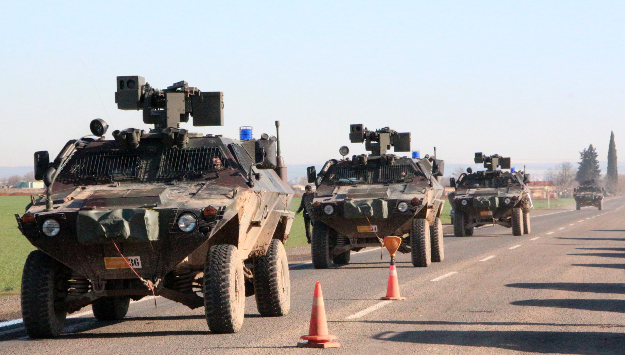
U.S., Turkey Compromise on P.Y.D.
The United States has been pushing Turkey for a campaign to eject ISIS from a 60-mile stretch of border that it still controls between the Syrian towns of Jarabulus and Azaz. However, the joint U.S.-Turkey operation has faced several roadblocks. From the outset, the United States and Turkey have had different goals. Washington wants Ankara to close the border, which is the sole remaining crossing point for ISIS militants.



