تمت ترجمة هذا النص بواسطة الذكاء الاصطناعي وقد يحتوي على أخطاء.
تخطي إلى المحتوى

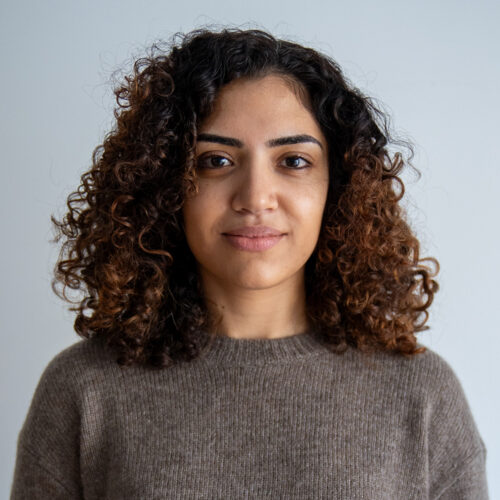
Rebecca Anne Proctor

This individual is a guest contributor. MEI is not able to assist with contact requests.

Rebecca Anne Proctor is an independent journalist, editor, author, and broadcaster based in Dubai and Rome, from where she covers the Middle East and North Africa. She is the former editor-in-chief of Harper’s Bazaar Art and Harper’s Bazaar Interiors.

The Latest from Rebecca Anne Proctor

تصفية حسب
10016 Results
Inside the Taliban
معهد الشرق الأوسط
  • Video
  • Inside the Taliban

    The Middle East Institute is proud to host Kandahar-based writers and researchers Alex Strick van Linschoten and Felix Kuehn for a discussion about the state of the Taliban in Afghanistan and the current situation in Kandahar. Strick van Linschoten and Kuehn translated and edited My Life with the Taliban, an account of the inner workings of the organization from the perspective of former Taliban minister and ambassador to Pakistan, Mullah Abdul Salam Zaeef, who was arrested following the overthrow of the Taliban and spent four years in Guantanamo Bay.

    March 3, 2010

    Beyond Iraq’s National Elections: Planning a New Phase in American Policy
    معهد الشرق الأوسط
  • التحليل
  • Beyond Iraq’s National Elections: Planning a New Phase in American Policy

    This Commentary is an adaptation of a longer piece published by the Institute for the Theory and Practice of International Relations at the College of William and Mary on February 25, 2010.

    March 2, 2010

    Introduction to The State of the Arts in the Middle East: Volume IV
  • التحليل
  • Introduction to The State of the Arts in the Middle East: Volume IV

    Literature, visual art, and photography not only serve an aesthetic purpose, but often act as mediums through which their creators explore deeply personal experiences and their broader social implications. In this, the fourth volume of MEI’s “The State of the Arts in the Middle East,” Najat Rahman considers the works of the Palestinian artists Emily Jacir and Eman Haram, and W. Scott Chahanovich (with Pauline Pannier) discusses the memoirs of the Moroccan-born writer Abdellah Taïa.

    March 1, 2010

    Turkey and Israel: What Lies Behind the Recent Volte Face
    معهد الشرق الأوسط
  • التحليل
  • Turkey and Israel: What Lies Behind the Recent Volte Face

    In recent months, the Israeli-Turkish relationship, strong and stable during the 1990s, has been placed under severe pressure. Tensions began in January 2009 when Israel launched military operations in Gaza, later prompting Turkish Prime Minister Recep Tayyip Erdogan to walk out of a televised debate with Israeli President Shimon Peres following a heated exchange over the issue.

    Does US Policy Hurt or Help Al Qaeda?
    معهد الشرق الأوسط
  • التحليل
  • Does US Policy Hurt or Help Al Qaeda?

    Al Qaeda has a major, long term, existential problem in the Middle East and the greater Muslim world. It is a problem that it certainly cannot fix on its own. However, America’s counterterrorism policy has given Al Qaeda hope for the short term and if we continue that policy, it may well assist them in their ultimate goal of establishing a hegemonic Caliphate in the Muslim world.

    February 23, 2010

    Writing on Culture: The Missing Factor in Discussions on the Middle East
    معهد الشرق الأوسط
  • Video
  • Writing on Culture: The Missing Factor in Discussions on the Middle East

    The Middle East Institute is proud to host MEI scholar Andrea Rugh for a discussion about Middle Eastern culture and her most recent book, Simple Gestures: A Cultural Journey Into the Middle East. Since US involvement in Iraq and Afghanistan, the importance of culture has become all too clear. Yet, although most scholars agree on its importance, few address culture in ways that provide better understanding to audiences who might benefit, such as policy makers, the media and the American public.

    February 23, 2010

    Rebuilding Trust Begins with Trust
    معهد الشرق الأوسط
  • التحليل
  • Rebuilding Trust Begins with Trust

    This Op/Ed was published first on February 3, 2010 by McClatchy Tribune.

    The bipartisan Kerry Lugar Bill provides a multi-year, super-sized economic aid program to the people of Pakistan. This is the right approach to improved US-Pakistan relations. The majority of Pakistanis distrust the US because they believe we favor military dictators over civilian democrats and are quick to abandon promised economic aid programs once we have achieved our security goals.

    February 3, 2010

    The Khamenei-Ahmadinejad Regime and the Challenge of the Iranian Opposition
    معهد الشرق الأوسط
  • Video
  • The Khamenei-Ahmadinejad Regime and the Challenge of the Iranian Opposition

    The Middle East Institute is proud to host Iranian scholars Ali Alfoneh and Alex Vatanka for a discussion about the ongoing unrest in Iran and the implications for the stability and future of the Islamic Republic. With the Green Movement having proved its staying power, some scholars and analysts are starting to predict the beginning of the end for the regime of Supreme Leader, Ali Khamenei, while others dismiss the idea as wishful thinking and argue that the Islamic Republic is here for the long-term.

    February 3, 2010

    Humanitarian Relief for Yemen in Jeopardy
    معهد الشرق الأوسط
  • التحليل
  • Humanitarian Relief for Yemen in Jeopardy

    The convergence of multiple crises in an already vulnerable environment has left Yemen and aid agencies at a crossroads. The context has become an extremely complex and challenging one within which to reduce hunger, malnutrition, and fragility. Yet it is precisely because of these challenges that humanitarian intervention is vital to keep struggling populations from tipping into utter disaster.

    February 2, 2010

    Labor Migration to the GCC States: Patterns, Scale, and Policies
    معهد الشرق الأوسط
  • التحليل
  • Labor Migration to the GCC States: Patterns, Scale, and Policies

    “In some areas of the Gulf, you can’t tell whether you are in an Arab Muslim country or in an Asian district.”

    — Majeed al-Alawi, Bahrain Minister of Labor (October 2007)

    February 2, 2010

    Sri Lankan Migration to the Gulf: Female Breadwinners – Domestic Workers
    معهد الشرق الأوسط
  • التحليل
  • Sri Lankan Migration to the Gulf: Female Breadwinners – Domestic Workers

    Several waves of Sri Lankan migration have taken place since the country gained independence in 1948. Beginning in the mid-1950s, wealthy, educated, English-speaking elites have migrated to Commonwealth countries such as Australia and the United Kingdom. In addition, since the upsurge in ethnic hostilities in the early 1980s, Tamil-speaking Hindu migrants have left the country, with many settling in Canada. In contrast with these permanent migrants, since 1976 a growing number of Sri Lankans have become migrant workers.

    February 2, 2010