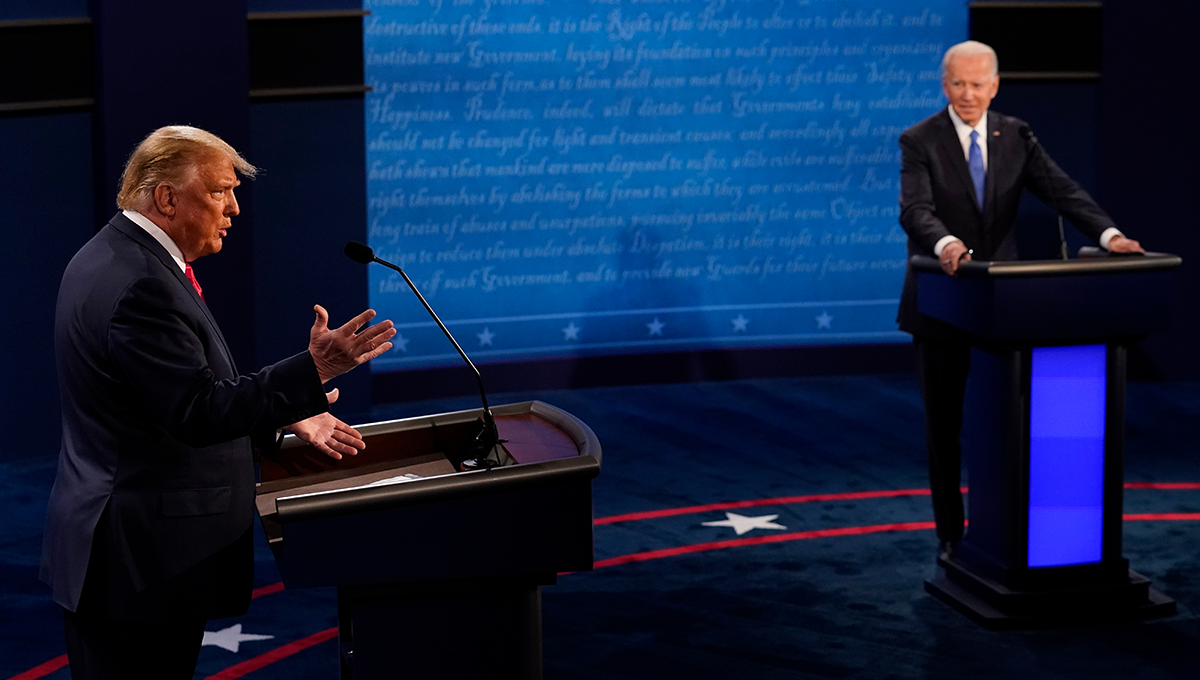
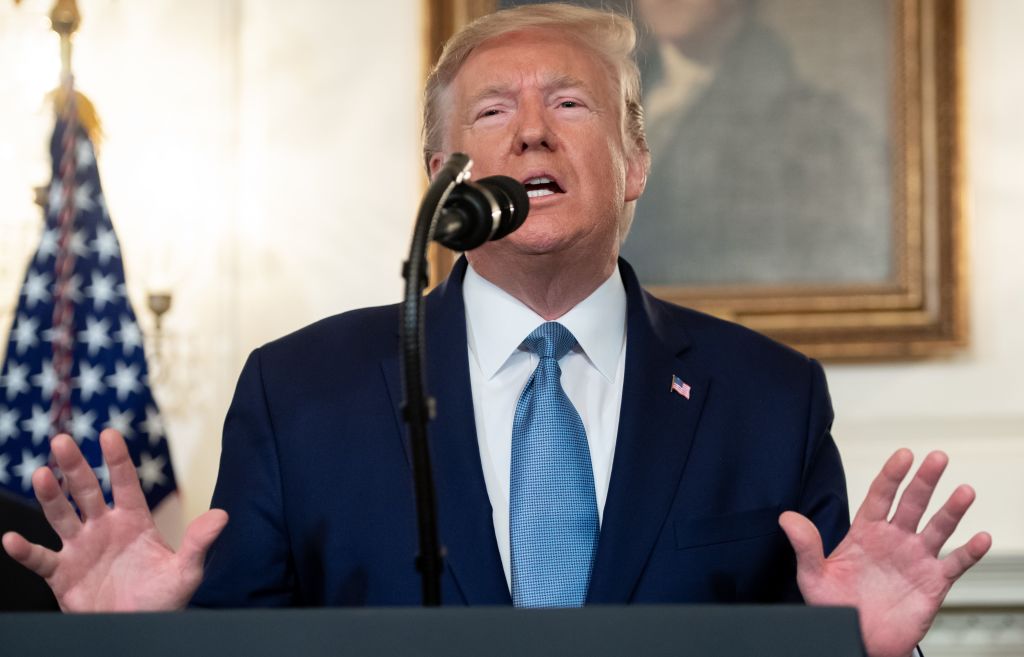
Charles Lister and Jomana Qaddour join host Alistair Taylor in a discussion about the current situation in Syria, US policy under the Trump administration, and what lies ahead following the presidential election.
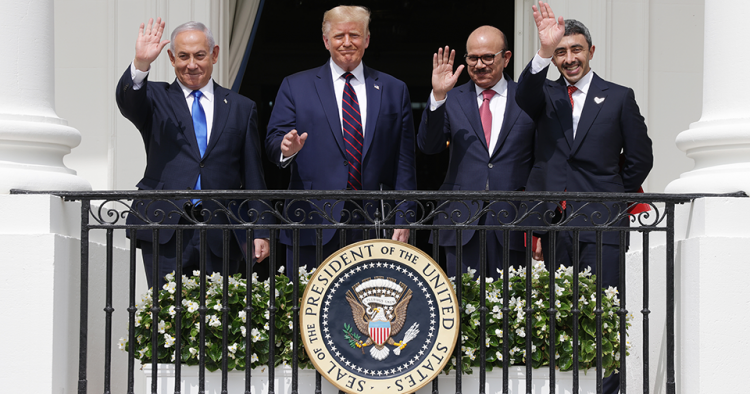
The upcoming American presidential election is top of mind for the Arab Gulf states. This is no surprise as there is so much at stake for them. As the race enters its final critical week, all eyes are on who will occupy the White House for the next four years — and the Arab Gulf states have their preferences. America is still indispensable to Gulf security, but the Gulf is also becoming an indispensable regional partner for whoever wants to lead the world in the 21st century. Today both sides need each other more than ever before.
حلقة 12: السباق الرئاسي ونظرة لفهم ترامب وأنصاره — مع هبة نصر وحسين عبد الحسين
مهما قالت استطلاعات الرأي أو التوقعات فإن نتيجة السباق الرئاسي غير معروفة حتى لحظة ظهور النتائج. في هذه الحلقة أتحدّث إلى ضيفين من عالم الصحافة ليساعدونا في فهم مستجدات الانتخابات، ولنلقِ نظرة أقرب على ترامب وقاعدته الشعبية، لأن ذلك كان العنصر المفاجئ في انتخابات 2016.
في القسم الأول من الحلقة أناقش مع هبة نصر آخر مستجدات الانتخابات والمناظرة الرئاسية الأخيرة، وفي القسم الثاني أناقش مع حسين عبد الحسين الشعبوية المتزايدة في المناخ السياسي الأمريكي وأسبابِها.
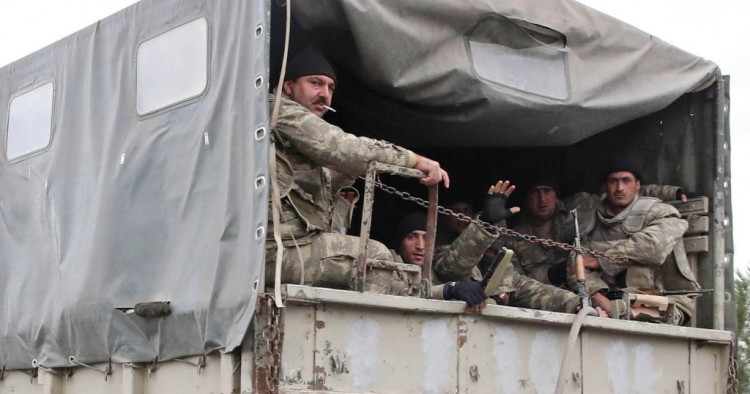
Proxies, spies and saboteurs: How Georgia can identify, resist and deter covert and deniable threats
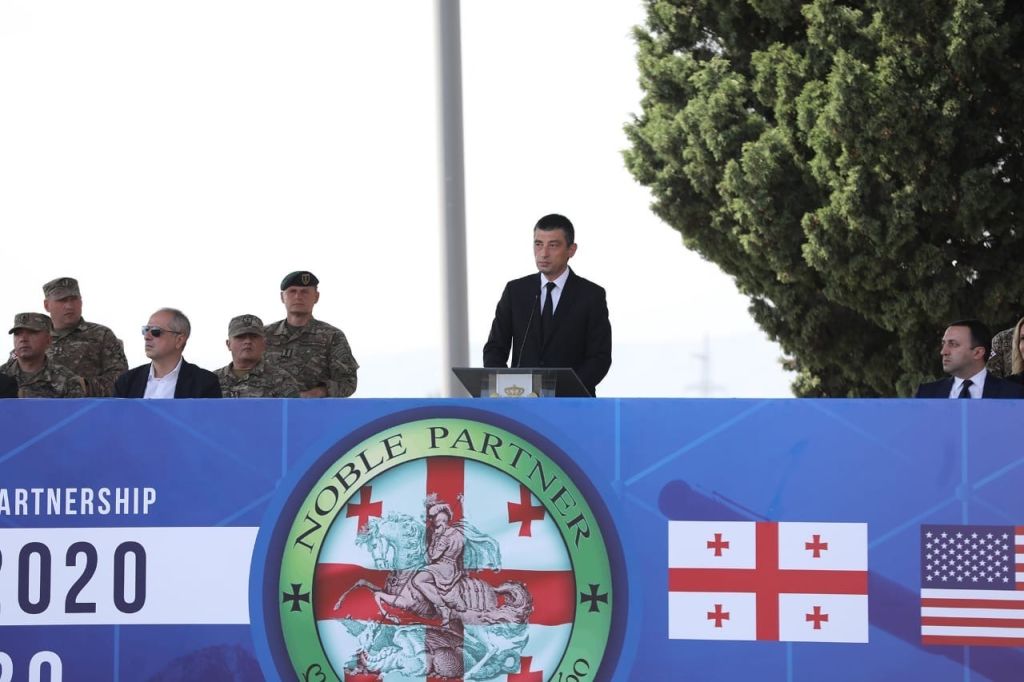
Georgia has experienced the full spectrum of Russian aggression, from direct military action to covert subversion and proxy operations. Nonetheless, while there are undoubted challenges for such a small country in resisting this threat, there are certainly opportunities for Georgia and for Western nations eager to support. After all, the latter should understand that they have as much to learn in Georgia as to teach.
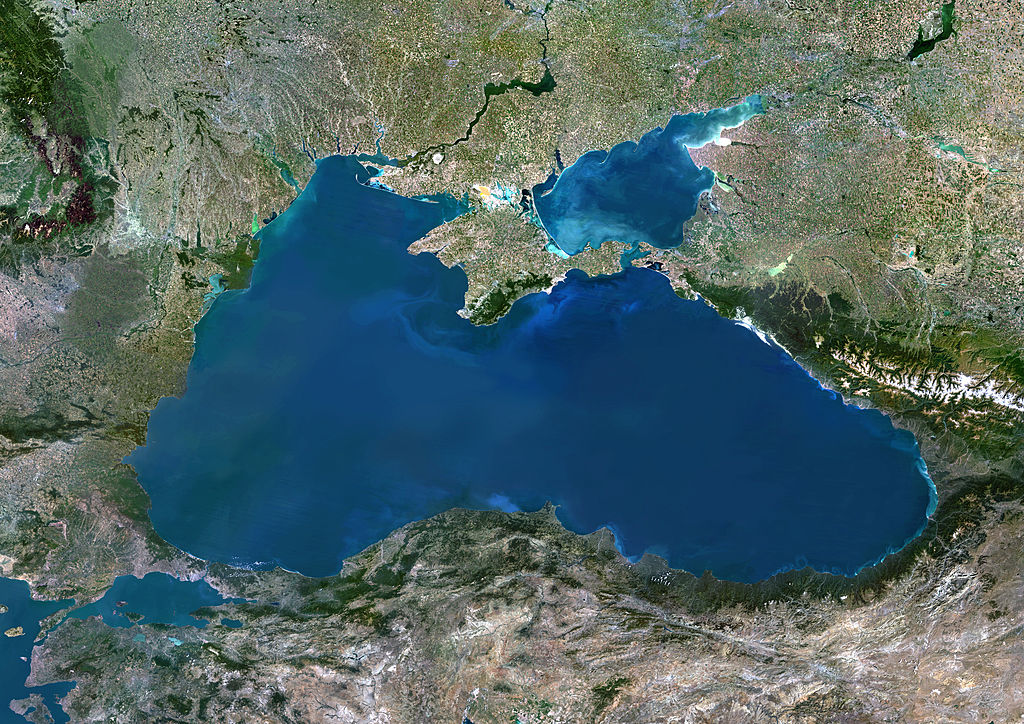
Drifting attention: Why the Black Sea continues to matter
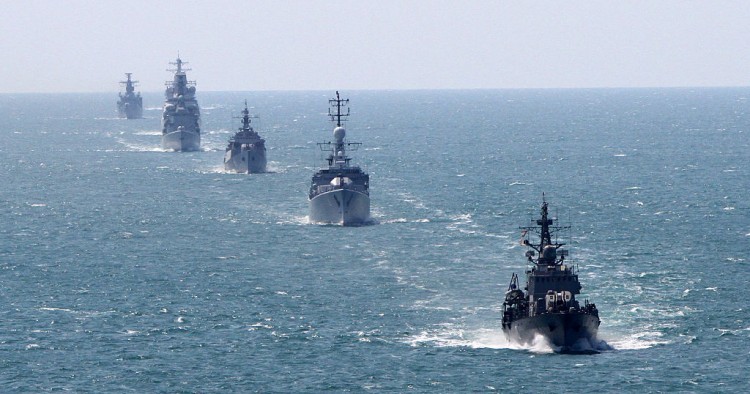
The threat of Russian aggression in Eastern Europe is once again lingering. As if by clockwork, Russia’s relations with its neighbors are under scrutiny once more, six years after its annexation of Crimea and 12 years after its invasion of Georgia.
Using the Convention against Torture to hold Syria to account
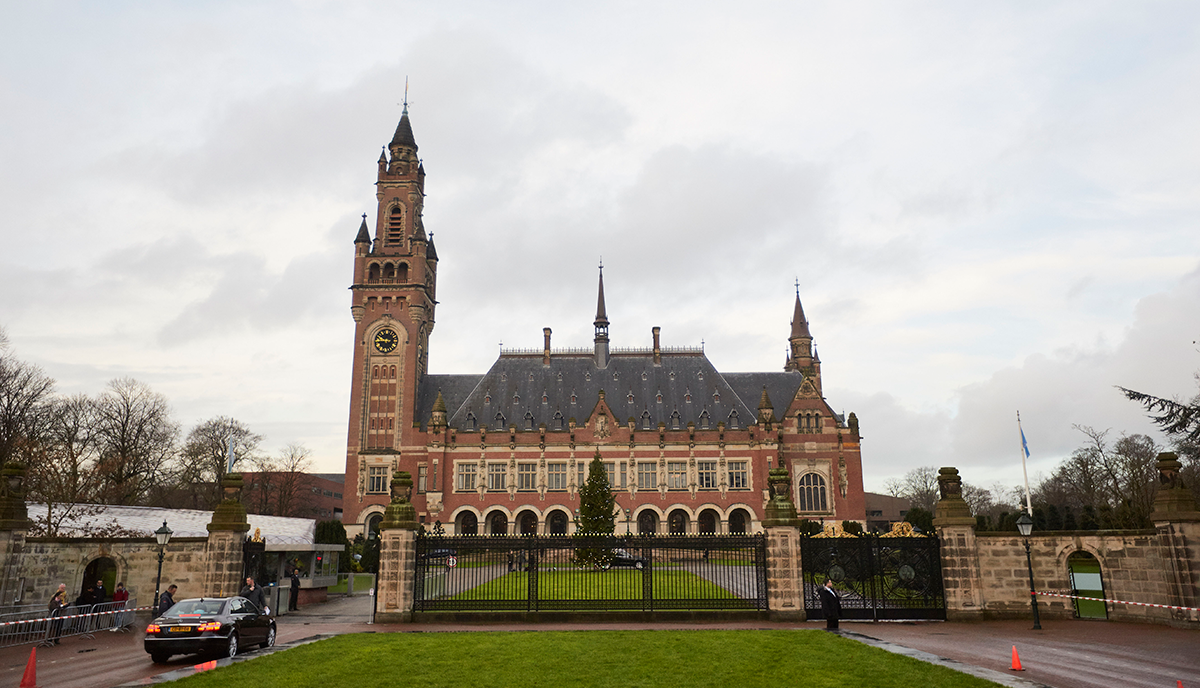
Last month, the Netherlands announced its intent to hold Syria responsible for gross human rights violations and torture under the U.N. Convention against Torture (CAT). With only one other case — Belgium v. Senegal — brought to the International Court of Justice (ICJ) under the CAT, the Netherlands is entering relatively uncharted waters. Indeed, it would be the first country to litigate the substance of Article 1 of the Convention. While it is unlikely that the Netherlands’ claims will reach the ICJ for another year or more, its announcement serves as an important step in the push for broader accountability in Syria.
US Policy and the Resurgence of ISIS in Iraq and Syria
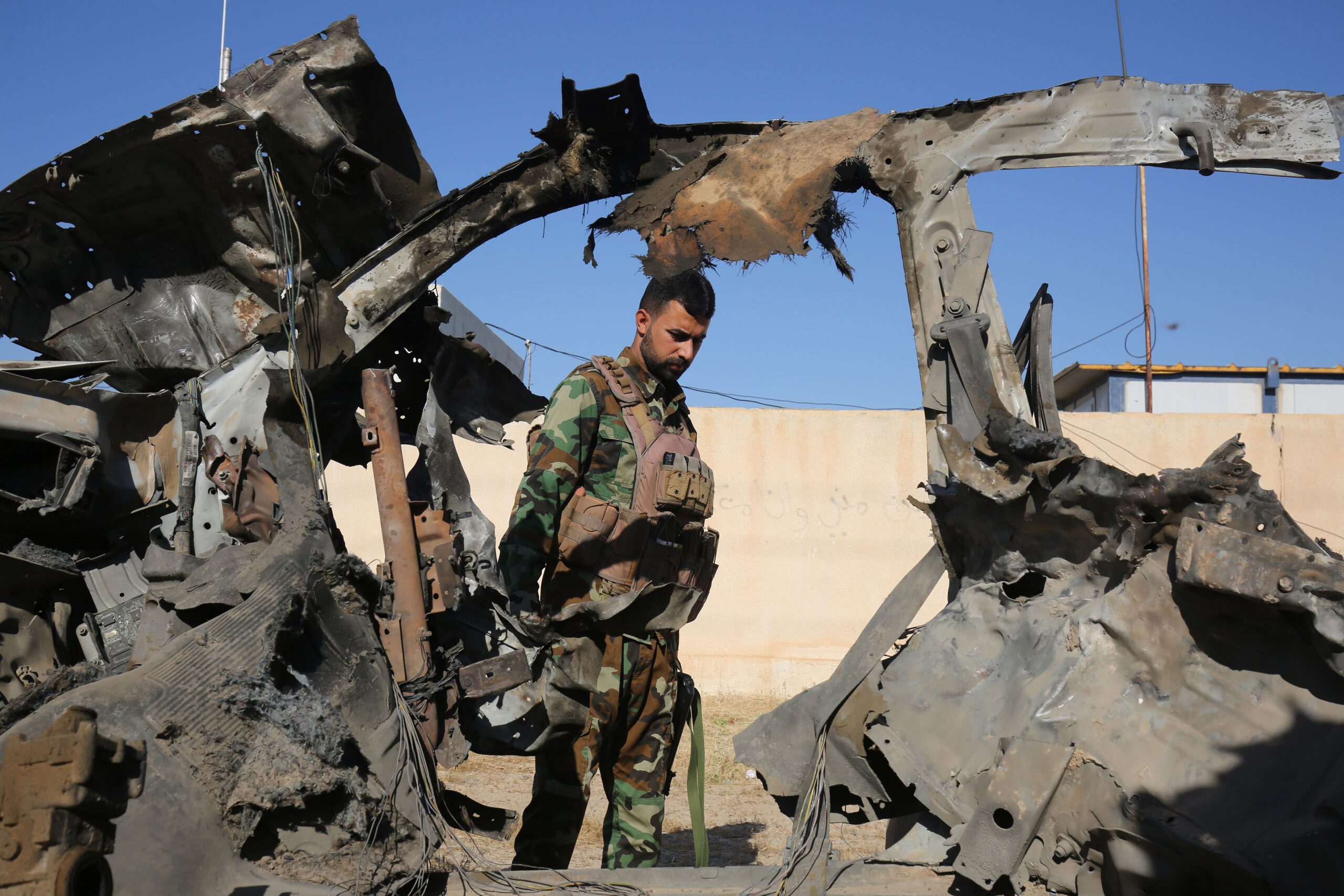
As attacks by ISIS increase in both Iraq and Syria, the upcoming U.S. presidential election offers a turning point for how U.S. foreign policy will seek to address a potential ISIS resurgence. This paper lays out this growing problem and recommends policy, which will be constrained by the outcome of the November election.
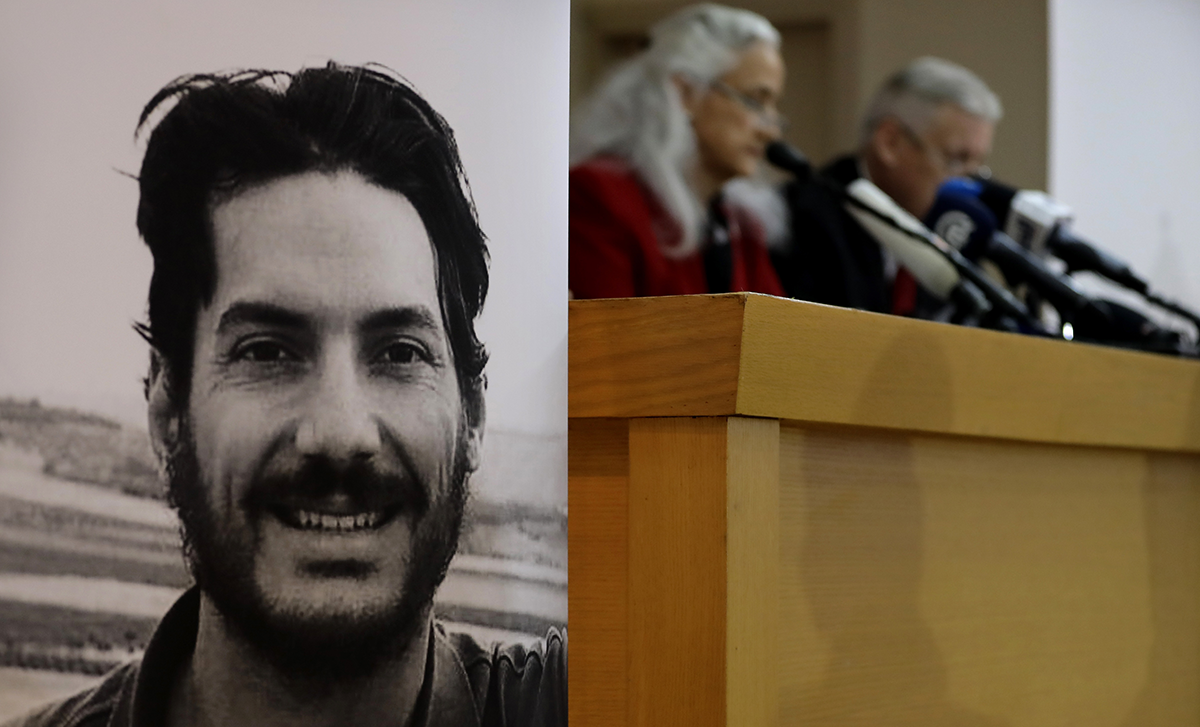
With a presidential election looming in the United States, the continuing crisis in Syria is unlikely to make headlines. Aside from the COVID-19 pandemic, raging wildfires, and the occasional flare-up of violence in Idlib, Syria has been largely off the radar in the U.S. for quite some time. Yet dramatic new revelations suggest that Syria could be on the administration’s agenda more prominently as President Donald Trump makes a serious, if desperate, move to secure American hostages thought by U.S. officials to be held in Damascus.
Election 2020: The Future of U.S.-Black Sea Relations
In Frontier Europe Initiative’s new briefing book, entitled Election 2020: The Future of Black Sea-U.S. Relations, MEI scholars and external contributors identify key issues across the region, highlight U.S. interests at stake, and provide policy insights and recommendations for the path forward. The pieces in this book serve as a contribution to the broader discussion about the challenges and opportunities for U.S. policy in the region
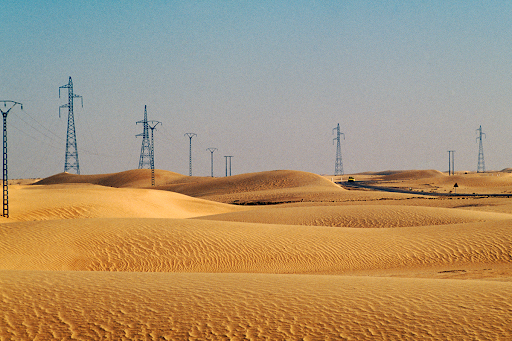
Algeria charts a path for renewable energy sector development
Algeria is at a critical stage in its energy sector development. The nation has both the potential and the incentive to maximize its natural resources and become a renewable energy leader. In addition to its status as the second-most-populous country in North Africa, Algeria is noteworthy for its relative size, wealth, location, gas reserves, renewable energy potential, and greenhouse gas emissions. Recent oil and gas price volatility and increasing domestic electricity demand provide impetus for Algeria to prioritize clean energy investment.
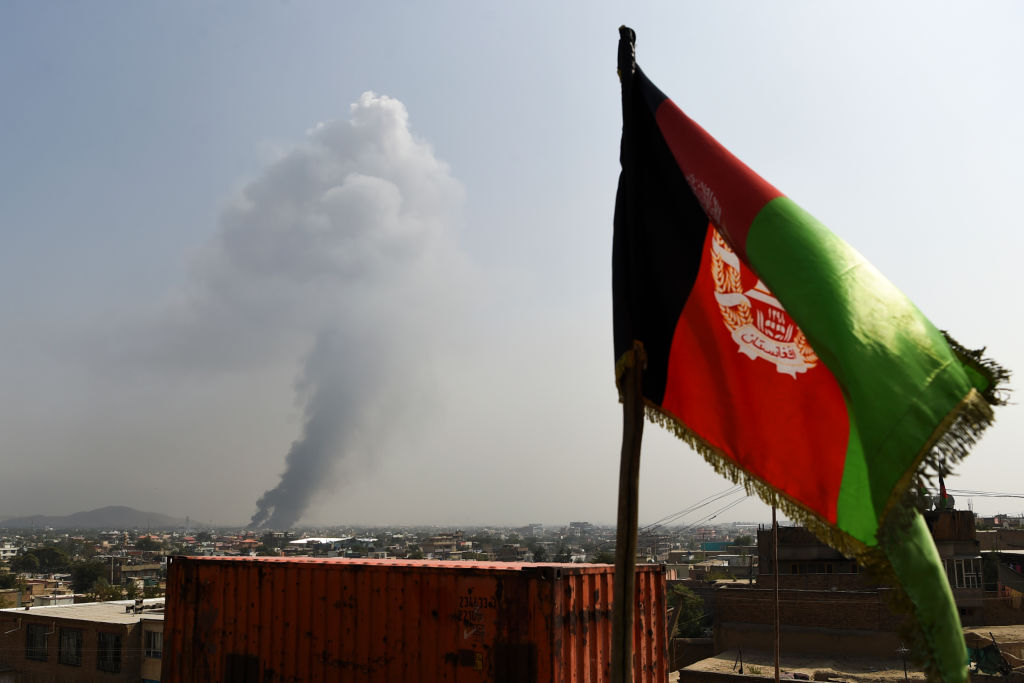
Afghanistan’s Terrorism Challenge: The Political Trajectories of al-Qaeda, the Afghan Taliban, and the Islamic State
Afghanistan remains at the center of U.S. and international counterterrorism concerns. As America prepares to pull out its military forces from the country, policymakers remain divided on how terrorist groups in Afghanistan might challenge the security of the U.S. and the threat they pose to allies and regional countries. Advocates of withdrawal argue that the terrorism threat from Afghanistan is overstated, while opponents say that it remains significant and is likely to grow after the drawdown of U.S. forces. This report evaluates the terrorism challenge in Afghanistan by focusing on the political trajectories of three key armed actors in the Afghan context: al-Qaeda, the Afghan Taliban, and the Islamic State.
Monday Briefing: Secret diplomatic visit to Damascus raises questions about US Syria policy
This week’s briefing on recent news and upcoming events in the region featuring Charles Lister, Ruba Husari, Marvin G. Weinbaum, and W. Robert Pearson.