Iranian General Calls for Closure of Saudi Consulate in Erbil
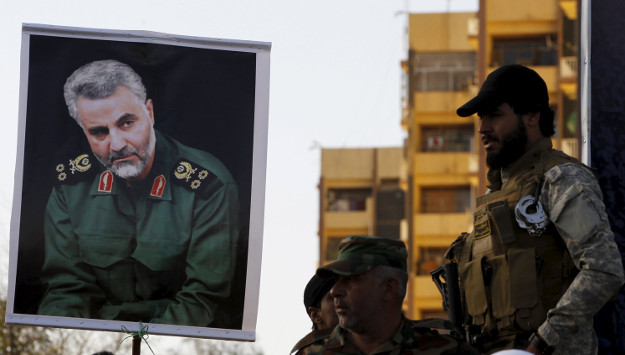
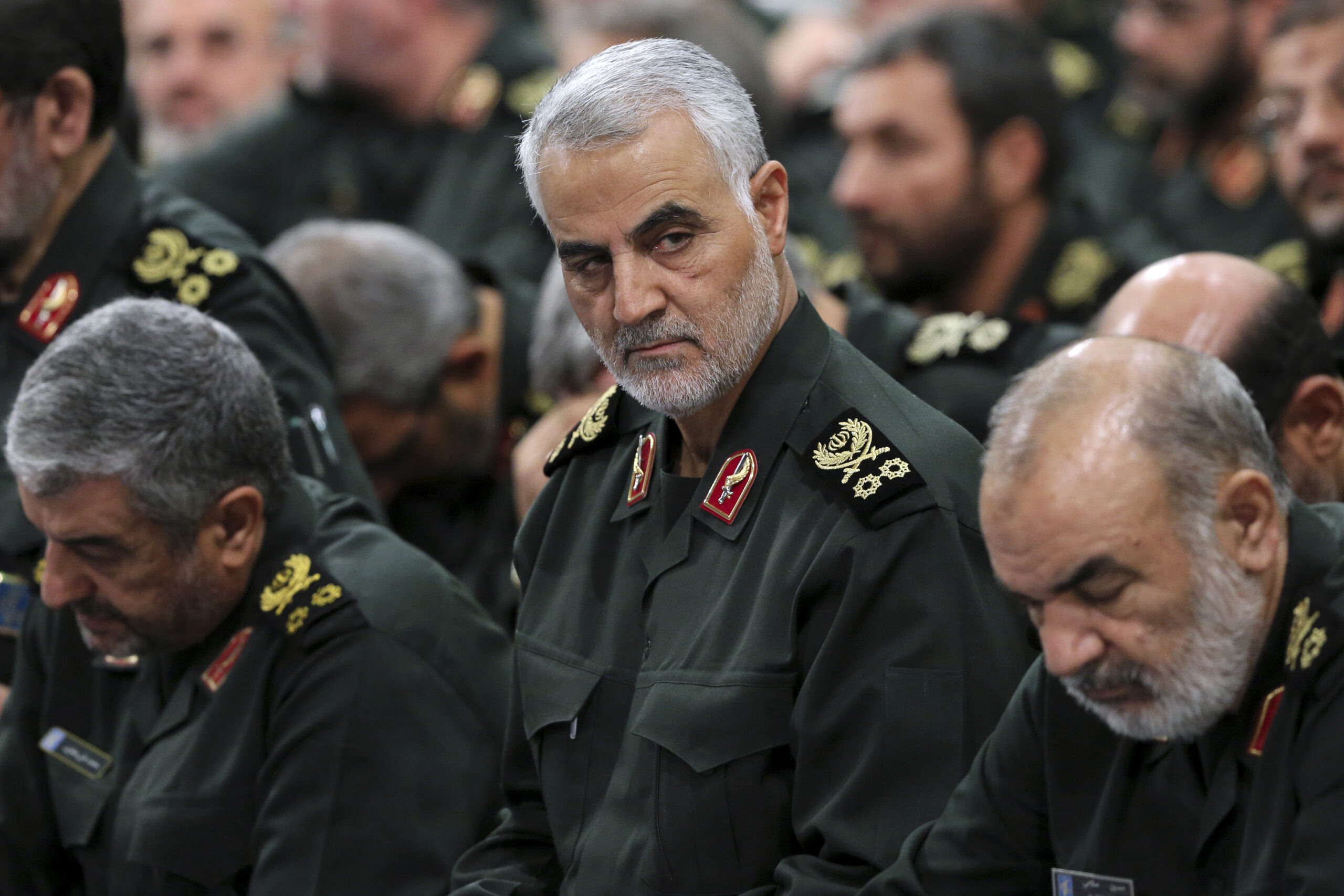
In the latest example of Iranian interference in Iraq, a top Iranian general has said that the presence of the Saudi consulate in Erbil, the capital of Iraq’s semi-autonomous Kurdish region, is not “just
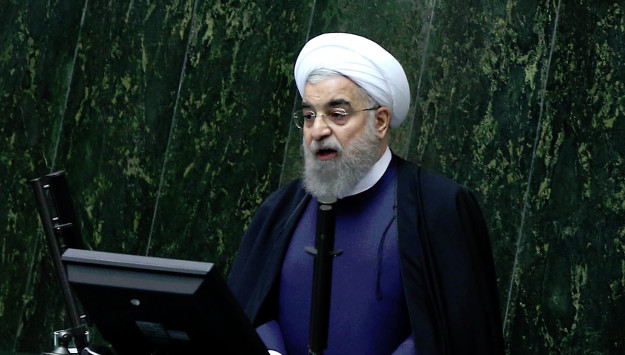
At a press conference on January 17, Iranian President Hassan Rouhani stated that “Iran would welcome working with Saudi Arabia to bring about a more stable Middle East.” He urged for “moderation” and “respect.” This message from the Iranian president is positive and should be applauded. However, the question in so many capitals around the Middle East is whether Rouhani’s posture and message of “moderation” has any bearing on the actual policies that Tehran is presently pursuing in the region.
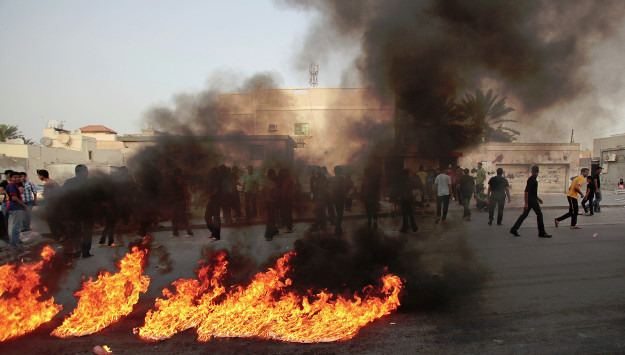
The leadership of the Islamic Republic of Iran is publicly committed to good relations with Bahrain. And yet Tehran’s campaign to undermine the ruling authorities in Manama continues unabated. The latest incendiary reactions from Tehran came in response to the January 15 executions in Bahrain of three men who had been convicted of killing three police officers in 2014.
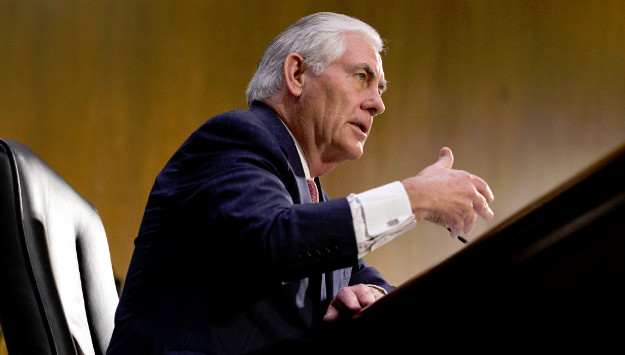
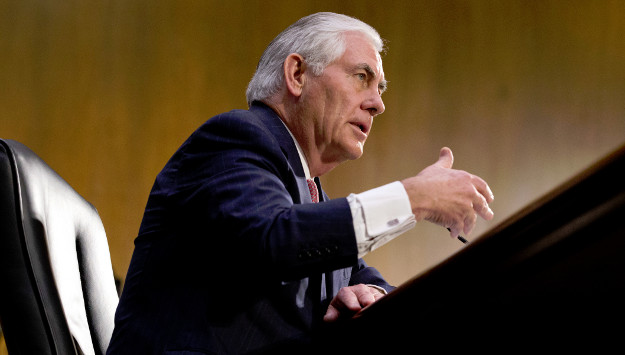
President-elect Donald Trump’s nominee for the Secretary of State, Rex Tillerson said yesterday that he would conduct a “full review” of the 2015 Iran nuclear deal if the Senate confirmed him. Speaking before the Senate Foreign Relations Committee, Tillerson pledged that he would add further verification systems to “clarify whether Iran is complying.”
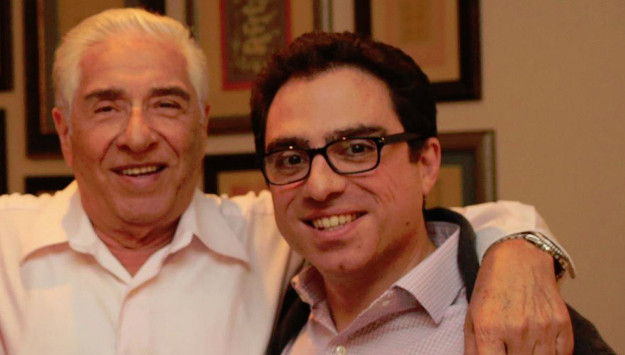
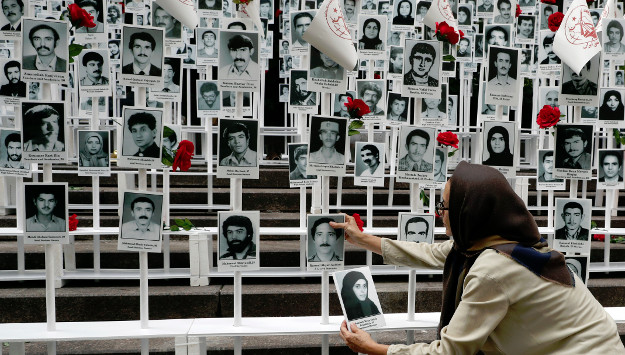
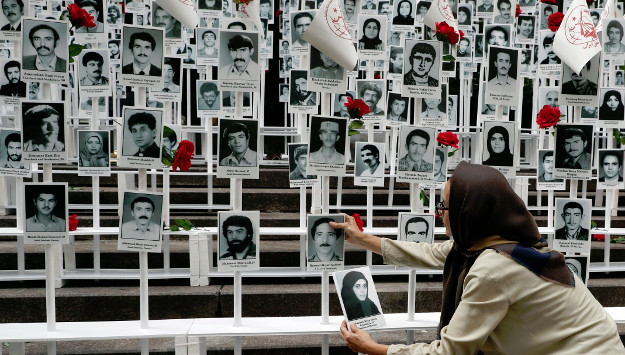
The existence of political prisoners in Iran is hardly a new phenomenon but it is a topic that is proving increasingly damning for Tehran. In particular, it is the media in the large Iranian diaspora, which has been at the forefront in recent weeks to highlight the individual cases of political prisoners that have opted to go on hunger strike in order to bring attention to their cases.
A top Iranian diplomat and the deputy foreign minister for European and American affairs, Majid Takht-Ravanchi, stated on January 12 that Iran will not under any circumstances “renegotiate” the Joint Comprehensive Plan of Action (JCPOA) that was reached between Iran and world powers in July 2015.
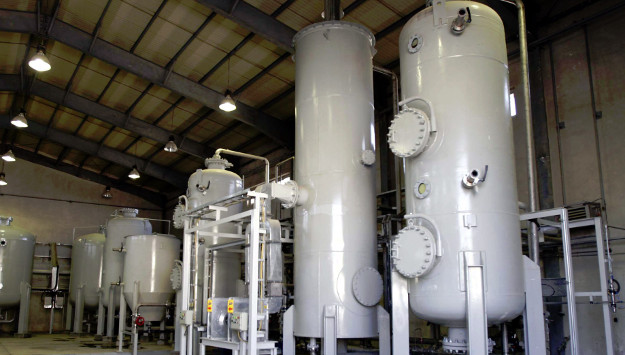
Iran Will Receive 130-Ton Uranium Shipment from Russia
On January 12, the Atomic Energy Organization of Iran (AEOI) confirmed that Tehran will soon receive a shipment of 130 tons of natural uranium that it has purchased from Russia.
In Iran, 40 Former Political Prisoners Ask for “National Reconciliation”
In an open letter, 40 formerly imprisoned political activists affiliated with the Green opposition movement have asked the Iranian authorities to reconsider their policies. The signatories of the letter urged the authorities to utilize the recent passing of Ayatollah Akbar Hashemi Rafsanjani as “an opportunity for dialogue and national reconciliation.”
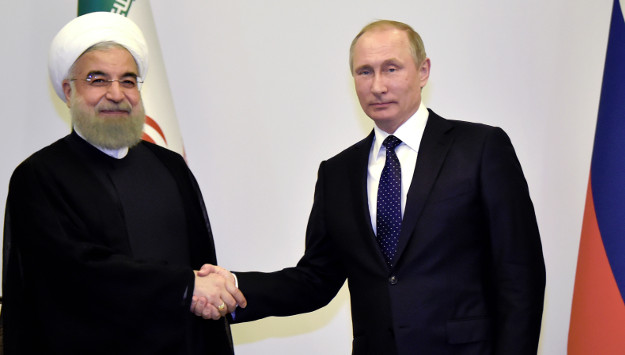
The question about whether Iran and Russia can sustain the recent elevation in relations is hotly debated in Tehran. This urgency is brought about as the Iranians and the Russians are pushing ahead to see if they can coordinate their policies on the question of a political settlement for the Syrian war that will satisfy both Moscow and also Tehran’s objectives.
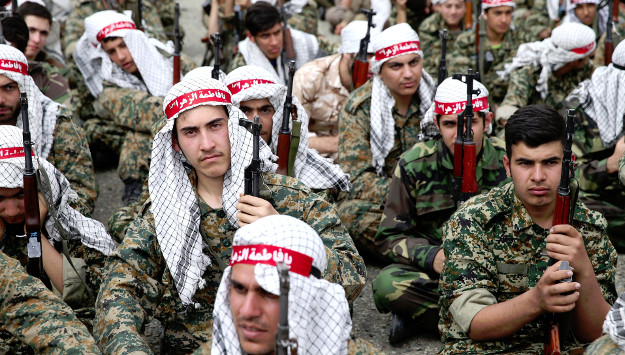
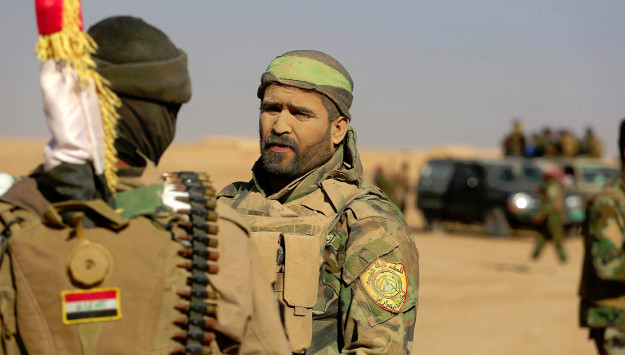
Iran-Backed Militant Groups Make Territorial Gains in West Mosul
On January 12, Iran’s Fars News Agency (FNA) reported that the Popular Mobilization Forces (PMF) “liberated” three regions in the west of Mosul.
According to FNA, an outlet affiliated with the Islamic Revolution Guards Corps (IRGC), PMF forces are preparing for the “sixth phase of operations to liberate the west of Nineveh Province.”
New Report: Human Rights Situation Hasn't Improved under Rouhani
In its World Report 2017 published today, the Human Rights Watch said President Hassan Rouhani has not delivered on his campaign promise to improve the human rights situation in Iran over the past three years.
The confirmation hearing of the man slated to be the next US Secretary of State, Rex Tillerson, has received a mixed review in Iran. On the one hand, Tillerson’s remarks on Iran were hardly encouraging to Iranian ears.