The Latest from Salam Kawakibi
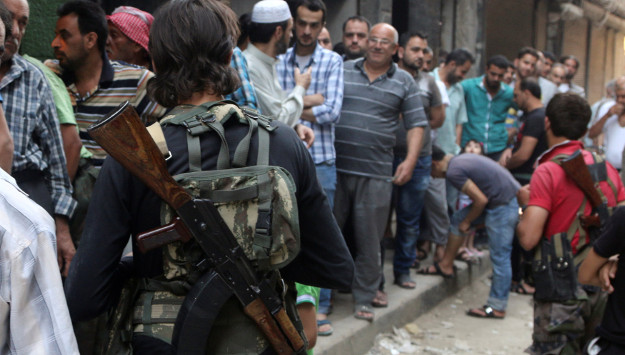
Under Pressure, Syria's Rebels Face al-Nusra Quandary
This article was first published on the Huffington Post.
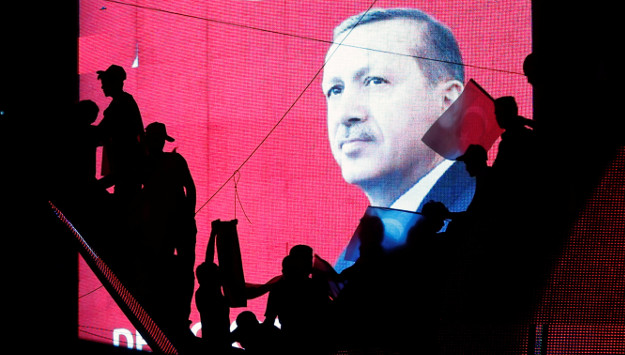
Monday Briefing: After Turkey's Failed Coup, How Far Will the Crackdown Go?
In this week’s Monday Briefing, MEI expert W. Robert Pearson provides analysis on the failed coup in Turkey and the impending crackdown on opposition. Marvin Weinbaum considers whether the unpopularity of Pakistan’s government could put it at risk of a military coup of its own. And Charles Lister looks at how ISIS is adapting in the face of territorial losses in Iraq and Syria.
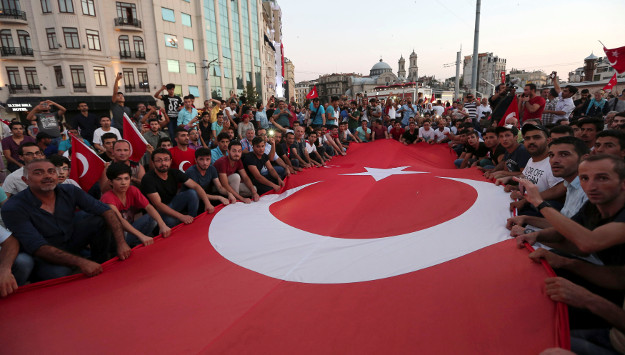
What Caused the Turkish Coup Attempt
Read the full article on Politico Magazine.
A military coup succeeds or fails quickly. The July 15 attempt in Turkey now is over with thousands arrested, hundreds killed and Turkey in traumatic shock. The reasons behind a coup attempt, however, do not rise or disappear as quickly.

After Fallujah: Security, Governance, and the Next Battle Against ISIS
The Role of Emotional Intelligence in Humanitarian Response
Emotional intelligence (E.I.) emerged from the premise that emotions have an impact on almost every aspect of human experience. E.I. refers to the ability to use emotions effectively and productively. Drawing mainly upon Daniel Goleman’s five-component model of E.I. at work, this essay considers how the qualities of emotional intelligence might be integrated into disaster response thinking, planning, and operations.
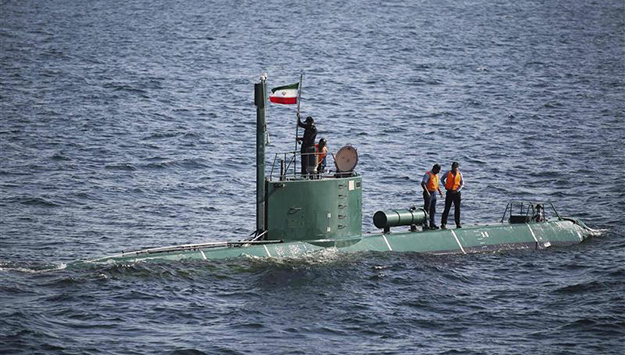
Defusing Tensions at Sea: U.S.-Iran Maritime Relations in the Persian Gulf
Summary
Disaster Law: The Rubric of Institutional Preparedness in Disaster Risk Reduction
In this essay, Amita Singh relates what disaster law (D.L.) is, why it is needed, and how it can help make communities safer from disasters. The essay examines the earthquake that struck Manipur, India in January 2016, highlighting the many institutional shortcomings of the response to this calamity. In order to address these problems, the author urges that considerably more research be conducted so as to accelerate the development of disaster law.
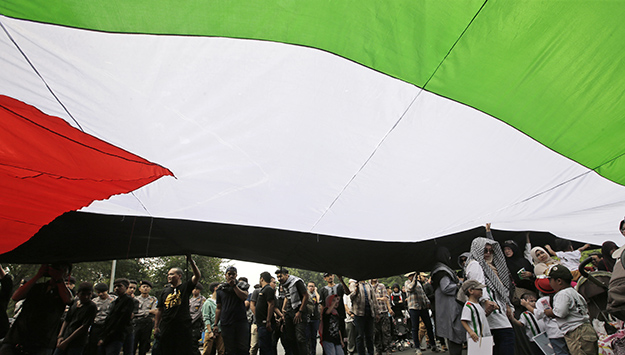
Are the Palestinians Ready for Independence?
The current Palestinian leadership does not appear ready for sudden independence. Despite the push for Palestinian statehood, there remains weaknesses in the Palestinian political establishment that undermine this quest. Political and social fragmentation, a lack of representative leadership and an inability to apply the rule of law seem to indicate that if Palestine were to become an independent state tomorrow, it would falter.
Monday Briefing: Chilcot Report, French FM in Lebanon, Iran Economy
In this week’s Monday Briefing, MEI experts Daniel Serwer, Alex Vatanka, and Paul Salem provide analysis on recent and upcoming events including the recent Chilcot Report, European trade delegations visit to Iran, and France’s push to end the Lebanon stalemate.
Will Chilcot Report Impact U.S. Policy on Syria?
Daniel Serwer, MEI Scholar
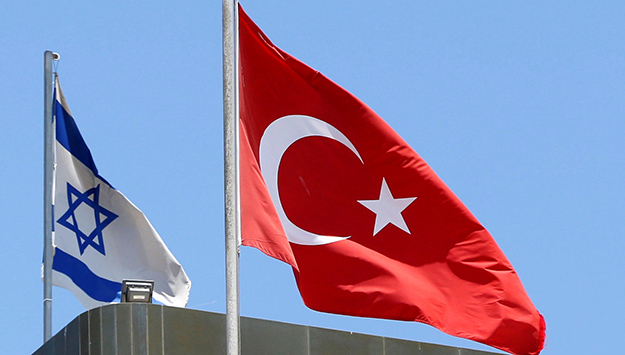
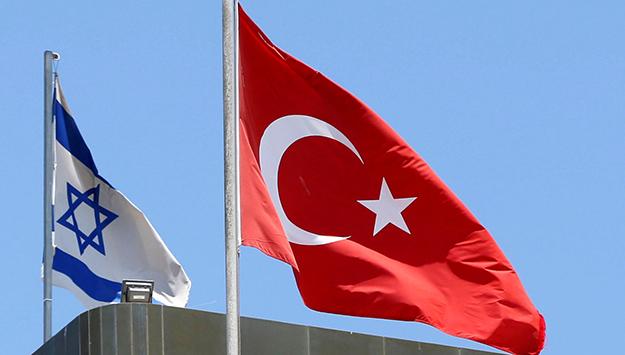
Israel-Turkey: Where to from Now?
After years of negotiations that produced sporadic headlines but few results, Israel and Turkey finally reached terms for reconciliation on June 27. While relations will not return to the “love affair” of the 1990s, there is reason for cautious optimism. Rapprochement will serve to create the foundation for a stronger dialogue between two of the Middle East’s most important actors.
Manal Deeb: Artist Spotlight
The walls of the Oman Library are decorated with delicate painted eyes, colored in hazel and warm greys. After only a few steps, their discreet, and grief-stricken nature gives way to boldness and haunting certainty. They are eyes that refuse to be ignored.

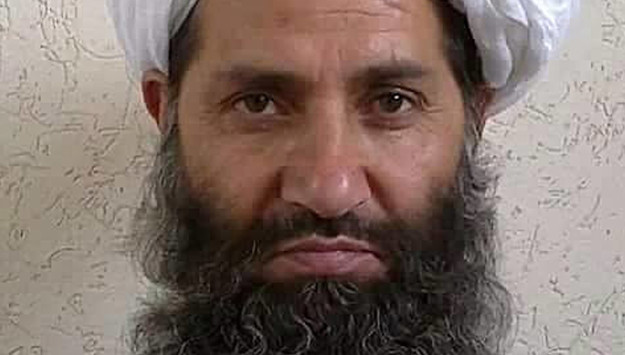
A New Taliban Leadership and Peace Prospects in Afghanistan
Read the full article at E-International Relations.
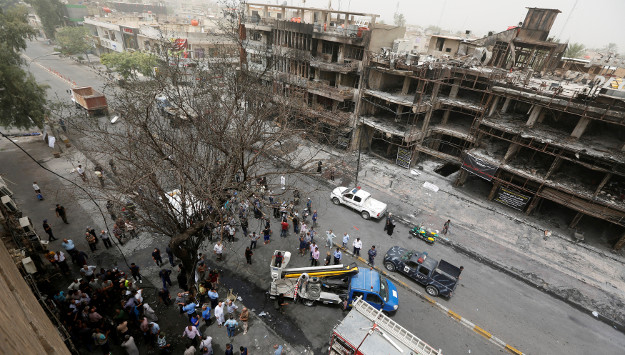
Weekly Briefing: Baghdad Bombing, NATO Summit, Israel’s Africa Outreach, and Saudi Embassy Trial in Iran
In this week’s briefing, MEI experts Hassan Mneimneh, Daniel Serwer, Paul Scham, and Alex Vatanka provide analysis on recent and upcoming events including the ISIS bombing in Baghdad, this week’s NATO summit in Warsaw, Israel’s outreach to Africa, and the trial in Iran over the ransacking of the Saudi embassy.
Iraqi PM Under Pressure after ISIS Atrocity
Hassan Mneimneh, MEI Scholar



