MEI 67th Annual Conference – Beyond the Street: Arab Youth in Post-Uprising Politics
Moderator: Brian Katulis, Center for American ProgressLina Khatib, Stanford UniversityAhmad Maher, April 6 MovementMabrouka Mbarek, Tunisian Constituent Assembly MemberAyat Mneina, Libyan Youth Movement
MEI 67th Annual Conference – In Search of Coherence: US Policy in the Arab World
Moderator: Michael Hudson, National University of SingaporeAaron David Miller, The Woodrow Wilson CenterFred Hof, Rafik Hariri Center at the Atlantic CouncilRoula Khalaf, Financial TimesSteven Simon, International Institute for Strategic Studies
MEI 67th Annual Conference – Keynote Luncheon: Breaking the Impasse
Moderator: Amb. Daniel Kurtzer, Middle East InstituteMunib Masri, PADICO HoldingYossi Vardi, High-tech investor and entrepreneurMiroslav Dusek, World Economic Forum
MEI 67th Annual Conference – Sectarianism and the Balkanization of the Levant
Moderator: Kim Ghattas, BBCF. Gregory Gause, University of Vermont & Brookings DohaMohsen Milani, University of South FloridaPaul Salem, The Middle East InstituteMona Yacoubian, Stimson Center
MEI 67th Annual Conference – Assessing the Transitions: Egypt and Tunisia
Panel 1: Assessing the Transitions: Egypt and Tunisia
Moderator: Paul Salem, The Middle East InstituteKhalil al Anani, The Middle East InstituteLarry Diamond, Stanford UniversityNoureddine Jebnoun, Georgetown UniversityRabab El Mahdi, American University of Cairo
Earlier today, double explosions near the Iranian embassy in Beirut killed at least 23, including an Iranian diplomat. The Abdullah Azzam Brigades, an Islamist group with links to al-Qa`ida, took responsibility for the attack. MEI sat down with its Vice President for Policy and Research, Paul Salem, to discuss the significance of the bombings in Lebanon as well as their regional and global implications.
Tell us about the bombing and the group that claimed responsibility for it.
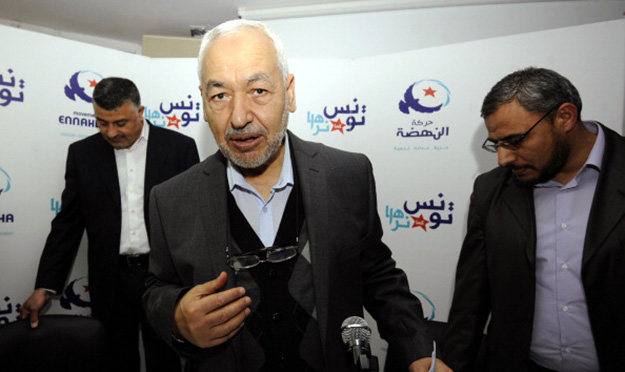
The rise of the Nidaa Tounes (Call for Tunisia) Party has lifted the hopes of many Tunisians who hold Ennahda, the ruling Islamist party, responsible for the increase in religiously-motivated violence and suspect it of trying to establish a theocracy. Yet a closer look at the platform and rhetoric defining Nidaa Tounes suggests that the self-described “modernist” alternative to the Islamists might not be as inclusive and democratic as its leaders claim, as some of the party’s senior figures advocate the exclusion of Ennahda from politics.
Malaysia and Turkey lie nearly 5,000 miles and seven time zones apart. They have different historical experiences and state structures. The role that religion plays in their public life also differs markedly. Yet Malaysia and Turkey have more in common than is widely acknowledged. Both are newly industrialized, middle-income, predominantly Muslim countries and mid-sized powers in their respective regions. Both are also expected to assume a greater regional and global role in the coming years.