The Latest from Salam Kawakibi
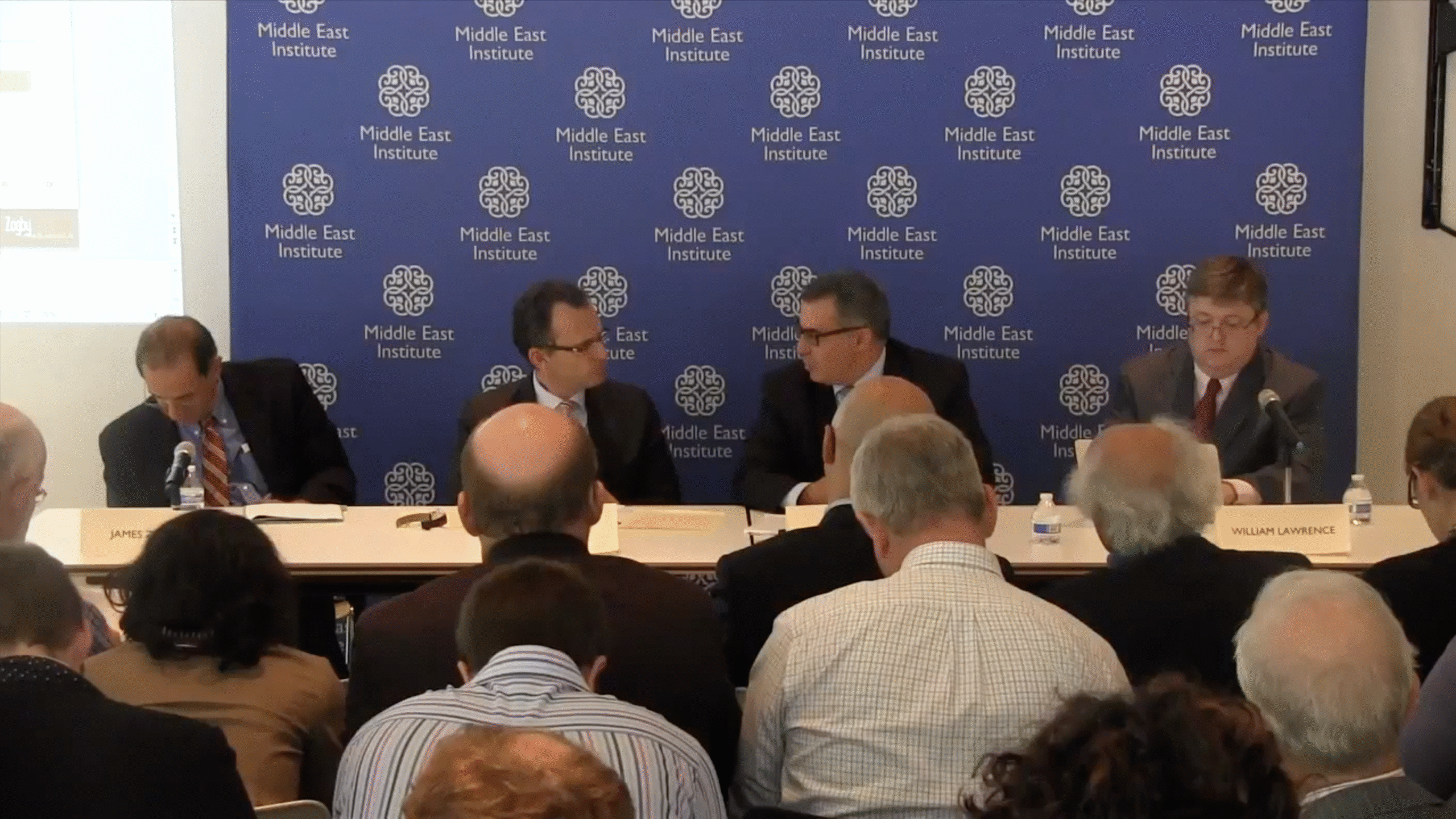
Tunisia: Divided and Dissatisfied with Ennahda
The Middle East Institute (MEI) is pleased to welcome James Zogby, president of the Arab American Institute and founder of Zogby Research Services (ZRS), William Lawrence, Professorial Lecturer in Political Science and International Affairs at George Washington University’s Elliot School of International Affairs, and Radwan Masmoudi, Center for the Study of Islam and Democracy, for a discussion about the findings of a recent poll on Tunisian attitudes toward their country’s political actors and institutions, moderated by MEI Vice President Paul Salem.

Graphic (Novel) Repression in Egypt
This article first appeared in Foreign Policy.
In April, Egyptian graphic novelist Magdy el-Shafee went to Abdel Moneim Riad Square in downtown Cairo to protest a draft law put forth by the Muslim Brotherhood’s political arm, the Freedom and Justice Party (FJP). It would only be two months until the Brotherhood president, Mohamed Morsi, would be ousted by the Egyptian military.

Turkey: An Increasing Interest for Chinese Academia
In recent years, Sino-Turkish relations have grown increasingly close. Sino-Turkish trade, for instance, saw a sharp rise from $4.87 billion in 2005 to $19 billion in 2012, a rise of 292.09 percent. In 2005, 44,077 Chinese citizens traveled to Turkey, and this number rose to 114,582 in 2012—a 159.96 percent increase. 2013 has seen such an overwhelming number of visits and travels to Turkey from China that the Chinese government has adopted some restrictive measures, such as limiting the number of delegations from various levels of government and universities that can make the trip.
Tunisia: Divided and Dissatisfied with Ennahda
The Middle East Institute (MEI) is pleased to welcome James Zogby, president of the Arab American Institute and founder of Zogby Research Services (ZRS), William Lawrence, Professorial Lecturer in Political Science and International Affairs at George Washington University’s Elliot School of International Affairs, and Radwan Masmoudi, Center for the Study of Islam and Democracy, for a discussion about the findings of a recent poll on Tunisian attitudes toward their country’s political actors and institutions, moderated by MEI Vice President Paul Salem.Zogby Research Services recently surveye
The Continued Descent of Egyptian Media
Think of American mainstream media in the aftermath of 9/11 and you might get a general idea of the state of the Egyptian equivalent since the June 30 uprising against Muslim Brotherhood rule—allowing, that is, for less sophistication and a considerably greater measure of crudity. The fluttering flags at the top of television screens, along with variations on the “war on terror” banner, were copied almost identically, if less tastefully, by both state-owned and private Egyptian television stations from CNN, FOX, and the rest.
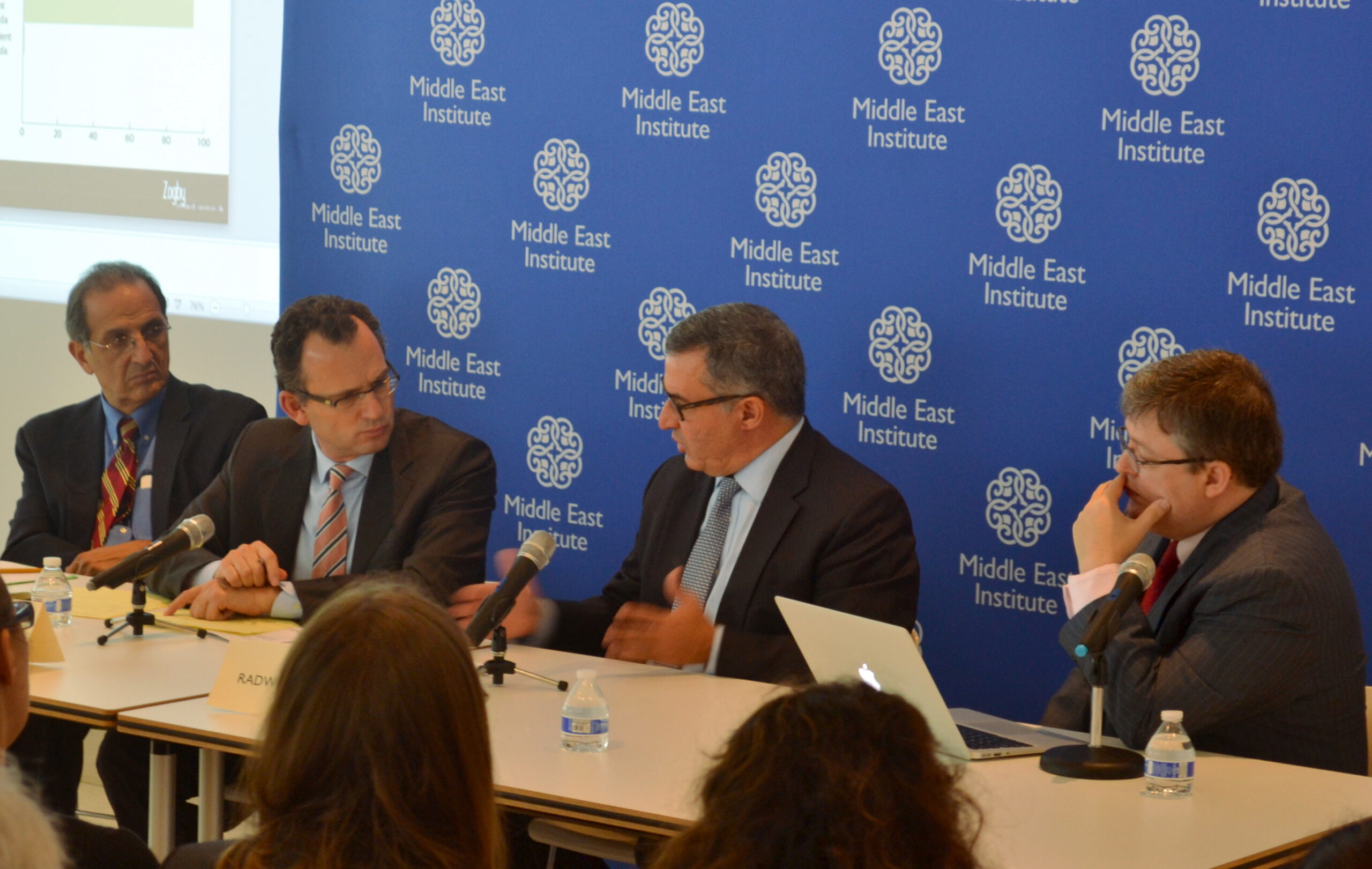
America and Iran: Always Winter, Never Christmas
In C.S. Lewis’ fantasy land of Narnia, the white witch put a spell on her realm to ensure that there would be perpetual winter and that Christmas would never come. For 34 years American-Iranian relations have been similar: a long, hard freeze unbroken by any cracks or signs of thaw.
Collection Spotlight: Contentious Politics in the Middle East

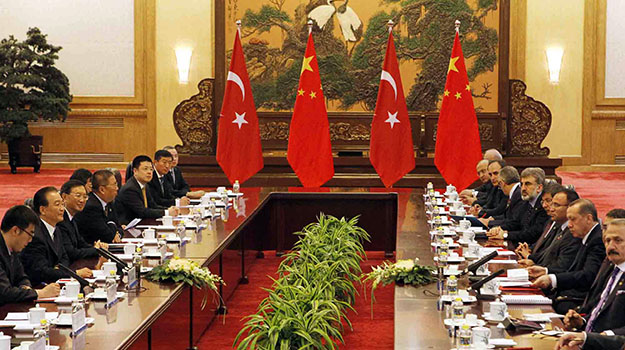
Sino-Turkish Relations: An Overview
Since the West’s economic crisis in 2008, Turkey has been less keen to join the EU, and many Turks have begun to discuss the advantages of being closer to Asia, including China, the pivotal Asian force. China has been Turkey’s third-largest trading partner for ten years now, and this standing even excludes energy imports such as oil and natural gas. While both sides are intent on deepening relations in all aspects, some obstacles must be overcome in the near future, such as the trade deficit between the two countries, which leaves Turkey indebted to the powerhouse that is China to the tune of more than $20 billion annually.
Turkey’s Changing Foreign Policy Stance: Getting Closer to Asia?
Turkey’s foreign policy under the current Justice and Development Party (AKP) government continues to attract widespread attention by scholars and policy circles alike. Over the past decade, the way Turkey has formulated and implemented its policies toward the rest of the world has transformed from a traditionally status quo-ist and reactive stance that emphasizes maintaining close relations with the West to a more assertive, multidimensional, and proactive approach with a broader geographical scope. While the process of accession to the European Union (EU) remains the main axis of its foreign policy, Turkey is now showing greater interest in regions hitherto neglected, including Asia, and this interest is materializing in the form of greater dialogue between countries, expanding economic and commercial relations, and frequent exchanges between peoples.
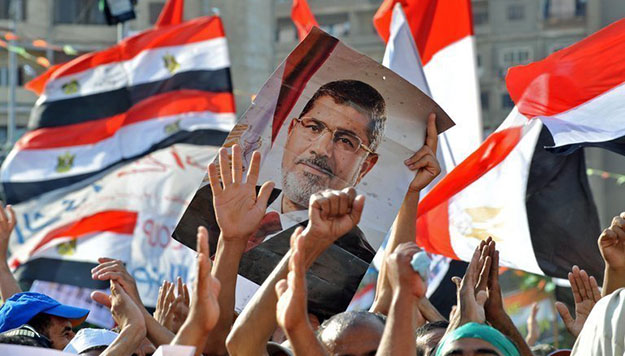
A Nonviolent Muslim Brotherhood?
Three months after the ousting of President Mohamed Morsi, Egypt’s Muslim Brotherhood remains in shock. In two and a half years, the group went full circle, from an outlawed organization to one that won a plurality in parliamentary elections and saw its candidate win the presidential election, to that president’s ouster a year later and the subsequent court verdict ordering the group’s shutdown. During this short journey, the Brotherhood shifted alliances.
Breaking the Silence, A book discussion with Avner Gvaryahu
The Middle East Institute, The Foundation for Middle East Peace, Churches for Middle East Peace, and Americans for Peace Now Present Breaking the Silence, A book discussion with Avner Gvaryahu Author of Our Harsh Logic: Israeli Soldiers’ Testimonies from the Occupied Territories, 2000-2010 Moderated byAmb.
Author Stephen Cohen on the India-Pakistan Conundrum
The Middle East Institute is proud to host author and Brookings senior fellow Stephen P. Cohen for a reading and discussion of his book, Shooting for a Century: The India-Pakistan Conundrum (Brookings Institution Press, 2013). In his latest book, Dr. Cohen explores one of the most intractable conflicts in modern history and examines the parallels with the ongoing Israeli-Palestinian conflict, observing how nuclear weapons, minority and victim psychology, and outside powers come into play in both regions. Widely regarded as one of America’s foremost experts on South Asian affairs, Dr.
Yemen Achieves Steady Progress against the Odds
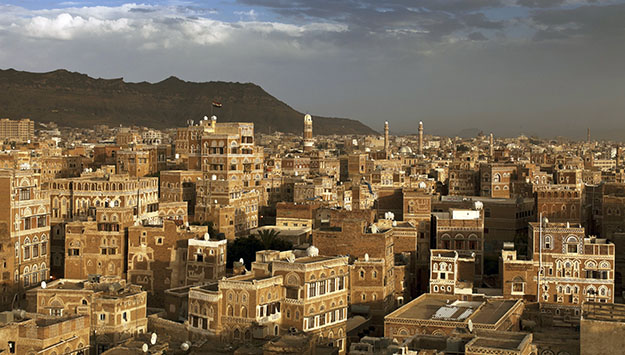
The members of the Friends of Yemen, comprising over 30 governments and several international institutions, including the United Nations, World Bank, Arab League, and European Union, gathered for their sixth meeting September 25 in New York on the margins of the UN General Assembly. Chaired by the governments of Yemen, Saudi Arabia, and the United Kingdom, participants praised Yemen’s efforts to implement a political transition through inclusive and comprehensive dialogue and negotiation—a stark contrast to the course of events in better-known Syria and Egypt.



