This individual is a guest contributor. MEI is not able to assist with contact requests.
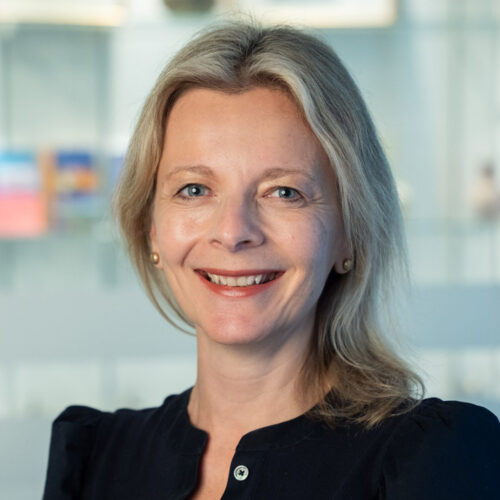
Sara Sadek is an affiliated researcher and coordinator at the Center for Migration and Refugee Studies (CMRS) at the American University in Cairo. She obtained an MA in Refugee Studies from the University of East London. Since 2005, she has worked on various research projects on Iraqi and Sudanese communities in Egypt, contributing to a report on Iraqis in Egypt and recently producing a paper on challenges of integration for Iraqis in Arab states for the Henry L. Stimson Center’s forthcoming volume Transnational Challenges.
The challenge of defending NATO’s Black Sea borderland: The view from Bucharest
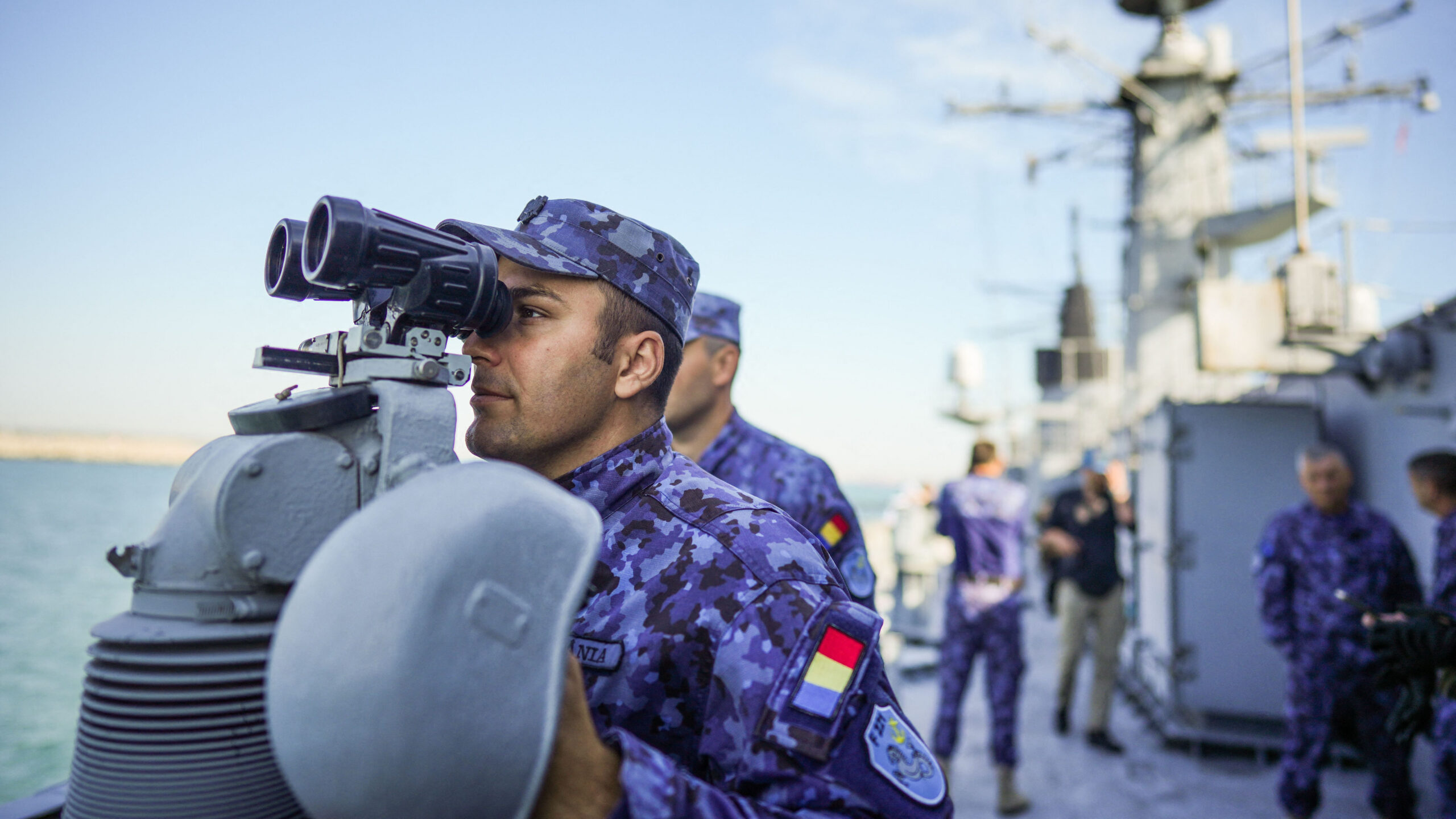
While the U.S. and its NATO allies work on developing a Black Sea strategy, Washington should continue to cooperation with the Romanian Armed Forces, encourage the Romanians to build up their capabilities, and support the Romanian military’s officer corps development. In a multipolar world, solutions will need to be first and foremost regional — and in the Black Sea region, the Romanian Naval and Special Forces are a solid anchor for European stability.
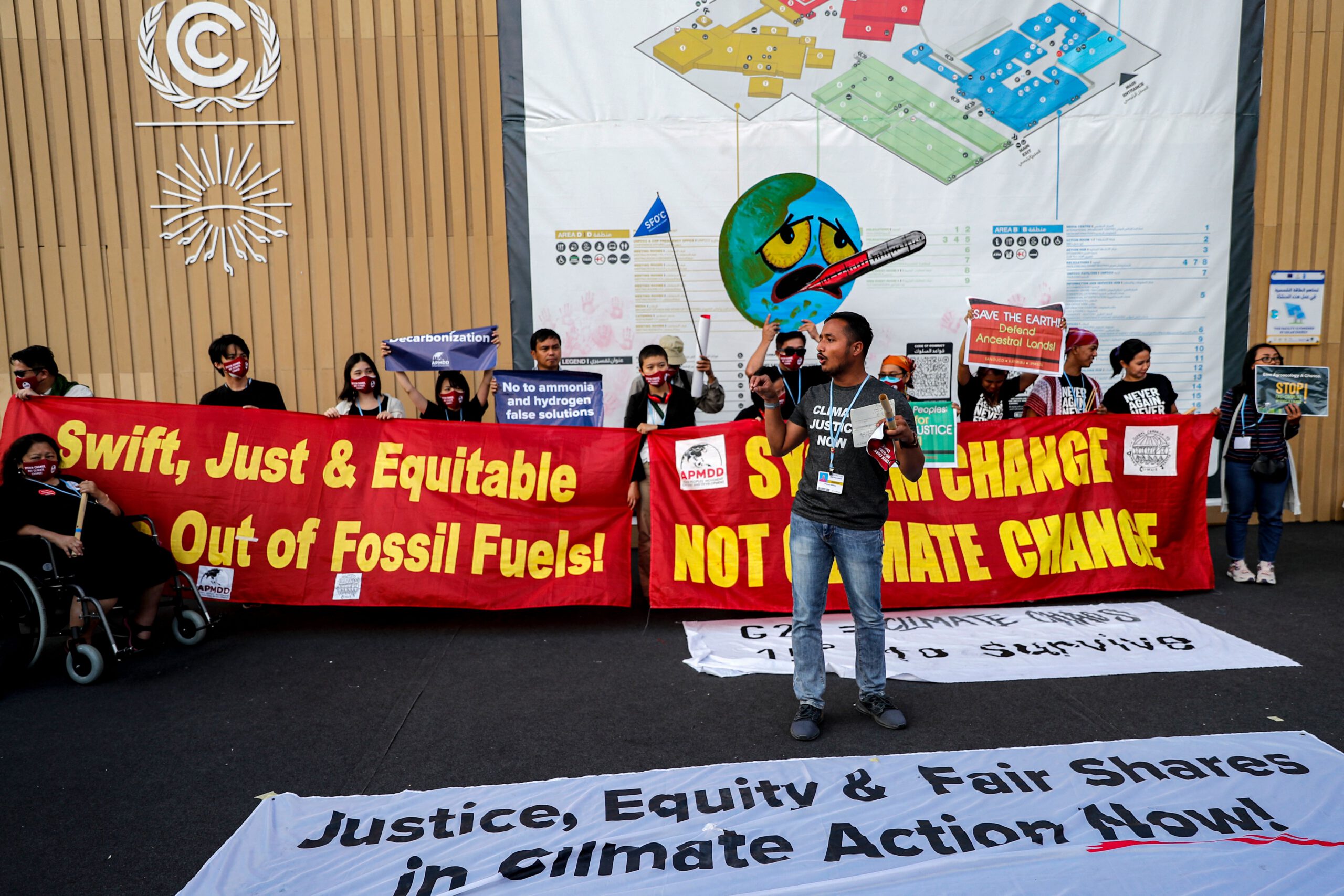
We can’t tackle climate change in the Middle East without ESG investing
As a major center for fossil-based energy production, the Middle East is key to global ESG developments. The region is currently at an early stage of ESG adoption, although holding COP27 and COP28 has provided some initial movement towards mainstreaming climate finance regulations.
Dispatches from Tokyo: Abe’s legacy, the Middle East and the Indo-Pacific, tech decoupling, and more
After a week of talks with Japanese officials, scholars, and intellectuals, I am still grappling with the back-and-forth about the emerging global disorder and the evolving situation in the Indo-Pacific and the Middle East.
The Libyan Banking Sector: A Microcosm of Global Enduring Disorder
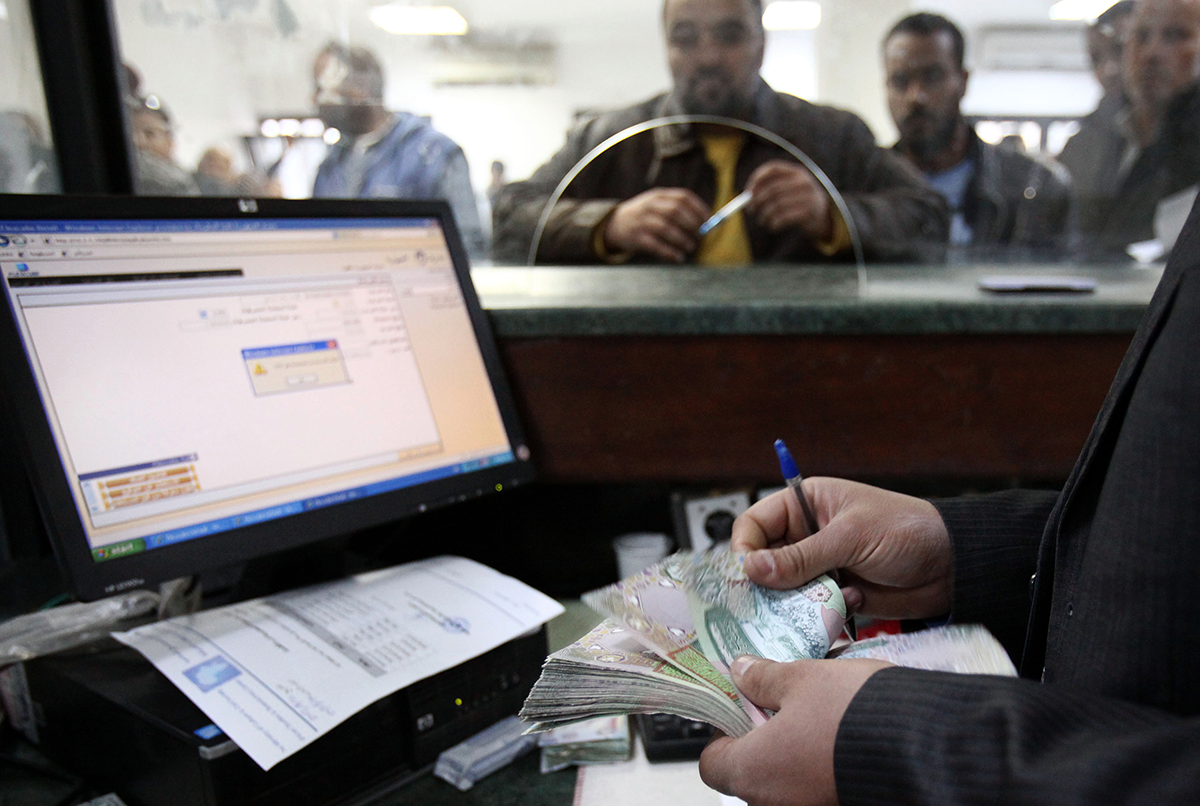
This paper investigates the ongoing Libya conflict through the Enduring Disorder paradigm, focusing on the financial and banking sectors, honing in on stakeholder perceptions of the Central Bank of Libya (CBL), its transparency/opacity, and the “narrative wars” over who is to blame for, and who benefits from, Libya’s economic dysfunction, the lack of an annual budget, and the current lack of a quorum on the CBL board.
Bafel in Baghdad: Finding the contours of the PUK’s strategy in federal Iraq
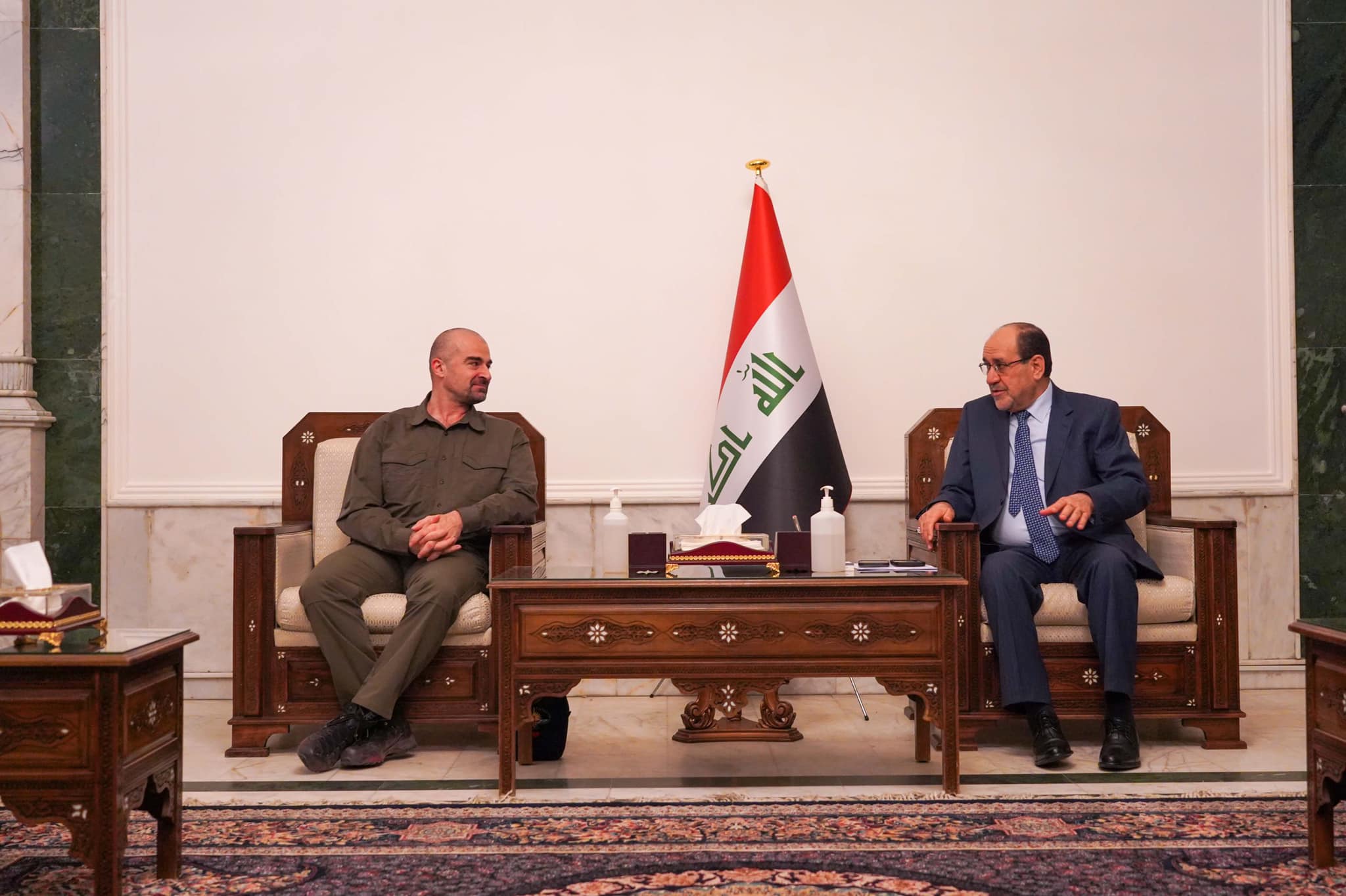
Patriotic Union of Kurdistan leader Bafel Talabani is a frequent visitor to Baghdad, traveling to Iraq’s capital an estimated 35 times since the beginning of 2022 or more than once every two weeks on average. It is indicative of a deliberate strategy by the PUK to increase its activity within Iraq’s federal system, making it a priority, rather than merely an afterthought, to political affairs in the Kurdistan Region.
The Food-Energy Nexus and Italy–Morocco Cooperation
The unwinding of global food production chains due to the combined shocks of Covid-19 and the war on Ukraine, made worse by the impact of climate change on the food-water-energy nexus, will require the six nations of the western Mediterranean – Morocco, Algeria, Tunisia, Spain, France and Italy – to develop new forms of economic cooperation. An Italy–Morocco partnership on green energy food production can be a model for resilient food production chains.
MEI’s US-Lebanon Fellow Fadi Nicholas Nassar speaks to Beirut-based international finance professional Mike Azar (@AzarsTweets) on Lebanon’s financial crisis. What is the state of Lebanon’s banking system, and how did it become so dysfunctional? What does Azar recommend to get Lebanon’s economy back on track, and can the Lira be saved?
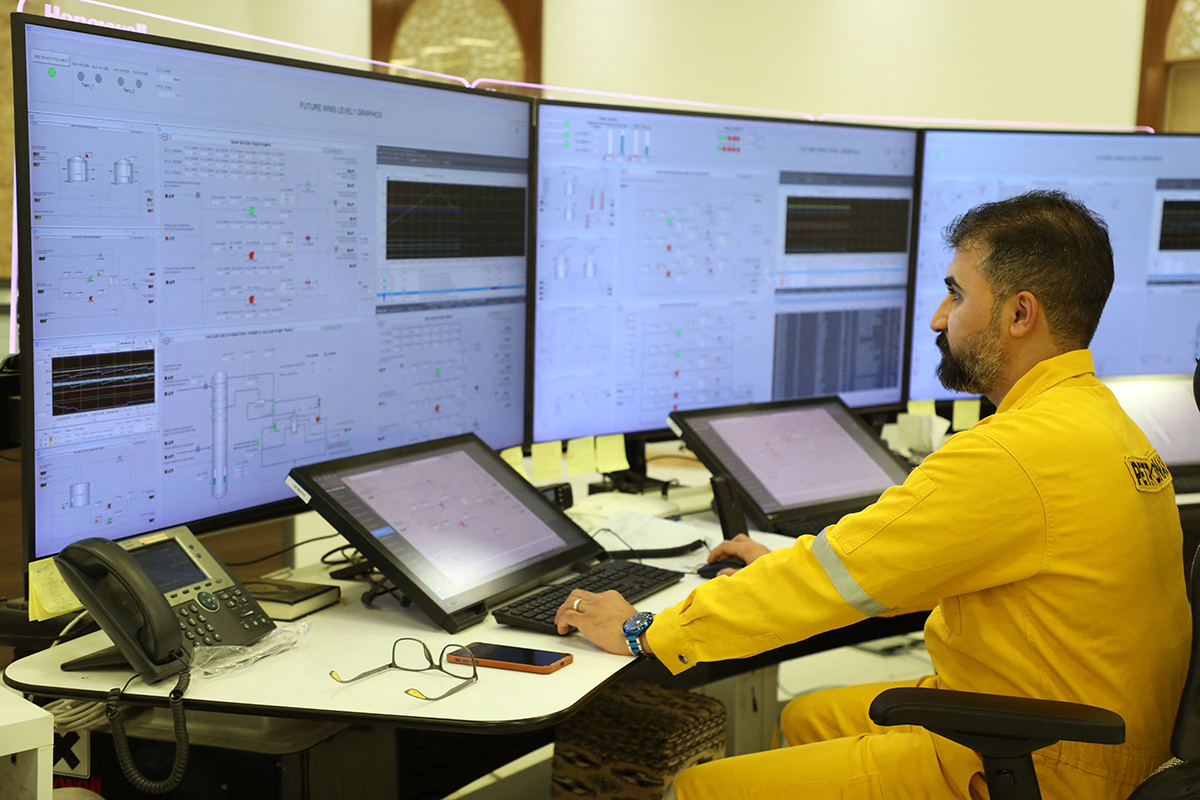
The next few decades will be crucial for Iraq and the KRG as global changes reshape the energy sector. The push for sustainable development, the Paris Agreement climate goals, and associated efforts in areas like renewable energy, climate change, and environmental protection will bring about a transition across the sector, affecting everything from employment and working patterns to governance.
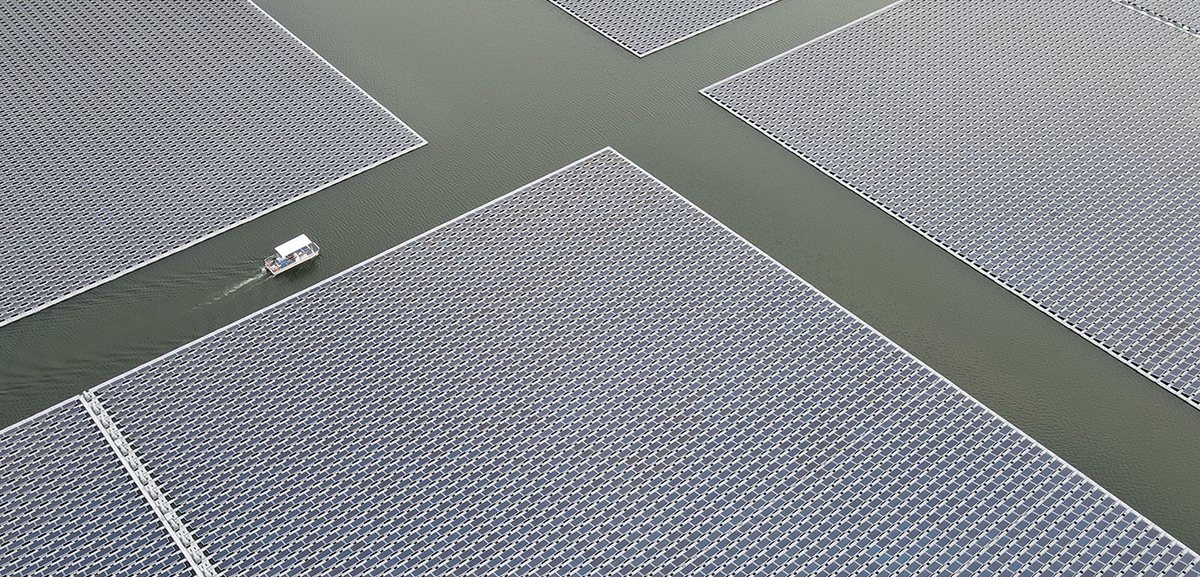
How floating solar farms can help the Middle East deal with water and power challenges
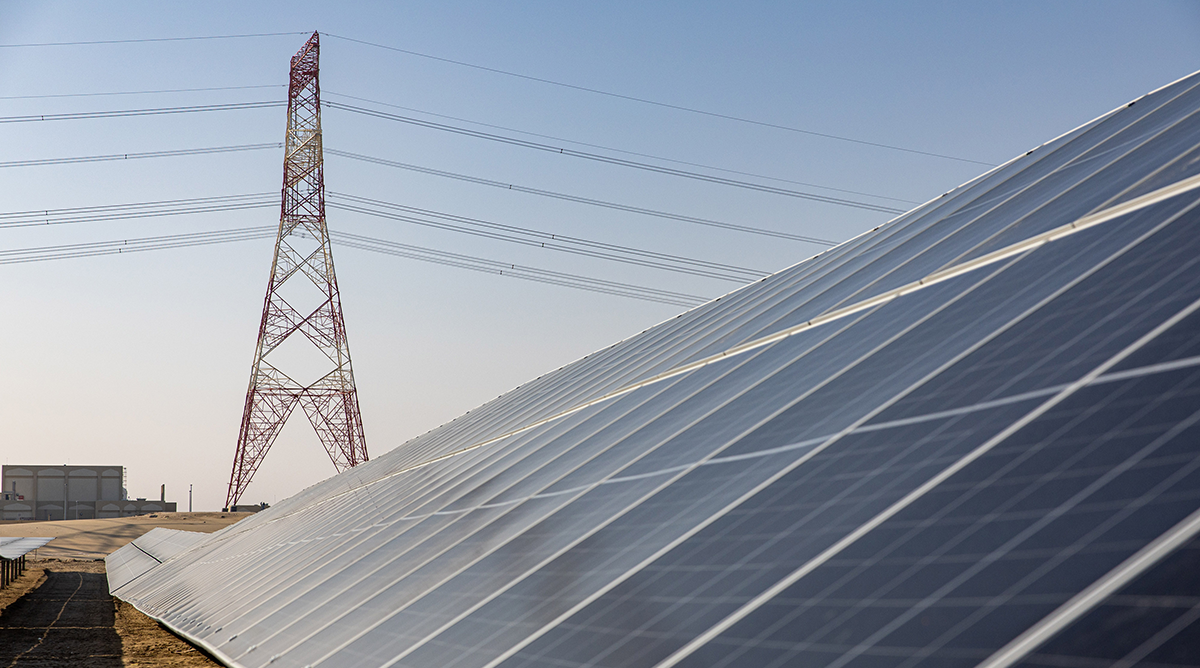
There is an emerging solar technology that is more efficient than the current photovoltaic solar farms and which also helps to save water by reducing evaporation. Floating solar farms can play a significant role in addressing the Middle East’s clean energy needs as well as mitigating its water shortages.
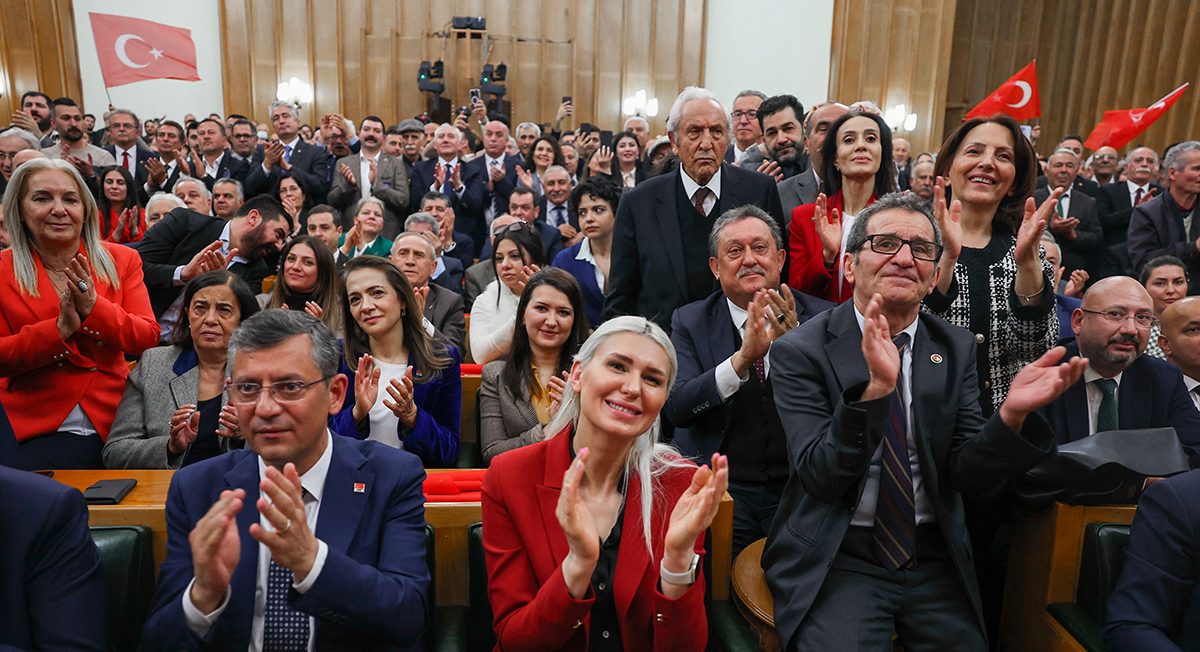
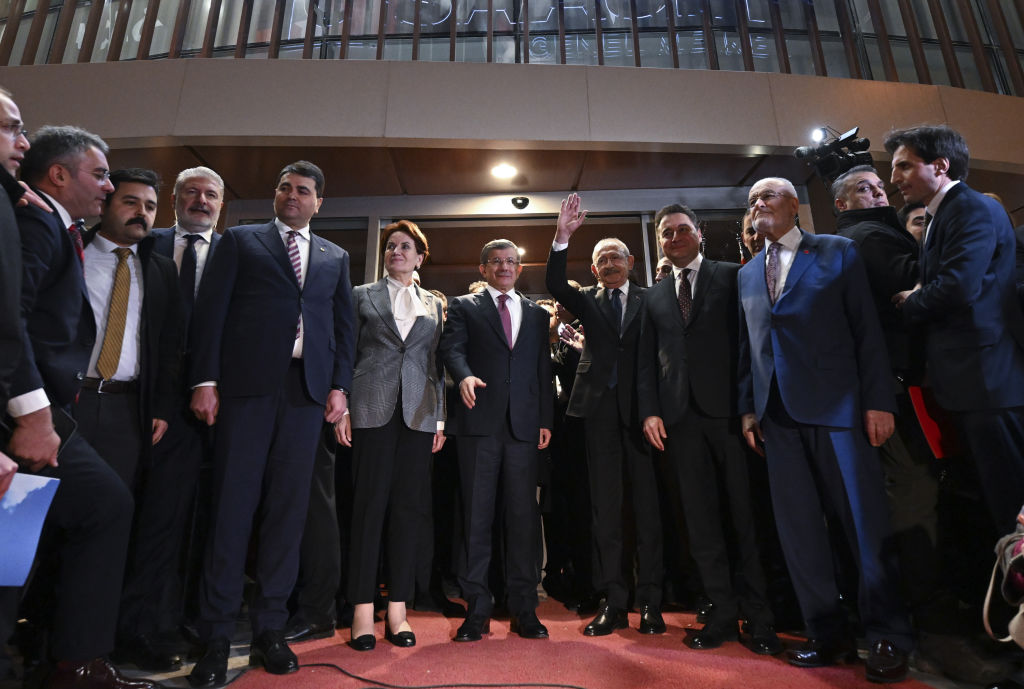
Turkey’s "Gandhi" sets his sights on strongman Erdoğan
The earthquake seems to have damaged the charismatic populist’s image. And voters may finally be ready for an uncharismatic man who promises to put things in order.
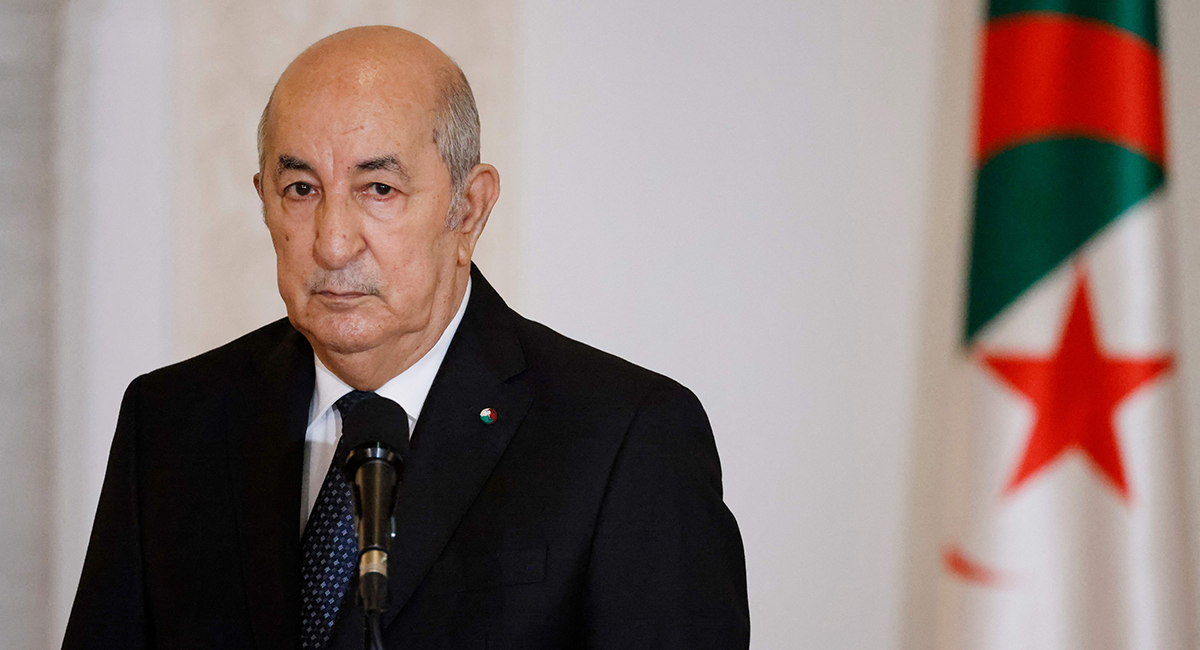
Algeria’s 2023 budget: President Tebboune’s make-or-break first-term project
On Dec. 25, 2022, Algerian President Abdelmadjid Tebboune signed the 2023 budget bill into law. The new finance law lays out unprecedented government spending of $98 billion, the largest state budget in Algeria’s history and a 25% increase from 2022 levels. It also provides clear insight into the authorities’ vision for the future and potential scenarios for Algeria’s direction on the economy and international relations.
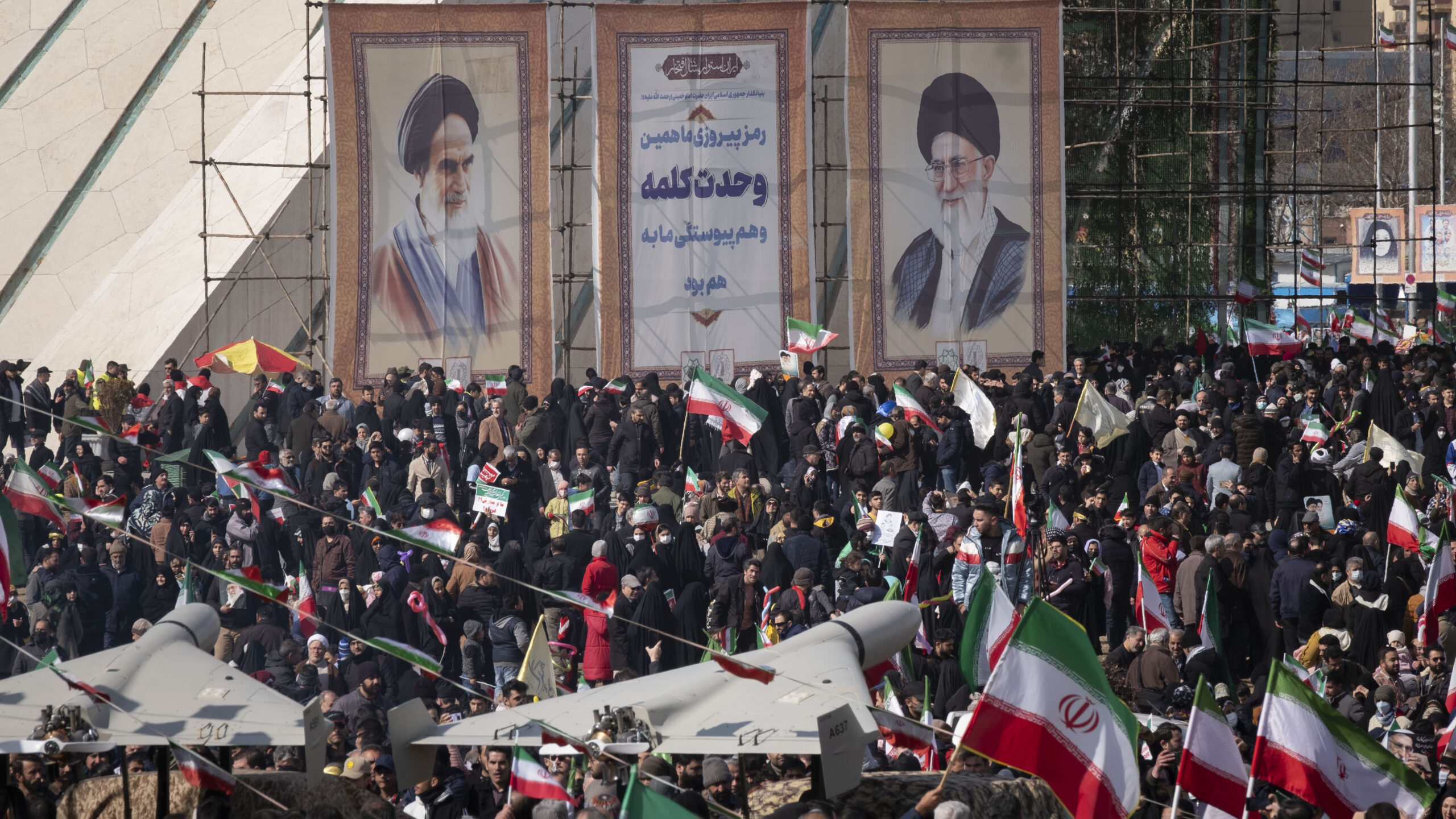
Iran’s Islamic Revolutionary Guard Corps Navy is converting two merchant container ships into vessels capable of carrying and launching combat drones against maritime or coastal targets. For now, Iran’s drone carriers are unlikely to pose a clear and present danger to the U.S., but they possess symbolic significance as a potential tool to defy American initiatives in the Middle East and respond to Israel’s attacks against Iran.