This individual is a guest contributor. MEI is not able to assist with contact requests.
Sara Sadek is an affiliated researcher and coordinator at the Center for Migration and Refugee Studies (CMRS) at the American University in Cairo. She obtained an MA in Refugee Studies from the University of East London. Since 2005, she has worked on various research projects on Iraqi and Sudanese communities in Egypt, contributing to a report on Iraqis in Egypt and recently producing a paper on challenges of integration for Iraqis in Arab states for the Henry L. Stimson Center’s forthcoming volume Transnational Challenges.
Biden v. Putin: Rival roadshows in an increasingly assertive Middle East
The U.S. and Russian presidents staged high visibility visits to the Middle East in the past week and a half. The visits were designed to assert each great power’s influence in the region at a time of escalating great power conflict. But both presidents cut a diminished figure on the regional stage at a time when leaders in Turkey, Iran, and Saudi Arabia are feeling increasingly empowered.
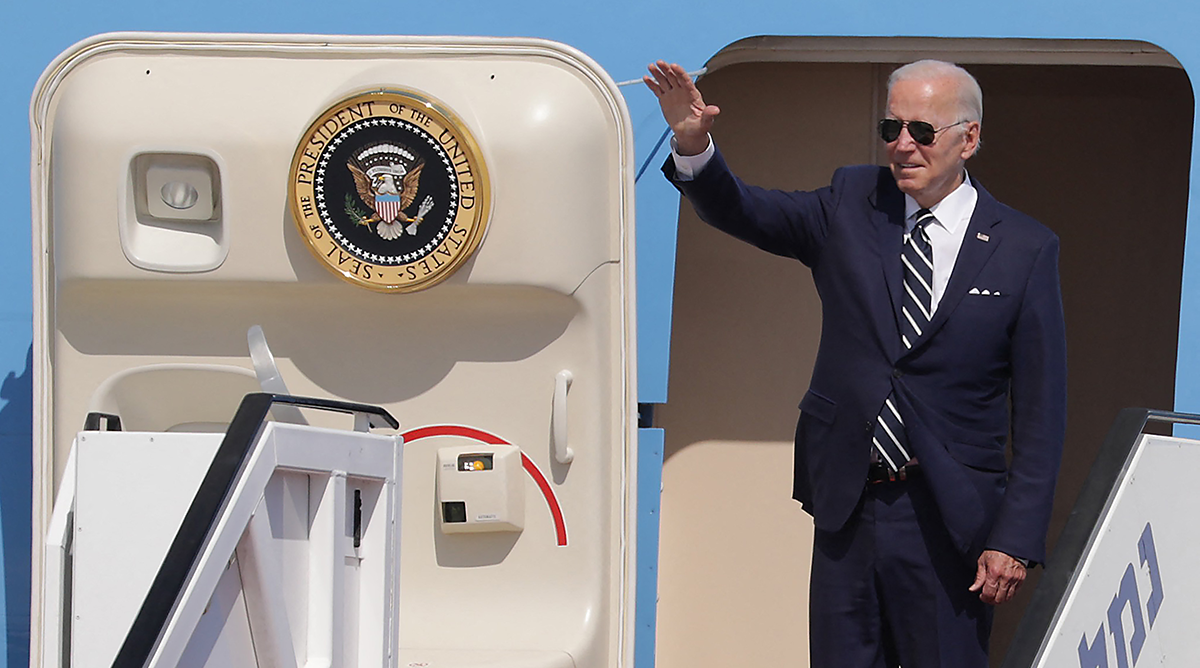
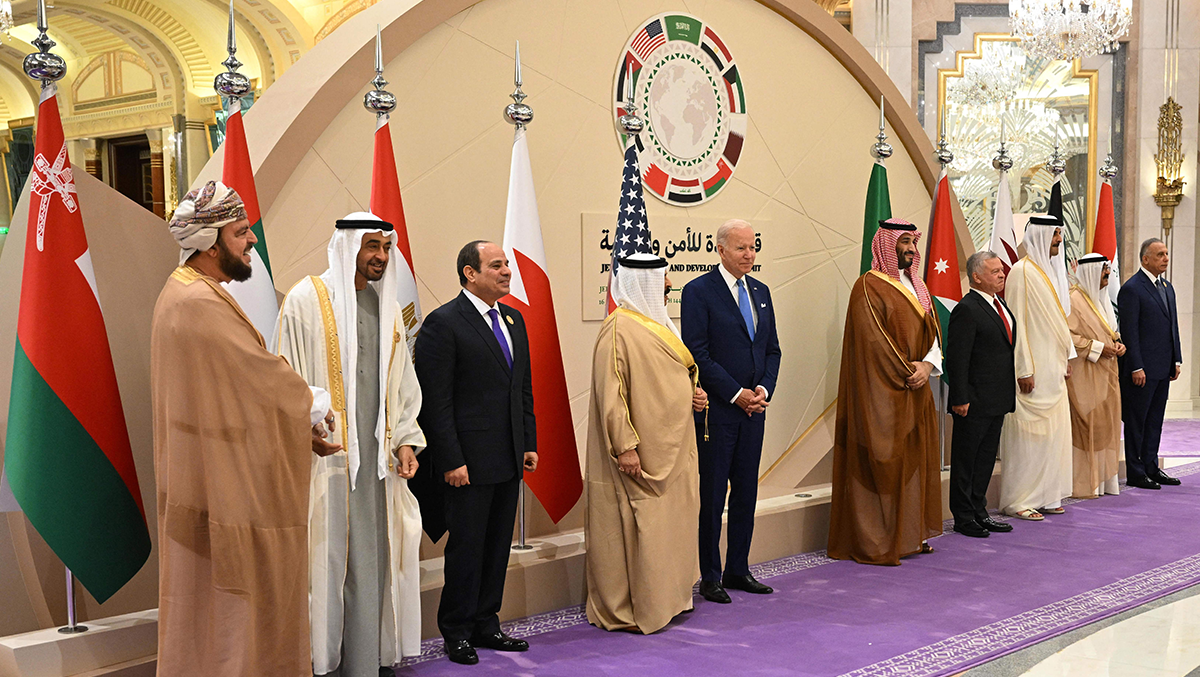
Biden's Middle East Trip: What It Means and What’s Next
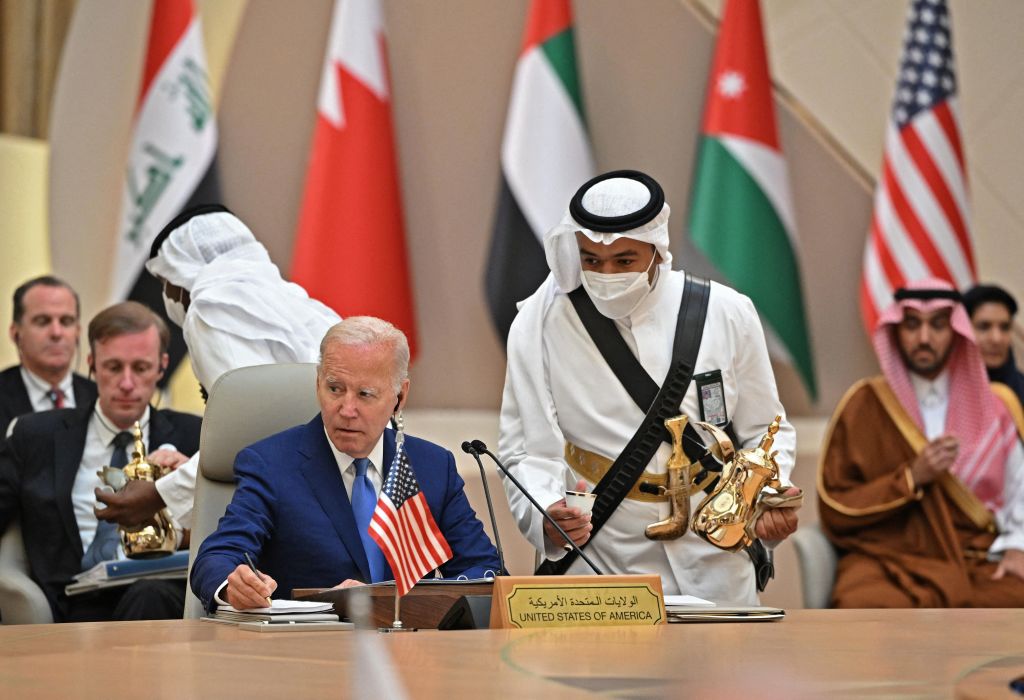
The main objective of President Joe Biden’s trip to the Middle East last week was to signal to both partners and adversaries that the United States was serious about restoring its strategic position in the region, which has taken considerable hits in recent years.
Ukraine’s critical minerals and Europe’s energy transition: A motivation for Russian aggression?
Russia’s war launched on February 24, 2022, may have partly been motivated by Ukraine’s large reserves of critical metals and their global strategic importance in the production of advanced “green” energy technologies. The cutoff of access to Ukrainian sources, combined with the nature of the partnership between Moscow and Beijing — with China being the largest supplier of the necessary critical minerals — could endanger the very notion of the West’s energy transition.
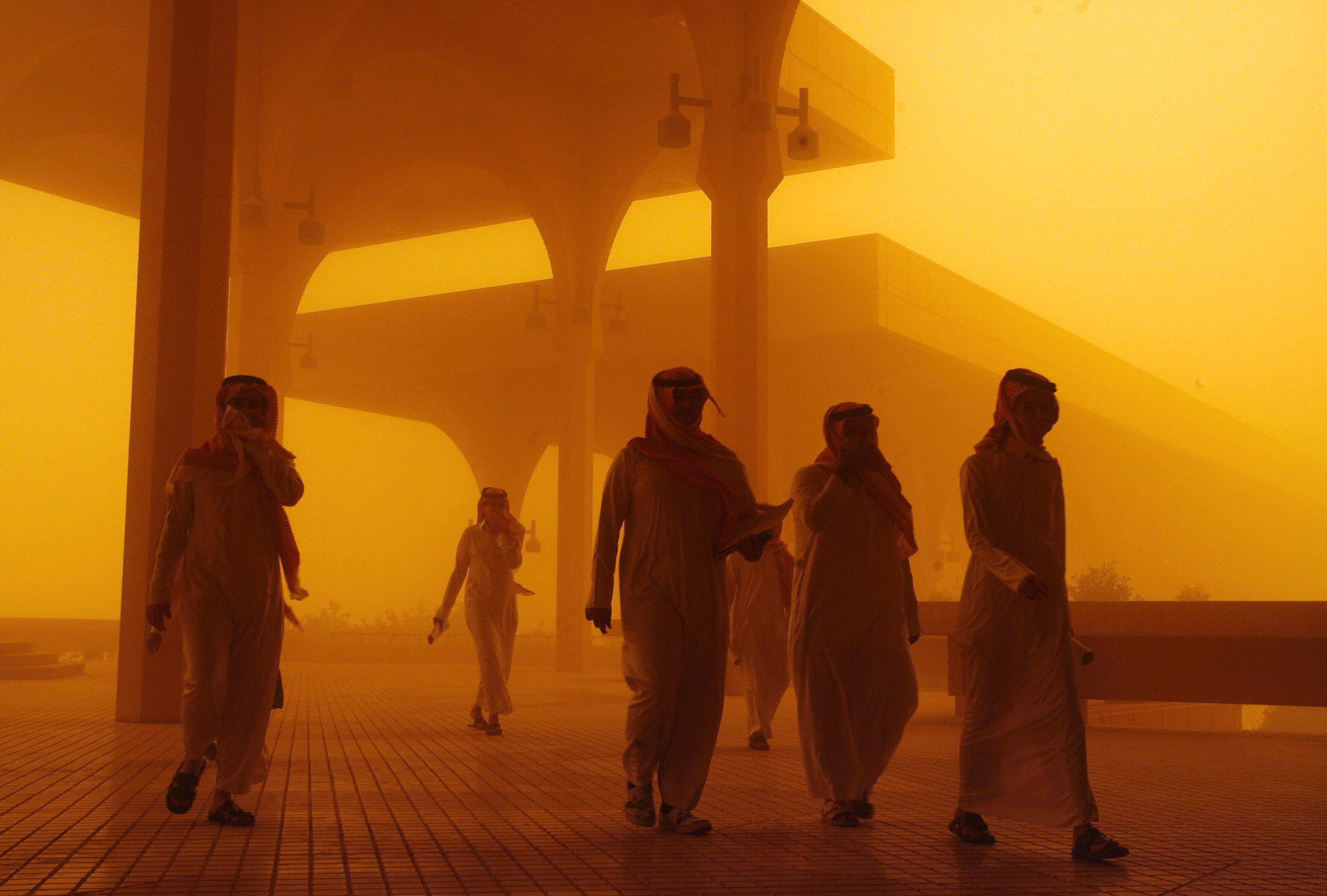
The Middle East’s worsening dust storms are making it harder to deploy solar energy
Recent months have seen unprecedented levels of dust storms in the Middle East. Hundreds of people were hospitalized because of breathing difficulties; public buildings, offices, and schools were closed; and flights were grounded. Sand and dust storms are not a new experience for the people of the region, but continuous exposure to thick blankets of dust — as seen in April and June 2022 — is quite alarming and has affected local communities and residents across the region from Syria to Iran.
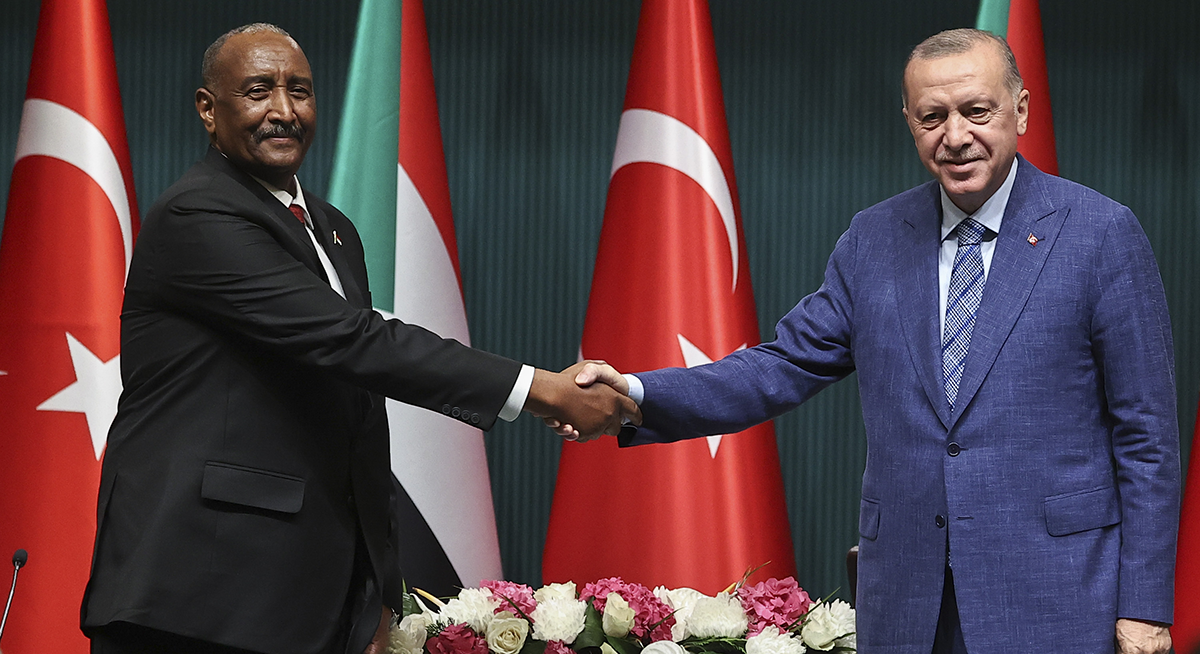
Sudan has a longstanding strategic partnership with Turkey, forged on the basis of shared ideology and fostered by growing economic and political ties, that has proven resilient to regime change. Khartoum has not abandoned its relationship with Ankara despite the ouster of former President Omar al-Bashir in 2019 or the opposition of Saudi Arabia, the UAE, and Egypt, Turkey’s former regional rivals and more recent cautious partners.
As Turkey’s economic woes worsen, a new currency crisis is approaching
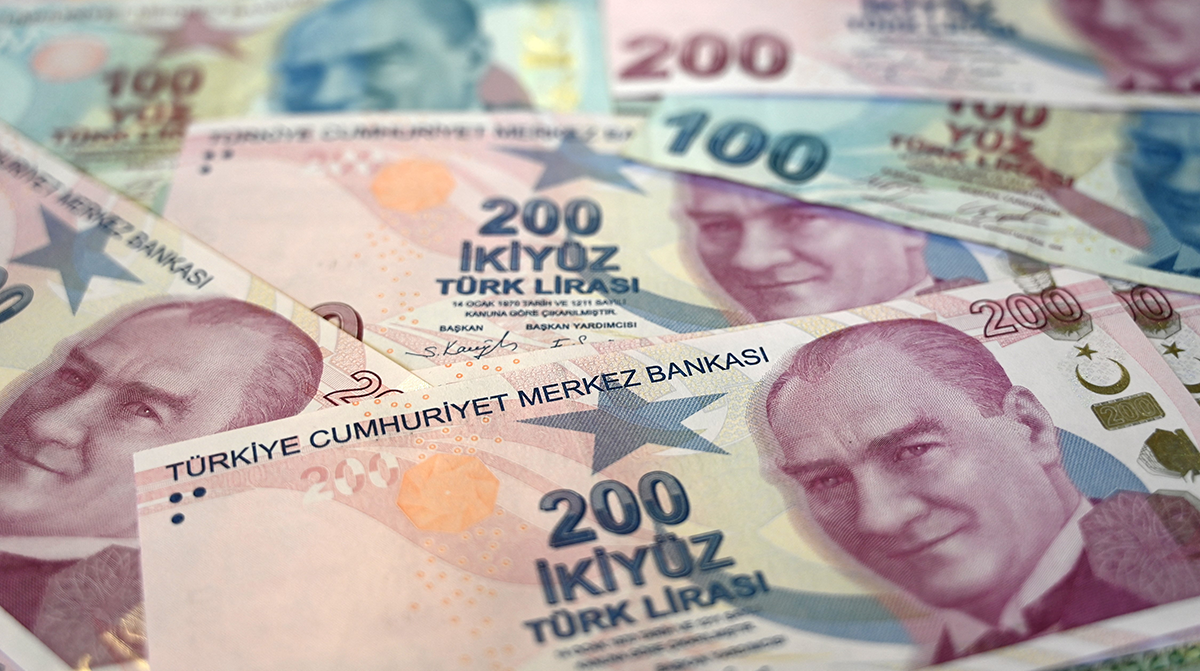
Turkey’s economic problems continue to go from bad to worse. Its foreign trade deficit has reached a monthly average of $8 billion this year. Amid the sharp rise in global energy prices this spring following Russia’s invasion of Ukraine, the country’s average gross energy imports shot up from $3-4 billion per month to $7-8 billion. A reduction in energy imports and the recovery of tourism this summer have not offset this, and the current account deficit continues to widen.
When elections don’t matter? How new parliamentarians can improve the politics of power-sharing arrangements
Power-sharing arrangements remain a paradoxical phenomenon. As a powerful tool to stop the guns of conflict, they tend to kill the ingredients for peace by preventing politics from changing. Three countries with such arrangements have recently held elections in which outcomes have — ostensibly — led to such political change. Change, however, has yet to materialize and so far the elections have brought more of a perennial companion of power-sharing arrangements: political gridlock.
Pensions, sovereign wealth funds, and industrial policy in the Gulf: A look at fund consolidation
The last few years have seen a lot of consolidation in Gulf financial sectors. Not only do these mergers create economic benefits, the merged entities also become potent tools for economic development. The mega-funds and other major financial institutions are part of a trend where Gulf political elites sidestep ossified bureaucracies and instead centralize power in private entities over which they have even more control.
Egypt as an Eastern Mediterranean power in the age of energy transition
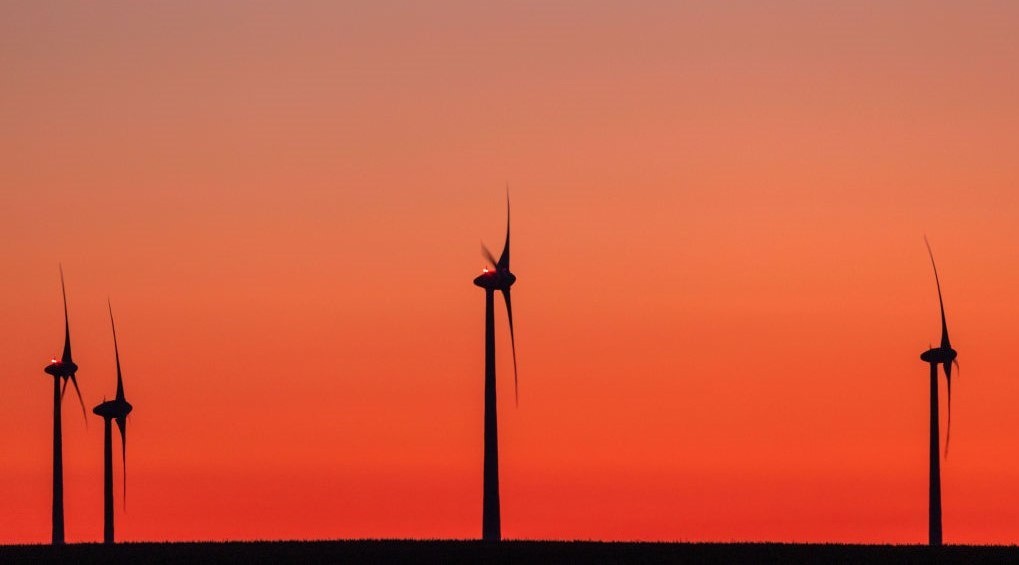
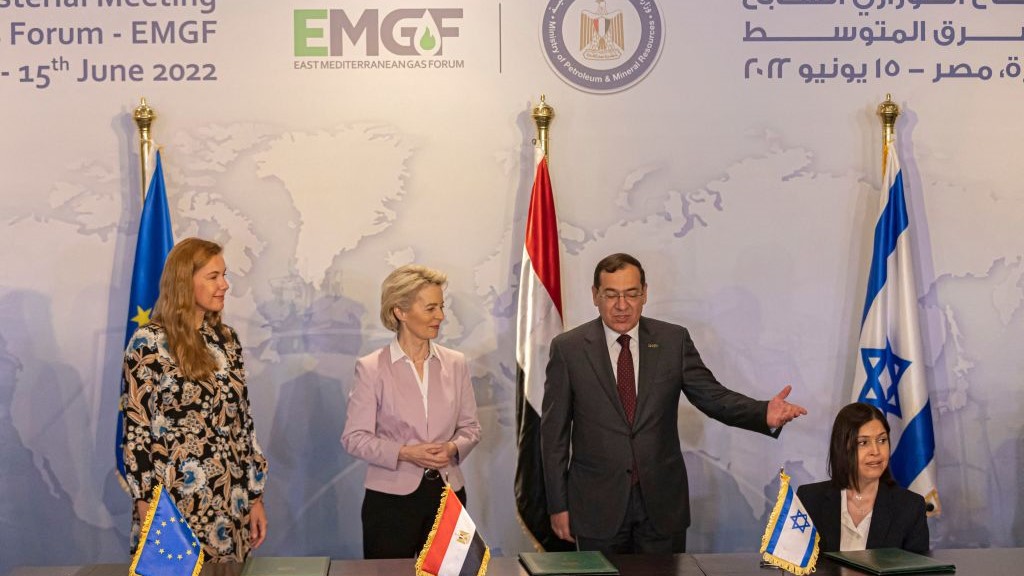
The emergence of Egypt as an Eastern Mediterranean energy hub resulted from a culmination of years of deliberate efforts. Increasingly, Egypt will be able to re-export Israeli natural gas or convert it into blue hydrogen, generate green electricity for export, or utilize its growing wind and solar power capacity to produce green hydrogen.
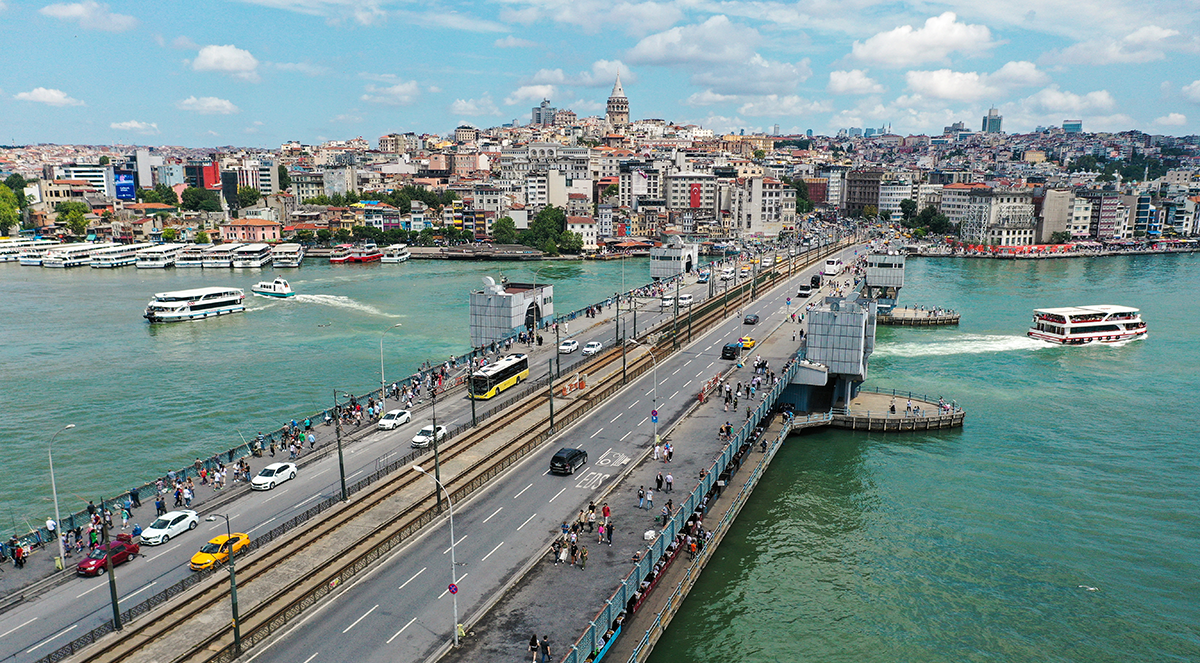
During two days of meetings in May 2022, members of the Middle East Dialogue, convened by MEI, met in Istanbul, Turkey to discuss pressing issues relating to: i) the effects of the war in Ukraine on the MENA region; ii) current and future projections regarding Gulf relations with Iran, amid the stalemate over a revival of the 2015 JCPOA; iii) the future pathways and security framework for the MENA region; and iv) the Baghdad Declaration of Good Neighborhood Principles for the Middle East. This meeting brought together policymakers, academics, and experts from across the MENA region. This report provides an analytical understanding of the issues discussed and recommendations shared during the meeting.