This individual is a guest contributor. MEI is not able to assist with contact requests.
Sara Sadek is an affiliated researcher and coordinator at the Center for Migration and Refugee Studies (CMRS) at the American University in Cairo. She obtained an MA in Refugee Studies from the University of East London. Since 2005, she has worked on various research projects on Iraqi and Sudanese communities in Egypt, contributing to a report on Iraqis in Egypt and recently producing a paper on challenges of integration for Iraqis in Arab states for the Henry L. Stimson Center’s forthcoming volume Transnational Challenges.
Randa Slim and Amb. Edward Gabriel discuss the daunting trifecta of economic, financial, and political crises Lebanon currently faces and what they anticipate for the country’s future.
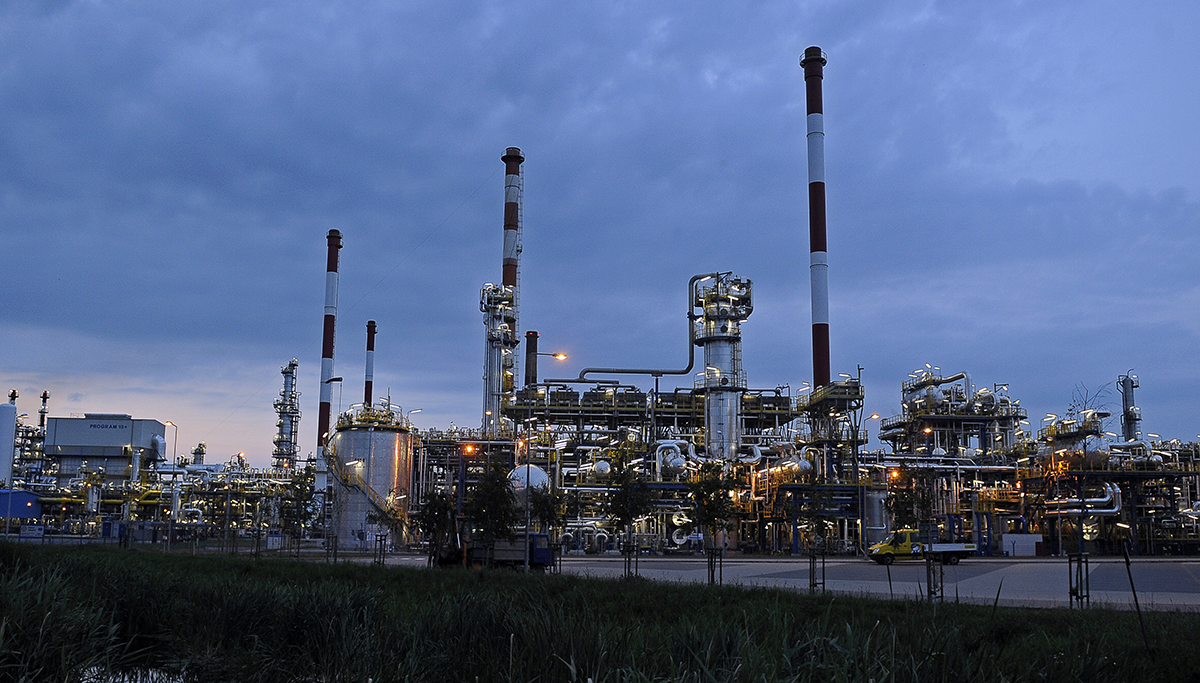
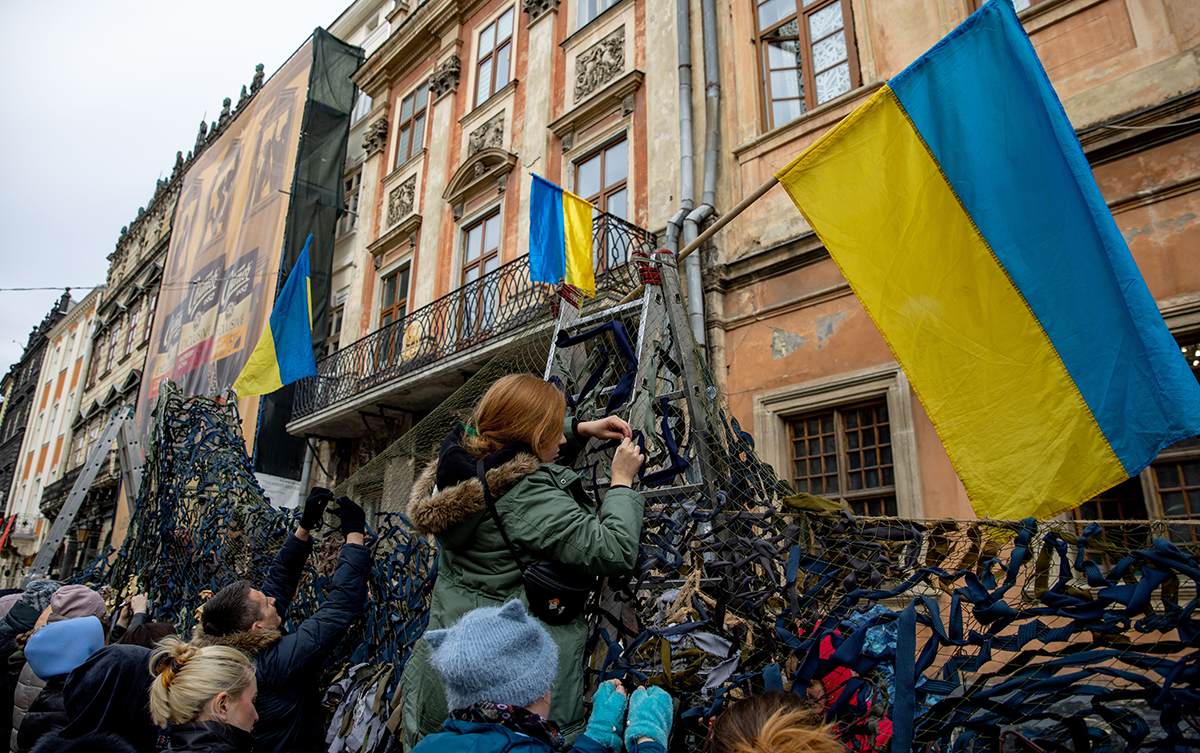
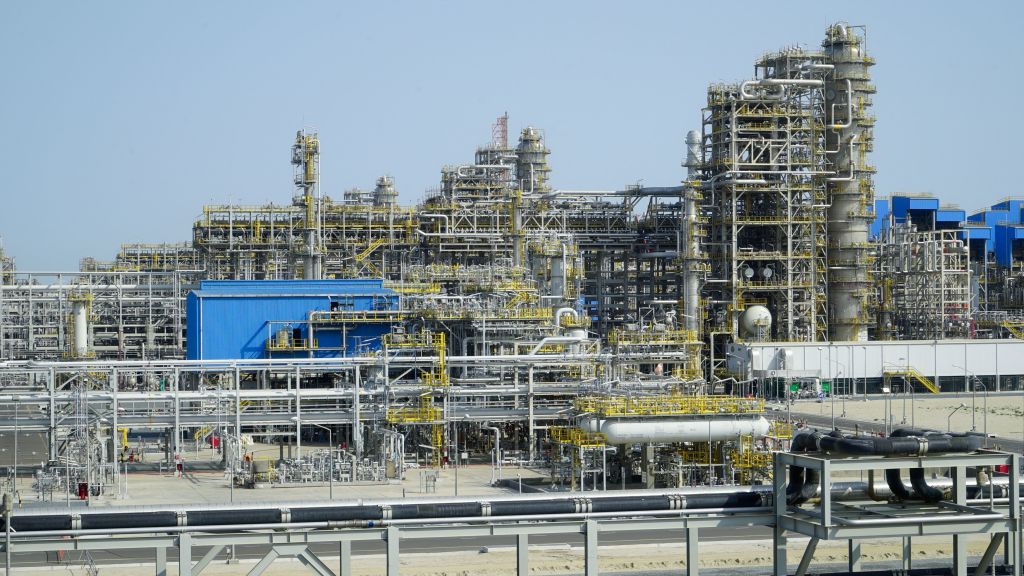
How will the war in Ukraine affect Gulf oil producers?
Although Western countries have managed to limit Moscow’s capacity to export oil, the Arab Gulf monarchies are unlikely to be able to benefit in the near term. This may change in the long run, however.
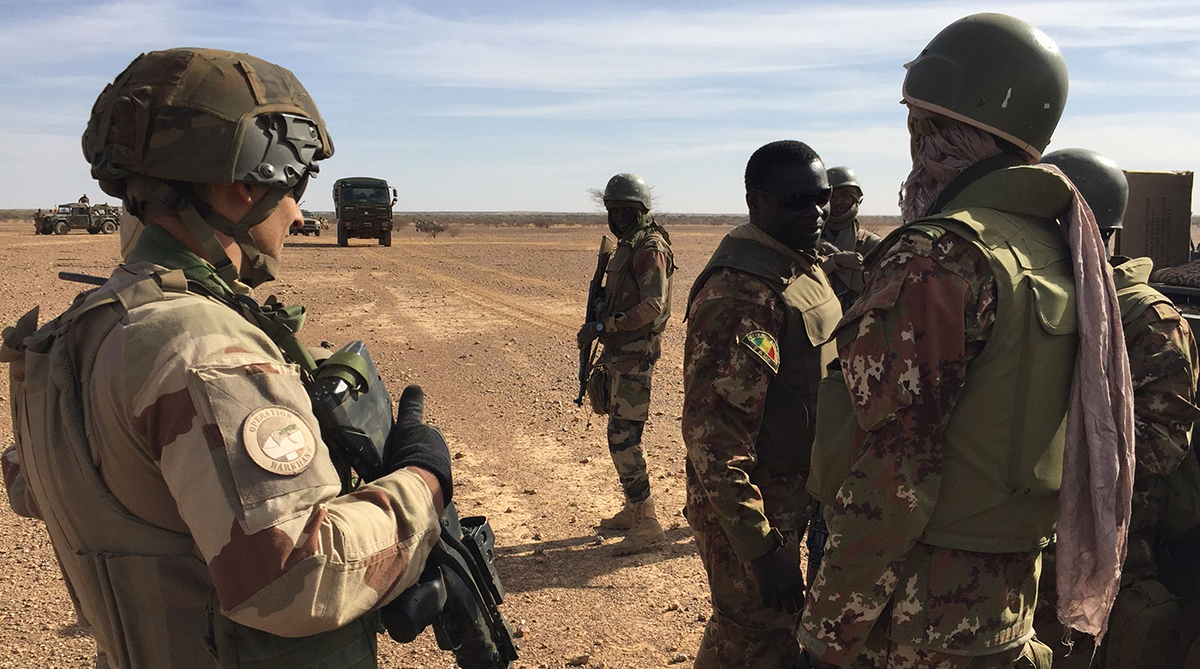
On Feb. 17, French President Emmanuel Macron announced the coming withdrawal of French armed forces from Mali. The decision put an end to nine years of French military intervention in the West African country.
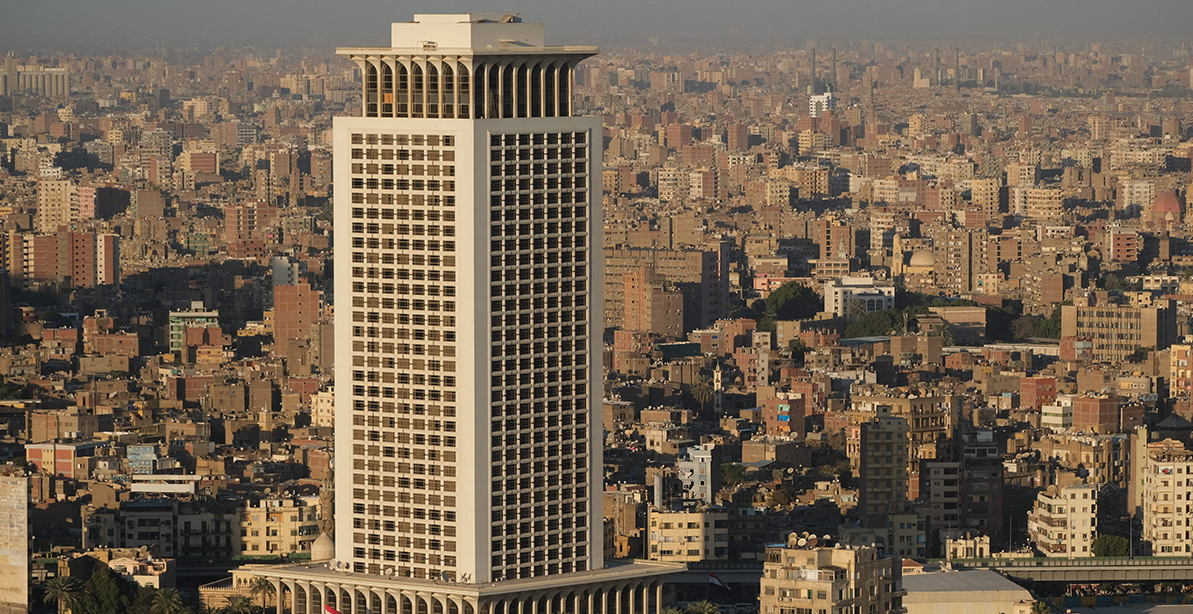
Getting complicated in a hurry: The implications for Egypt of Russia’s invasion of Ukraine
A week after Russia invaded Ukraine, the economic and political ramifications for Egypt have evolved more rapidly, and comprehensively, than its policymakers would have wished.
The Russia-Ukraine War has Turned Egypt's Food Crisis into an Existential Threat to the Economy
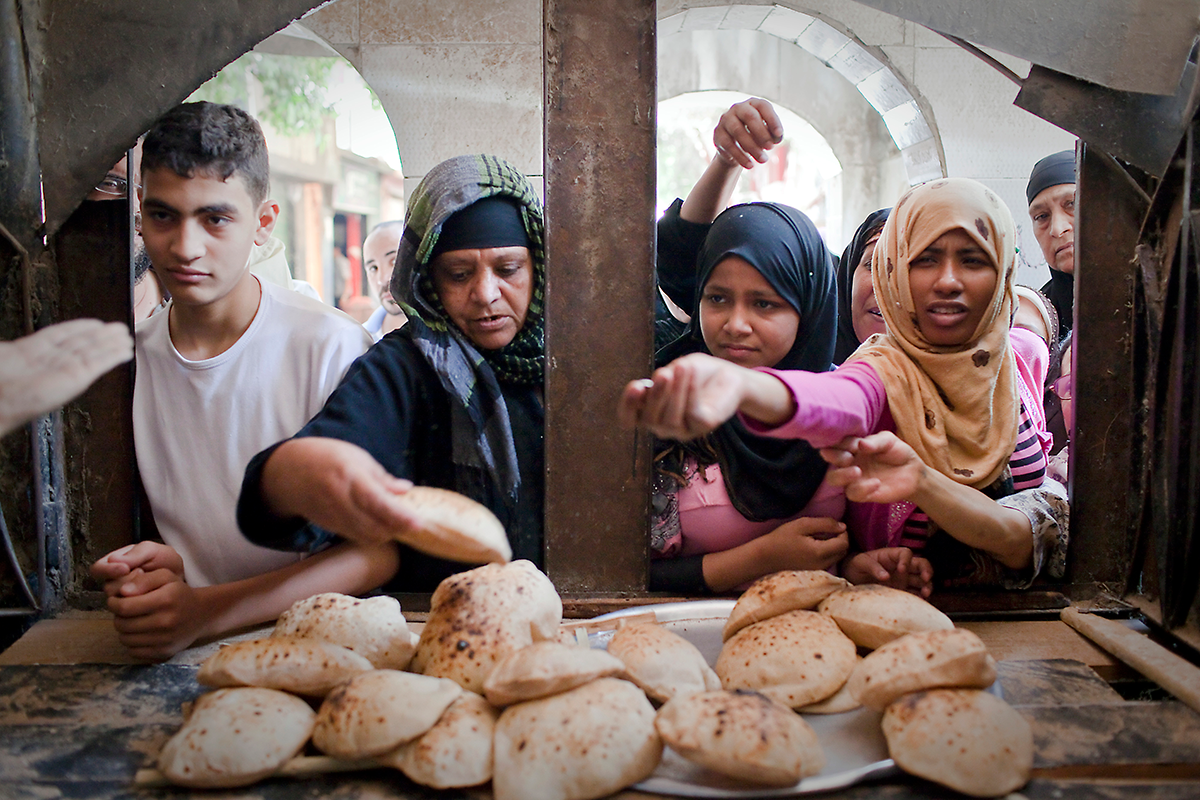
With the outbreak of the Russia-Ukraine war on Feb. 24, 2022, Egypt’s food security crisis now poses an existential threat to its economy. The fragile state of Egypt’s food security stems from the agricultural sector’s inability to produce enough cereal grains, especially wheat, and oilseeds to meet even half of the country’s domestic demand.
Expanding use of e-wallets in Egypt: Strengthening the social contract one transaction at a time
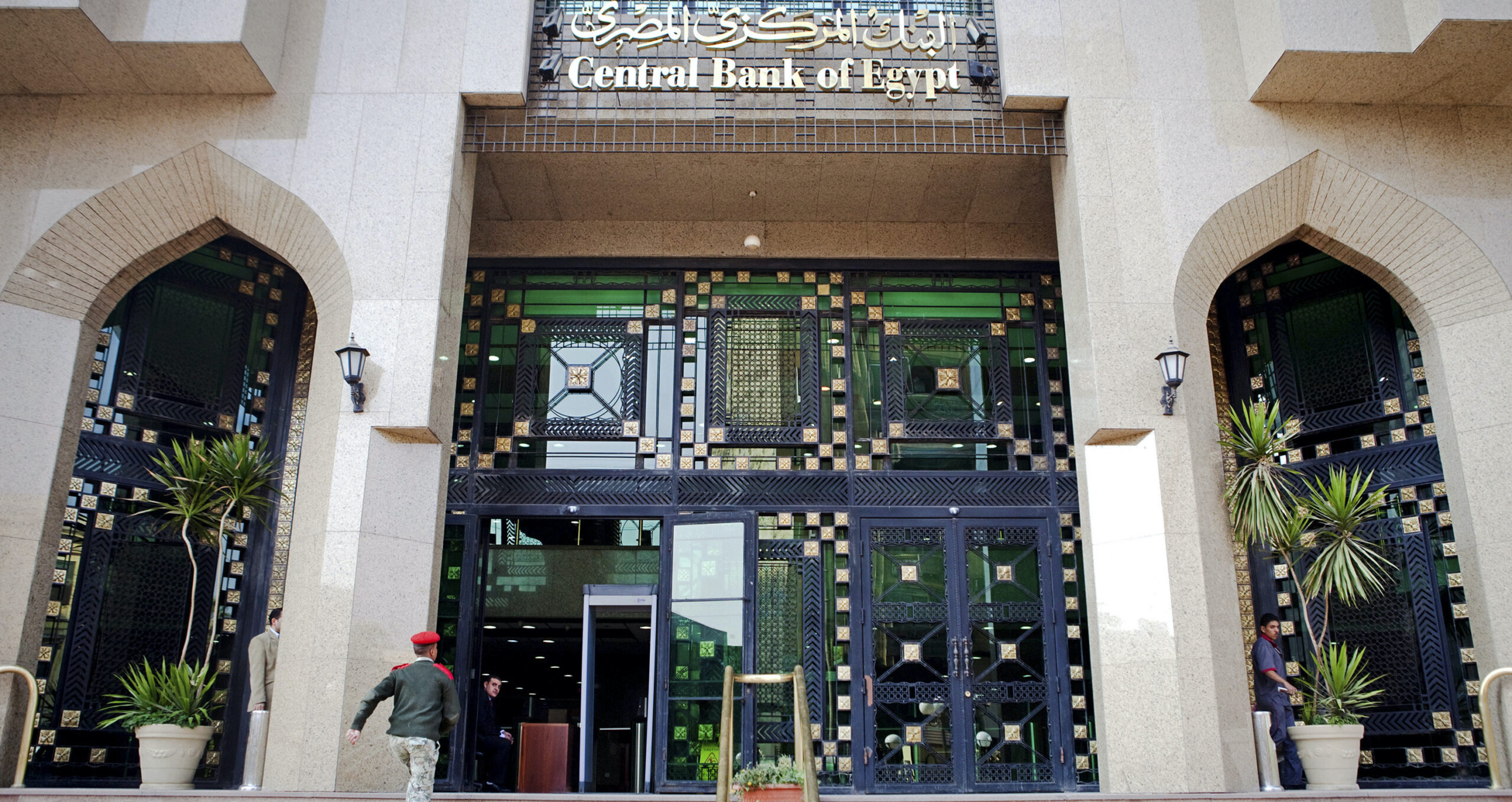
Egypt, like much of MENA, is experiencing an unprecedented digital transformation. Governments throughout the region are embracing emerging technologies, particularly in governance and, increasingly, financial management. Countries across MENA are adopting ICT strategies, such as the ICT Vision 2030 in Egypt. Egypt’s plan aims to develop a knowledge-based society by means of a strong digital economy built on reliable, affordable, and equitable access to digital tools.
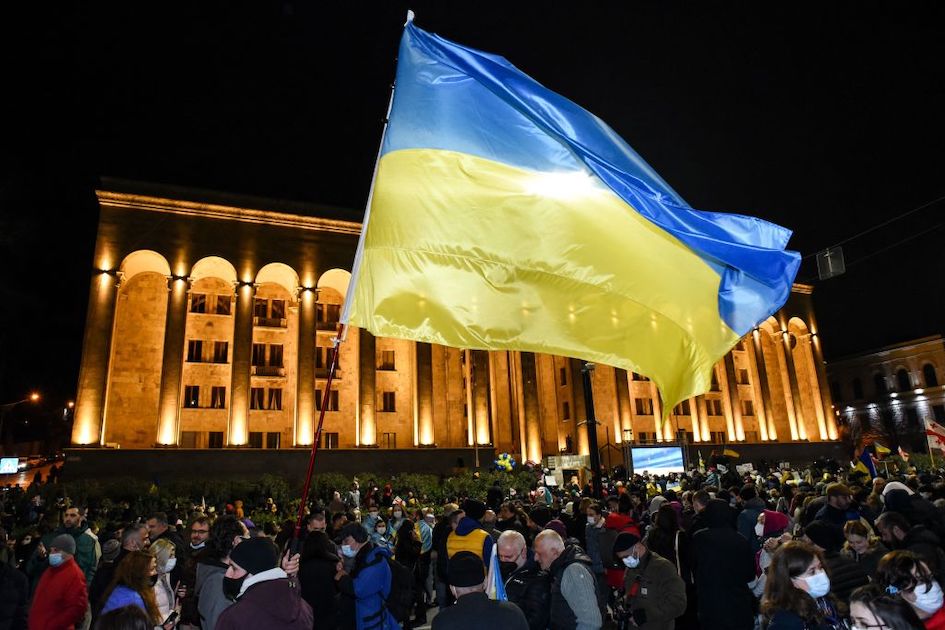
While there are similarities between Georgia in 2008 and Ukraine today, we argue that overstating them leads to a deeper misunderstanding of both conflicts and leaves out significant differences that need to be addressed.
Russia doesn't see Israel as a preferred strategic partner over Iran
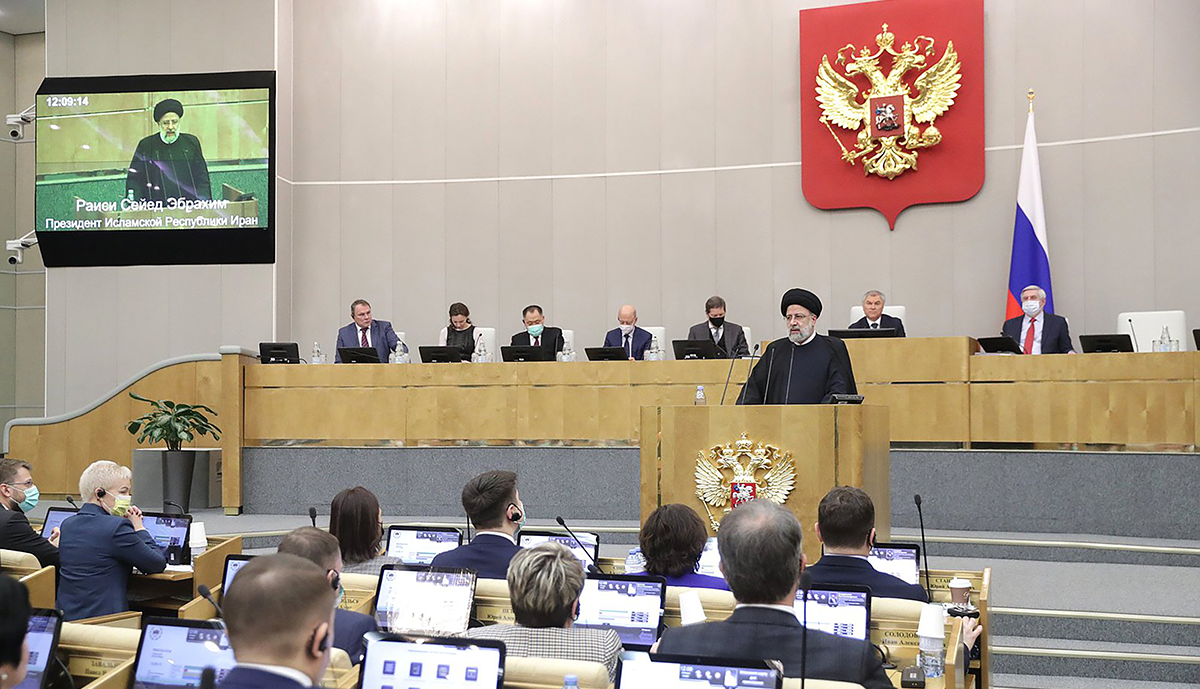
Iranian observers argue that Russia is willing to sacrifice Iranian interests when expedient, and some might even think that Russia is pivoting toward Israel in its Middle East policy. Nonetheless, the big picture of Russo-Iranian relations over the last decade reveals security cooperation between Tehran and Moscow that stands on a strong and reliable foundation, with both countries benefitting.
Is the Middle East next on Putin’s agenda? What the US can do to prepare
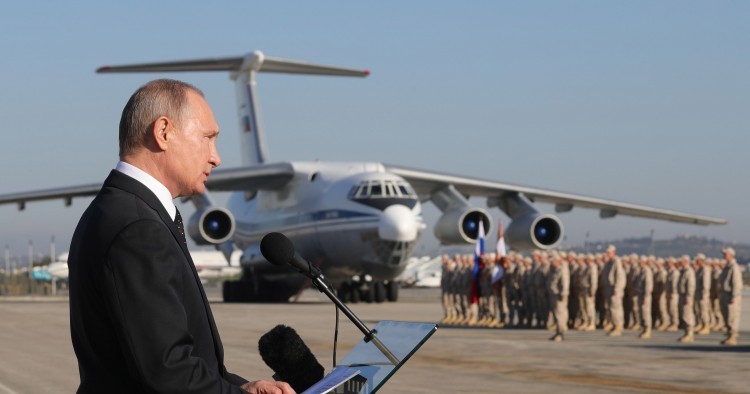
Conventional wisdom has it that the conflict in Ukraine will lead the U.S. to bolster its military presence along NATO’s boundary in Eastern Europe, with a concomitant downscaling in the Middle East. While presenting a robust front in support of NATO is of course critical, it would be a mistake to do so at the expense of the U.S. military presence in the Middle East at a time when it appears likely that Russian President Vladimir Putin has chosen the region as the venue for the next moves in his campaign to marginalize the U.S.
The new face of war: Devastating drone attacks in Ukraine have implications for the US military in the Middle East
In dramatic video coverage currently going viral on YouTube and TikTok, Ukrainian drones are seen to destroy a Russian convoy, with startling speed — and total impunity. The story of how destructive such drone attacks are proving to be was picked up by several U.S. papers, and brought to light the capability of the Turkish-made Bayraktar TB2 drone. Despite its emergence as an inanimate hero of the Ukraine conflict, the story of the TB2, and its employment by various actors over the last three years, brings with it a dire warning for the U.S. military.
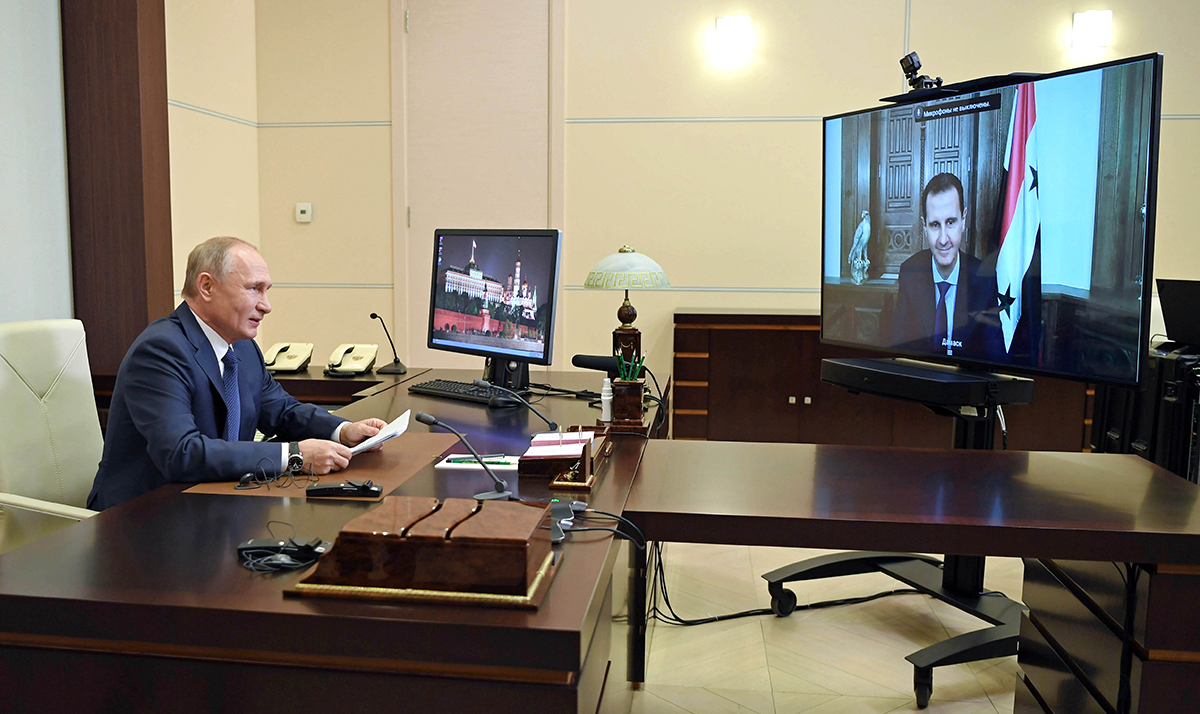
يبدو أن الغزو الروسي لأوكرانيا سيكون له تأثير عميق على سوريا والسياسة السورية. بداية، ربما تكون العملية السياسية التي تقودها الأمم المتحدة قد تعرضت الآن لضربة قاتلة. فطوال أشهر عام 2021، كان المبعوث الخاص للأمم المتحدة غير بيدرسون يمهد الطريق لإطلاق جهد دبلوماسي متعدد الأطراف أسماه “نهج خطوة بخطوة” في عام 2022. كانت احتمالات نجاحه ضئيلة دائمًا، لكنها تبدو الآن وكأنها أملًا كاذبًا أو مستحيلًا.
تنقسم الحكومات العربية إلى ثلاثة معسكرات حول موقفها من الغزو الروسي لأوكرانيا: المعسكر الأول الموالي لروسيا، وكما هو متوقع فإنه يضم سوريا، التي سارعت إلى الاعتراف باستقلال المنطقتين الانفصاليتين المنشقتين في شرق أوكرانيا وأبدت استعدادها للانضمام إلى القتال الروسي؛ والمعسكر الثاني المناهض للغزو والذي يضم لبنان والكويت؛ أما الفريق الثالث فيضم الدول المترددة ويشمل القوى الإقليمية مثل السعودية والإمارات ومصر.
يعكس بيان جامعة الدول العربية في 28 فبراير/شباط موقف المترددين: فهو لا يذكر روسيا، ويشير إلى الغزو على أنه “أزمة”، ويدعو إلى حل دبلوماسي.
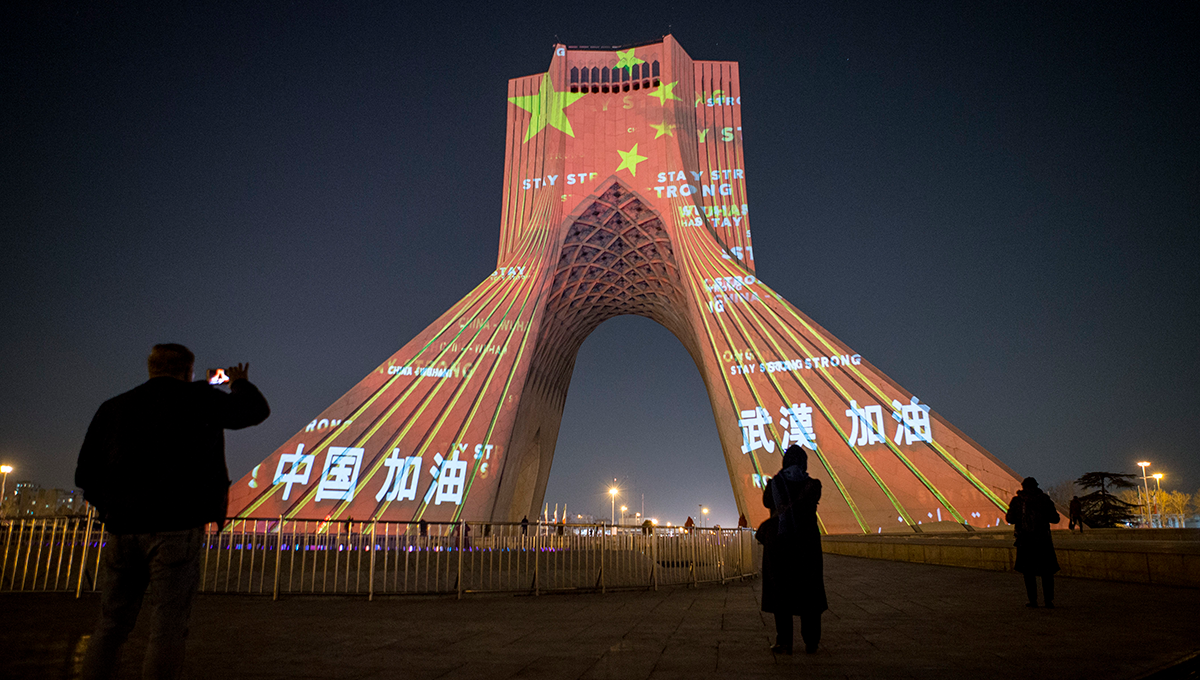
The 25-year Iran-China agreement, endangering 2,500 years of heritage
The 25-year strategic cooperation agreement between Iran and China, signed in March 2021, is coming to fruition, sparking debate among Iranians about the potential effects of deepening ties with Beijing.