This individual is a guest contributor. MEI is not able to assist with contact requests.
Sara Sadek is an affiliated researcher and coordinator at the Center for Migration and Refugee Studies (CMRS) at the American University in Cairo. She obtained an MA in Refugee Studies from the University of East London. Since 2005, she has worked on various research projects on Iraqi and Sudanese communities in Egypt, contributing to a report on Iraqis in Egypt and recently producing a paper on challenges of integration for Iraqis in Arab states for the Henry L. Stimson Center’s forthcoming volume Transnational Challenges.
Exploring the rising workforce participation among Saudi women
In the past few months, several articles have been written on the significant rise in the Saudi female labor force participation rate (LFPR) from 17.7% in Q2, 2016 to 33.2% in Q4, 2020. Interestingly, this increase in female LFPR was not coupled with a rise in unemployment, which often occurs when workforce participation rises for a particular group. In fact, the unemployment rate among female nationals declined to its lowest level in four years, at 24.4% in Q4, 2020. However, it still remains over twice as high as that for male nationals. Another positive labor market indicator, albeit one receiving little attention from analysts, is the significant change in the employment rate among Saudi women. In other words, Saudi women not only increased their share in the workforce, but were also able to gain jobs once they entered the labor force.
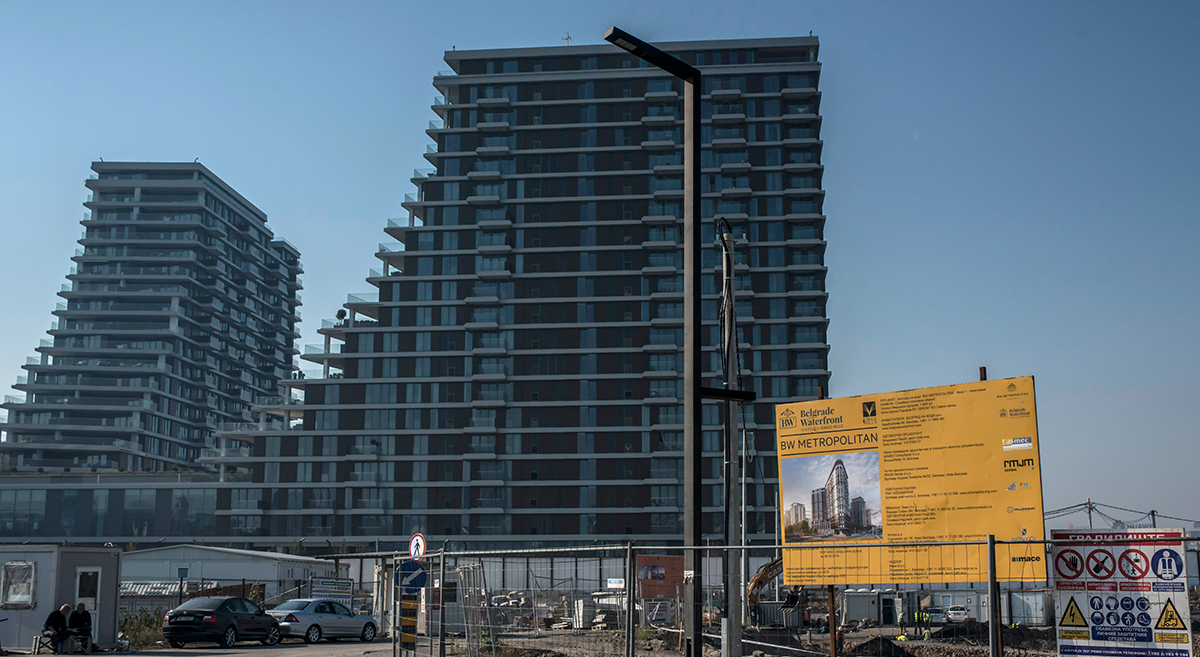
On July 1, 2021, Serbian President Aleksandar Vučić, accompanied by Mohamed Alabbar, an entrepreneur and the chairman of UAE real estate firm Eagle Hills, attended a ceremony in Belgrade. It commemoratedthe final work on a tower within Waterfront Belgrade, a major real estate project funded by the UAE. The ceremony was an illustration of the growing ties between Serbia and the UAE, which over the past nine years has become Belgrade’s primary partner in the Arab world. The UAE has also emerged as a source of cash and an instrument of domestic political promotion for the Serbian leadership.
Cost of conflict: The consequences of war in Donbas, Ukraine
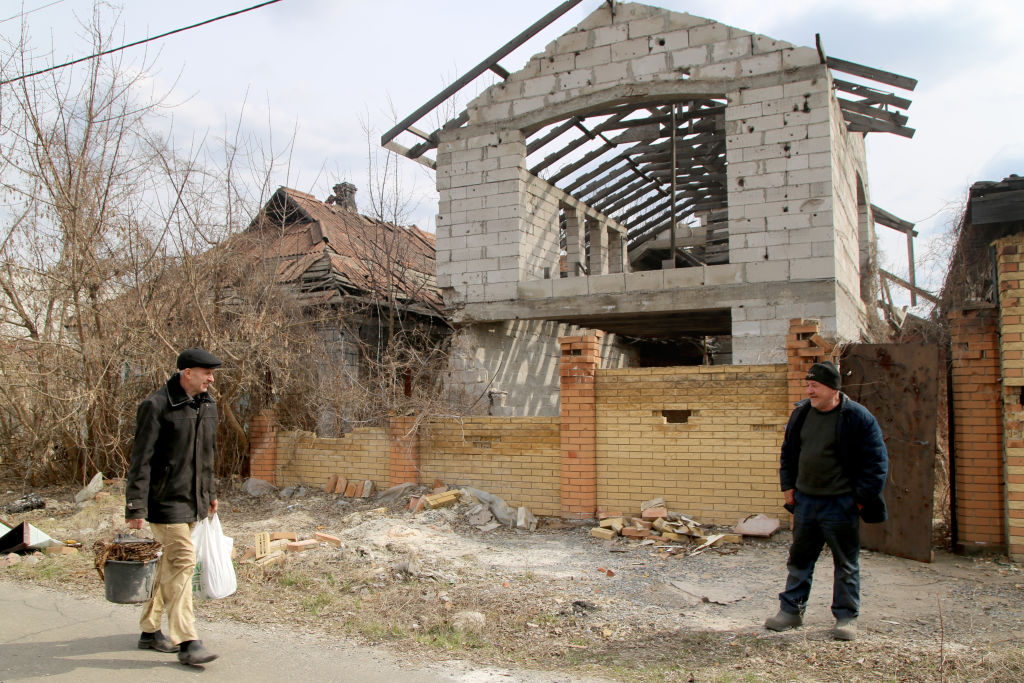
War does not end with the last bullet unloaded or agreement papers signed. Wars continue years after peace but in different ways: demining minefields, prosecuting criminals, fighting discrimination of minorities, and steering wartime narratives. Unfortunately, the longer a conflict goes on, the harder it is to achieve peace. This report provides an overview of the consequences (or ‘costs’) of the war in Donbas, Ukraine. It offers a concise overview of the key historical and economic developments surrounding the war, culminating in two major points. First, the main costs in the region arise because of a policy driven humanitarian crisis. Second, Ukrainian society is still polarized on critical issues.
إيران خسرت أولى معاركها في القامشلي وحدود سيطرة جديدة فرضتها معركة حي طي
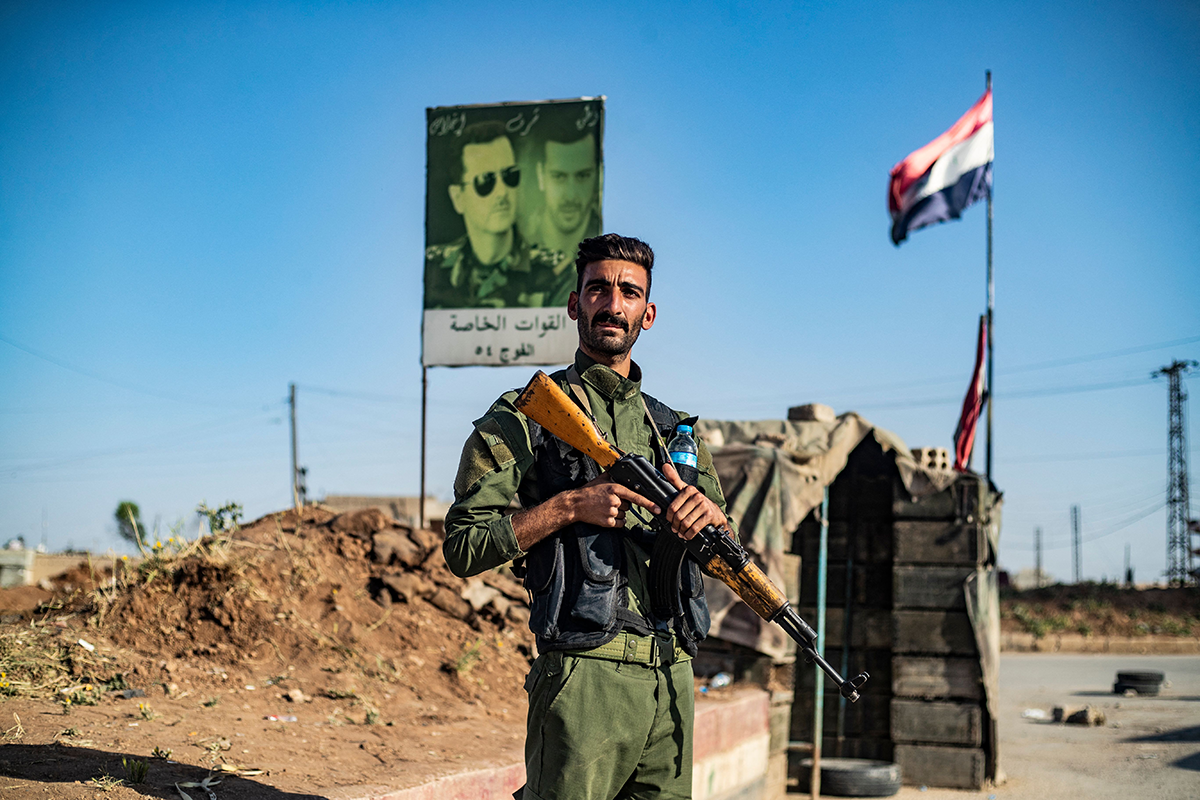
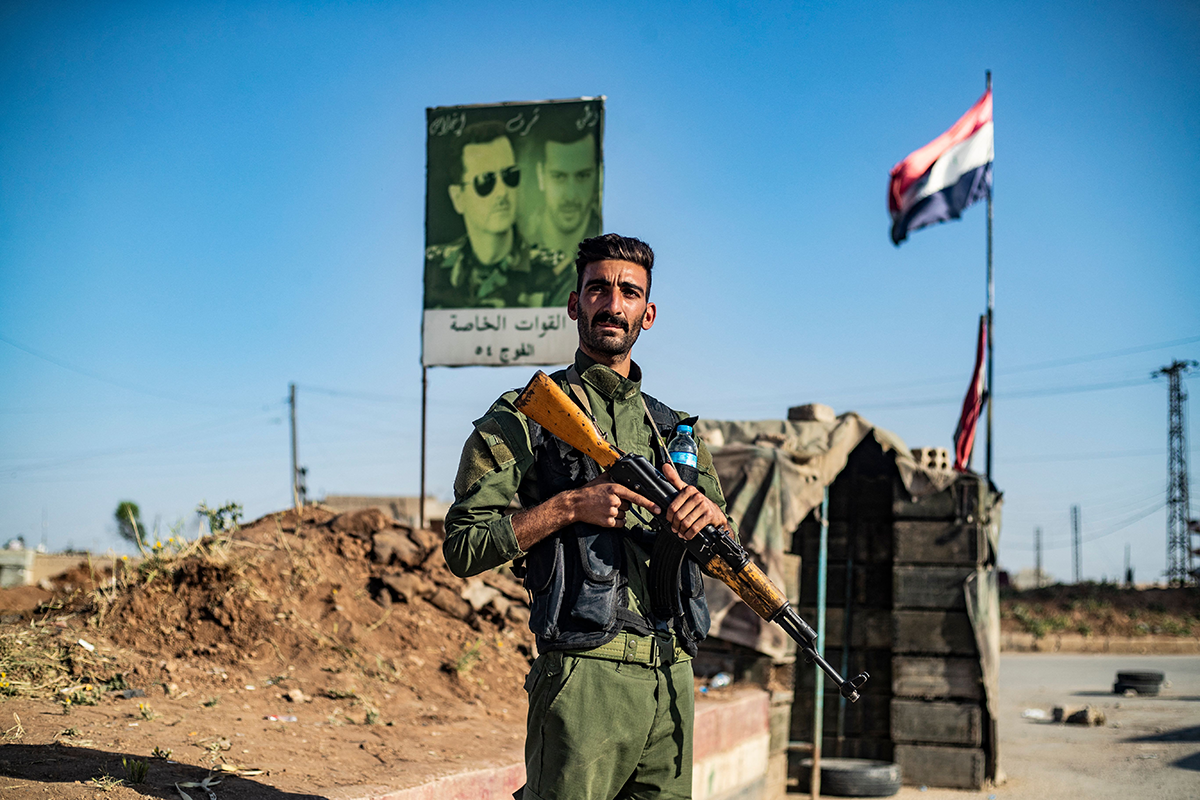
في أواخر شهر نيسان إبريل الماضي، شهد حي طي الواقع جنوبي مدينة القامشلي في محافظة الحسكة السورية، اشتباكات عنيفة بين قوات “الدفاع الوطني” التابعة للنظام السوري وقوات “الأسايش” التابعة للإدارة الذاتية “الكردية”، هذه الاشتباكات انتهت باتفاق تم بين الطرفين برعاية روسية.
Iran’s loss in Qamishli’s Tayy neighborhood results in a shift in the boundaries of control
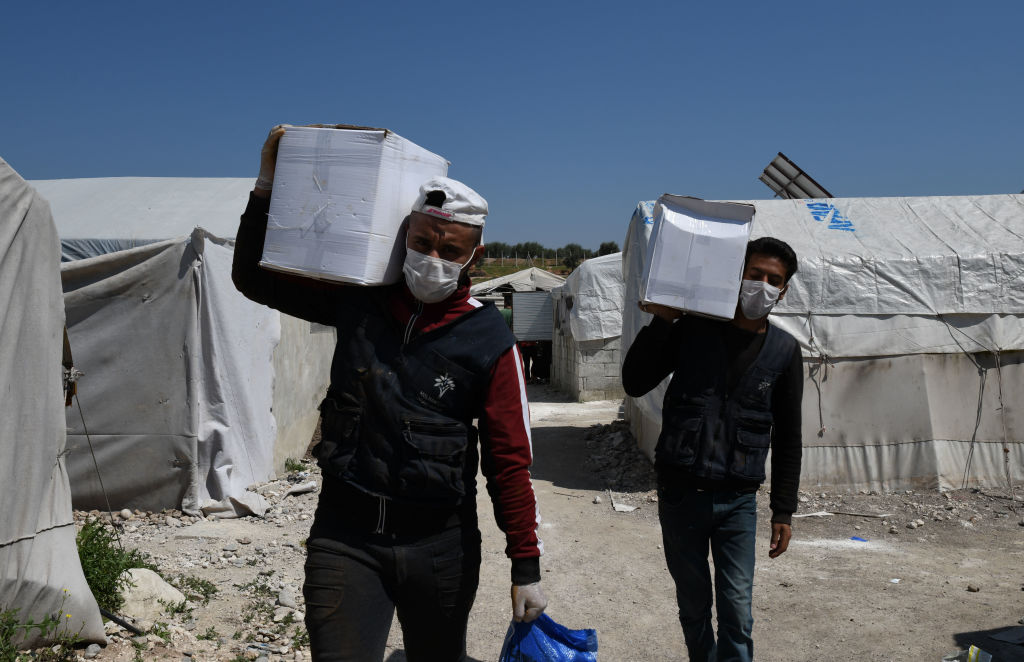
At the end of April, the Tayy neighborhood, in the southern part of the city of Qamishli in Syria’s Hasaka Province, witnessed violent clashes between the National Defense Forces (NDF) of the Syrian regime and the Internal Security Forces (Asayish) of the Kurdish Autonomous Administration of North and East Syria (AANES). The conflict ended with the negotiation of a permanent truce between the two parties under Russian auspices.
Singapore and the Gulf: Economic engagement beyond hydrocarbons
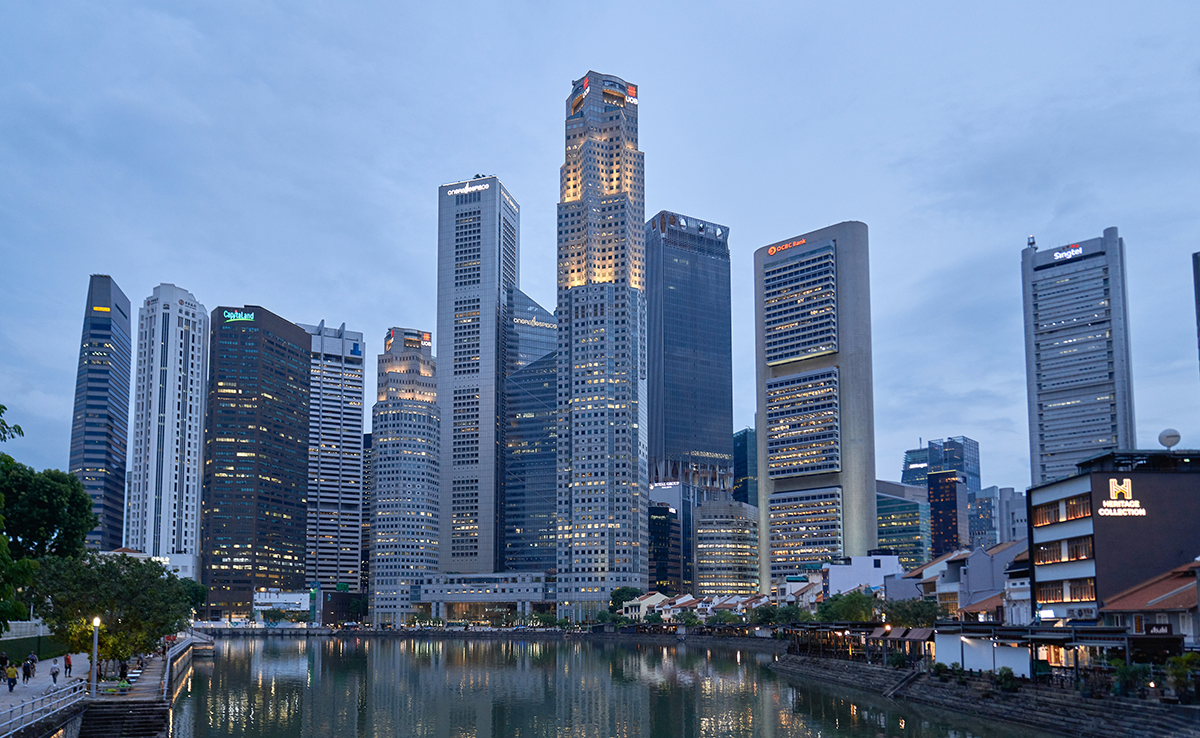
Oil and gas have long dominated trade and investment flows between Singapore and the Gulf. In the wake of two new projects — one in Singapore and the other in the United Arab Emirates — unveiled last month, this article considers whether Singapore and the Gulf are on the cusp of a new level and type of economic relations.
Russian-Iranian relations under Raisi and possible post-Khamenei scenarios
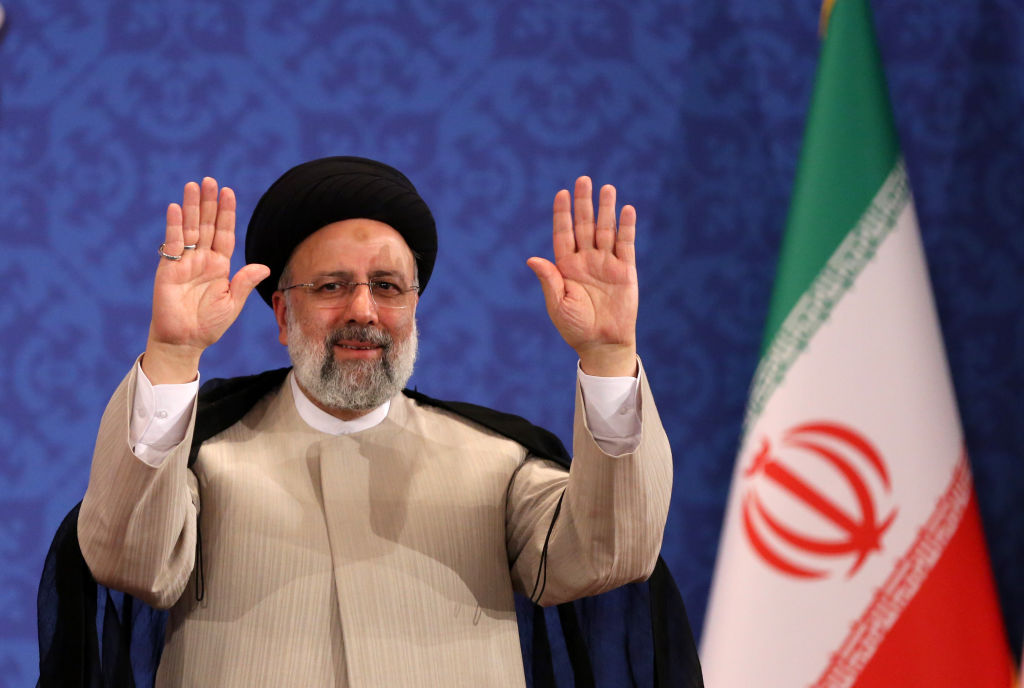
On June 18, Ebrahim Raisi won a landslide victory in Iran’s presidential elections. After Raisi’s triumph, Maxim Suslov, the press attaché of the Russian Embassy in Tehran, transmitted a message from President Vladimir Putin congratulating Raisi on his win and pledging to strengthen Russia-Iran bilateral relations. Iranian Ambassador to Russia Kazem Jalali echoed Putin’s comments about Russia-Iran relations and noted that he was the first world leader to congratulate Raisi on his election as Iran’s next president.
The Pakistan Factor in China’s Afghanistan Policy: Emerging Regional Faultlines amid US Withdrawal
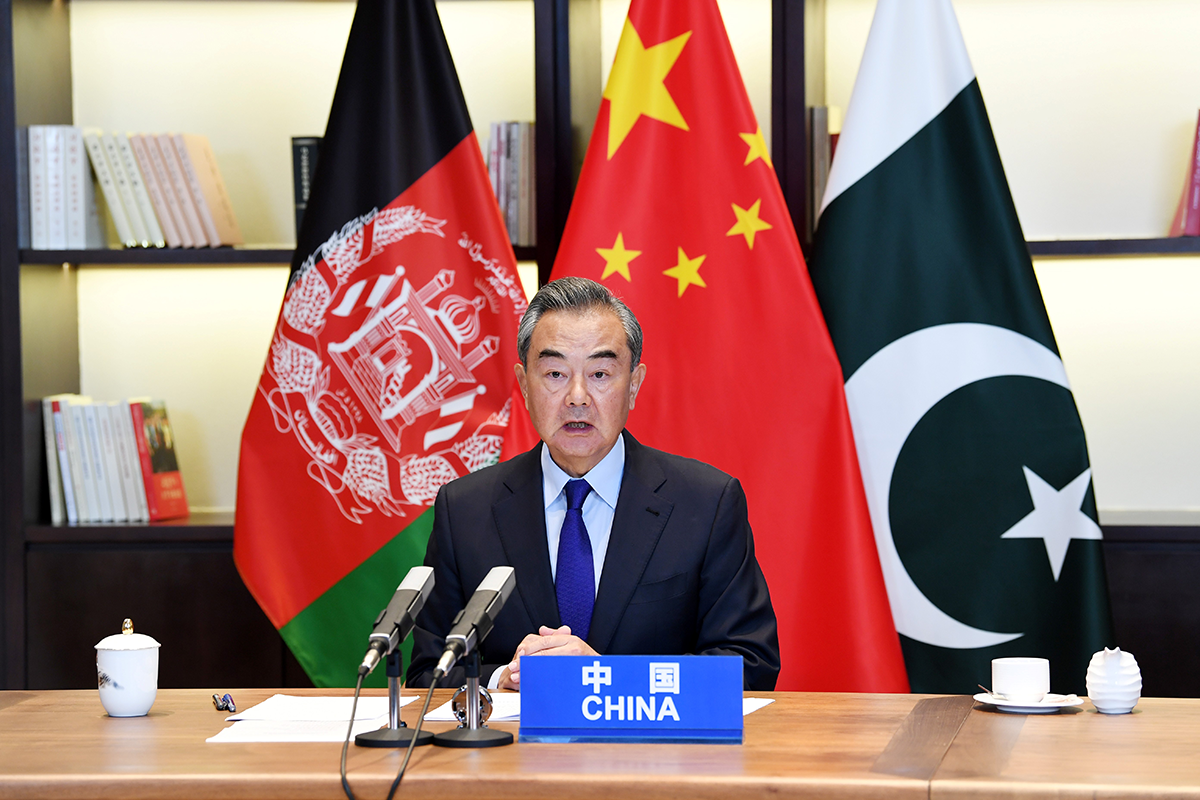
To date, China has largely relied on Pakistan to conduct its Afghan policy. Not much bothered about the future political role of the Taliban, China fears the prospect of instability in Afghanistan after the U.S. exit. Beijing’s primary concern in a post-U.S. Afghanistan, which is likely to be run by a regime dominated by the Taliban, is that Uyghur separatists and ETIM might find a safe haven.
الوعود والمخاطر التي يواجهها المشرق الثلاثي الجديد للعراق
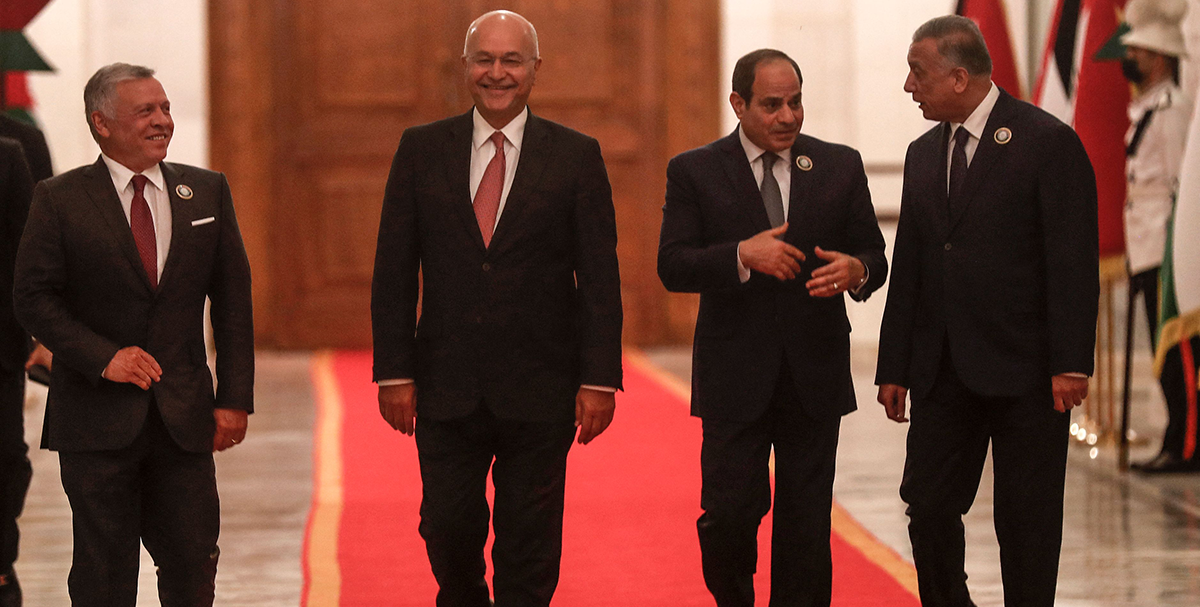
لقد كان يوم الأحد 27 يونيو/حزيران يومًا احتفاليًا في بغداد. حيث كانت المرة الأخيرة التي استقبل فيها العراقيون رئيسًا مصريًا قبل 30 عامًا. وقتها كانت المنطقة تستعد للحرب في أجواء يُخيِّم عليها عدم اليقين حين كان الرئيس الراحل حسني مبارك يتنقل بين بغداد وعواصم الخليج قبل غزو صدام حسين للكويت في 1990. غير أن الظروف اختلفت تمامًا الآن في 27 يونيو/حزيران الحالي، عندما تلقى الرئيس المصري عبد الفتاح السيسي والعاهل الأردني الملك عبد الله الثاني استقبالًا حافلًا بالسجادة الحمراء في قمة ثلاثية بمناسبة الاجتماع الرابع بين قادة الدول الثلاث بهدف تشكيل تحالف إقليمي جديد.
The factor of Iranian oil, while important for the situation in the oil market, turned out to be somewhat overestimated in terms of its impact on OPEC+ decision-making.
The War at Home: The Need for Internal Security Sector Reform in Iraqi Kurdistan
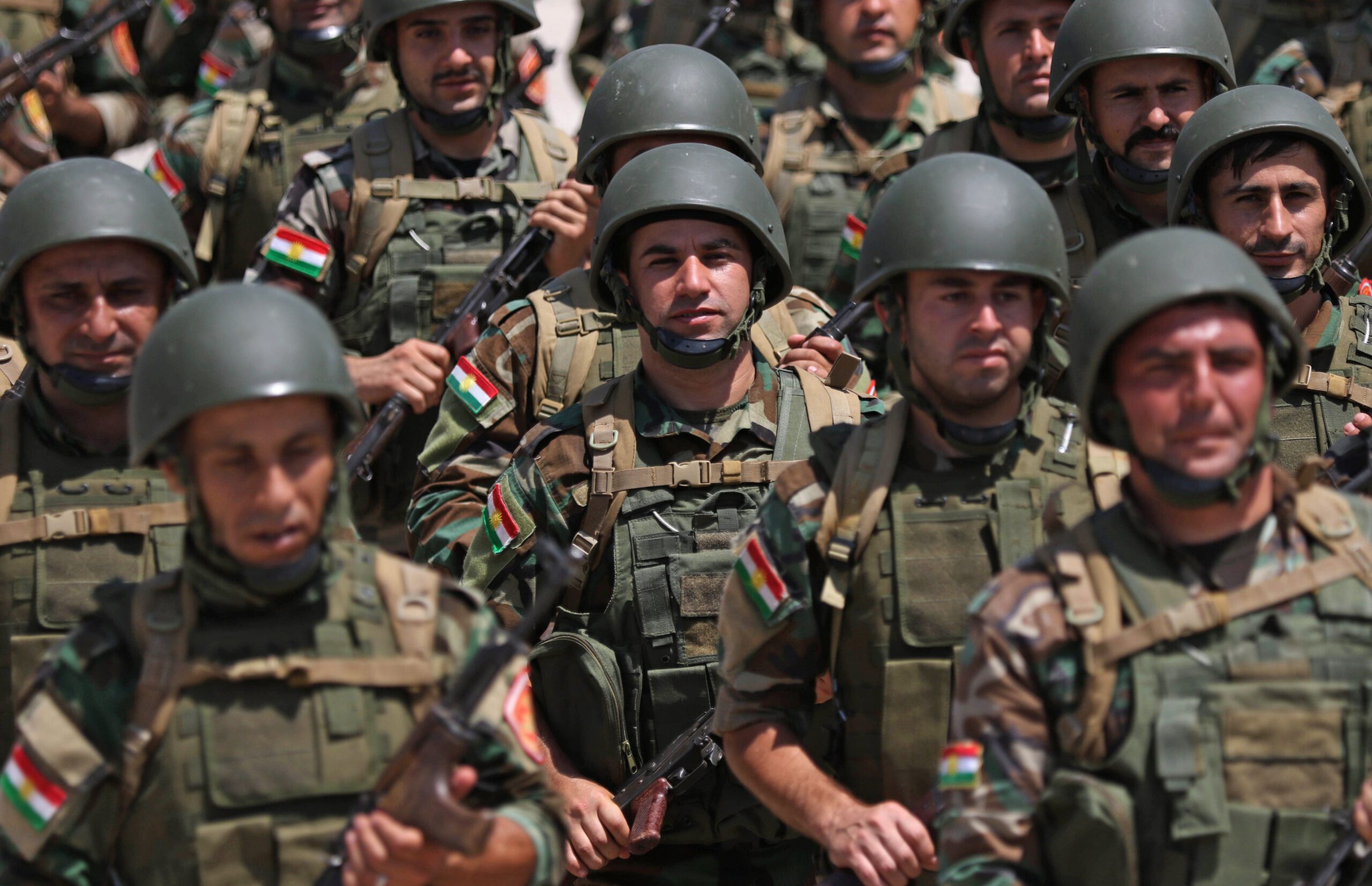
The forces and agencies of Kurdistan’s Ministry of Interior and the Kurdistan Region Security Council, collectively referred to the Kurdistan Region Interior Forces, are now the region’s main security actors, but their role as instruments of partisan rivalry and enforcers of public loyalty to the political bureaus threatens the Kurdistan Region’s stability. This report makes the case that coalition security sector reform efforts should be refocused on them. Although Peshmerga reform is necessary to improve the Kurdistan Region’s ability to combat external threats, it is equally, if not more important to start the same reform within these internal forces and agencies to achieve durable stability.
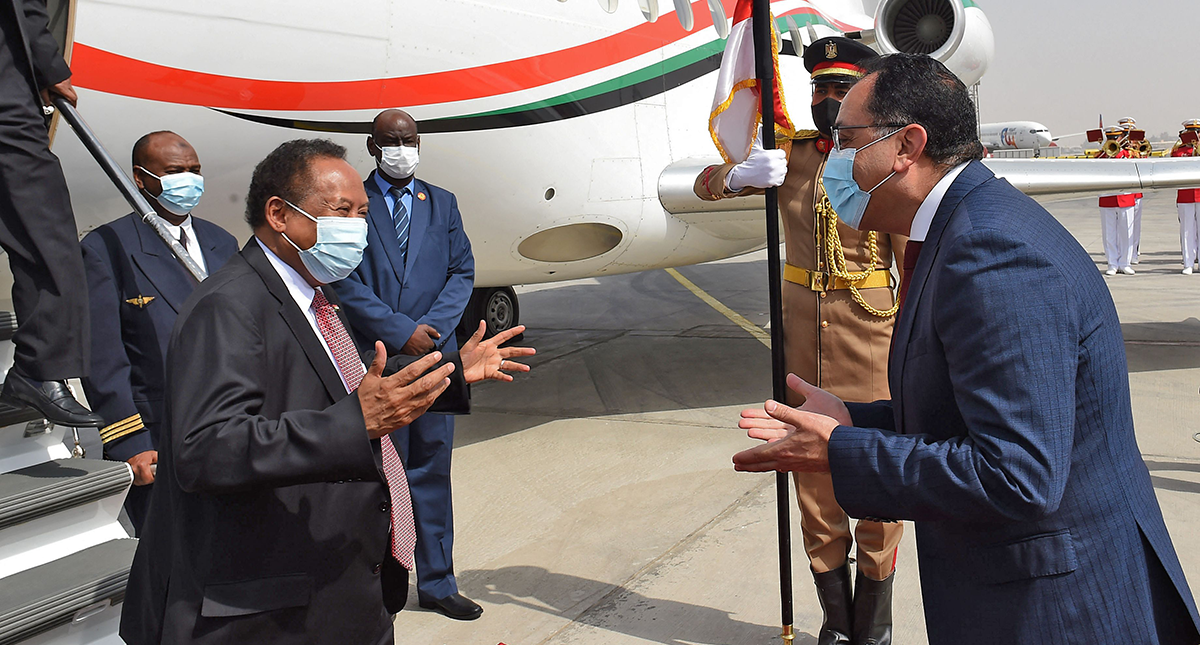
تخوض مصر وإثيوبيا والسودان في مأزق خطير بشأن نهر النيل، وعلى الرغم مما يعتقده المجتمع الدولي، فإن خطر المواجهة العسكرية بين الدول الثلاث ليس مستبعدًا على الإطلاق. إذ بدأت أديس أبابا في المرحلة الثانية لملء الخزان خلف سد النهضة الإثيوبي العملاق في أوائل مايو/أيار دون اتفاق مع الدول المشاطئة – مصر والسودان. غير أن الكثير قد تغير خلال العام الماضي والملء الثاني يتم في ظروف مختلفة نوعًا ما عن الملء الأول في يوليو/تموز الماضي. ففي الأشهر الماضية، عززت مصر من تواجدها الدبلوماسي وظهرت كلاعب مؤثر في حوض النيل والقرن الإفريقي وشرق ووسط إفريقيا.