This individual is a guest contributor. MEI is not able to assist with contact requests.
Sara Sadek is an affiliated researcher and coordinator at the Center for Migration and Refugee Studies (CMRS) at the American University in Cairo. She obtained an MA in Refugee Studies from the University of East London. Since 2005, she has worked on various research projects on Iraqi and Sudanese communities in Egypt, contributing to a report on Iraqis in Egypt and recently producing a paper on challenges of integration for Iraqis in Arab states for the Henry L. Stimson Center’s forthcoming volume Transnational Challenges.
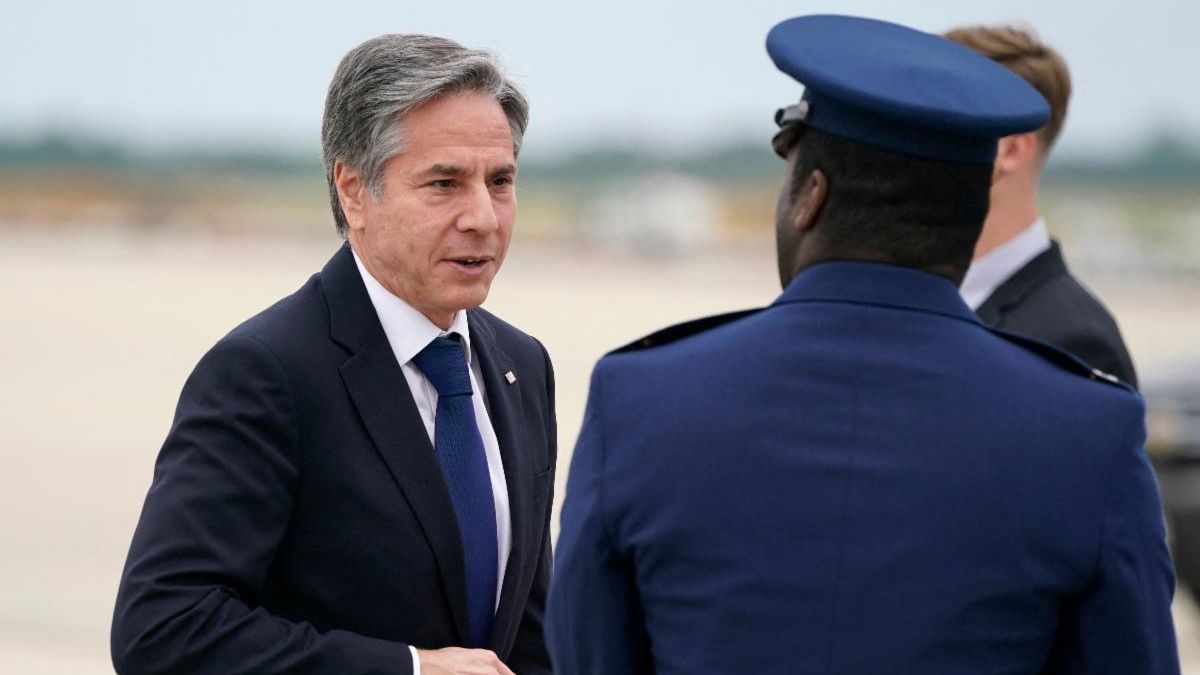
“تبقى الأولوية بالنسبة للرئيس بايدن هي برنامجه الداخلي. هناك القليل من أولويات السياسة الخارجية تجذب اهتمامه، من بينها المنافسة مع الصين وروسيا بالإضافة إلى تغير المناخ”.
Palestinian cultural resistance: Art in the face of violence
Singer Kamilya Jubran, founding member of the iconic Palestinian band Sabreen, once famously sang, “We’ve tried resistance, we’ve tried confrontation, we’ve tried intifada, we’ve tried peace. What else is left to us?” The answer of course, that hung in the air of her breathtaking vocals, was “to sing.”
The Growing Alignment Between the Gulf and the Eastern Mediterranean
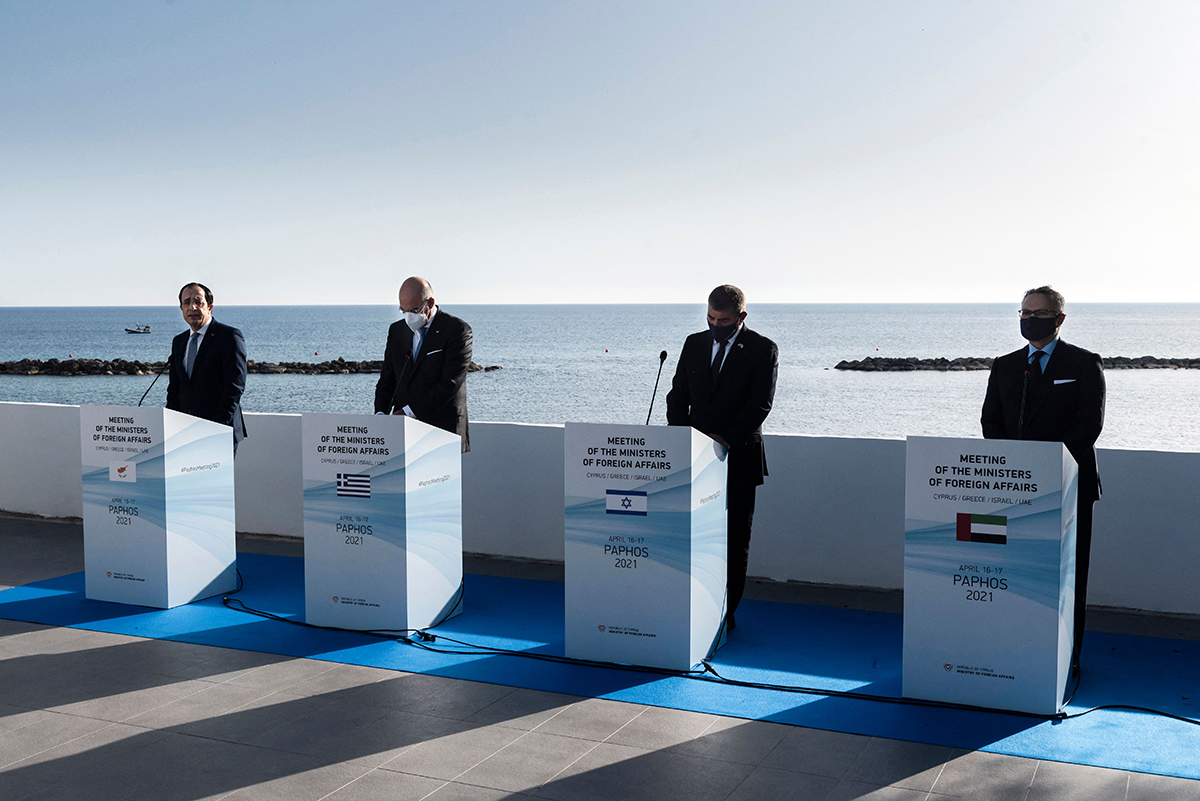
The synergies between the Gulf and the eastern Mediterranean theaters have grown substantially in recent years. Speaking at a meeting in Paphos, Cyprus in mid-April 2021 with his counterparts from Greece and Israel, as well as the former minister of state for foreign affairs of the UAE (now an advisor to the UAE president), the Cypriot foreign minister noted, “The evolving web of regional cooperation is creating a new narrative.” A week later, the UAE and Israeli fighter jets flew together publicly — for the first time — in an international aerial exercise hosted by Greece. How can we explain the signs of growing cooperation between these actors that seemingly operate in close but not completely overlapping arenas?
Cultural heritage diplomacy needs to be part of Biden’s Turkey outreach
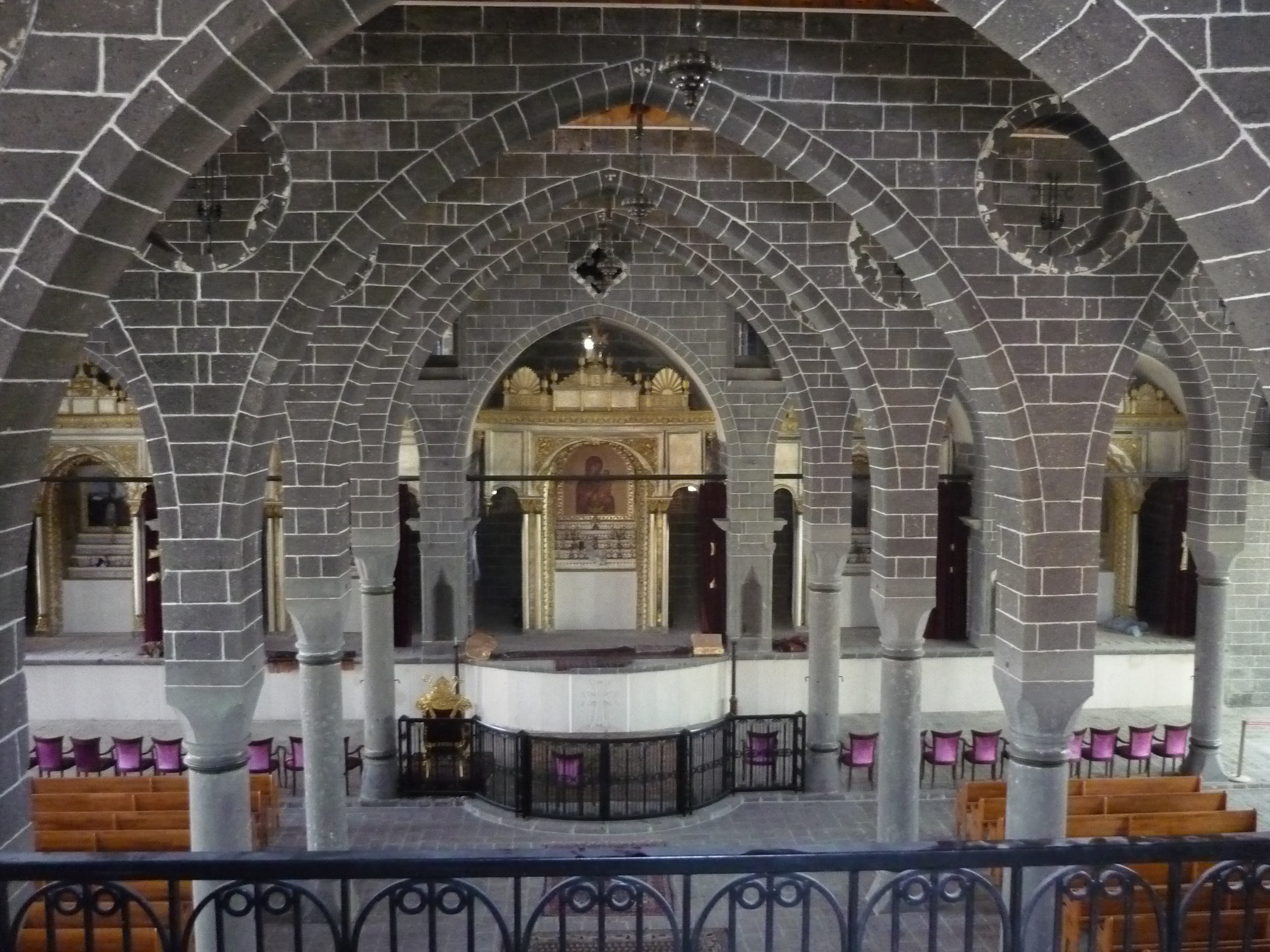
In his statement commemorating the Armenian Remembrance Day on April 24, President Joe Biden said, “We honor their story. We see that pain. We affirm the history. We do this not to cast blame but to ensure that what happened is never repeated.” Biden’s recognition of the Armenian Genocide, following similar steps by the House of Representatives and Senate in 2019, has strained U.S.-Turkish ties even further at a time when bilateral relations are at an all-time low. Although there is little room for reconciling Washington’s and Ankara’s conflicting takes on history, cultural heritage diplomacy offers the Biden administration a positive agenda to engage receptive stakeholders in Turkey to strengthen pluralism and social inclusion.
Pakistan needs to reframe its regional connectivity push
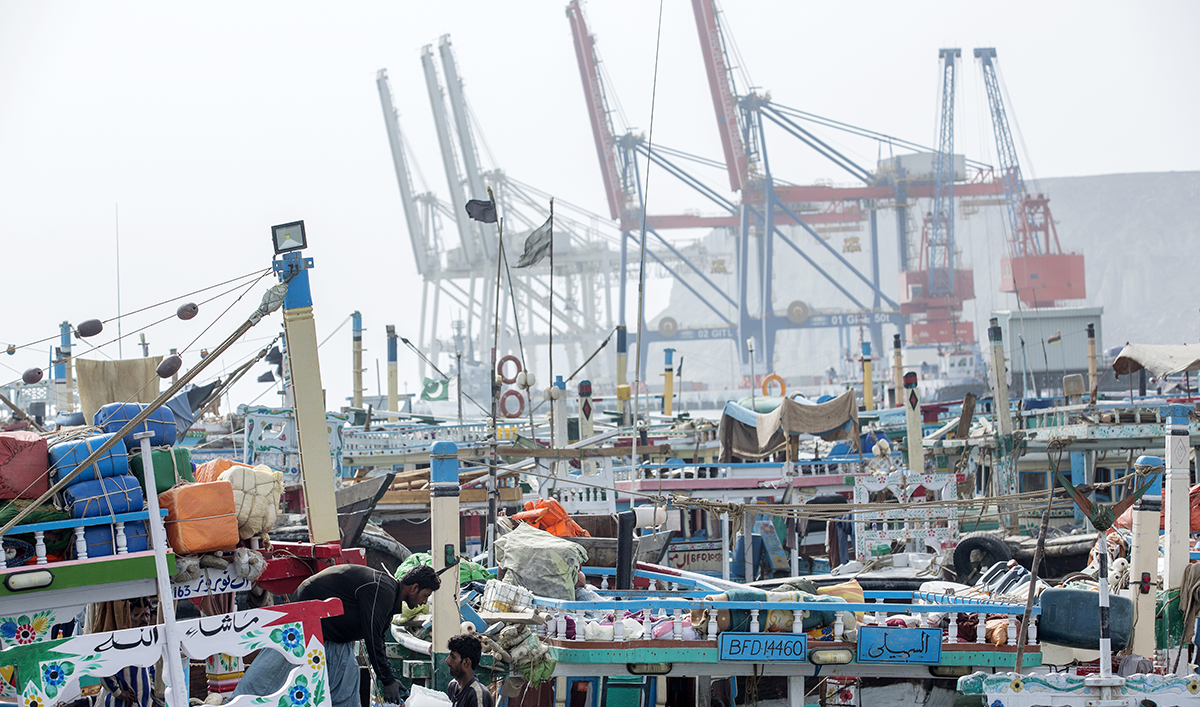
On April 8, the top U.S. diplomat in Pakistan visited the Chinese-operated port of Gwadar — the first such visit by an American official in 15 years. The move appears to be part of a campaign by Pakistan to promote its regional connectivity agenda and simultaneously signal that this effort isn’t solely wedded to China and its Belt and Road Initiative.
Sarah Johansson and Mohammed Soliman join guest host Mike Sexton to discuss the various legal, technical, and environmental challenges of cryptocurrencies in the region, among others.
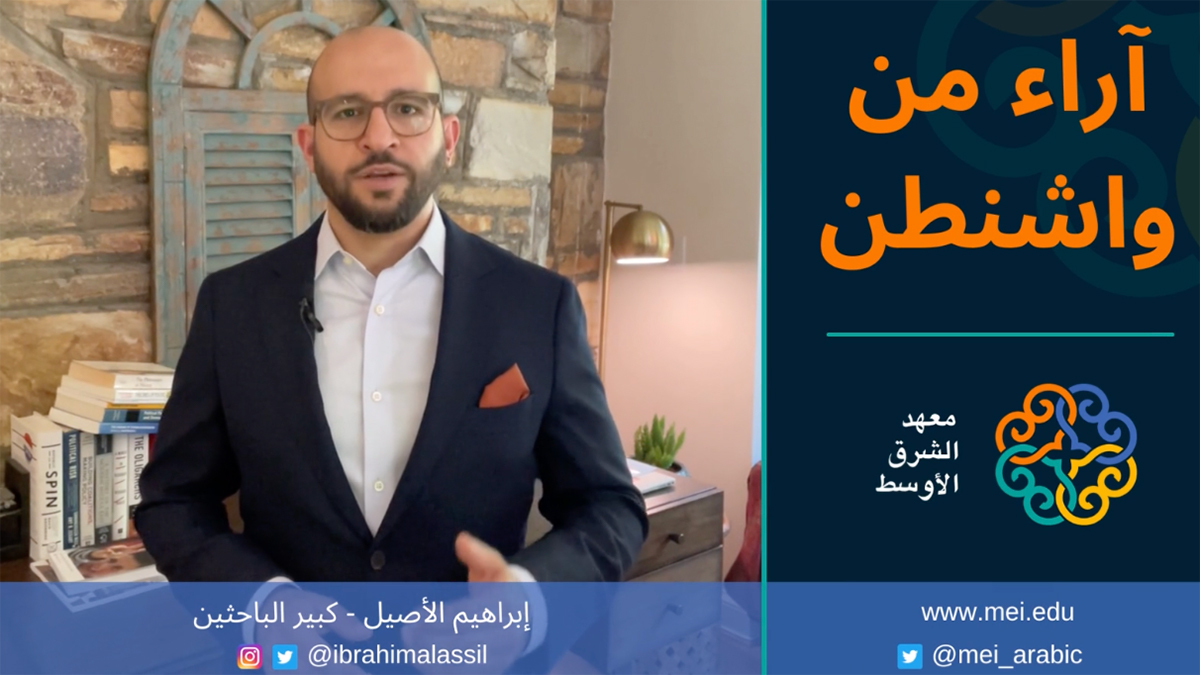
حلقة 15: آراء من واشنطن – أسباب تجدّد المواجهات في القدس وغزة
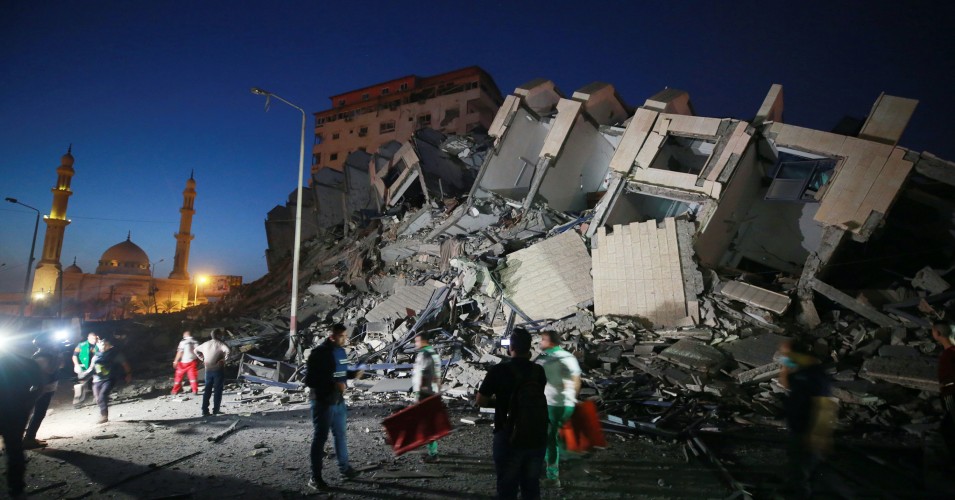
واقع الفلسطينيين في القدس الشرقية وغزة وأسباب تجدّد المواجهات بشكل دوري مع إسرائيل هو موضوع هذه الحلقة من ‘آراء من واشنطن’، ويستعرض فيها إبراهيم الأصيل رأياً لخالد الجندي. هل تتفقوا مع خالد؟
Greece and Cyprus can play a modest role in advancing Israeli-Palestinian peace
In March 2021, the Eastern Mediterranean Gas Forum held its first meeting as a recognized international organization. Delegations from member countries – including Cyprus, Egypt, Greece, Israel, Italy, Jordan, and Palestine – gathered in Cairo to organize a regional gas market. The forum is a unique space that offers a platform for dialogue between European and Middle Eastern countries. Furthermore, it is rare that Israeli and Palestinian delegations cooperate on the international stage. Yet, as the inaugural meeting demonstrated, the conflict is never too far away. When the delegates voted on whether to grant the United Arab Emirates observer status in the forum – a privilege given to the United States and European Union – Palestine vetoed, a clear demonstration of Ramallah’s frustration with the normalization process that started a few months ago.