This individual is a guest contributor. MEI is not able to assist with contact requests.
Sara Sadek is an affiliated researcher and coordinator at the Center for Migration and Refugee Studies (CMRS) at the American University in Cairo. She obtained an MA in Refugee Studies from the University of East London. Since 2005, she has worked on various research projects on Iraqi and Sudanese communities in Egypt, contributing to a report on Iraqis in Egypt and recently producing a paper on challenges of integration for Iraqis in Arab states for the Henry L. Stimson Center’s forthcoming volume Transnational Challenges.
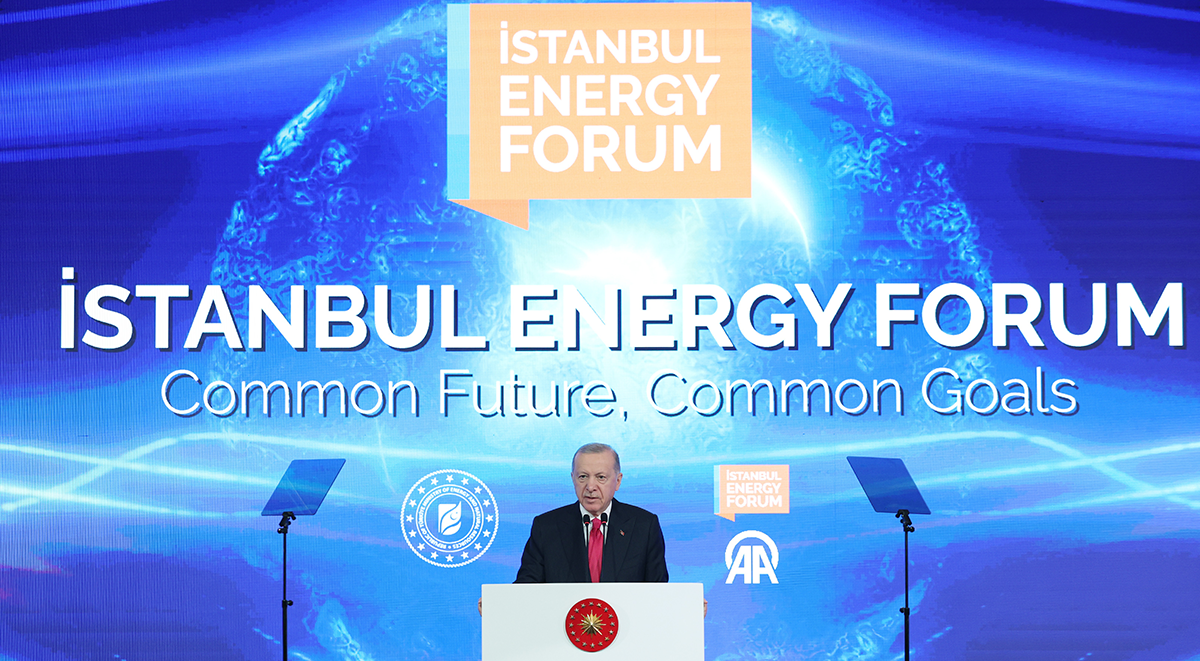
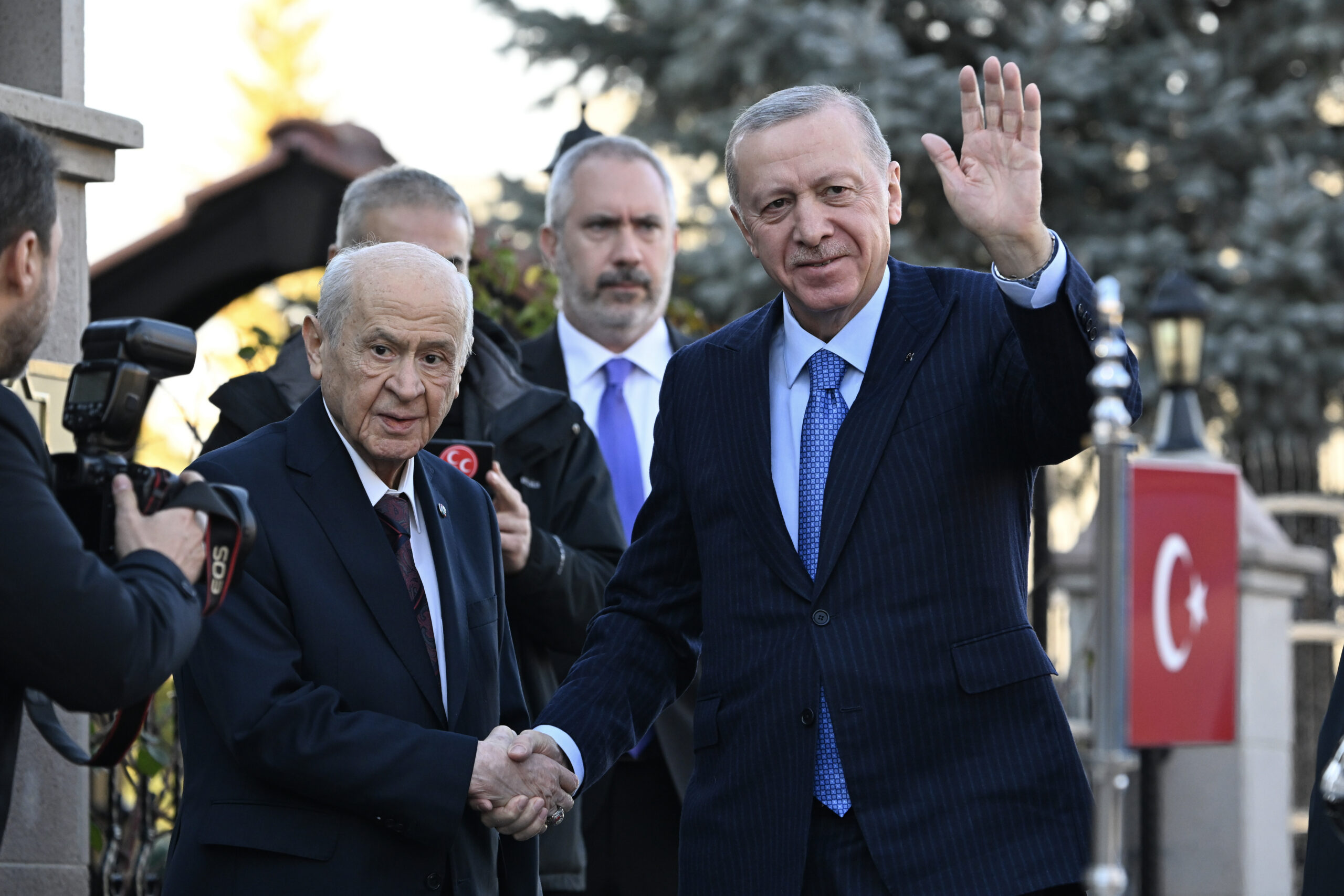
Amid regional upheaval, Turkey looks to energy to secure strategic autonomy
President Recep Tayyip Erdoğan has sought to position Turkey as an energy hub, connecting gas producers to its east and south and markets to the west. Turkey’s geographical position and infrastructure give it an advantage. But becoming an energy center also requires Ankara to dust off a long-abandoned foreign policy approach: “zero problems with neighbors” and the West. Amid changing regional dynamics, Ankara sees an opportunity to achieve that and revive its plans to become an energy hub.
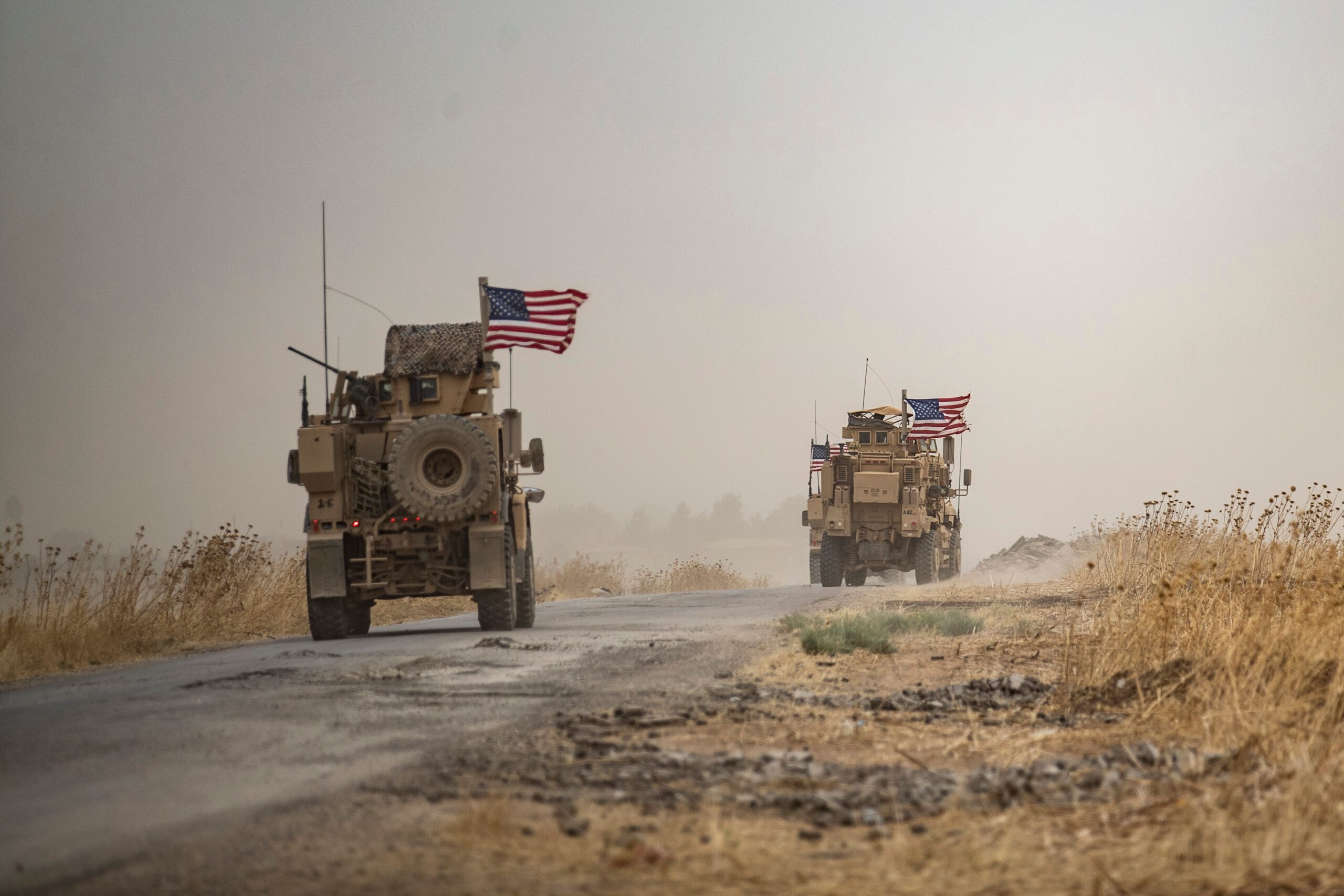
انسحاب الولايات المتحدة والديناميات الأمنية الإقليمية الجديدة في جوار أفغانستان
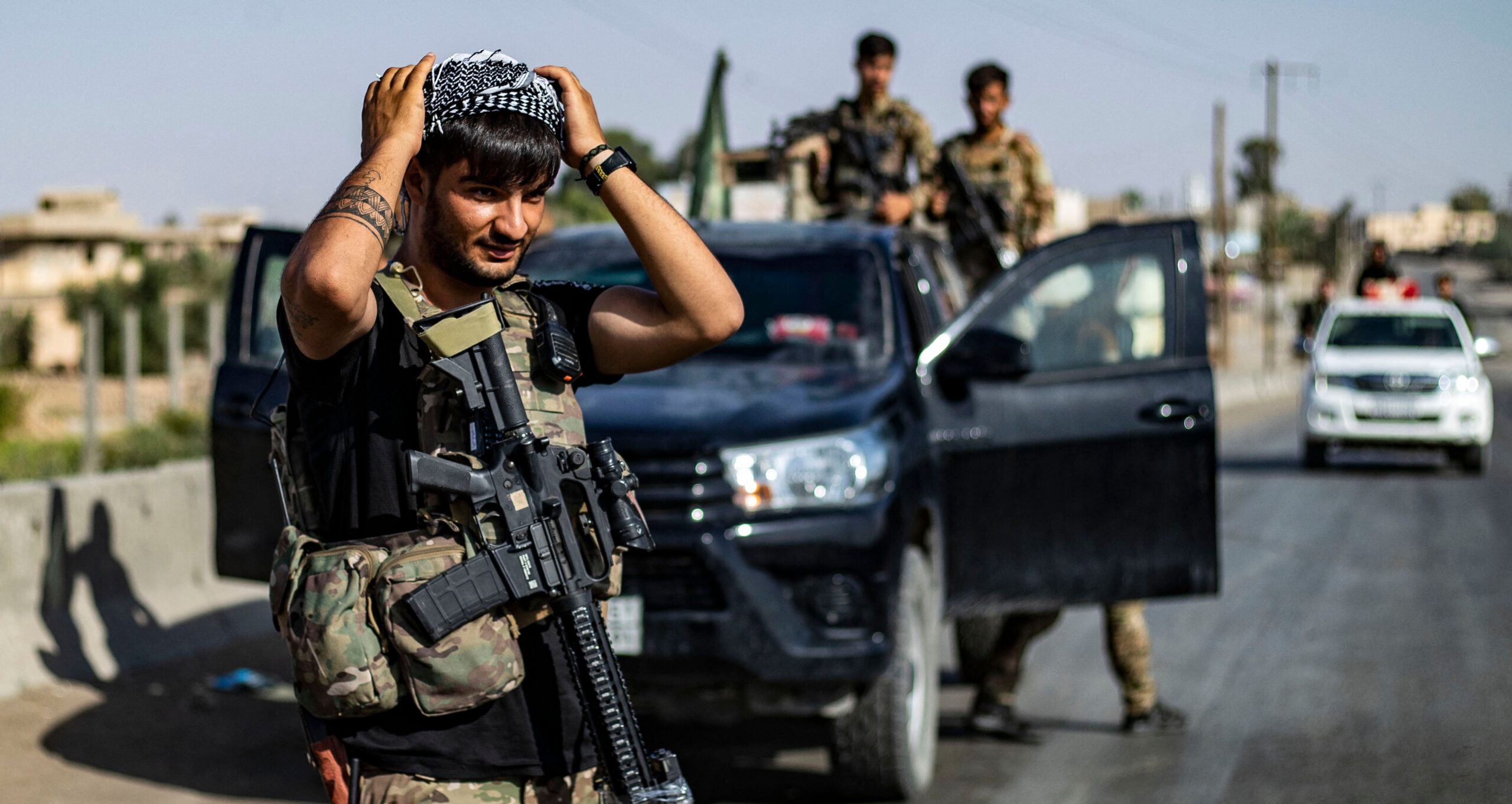
تشهد الدول المجاورة لأفغانستان عملية إعادة هيكلة جوهرية لنظامها الأمني. وتواصل الدول الإقليمية الرئيسية، وهي باكستان وأفغانستان وإيران والصين، تعديل خططها الدفاعية وشراكاتها الأمنية لمواجهة التهديدات المتزايدة التي يشكلها الإرهاب المحلي والعابر للحدود. وفي الوقت نفسه، تبحث هذه الدول الأربع عن سبل جديدة لملء الفراغ الذي خلفه انسحاب الجيش الأمريكي من أفغانستان في جنوب آسيا.
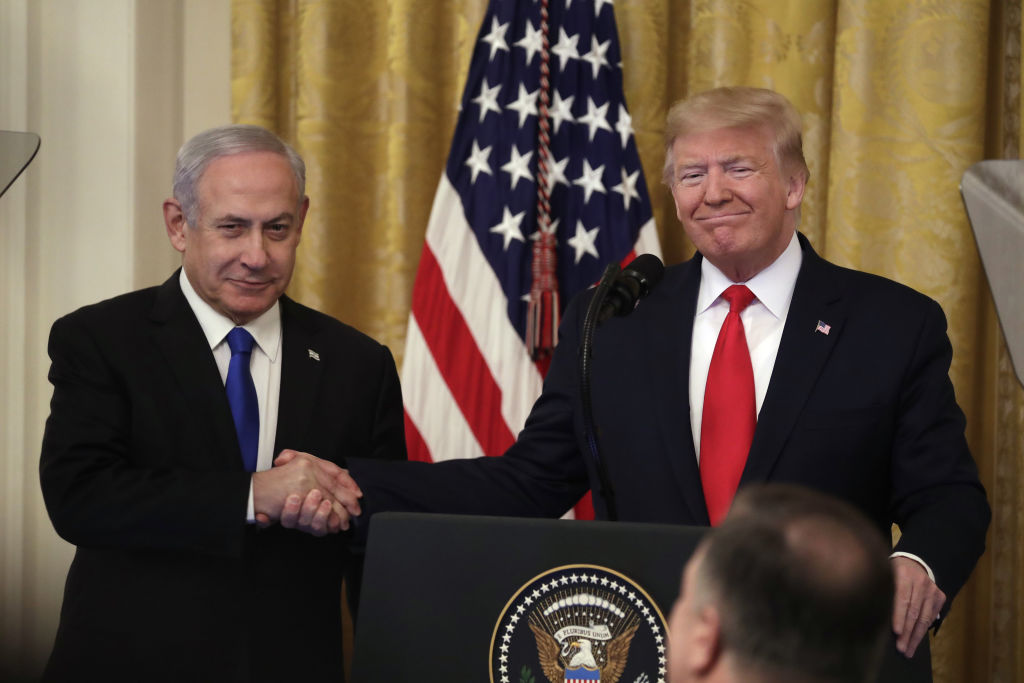
Trump’s mixed messages and actions on the Arab-Israeli front
Some analysts try to explain Trump’s Middle East rhetoric as an effort to provoke a new type of conversation and to break the mold. But one unconventional source that helps explain Trump’s tactics is pro wrestling, in which the actions are understood to be illusory but still prompt a response from all sides.
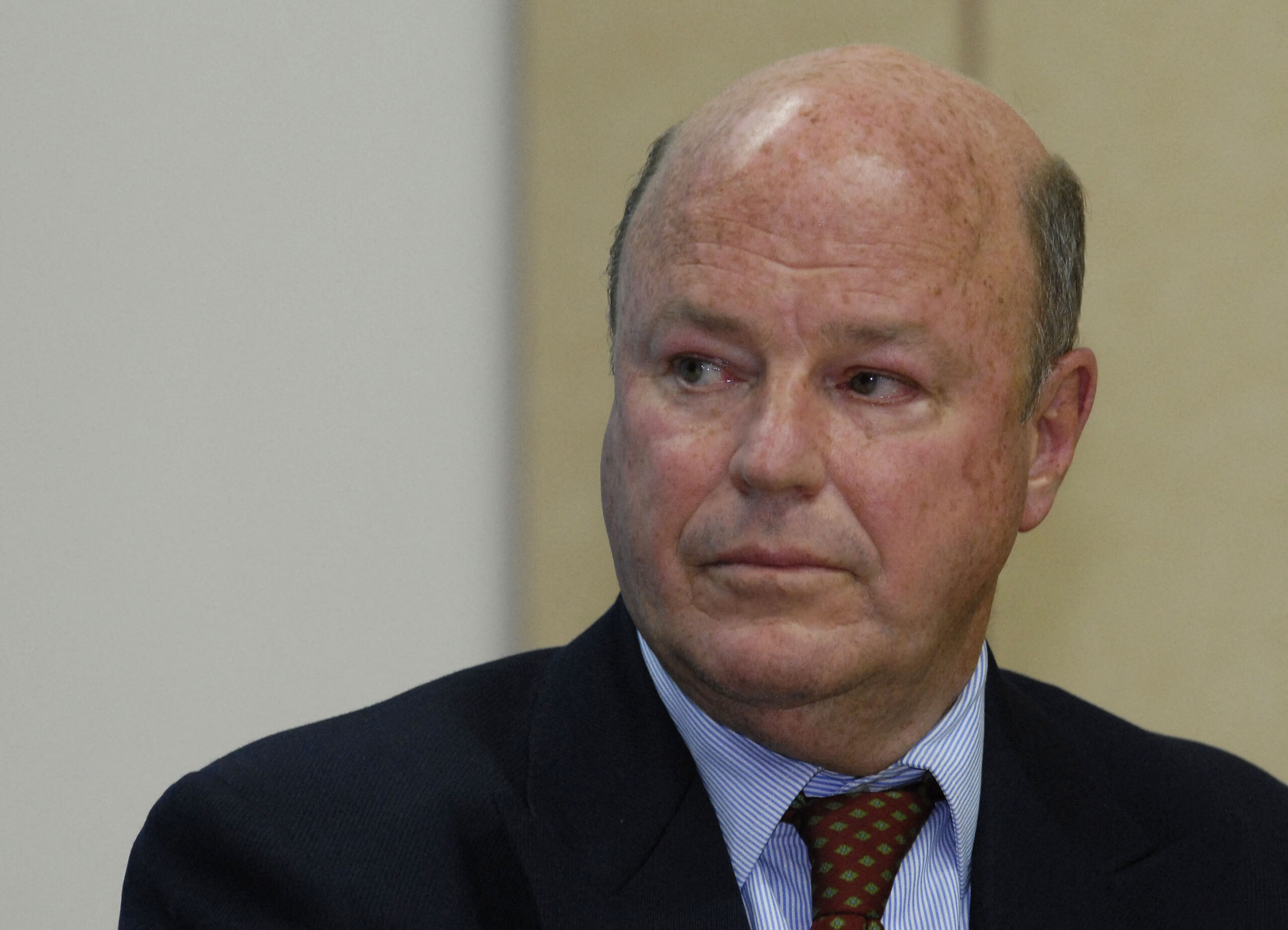
The Middle East Institute (MEI) is deeply saddened by the passing of Ambassador (ret.) Frank Wisner, a valued member of our International Advisory Council (IAC), on Feb. 24, 2025.
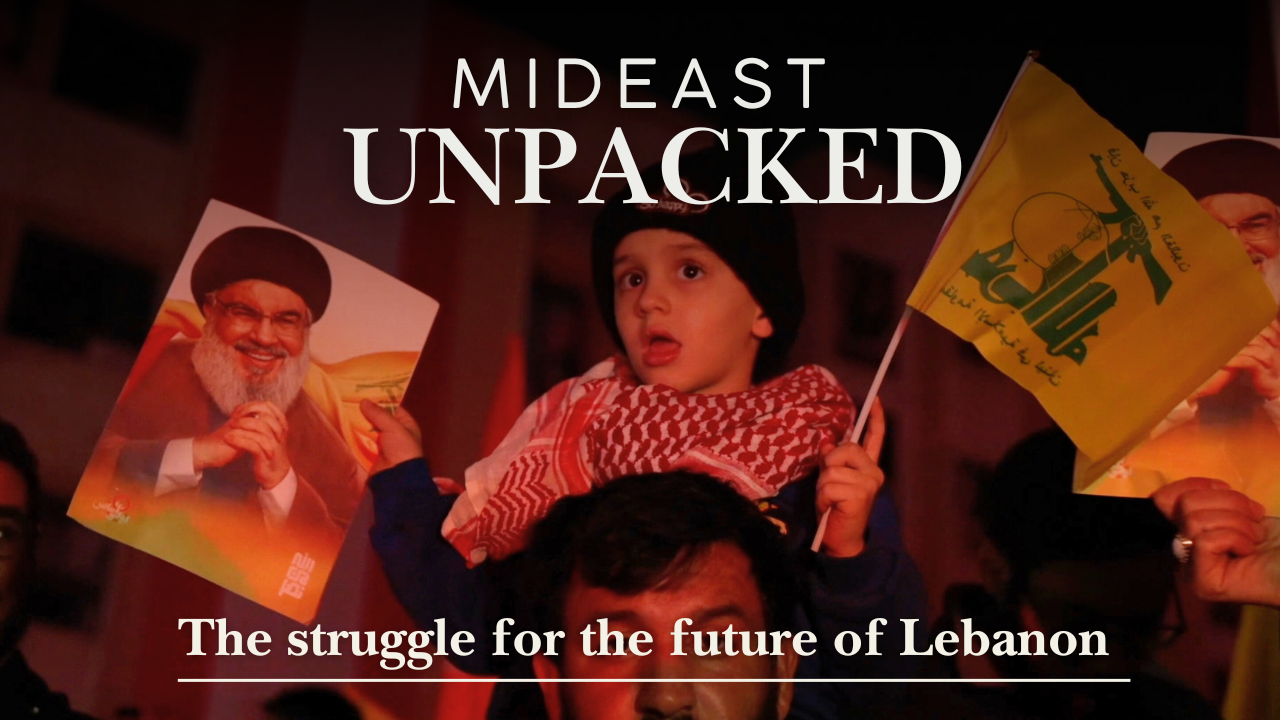
جنازة نصر الله هي واحدة من أكثر اللحظات أهمية بالنسبة للبنان والمشرق العربي. هل سيشكل استعراض القوة هذا بداية حملة إيران لتخريب النظام الأمريكي الناشئ؟ يعتمد الكثير على ما ستفعله الولايات المتحدة بعد ذلك. يقدم فراس مكساد من معهد الشرق الأوسط (MEI) رؤى وتوصيات.
On a recent trip that I took across Syria, one thing was palpably clear: Syrians were universally elated to be free from the iron grip of Bashar al-Assad’s regime. For now, that euphoria is inspiring and sustaining a semblance of hope and national unity that had all but vanished throughout the past 13 years of brutal civil conflict.
Return to "maximum pressure": Opportunities and challenges
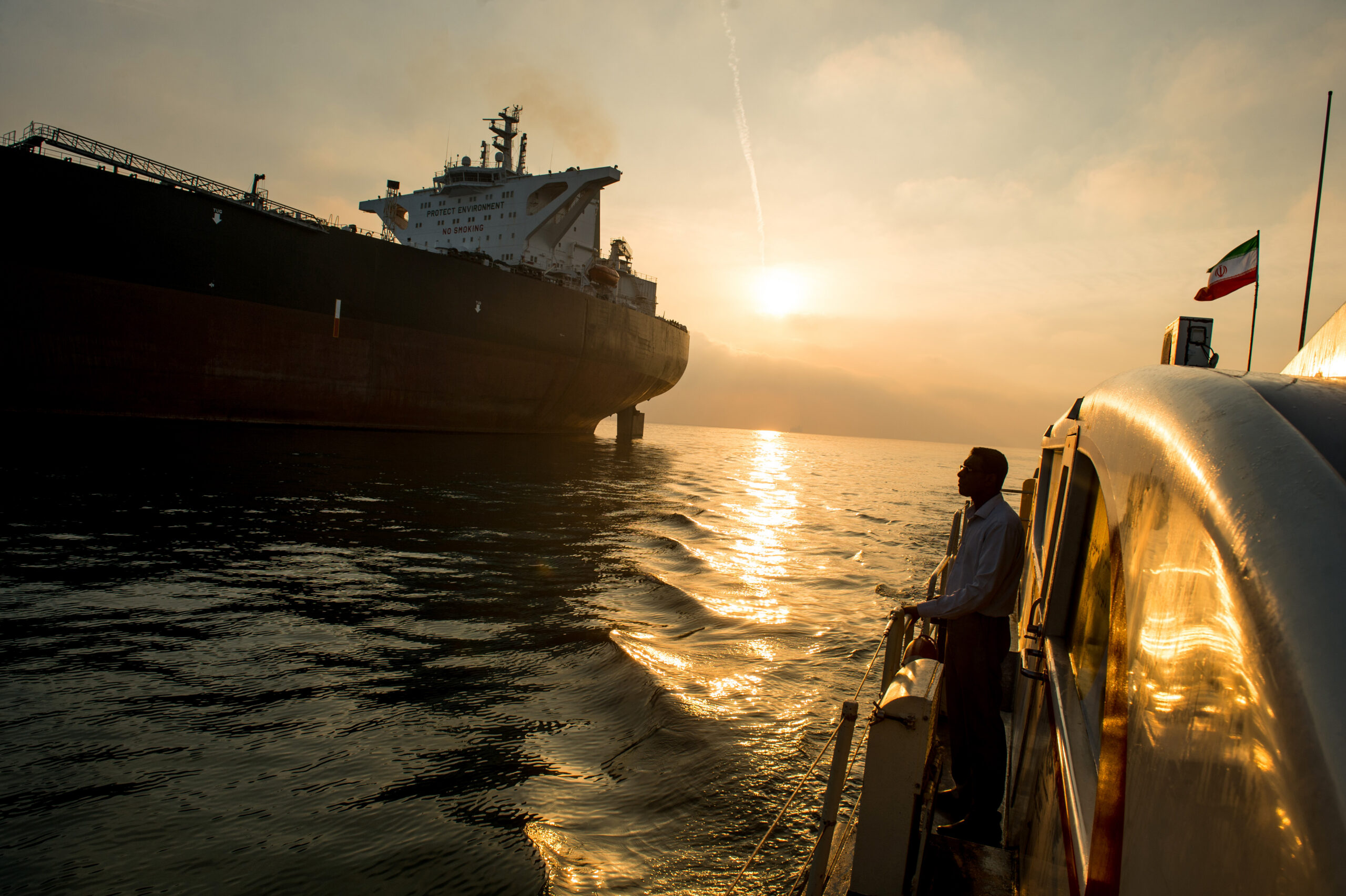
With the signing of a presidential memorandum on Feb. 4, the administration of Donald Trump has returned to a “maximum pressure” campaign against Iran, but circumstances have changed drastically since the policy of intensified sanctions was originally crafted during his first term. Regional geopolitics will present the White House with a new set of variables, while changes in the petroleum markets will affect how the administration approaches sanctions on oil exports.
Trump’s diplomatic gambit in the Middle East at one month
This massive distraction of the Trump administration’s Gaza non-plan and the even more serious move of dismantling America’s ability to shape and influence events abroad together carry three risks for the Middle East.
NYT Bestselling Author Kwame Alexander on the Power of Literature and Poetry to Bring Us Together
ينضم الشاعر والمنتج والمؤلف الشهير كوامي ألكسندر، الذي تصدرت مؤلفاته قائمة أكثر الكتب مبيعًافي نيويورك تايمز،إلى المضيفة الضيفة لين سنيج لمناقشة قوة سرد القصص والتقاطع بين الفن والتغيير الاجتماعي. يسترجع ألكسندر تجربته الأخيرة في التحدث في معرض الرياض الدولي للكتاب 2024 في المملكة العربية السعودية، ويشاركنا أفكاره حول المشهد الأدبي في المملكة، والرغبة المتزايدة في قراءة القصص العالمية، وكيف يمكن للكتب والشعر أن يكونا جسورًا بين الثقافات.
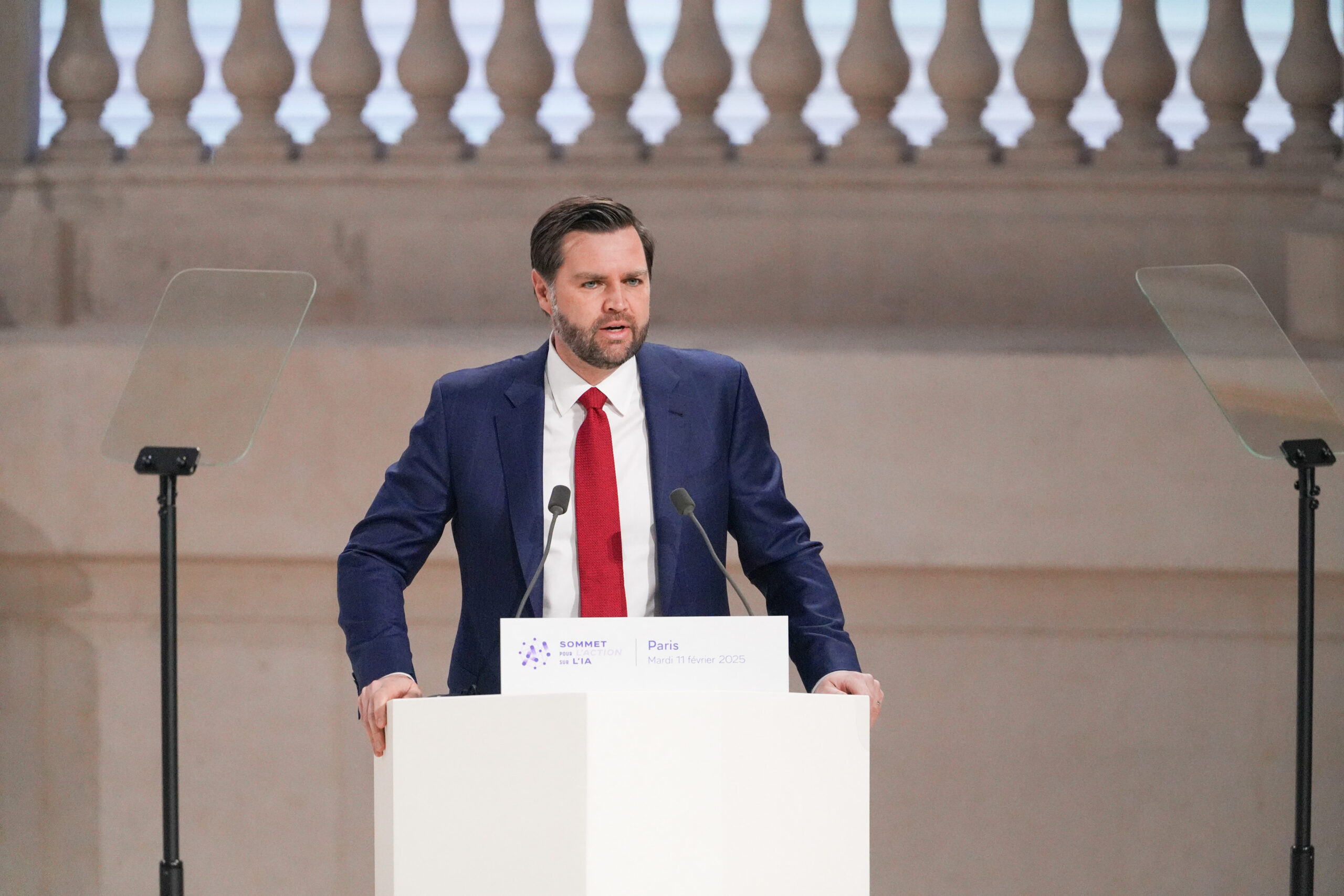
Watching Trump’s second term unfold from the Middle East
Observing the unfolding of President Donald Trump’s second term from the Middle East is as confusing and disorienting as it must be from the United States. In Palestine, Egypt, and Jordan, urgent concern is focused on Trump’s surprise plan to take over the Gaza Strip, displace its population, and rebuild it as the “Riviera of the Middle East.” In Israel, the right wing is extremely pleased with Trump’s gift, but they don’t know what he has planned for the West Bank. In the Arab Gulf monarchies, leaders are generally happy to be dealing with Trump again but are alarmed by the recklessness of his Gaza plan and concerned about the potential impact his energy and tariff policies could have on their economies.
Act 1 of Trump’s Middle East policy: Off script or no script?
The Trump administration’s Middle East approach in its first three weeks back in office was filled with plenty of sound and fury. It’s still too soon to tell whether all of the noise signifies much of anything for the region, yet there are few promising signs of a smooth ride ahead.
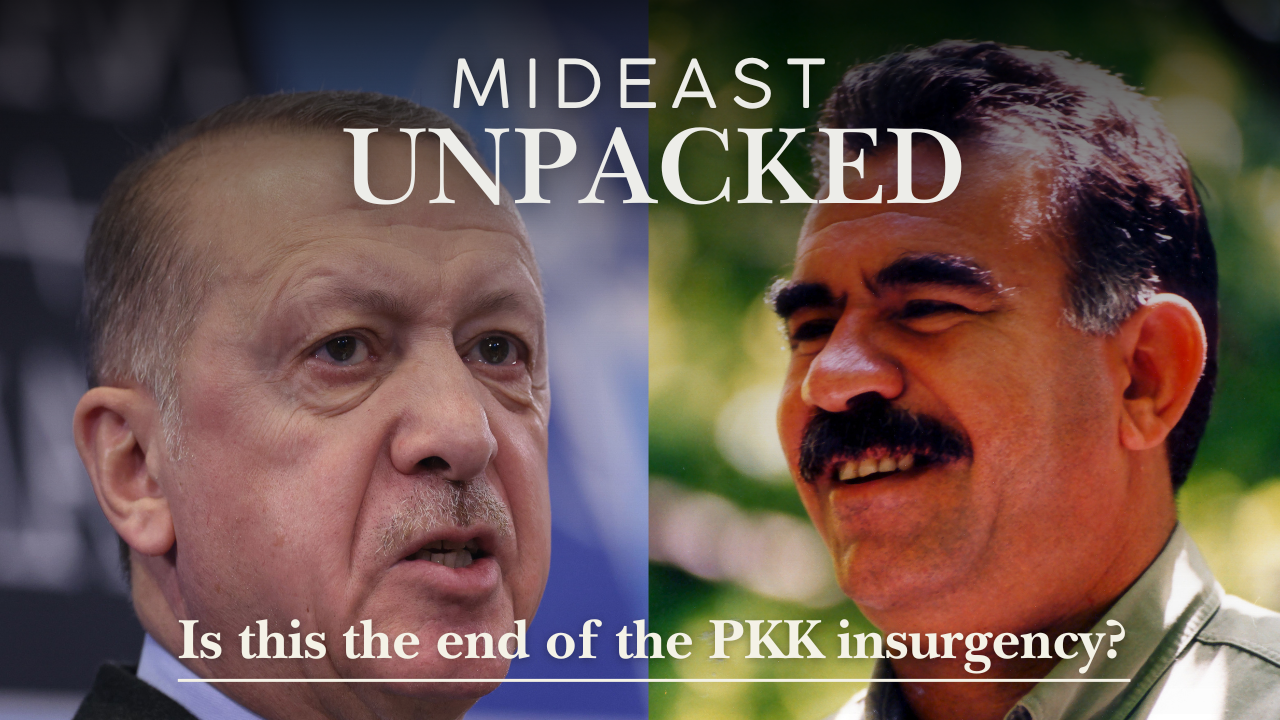
قد يكون هناك تحول تاريخي في الأفق، حيث تدخل تركيا وزعيم المسلحين الأكراد عبد الله أوجلان في محادثات سلام غير متوقعة. بعد 40 عامًا من التمرد وخسارة 40 ألف شخص، من المتوقع أن يدعو أوجلان مقاتلي حزب العمال الكردستاني إلى إلقاء أسلحتهم. ومع ذلك، مع تراجع الرئيس أردوغان عن الديمقراطية واستمرار قمع الحقوق السياسية للأكراد، لا تزال هناك تساؤلات حول إمكانية تحقيق سلام دائم. تشرح غونول تول من معهد الشرق الأوسط (MEI) ذلك.