This individual is a guest contributor. MEI is not able to assist with contact requests.
Sara Sadek is an affiliated researcher and coordinator at the Center for Migration and Refugee Studies (CMRS) at the American University in Cairo. She obtained an MA in Refugee Studies from the University of East London. Since 2005, she has worked on various research projects on Iraqi and Sudanese communities in Egypt, contributing to a report on Iraqis in Egypt and recently producing a paper on challenges of integration for Iraqis in Arab states for the Henry L. Stimson Center’s forthcoming volume Transnational Challenges.
خطط قطر لتوسيع إنتاج الغاز الطبيعي المسال ومسألة فائض العرض في السوق
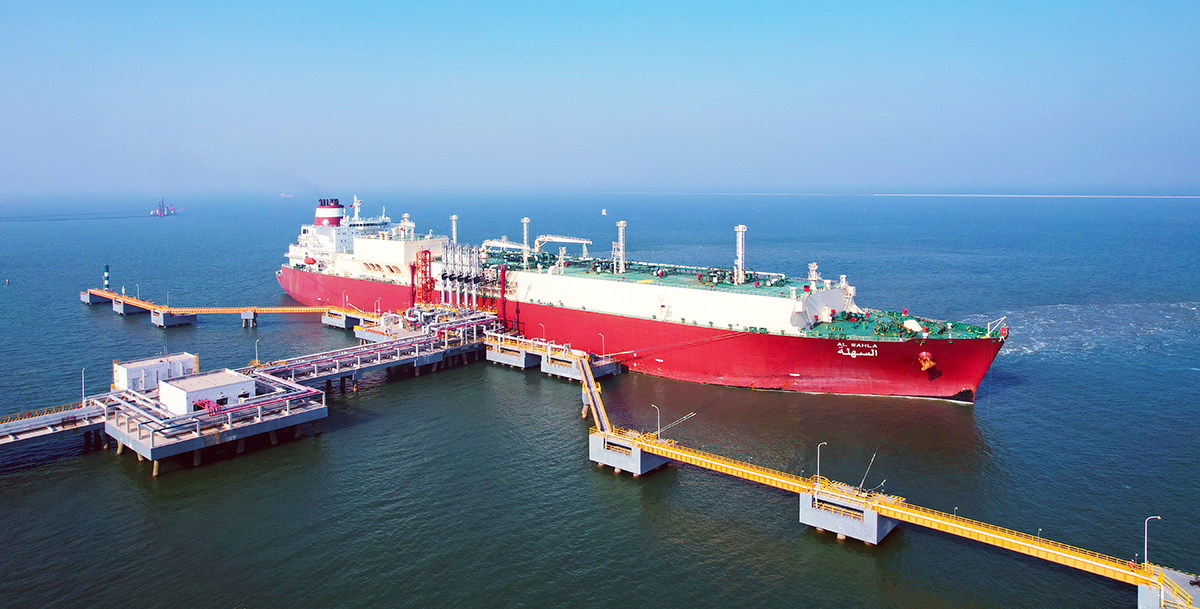
On Feb. 25, 2024, Qatar announced plans to increase its LNG production capacity by a further 16 million tons per annum (mtpa) in 2029-30, bringing the total to 142 mtpa. This would be the third such large-scale expansion of its LNG production within the next six years, but there’s one wrinkle: These new production volumes are set to come online at a time of significant oversupply in the LNG market. What accounts for Qatar’s decision?
China, the US, and the battle for Middle Eastern technology
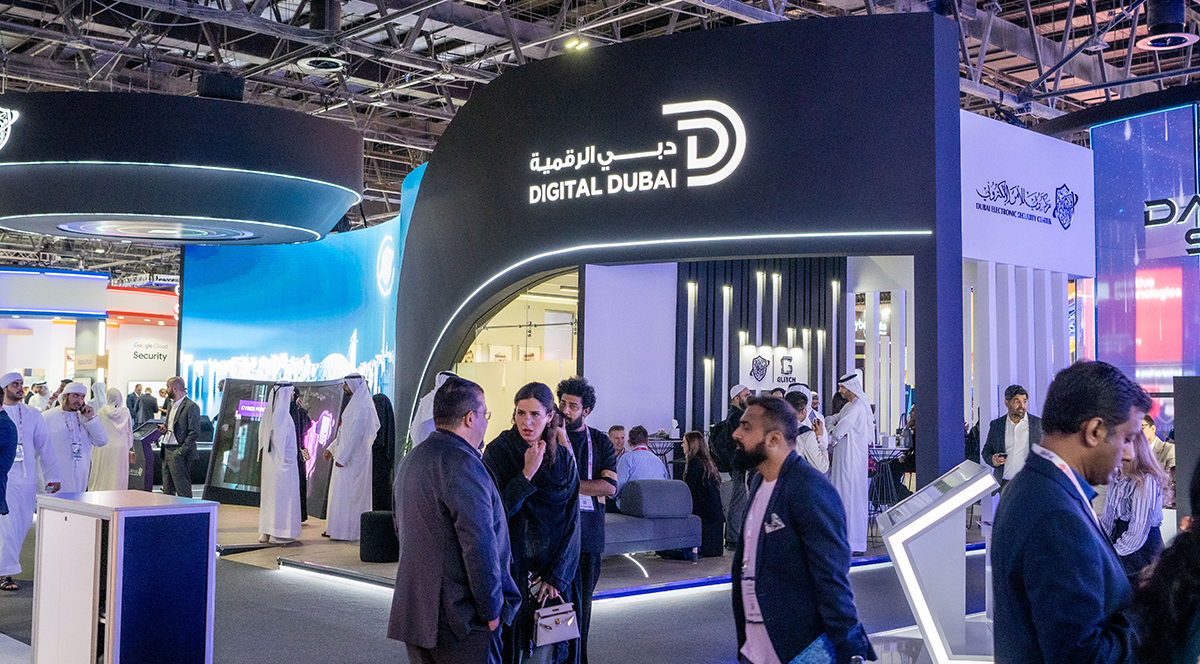
The US is changing its approach to dealing with China’s technology statecraft in the Middle East. The recent Microsoft-G42 deal offers a new model for technology competition that helps to secure American technologies while accommodating its partners’ aspirations.
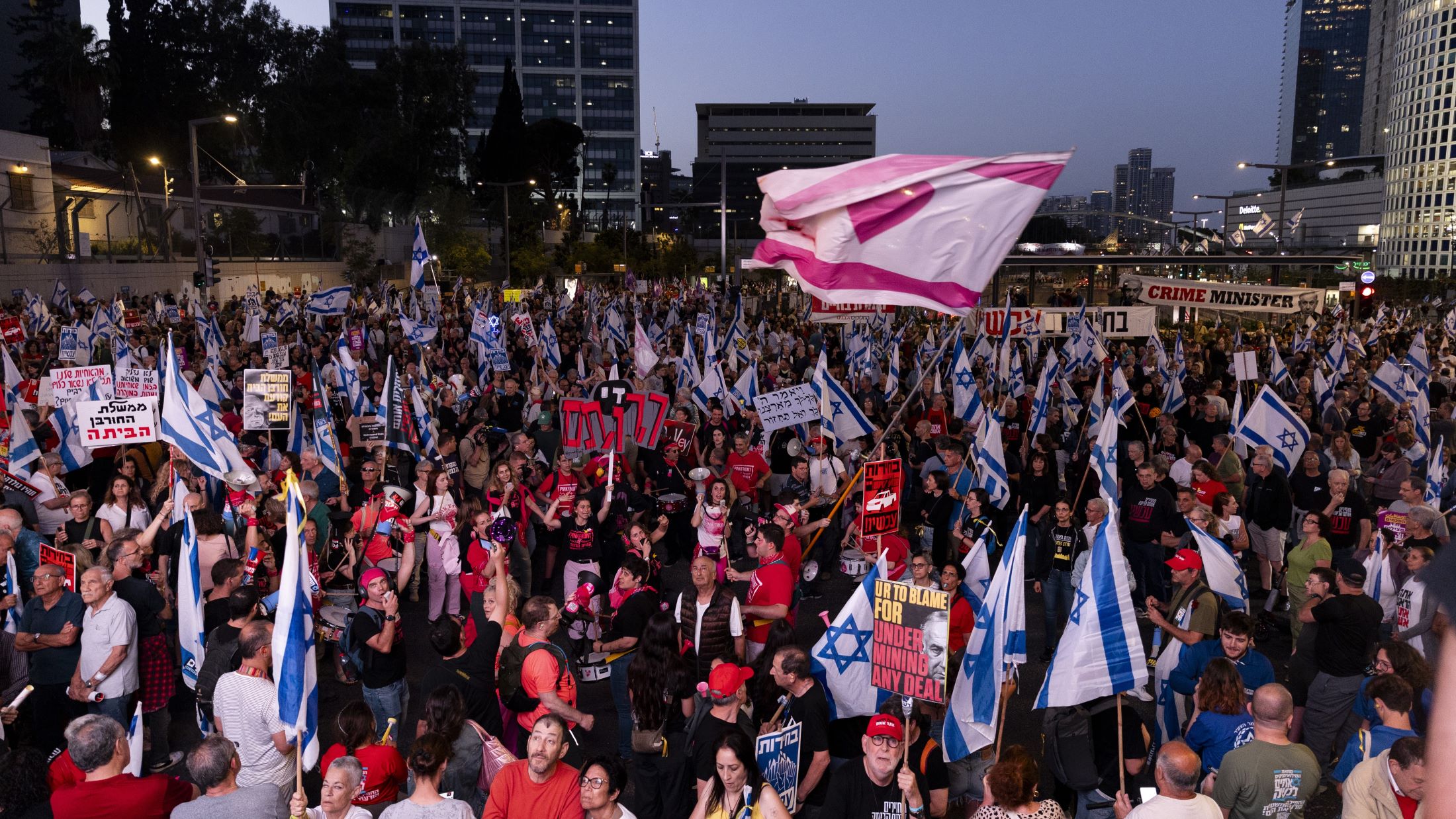
As the Knesset reconvenes, Israel’s newly elected municipal leaders can help foster change in national politics
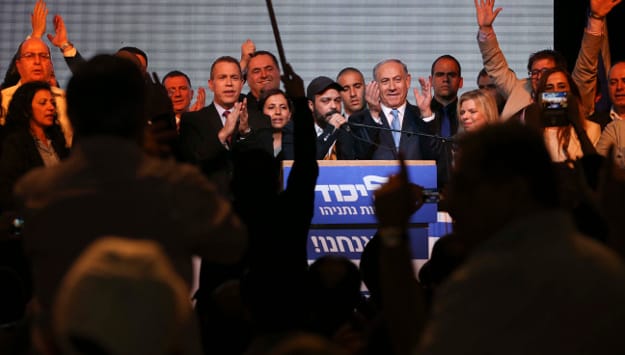
Following a year of protests and as the war with Hamas and Hezbollah enters its eighth month, the domestic scene in Israel looks poised for a political transition. Pro-democracy mayors and city councils across the country have grown increasingly influential when it comes to safeguarding and advancing liberal values. They are now better positioned and more motivated to make an impact on Israeli national politics, particularly as early elections look ever more likely.
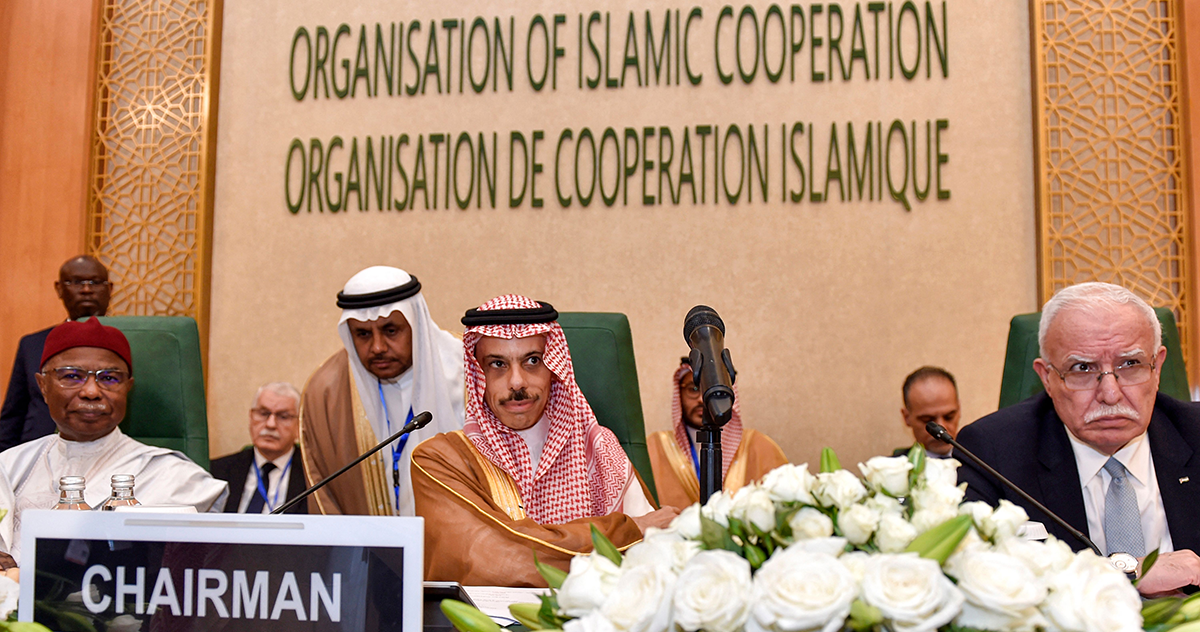
Riyadh and Tehran use OIC to mend ties, but its sway is limited
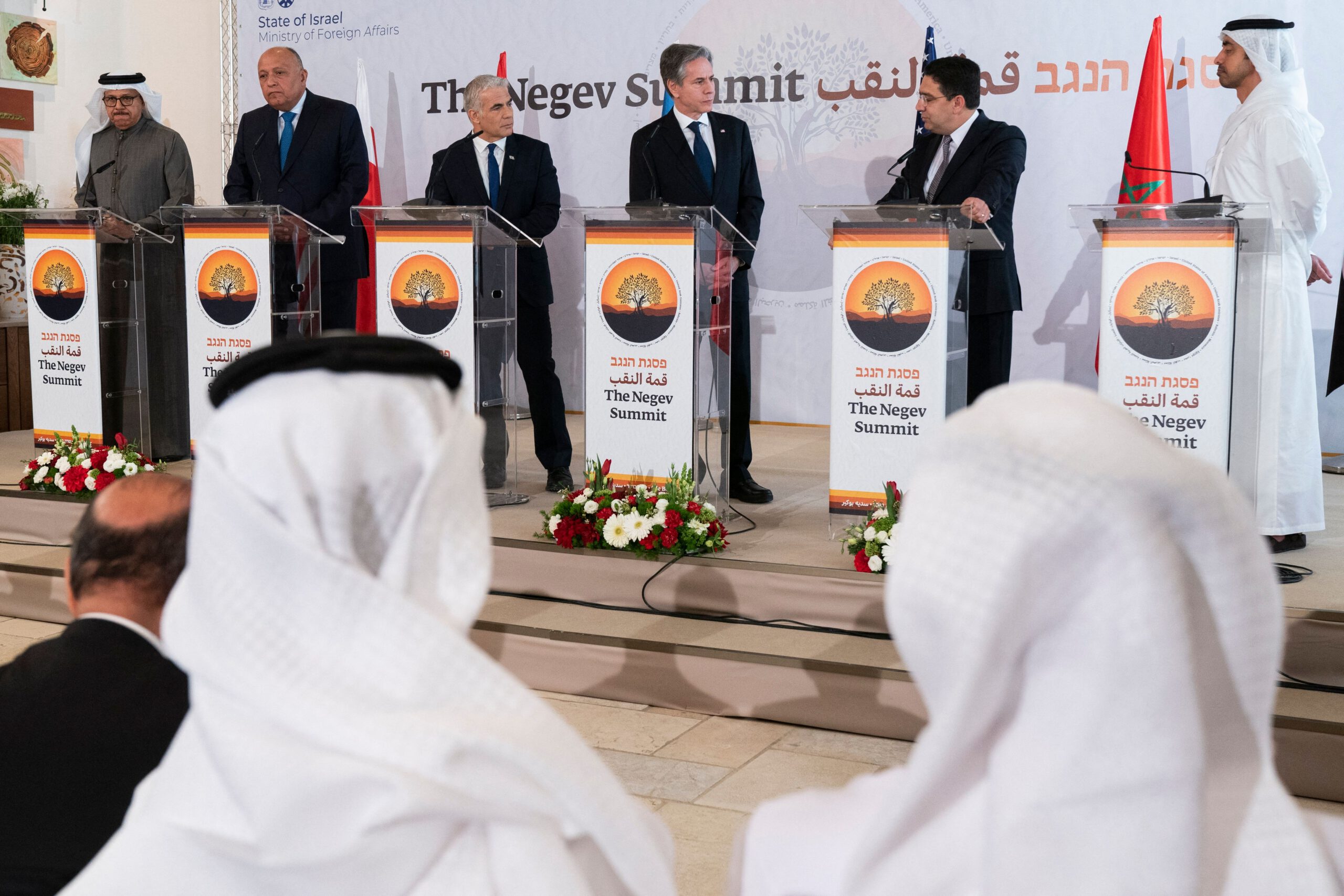
A year after the restoration of diplomatic relations between Saudi Arabia and Iran, the two countries are working to ease regional tensions in the Middle East in exchange for promises of improved bilateral cooperation. But strains persist in the relationship between Riyadh and Tehran, and the two capitals are using the Saudi-based Organization of Islamic Cooperation, which includes members from 57 Muslim countries, to try to bridge their differences.
ليبيا وتونس والنيجر كحالات دراسية لسياسات مكافحة الهجرة ذات النتائج العكسية: استمرار الانتهاكات والإجرام
كان للسياسات المناهضة للهجرة في ليبيا وتونس والنيجر عواقب وخيمة، كما يتضح من وفاة أكثر من 25,000 مهاجر في البحر الأبيض المتوسط منذ عام 2014، وهو رقم لا يعكس حجم المأساة بالكامل. وسيتطلب معالجة هذه الإخفاقات تغييرات جوهرية في السياسات وتطوراً في النهج المتبع في التعامل مع قضية الهجرة.
“Gwadar is the future”: China and Pakistan’s troubled strategic port on the Arabian Sea
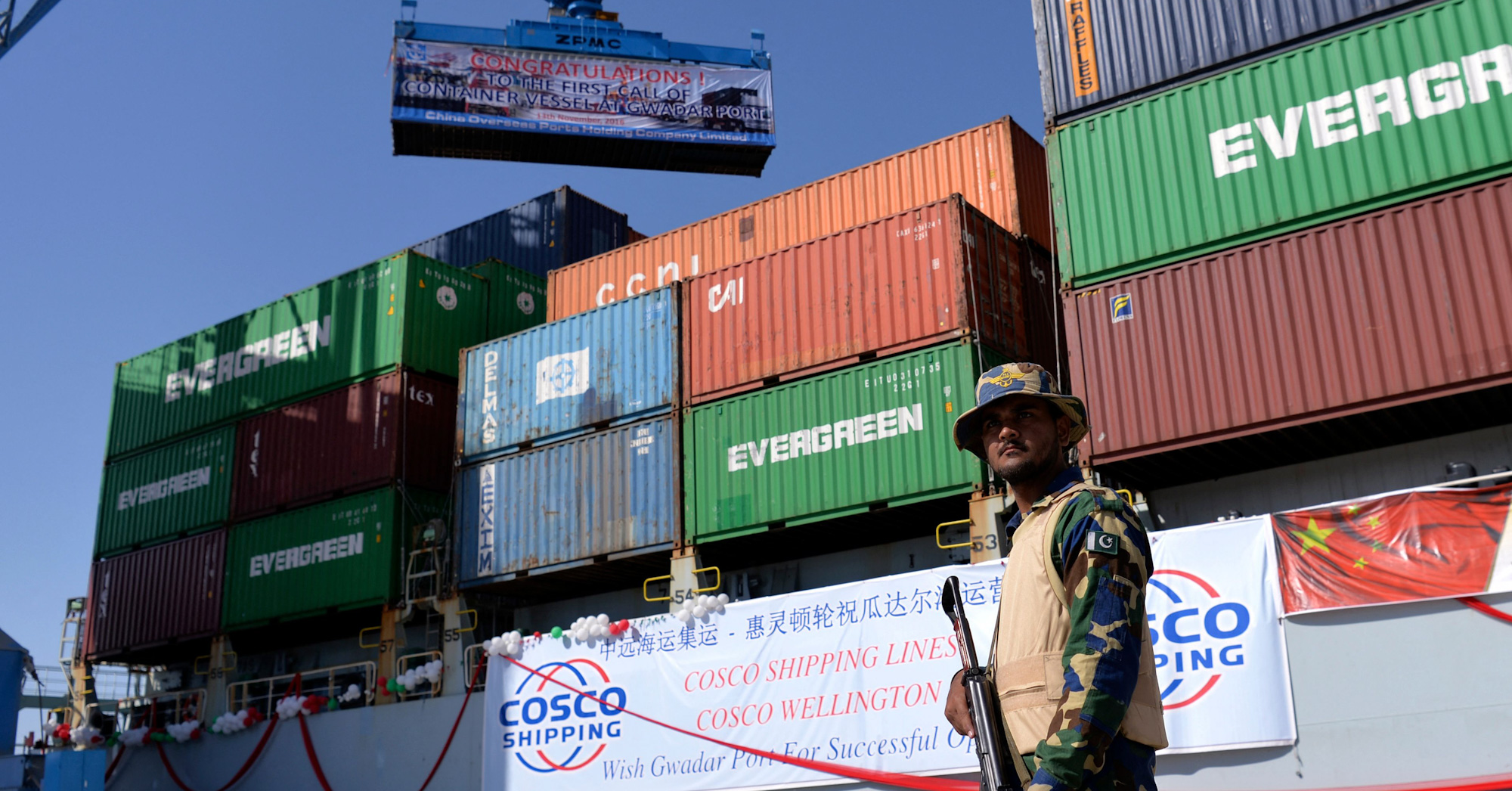
Strategically located at the mouth of the Strait of Hormuz on the Arabian Sea, Gwadar, once a derelict port, was revitalized as part of the broader development of China-Pakistan Economic Corridor (CPEC) and declared fully operational in 2021. Can a renewed focus on the Gwadar port and the socio-economic and security situation of the surrounding region help Islamabad and Beijing rescue CPEC from failure?
Crossroads in Idlib: HTS navigating internal divisions amid popular discontent
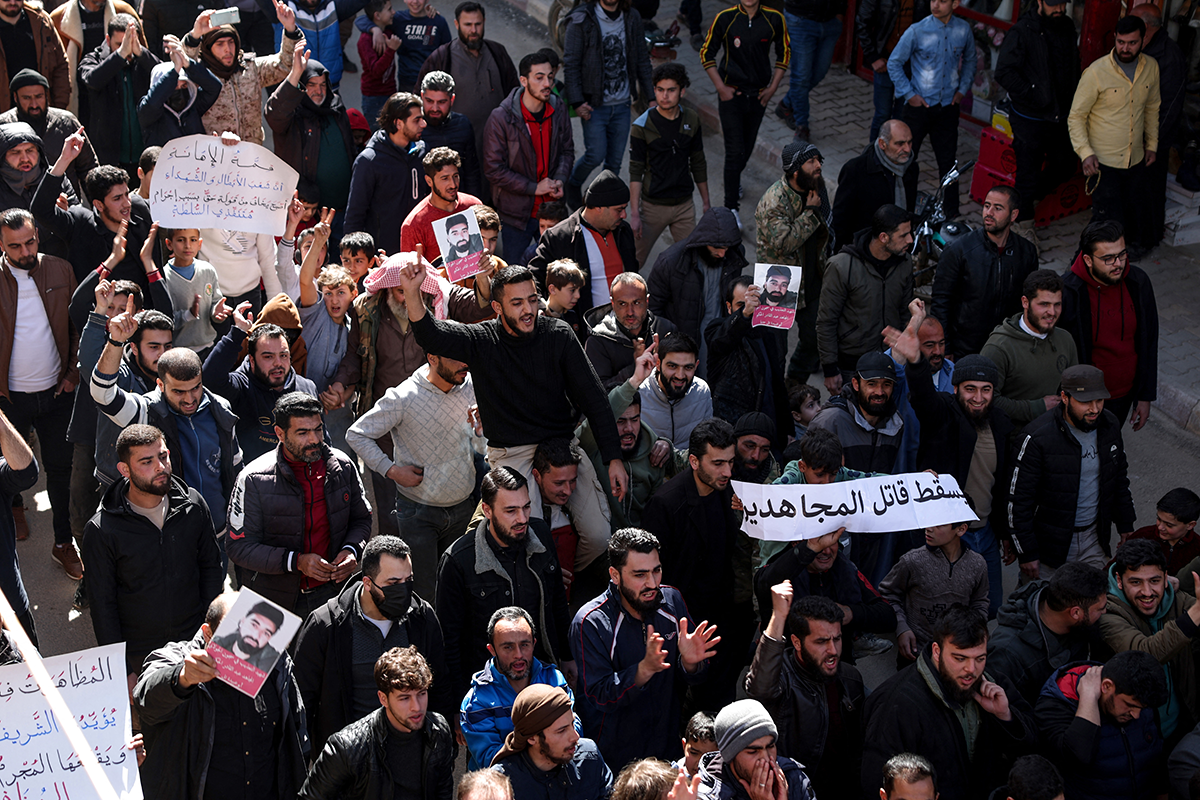
As the world focuses on Israel’s war in Gaza, northwest Syria is undergoing a significant political upheaval that could lead to major instability. For the last three months, Hay’at Tahrir al-Sham, an armed Sunni Islamist group that governs more 4.5 million people in the Idlib region, has been facing widespread protests.
On this week’s episode, Jehanne Henry, Mirette Mabrouk, and MEI Editor-In-Chief Alistair Taylor discuss Sudan’s civil war and its regional impact. The conflict began on April 15th, 2023, when fighting broke out in Sudan’s capital of Khartoum between the Sudanese Armed Forces (SAF) under Gen. Abdel Fattah al-Burhan and the paramilitary Rapid Support Forces (RSF) under Mohamed Hamdan Dagalo (known as “Hemedti”). More than a year on, the fighting continues to rage and there seems to be no end in sight to the conflict.