This individual is a guest contributor. MEI is not able to assist with contact requests.
Saskia M. van Genugten is a former strategy and policy advisor at the Netherlands Ministry of Defense and a research fellow at the Netherlands Defense Academy. She was the penholder of the Dutch Defense Vision 2035 (published October 2020).
Previously, she led the MENA Peace and Security research program at the Emirates Diplomatic Academy in Abu Dhabi. She also worked for PwC’s Middle East government and public sector advisory unit and held positions at the United Nations Support Mission for Libya (UNSMIL), the Netherlands Foreign Ministry, and the Netherlands Senate’s Committee on Foreign Affairs, Defense, and Development Cooperation.
She has published extensively on European defense policies toward the Middle East, Middle East security, as well as on the future of war and the changing operational environment of the armed forces. She is the author of Libya in Western foreign policies, 1911-2011 (Palgrave Macmillan, 2016) and co-editor of Stabilizing the Contemporary Middle East and North Africa: Regional Actors and New Approaches (Palgrave MacMillan, 2019).
Dutch support for allied anti-Houthi airstrikes: Shared objectives with a pinch of opportunism
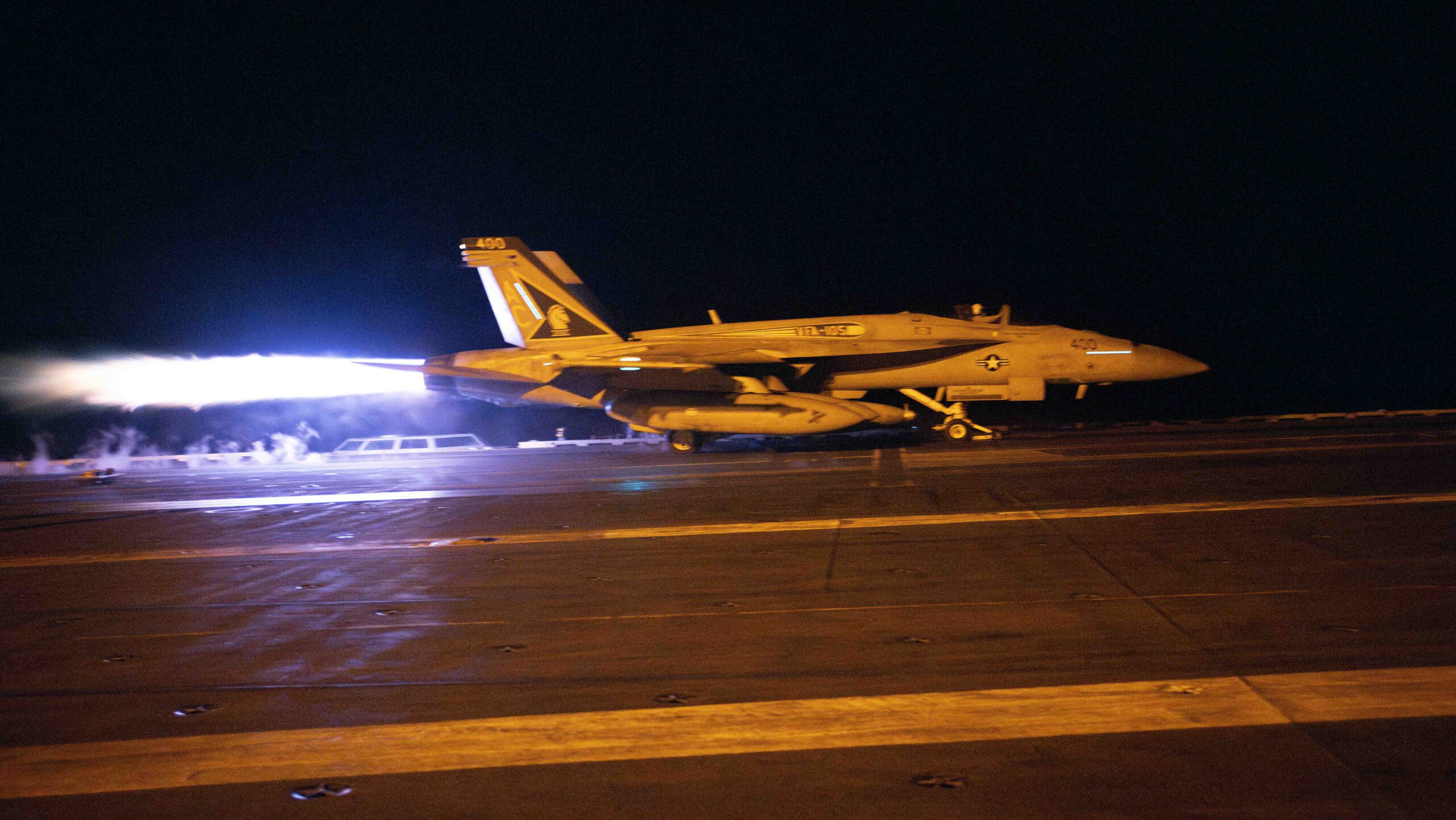
When the United States and the United Kingdom decided to strike Houthi targets inside Yemen to stop the group from launching attacks on commercial shipping in the Red Sea, most European allies did not want to get involved in the operation. The sole exception was the Netherlands, which grabbed the opportunity to step forward and show its willingness to provide not only political but also military support, albeit largely symbolic.
Can a new EU strategy bring EU and Gulf actors closer together?
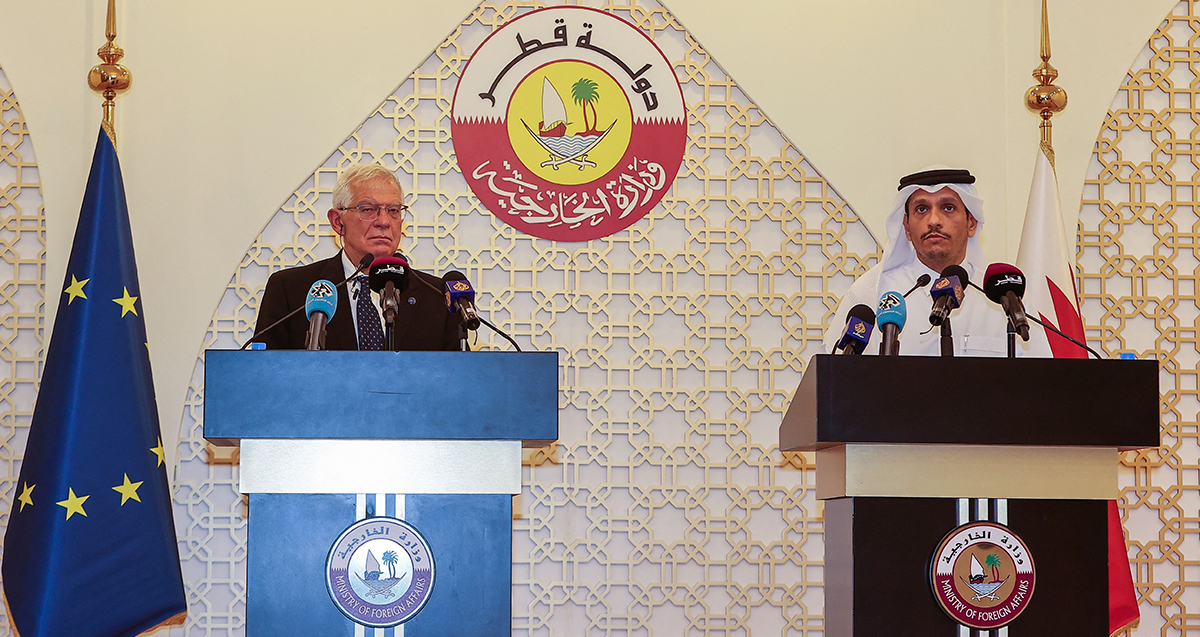
Relations between the EU and the Gulf countries have been on life support for a long time. The two sides have become experts at talking past each other, blithely skidding from crisis to crisis. But on May 18, the EU made the first serious effort in a long time to bridge this gap, by introducing a proposal for a “Strategic Partnership with the Gulf.”
Europe and the Middle East after Ukraine: A strategic reorientation
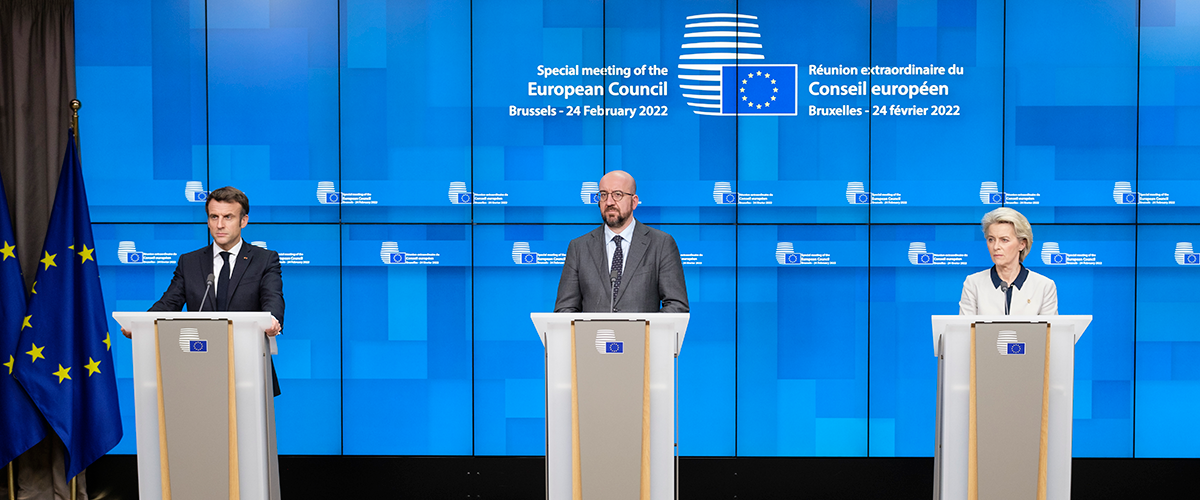
Contrary to the expectations of many, including Russia’s President Vladimir Putin, the Russian invasion of Ukraine has not divided Europeans. Instead, Putin’s aggression has forged a remarkable consensus. The tectonic shift in Europeans’ worldview caused by the long-feared “war in the east” will have a major impact on security strategy and military investments. It will also have long-lasting consequences, including for Europe’s relations with the Middle East.
The EU’s Strategic Compass: Preparing to navigate MENA “with less US”
After almost two years of work, the first draft of the EU’s so-called Strategic Compass was presented on Nov. 15. The objective of this military strategic plan is to agree on a set of proposals to guide the bloc’s defense cooperation efforts for the next five to ten years. Previous attempts at seriously bolstering Europe’s defense ambitions have often been half-hearted, but this time could be different because Europe feels genuinely threatened.
After Afghanistan: Western militaries and the rise of new strategic threats
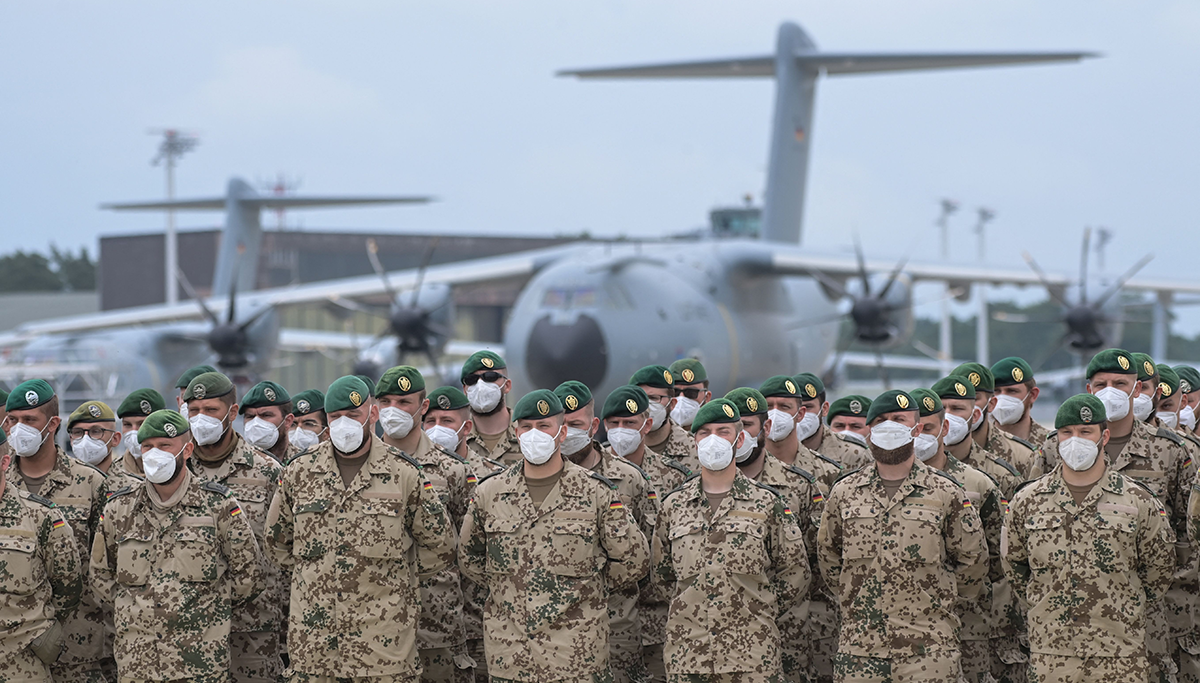
The withdrawal from Afghanistan marks the end of a historic chapter. It involves more than just the conclusion of a drawn-out international military engagement in Afghanistan. Rather, it signals the end of a decades-long phase in which Western militaries placed the broader Middle East and the fight against international terrorism at the center of their strategic attention. With competition between the great powers on the rise, Western militaries have realized their current vulnerabilities vis-à-vis near-peer competitors and the need to shift gears.