This individual is a guest contributor. MEI is not able to assist with contact requests.
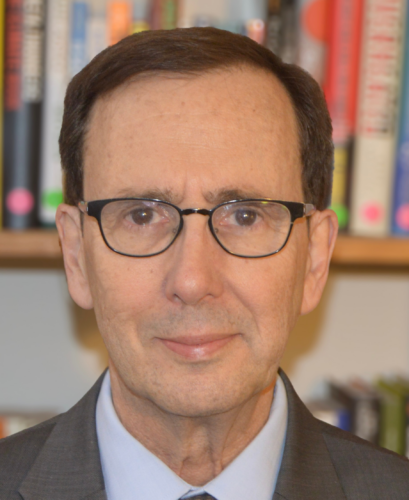
Shahmahmood Miakhel is the Country Director in Afghanistan for the US Institute of Peace (USIP). Prior to that he was a Governance Advisor for the United Nations Assistance Mission in Afghanistan (UNAMA), and, from 2003–2005, a Deputy Minister of the Interior in the Government of Afghanistan. In 1994–1995 he worked for the United Nations Development Programme (UNDP) and United Nations Office for Project Services (UNOPS) in South and Southeast Afghanistan helping to establish District Rehabilitation Shuras (DRS). He also worked as a reporter for the Pashto service of the Voice of America from 1985–1990.
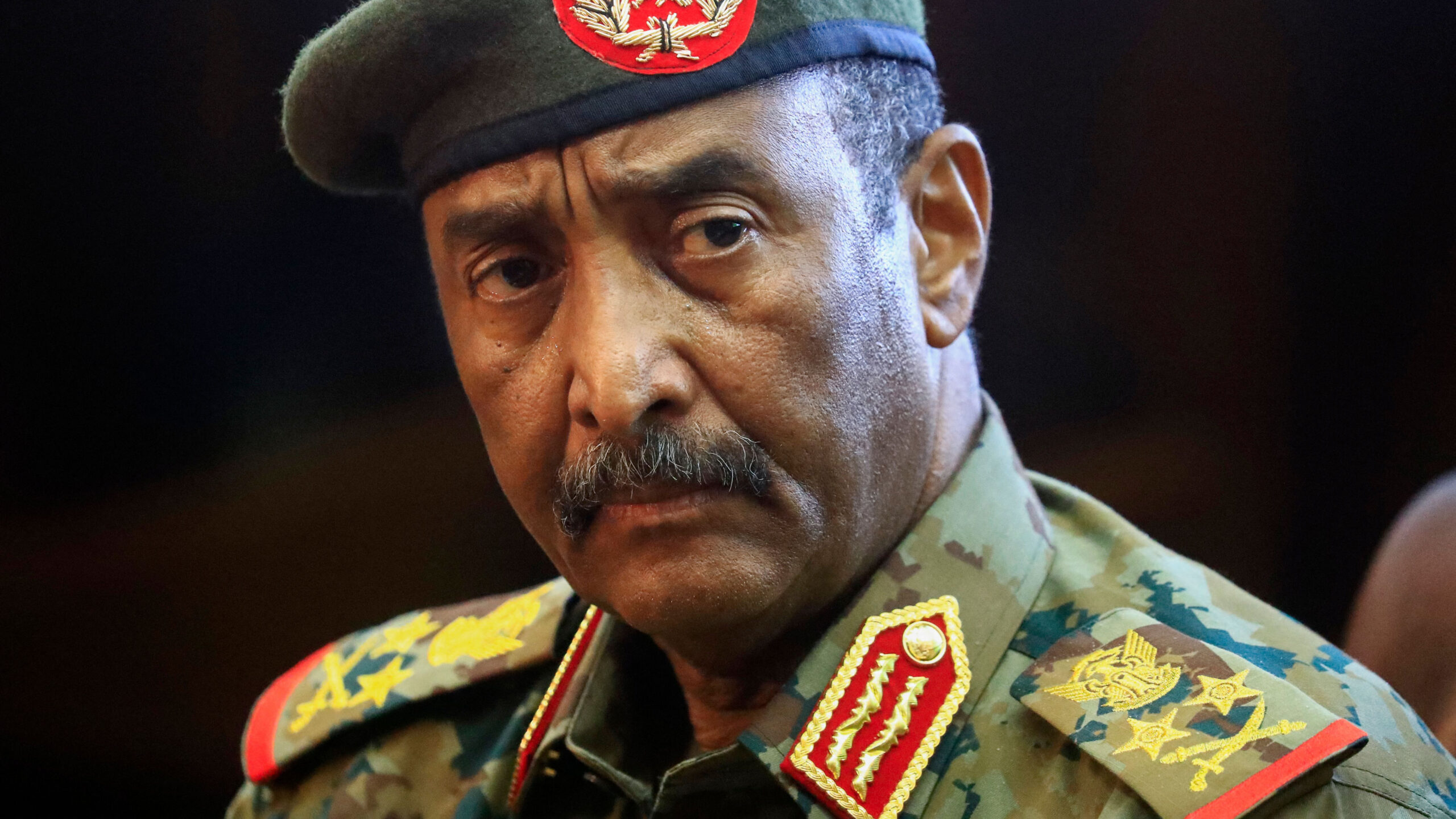
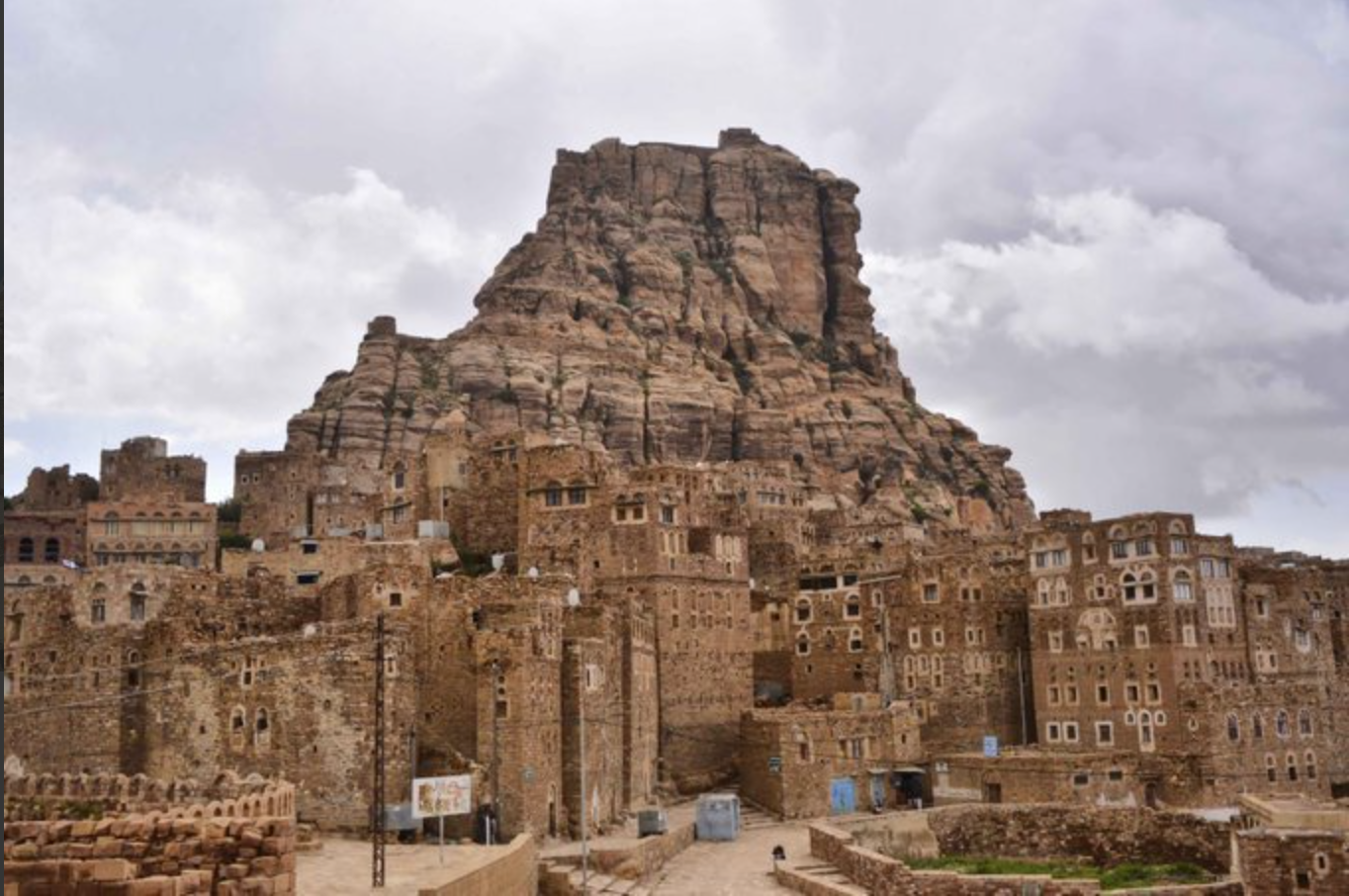
Sudan is geostrategically important to U.S. interests in both Africa and the Middle East. The country’s military rulers, Lt.-Gen. Abdel Fattah al-Burhan and his deputy Lt.-Gen. Mohamed Hamdan Dagalo (also known as “Hemedti”), are banking on that fact as they seek to press the Biden administration to focus its Sudan policy on stability, rather than supporting calls for democracy.
The Israeli election results are not a seismic shift — it’s worse than that
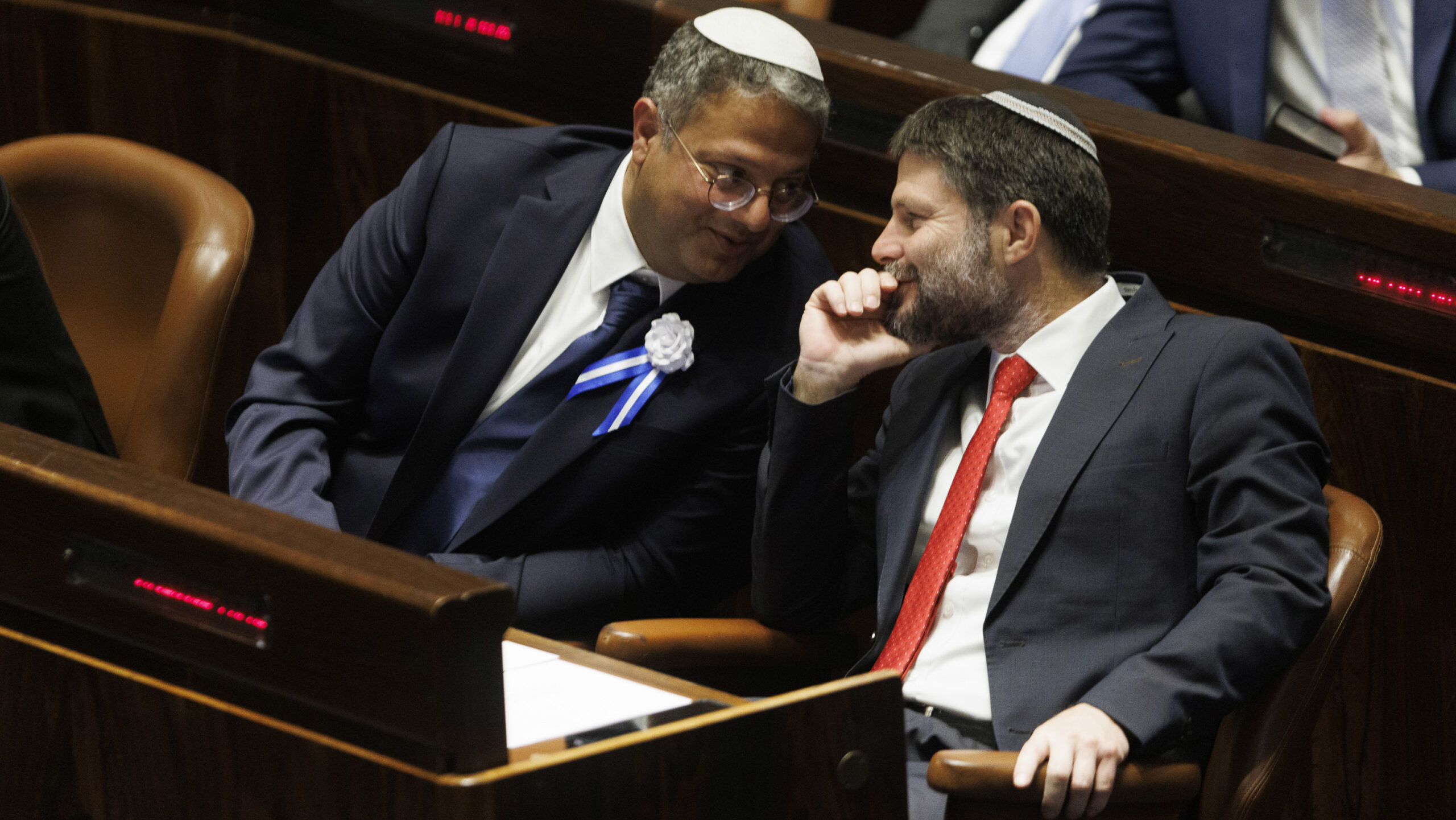
Over the years, recognition of clear, long-term, and structural developments in how the Jewish Israeli electorate votes has been neglected, glossed over, or lost behind reactions to electoral cycles. And the pro/anti-Netanyahu paradigm — which routinely serves as a crude substitute for “right” versus “left” — has helped delay a reckoning and a fork in the road for a host of constituencies.
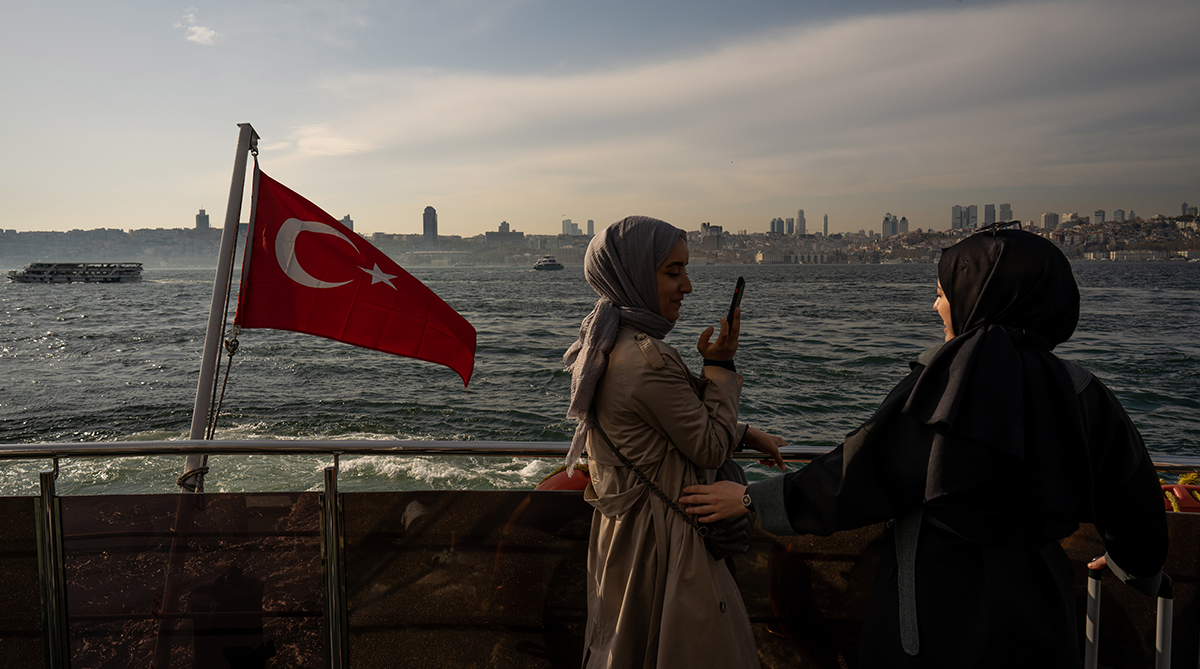
Up for debate again: Politics and the headscarf in Turkey
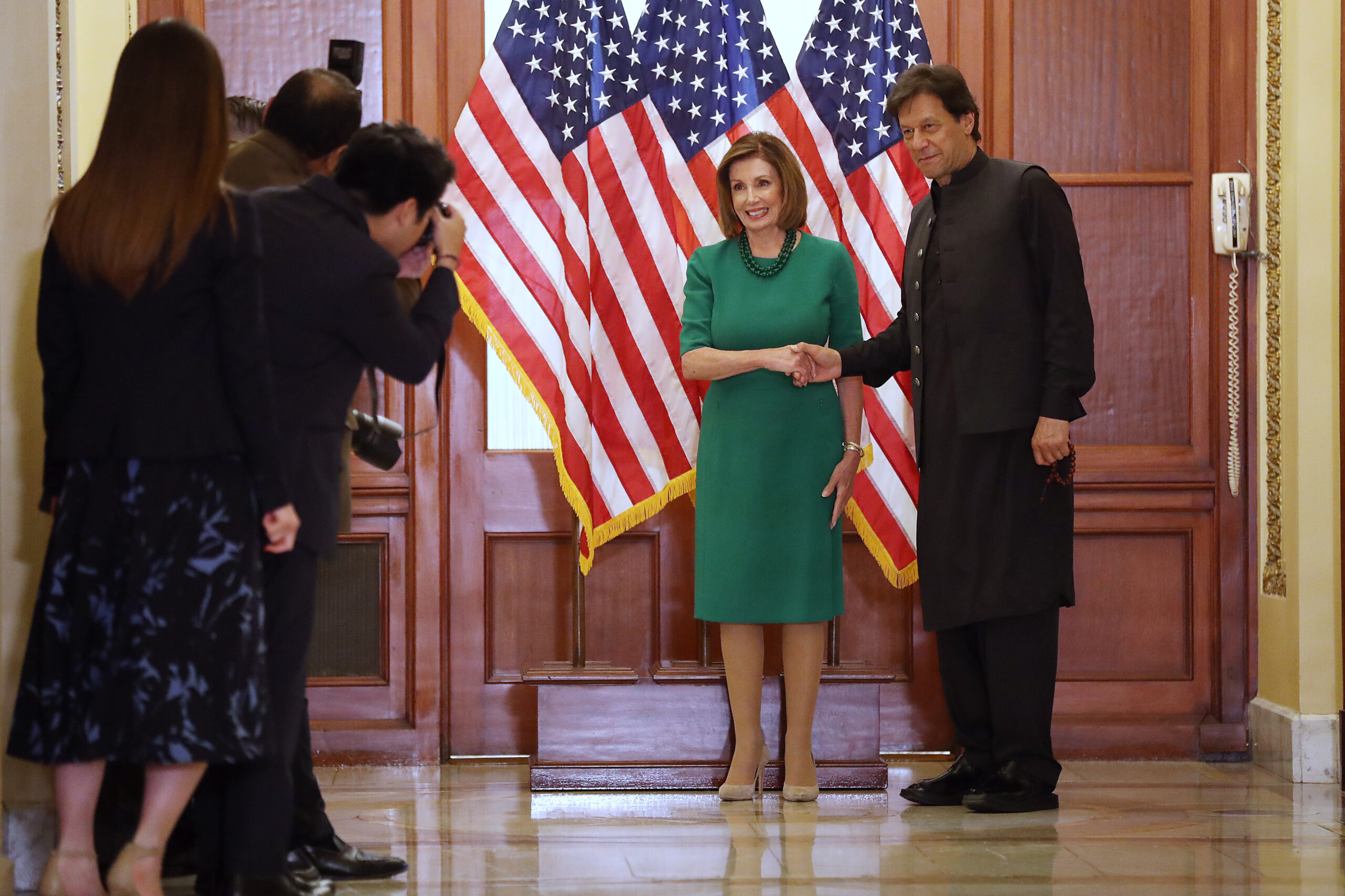
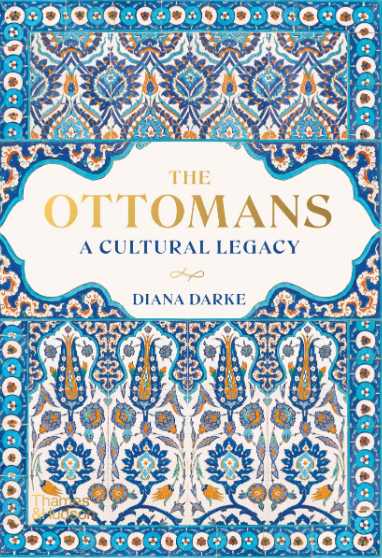
On Sept. 30, 2013, then Prime Minister Recep Tayyip Erdoğan announced what he termed a “democratization package,” which lifted the decades-old ban on women wearing headscarves in many state institutions. A month later, when four female MPs wearing headscarves walked into the Turkish parliament, many thought the long-running controversy on the issue was finally over. But the headscarf recently returned to the center of the Turkish political debate when the leader of the main secularist opposition party, Kemal Kılıçdaroğlu, announced that he would introduce legislation to protect that right.
على الرغم من التوثيق الجيد لاضطهاد الدولة السورية وعنفها ضد السكان من خلال الكم الهائل من شهادات الضحايا طوال النزاع المسلح الذي استمر أكثر من ١١ عامًا في عموم البلد، يبقى المنطق خلف هذا العنف مفهوماً بشكل أقل – من هم المستهدفين من قبل النظام وما هي الأضرار الناتجة هذا الاستهداف؟ ولماذا يستمر العنف والاضطهاد ضد بعض الجماعات حتى بعد انخفاض الأعمال العدائية المباشرة، أو حتى بعد لجوء هذه الجماعات خارج البلاد؟
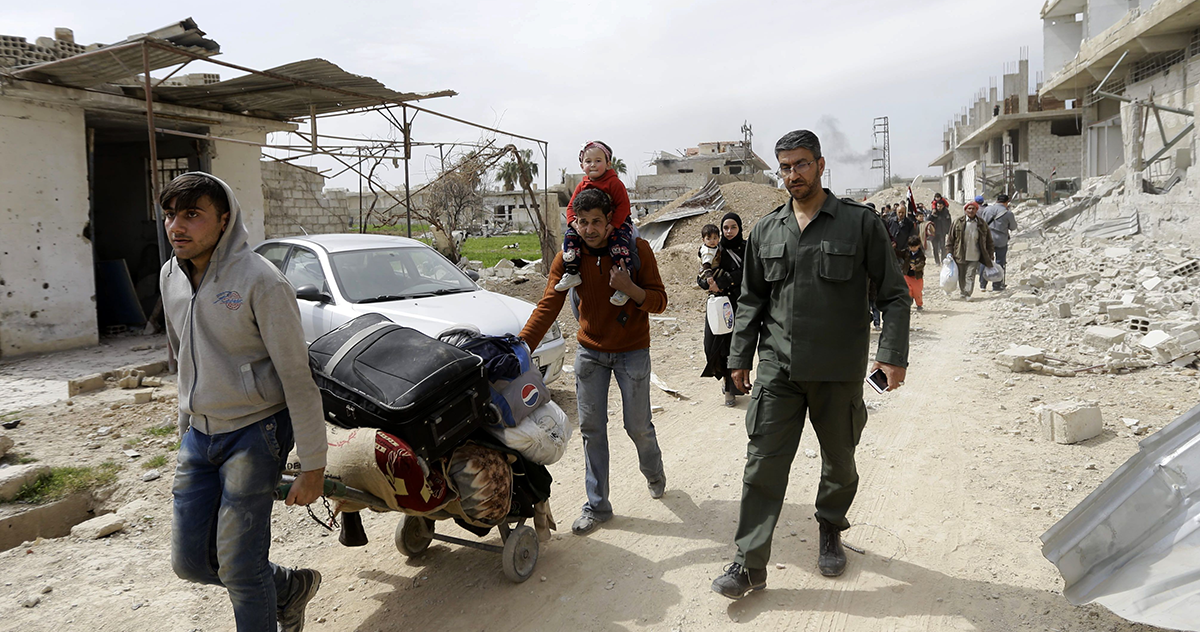
Understanding the logic behind the Syrian regime’s violence
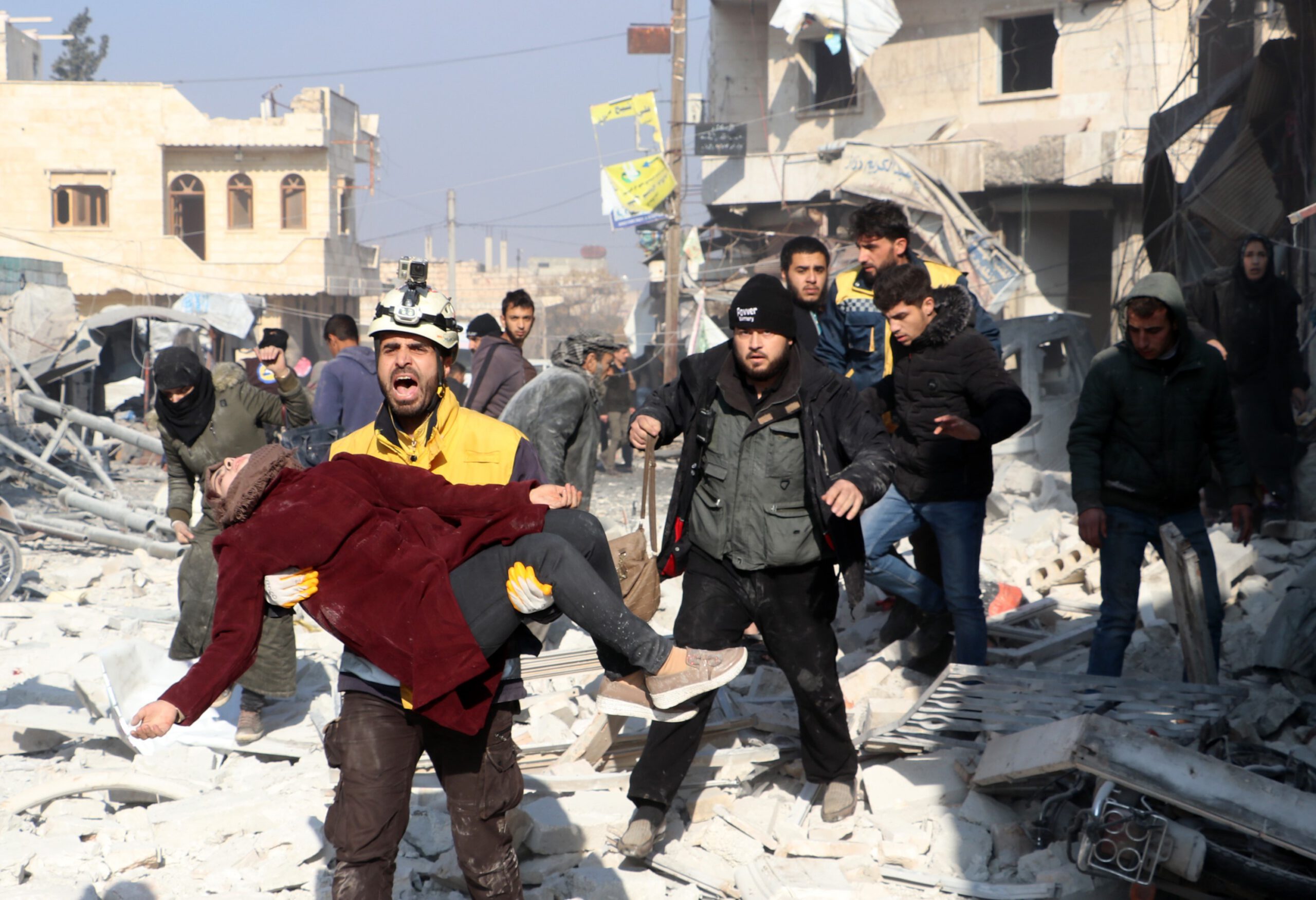
The Syrian state’s persecution of the population has been well documented throughout the country’s more than 11-year conflict. Less well understood is the logic behind the violence — who the regime targets and why they inflict such harm. Why do violence and persecution continue against some groups, even after a reduction in immediate conflict hostilities or when they now live as refugees outside of the country?
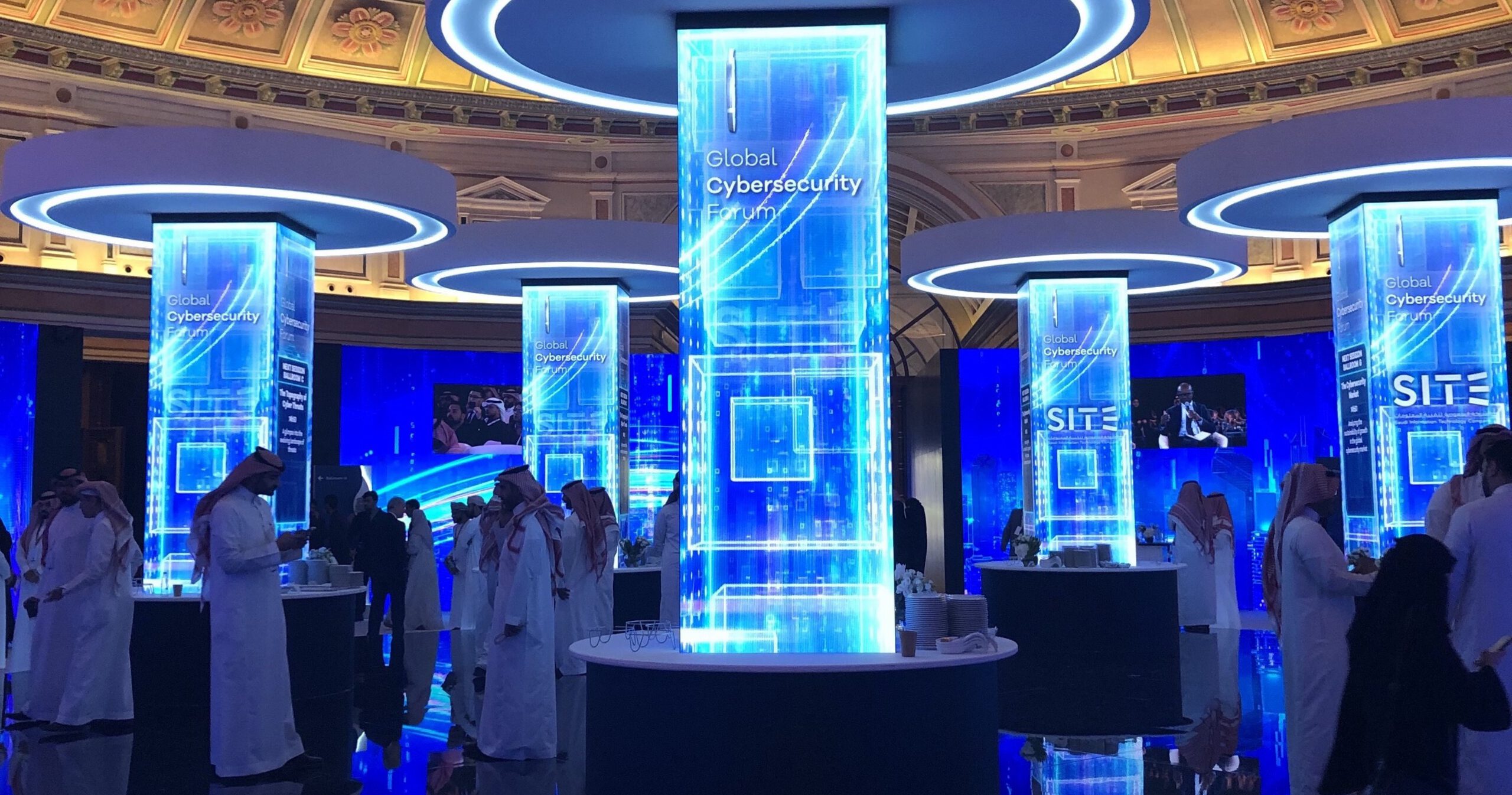
Dispatches from Riyadh: Reflections on the Global Cybersecurity Forum
MEI’s Center for Strategy and Emerging Technology participated in the second annual Global Cybersecurity Forum in Riyadh this past week. Here are our reflections on the conference, the conversations we had there, and the GCF’s overall agenda.
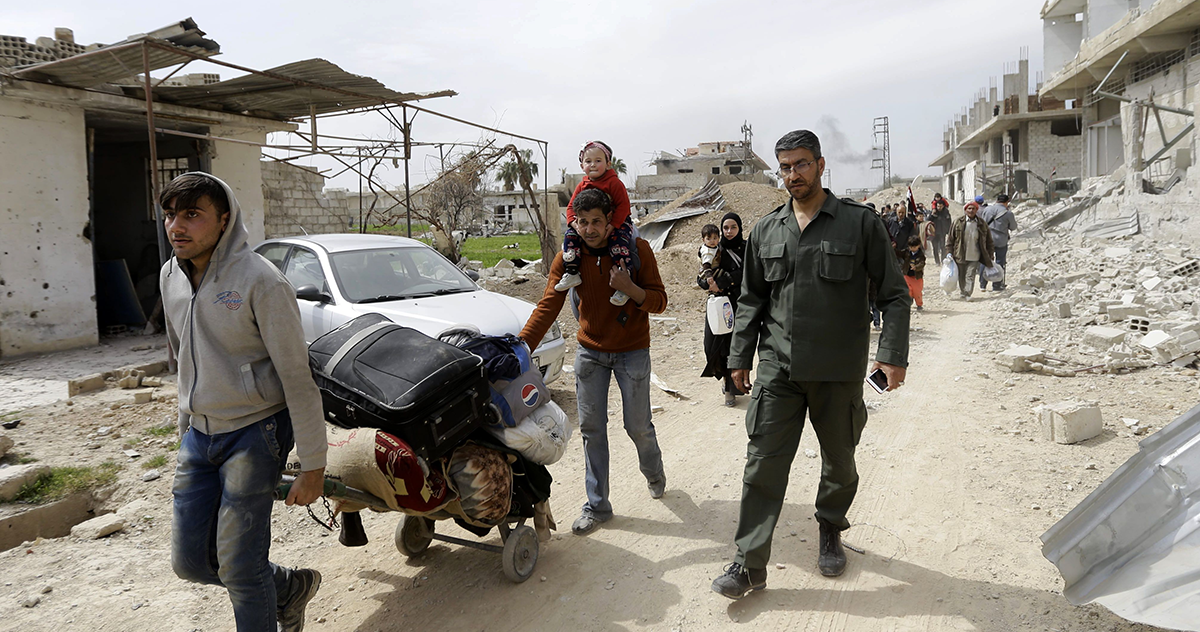
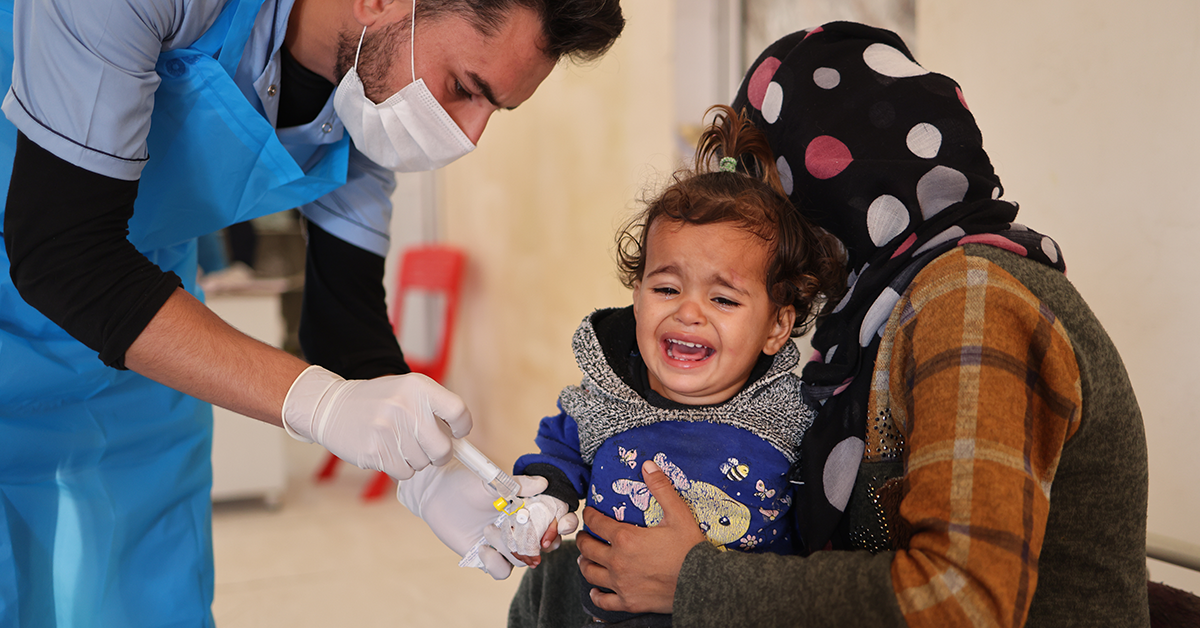
Syria and Lebanon at risk from rapidly spreading cholera epidemic
Cholera continues to sweep through Syria and Lebanon at an alarming pace, leaving thousands sick and hundreds dead in its wake, with only a small fraction of cases officially registered in databases.