This individual is a guest contributor. MEI is not able to assist with contact requests.
Shahmahmood Miakhel is the Country Director in Afghanistan for the US Institute of Peace (USIP). Prior to that he was a Governance Advisor for the United Nations Assistance Mission in Afghanistan (UNAMA), and, from 2003–2005, a Deputy Minister of the Interior in the Government of Afghanistan. In 1994–1995 he worked for the United Nations Development Programme (UNDP) and United Nations Office for Project Services (UNOPS) in South and Southeast Afghanistan helping to establish District Rehabilitation Shuras (DRS). He also worked as a reporter for the Pashto service of the Voice of America from 1985–1990.
فريق بايدن للشرق الأوسط يحاول الإبقاء على الوضع الراهن
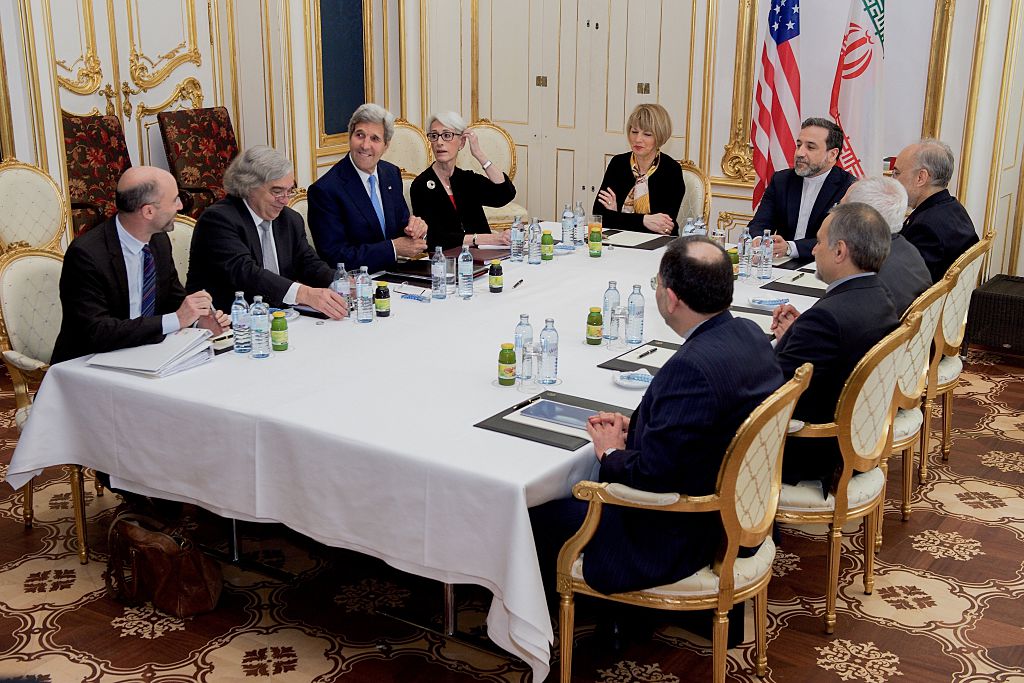
عشية المحادثات النووية بين القوى العالمية وإيران المقرر استئنافها في فيينا في نهاية نوفمبر/تشرين الثاني، أرسل الرئيس الأمريكي جو بايدن عضوين رئيسيين من فريق الشرق الأوسط التابع له إلى المنطقة للتشاور مع شركاء إقليميين مقربين. مع اقتراب الجولة التالية من محادثات إيران، بدأ فريق بايدن في إعادة تقييم بعض جوانب مقاربته الأولية تجاه الشرق الأوسط.
Plotting like a revolutionary: The need for growing like-minded humanistic networks of Iranians and Arabs
It is a mistake to view Iran’s regional aggression and hegemony as purely a result of violence and terrorism. Iran’s powerplay also has important media, political, economic, and cultural aspects.
Conflicting agendas and strategic rivalry in the Sahel
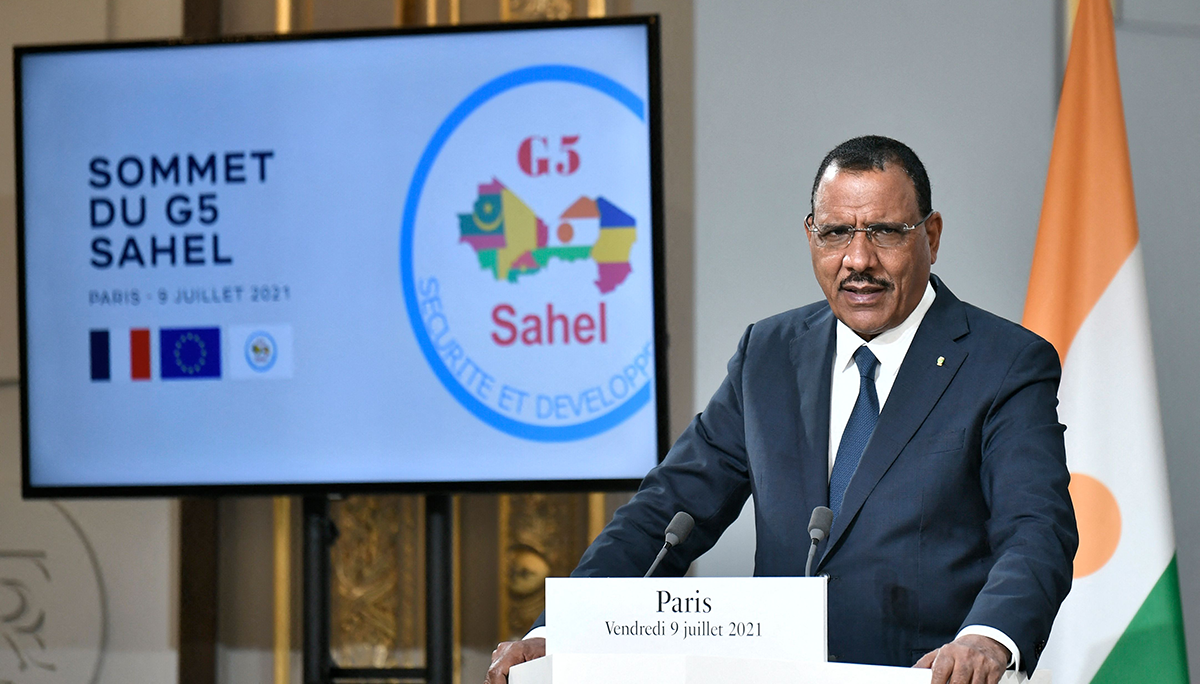
The Sahel reveals a lot about how Africa has become an area of competition between world powers with different foreign policy priorities, as they vie for greater political, military, and economic influence on the continent. A major arena of geo-economic and geopolitical contestation, the region presents both challenges and opportunities for many traditional and emerging players, including the West, Russia, China, and ambitious regional actors like Turkey.
Travels beyond Gurnah: Migration in the work of Ali Al-Sharji and Shaima Al-Tamimi
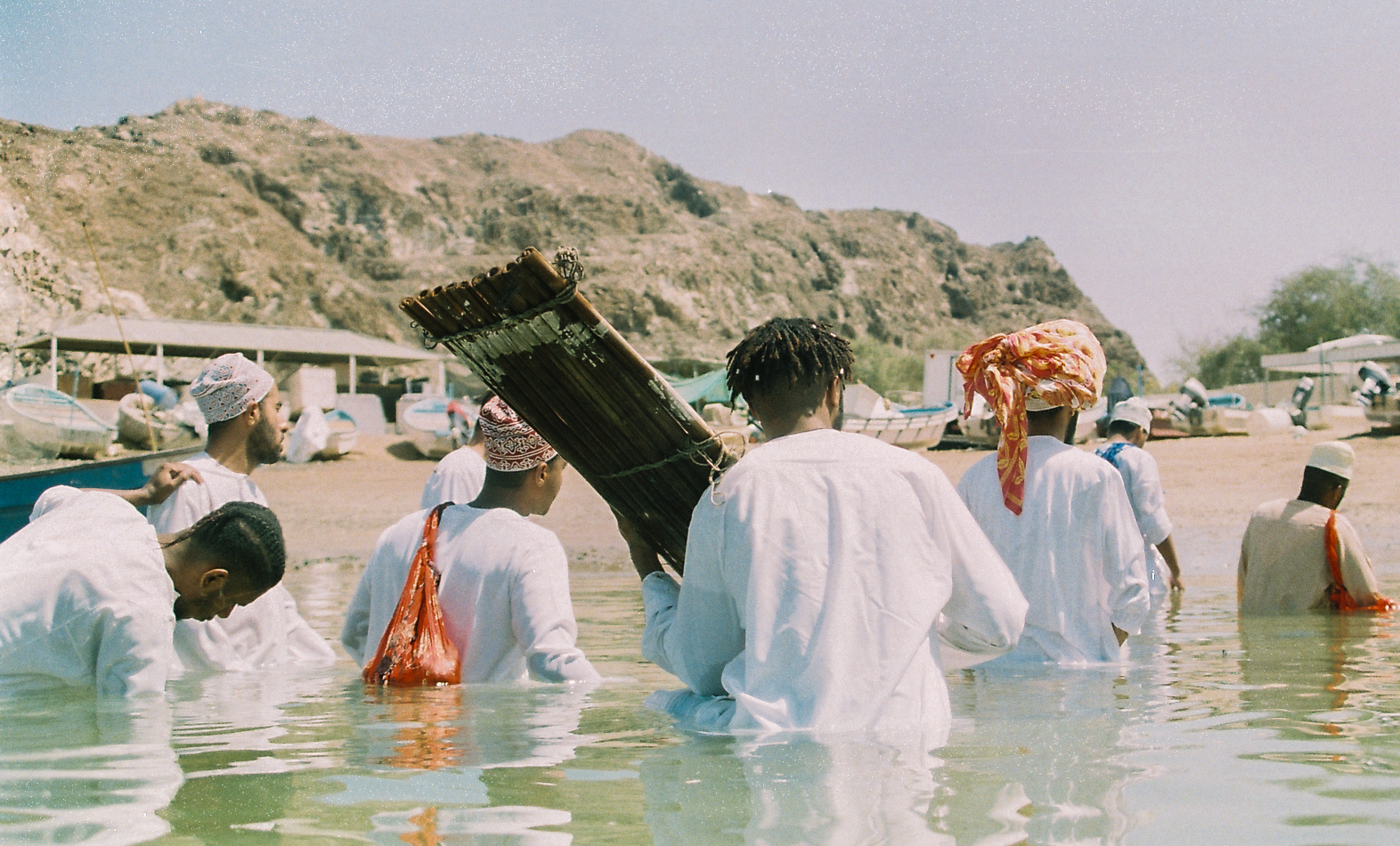
When Abdulrazak Gurnah was awarded the Nobel Prize in Literature in October, he and his novels came under the international spotlight. The award committee praised his “uncompromising and compassionate penetration of the effects of colonialism and the fates of the refugee in the gulf between cultures and continents.” But Gurnah is not the only son of Zanzibar whose art has been shaped by the memories of migration, and his recent recognition is an occasion to highlight and reflect on creative work in different media by individuals of similar backgrounds who have also been shaped by the trauma of forced departure.
A personal vantage point on the gamble of the Abraham Accords: Dubai’s first international backgammon championship
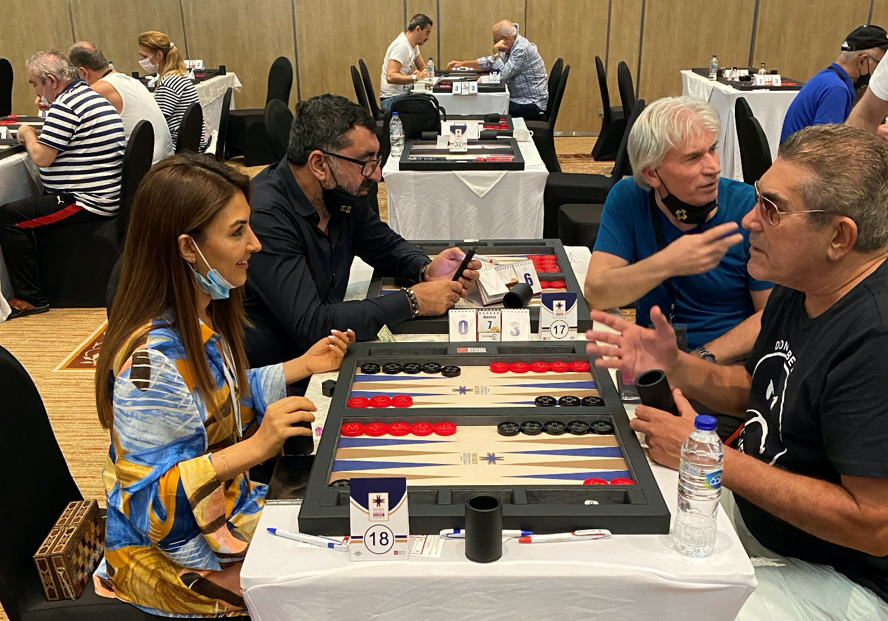
Jason Pack on the 2021 Oasis Backgammon Championship, the first major international backgammon tournament to be hosted in the Arab World in recent memory, and how it reflects broader changes in the Middle East.
Alex Vatanka and Michael Metrinko discuss the Iranian hostage crisis, how it has shaped US-Iran relations, and what that history tells us about the present and potential future of the Islamic Republic. Metrinko also recounts his experience as a political officer at the embassy in Iran in 1979 and being one of the 52 hostages.
Simmering frustration and a demand for change: Public service protests in the Kurdistan Region
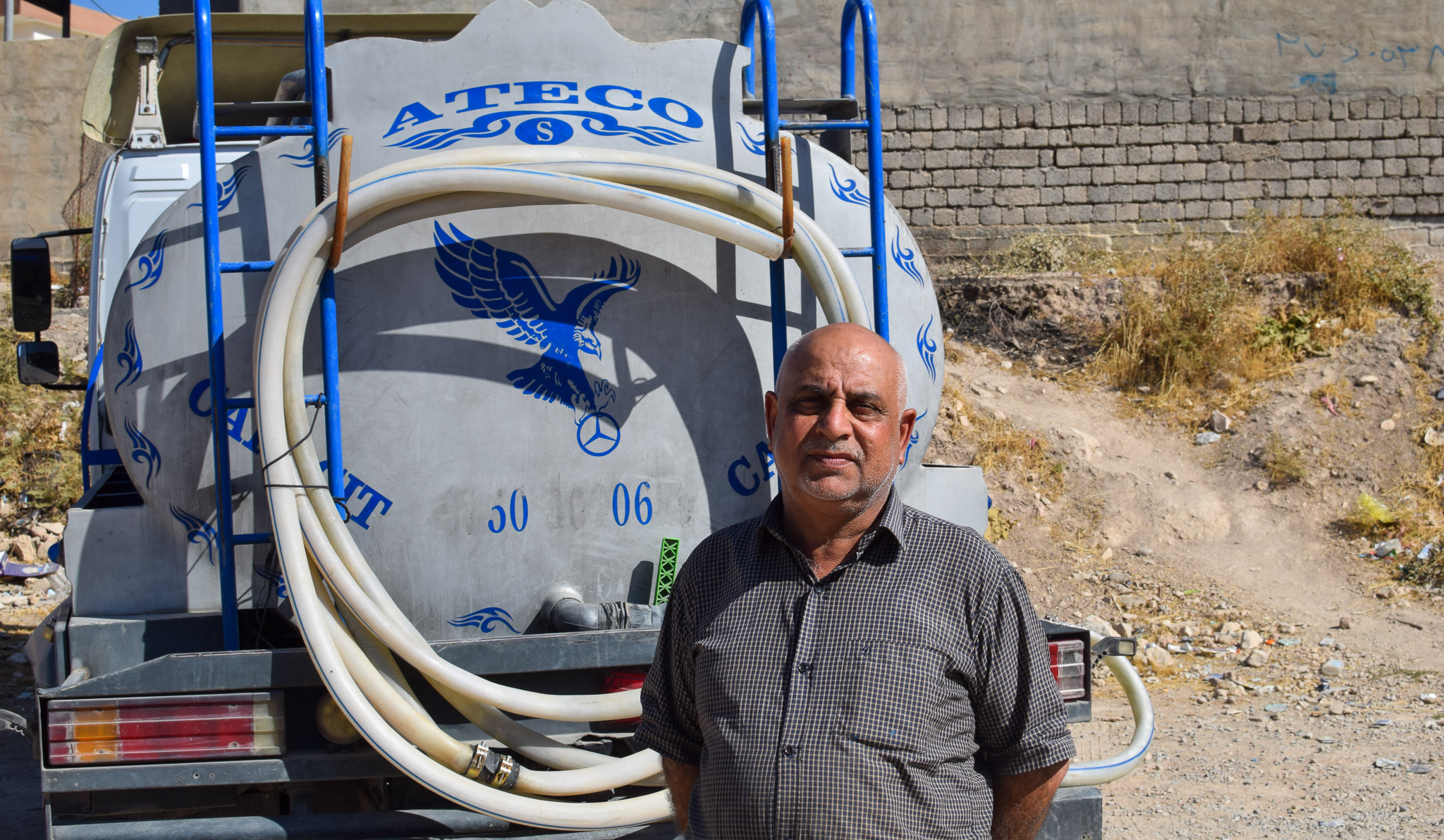
Despite its reputation for relative political stability and economic prosperity compared with its neighbors, the Kurdistan Region of Iraq (KRI) frequently experiences protests, driven by popular anger over the government’s unreliable provision of public services, especially water, electricity, and roads. These protests point to simmering dissatisfaction with governance in the KRI across broad swathes of the population. Although uncoordinated and localized at present, these protests have the potential to develop into a potent political force if they become better organized.
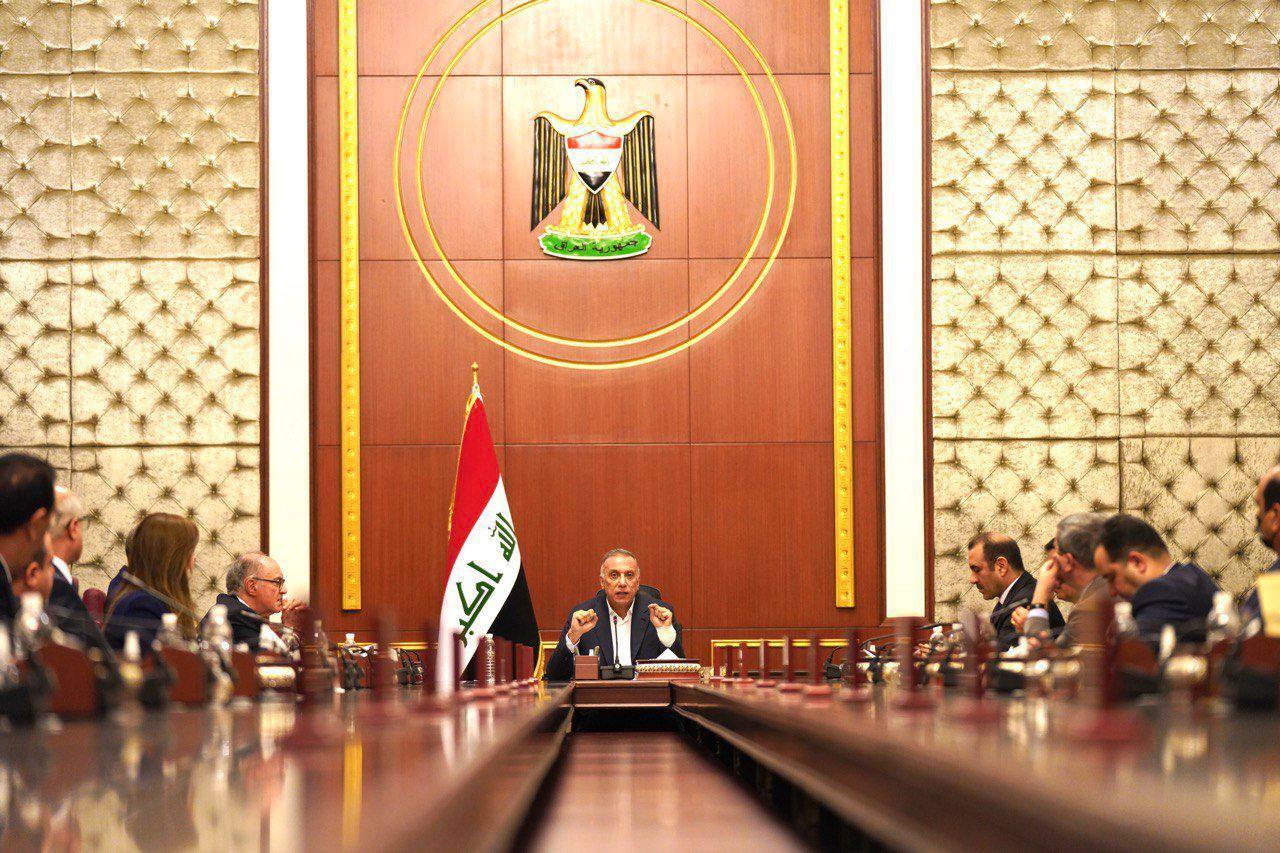
محاولة اغتيال رئيس الوزراء العراقي تتجاوز خطًا أحمر رئيسيًا
في بلد أخذ نصيبه العادل من العنف، نرى أن ما وقع في السابع من نوفمبر/تشرين الثاني، من محاولة لاغتيال لرئيس الوزراء مصطفى الكاظمي، والتي يعتقد المسؤولون الأمنيون العراقيون الآن أنها من صنع الميليشيات العراقية المدعومة من إيران، قد تجاوزت خطًا أحمر رئيسيًا. جاء هذا الهجوم بعد يومين من توجيه قادة مليشيات عصائب أهل الحق وكتائب حزب الله وقنواتهم الإعلامية المختلفة تهديدات ضد رئيس الوزراء ومسؤولين أمنيين آخرين.
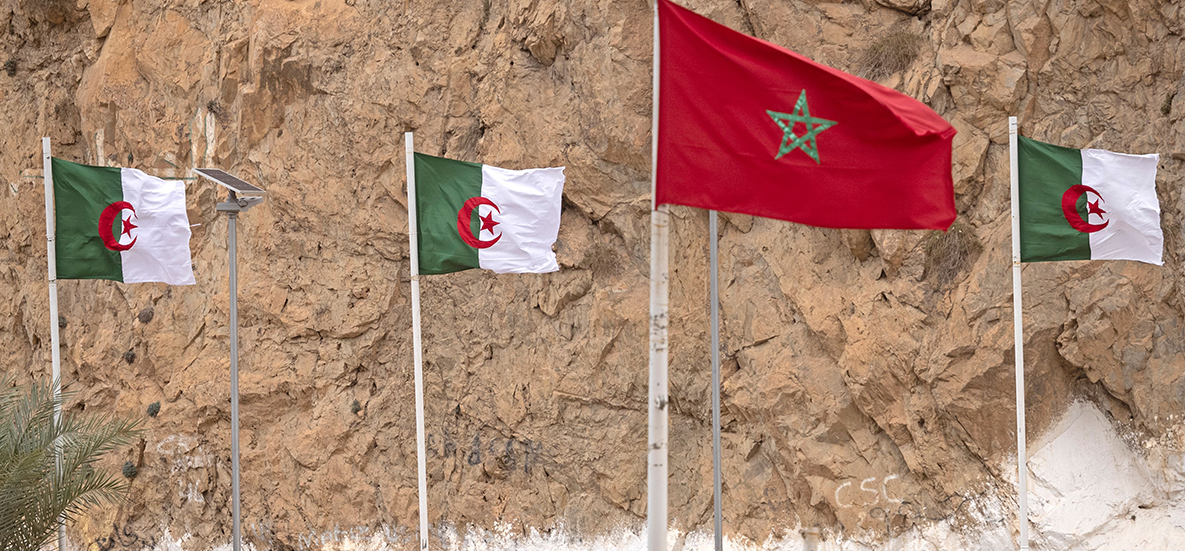
Algeria-Morocco tensions: The onset of a regional cold war
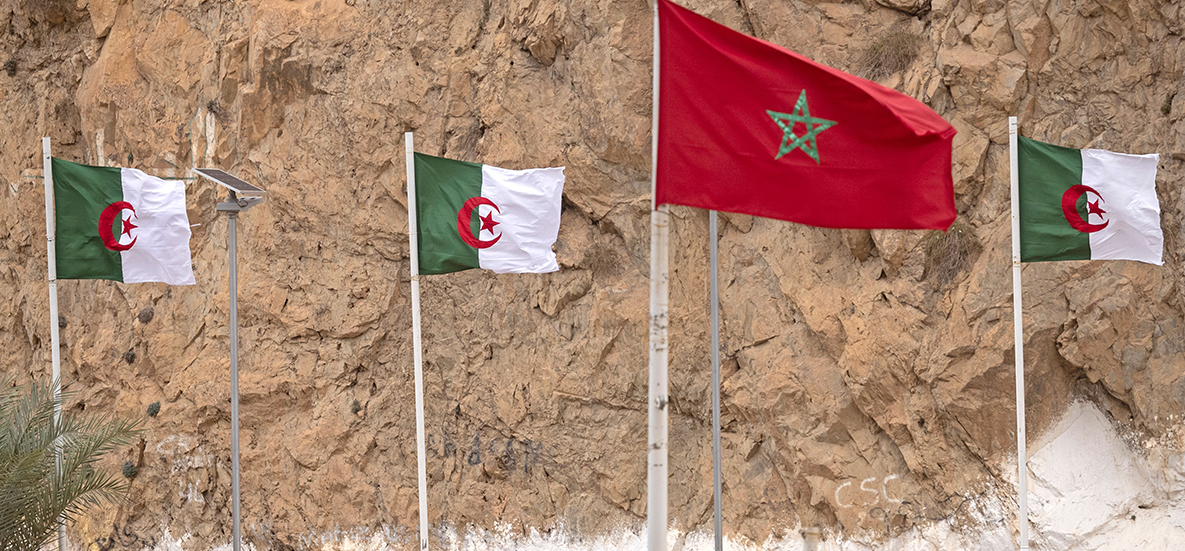
On Nov. 1, three Algerian citizens were killed in the disputed territory of Western Sahara. The Algerian presidency issued a statement accusing Morocco of carrying out an attack with a “sophisticated weapon” on two Algerian transport convoys. This was only the latest episode in a process of escalation between the two countries. The Algerian authorities had previously cut their diplomatic relations with Morocco on Oct. 24 due to rising tensions. Even though the relationship between Algiers and Rabat has long been contentious, the death of three Algerian citizens could prove to be a turning point.
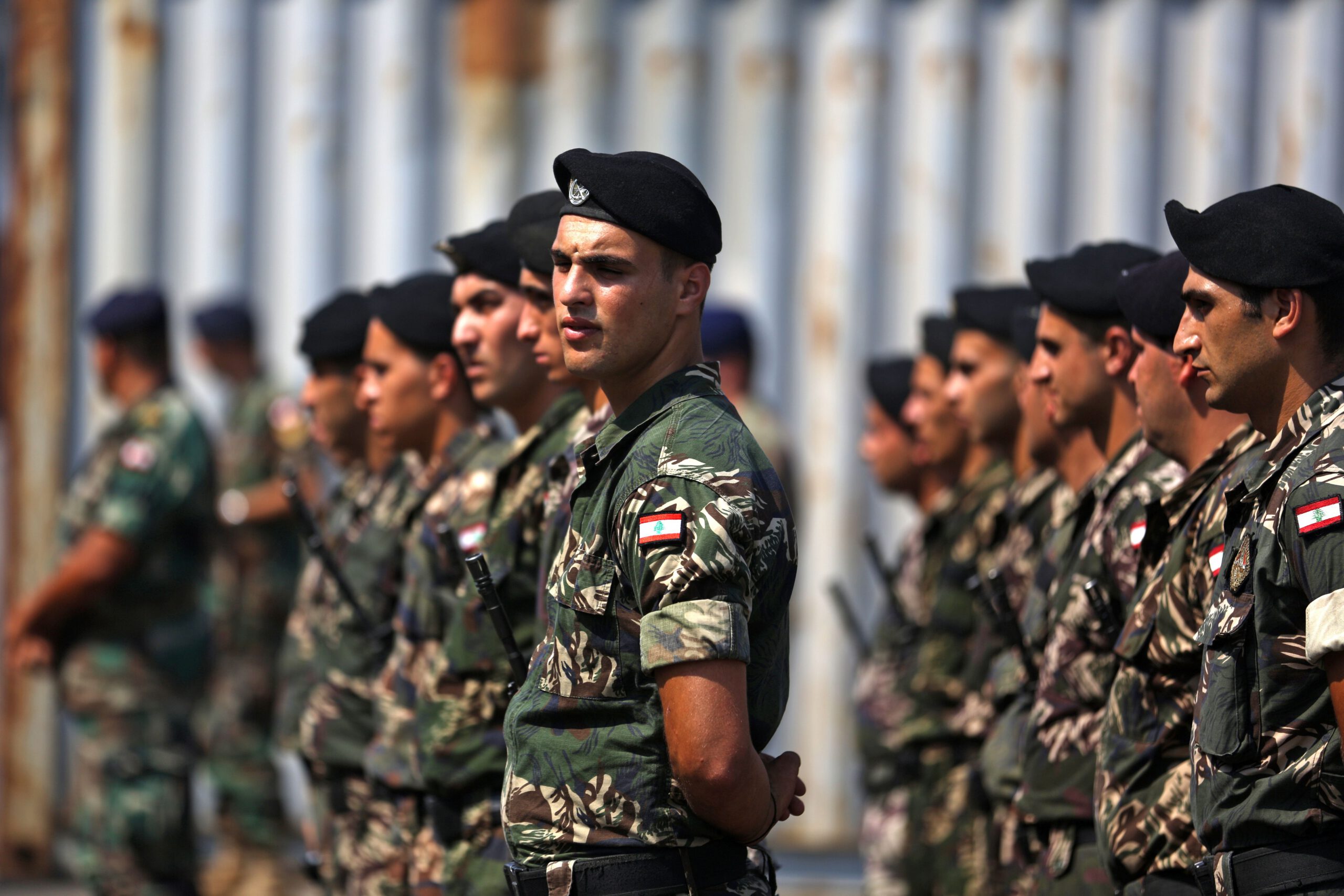
Leading a Resilient Lebanese Armed Forces Through Crises and for the Long Run
Repeated crises in Lebanon, including the COVID-19 pandemic, have highlighted the need for resilience in the Lebanese Armed Forces (LAF). Amid the current acute economic and financial crisis facing the country, there are warning signs about the LAF’s incapacity to continue, as the resources at its disposal and popular confidence in its effectiveness have both been degraded. In light of the current challenges and those that may lie ahead, the LAF needs to become more resilient, able to both adapt and strengthen as an organization, while also ensuring public security, the conditions of its personnel, and its own long-term status.