This individual is a guest contributor. MEI is not able to assist with contact requests.
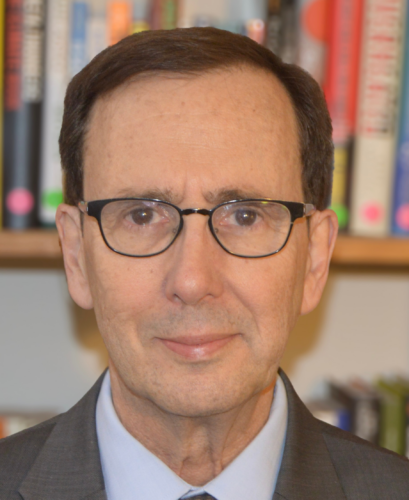
Shahmahmood Miakhel is the Country Director in Afghanistan for the US Institute of Peace (USIP). Prior to that he was a Governance Advisor for the United Nations Assistance Mission in Afghanistan (UNAMA), and, from 2003–2005, a Deputy Minister of the Interior in the Government of Afghanistan. In 1994–1995 he worked for the United Nations Development Programme (UNDP) and United Nations Office for Project Services (UNOPS) in South and Southeast Afghanistan helping to establish District Rehabilitation Shuras (DRS). He also worked as a reporter for the Pashto service of the Voice of America from 1985–1990.
Gen. Joseph Votel on US military challenges in the Middle East
MEI Distinguished Senior Fellow Joseph Votel, a retired four-star general in the Army and former commander of U.S. Central Command, joins host Alistair Taylor to discuss the challenges facing American forces in the Middle East today, from COVID-19 and ISIS to the turbulent situations in Iraq and Afghanistan.
Digital security and the LGBTI+ rights movement in Tunisia
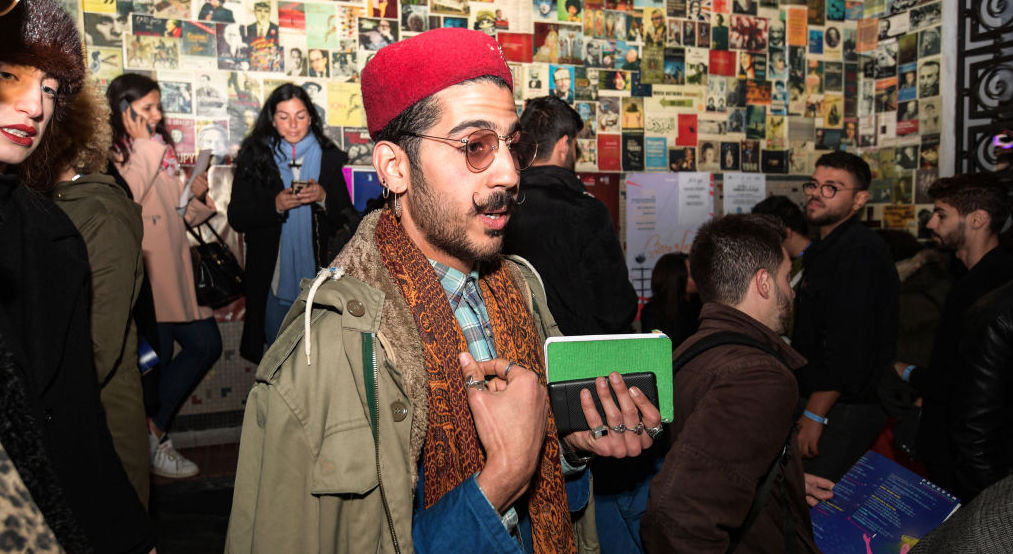
For LGBTI+ individuals in Tunisia, the internet and social media have played a critical role in the development of a community and activist network. Simultaneously, however, these technologies have been used by legal authorities to suppress and harass the queer community.
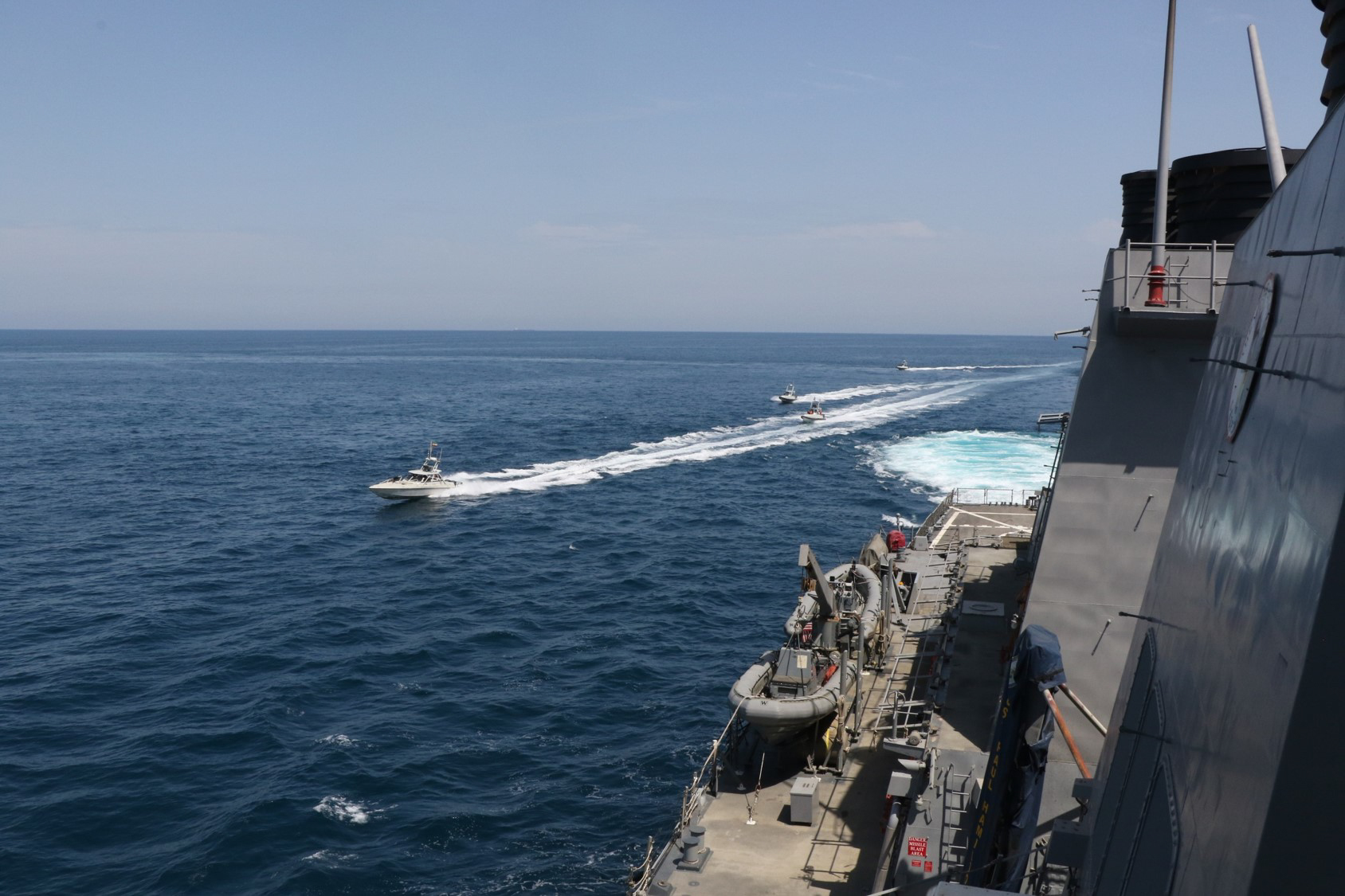
US-Iran tensions in Iraq and the effect on civil society
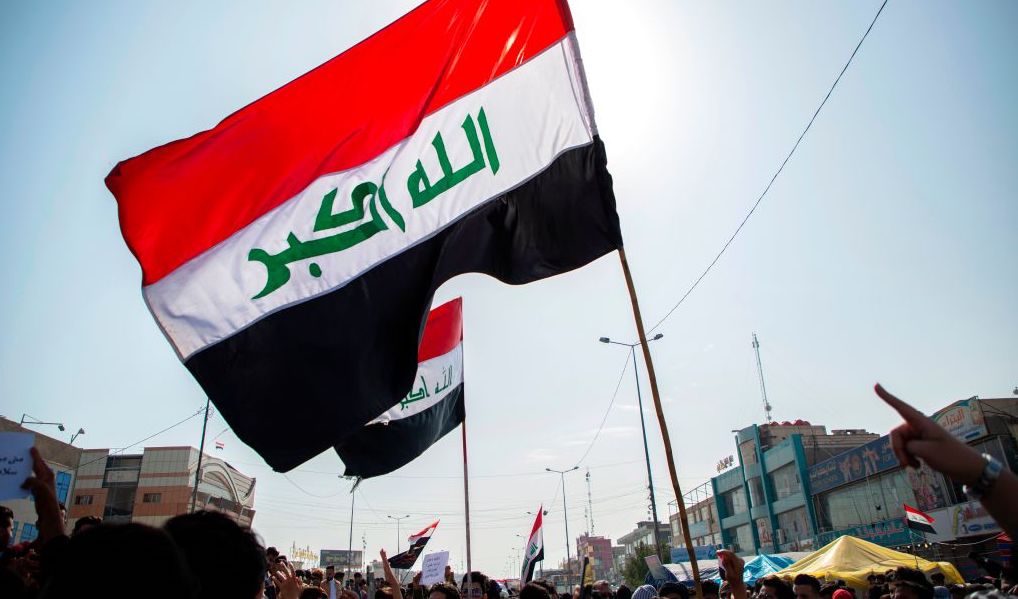
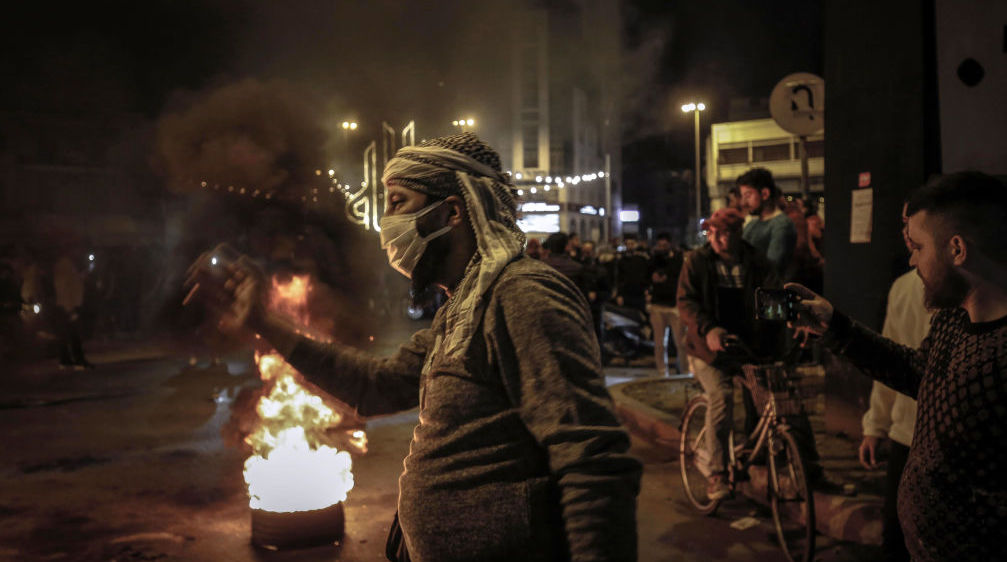
As the protests have raged, the Iraqi government has implemented a new policy in its application of rules and regulations monitoring civil society organizations (CSOs). The militias’ violent response to the protests has been well-documented; however, the more covert attack on civil society threatens civic engagement among the population more broadly.
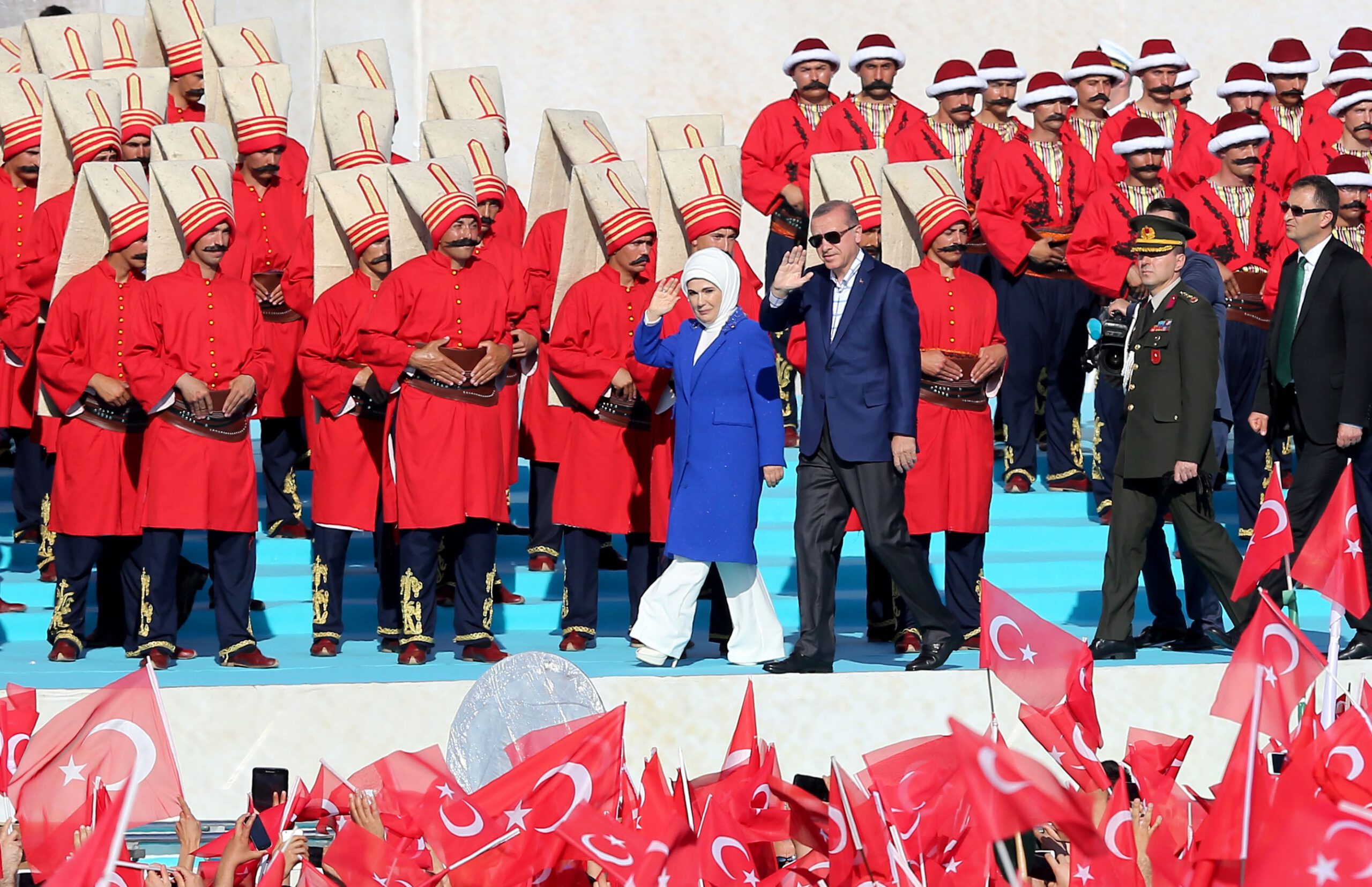
Turkey’s Dangerous New Exports: Pan-Islamist, Neo-Ottoman Visions and Regional Instability
There is certainly no shortage of writings on Turkey today regarding that country’s “drift” away from its Western orientation. Some who espouse this argument frame the consequences in terms of Turkey’s increased ties to China. While Turkey itself has launched an “Asia Anew” policy, the outsized focus on this and other alleged signs of Turkey’s “drift from the West” distracts from the very palpable effects of its adventurism in the Middle East, North Africa, and Eastern Mediterranean. Turkey’s increasingly reckless foreign policy is on full display — from weaponizing refugees to extort the European Union to exporting mercenary Jihadist fighters to Libya. These are hardly the actions of a responsible regional power, much less a key member of the NATO alliance.
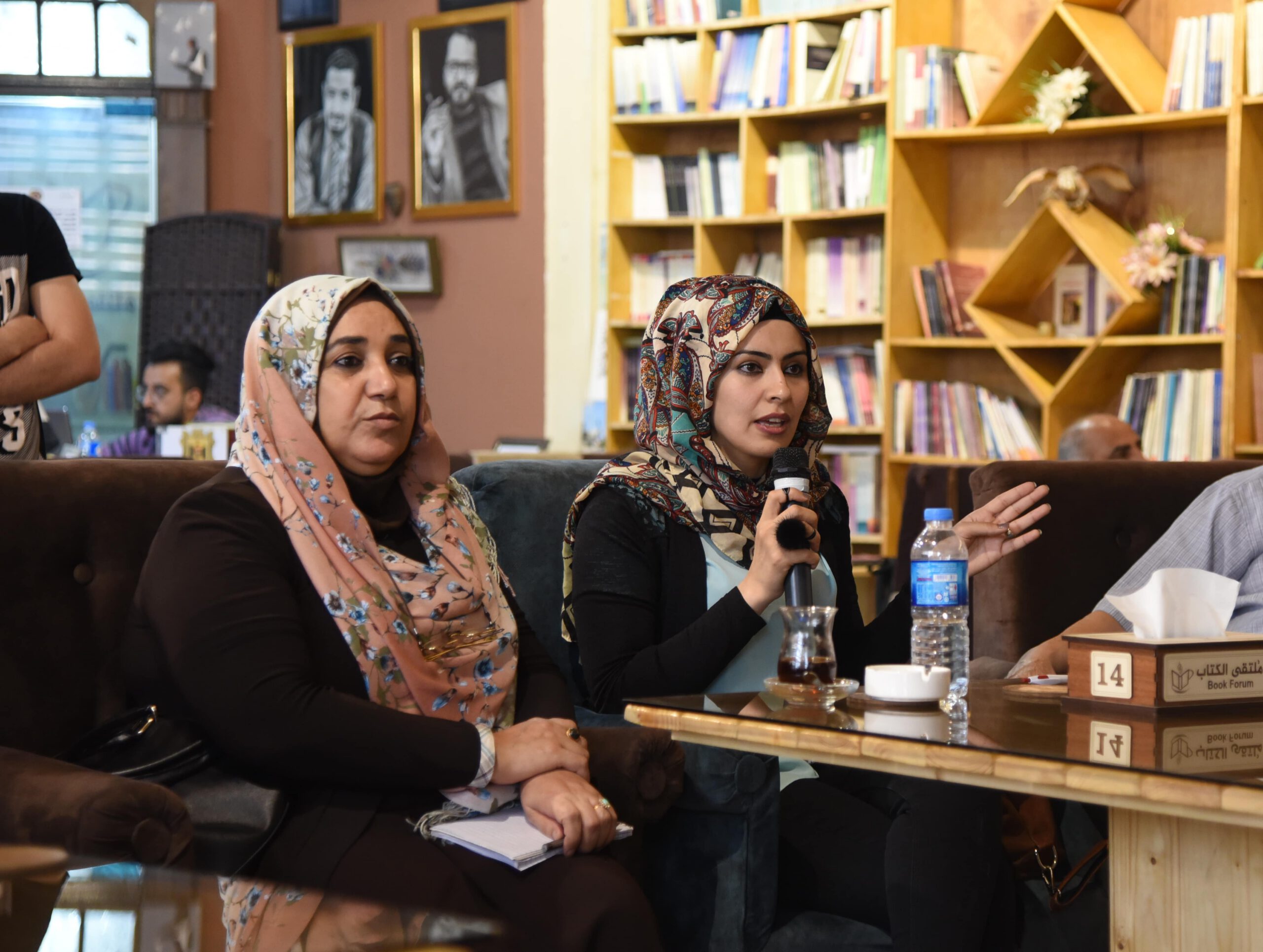
Mosul’s Book Forum: Rebuilding minds one book at a time, even under lockdown
The spiritual cousin to the Shabandar Café — Baghdad’s literary heart that survived being bombed by extremists in 2007 — Mosul’s Book Forum is both an intellectual refuge and a laboratory for discussion and cultural expression.
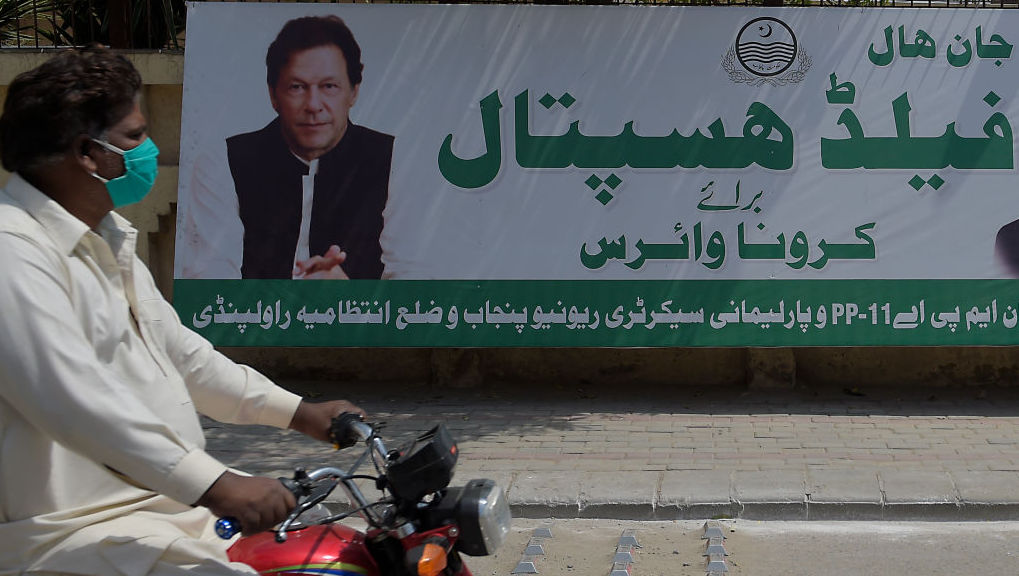
Pakistan’s coronavirus controversies fall along familiar fault lines
Rather than being visibly engaged, the military seems content with having the civilian authorities carry the responsibility for dealing with the crisis.
When the American-backed Syrian Democratic Forces (SDF) captured the village of al-Baghouz in late
March 2019, ISIS’s self-proclaimed “caliphate” came to an end. The largest multinational military
coalition in modern history spent four-and-a-half years methodically rolling back ISIS’s control of an
expanse of territory the size of Britain, stretching across Syria and Iraq.
With the coronavirus sucking almost all of the oxygen out of the world’s news, it’s no wonder that Israel’s ongoing political crisis hasn’t received more coverage. But while the outside world is otherwise occupied, Israel, besides battling corona itself, is serving as a poster child for dysfunctional (yet democratic) government.