This individual is a guest contributor. MEI is not able to assist with contact requests.
Shahmahmood Miakhel is the Country Director in Afghanistan for the US Institute of Peace (USIP). Prior to that he was a Governance Advisor for the United Nations Assistance Mission in Afghanistan (UNAMA), and, from 2003–2005, a Deputy Minister of the Interior in the Government of Afghanistan. In 1994–1995 he worked for the United Nations Development Programme (UNDP) and United Nations Office for Project Services (UNOPS) in South and Southeast Afghanistan helping to establish District Rehabilitation Shuras (DRS). He also worked as a reporter for the Pashto service of the Voice of America from 1985–1990.
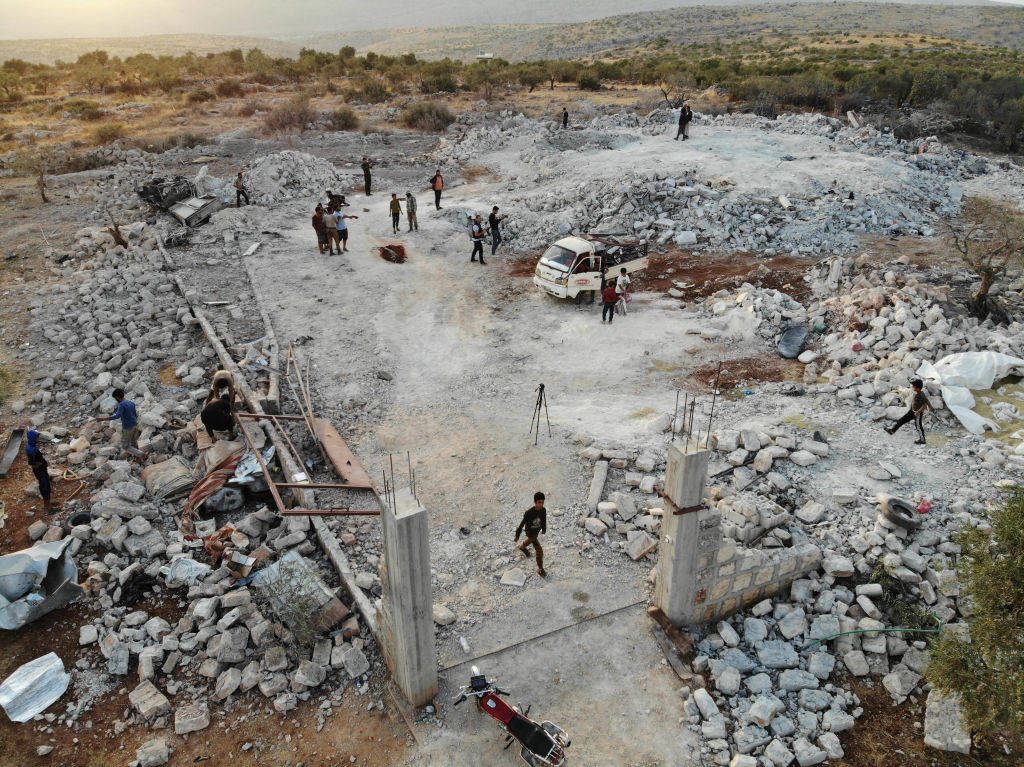
Baghdadi’s death is a major victory, but it won’t spell the end of ISIS
Had America’s posture in Syria not been so uncertain, and if President Trump had not effectively green-lighted a Turkish incursion into the northeast, we would have a much better chance of capitalizing on Baghdadi’s death.
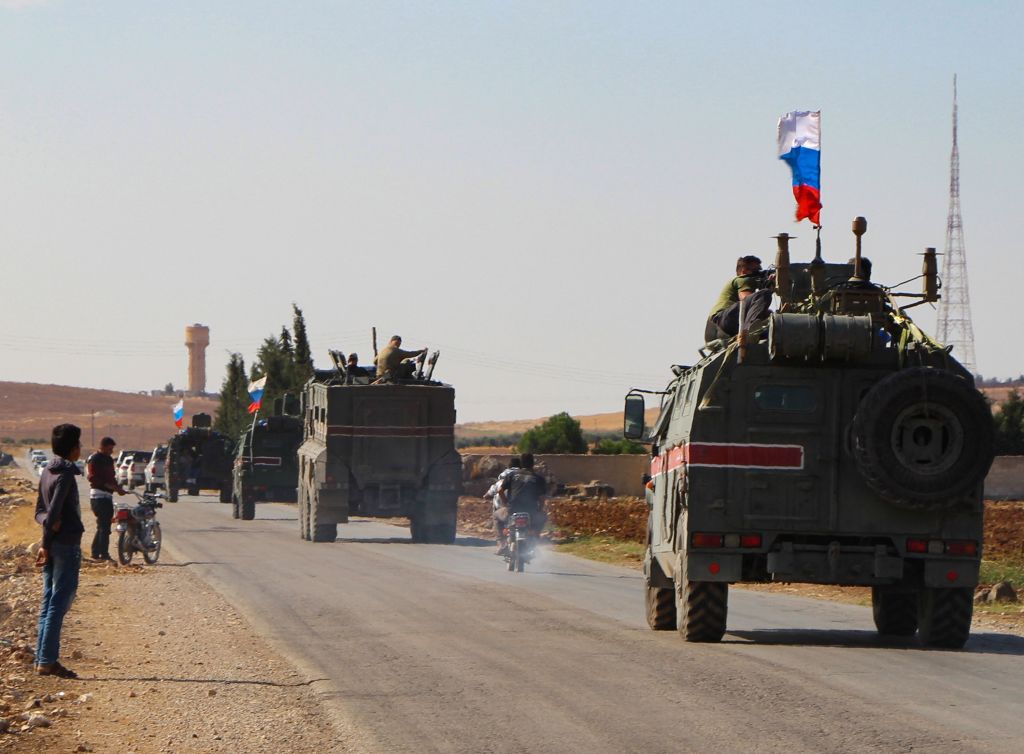
Russian-Turkish border deal on Syria holds, but the Western response is muddled
Russia is clear in its policy toward northeastern Syria: The future of the region will be determined through talks between the representatives of the Kurds, who traditionally live in the area, and Damascus.
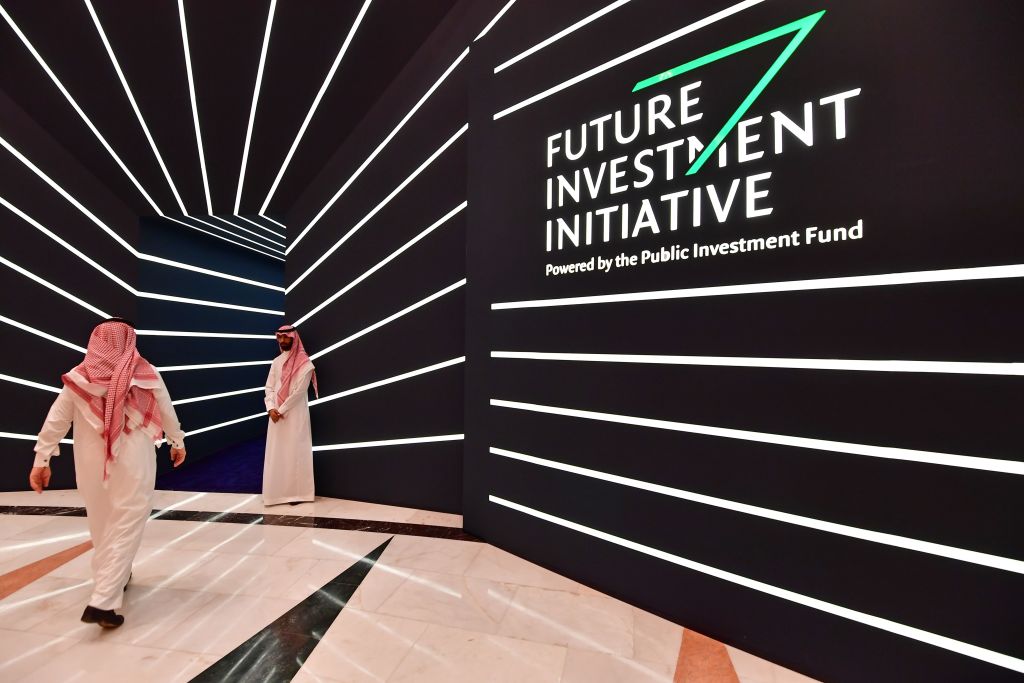
The Future Investment Initiative: A window on the kingdom’s future or a PR stunt?
The FII’s public relations bash is important in that it shows the world that the leadership of the kingdom has an ambitious and real vision to move the country forward.
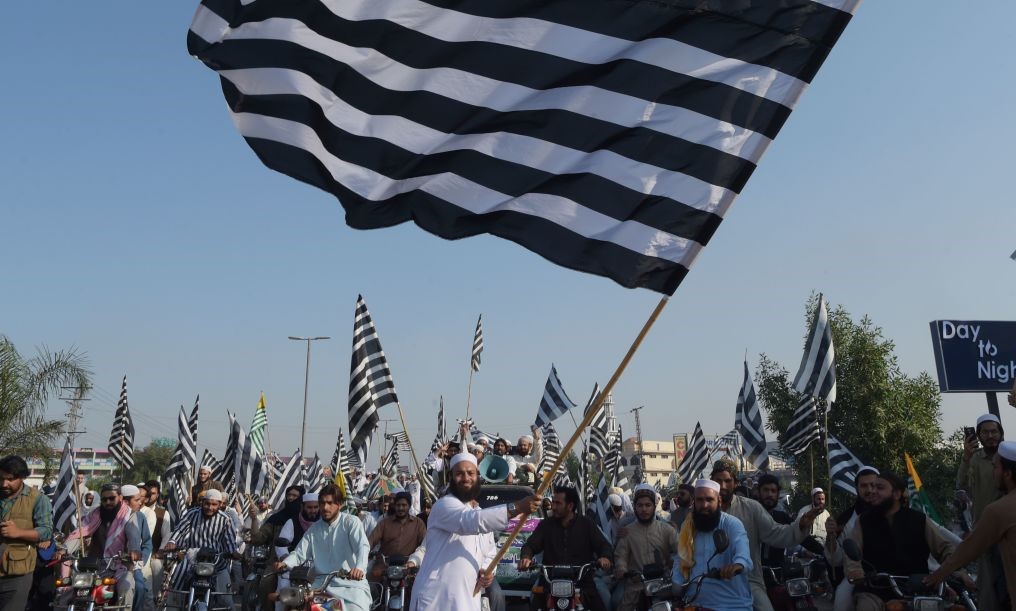
Once again, an elected Pakistani government is being pressed to resign
While there is probably zero chance Prime Minister Khan will step down, efforts will persist in trying to delegitimize those in power because this is what Pakistan’s opposition parties seem best programmed to do.
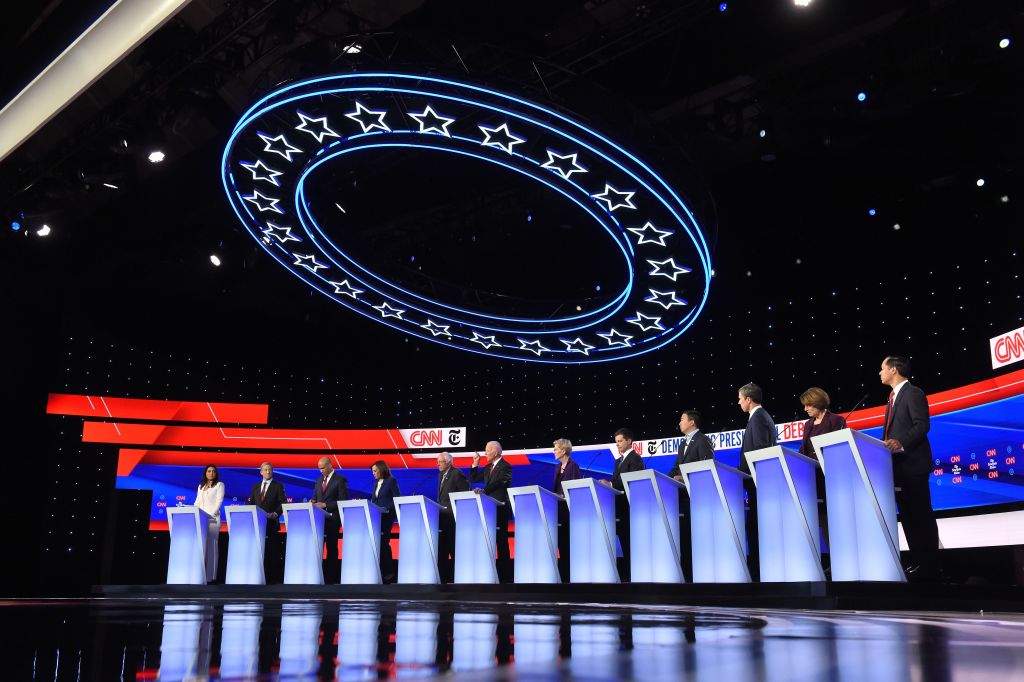
Securing the 2020 election from disinformation is going to get complicated
The increasing involvement of Iran in disinformation and attempted email hacking, in tandem with the revelation of Turla hijacking Iranian hacking infrastructure, risks muddying the waters even further with regard to attributing and countering election interference in 2020.
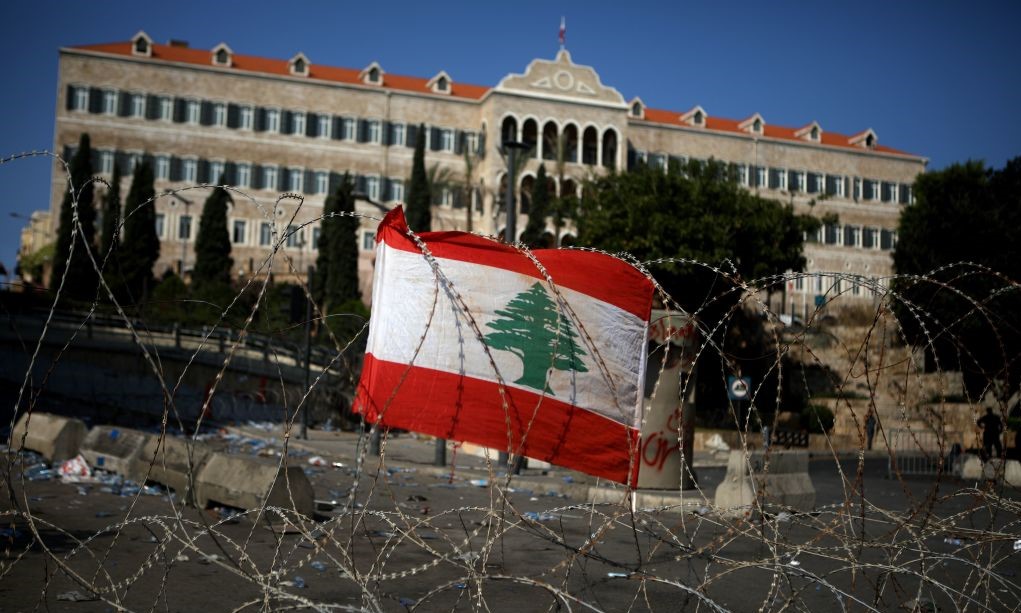
As protestors take to the streets across the country, Lebanon appears to be heading towards an economic meltdown with severe consequences for Lebanese citizens of all walks of life. We are concerned that failure to tackle current problems immediately and comprehensively could result in spiraling unemployment, uncontrollable inflation, more social unrest, civil strife and a severe deterioration in public health services and other basic resources.
Water dispute with Ethiopia is an existential issue for Egypt
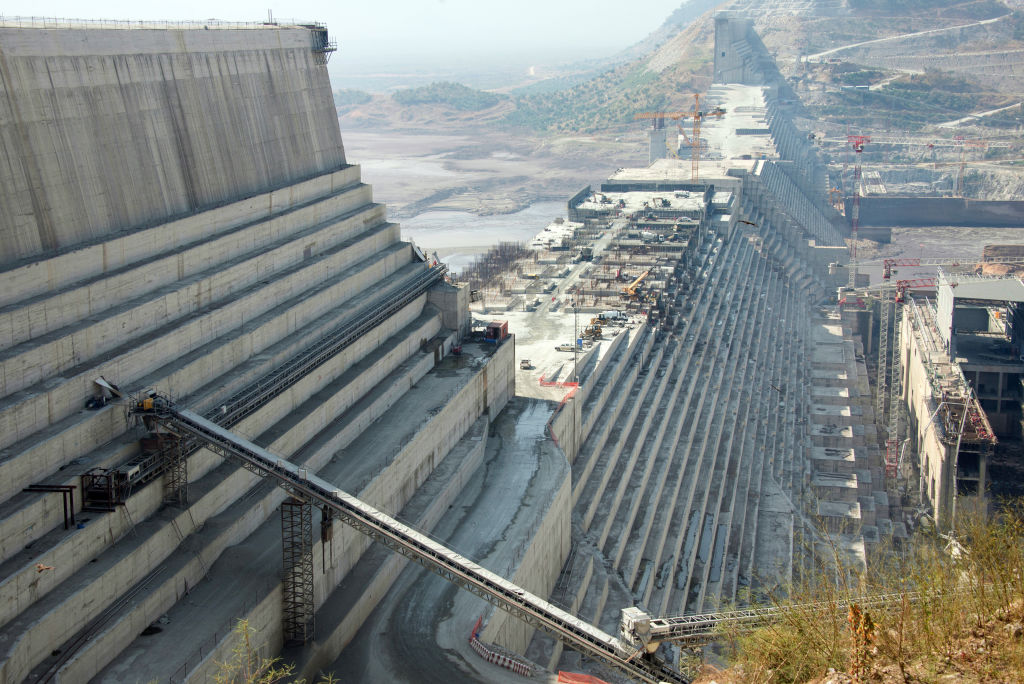
Egypt and Ethiopia remain at odds over the Great Ethiopian Renaissance Dam. Currently almost 70 percent complete, the giant upstream dam, which can hold the entire annual rainfall of the Nile, has the capacity to essentially turn the taps off on Egypt, depriving the country of the river water that supplies a mind-numbing 90 percent of its fresh water.
Borders Beyond Borders: The Many (Many) Kurdish Political Parties of Syria
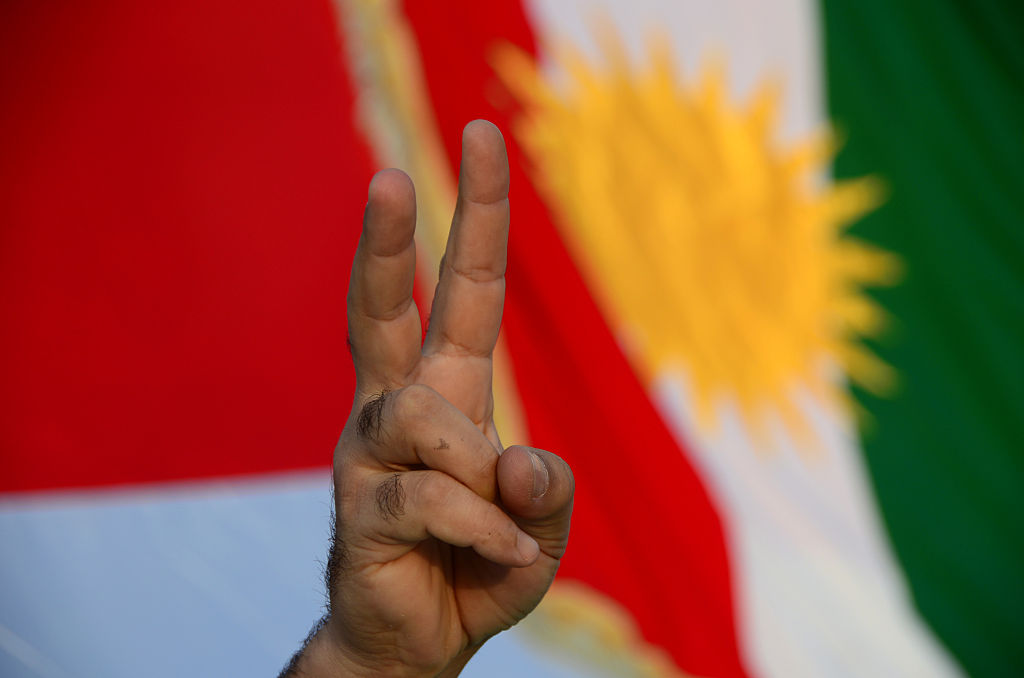
The launch of Turkey’s military incursion into northern Syria on Oct. 9 represents an existential threat for the Autonomous Administration in Northeast Syria (AANES) and Kurdish parties in Syria as a whole, prompting Kurdish political factions, both within Syria and abroad, to reevaluate their survival strategies and alliances. This report explores the various political factions within the Kurdish coalitions in Syria as they functioned under the AANES and the major rifts between them. Even under these dire circumstances Kurdish political factions in Syria have responded to the Turkish invasion independently.
Iran may not like it, but it can live with a Turkey-Russia deal on Syria
While the Iranians would have preferred it if the Turks had not invaded Syria, it does not change their most immediate policy objective, which is the survival of the Assad regime. As long as the Russians keep the Turks away from Assad’s forces, Tehran will, at least in the short term, be able to manage the consequences of Ankara’s actions.
Resolving the Lebanese-Israeli border dispute: What’s in it for Washington?
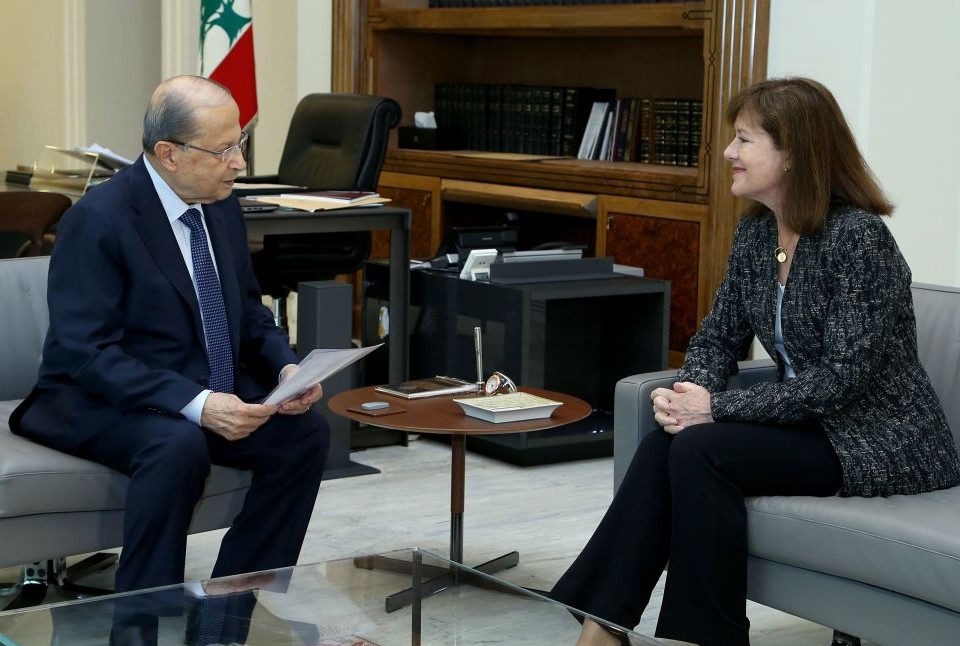
On Sept. 25, Lebanese President Michel Aoun told the UN General Assembly that Lebanon is prepared to welcome any country’s help in demarcating its land and maritime borders. He was referring to Lebanon’s decades-old border dispute with Israel, the resolution of which has become increasingly important as the country inches closer toward its first oil and gas drilling operations later this year.
MEI experts Paul Salem, Randa Slim, and Bilal Saab join host Alistair Taylor to discuss the massive uprising that has swept across Lebanon since last weekend, including what’s driving the protests, how the government has responded so far, and where things may go from here.
The US eyes the exit as Afghan election results are once again delayed
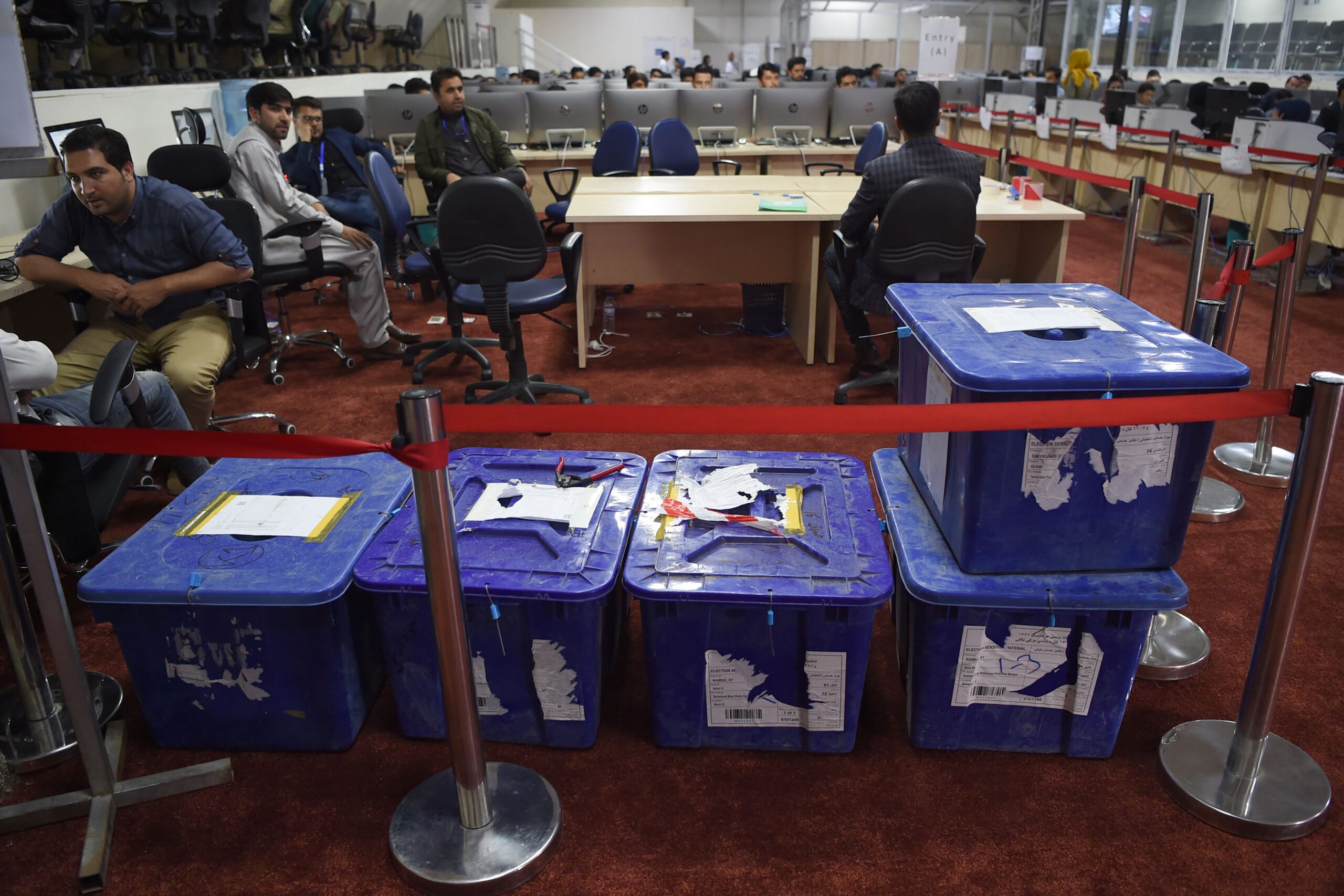
In a move that surprised no one, on Oct. 19 the Afghan election commission said it was unable to announce the preliminary results of the Sept. 28 presidential election as planned, due to delays in processing biometric data. Held amid political uncertainty, terrorist violence, and general skepticism, the September election was the fourth presidential contest in Afghanistan since 2001, when the brutal Taliban regime was toppled in the wake of the Sept. 11 terror attacks on the United States.
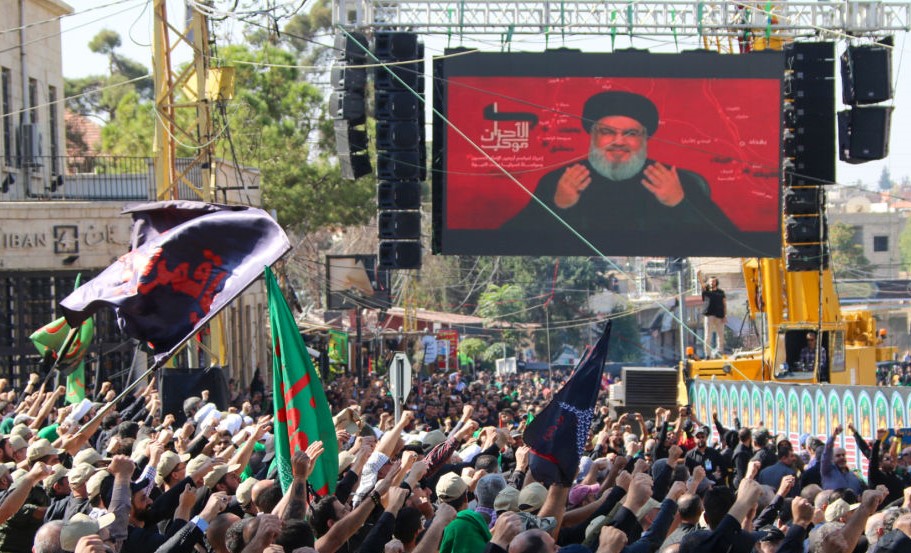
Lebanon’s current uprising, larger than the Cedar Revolution and rooted in long-held socio-economic grievances, has united protestors across the country in calls for fundamental political change. And this time, Shiites have joined the struggle. This is not a good outcome for Hezbollah — nothing threatens it more than discord within the Shi’a community — and it now finds itself in uncharted territory.