This individual is a guest contributor. MEI is not able to assist with contact requests.
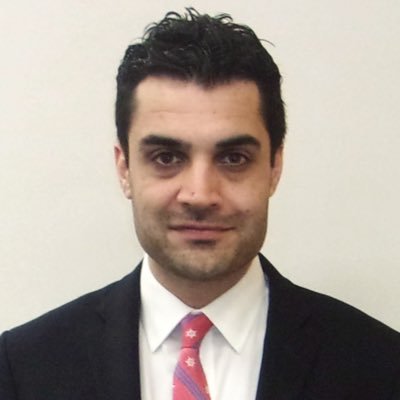
Shahmahmood Miakhel is the Country Director in Afghanistan for the US Institute of Peace (USIP). Prior to that he was a Governance Advisor for the United Nations Assistance Mission in Afghanistan (UNAMA), and, from 2003–2005, a Deputy Minister of the Interior in the Government of Afghanistan. In 1994–1995 he worked for the United Nations Development Programme (UNDP) and United Nations Office for Project Services (UNOPS) in South and Southeast Afghanistan helping to establish District Rehabilitation Shuras (DRS). He also worked as a reporter for the Pashto service of the Voice of America from 1985–1990.
Iran defies EU demands about its missile program, destabilizing role in region
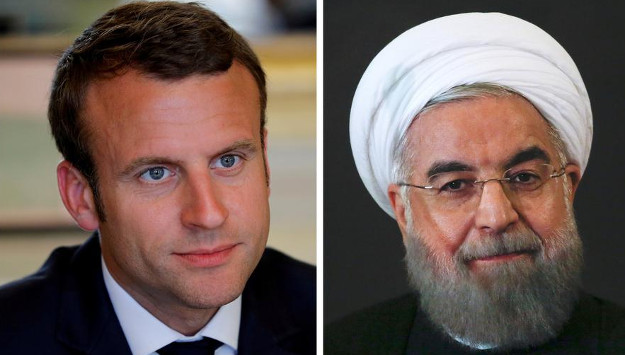
The Iranian Foreign Ministry has rejected European power’s demand that Tehran limit its missile activities and moderate its regional behavior. Bahram Qassemi, the ministry’s spokesman, lashed out at French President Emmanuel Macron’s latest demand that Iran’s ballistic missile program be placed under international surveillance.
IRGC outlet: Signs of direct confrontation between Syrian, Turkish militaries
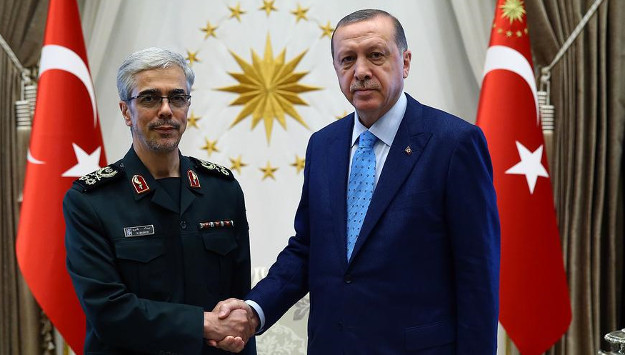
The Syrian government and Kurdish rebel forces in northern Syria are working on an agreement on the deployment of Syrian Army troops to Afrin to counter the Turkish offensive in the region, Tasnim News Agency, which is affiliated with the
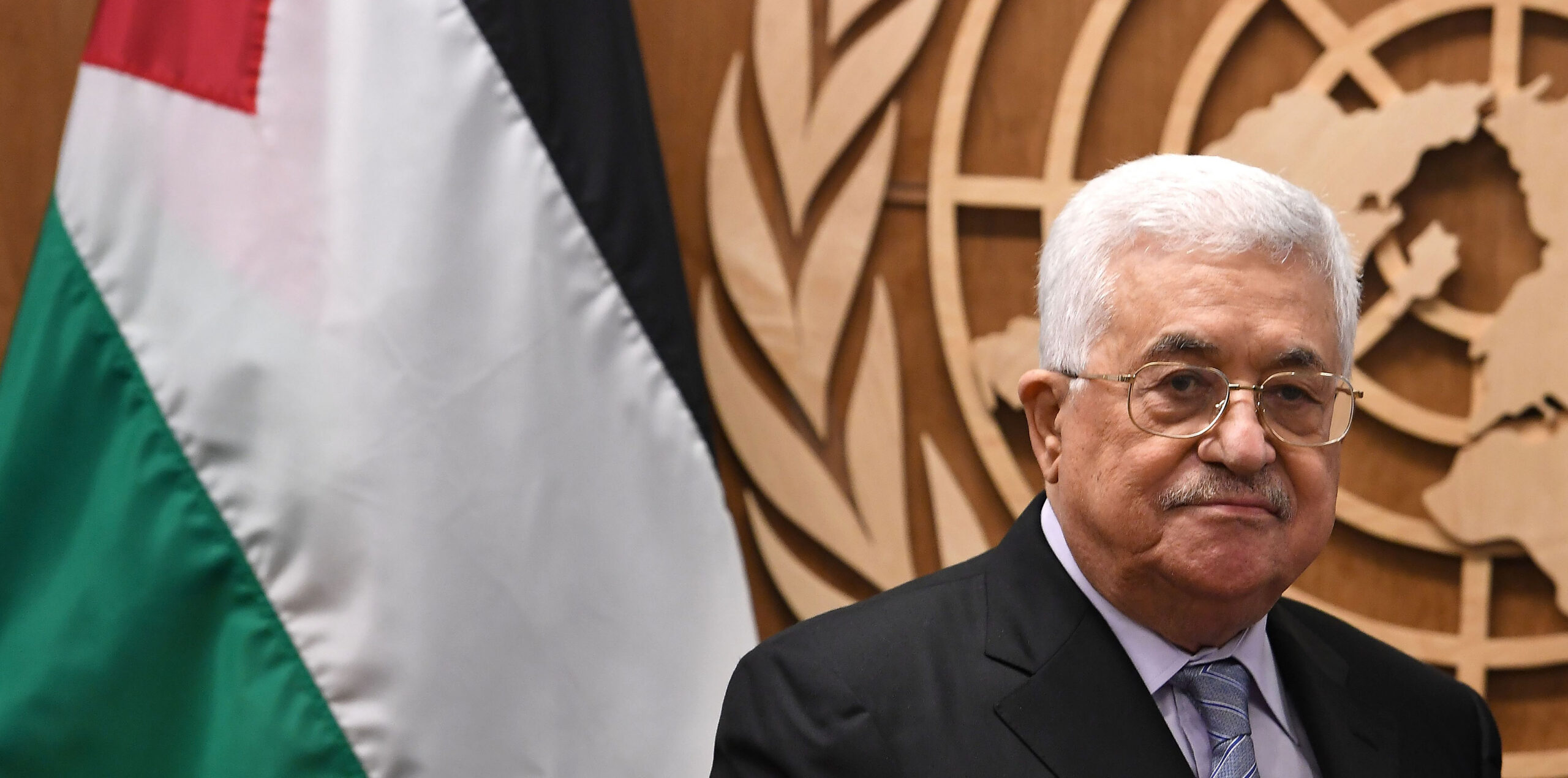
“Abbas needs a crisis,” a veteran Palestinian analyst told me, circa 2012. Sitting in his East Jerusalem office, surrounded by photos chronicling Palestinian history in sepia, the respected academic was commenting on the inertia that has long characterized the policy decisions of Palestinian President Mahmoud Abbas.
Another Iran-backed Iraqi militia leader visits Lebanon, threatens Israel
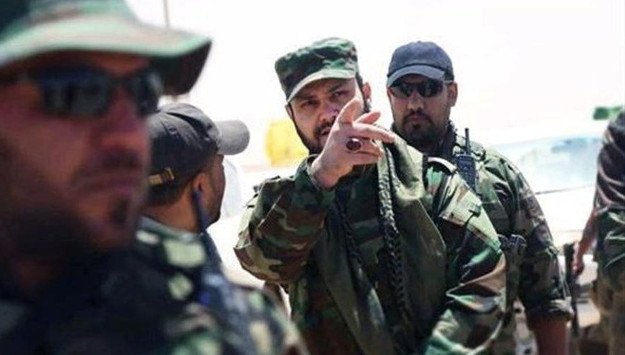
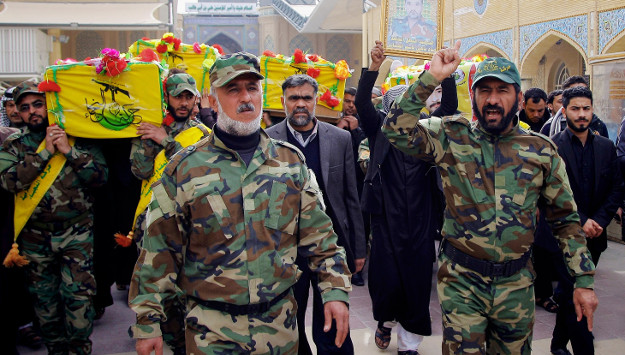
The leader of an Iraqi militia group with close ties to Iran traveled to Lebanon this week to voice solidarity with Hezbollah and pledged to stand with the “axis of resistance” in any future wars with Israel. Akram al-Kaabi, the head of Harakat al-Nujaba, made the remarks to reporters in southern Beirut after visiting the tomb of late Hezbollah commander Imad Mughniyeh, who was allegedly killed by Israel. “We, at the axis of resistance, will mobilize forces against Israel at any place.
Negotiating Protection in the Syrian Refugee Response
This essay examines the humanitarian negotiation of protection in the Syrian refugee response. Focusing on the case of Lebanon, the essay presents three examples of how the United Nations High Commissioner for Refugees (UNHCR) has negotiated refugee protection: by avoiding the refugee label, by establishing the contested notion of “protection space,” and by suspending refugee registration at the request of the Lebanese government.
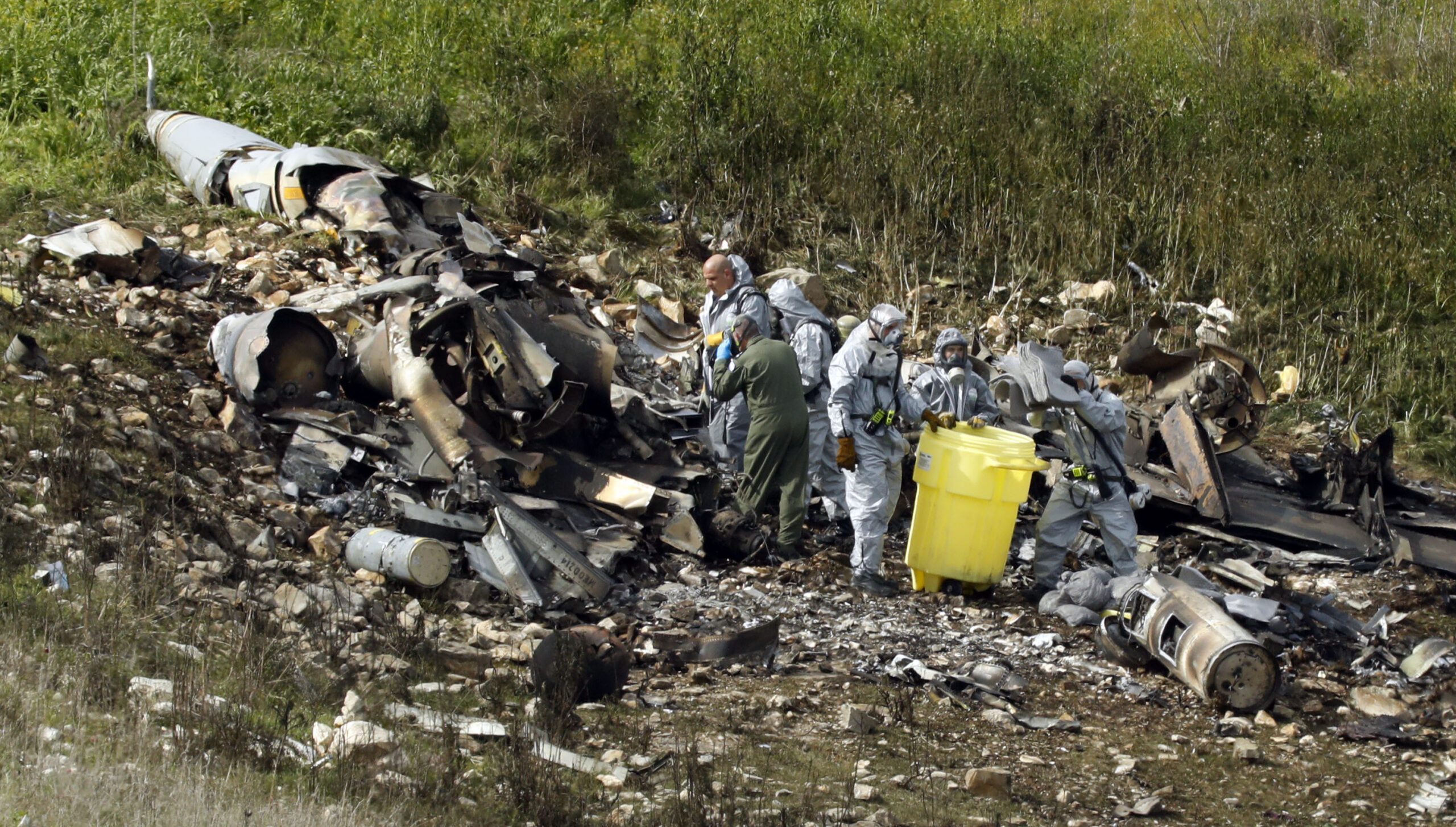
The latest evidence of the evolving nature of the war in Syria was on display Saturday, Feb. 10, when Israel mounted what a senior Israeli officer called “the biggest and most significant attack the air force has conducted against Syrian air defenses” since the 1982 Lebanon war. The unprecedented encounter was precipitated by the intrusion of an Iranian drone into Israeli airspace and led to the downing of a top-of-the-line Israeli F-16 by Syrian air defenses.
Iran-linked militias will play role in Syrian-Iraqi border security
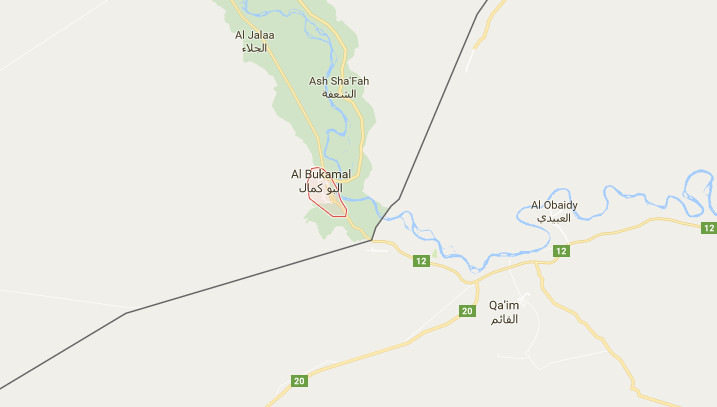
Iraqi Interior Minister Qasim al-Araji announced yesterday that the country is planning on opening the al-Qaim-Abu Kamal border crossing between Iraq and Syria, Iranian and Iraqi media reported. Al-Araji, who is a senior member of Iran-backed Badr Organization, added that his ministry has obtained permission from Prime Minister Haider al-Abadi and Chief of Staff of the Iraqi military, General Othman Al-Ghanimi, to reopen the strategic border crossing.
Iran-backed Iraqi militia group threatens Israel after cross-border clashes in Syria
Harakat al-Nujaba, an Iranian-backed Iraqi militia group fighting in Iraq and Syria, announced that it stands with Syria against the Israeli “aggression and cowardly massacre” in the Arab country. Hashem al-Mousawi, the group’s spokesman, said Israel is unable to attack Syria and the “axis of resistance” – a term used for the alliance of Iran and its regional proxies.
Monday Briefing: The Syrian-Iranian downing of an Israeli fighter jet
In this week’s Monday Briefing, MEI experts Charles Lister, Bilal Y. Saab, Eran Etzion, Gonul Tol, Paul Salem, and Randa Slim provide analysis on recent and upcoming events including the Syrian-Iranian downing of an Israeli fighter jet, the critical crossroads of U.S. and Turkey relations, Rex Tillerson’s upcoming visit to Lebanon, and Iraqi reconstruction plans.
Khamenei aide rules out renegotiating nuclear deal with US and EU
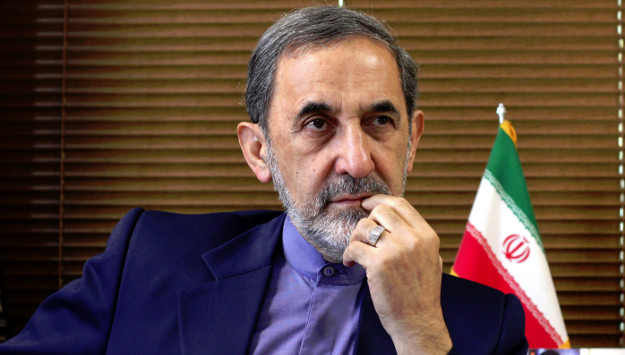
A senior aide to Supreme Leader Ali Khamenei has rejected the prospect of renegotiating the Joint Comprehensive Plan of Action (JCPOA), the nuclear deal Iran signed with world powers in July 2015. “We have honored our commitments, and the JCPOA is not open to renegotiation and review under any circumstances,” Ali Akbar Velayati, a former foreign minister who now holds several senior positions, told reporters.
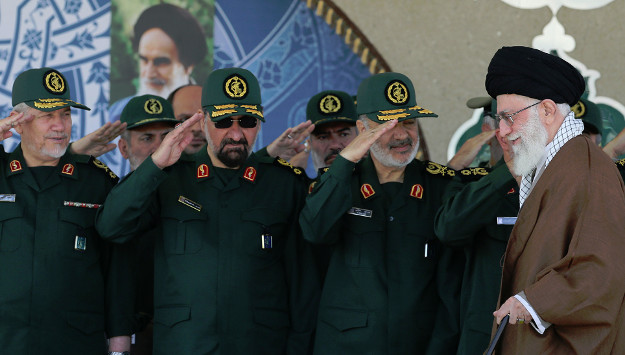
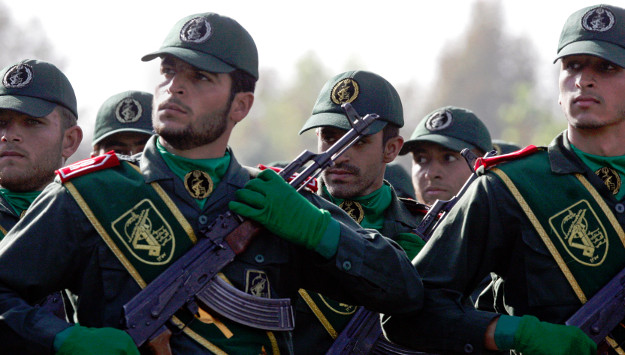
The Islamic Revolution Guards Corps (IRGC) said today that Iran is the most powerful country in the Middle East and will defy international pressure on defense capabilities, particularly its missile program. “The repeated defeats of America, the Zionist regime [Israel] and the European and regional allies of Washington and Tel Aviv in proxy wars and Takfiri terrorism – which have turned out to be contrary to their expectations – are a reminder of the undeniable fact that the Islamic Republic of Iran, as the undisputable No.