This individual is a guest contributor. MEI is not able to assist with contact requests.
Shahmahmood Miakhel is the Country Director in Afghanistan for the US Institute of Peace (USIP). Prior to that he was a Governance Advisor for the United Nations Assistance Mission in Afghanistan (UNAMA), and, from 2003–2005, a Deputy Minister of the Interior in the Government of Afghanistan. In 1994–1995 he worked for the United Nations Development Programme (UNDP) and United Nations Office for Project Services (UNOPS) in South and Southeast Afghanistan helping to establish District Rehabilitation Shuras (DRS). He also worked as a reporter for the Pashto service of the Voice of America from 1985–1990.
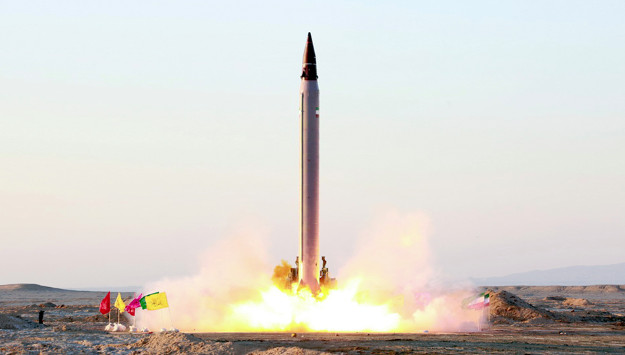
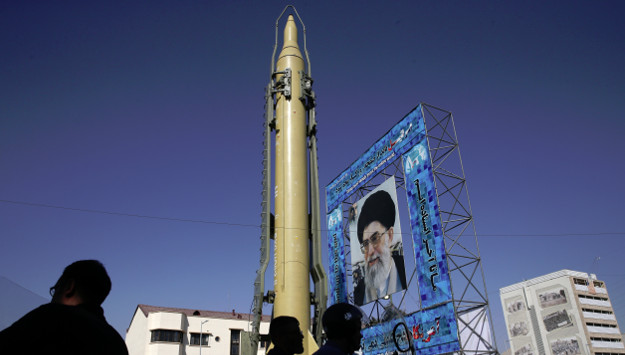
Iran rejects missile talks in defiance of Western pressure
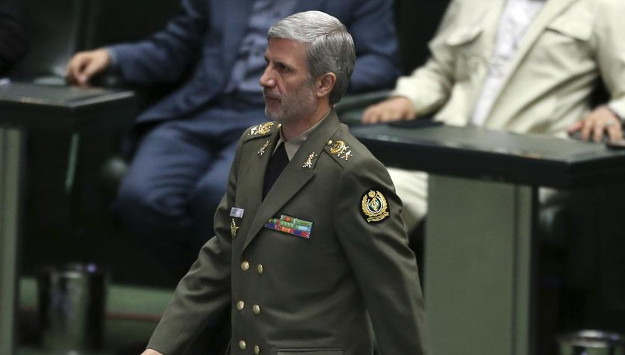
Iran’s defense minister today denied a report that Tehran has accepted Western demands to hold negotiations on the country’s controversial missile program, according to Tasnim News Agency.
Iran’s soft power: Islamic Azad University opening branches in major Syrian and Iraqi cities
While Iran’s military involvement in regional conflicts and support for militant groups often make headlines, Tehran’s sophisticated soft power strategies aimed at promoting the Islamic Republic’s ideological and political goals in the region are largely overlooked. The establishment of Islamic Azad Universities in major Syrian and Iraqi cities and the expansion of its main branch in Lebanon is one example of how Tehran uses soft power tools to expand its sphere of influence across the region.
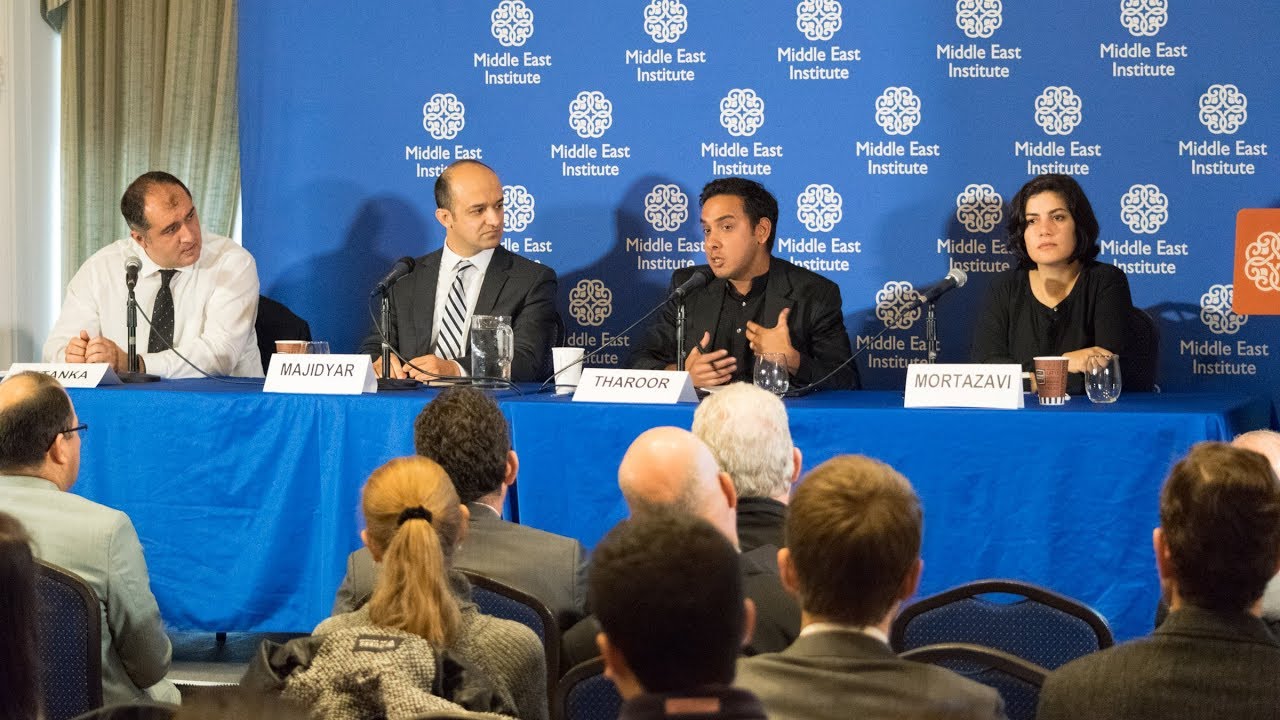
January 12, 2018 – The protests shaking provincial cities and towns in Iran since December 28, 2017 are a new and different phenomenon for the Islamic Republic. Young, politically voiceless people of modest means are apparently frustrated over the economic prospects and inequities they perceive. The Middle East Institute (MEI) and Radio Free Europe/Radio Liberty (RFE/RL) were pleased to provide an inside view of the demonstrations and how they contrast with the “Green Movement” of 2009 or an Iranian “spring” of the like that spread through the Arab world in 2011.
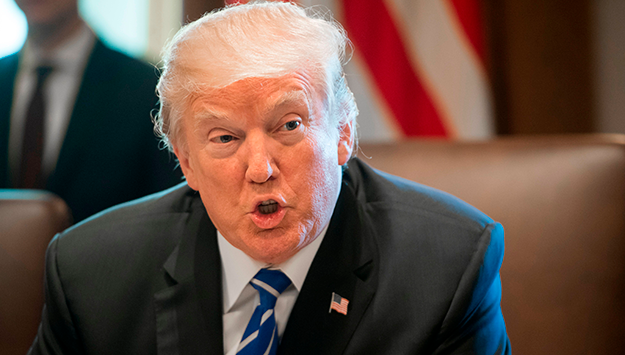
Trump will no longer waive U.S. nuclear sanctions on Iran | Weekly Briefing
In this week’s Monday Briefing, MEI experts Alex Vatanka, Charles Lister, Marvin G. Weinbaum, and Eran Etzion provide analysis on recent and upcoming events including President Trump’s statement that he will no longer waive U.S. nuclear sanctions on Iran, new developments in northern Syria, Pakistan’s response to the withdrawal of U.S. security assistance, and Benjamin Netanyahu’s trip to India.
King Salman’s Historic Visit to Indonesia: Mirror of a Changing Saudi Arabia
This article examines the outcome and implications of King Salman’s historic trip to Indonesia in March 2017 — the first such visit by a Saudi monarch since King Faisal bin Abdulaziz Al Saud (1906–1975) met with President Suharto in 1970 in Jakarta. The article first provides a brief overview of the bilateral relationship. Next, it considers the extent to which King Salman’s visit succeeded in strengthening diplomatic ties and boosting economic cooperation. The article then examines the visit through the lens of some of the socio-cultural and religious changes that have been taking place in the Kingdom in recent years, which could help dispel some of the negative images of Saudi Arabia held by many Indonesians.
Afghanistan arrests government official on charge of spying for Iran
Afghan authorities in western Herat Province have arrested a government official who allegedly spied for Iran and transferred sensitive government documents to the Iranian intelligence agencies, the Afghan media reported. Jilani Farhad, the spokesman for the government of Herat, told the Khama News Agency that Asadullah Reza-yi, who previously worked in neighboring Farah Province, was under surveillance for a long time before he was arrested. The suspect is transferred to Kabul for further investigation, he added.
Iran rejects US demand for inspection of military sites
The deputy head of the Atomic Energy Organization of Iran (AEOI) has said that the Islamic Republic will not allow international inspectors to visit the country’s military sites, the Iranian media reported.
Militants step up antigovernment activities in Iran’s border regions
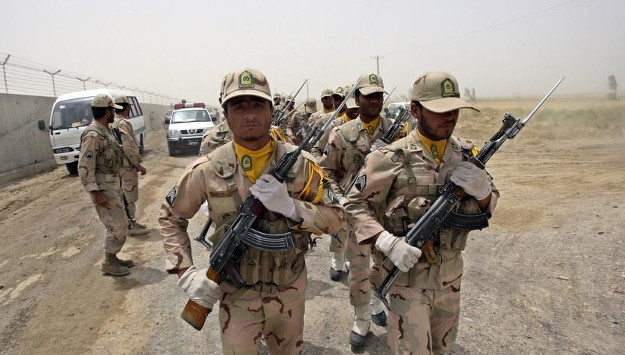
The Islamic Revolution Guards Corps (IRGC) said today that its forces have seized a shipment of explosives and suicide vests in the restive southeastern province of Sistan and Baluchestan. According to a statement released by the public relations department of the IRGC Ground Force’s Quds Base (not to be confused with IRGC’s elite Quds Force responsible for external operations), the explosives and communications and other assets were captured in the Saravan county of Sistan and Baluchestan.
In this extended episode to kick off 2018, Paul Salem interviews several MEI scholars on the key trends and events to watch for across the region in the year ahead. Guests include Alex Vatanka, Randa Slim, Gerald Feierstein, Marvin Weinbaum, Bilal Saab, and Gonul Tol.
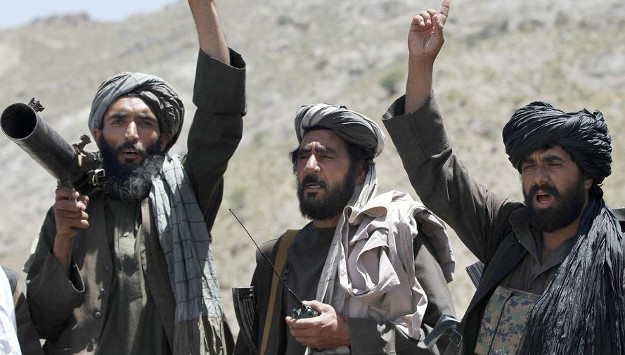
Afghan politician cautions Tehran against aiding Taliban
A prominent Afghan politician has cautioned that it is not in the interest of Iran to have close relations with the Taliban, Afghan media reported. “As an Afghan, I explicitly state that cultivating close relations – I hope it is a mistake – with an enemy, which has no difference with ISIS in its essence and substance, is harmful not only to the Iranian people but also to the people Afghanistan,” Amrullah Saleh, the head of the Afghan Green Trend and former intelligence chief, said at the Tehran Security Conference.
Iran’s defense minister threatens "retaliation" against US
Iran’s Defense Minister accused the United States of playing a role in the latest anti-regime protests in the country and threatened that Tehran will take retaliatory measures against US interests.