This individual is a guest contributor. MEI is not able to assist with contact requests.
Shahmahmood Miakhel is the Country Director in Afghanistan for the US Institute of Peace (USIP). Prior to that he was a Governance Advisor for the United Nations Assistance Mission in Afghanistan (UNAMA), and, from 2003–2005, a Deputy Minister of the Interior in the Government of Afghanistan. In 1994–1995 he worked for the United Nations Development Programme (UNDP) and United Nations Office for Project Services (UNOPS) in South and Southeast Afghanistan helping to establish District Rehabilitation Shuras (DRS). He also worked as a reporter for the Pashto service of the Voice of America from 1985–1990.
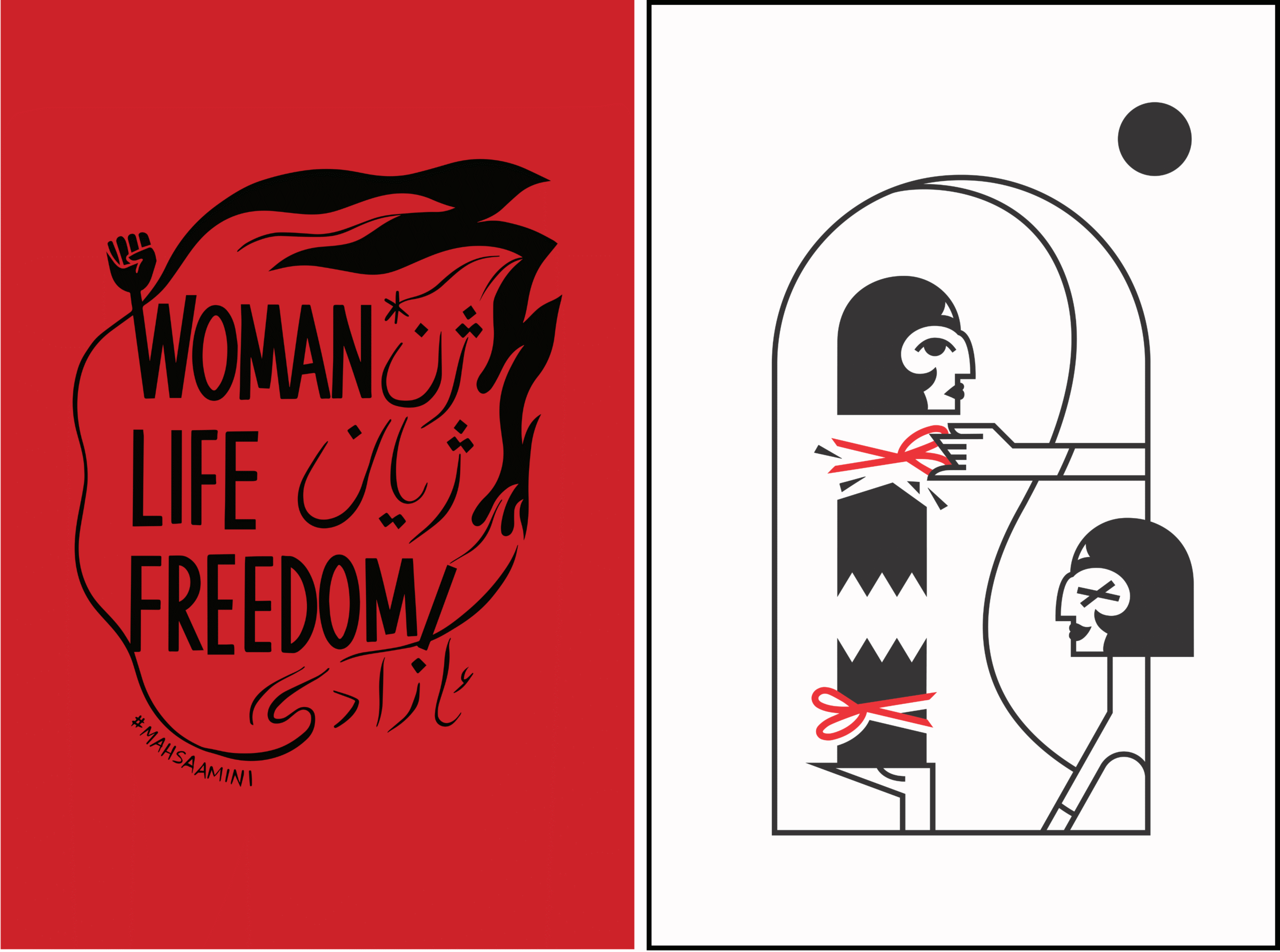
Woman, Life, Freedom: How the Arts Energized Iran’s Women-Led Uprising
The Middle East Institute’s (MEI) Arts and Culture Center invites you to join an in-person panel conversation on the role of the arts in Iran’s Woman, Life, Freedom protest movement and the impact it continues to have three years after the death of Mahsa Amini at the hands of Iran’s morality police.
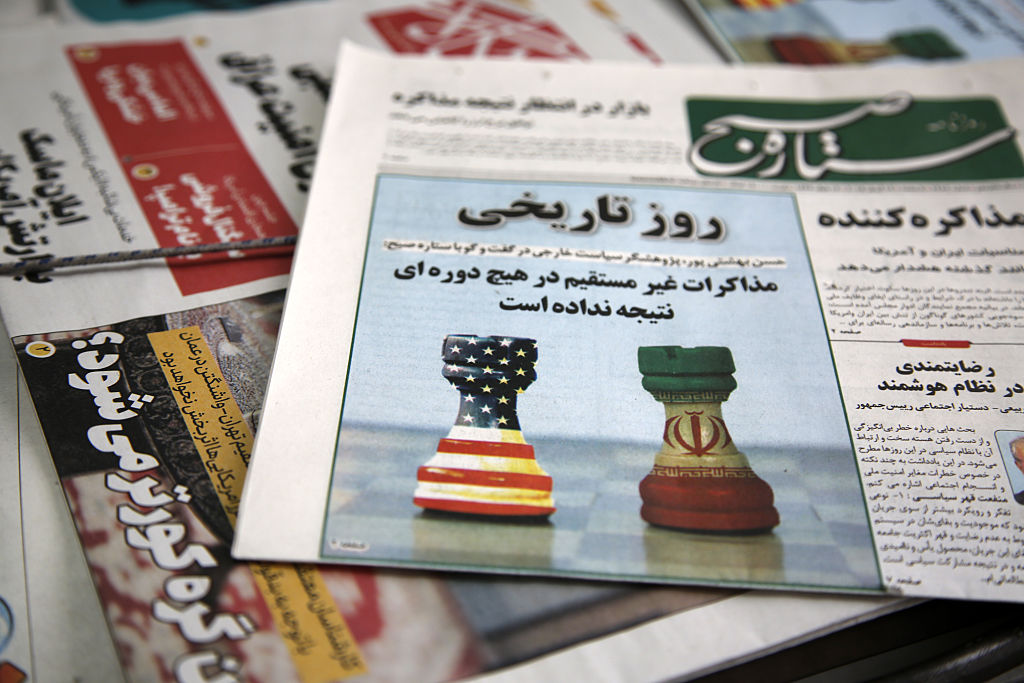
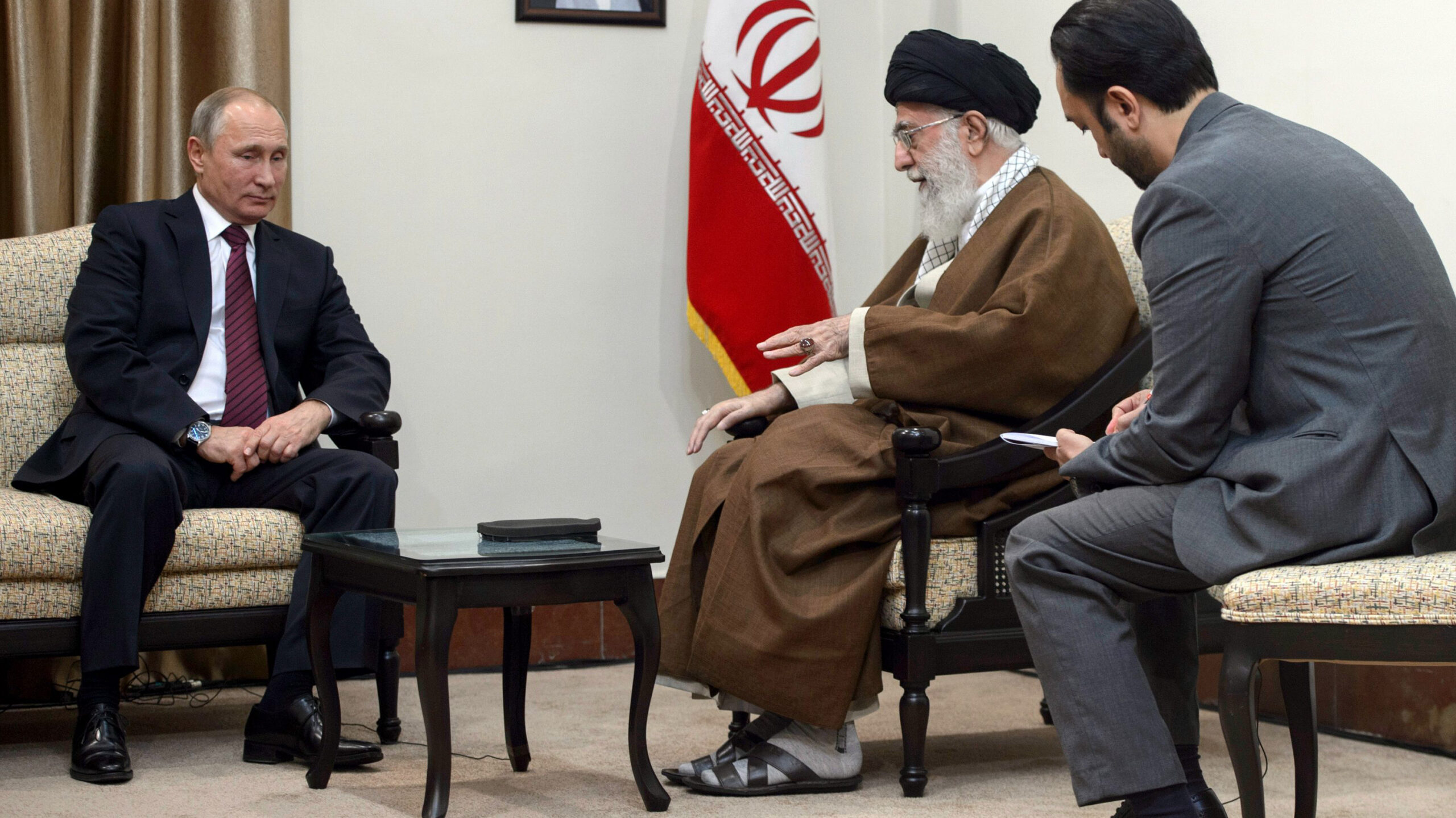
Three issues to watch in Trump’s emerging Iran policy approach
The biggest development this past week in the Middle East policy of Trump’s second administration was the initiation of talks between the United States and Iran. This small sign of hope for diplomatic progress comes at a time when the administration continues to implement an assertive and unpredictable economic unilateralism that has roiled global markets and reduced trust and confidence between the United States and most close international partners. Brian Katulis unpacks three things to watch closely as Trump’s Iran policy evolves and his broader national security approach unfolds.
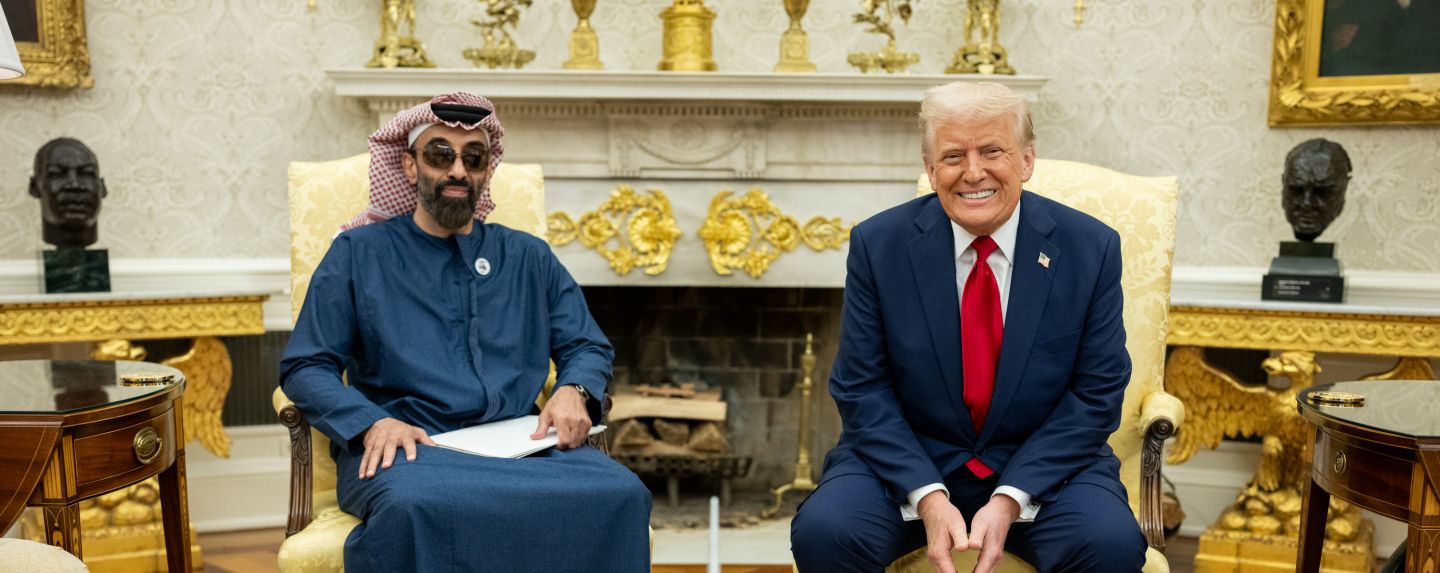
الشيخ طحنون في واشنطن: إعادة تصور العلاقات بين الإمارات والولايات المتحدة في القرن الحادي والعشرين مع التركيز على التكنولوجيا
زار الشيخ طحنون بن زايد، مستشار الأمن القومي لدولة الإمارات العربية المتحدة والشخصية المركزية في مجال التكنولوجيا والأمن في الدولة، واشنطن في أواخر الشهر الماضي لإجراء محادثات رفيعة المستوى مع فريق الرئيس دونالد ترامب، في إشارة إلى تحول جذري في العلاقات بين الإمارات والولايات المتحدة.
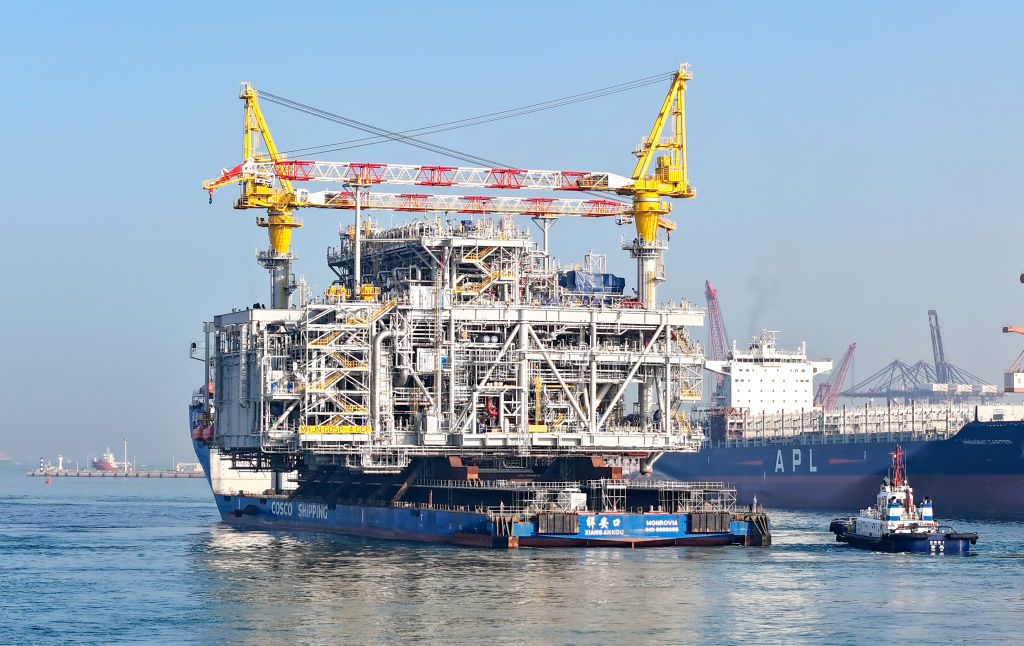
MENA Energy Recap, Q1-2025: Tariffs and Sanctions Loom Large as Trump Returns
The MENA Energy Recap is a quarterly review of key energy developments that took place in the Middle East and North Africa region from January to March 2025 and what they signal for the months ahead. The Recap views these developments through the lenses of policy and strategy, energy security, and markets.
ISIS is on the ropes in Syria. A successful transition in Damascus could deliver a knockout blow
For much of the past two decades, ISIS has enjoyed favorable conditions in Syria, but since the fall of Bashar al-Assad’s regime in December 2024, dynamics have changed. With Assad’s departure, ISIS lost its long-standing and vitally important safe haven in Syria’s central desert and its most significant driver for recruitment. The results — so far — have been dramatic.
In this episode of Middle East Focus, hosts Alistair Taylor and Matthew Czekaj are joined by Eran Etzion, former deputy head of the Israeli National Security Council, for a revealing look inside Israel’s most pressing challenges.
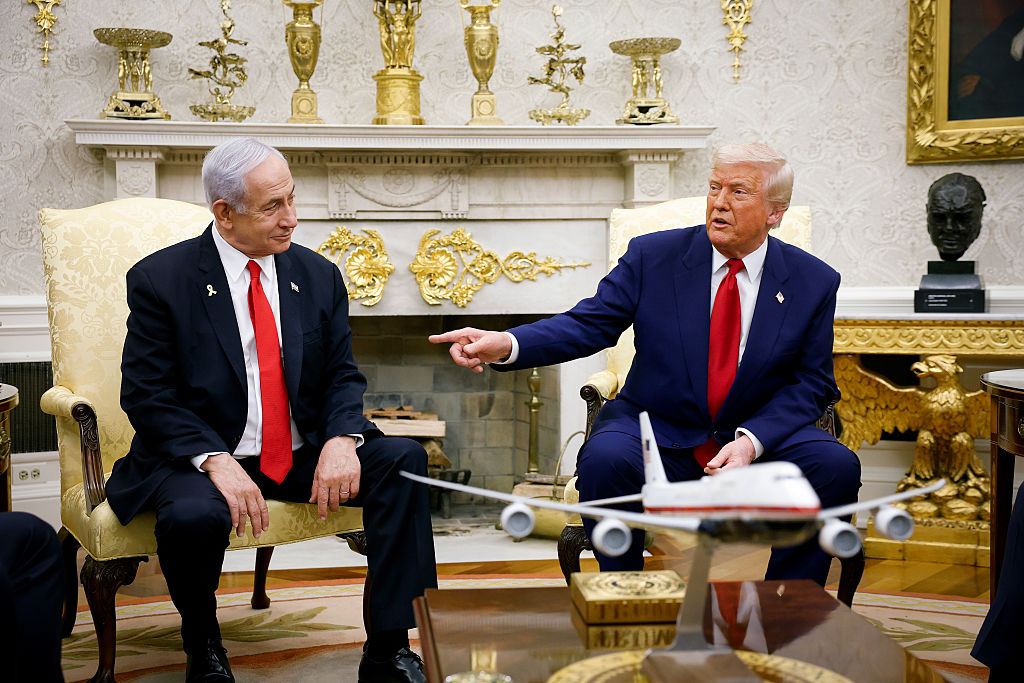
Trump’s whirlwind of uncertainty and chaos hits the global economy and the Middle East
US President Donald Trump surprised Israeli Prime Minister Benjamin Netanyahu by publicly announcing “direct” talks between the United States and Iran set to take place later this week. The American president also unleashed global economic uncertainty by announcing simultaneous, unexpectedly high tariffs on dozens of countries around the world — including a 17% duty on Israel — and kicking off an escalating global trade war.
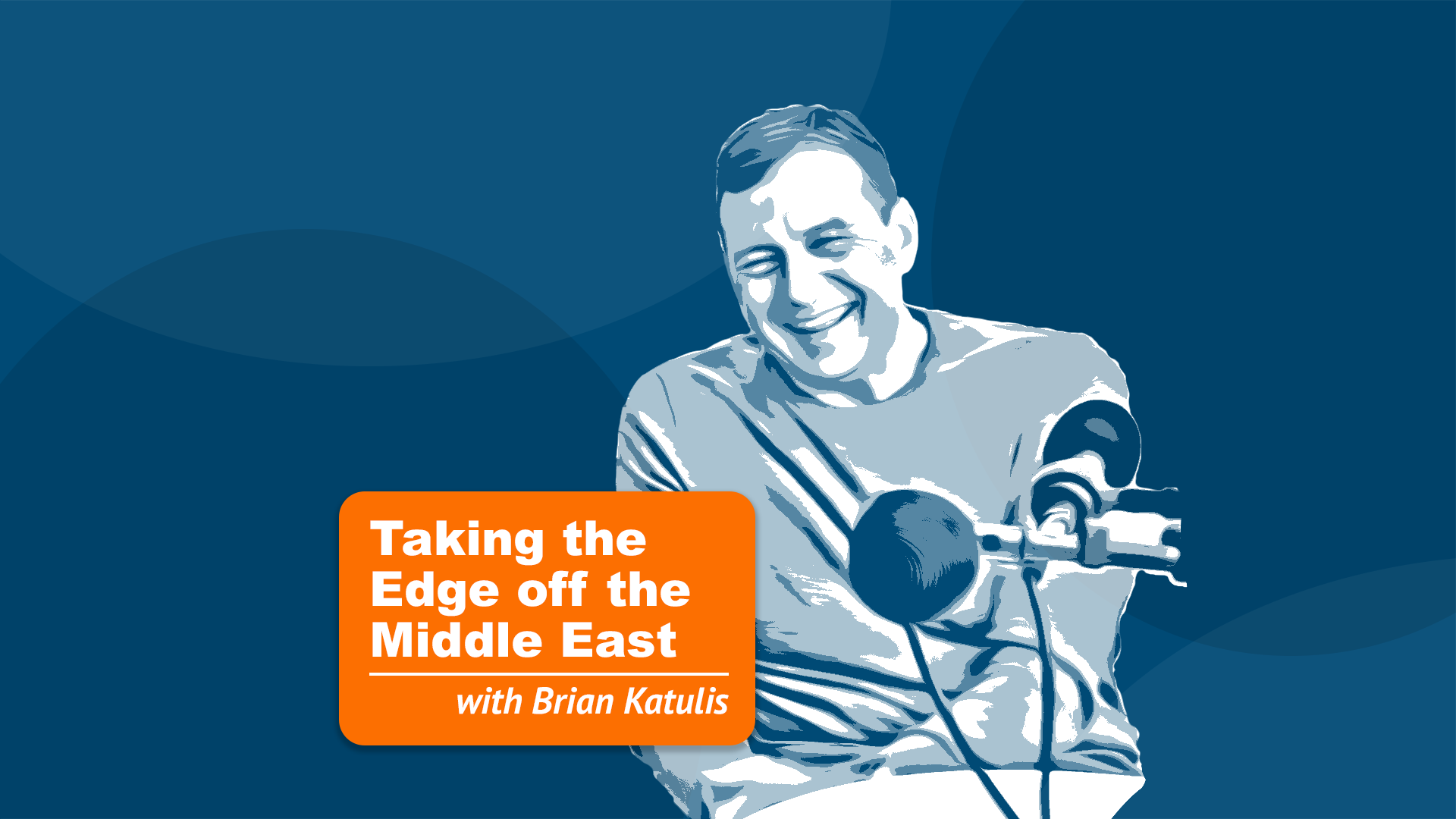
Frank Lowenstein | 'Taking the Edge off the Middle East' | Ep. 10
In this episode of ‘Taking the Edge off the Middle East,’ Brian Katulis sits down with Frank Lowenstein, a key advisor to Secretary John Kerry during the Obama a
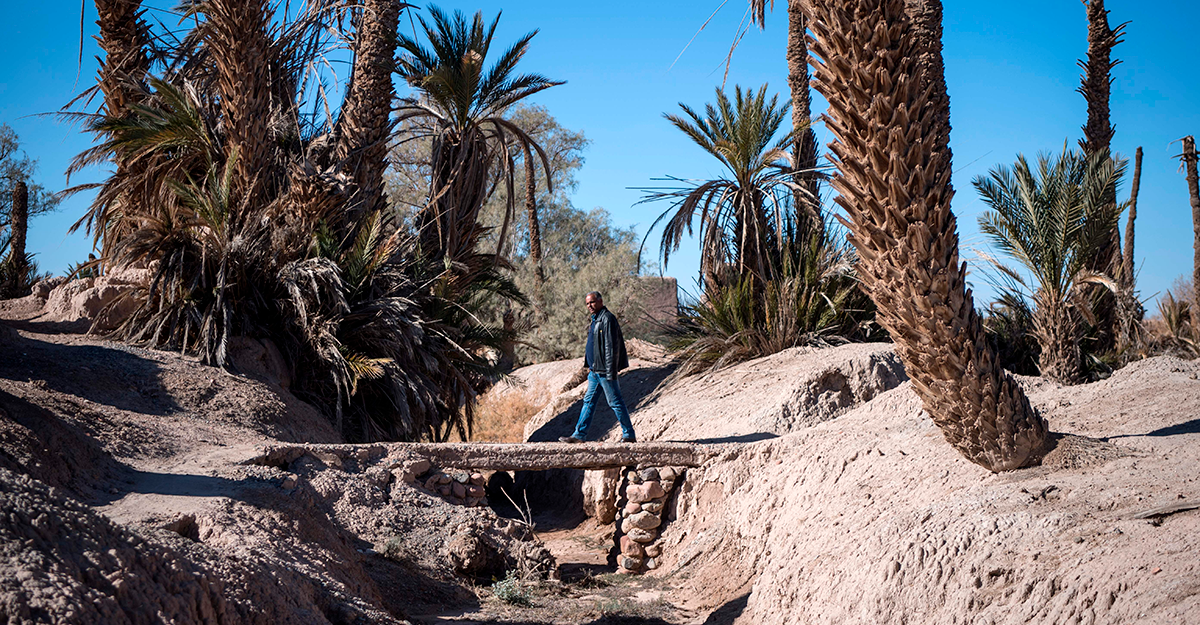
The impact of climate variability on Morocco’s agriculture
Climate variability is becoming a key factor in shaping economic stability, agricultural productivity, and water security worldwide. Periods of prolonged drought and sudden shifts in precipitation can have far-reaching consequences, particularly for countries that rely heavily on natural water sources for farming and economic growth. As weather patterns become increasingly unpredictable, there is a need to navigate both the immediate impacts of climate change and the long-term strategies needed for climate resilience. Finding the right balance between short-term relief and sustainable adaptation is a fundamental challenge for economies dependent on agriculture and water availability. Nowhere is this more evident than in Morocco.
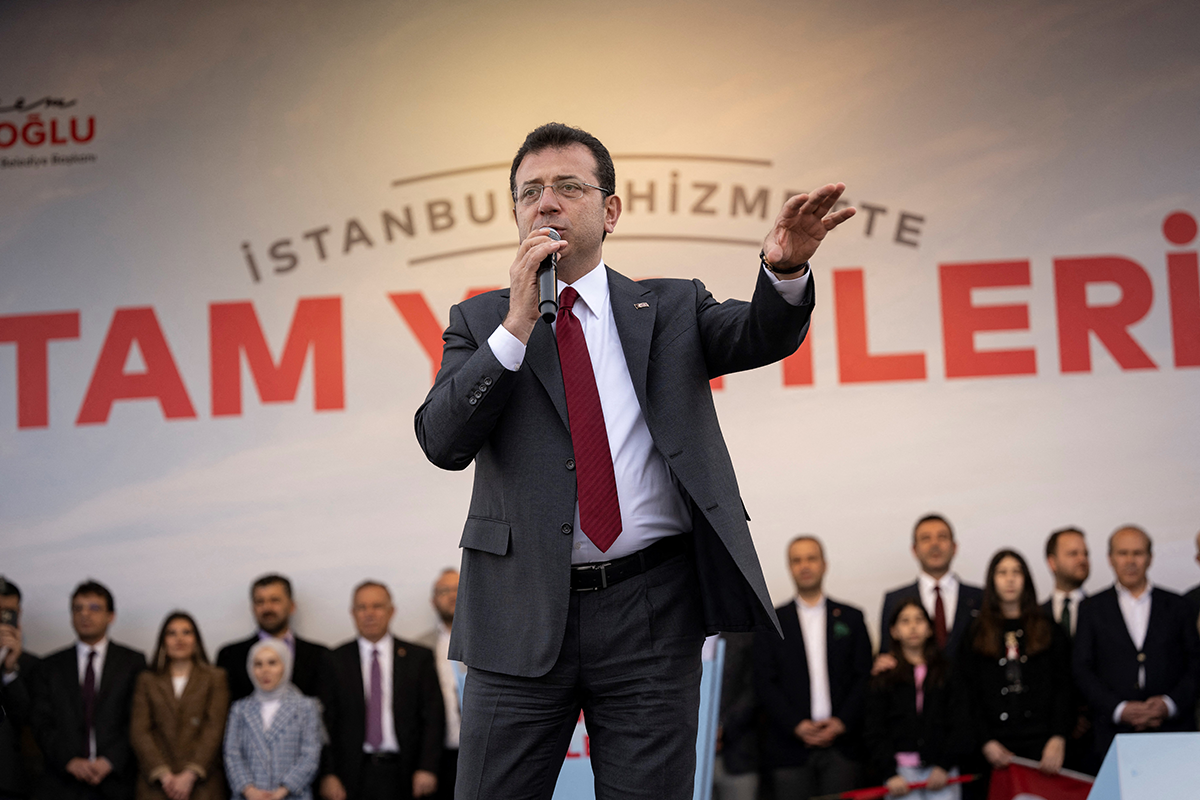
لوبان مقابل إيماموغلو؟ لماذا الفشل في المقارنة — ولماذا هو مهم
أدينت مارين لوبان، زعيمة حزب التجمع الوطني اليميني المتطرف في فرنسا، بتهمة اختلاس أموال من الاتحاد الأوروبي ومنعت من الترشح للمناصب العامة لمدة خمس سنوات، مما أدى فعليًا إلى استبعادها من سباق الرئاسة عام 2027. وفي الوقت نفسه، في تركيا، تم اعتقال إكرم إمام أوغلو، عمدة إسطنبول وأقوى منافس للرئيس رجب طيب أردوغان، بتهمة الفساد وسجنه، في الوقت الذي كان على وشك أن يصبح مرشح المعارضة للرئاسة. وتقوم كل من لوبان والمسؤولون الأتراك الآن بتوجيه أصابع الاتهام إلى بعضهم البعض لتبرير أفعالهم.
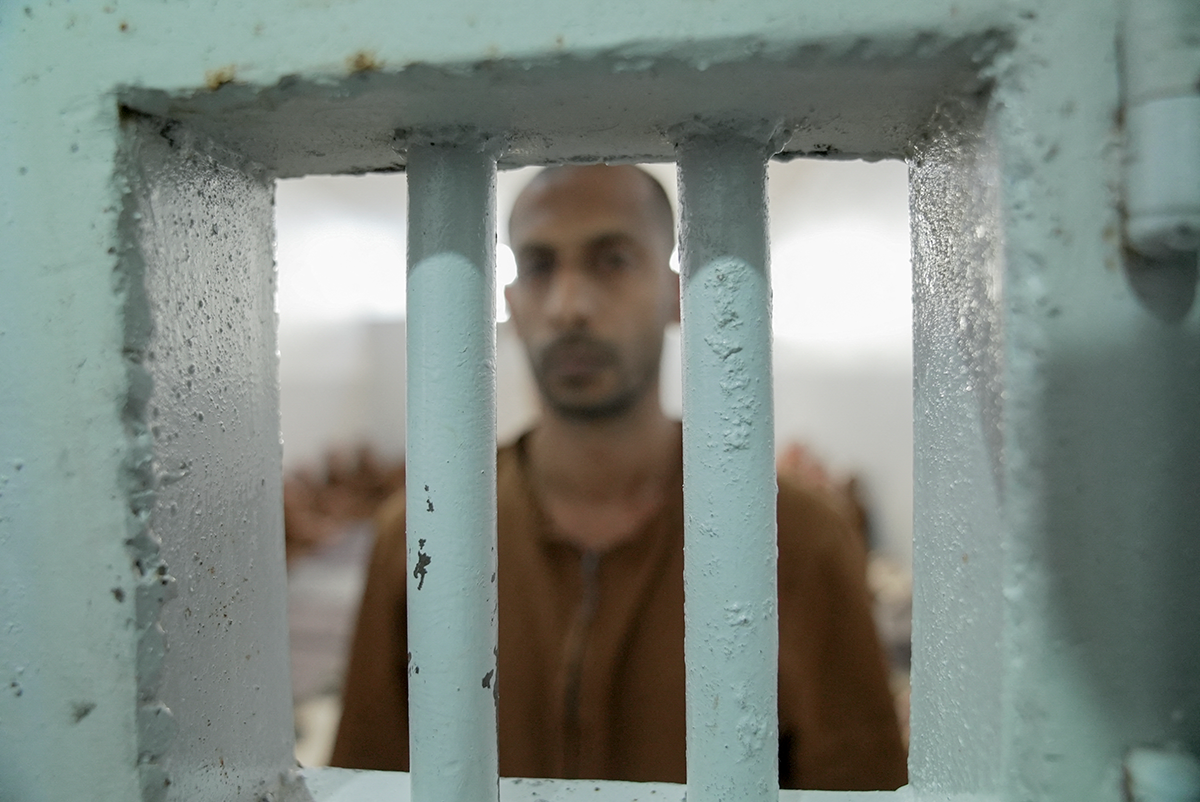
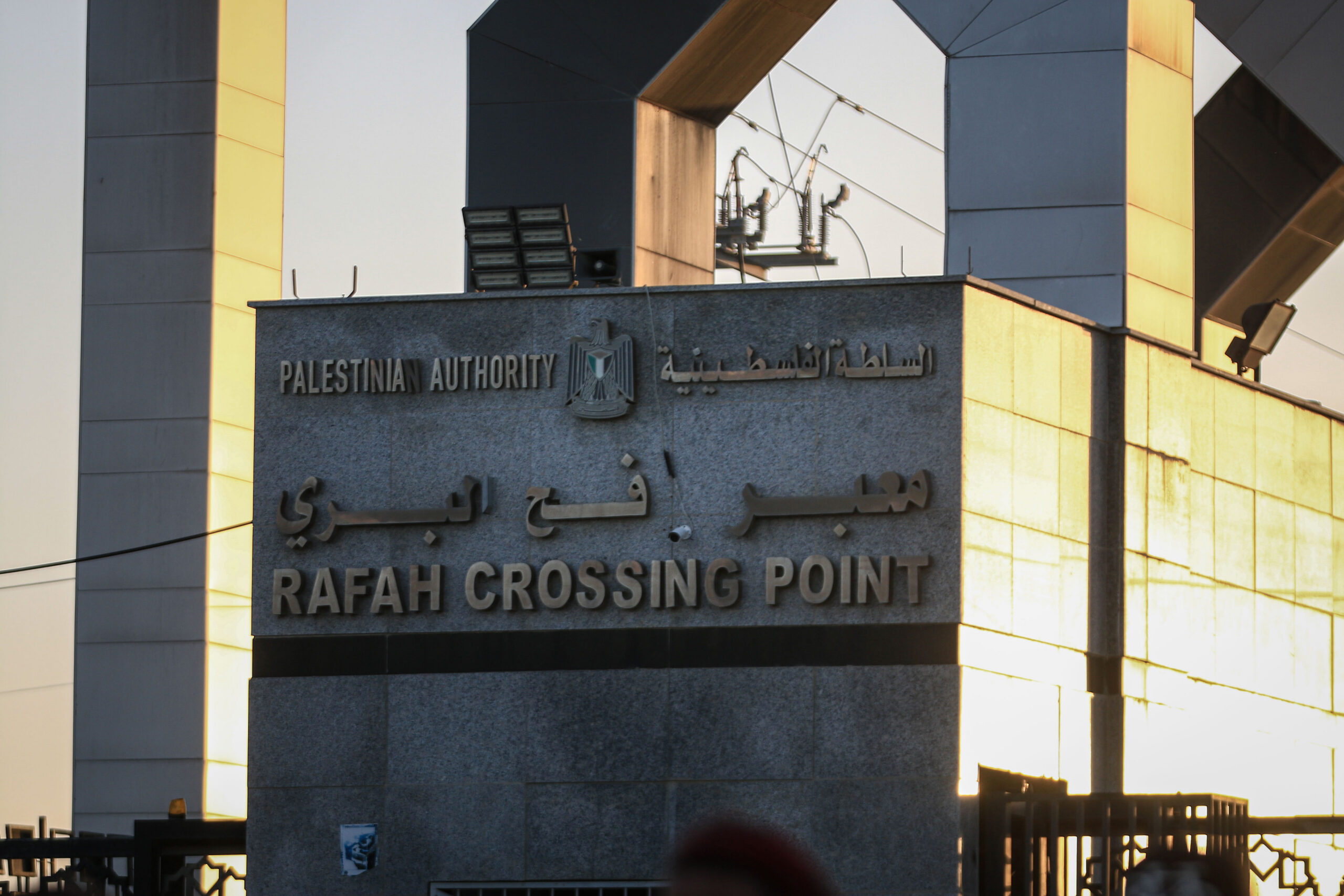
Pressuring Egypt over Gaza will not work and is not in the US interest
Almost immediately after the start of the conflict in Gaza, Israeli Prime Minister Benjamin Netanyahu and his governing coalition began a concerted effort to persuade first the European Union and then the United States to pressure Egypt to accept Palestinian refugees. Egypt refused and continues to do so. Capitulating is not in Cairo’s national interest and bullying it will only backfire.
Diplomacy, Technology, and Innovation: Amb. Stuart Jones on the Evolution of US-Middle East Relations
We’re excited to relaunch Middle East Focus with an insightful conversation featuring MEI’s new CEO, Amb. Stuart Jones. In this episode, hosted by MEI’s Alistair Taylor and Matthew Czekaj, Ambassador Jones shares his perspectives on the second Trump administration’s foreign policy approach, the rapidly evolving geopolitical landscape in the region, and Iraq’s place in the developing order. Drawing from his extensive experience in both diplomacy and the private sector, he also explores emerging US-Middle East business partnerships and cooperation in AI and technology.