This individual is a guest contributor. MEI is not able to assist with contact requests.
Shahmahmood Miakhel is the Country Director in Afghanistan for the US Institute of Peace (USIP). Prior to that he was a Governance Advisor for the United Nations Assistance Mission in Afghanistan (UNAMA), and, from 2003–2005, a Deputy Minister of the Interior in the Government of Afghanistan. In 1994–1995 he worked for the United Nations Development Programme (UNDP) and United Nations Office for Project Services (UNOPS) in South and Southeast Afghanistan helping to establish District Rehabilitation Shuras (DRS). He also worked as a reporter for the Pashto service of the Voice of America from 1985–1990.
Iran-Backed Militia Group Calls for Collective Action to Reclaim Golan Heights, Destroy Israel
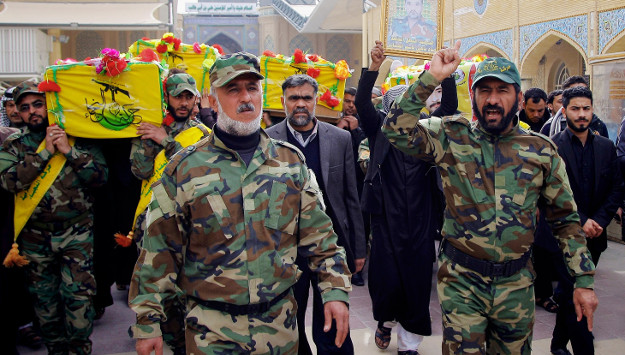
Over the past six years, Iran has played a key role in propping up the embattled regime of Bashar al-Assad in Syria, by sending Islamic Revolution Guards Corps (I.R.G.C.) military personnel as well as recruiting, funding, training and leading an extensive network of Iraqi, Lebanese, Pakistani and Afghan Shiite militia forces.
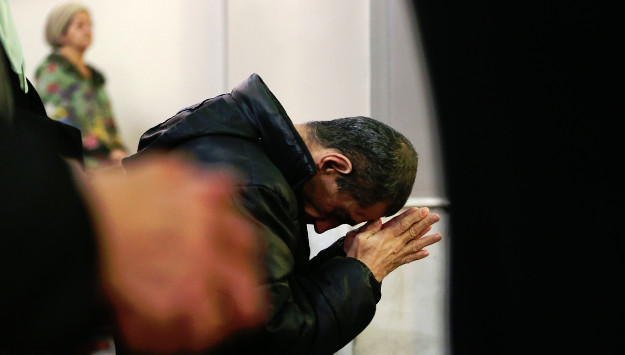
Authorities in Iran Intensify Crackdown on Christian Converts
The Appeals Court in Tehran has upheld a five-year jail term for Christian convert Ebrahim Firoozi for his alleged missionary activities in Iran, the Center for Human Right
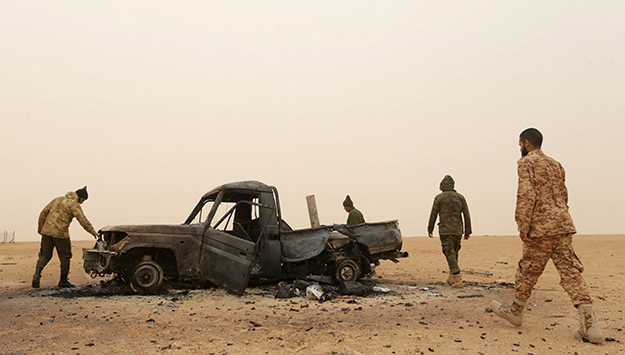
A common theme among many postcolonial countries in the Middle East is the difficulty of placing various religious and ethnic groups under the same state’s flag. Libya is different, as its people are overwhelmingly Sunni Arab. Nevertheless, tribal politics have instilled serious divisions in the country. The friction coalesces around two of the three primary regions of Libya, Cyrenaica in the east and Tripolitania in the west (the third historic province of Libya, Fezzan, is to the south of Tripolitania and tends to align its views with its northern neighbor).
Enhancing India-Oman Economic Engagement: Four Promising Initiatives
India’s interests and capabilities extend well beyond the sub-continent. This essay is part of a series that explores the geopolitical dimensions, economic ties, transnational networks, and other aspects of India’s links with the Middle East (West Asia) — a region that plays a vital role in India’s economy and its future. More ...
With ISIS Losing Ground in Mosul, Iran-Backed Militias Turn Attention to Iraqi Rivals
A prominent Iran-backed Iraqi militia commander has warned peshmerga forces loyal to the Kurdish Regional Government (KRG) to withdraw from the northern Iraqi town of Sinjar and stressed that the Popular Mobilization Forces (PMF) will not allow any parts of Nineveh Province to be incorporated into the Iraqi
Kayhan Editor: U.S. and Allies Trying to Weaken Iran's Regime by Empowering "Moderates"
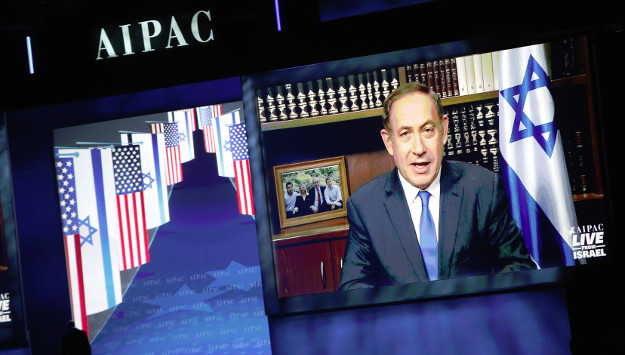
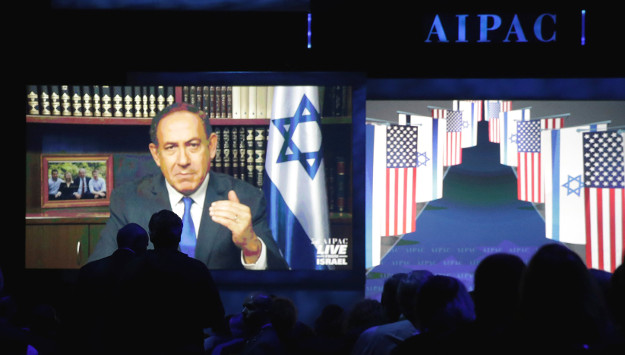
Hossein Shariatmadari, the editor-in-chief of hardline Kayhan newspaper, claims that an assessment of speeches by U.S. politicians at the annual policy conference of the American Israel Public Affairs Committee (AIPAC) this week shows America and its allies are afraid of the Islamic Republic’s power.
Renewal U.N. Special Rights Rapporteur’s Mandate Unnerves Iran’s Judiciary Chief
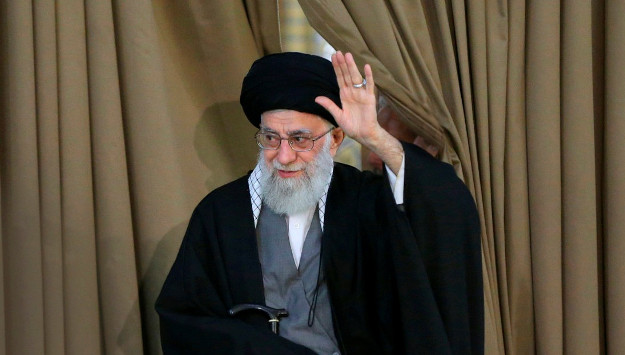
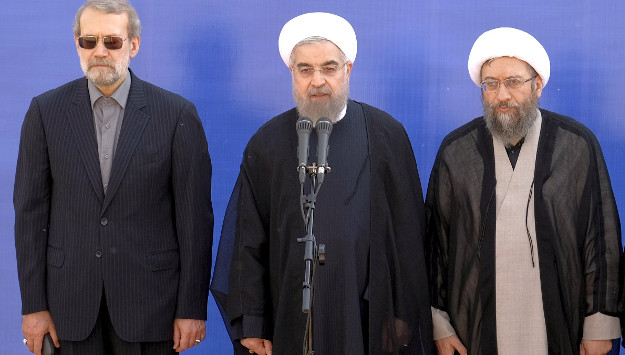
Iran’s Judiciary Chief Ayatollah Sadeqh Larijani has criticized the U.N. Human Rights Council for renewing the mandate of the Special Rapporteur on the human rights situation in Iran for another year. “Unfortunately, the United Nations’ human rights bodies have become a tool to pressure independent states,” Larijani said in a meeting with high-ranking judiciary officials in Tehran.
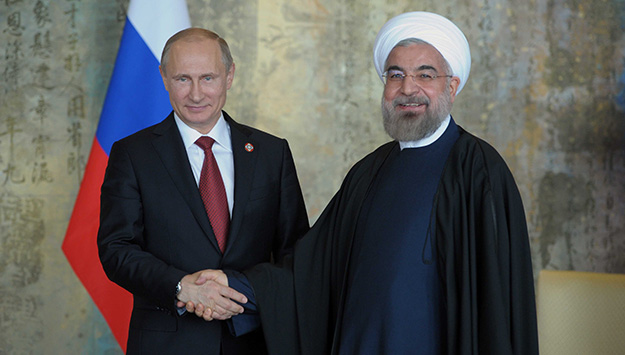
In this week’s Monday Briefing, MEI experts Yousef Munayyer, Eran Etzion, and Alex Vatanka provide analysis on recent and upcoming events including the evident partisan divide at this year’s AIPAC Conference, the surprise that the Trump administration’s lack of support for settlement building has caused for Israel’s right wing, and Iranian President Rouhani’s trip to Moscow.
Bahrain Says Busted another Iran-Backed “Terror Cell” Plotting Assassinations
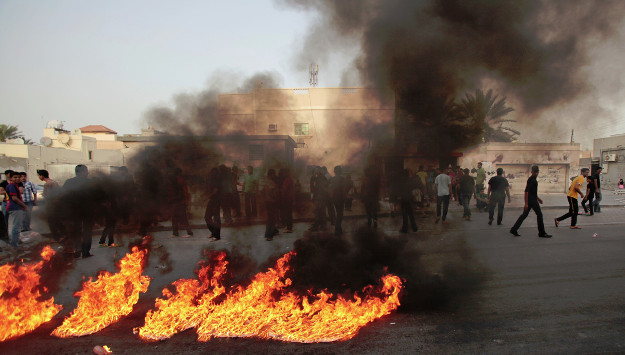
Bahrain’s Ministry of Interior said on Sunday that it has dismantled an Iran-backed group that planned terrorist attacks in the island kingdom, including assassination of high-profile government officials.
Iran’s Intelligence Ministry Denies Medical Treatment to Elderly Baha'i Languishing in Jail
Iran’s Intelligence Ministry is refusing necessary medical treatment to Jamaloddin Khanjani, an 83-year-old former community leader of the Baha’i minority who has spent more than nine years in an Iranian jail.
Arab Leaders Accuse Iran of Sharing Missile Technology with Houthi Rebels in Yemen
Major General Ahmed al-Assiri, the spokesperson of the Saudi-led coalition forces, has accused Iran of intensifying and prolonging the Yemeni conflict by supporting Houthi rebels, including sharing missile technology with the militants.