This individual is a guest contributor. MEI is not able to assist with contact requests.
Shahmahmood Miakhel is the Country Director in Afghanistan for the US Institute of Peace (USIP). Prior to that he was a Governance Advisor for the United Nations Assistance Mission in Afghanistan (UNAMA), and, from 2003–2005, a Deputy Minister of the Interior in the Government of Afghanistan. In 1994–1995 he worked for the United Nations Development Programme (UNDP) and United Nations Office for Project Services (UNOPS) in South and Southeast Afghanistan helping to establish District Rehabilitation Shuras (DRS). He also worked as a reporter for the Pashto service of the Voice of America from 1985–1990.
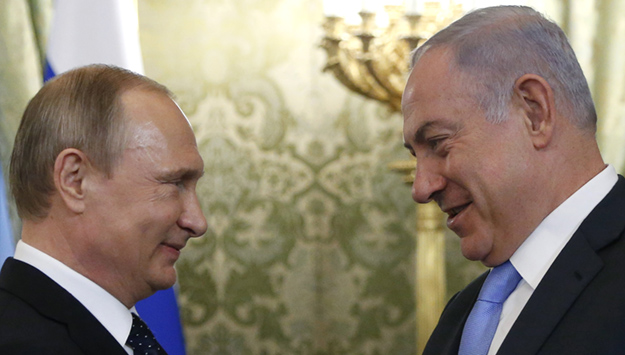
Israeli-Russian relations have attracted unusual levels of interest in recent months, against the backdrop of Russia’s military intervention in Syria and the unprecedented creation of a ‘de-confliction’ mechanism between the I.D.F. and the Russian forces. As is so often the case in today’s hyper-connected media and political environment, this small nucleus of reality was blown out of proportion and portrayed as nothing short of a strategic love affair.
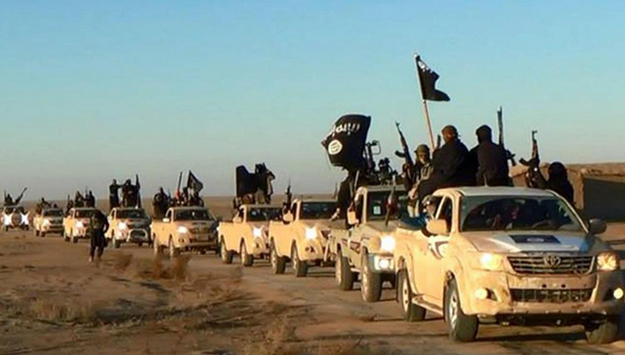
Even as ISIS forces are pushed further back behind their lines of greatest extent, a number of groups from around the world are eager to throw their loyalty behind the faltering so-called Islamic State. Groups like Boko Haram in Nigeria, al-Shabab in Somalia, and Islamic State in Libya have declared not only their support but their allegiance to the group.
The Rise of Islamism and Single-Party Rule in Malaysia
This essay demonstrates that beneath the surface is a tangle of festering problems that have contributed to the progressive alienation of elements within Malaysian society and rendered them susceptible to the appeal of transnational jihadist influences. The rise of Islamist radicalism is one of the more visible and worrisome signs of the erosion of the authority of Malaysia’s long-standing ruling party, the United Malay National Organization (UMNO).
Monday Briefing: The Battle for Aleppo, Turkey's Gulen Extradition Request, and IMF talks in Cairo
In this week’s Monday Briefing, MEI experts Charles Lister, Gonul Tol, and Paul Salem provide analysis on recent and upcoming events including the battle for Aleppo, Turkey’s extradition appeal for Fatullah Gulen, and IMF talks in Cairo this week on Egypt’s request for more than $12 billion in loans.
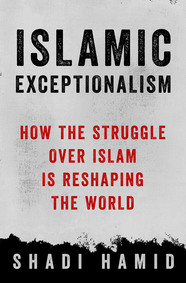
The Dangerous Stipulation of Islamic Exceptionalism
Is the religion of Islam “exceptional” in how it relates to politics? The argument at the center of Shadi Hamid’s new book is that it is. This is not a novel argument, but one likely to be misused.
After the Boats: Refugee Reception and the Production of Irregularity in Italy’s Migration Crisis
This essay discusses the reception, protection and integration of refugees and migrants in Italy, where there has been widespread entry of people into positions of precariousness and vulnerability, living in informal settlements, often without humanitarian protection or residence permits. It is a situation that highlights the longer-term implications of the crisis and the shortcomings of the responses that have so far been put in place.
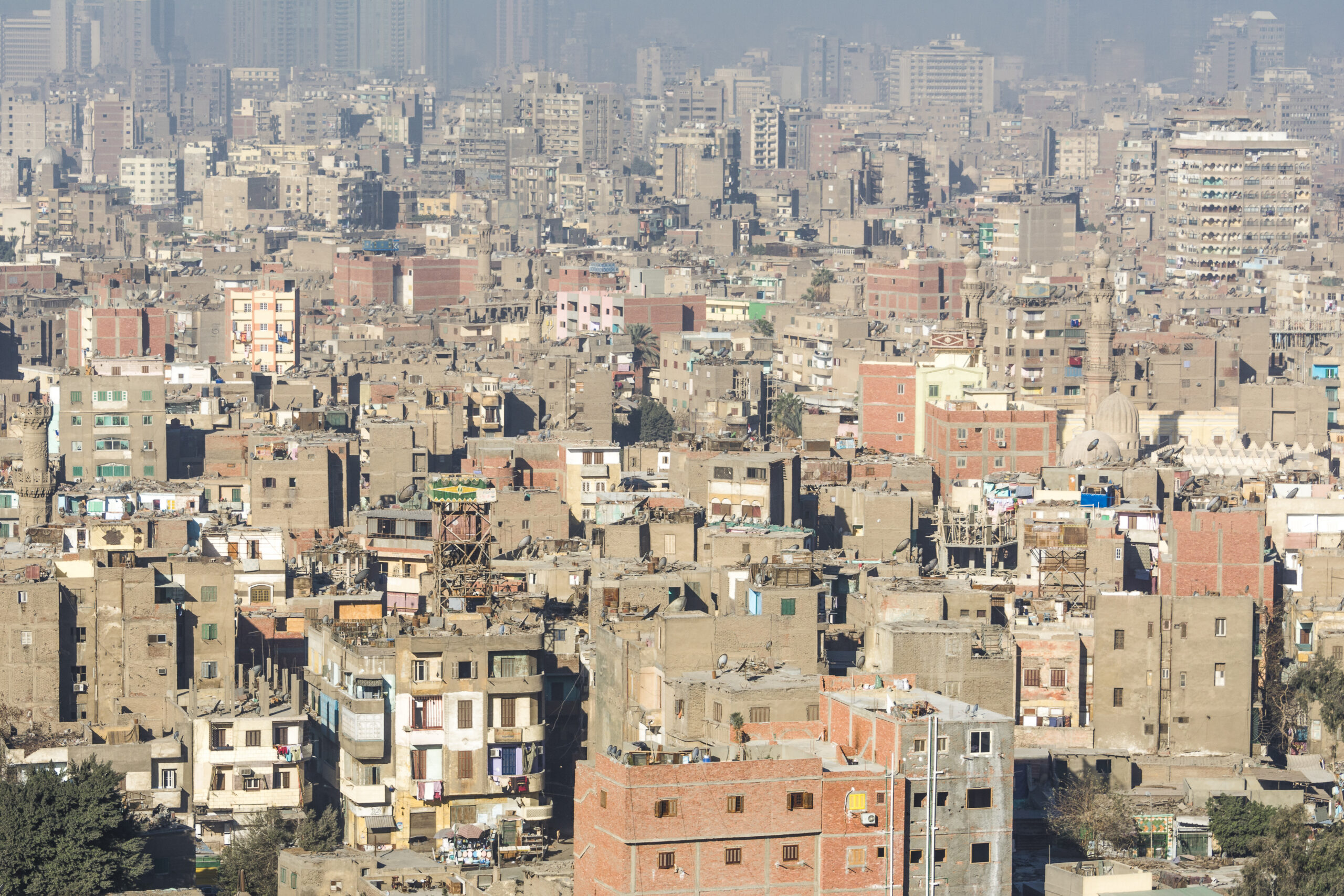
Resolving Egypt’s Housing Crisis Crucial to Long-Term Stability
With a population growing at a rate of approximately 2 percent per year, Egypt is faced with an urbanization crisis, as many of its cities find themselves increasingly overcrowded. Egypt’s housing crisis affects millions across the country, and, if the Sisi government is looking to further consolidate its power, it must ensure that it maintains the support of the country’s poor urban communities, which have historically revolted against worsening living conditions.
Much has been made, particularly by Israelis, of the expanding horizons for collaboration between the Jewish state and Arab Gulf states. Israeli ministers and business people lose no opportunity to tout Israel’s interest in expanding ties of all sorts in a region viewed as a valuable market for Israeli industry and an intelligence gold mine.
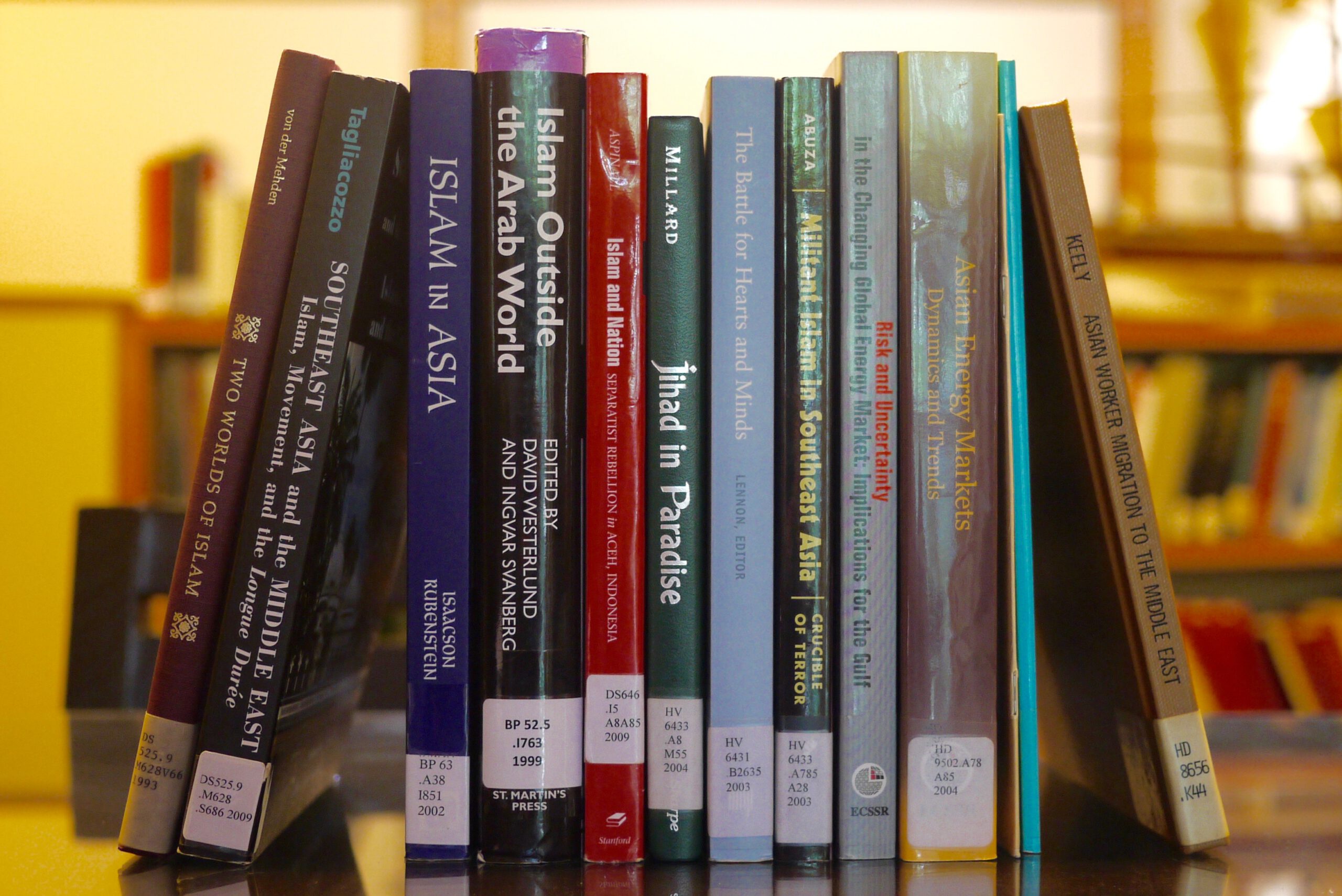
The Middle East & Southeast Asia Collection at the Oman Library
The Middle East and Southeast Asia are two distant regions that are not usually associated with one another. However, there are, in fact, a number of topics that transcend the geographical space between the two regions. For scholars who are interested in the relations between two of the most dynamic regions in the world today, the Oman Library at the Middle East Institute is home to a sizable collection of resources focused on this relationship.