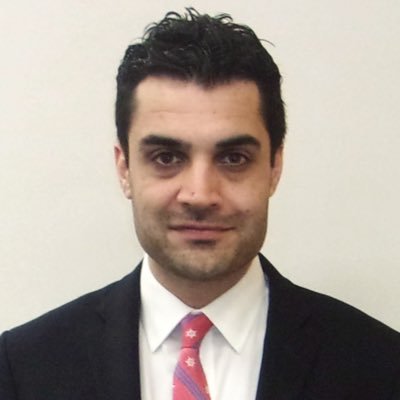
This individual is a guest contributor. MEI is not able to assist with contact requests.
Shahmahmood Miakhel is the Country Director in Afghanistan for the US Institute of Peace (USIP). Prior to that he was a Governance Advisor for the United Nations Assistance Mission in Afghanistan (UNAMA), and, from 2003–2005, a Deputy Minister of the Interior in the Government of Afghanistan. In 1994–1995 he worked for the United Nations Development Programme (UNDP) and United Nations Office for Project Services (UNOPS) in South and Southeast Afghanistan helping to establish District Rehabilitation Shuras (DRS). He also worked as a reporter for the Pashto service of the Voice of America from 1985–1990.
Panel II: Working Toward a National Reconciliation
Panel II: Working Toward a National Reconciliation 11:00am-12:30pmModerator: Thomas Friedman, New York TimesNader Bakkar—co-founder, al Nour PartyDina Guirguis—Tahrir Institute for Middle East PolicyWael Haddara—former senior advisor to Mohamed MorsiHani Sarie Eldin—al Dostour Party
Panel II: Working Toward a National Reconciliation
Panel II: Working Toward a National Reconciliation 11:00am-12:30pmModerator: Thomas Friedman, New York TimesNader Bakkar—co-founder, al Nour PartyDina Guirguis—Tahrir Institute for Middle East PolicyWael Haddara—former senior advisor to Mohamed MorsiHani Sarie Eldin—al Dostour Party
Panel I: Forging A Viable Political PathModerator: David Rothkopf, Foreign PolicyKhalil al Anani, Middle East Institute Graeme Bannerman, Middle East instituteKarim Haggag, National Defense UniversityTarek Masoud, Harvard University’s John F. Kennedy School of Government
Panel I: Forging A Viable Political PathModerator: David Rothkopf, Foreign PolicyKhalil al Anani, Middle East Institute Graeme Bannerman, Middle East instituteKarim Haggag, National Defense UniversityTarek Masoud, Harvard University’s John F. Kennedy School of Government
Panel I: Forging A Viable Political PathModerator: David Rothkopf, Foreign PolicyKhalil al Anani, Middle East Institute Graeme Bannerman, Middle East instituteKarim Haggag, National Defense UniversityTarek Masoud, Harvard University’s John F. Kennedy School of Government
Panel I: Forging A Viable Political PathModerator: David Rothkopf, Foreign PolicyKhalil al Anani, Middle East Institute Graeme Bannerman, Middle East instituteKarim Haggag, National Defense UniversityTarek Masoud, Harvard University’s John F. Kennedy School of Government
Panel I: Forging A Viable Political PathModerator: David Rothkopf, Foreign PolicyKhalil al Anani, Middle East Institute Graeme Bannerman, Middle East instituteKarim Haggag, National Defense UniversityTarek Masoud, Harvard University’s John F. Kennedy School of Government
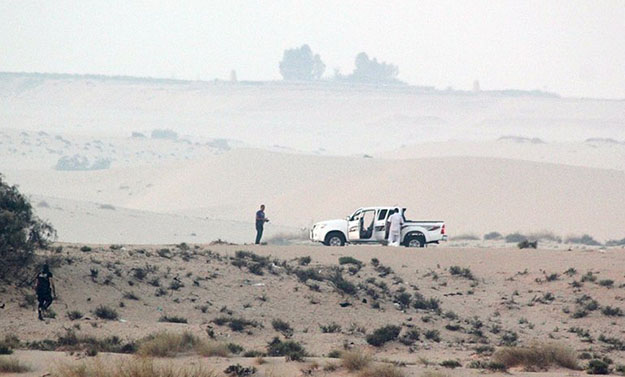
Much of the analysis on the causes for the military’s ouster of Mohamed Morsi focuses on the Muslim Brotherhood’s performance, or lack thereof, in domestic affairs. Glaringly absent, however, is an examination of the preeminence of Sinai in the military’s decision to intervene in otherwise civilian political disputes between the burgeoning liberal parties and the veteran Muslim Brotherhood and its Islamist allies.