This individual is a guest contributor. MEI is not able to assist with contact requests.
Shahmahmood Miakhel is the Country Director in Afghanistan for the US Institute of Peace (USIP). Prior to that he was a Governance Advisor for the United Nations Assistance Mission in Afghanistan (UNAMA), and, from 2003–2005, a Deputy Minister of the Interior in the Government of Afghanistan. In 1994–1995 he worked for the United Nations Development Programme (UNDP) and United Nations Office for Project Services (UNOPS) in South and Southeast Afghanistan helping to establish District Rehabilitation Shuras (DRS). He also worked as a reporter for the Pashto service of the Voice of America from 1985–1990.
Less than 30 months ago Egypt was brimming with enthusiasm and optimism. Not only had it ended three decades of Mubarak rule, but it had done so essentially peacefully and at the hands of young Egyptian professionals who, it was believed, could walk Egypt toward a freer and more prosperous future. Today, the country is politically polarized and it faces the worst economic crisis since the 1930s. A severe sense of frustration and dark pessimism prevails throughout the nation.
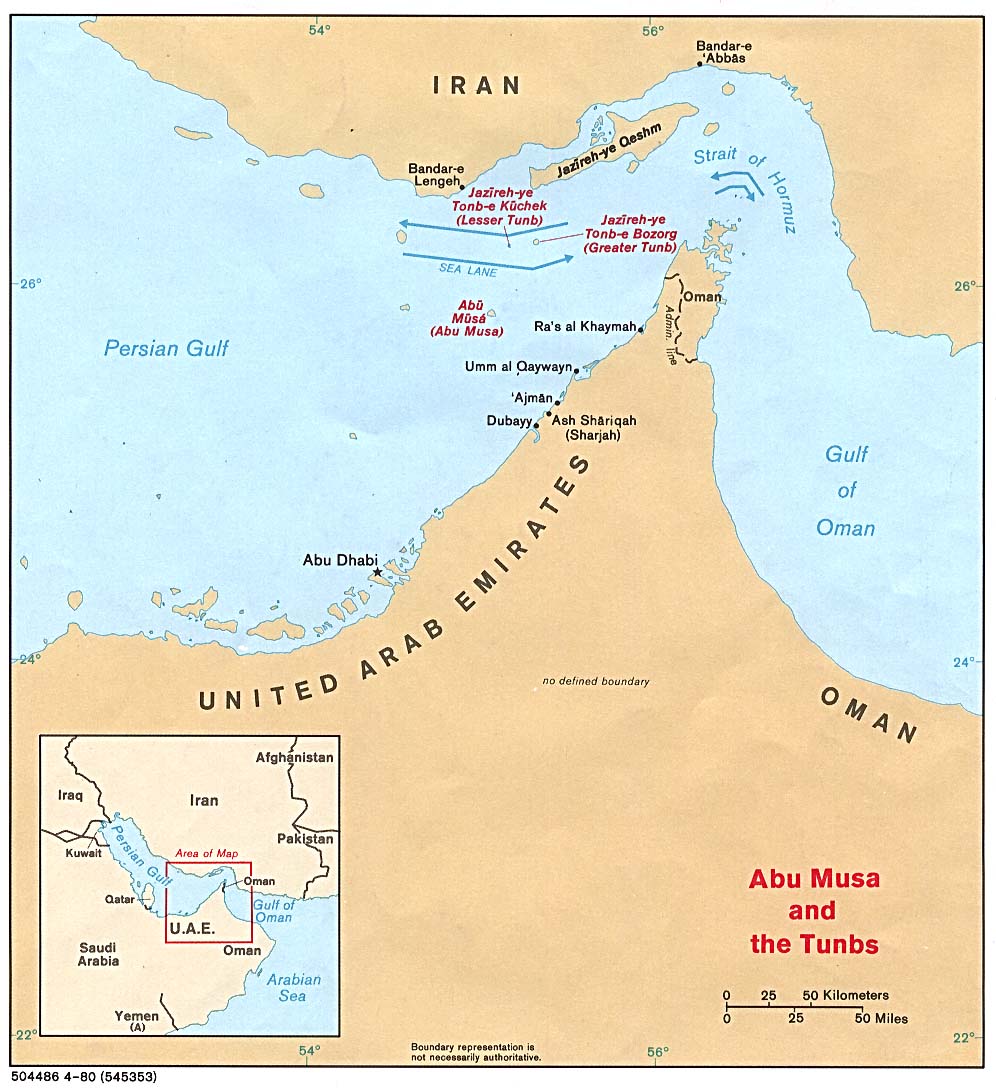
Oman is strategically positioned across the Gulf of Oman from Iran, north of Yemen, and east of Saudi Arabia. It has arguably been able to secure its rapid economic growth—spurred by oil riches—by maintaining neutral, if not friendly, relations with these neighbors, including Iran. Yet while Oman has successfully kept itself neutral, it still inhabits a precarious location. It shares with Iran the Strait of Hormuz, a waterway that Iran has threatened to close due to its charged relations with the GCC countries and the United States, who rely on the Strait to transport oil to world markets.