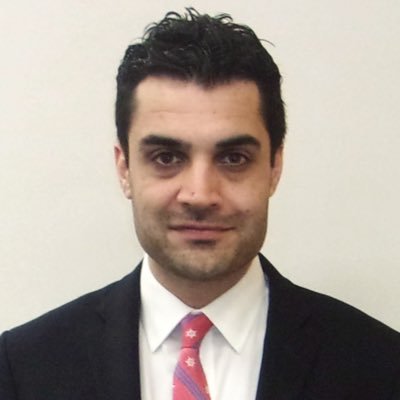
This individual is a guest contributor. MEI is not able to assist with contact requests.
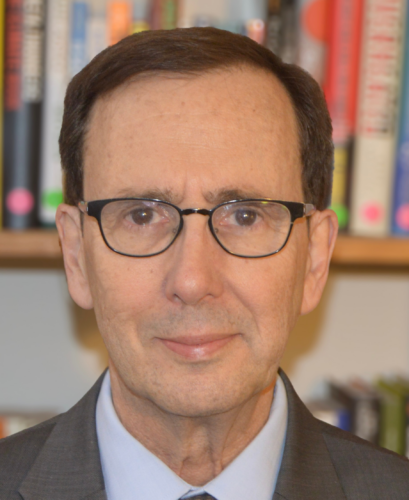
Shahmahmood Miakhel is the Country Director in Afghanistan for the US Institute of Peace (USIP). Prior to that he was a Governance Advisor for the United Nations Assistance Mission in Afghanistan (UNAMA), and, from 2003–2005, a Deputy Minister of the Interior in the Government of Afghanistan. In 1994–1995 he worked for the United Nations Development Programme (UNDP) and United Nations Office for Project Services (UNOPS) in South and Southeast Afghanistan helping to establish District Rehabilitation Shuras (DRS). He also worked as a reporter for the Pashto service of the Voice of America from 1985–1990.
Inside the United Nations Assistance Mission in Afghanistan
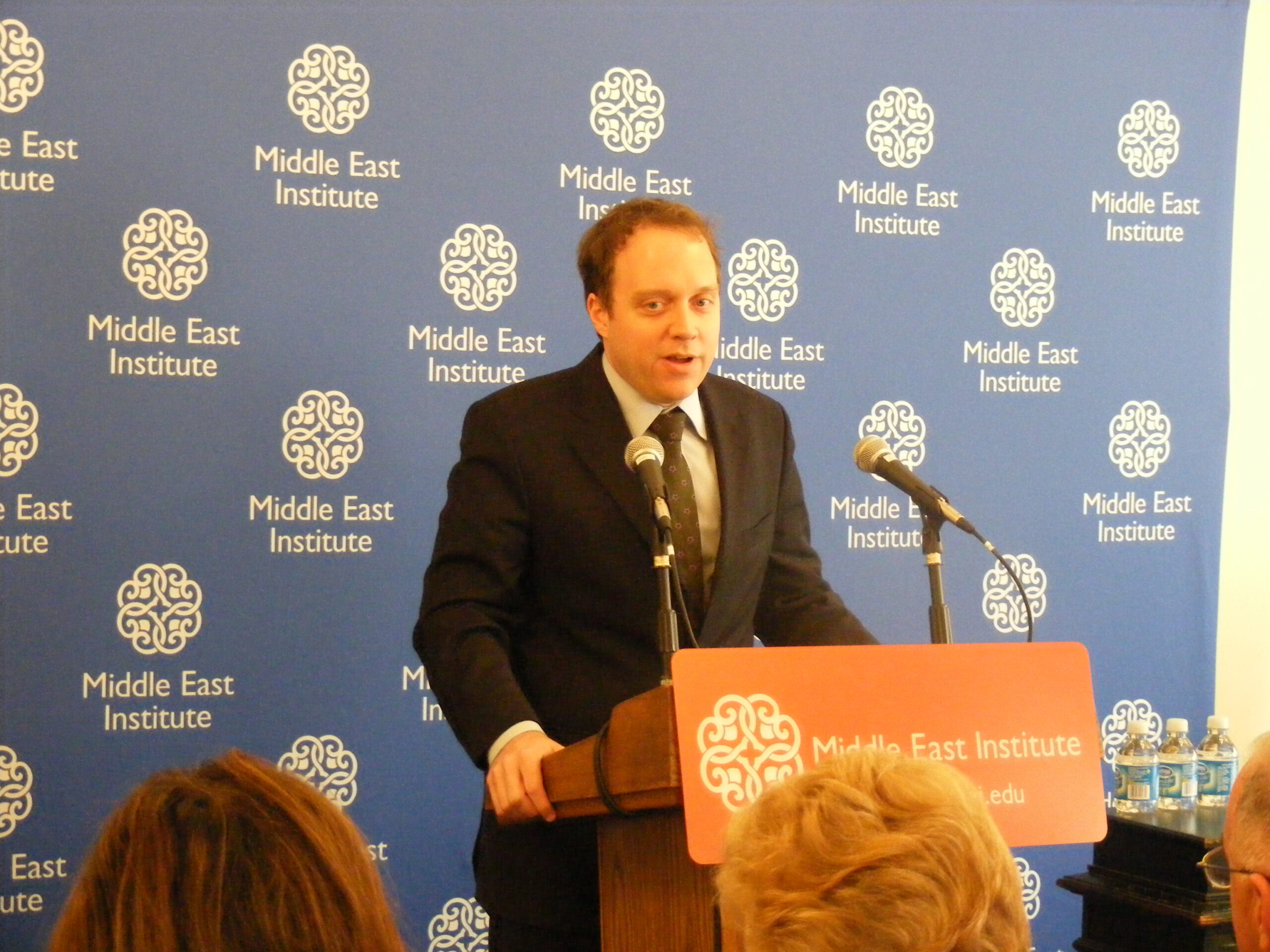
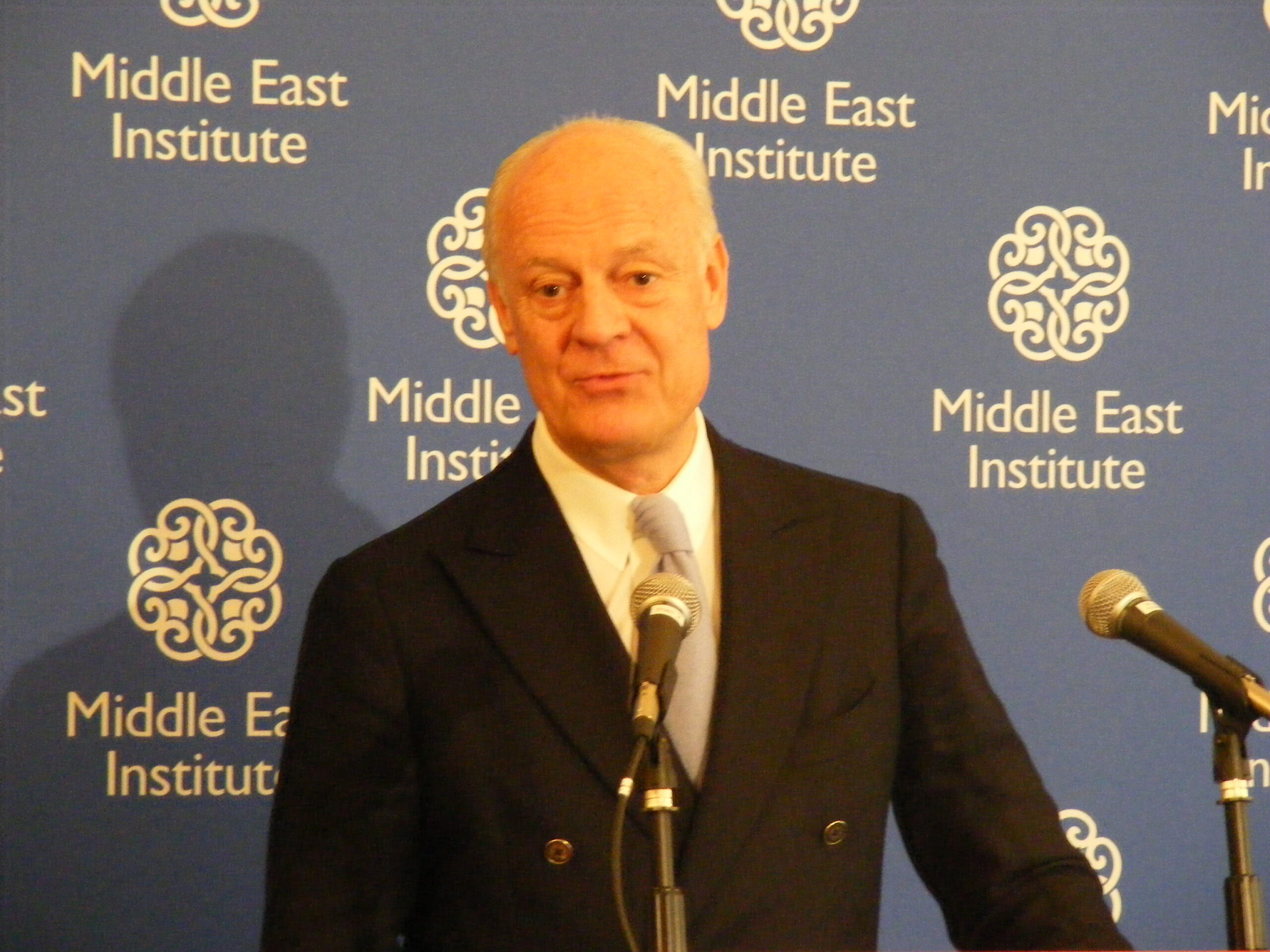
The Middle East Institute is proud to host Staffan De Mistura, the Special Representative of the UN Secretary-General for Afghanistan, for a lecture and discussion on the UN's mission in Afghanistan. De Mistura will speak at MEI following the UN Security Council debate on the mandate renewal of the United Nations Assistance Mission in Afghanistan (UNAMA). The Security Council resolution with the new mandate is scheduled to be adopted on March 22, 2011, the day of this event.
Inside the United Nations Assistance Mission in Afghanistan
The Middle East Institute is proud to host Staffan De Mistura, the Special Representative of the UN Secretary-General for Afghanistan, for a lecture and discussion on the UN's mission in Afghanistan. De Mistura will speak at MEI following the UN Security Council debate on the mandate renewal of the United Nations Assistance Mission in Afghanistan (UNAMA). The Security Council resolution with the new mandate is scheduled to be adopted on March 22, 2011, the day of this event.
Rahm Emanuel famously quipped that a crisis should never go to waste. In his absence, the Administration seems determined not to take sufficient advantage of the ongoing and huge crisis in the Arab world. Its hesitant, uncertain, and (to date) completely ineffectual response to events in Libya sadly make this all too clear.
It now appears that the US finally has gotten serious about doing something meaningful to assist opposition forces in Libya. Exaggerated fears and an insufficient grasp of the adverse consequences of not taking such action previously paralyzed US (and most European) policymakers with respect to even an eastern no-fly zone, let alone more robust measures. Meanwhile, what is left of the organized Libyan opposition is increasingly hard-pressed.
US-Syrian Relations: Changing Priorities After Egypt
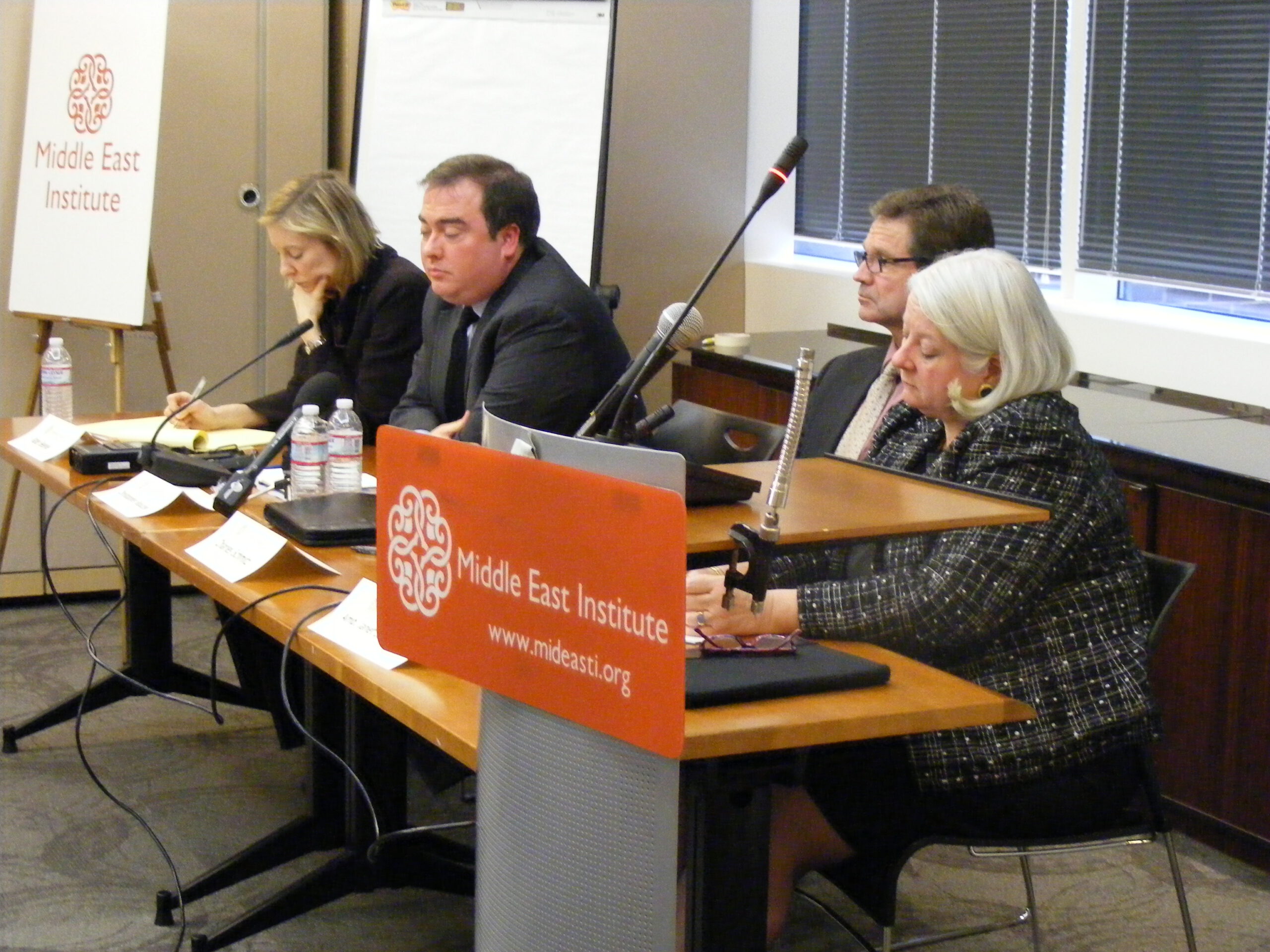
The Middle East Institute is proud to host Joshua Landis and Andrew Tabler for a discussion about the current state of US-Syrian relations and the impact the changing regional dynamic will have on the relationship's priorities. How might the revolutionary wave crossing the Middle East effect Washington's discussions with Damascus? Should there be a greater emphasis on reform? Where does the Syrian-Israeli peace track stand and is it more urgent than ever?
US-Syrian Relations: Changing Priorities After Egypt
The Middle East Institute is proud to host Joshua Landis and Andrew Tabler for a discussion about the current state of US-Syrian relations and the impact the changing regional dynamic will have on the relationship's priorities. How might the revolutionary wave crossing the Middle East effect Washington's discussions with Damascus? Should there be a greater emphasis on reform? Where does the Syrian-Israeli peace track stand and is it more urgent than ever?
The greatest threat to U.S. national security is Congress’s abdication of its constitutional responsibilities. Nothing could make this point more clear than the current discussion of whether Washington should bear the lion’s share of the costs and risks of a no-fly zone over Libya.
The Obama administration's efforts to win a settlement freeze as a confidence-building measure have failed, and the U.S.has not presented a new vision for resuming the moribund peace process. Nevertheless, many analysts now recommend shifting the diplomatic focus to negotiations to define the border between Israel and the future state of Palestine. Resolving the border would address the issues of settlements and Jerusalem as well as potential land swaps between the two states.
When Egyptians, fed up with corruption, dictatorship, and lousy government, pushed President Hosni Mubarak out the door, some worried whether the burst of enthusiasm for free, open elections and democracy would be squelched by Islamist groups like Egypt’s Muslim Brotherhood. History teaches that the real question isn’t who starts revolution, but who wins it. What begins as a quest for democracy can produce a new dictatorship.
Popular Revolt in Yemen: Implications for Democracy and US Foreign Policy
The Middle East Institute is proud to host Janet Sanderson, Christopher Boucek and Charles Schmitz for a discussion about the challenges facing Yemeni President Abullah Ali Saleh as he confronts a third month of anti-government protests and growing calls for secession from southern separatists. Sanderson will examine US policy toward the Saleh government in the face of demands for reform, while Schmitz will examine the respective players in Yemen's protest movement and the government's response to their demands.
Popular Revolt in Yemen: Implications for Democracy and US Foreign Policy
The Middle East Institute is proud to host Janet Sanderson, Christopher Boucek and Charles Schmitz for a discussion about the challenges facing Yemeni President Abullah Ali Saleh as he confronts a third month of anti-government protests and growing calls for secession from southern separatists. Sanderson will examine US policy toward the Saleh government in the face of demands for reform, while Schmitz will examine the respective players in Yemen's protest movement and the government's response to their demands.
Protracted Mass Displacement in Afghanistan and Iraq
The Middle East Institute, in partnership with the Fondation Pour le Recherche Strategique, is proud to host Dr. Susanne Schmeidl and Dr. Geraldine Chatelard for a discussion of situations of protracted mass displacement in Afghanistan and Iraq. Funded by the European Commission, the project aims to generate policy recommendations that will strengthen transatlantic cooperation to respond to the refugee crises in the above-mentioned countries. The event will feature the findings of the two project team leaders, based on more than two dozen field-research papers.