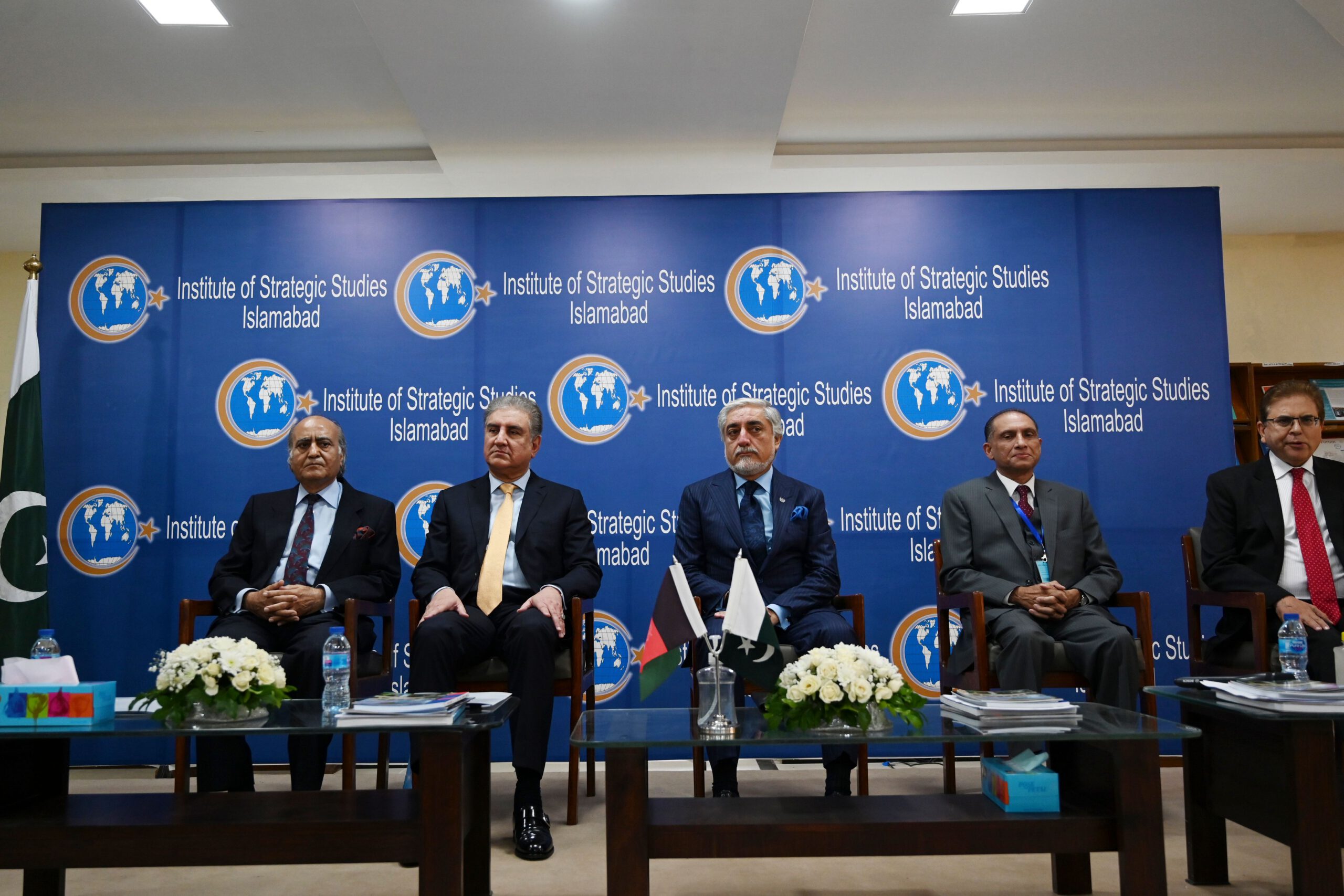
Monday Briefing: Will Afghanistan have a Christmas surprise?
This week’s briefing on recent news and upcoming events in the region featuring Marvin G. Weinbaum, Hafsa Halawa, Robert S. Ford, and Thomas W. Lippman.
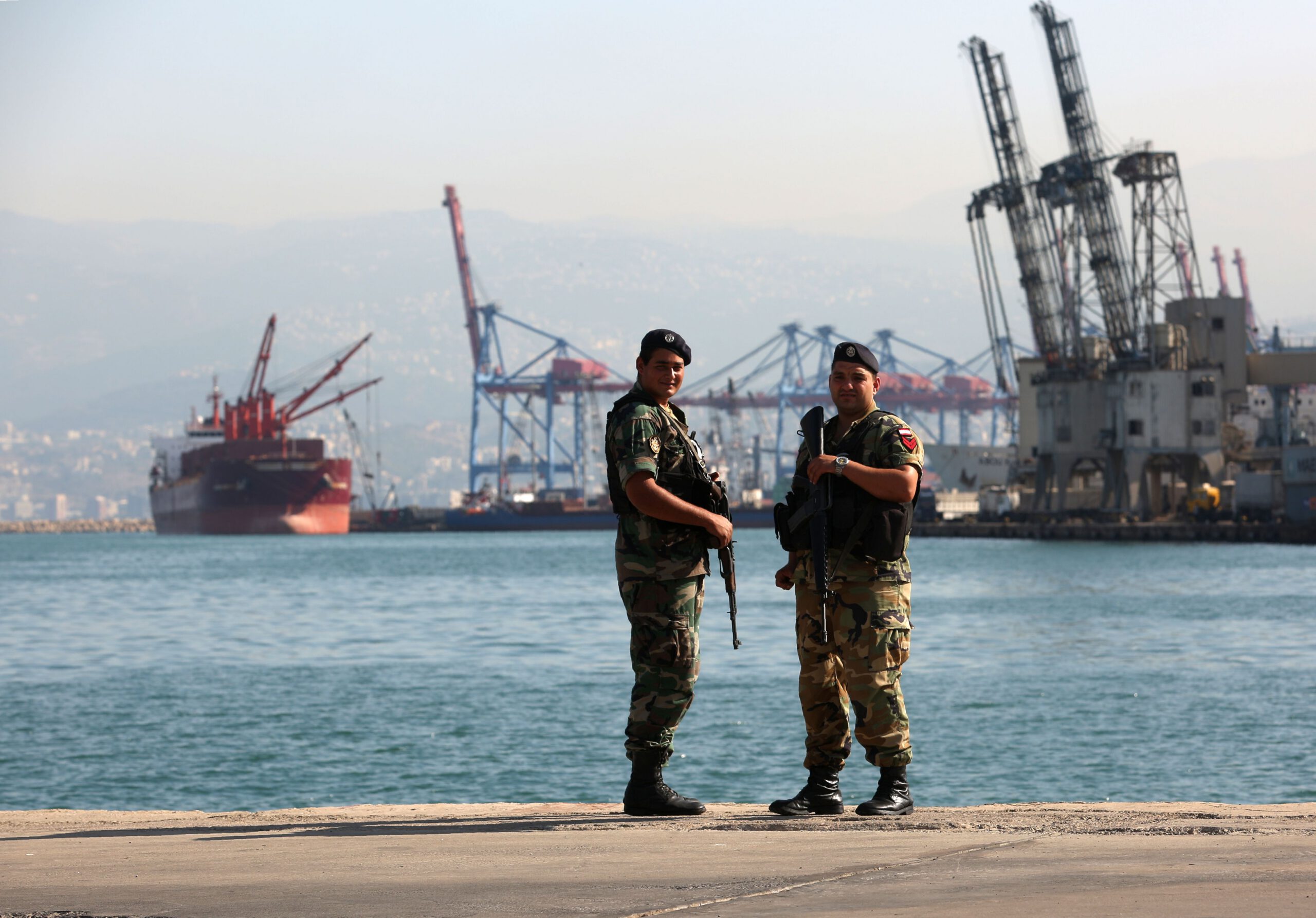
Lebanese maritime security: Navigating rough seas with good policy
Lebanon has a coastline of 120 nautical miles (NM) along the eastern Mediterranean and an exclusive economic zone (EEZ) that encompasses an area of 5000 square nautical miles (SNM). While this wide expanse presents many opportunities, it also represents a pressing security challenge for the Lebanese Navy and the region in general.
Between Trump’s Iranian lens and Obama’s indifference: What might a Biden presidency mean for Iraq?
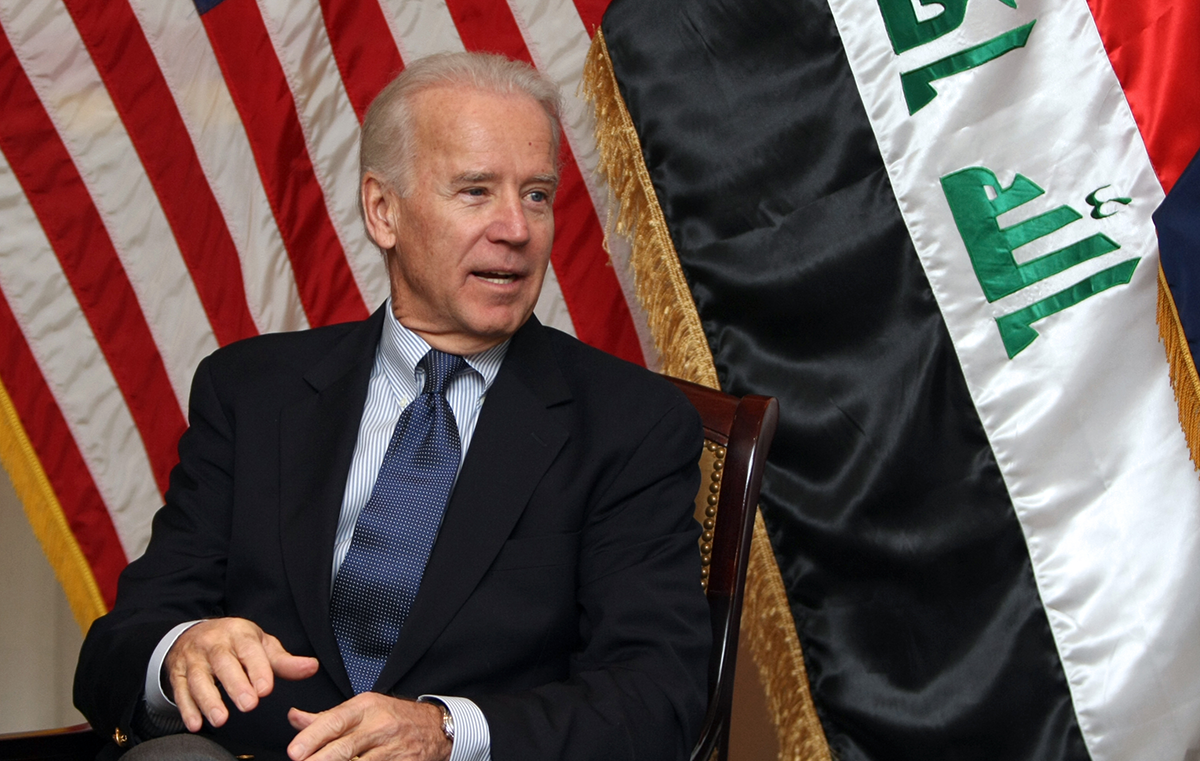
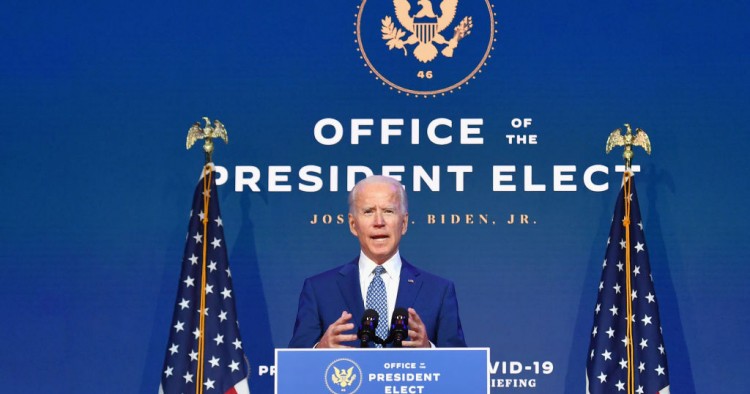
Joe Biden is no stranger to Iraq and this informs how Iraqi politicians have responded to his victory in the U.S. presidential election. Some have welcomed the news, while others are more cautious given concerns that a Biden presidency might lead to greater Iranian influence in the country. Indeed, Biden has a mixed record on Iraq. Though a Democrat, he voted for the 2003 Iraq War. But later as vice president, he was President Barack Obama’s right hand and fast-tracked their campaign promise to withdraw U.S. troops in 2011. Looking ahead to his presidency, his familiarity with the political class in Baghdad, forthright proposals about Iraq’s territorial integrity, and previous role in tipping power between major actors may falsely lead to a conclusion that Iraq will be a focus for his upcoming administration. The reality, however, is much different.
The role of the West in countering Russian Passportization in the Black Sea
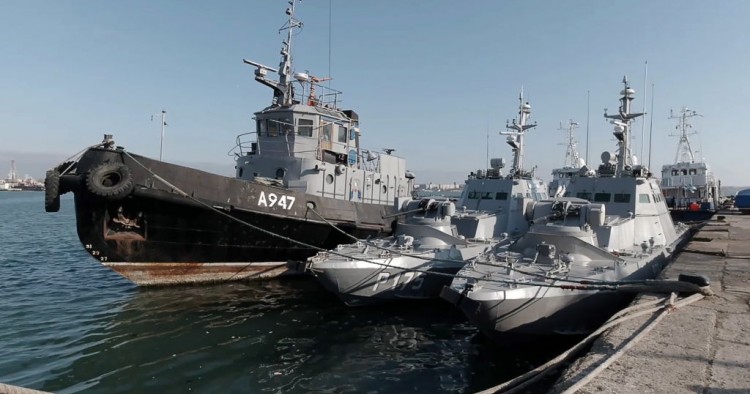
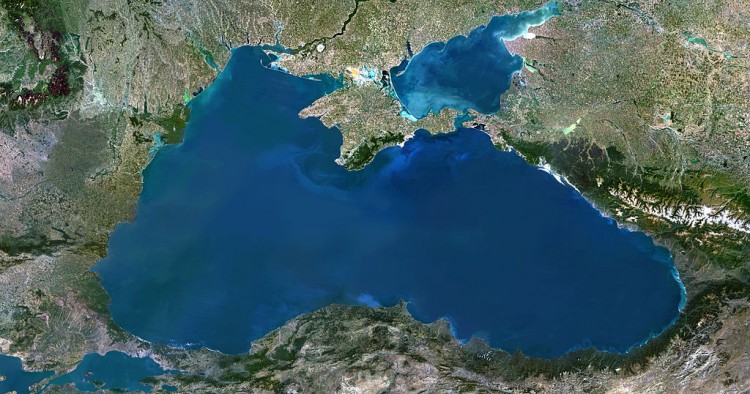
‘Passportization’ has been a longstanding policy of Russia as it seeks to maintain control over former Soviet countries. The policy is a functional ideological mechanism that has served as a complementary argument to Russia’s military interventions in the Black Sea region and influence in domestic affairs of post-Soviet countries. In recent years, the consequences of passportization have been felt in the Baltic States, as well as break-away territories of the Republic of Moldova and Georgia. It also preceded the annexation of Crimea and anticipated the breakaway of Eastern Ukraine.
The Palestinian-Israeli conflict: Has the equation changed?
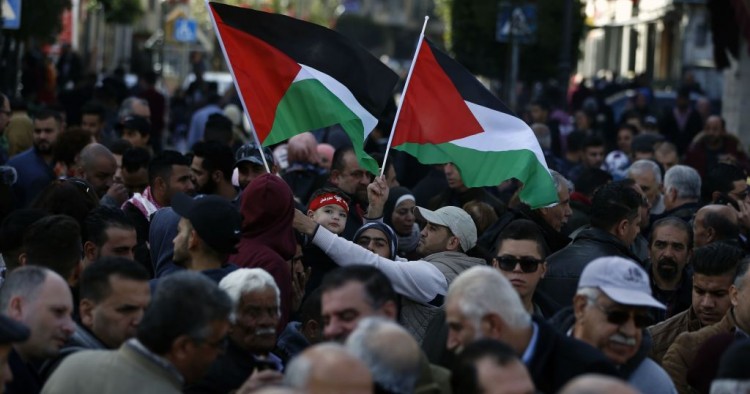
Throughout his term in office, the longest in Israeli history, Benjamin Netanyahu has sought to implement his expansionist vision regarding the Palestinian territories occupied in 1967. Netanyahu’s vision was explicitly articulated in the Nation-State Law, which declares that “the state views the development of Jewish settlement as a national value and will act to encourage and promote its establishment and consolidation.” The Israeli PM reiterated his stance at the most recent U.N. General Assembly meeting in a speech that described such Palestinian demands as the right of return for refugees, Israeli withdrawal from the occupied Palestinian Territories, and the evacuation of Israeli settlers from the West Bank as unrealistic.
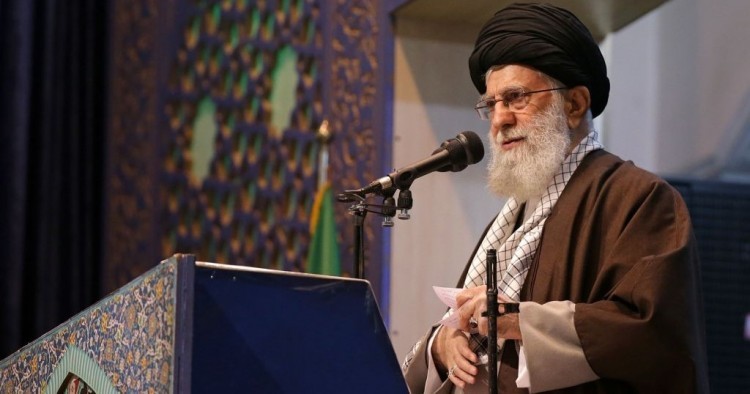
A “blue mirage”: Biden’s presidency and the Iranian economy
What does a Biden presidency mean for the economy of Iran? The short answer is: not much. While the Iranian public considers his election good news for the country, these sentiments are fleeting and will soon fade. The reason is simple: Even if Joe Biden decides to reengage with Iran or reenter the 2015 nuclear deal on his first day in office, a Biden presidency will not change many crippling realities for the Iranian economy.
Running out of steam? The energy argument and the Black Sea
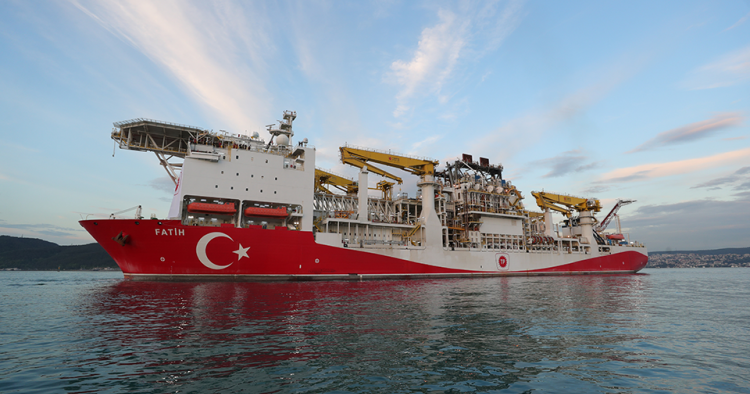
With the Trans Adriatic Pipeline (TAP) set to start operations in November 2020, the Black Sea once again lives up to its reputation as being of strategic interest to European energy security. As the final component of the European Union’s Southern Gas Corridor, TAP allows gas from Azerbaijan’s Shah Deniz field to be pumped to Georgia and onward to Turkey, Greece, and Albania.
Taiwan’s Model for Combating COVID-19: A Small Island with Big Data
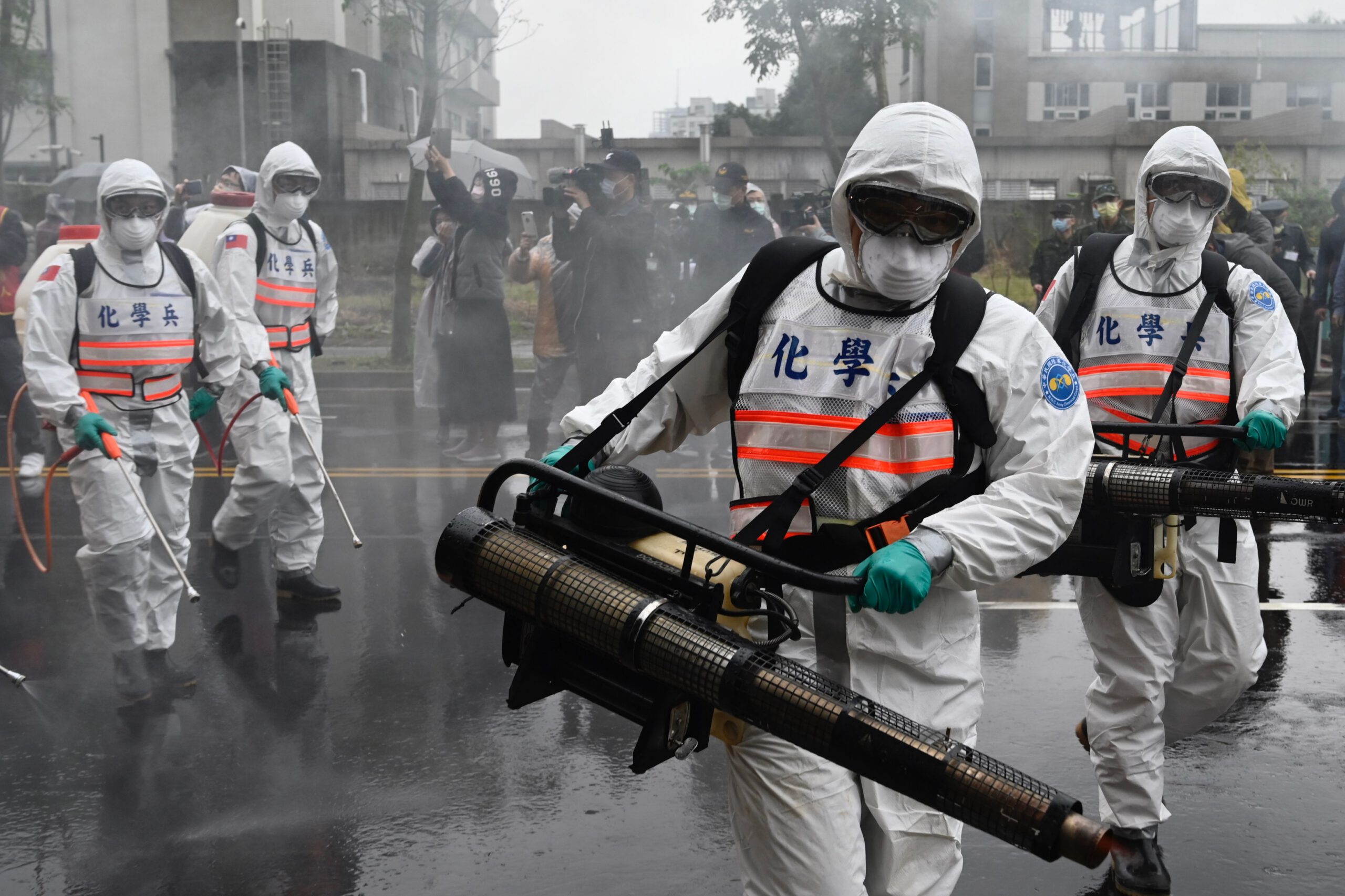
As the global number of confirmed COVID-19 cases surpasses 30 million, Taiwan has been one of the few success stories of containing the novel coronavirus. In what has become known as the “Taiwan Model” for managing the coronavirus outbreak, Taipei took early measures to control the spread of the coronavirus, including closing its borders to China and harnessing the power of digital technology to conduct efficient contact tracing and enforce mass quarantines. Taiwan notably was able to control the spread of the virus without resorting to a nation-wide lock-down, a path taken by China in the early months of 2020.