Positioning the Provinces Along China’s Maritime Silk Road
China’s Belt and Road Initiative (BRI) is a central policy framework with decentralized initiatives. Under the BRI’s Silk Road Economic Belt (SREB) and the Maritime Silk Road (MSR), China’s inland provinces and coastal peers have been obliged to implement the top-down national strategy while at the same time having been granted the latitude to interpret the strategy to suit their commercial interests. This article looks at how Fujian and Jiangsu provinces have sought to position themselves along the Maritime Silk Road with respect to their relations with Middle Eastern partners.
While the US is not a Black Sea country, it needs to be a Black Sea power
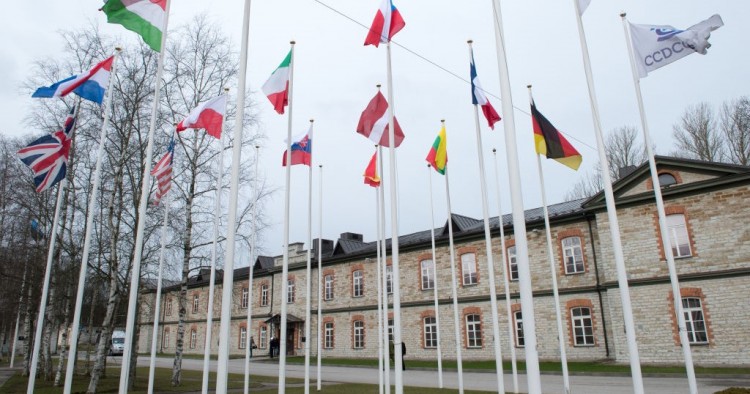
For many policymakers the Black Sea is a secondary consideration when it comes to transatlantic security. A lack of resources by NATO members meant that initiatives taken to bolster territorial defense were limited geographically after Russia’s invasion of Ukraine. At the time, Baltics were seen as the most pressing priority. Instead of bolstering NATO’s frontline from the Baltic to the Black Sea, the alliance instead focused most of its energy and resources on northeastern Europe.
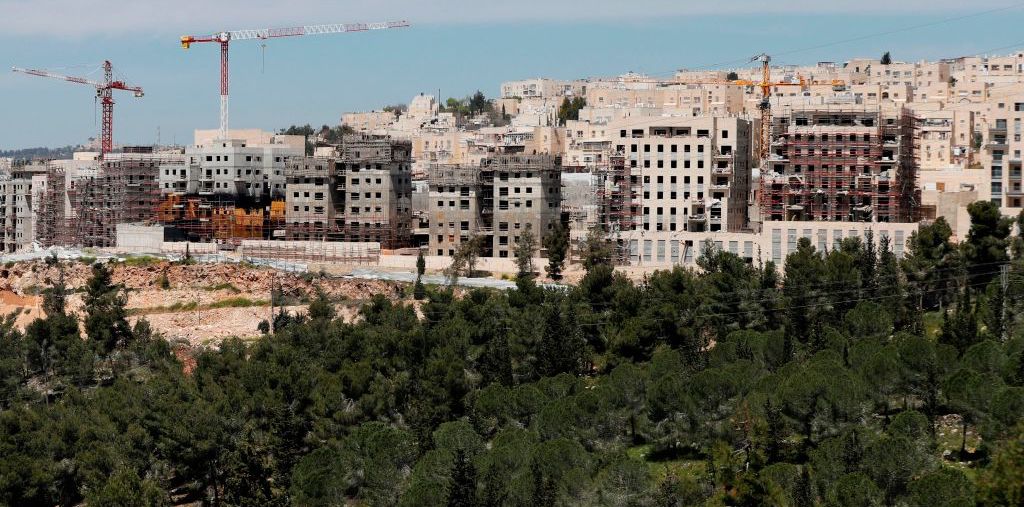
The potential cyber consequences of Israeli annexation of Palestinian territory
While it seems as though the immediate threat of Israeli annexation has, for the time being, faded, the incident raises an interesting new set of questions about how this particular battle will continue to play out in an increasingly digitized Middle East and the potential for retaliation by Palestinian and other actors in cyberspace, whether or not such an annexation takes place.
Monday Briefing: Red lines and rising tensions in Libya
In this week’s Monday Briefing, MEI experts Mirette F. Mabrouk, Robert S. Ford, Nazila Fathi, and Marvin G. Weinbaum provide analysis on recent and upcoming events including rising tensions in Libya, economic turmoil and anti-regime protests in Iran, and the Jordanian high court’s decision to dissolve the Muslim Brotherhood.
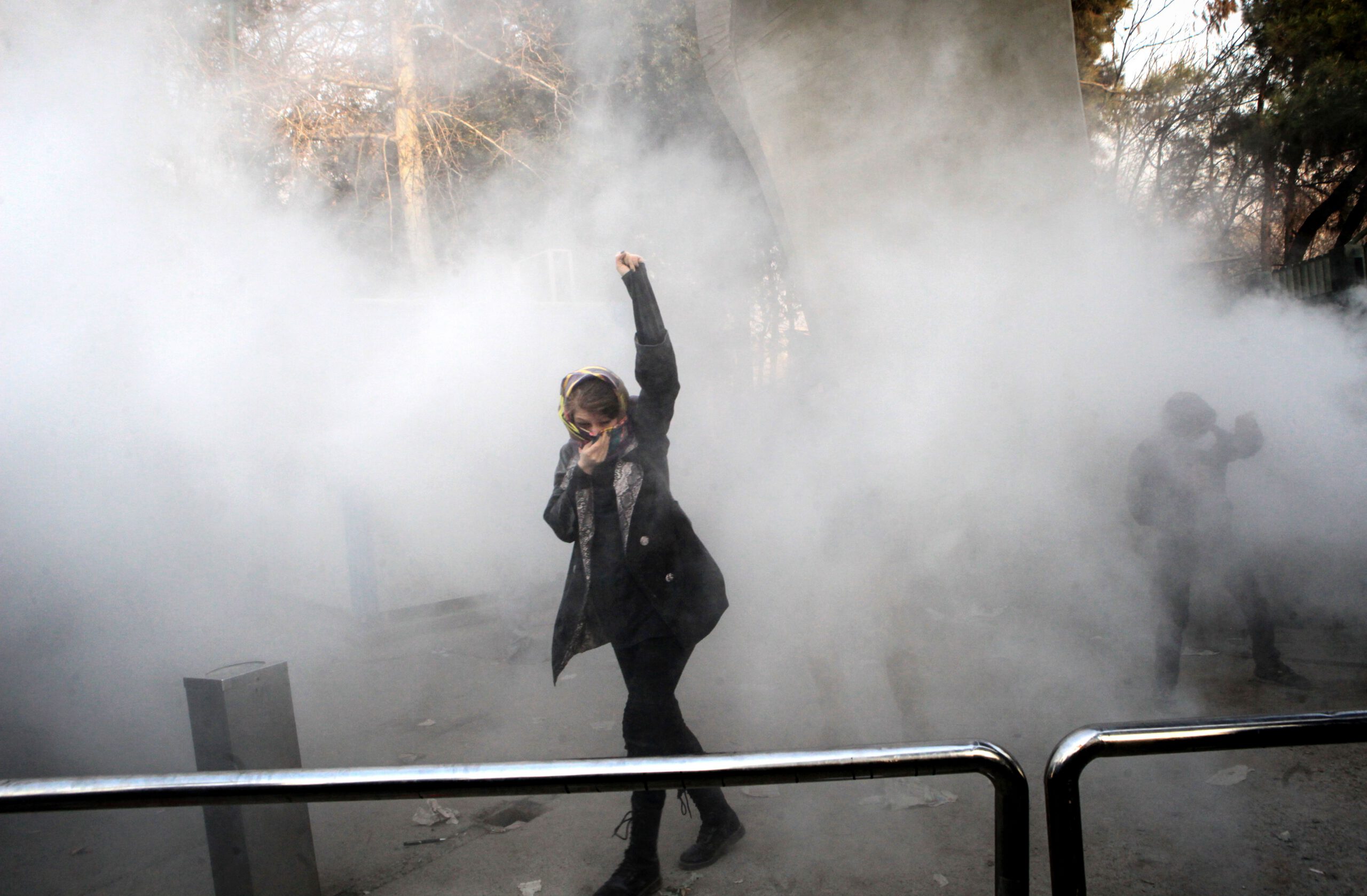
الأزمات الاقتصادية وعمليات الإعدام المتكررة تسببت في اندلاع احتجاجات جديدة في إيران
اندلعت احتجاجات مناهضة للنظام الإيراني في عدة مدن إيرانية أواخر الأسبوع الماضي وسط تزايد البؤس الاقتصادي، وبعد أن أيدت محكمة محلية أحكام الإعدام في حق ثلاثة شبان، مما أثار غضب الشارع.
وأظهرت مقاطع فيديو منشورة على منصة تويتر، وجودًا كثيفًا لقوات الأمن في عدة محافظات، بما في ذلك طهران، خراسان، وخوزستان التي شهدت اشتباكات دموية خلال احتجاجات نوفمبر الماضي.
So far, Saudi Arabia’s push for OPEC+ restraint appears to be working. If projections of a gradual demand recovery in 2020 are accurate, the Saudis should be able to reaffirm their centrality as market stabilizers.
Mid-year review: Key regional developments in 2020
MEI’s Paul Salem and Randa Slim join host Alistair Taylor to discuss the main trends and developments across the region over the first half of 2020, and what to watch for in the months ahead.
حلقة 3: الشباب والمجتمع المدني العراقي — مع رشا العقيدي وحيدر الشاكري
ما هو دور المجتمع المدني العراقي اليوم؟ ما هي تحدياته وفرصه؟ أين وصلت مطالب احتجاجات أو ثورة تشرين؟ كيف يمكن أن توفّق المجموعات العراقية بين حاجتها للتمويل الدولي و استجابتها لمطالب محلية؟ كيف يتعاطى الشباب والمجتمع المدني العراقي مع الانقسام الطائفي؟ هل هناك فرق في الأولويات بحسب المناطق كبغداد والموصل؟
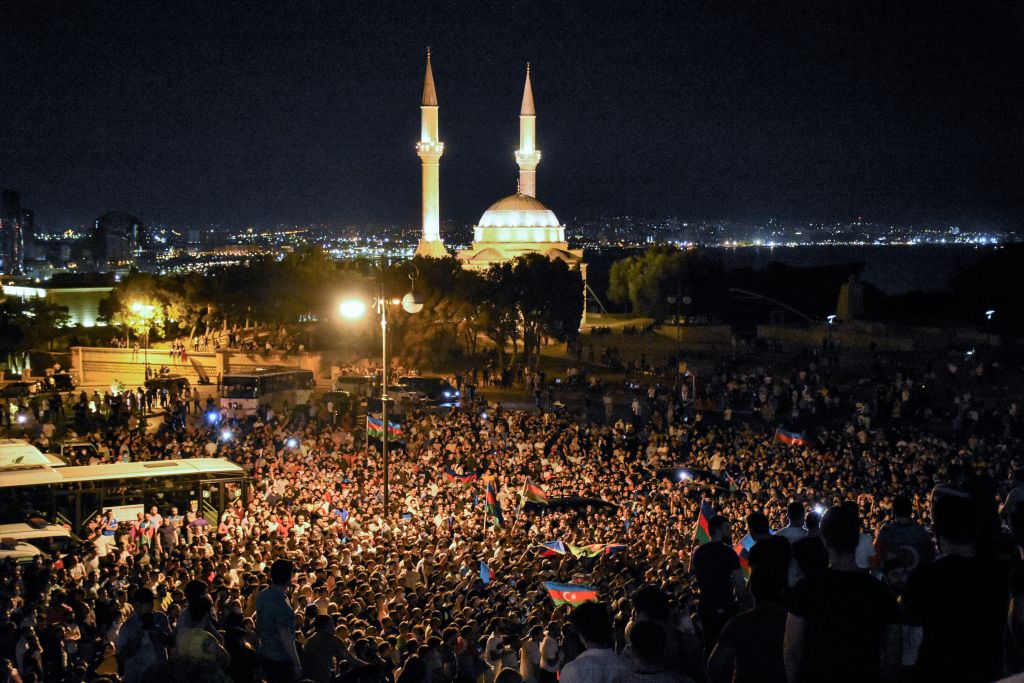
New old dynamics at play in the Armenia-Azerbaijan conflict
There are two countries in Europe which have been at war with one other for three decades. Last week Armenia and Azerbaijan were fighting again. At least fifteen soldiers, including an Azerbaijani general and one civilian, were killed in clashes across their northern border between the towns of Tavush and Tovuz. After a brief lull, firing from heavy weapons resumed on July 16.
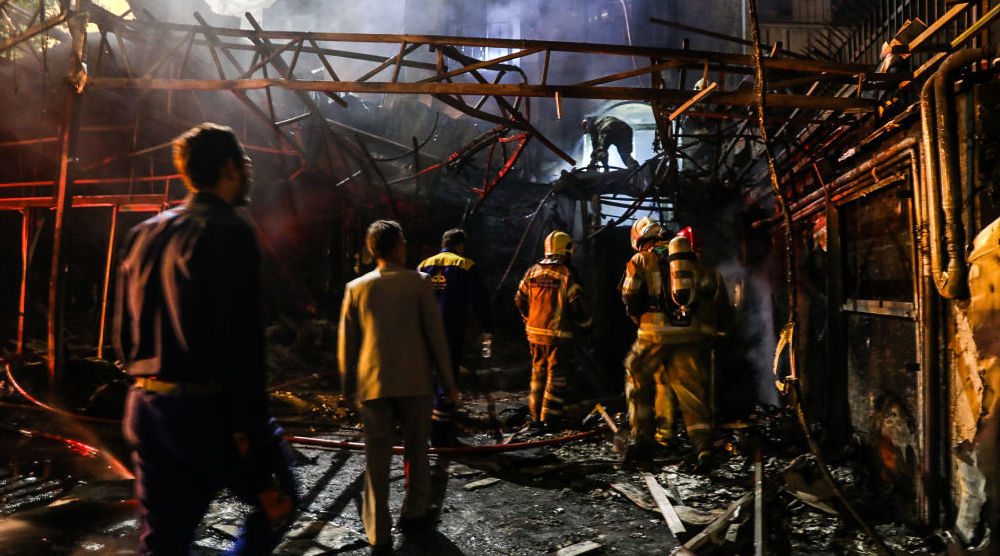
What’s behind the wave of mysterious incidents in Iran?
On the 10th anniversary of the discovery of the Stuxnet computer virus, designed by the U.S. and Israel to target Iran’s nuclear program, the Islamic Republic is facing a new wave of unclaimed acts of sabotage.
HTS and al-Qaeda in Syria: Reconciling the irreconcilable
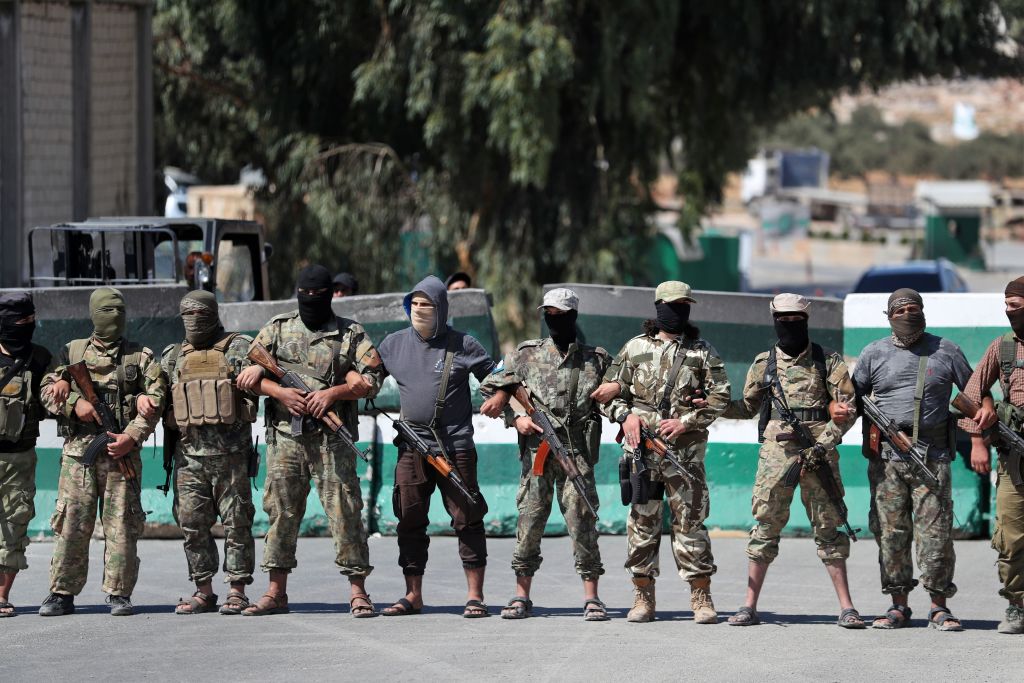
HTS launched multiple raids on SBS, forcing its factions to close their military bases and banning the formation of any new factions or operations rooms. In doing so, it has killed two birds with one stone: demarcating new redlines for its rivals and demonstrating its usefulness to its Turkish “partner” and the international community in their war on terrorism.